How to Make an Authentic Filipino Spice Blend at Home
Table of Contents
- Introduction
- Key Takeaways
- What Are the Key Spices in an Authentic Filipino Spice Blend?
- How to Make an Authentic Filipino Spice Blend at Home?
- Is Filipino Seasoning Gluten-Free and Keto-Friendly?
- What makes Filipino food different from other Southeast Asian cuisines?
- How to store and preserve Filipino spice blend for maximum flavor?
- FAQs
Introduction
Filipino cuisine is celebrated for its vibrant yet balanced flavors, combining savory, tangy, and aromatic notes that make each dish uniquely comforting. At the heart of many classic recipes like adobo and sinigang to pancit and grilled meats it is the Filipino spice blend, a versatile mix of dried spices, herbs, and aromatics designed to elevate every meal.
This spice blend is more than just seasoning; it’s a gateway to authentic Filipino cooking. It balances warm earthiness, subtle sweetness, gentle heat, and a hint of citrus, reflecting centuries of culinary influences from indigenous Filipino traditions, Chinese stir-fry techniques, and Spanish and Malay flavors.
Making this blend at home allows you to control the freshness, aroma, and intensity of your seasonings, ensuring that each dish bursts with the traditional flavors of the Philippines.
Key Takeaways
What is a Filipino spice blend?
A Filipino spice blend is a carefully balanced combination of dried spices, herbs, and aromatics that forms the signature flavour of Filipino cuisine. Known for its savory, slightly tangy, and aromatic profile, this blend enhances everything from stews and grilled meats to noodle dishes and vegetable sautés.
What ingredients do you need to make it at home?
The blend uses traditional Filipino pantry staples including bay leaves, black pepper, cilantro, cinnamon, curry leaves, garlic powder, ginger powder, dried lemon, lemongrass, yellow mustard seeds, onion powder, paprika, and turmeric.
How do you make a Filipino spice blend from scratch?
Crush the bay leaves, combine all spices in a dry bowl, mix thoroughly, and store in an airtight glass jar. This ensures even flavour and long-lasting freshness.
What does this seasoning taste like?
It has a warm, savoury, citrus-forward profile with gentle heat and subtle earthiness, capturing the layered flavours of Filipino cooking without being overly spicy.
Is Filipino seasoning gluten-free and keto-friendly?
Yes. When made with pure dried herbs and spices, the blend is naturally gluten-free, low-carb, and suitable for ketogenic diets.
How do you use a Filipino spice blend in cooking?
Sprinkle it on grilled meats, stir into stews, season seafood, enrich soups, or use it as a dry rub for poultry, pork, noodles, and vegetables.
How long does the spice blend stay fresh?
When stored properly in an airtight glass jar away from heat and sunlight, it stays vibrant for up to six months, with peak flavour in the first three to four months.
What makes Filipino seasoning different from other Asian spice blends?
Filipino seasoning relies on a balance of sour, savoury, and aromatic notes rather than intense heat or heavy herbs, making it distinct from Thai, Malaysian, or Vietnamese blends.
How should you store the spice blend for maximum flavour?
Keep it in a cool, dark place and avoid humidity, heat, and direct sunlight. Always use dry utensils to prevent clumping and preserve aroma.
What Are the Key Spices in an Authentic Filipino Spice Blend?
A traditional Filipino spice blend brings together warm aromatics, bright citrus notes, and gentle heat. While recipes vary between islands, these core spices commonly appear in home-cooked dishes and professional Filipino kitchens.
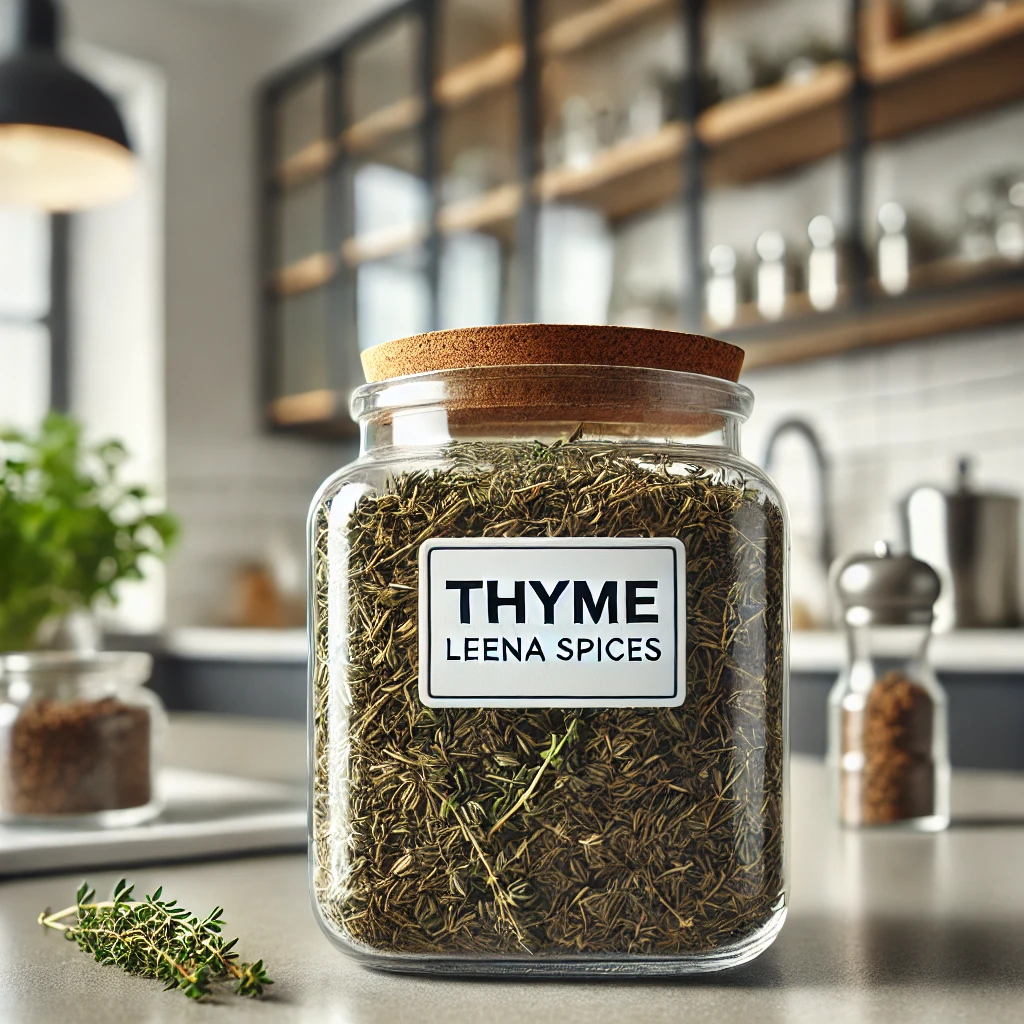
Bay Leaves
Bay leaves add a subtle earthiness and depth that round out stews, braises, and slow-cooked dishes. They are essential in classics like adobo and kare-kare, where they help build a layered, savoury base.
Black Pepper
Filipino cuisine relies heavily on freshly ground black pepper for warmth and mild heat. It lifts everyday dishes such as sinigang, pancit, and grilled meats with its sharp, aromatic bite.
Cilantro
Cilantro introduces a fresh, herbal note that brightens seafood, soups, and sauces. While not used in every region, it appears frequently in coastal dishes and modern Filipino fusion blends.
Cinnamon
Cinnamon contributes gentle sweetness and warmth. It is used sparingly in savoury dishes to balance acidity, especially in spice blends designed for marinades and slow-cooked meats.
Curry Leaves
In southern Filipino cooking, curry leaves provide a nutty, aromatic flavour, especially in dishes influenced by Malaysian and Indian culinary traditions. They add complexity to curries, coconut-based sauces, and spice rubs.
Garlic Powder
Garlic is a foundation of Filipino flavour. Garlic powder intensifies this familiar taste and offers consistency when blending dry rubs for chicken, pork, and seafood.
Ginger Powder
Ginger powder brings heat, citrusy brightness, and warmth. It complements savoury stews, noodle dishes, and marinades while adding a clean, aromatic finish.
Dried Lemon
Dried lemon gives a tangy, citrus-forward lift to Filipino spice blends. It balances richness in meats and enhances the flavour profile of grilled and fried dishes.
Lemongrass
A key ingredient in many island-style recipes, lemongrass adds a refreshing, lemony aroma. It pairs well with chicken, seafood, and coconut milk, making it indispensable in many regional spice mixes.
Yellow Mustard Seeds
Yellow mustard seeds offer gentle heat, nuttiness, and a hint of tang. They appear in Filipino pickles, curries, and spice blends used for roasting and sautéing.
Onion Powder
Onion powder provides concentrated sweetness and savoury depth. It supports the foundational flavours of soups, stews, and well-seasoned grilled meats.
Paprika
Paprika contributes colour and mild smokiness. It enhances grilled dishes, spice rubs, and marinades with a rich red hue and gentle warmth.
Turmeric
Turmeric lends its earthy aroma and vibrant golden colour to Filipino blends. It is especially common in dishes influenced by Mindanao cuisine, adding both flavour and natural brightness.
How to Make an Authentic Filipino Spice Blend at Home
Ingredients
Use high-quality, dried spices for the best aroma and long-lasting freshness:- Bay Leaves – 10g Adds deep, earthy flavour essential in slow-cooked Filipino dishes.
- Black Pepper – 4g Provides sharp warmth and mild heat.
- Cilantro – 4g Contributes fresh, herbaceous notes that brighten the blend.
- Cinnamon – 4g Introduces very gentle sweetness and background warmth.
- Curry Leaves – 1g Adds a nutty, aromatic complexity inspired by southern Filipino influences.
- Garlic Powder – 10g Delivers strong, savoury flavour that anchors the entire blend.
- Ginger Powder – 10g Brings warm heat and citrusy brightness.
- Dried Lemon – 3g Lifts the blend with clean, tangy acidity.
- Lemongrass – 10g Adds a fresh, lemony aroma signature to many regional dishes.
- Yellow Mustard Seeds – 4g Offers mild heat and a subtle, nutty tang.
- Onion Powder – 10g Provides concentrated sweetness and body.
- Paprika – 20g Gives colour, mild smokiness, and warmth.
- Turmeric – 10g Adds earthiness and a natural golden hue.
Method
- Crush the bay leaves using your hands or a mortar and pestle until they form small flakes.
- Combine all spices in a clean, dry bowl.
- Mix thoroughly to ensure even distribution of flavours.
- Store the blend in an airtight glass jar, away from heat and sunlight.
How to Use This Filipino Spice Blend
You can sprinkle this blend over grilled chicken, pork, or seafood, stir it into soups and stews, rub it onto meats before roasting, or use it to season fried rice, vegetables, or noodles. It is particularly effective in recipes that highlight the warm, citrusy, and savoury profile of Filipino cooking.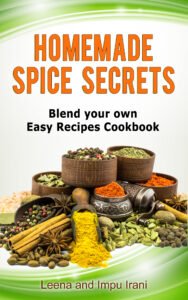
Is Filipino Seasoning Gluten-Free and Keto-Friendly?
Most homemade Filipino seasoning blends are naturally gluten-free and keto-friendly, especially when they rely solely on dried herbs and spices. Traditional Filipino blends like the one made with bay leaves, garlic powder, paprika, turmeric, lemongrass, and black pepper do not contain wheat, barley, or added sugars, making them suitable for people following gluten-free, low-carb, or ketogenic diets.
However, it is important to check two factors:
Purity of Spice Ingredients
Some commercial spice mixes may include anti-caking agents, fillers, or flavour enhancers that can contain gluten or starch derivatives. When making your blend at home, use pure, single-ingredient spices to ensure total gluten-free and keto compliance.
Cross-Contamination
Store-bought spices processed in shared facilities can come into contact with gluten-containing products. Always check labels for “gluten-free” certification if this is a concern.
Watch the Video
⚡️The Ultimate Keto Meal Plan⚡️
Bottom Line
A homemade Filipino spice blend using pure dried herbs and spices is naturally gluten-free, low-carb, and keto-friendly. It’s a flavour-rich option perfect for anyone looking to season food without added sugars, fillers, or gluten-based ingredients.
What Makes Filipino Food Different from Other Southeast Asian Cuisines?
- A Balance of Sour, Savoury, and Umami While many Southeast Asian dishes rely on heat and herbal freshness, Filipino food often highlights sourness, especially through vinegar, calamansi, and tamarind. Dishes like adobo, sinigang, and kinilaw show how acidity shapes the Filipino palate in a unique way.
- Everyday Cooking Anchored in Comfort and Simplicity Filipino dishes typically prioritise clean, bold flavours over intense spice. Meals like tinola, pancit, and lumpia focus on balance and comfort rather than heavy chilli heat or complex herb pastes.
- Strong Spanish Influence More than 300 years of Spanish presence introduced stewing techniques, tomatoes, cured meats, and dishes such as menudo, afritada, and arroz caldo. This influence sets the Philippines apart from its neighbours whose cuisines lean more toward regional Southeast Asian traditions.
- Chinese Roots in Noodles, Stir-Fries, and Sauces Filipino cuisine incorporates Chinese techniques like stir-frying and steaming. Soy sauce, oyster sauce, and noodles became staples, creating beloved dishes like pancit canton and lomi, which differ from Thai or Vietnamese noodle styles.
- Coconut, Vinegar, and Slow Braising While coconut milk is common in Southeast Asia, Filipino dishes often combine it with vinegar or aromatics in ways that produce a distinct flavour such as in Bicol Express or laing. Slow braised dishes seasoned with bay leaves and peppercorns also mark a Filipino signature.
- Minimal Use of Chillies Compared with Malaysian or Thai cuisine, Filipino food is generally less spicy. Heat is optional and varies widely between regions.
How to Store and Preserve Filipino Spice Blend for Maximum Flavor?
Proper storage is essential if you want your Filipino spice blend to keep its full aroma, color, and potency. Because the blend contains dried herbs, citrus, and ground spices, protecting it from air, light, heat, and moisture will significantly extend its shelf life.
- Use an Airtight Glass Jar
Store your spice blend in a clean, airtight glass container. Glass protects the spices from absorbing odors and prevents moisture from entering, which helps maintain freshness. Avoid plastic containers, as they can hold lingering smells or allow air transfer. - Keep It Away From Heat and Sunlight
Place the jar in a cool, dark cupboard, away from stoves, ovens, and direct sunlight. Exposure to light and heat breaks down essential oils in spices, causing the blend to lose its aroma more quickly. - Avoid Humidity and Steam
Do not keep your blend near the dishwasher, kettle, or sink. Moisture is the enemy of dried spices and can cause clumping or mold. Always use dry measuring spoons when scooping from the jar. - Minimise Air Exposure
Every time you open the jar, a small amount of aroma escapes. If possible, store your blend in a jar that matches the quantity you’ve made so there’s less empty space inside. This slows oxidation and helps retain flavour longer. - Label With a Date
Write the preparation date on the jar. A well-stored Filipino spice blend stays vibrant for up to six months, though the flavour is strongest in the first three to four months. - Keep Whole Spices When Possible
If you plan to store the blend for a longer period, consider keeping components like bay leaves, mustard seeds, and peppercorns whole. Whole spices retain potency longer and can be crushed just before use.
Bottom Line
To preserve maximum flavour, store your Filipino spice blend in an airtight glass jar, away from light, heat, and moisture. Handle it with dry utensils and refresh the batch every few months to keep your cooking aromatic, vibrant, and true to Filipino flavours.
You can buy Pure and Gluten-Free Filipino Spice Blend From Amazon
You’ll find several reputable brands offering pre-made blends in both small jars and bulk packs.
CLICK HERE
FAQs
Can I make a Filipino spice blend without paprika or turmeric?
Yes, you can adjust the blend based on availability. While paprika and turmeric add colour and warmth, you can substitute with mild chili powder or omit them entirely without losing the overall Filipino flavour profile.
How much Filipino spice blend should I use in cooking?
For most dishes, start with 1–2 teaspoons per serving and adjust to taste. Heavier protein dishes like chicken or pork may require 1–2 tablespoons to achieve full flavour.
Can I use fresh herbs instead of dried in this spice blend?
Fresh herbs can be used, but the blend is designed for dried spices to ensure consistent flavour and long shelf life. If using fresh herbs, add them at the cooking stage rather than in the dry blend.
What Filipino dishes work best with this spice blend?
It complements a wide range of dishes, including adobo, sinigang, grilled meats, pancit, lumpia, coconut curries, and fried rice. It can also be used as a dry rub or seasoning for seafood and vegetables.
Can I make this blend ahead of time for gifts or meal prep?
Absolutely. Prepare in bulk and store in airtight jars. Label with the date, and it will stay aromatic for up to six months, making it perfect for gifting or batch cooking.
Does this spice blend contain allergens?
When made with the listed ingredients, it is allergen-free and naturally gluten-free. Always check store-bought spices for cross-contamination if allergies are a concern.
Can I grind the whole spices myself for a fresher flavour?
Yes. Grinding whole spices like mustard seeds, bay leaves, and peppercorns just before mixing intensifies the aroma and flavour, making your Filipino blend more robust and authentic.
Is this spice blend suitable for vegetarian or vegan diets?
Yes. This blend is 100% plant-based and adds rich flavour to vegetarian and vegan dishes without any animal products.
How can I make my Filipino spice blend last longer in humid climates?
Store the blend in airtight glass containers with silica packets or in a cool, dark cupboard. Avoid storing near stoves or sinks to prevent moisture absorption and maintain peak freshness.
Related Posts You May Want to Read
1 Secret of Asian Spice Blend That Will Transform Your Cooking
How to Make the Perfect Fried Chicken Spice Blend at Home | Crispy Asian Fried Chicken Recipe Guide
How to Make the Perfect Rendang Spice Blend: A Step-by-Step Guide for Home Cooks
Bami Goreng Homemade Spice Blend: Bring Indonesian Street-Style Fried Noodles to Your Kitchen