How to Make Authentic Tunisian Tabil at Home: Easy Leena Spice Method
Table of Contents
- Key Takeaways: Tunisian Tabil Spice Blend
- What is Tunisian Tabil Seasoning?
- How Do You Pronounce Tabil?
- What Does Tabil Taste Like?
- What Is the Difference Between Tabil and Harissa?
- Difference Between Tabil and Harissa (Table Comparison)
- What Are the Key Ingredients in Tabil Spice Blend?
- What Is the Easiest Homemade Tabil Recipe?
- How Long Does Homemade Tabil Last, and How Should It Be Stored?
- Frequently Asked Questions (FAQs) About Tunisian Tabil
Key Takeaways: Tunisian Tabil Spice Blend
What is Tunisian Tabil?
Tunisian Tabil is a traditional North African spice blend from Tunisia, primarily coriander-based, with caraway, garlic, and mild chili. It is used to season stews, grilled meats, vegetables, couscous, and as a dry rub in Tunisian cuisine.
How do you pronounce Tabil?
Tabil is pronounced “TAH-beel”, with emphasis on the first syllable. Some regional variations may say “TAH-bill” or “TAH-bul,” but “TAH-beel” is the most common and widely recognized pronunciation.
What does Tabil taste like?
Tabil has a warm, earthy, and aromatic flavor profile. Coriander gives a nutty, citrusy base, caraway adds subtle anise-like notes, garlic adds pungency, and mild chili provides gentle heat. It is an aromatic and balanced spice blend, enhancing dishes without overpowering them.
What are the main ingredients in Tabil?
Core ingredients include coriander, caraway, garlic, cumin, black pepper, fennel, paprika, turmeric, and optionally ras el hanout. Some variations may add cardamom or cloves for extra depth.
How is Tabil different from Harissa?
Tabil is a dry, aromatic spice blend used to season dishes, while Harissa is a wet chili paste that adds bold heat and intensity. Tabil provides the flavor base, and Harissa layers in heat and richness.
How do you make Tabil at home?
Lightly dry-roast whole spices (coriander, caraway, cumin, fennel, black pepper, cardamom, cloves), cool, grind into powder, then mix in garlic powder, paprika, turmeric, and ras el hanout. Store in an airtight container away from heat and light.
How long does homemade Tabil last?
Freshly ground Tabil retains peak flavor for 3 to 6 months, remains usable for up to 12 months, and can last 2 years if stored carefully. Whole spices last longer for about 2 to 3 years before grinding.
How should Tabil be stored?
Store Tabil in an airtight glass jar in a cool, dark, dry place away from heat, light, and moisture. Avoid storing near the stove or dishwasher. In hot, humid climates, freezing in a sealed jar can help maintain freshness.
What dishes can Tabil be used in?
Tabil is versatile: perfect for Tunisian stews, soups, grilled meats, seafood, couscous, vegetables, and as a dry rub or marinade. It pairs exceptionally well with Harissa for layered flavor.
Why choose homemade Tabil over store-bought?
Homemade Tabil ensures maximum freshness, aroma, and authentic flavor, allows control over spice ratios, and avoids additives or preservatives, giving home cooks a true North African taste experience.
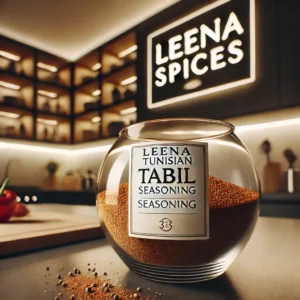
What is Tunisian Tabil Seasoning?
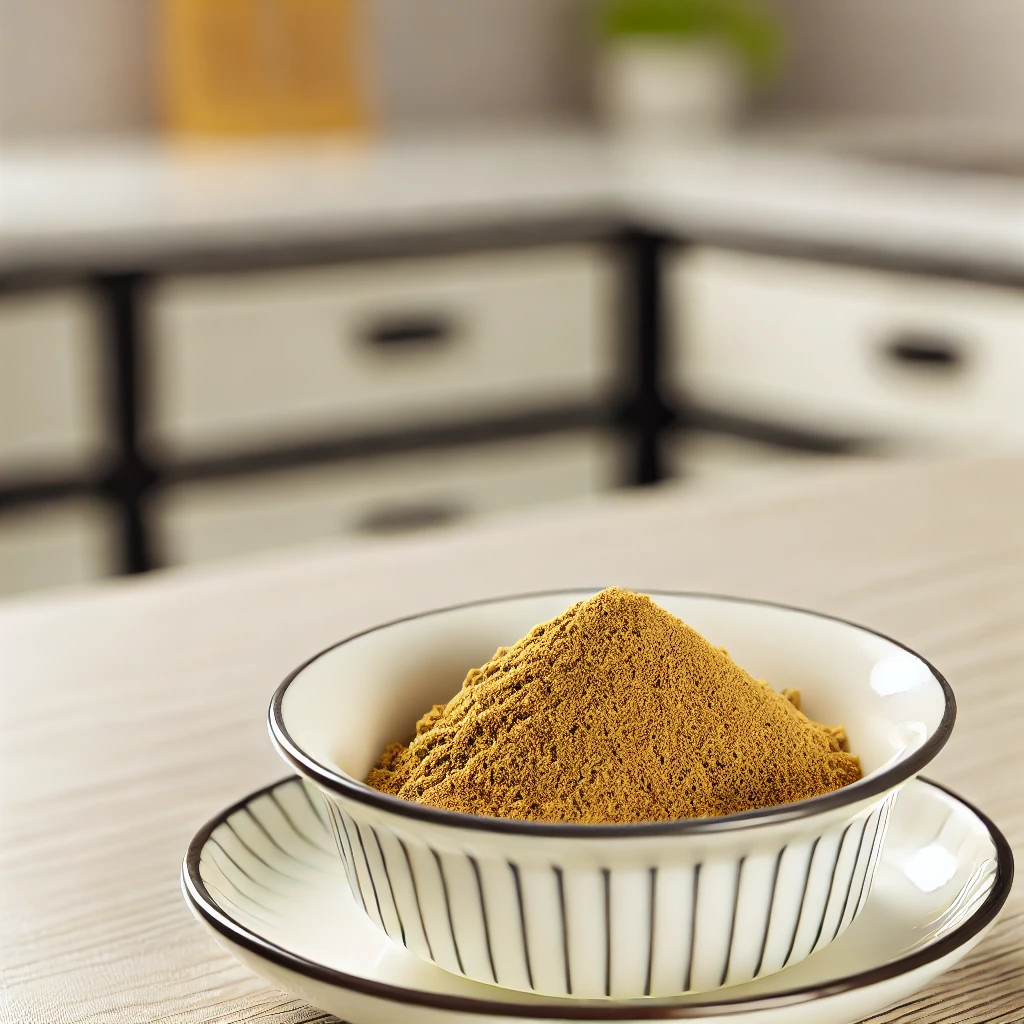
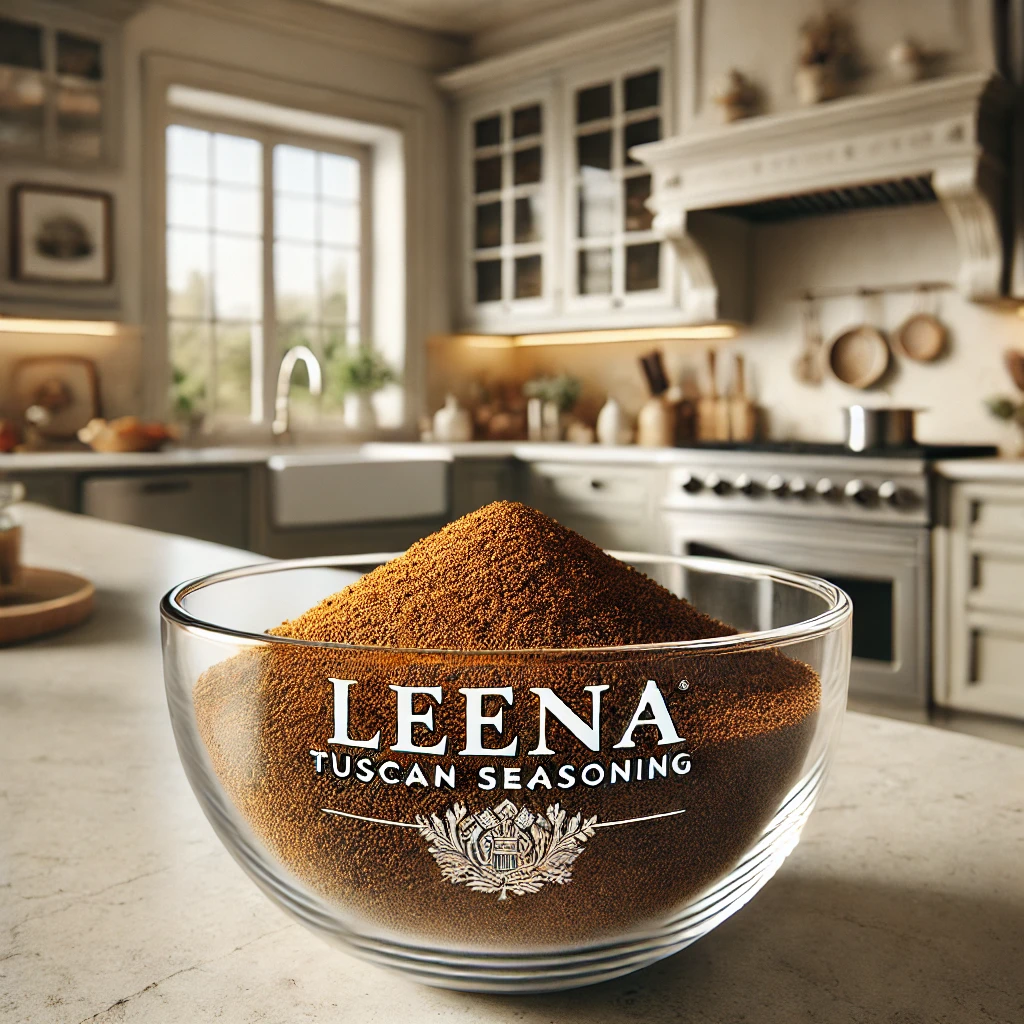
Tunisian Tabil is a traditional North African spice blend from Tunisia, widely regarded as an essential everyday seasoning in Tunisian cuisine. The word tabil in Tunisian Arabic translates to “seasoning” and also referred to coriander, which is the blend’s main ingredient.
Unlike complex North African spice mixes such as ras el hanout, Tunisian Tabil is intentionally simple and focused. Its restrained composition makes it highly versatile and easy to use in daily cooking without overpowering a dish. Tabil is commonly added to stews, soups, tagines, grilled meats, fish, vegetables, couscous, and dry rubs. It is also frequently paired with harissa, Tunisia’s iconic chilli paste, to create layered heat and depth.
Traditionally, the whole spices used in Tabil are lightly dry-roasted before grinding. This step intensifies their aroma and enhances the blend’s nutty, citrusy, and savoury notes, resulting in a seasoning that is both fragrant and well-balanced.
Today, Tunisian Tabil Seasoning remains a cornerstone of Tunisian home cooking and professional kitchens alike, valued for its adaptability, aromatic warmth, and ability to enhance a wide range of savoury dishes while staying true to kitchens in North Africa.
How Do You Pronounce Tabil?
Tabil is most commonly pronounced “TAH-beel”, with clear emphasis on the first syllable. It closely rhymes with the English word “table,” making it easy to remember for non-native speakers.
In some regional dialects or informal usage, you may also hear slight variations such as “TAH-bill” or “TAH-bul.” However, “TAH-beel” remains the most widely accepted and commonly used pronunciation in Tunisia and in culinary contexts internationally.
What Does Tabil Taste Like?
Tunisian Tabil has a warm, earthy, and aromatic flavour profile that is deeply savoury rather than spicy. The blend is built around coriander seeds, which contribute a nutty, slightly citrusy base and define Tabil’s overall character. This is supported by caraway, adding gentle bitterness and subtle anise-like, peppery notes that bring balance and depth.
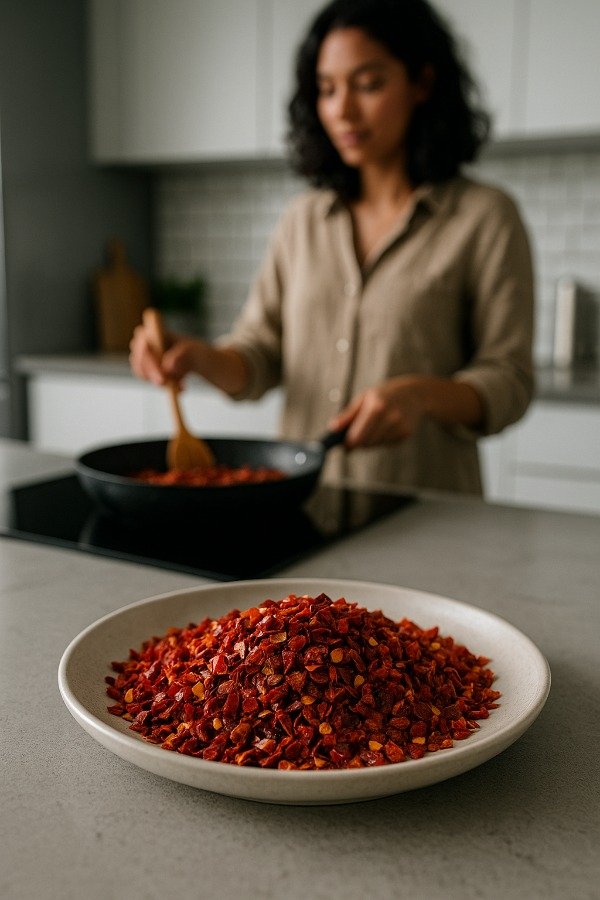
Garlic introduces a pungent, savoury aroma, while cumin adds quiet warmth and grounding earthiness. Chilli is used sparingly, providing mild to moderate heat depending on the blend, but Tabil is never meant to be fiery. Instead, its warmth unfolds slowly, enhancing dishes without overwhelming them.
Some regional or household variations may include fennel seeds or dried rose petals, lending soft sweet-warm or floral nuances. Overall, Tabil delivers a clean, focused flavour that is warming, balanced, and highly aromatic.
What Is the Difference Between Tabil and Harissa?
Difference Between Tabil and Harissa (Table Comparison)
Feature | Tabil Seasoning | Harissa |
Form | Dry spice blend (powder) | Wet chilli paste (most common); sometimes available as powder |
Primary Role | Base seasoning used during cooking | Condiment, marinade base, or flavour booster |
Dominant Flavour | Earthy, aromatic, coriander-forward | Chilli-forward, bold, smoky, and intense |
Main Ingredients | Coriander seeds, caraway, dried garlic, mild chilli | Red chilli peppers (often Baklouti), garlic, olive oil, cumin, caraway, coriander |
Heat Level | Mild to moderate, warming | Medium to very hot, adjustable |
Usage | Mixed into dishes while cooking: stews, soups, grilled meats, vegetables, couscous, dry rubs | Used before, during, or after cooking; also served at the table |
Flavour Function | Builds foundational depth and aroma | Adds heat, intensity, and punch |
Substitutability | Not interchangeable with harissa | Not interchangeable with tabil |
Traditional Pairing | Often paired with harissa | Frequently paired with tabil |
What Are the Key Ingredients in Tabil Spice Blend?
While recipes vary slightly by region and household, authentic Tunisian Tabil relies on a core set of spices, with optional additions used sparingly.
At its foundation is coriander seed, which provides a nutty, citrusy base and defines the blend’s character. Caraway seed is equally important, contributing mild bitterness and subtle anise-like warmth that balances the coriander. Garlic, traditionally dried and ground, adds savoury pungency and depth.
To round out the flavour, cumin may be included in small amounts for earthy warmth, while black pepper offers gentle sharpness. Paprika or mild chilli supplies background heat and colour without overpowering the blend. Some variations include fennel seed for soft sweetness or turmeric for colour and mild earthiness.
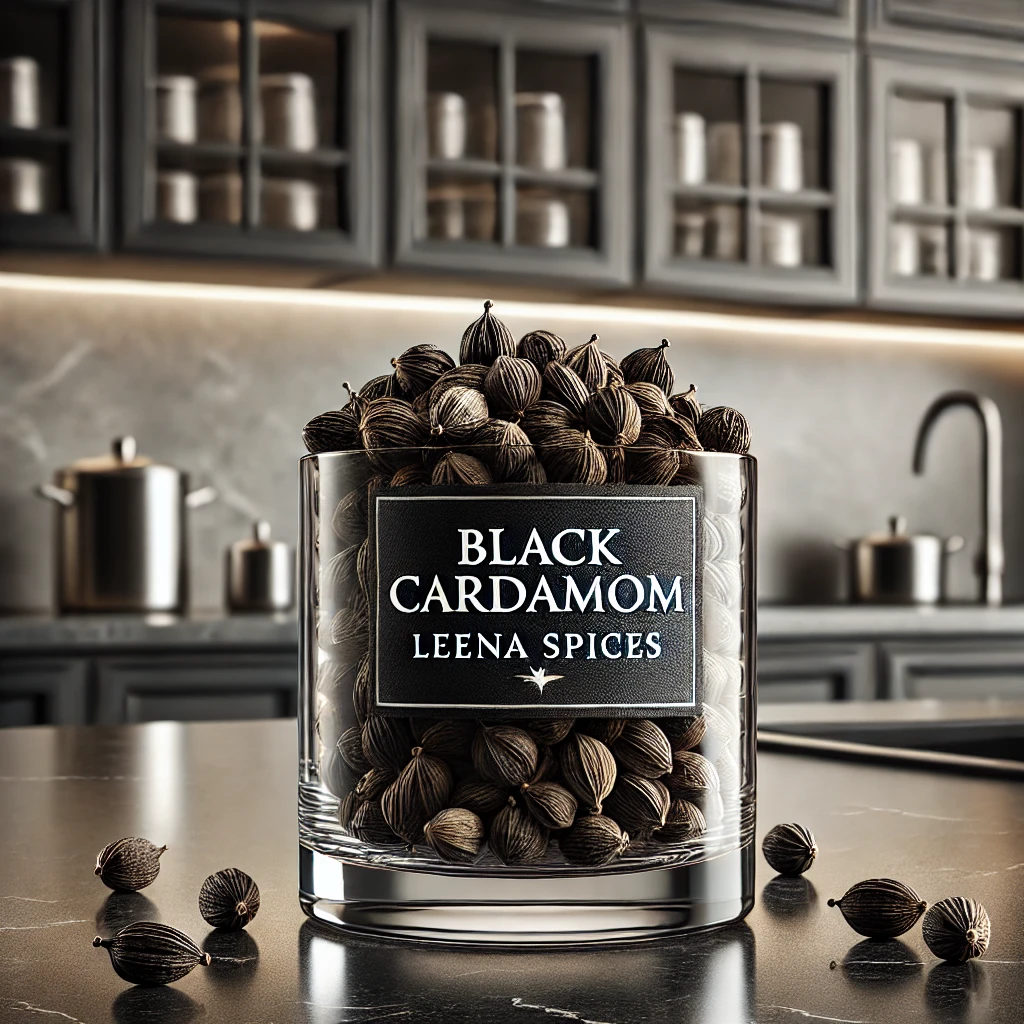
Less traditional additions such as cardamom, cloves, or ras el hanout are not standard in classic Tunisian Tabil but may appear in modern or personalised versions. When used, they are kept minimal to preserve Tabil’s signature simplicity and everyday versatility.
What Is the Easiest Homemade Tabil Recipe?
- Coriander seeds – 40 g
- Caraway seeds – 13 g
- Cumin seeds – 13 g
- Garlic powder – 13 g
- Paprika – 7 g
- Ras el Hanout – 8 g
- Turmeric – 2 g
- Black pepper – 1 g
- Cardamom – 1 g
- Cloves – 1 g
- Fennel seeds – 1 g
To Download Our Free Recipes eBook – Click On The Image Below

Related Posts You May Want to Read
How to Make Ras el Hanout at Home: Authentic Measurements, Full Ingredients & Tips
How to Make Rose Harissa Seasoning: Authentic Method with Exact Ingredient Ratios
12 Bold Ways Harissa Spice Will Excite Your Taste Buds
How to Make Fusion Seasoning Spice Blends at Home: Step-by-Step Recipe Guide
Watch the Video
⚡️The Ultimate Keto Meal Plan⚡️
How Long Does Homemade Tabil Last, and How Should It Be Stored?
Pro tip:
Label your jar with the grinding date and prepare smaller batches more frequently. Freshly ground Tabil delivers noticeably better aroma, flavour clarity, and overall cooking results.Where Can I buy authentic Tunisian Tabil online?
You can buy Pure and Authentic Tunisian Tabil From Amazon
You will find several reputable brands offering pre-made blends in both small jars and bulk packs.
CLICK HERE
Frequently Asked Questions (FAQs) About Tunisian Tabil
Can Tabil be used in non-Tunisian dishes?
Yes. Tabil’s warm, earthy, and aromatic flavor works well in any stew, roasted vegetables, grilled meats, seafood, or rice dishes. It can even be used in fusion cuisine for an exotic North African touch.
Is Tabil spicy?
Tabil is mildly to moderately spicy, depending on the amount of chili included. Its heat is subtle and aromatic rather than fiery, making it suitable for a wide range of palates.
Can I substitute Tabil with other spice blends?
While there are similar blends like ras el hanout, Tabil is simpler and more coriander-oriented. Substituting may alter the flavor balance. For best results, use homemade Tabil or a carefully blended store-bought version.
What type of chili is used in Tabil?
Mild chili powders or flakes are commonly used, such as cayenne or Tunisian Baklouti chili. They add gentle warmth without overpowering the coriander and caraway base.
Can Tabil be made entirely from ground spices?
Yes, but lightly toasting whole spices before grinding enhances aroma and flavor. Whole spices retain essential oils better and deliver a more authentic, vibrant taste.
How much Tabil should I use in cooking?
Typically, 1–2 teaspoons per serving of meat, vegetables, or stew is sufficient. Adjust to taste depending on heat preference and dish size.
Can Tabil be used as a dry rub?
Mix Tabil with a small amount of olive oil to coat meats or fish before grilling or roasting. It imparts aromatic depth and subtle warmth without added spiciness.
Is Tabil gluten-free and vegan?
Tabil is naturally gluten-free, vegan, and plant-based, making it suitable for a variety of dietary needs and cuisines.
How does Tabil differ from Moroccan Ras el Hanout?
Tabil is simpler and less aromatic than Ras el Hanout, which is more complex, perfumed, and often sweeter. Tabil is ideal for everyday seasoning, while Ras el Hanout is typically reserved for special dishes.
Can Tabil be stored in the fridge?
Refrigeration is usually unnecessary and can introduce moisture. Store Tabil in a cool, dark, dry place. In hot or humid climates, a sealed jar in the freezer can help maintain freshness.
What are some traditional Tunisian dishes that use Tabil?
Popular dishes include Tunisian stews (marqa), couscous, grilled meats, fish, vegetable tagines, and chickpea-based soups. It is often paired with Harissa to add layered flavor and heat.
Can I adjust Tabil for spicier or milder versions?
Yes. Increase or decrease the chili component for heat, or adjust garlic, caraway, and cumin for stronger aromatic depth. Homemade Tabil is highly adaptable to taste.
How can I make Tabil more aromatic for professional cooking?
Dry-roast whole spices lightly before grinding, use fresh garlic powder, and store in an airtight dark glass container. Grinding in small batches preserves volatile oils and aroma.
Is Tabil popular outside Tunisia?
While Tabil is a cornerstone of Tunisian cuisine, it is gaining popularity globally, especially among food enthusiasts exploring North African and Mediterranean flavors in Asia-Pacific regions.
Can Tabil be used with Harissa in the same dish?
Tabil forms the aromatic base, while Harissa adds heat and depth. Together, they create layered, complex flavors in stews, roasted meats, couscous, and vegetable dishes.