Table of Contents
ToggleWhat Are Dried Celery Seeds?
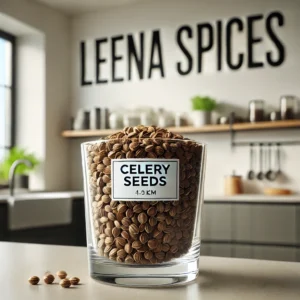
Dried celery seeds are the tiny, dark brown fruits harvested from the wild celery plant (Apium graveolens). These small aromatic seeds are packed with an intense celery flavor. They are roughly the size of poppy seeds and vary in color from light to dark brown.
Flavor Profile: Dried Celery seeds taste warm, earthy and slightly bitter.
Uses: Dried seeds add depth to soups, homemade salad dressings, spice rubs and pickles.
Wellness: Increasingly utilized as a concentrated herbal supplement due to their density of minerals like magnesium and unique plant compounds.
Is Dried Celery Seed High in Magnesium?
Yes, dried celery seeds are high in magnesium relative to their size.
While celery seeds are packed with magnesium on a gram-for-gram basis, the small amounts used in cooking mean they are a supplemental contributor rather than a primary source.
According to Healthline One tablespoon (approximately 6.5 grams) provides 9% of the RDI

Impu Irani is the cookbook author behind Leena Spices , where he shares easy homemade spice blend recipes and practical cooking tips. Read more about him at the end of this post.
How Much Magnesium Is in Celery Seeds?
According to USDA nutrition data per 100 grams of celery seeds contain an impressive 440 mg of magnesium which is over 100% of your daily value.
While celery seeds are magnesium-dense per gram, you typically use them in very small amounts as a spice. One teaspoon (about 2 grams) provides roughly 9 mg of magnesium. Even a full tablespoon (6-7 grams) only delivers about 25-30 mg, covering approximately 6-7% of the recommended daily intake for adults (310-420 mg).
- 1 teaspoon (about 2 grams): roughly 8–9 mg magnesium → only ~2% of your daily needs.
- 1 tablespoon (about 6–7 grams): roughly 26–30 mg → about 6–7% DV.
It is not possible to consume 100 grams of celery seeds a day. That is more than 15 tablespoons, that would be impractical!
So while celery seeds do contribute some magnesium to your diet, they still remain a modest source.
Celery seeds should be viewed as a dietary booster rather than a standalone solution for magnesium needs.
Serving Size | Magnesium Content (Approx.) | % Daily Value (DV)* |
1 Teaspoon (~2g) | 8–9 mg | ~2% |
1 Tablespoon (~6.5g) | 26–31 mg | ~6–7% |
100 Grams (Bulk) | 440 mg | ~105–110% |
How Much Celery Seed Is Safe to Eat Every Day for Magnesium?
Celery seeds are primarily a spice, not a magnesium supplement There is no specific daily limit established solely for magnesium intake from celery seeds. However, for general purposes, the standard dose is typically 1 to 3 grams (1/2 to 1 teaspoon) of dried seeds per day.
Important Considerations:
While celery seeds are safe as a spice, you should consult a healthcare provider before using larger amounts:
- Pregnancy: Avoid medicinal amounts, as celery seeds may stimulate uterine contractions.
- Kidney Health: Those with existing kidney inflammation or disease should exercise caution, as the diuretic effect can put extra strain on the kidneys.
- Medication Interactions: Consult a healthcare provider if you are taking blood thinners (anticoagulants), diuretics (“water pills”), or blood pressure medications, as celery seeds can amplify their effects.
- Surgery: Stop use at least two weeks before a scheduled surgery due to potential impacts on blood clotting and blood pressure.
- Have low blood pressure
- Have allergies to related plants (carrots, mugwort, birch, or parsley family)
Consult a healthcare provider if you are pregnant, have kidney disease, or take blood-thinning or diuretic medications, as celery seeds contain active compounds like apiole and phthalides.
Are There Any Side Effects of Eating Celery Seed for Magnesium?
Celery seeds are a natural way to boost your magnesium intake. However when consumed in large amounts, they contain potent bioactive compounds that can cause side effects.
Here are the main potential side effects
- Pregnancy risk: Uterine contractions from larger amounts; stick to food levels or avoid.
- Allergic reactions — Most common; can range from skin rashes, hives, or itching to severe anaphylaxis (rare but life-threatening, with swelling, breathing difficulty).
- Increased urination (diuretic effect) — May occur, especially at higher amounts.
- Sun sensitivity (phototoxicity) — Compounds like psoralens can make skin more prone to sunburn or inflammation when exposed to sunlight.
- Hyperthyroidism (overactive thyroid) — Rare cases reported with very high/prolonged intake (e.g., large amounts of extract or leaves/seeds daily), leading to symptoms like palpitations, weight loss, or blurred vision.
- Digestive issues — Mild effects like nausea, stomach discomfort, or diarrhea in some studies.
- Blood pressure lowering — Can cause dizziness or issues if you already have low blood pressure.
- Other rare/precautionary — Potential interactions with blood pressure, diabetes, or thyroid meds; increased bleeding risk; uterine contractions (avoid in pregnancy).
- Kidney Inflammation: Potentially harmful to individuals with existing kidney disease or inflammation.
- Drug Interactions: Can interfere with blood-thinning medications (anticoagulants), diuretics, and blood pressure medications.
- Thyroid interference: Rare overactivity (palpitations, weight loss) from excess, like 2 tbsp leaves daily in case reports.
- Increased Urination — Celery seeds have a natural diuretic effect, which may cause more frequent urination.
Can I Rely on Celery Seeds Alone to Meet My Daily Magnesium Needs?
Absolutely not. Despite its high concentration per gram. celery seeds aren’t a standalone magnesium source if you are trying to avoid supplements.
However, because celery seeds are typically consumed in small quantities they are best used as a supplementary booster alongside other magnesium supplements rather than a primary source.
Relying solely on celery seeds for magnesium is both impractical and unsafe.
Why This Is a Bad Idea:
This amount far exceeds safe culinary use and would likely cause serious problems:
- The intensely bitter, concentrated flavor would be overwhelming.The strong taste would make meals inedible
- You’d risk side effects like allergic reactions, severe sun sensitivity, digestive upset, dangerously low blood pressure, and potential thyroid or kidney issues
- Even 2-3 tablespoons daily (already excessive) would only provide 80-90 mg of magnesium—still less than a quarter of what you need
Related Posts You May Want to Read
15 Magnesium-Rich Herbs and Spices: Are You Getting Enough?
Are Asario Seeds Safe During Pregnancy? Safety Guide for Expecting Mothers
9 Incredible Benefits of Asario Seeds That Will Transform Your Health Naturally
What Are Nigella Seeds? Kalonji vs Black Seed vs Black Cumin Explained
Medical Disclaimer:
The information provided in this article is for educational and informational purposes only and is not intended as medical advice. While Herbs and Spices have been associated with health benefits, it should not be used as a substitute for professional medical care, diagnosis, or treatment. Always consult a qualified healthcare provider before starting any new dietary supplement, herbal remedy, or wellness routine, especially if you have underlying health conditions, are pregnant or breastfeeding, or are taking prescription medications.
Impu Irani is a cookbook author behind Leena Spices, where he shares practical, easy-to-follow guides on homemade spice blends, herbs, and natural cooking. His work helps home cooks create fresh, flavorful meals using simple ingredients and traditional methods. Download his free Spice Blending eBook and start your journey to cleaner cooking today!
Disclosure Note
We are committed to creating high-quality, helpful content for our readers. We do not accept payment in exchange for writing our articles, and we personally cover the costs of running this website, including hosting, tools, and maintenance.
To support the site, we display ads and may earn a small commission from affiliate links if you choose to make a purchase—at no extra cost to you.
Your support helps us continue sharing valuable content with the community.
If you’d like to support us, here are a few simple and free ways:
- Share our content with your friends and family
- Engage with us on social media
- Follow us on Facebook
You can also learn more by visiting our disclaimer page:
https://leenaspices.co.nz/disclaimer/
As a thank you, feel free to download our Free Spice Recipe eBook.
Download a Free Leena Spices Recipes Cookbook