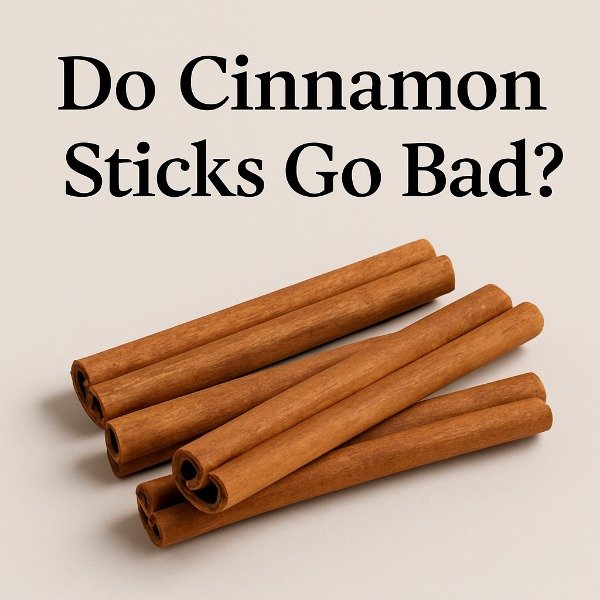
Cinnamon, derived from the inner bark of cinnamon trees, is a dried spice that naturally boasts a long shelf life. However, like many pantry items, it is still vulnerable to environmental elements such as moisture, light, and air exposure, which can gradually diminish its quality.
Although aged cinnamon sticks won’t become harmful or make you ill, they can lose their signature warm, aromatic flavor over time. Instead of delivering that rich, comforting spice, older sticks may yield a dull or muted taste.
Table of Contents
ToggleCan Cinnamon Sticks Go Bad?
Cinnamon sticks do not typically “spoil” or become unsafe to consume because their low moisture content naturally limits bacterial growth. However, many people still ask: “Do cinnamon sticks go bad in storage?” The answer is that while they don’t usually go bad in a harmful way, improper storage can lead to moisture buildup and even mold, which affects both safety and quality.
How to Store Cinnamon Sticks for Long-Lasting Freshness and Flavor
To maximize freshness, store cinnamon sticks in an airtight glass or metal jar and keep the container in a cool, dark cupboard. Protecting them from air, heat, moisture, and sunlight helps preserve their natural oils and rich aroma.
Cinnamon Sticks Quality Check
- Snap test:
Does the stick snap cleanly with a crisp break, or does it feel soft, rubbery, and bend instead of breaking? Fresh, high-quality cinnamon should snap easily. - Aroma test:
Rub or gently crush a small piece between your fingers. Is the aroma warm, sweet, and strong, or does it smell weak, flat, or dusty? Good cinnamon should release an immediate, rich fragrance. - Visual test:
Check the inner folds and crevices closely. Do you see any white or grey fuzzy patches that could indicate mold or moisture damage? Clean cinnamon should look dry, even, and free from any growth or discoloration. - Flavor test:
- For a more conclusive test, simmer a small piece in hot water. If the flavor is weak or flat, it is a sign the stick has lost its effectiveness. When using older sticks, it’s wise to test them in a small batch before using them into larger or more delicate dishes.

Impu Irani is the cookbook author behind Leena Spices , where he shares easy homemade spice blend recipes and practical cooking tips. Read more about him at the end of this post.
Cinnamon Shelf Life, Aging Signs, and Revival Methods
Cinnamon Type | Key Information |
Ceylon Cinnamon (Whole Sticks) | Shelf Life: 12–18 months. Aging Signs: Loses sweet aroma and becomes brittle. Revival Method: Lightly toast for 30–45 seconds in a dry skillet. |
Cassia Cinnamon (Whole Sticks) | Shelf Life: 18–24 months. Aging Signs: Loses its spicy punch and develops a woody scent. Revival Method: Use in long-simmering liquids such as broths, stews, or mulled drinks. |
Ground Cinnamon (Any Variety) | Shelf Life: 6–12 months. Aging Signs: Becomes flat, scentless, and weak in flavor. Revival Method: No effective revival; repurpose for potpourri or household uses. |
While older cinnamon sticks might lose their aromatic, punchy flavor compounds, they still retain a baseline level of their innate organic properties. To understand why sourcing fresh, high-quality Ceylon varieties is critical for systemic safety and liver health, take a look at our deep dive into the essential nutrition and coumarin safety profiles of cinnamon.
Ceylon Cinnamon (Whole Sticks)
Average Shelf Life: 12–18 Months
What Happens Over Time:
The thin, delicate layers gradually lose their sweet, floral aroma. As the essential oils fade, the bark becomes brittle and may crumble into a dusty texture rather than snapping cleanly.
How to Revive It:
Lightly toast the stick in a dry skillet over low heat for 30–45 seconds. The gentle warmth helps bring some of the remaining aromatic oils back to the surface.
Cassia Cinnamon (Whole Sticks)
Average Shelf Life: 18–24 Months
What Happens Over Time:
The thick bark usually retains its shape, but the bold, spicy flavor slowly weakens. Instead of releasing a strong cinnamon scent, older sticks may smell more like plain wood.
How to Revive It:
Crack the stick into pieces and use it in recipes that simmer for a long time, such as stews, broths, chai, mulled cider, or other infused beverages. Extended cooking helps extract the remaining flavor compounds.
Ground Cinnamon (Any Variety)
Average Shelf Life: 6–12 Months
What Happens Over Time:
Because the powder is fully exposed to air, its essential oils evaporate quickly. Over time, it becomes a flat, scentless powder with very little flavor.
Can It Be Revived?
Unfortunately, no. Once ground cinnamon loses its aroma, there is no effective way to restore it.
Best Alternative Use:
Instead of discarding it, combine the powder with dried orange peels, cloves, and star anise in a pot of simmering water to create a natural homemade potpourri that gently fragrances your home.
How to Store Cinnamon Sticks for Maximum Freshness
How to keep cinnamon sticks fresh
Proper storage is essential if you want to extend the shelf life and preserve the potency of your cinnamon sticks. The best way to store cinnamon sticks is to follow a few simple, proven practices that protect their aroma, flavor, and active compounds. Use these storage tips, based on expert spice storage guidelines to keep your cinnamon fresh, effective, and ready for daily use.
Glass vs. Plastic: Which Is Better for Storing Cinnamon Sticks?
When it comes to storing cinnamon sticks, glass containers are generally the better choice. Glass is non-porous, meaning it does not absorb or transfer odors, flavors, or moisture. This helps preserve the delicate essential oils that give cinnamon its distinctive aroma and taste. Glass jars also provide a tight seal, protecting the sticks from air and humidity that can cause them to lose freshness over time.
Plastic containers can be convenient and lightweight, but they are more likely to absorb odors and may allow small amounts of air to penetrate over long storage periods. In some cases, the natural oils in spices can even interact with certain plastics, gradually affecting flavor quality.
For the longest shelf life, store cinnamon sticks in an airtight glass. If you must use plastic, choose a high-quality food-grade container with a secure airtight seal.
Keep Cinnamon Sticks Away from Light
Light, especially direct sunlight, can gradually degrade the essential oils that give cinnamon sticks their rich aroma and flavor. Prolonged exposure to light speeds up oxidation, causing the sticks to lose their potency more quickly and become dull or woody in taste. To preserve their freshness, store cinnamon sticks in an opaque container or keep them inside a dark pantry, cupboard, or spice drawer. Protecting them from light helps maintain their natural oils, ensuring they stay fragrant and flavorful for as long as possible.
Use Airtight Containers
To preserve the rich aroma and flavor of cinnamon sticks, store them in airtight glass or metal containers. Avoid using plastic bags, as they can trap moisture and increase the risk of mold development.
Keep Away from Heat and Humidity
Heat and humidity can significantly diminish the flavor and aroma of cinnamon sticks. To preserve their potency, store them away from the stove or other heat sources. Avoid humid environments, as excess moisture can lead to mold growth, making the sticks unsuitable for use.
Label and Date
For optimal freshness, label your cinnamon stick containers with the purchase date. This simple step helps you track their age and ensures you are using them at their peak potency.
Because cinnamon is highly sensitive to light and moisture, keeping your pantry environment optimized is key. You can use our simple tricks to make herbs and spices last longer to safeguard your entire collection.
How Long Do Cinnamon Sticks Last In a Pantry?
Cinnamon sticks are often considered a pantry staple precisely because of their impressive longevity. Cinnamon sticks can maintain their flavor and aroma for one to two years when stored properly. While they don’t spoil in the traditional sense like fresh produce or dairy, their potency does fade gradually. However, their longevity depends on several factors, including the variety—such as Ceylon (true cinnamon) versus cassia. Also it depends on their exposure to air, light, and heat, as well as how frequently they are used.
To maximize their shelf life store cinnamon sticks in an airtight container, away from direct sunlight and heat sources.
Can Old Cinnamon Sticks Still Be Used?
Yes. If your cinnamon sticks are old but show no signs of spoilage, they can often still be used. While they may have lost some of their original aroma and potency over time, there are several simple ways to help bring out their remaining flavor.
How to Revive Flat or Faded Cinnamon Sticks
The following methods can help you get the most from cinnamon sticks that smell weak, taste flat, or have faded with age:
Lightly Toast
- Stovetop: Heat a dry skillet or non-stick pan over medium heat. Do not add oil or butter. Add the cinnamon sticks and toast for 1–2 minutes, turning occasionally, until they release a strong, fragrant aroma.
- Oven: Alternatively, spread the cinnamon sticks on a baking tray and warm them in a low oven (300°F/150°C or lower) for about 10 minutes, or until they become noticeably aromatic.
Use in Long Infusions
If your cinnamon sticks have lost some of their potency but remain free from spoilage, use them in recipes that involve extended simmering or steeping. Adding the sticks to tea, milk, coffee, broth, mulled beverages, or slow-cooked desserts gives them more time to release their remaining flavor compounds. The prolonged heat helps extract deeper cinnamon notes that may not be noticeable in quick-cooking recipes.
Grind and Blend
If the cinnamon sticks are still free from spoilage but have lost some of their strength, you can grind them into a powder using a spice grinder or high-powered blender. You can then combine the powder with fresher spices to create a balanced spice blend for baking, desserts, curries, or beverages. Mixing aged cinnamon with other aromatic spices helps compensate for some of the flavor that has faded over time.
How to Grind Old Cinnamon Sticks
To effectively transform old cinnamon sticks into powder, follow these steps:
- Break into Smaller Pieces: Use a rolling pin, mortar and pestle, or simply your hands to break the sticks into smaller, manageable fragments. This makes the grinding process easier and more efficient.
- Grind into Powder: Place the broken pieces into a spice grinder, coffee grinder, or high-speed blender. Pulse the device until the cinnamon is ground into a fine powder.
- Sift for Consistency: If the ground cinnamon contains larger, coarse particles, sift it through a fine mesh sieve to achieve a smoother and more uniform texture.
While these methods will not restore cinnamon sticks to their original potency, they can help you make the most of them. Even older sticks can still add a gentle warmth, subtle sweetness, and pleasant aroma to a variety of dishes and drinks.
Once you have safely broken down your older sticks into a fine powder, don’t let it sit on its own. It is the perfect base component to make authentic Chinese Five Spice powder at home where it can blend with other fresh aromatics.
What to Expect from Ground Old Cinnamon Sticks
When using older cinnamon sticks, consider the following points:
Reduced Flavor Intensity: Older cinnamon sticks tend to have a milder flavor compared to fresh ones. To achieve the desired taste, you may need to use a larger amount in your recipes.
Textural Differences: Especially with cassia cinnamon, the ground powder may be slightly coarser or fibrous, and not as finely textured as store-bought cinnamon.
What to Do With Cinnamon Sticks Before They Go Bad
While cinnamon sticks (Cinnamomum verum or Cassia) are shelf-stable and rarely “spoil” in the traditional sense but they do go bad. That means overtime they lose their aroma, flavor and beneficial compounds. As a biological bark, their value is stored in volatile essential oils specifically cinnamaldehyde. Over time, these oils evaporate through a process called volatilization, leaving you with just a woody fiber.
The “best before” date on spice packaging is less about safety and more about bioavailability. To prevent zero waste, it is best to use your sticks while their aromatic oils are at their peak.
7 Creative Ways to Use Cinnamon Sticks While They’re Still Potent
1. Pair with Dried Orange Peel
One of the best ways to make use of older cinnamon sticks is to pair them with dried orange peel. The bright, citrusy notes of orange complement cinnamon’s warm, sweet character, creating a classic flavor combination. Even if the cinnamon has lost some of its potency, the two ingredients work together to produce a rich, inviting aroma. This pairing is especially effective in mulled cider, spiced teas, slow-cooked stews, and homemade simmer pots, where gentle heat allows their flavors and fragrances to infuse gradually.
2. Simmer Cinnamon Sticks in Everyday Foods and Drinks
One of the most effective ways to extract flavor from cinnamon sticks is through gentle simmering. Heat helps release the spice’s natural oils, deepening its aroma, taste, and overall richness. This makes cinnamon sticks especially useful in recipes that involve warm liquids or slow cooking.
You can easily incorporate them into a variety of everyday foods and drinks. Add a stick to chai tea, herbal infusions, or even your morning coffee for a warm, spiced note. They also work beautifully in hot cocoa, mulled wine, and spiced cider, where their flavor gradually infuses into the drink. For breakfast or comfort foods, simmer cinnamon sticks in oatmeal, porridge, or rice pudding. In savory cooking, they bring subtle depth to soups, broths, and slow-cooked stews, enhancing the overall flavor profile without overpowering the dish.
3. Cinnamon Tea
A simple way to use older cinnamon sticks is to brew them into a soothing cup of cinnamon tea. Place 1–2 cinnamon sticks in a mug or teapot, pour hot water over them, and let them steep for 10–15 minutes. The warm water gradually extracts the cinnamon’s natural flavor and aroma, creating a comforting beverage that can be enjoyed on its own or sweetened with honey. If your cinnamon sticks are older and have lost some potency, use an extra stick or extend the steeping time by a few minutes to extract more flavor.
If you want to move beyond simple teas and are looking to push your culinary boundaries before your spices fade, look at our curated list of unique cinnamon stick recipes for everyday cooking.
4. Infuse Honey, Oil, or Vinegar
Another excellent way to use cinnamon sticks is by infusing them into everyday kitchen staples. This method slowly extracts cinnamon’s warm aroma and flavor, creating naturally flavored ingredients you can use in cooking.
Add a few cinnamon sticks to raw honey to create a naturally sweet, spiced infusion that can be used in tea or drizzled over toast. You can also place cinnamon sticks in olive oil or coconut oil for a subtle warming note that works beautifully in cooking, baking, or finishing dishes. For a tangier option, infuse apple cider vinegar with cinnamon to enhance salad dressings, and marinades.
Seal the container tightly and let the mixture infuse for 5–7 days in a cool, dark place. During this time, the cinnamon slowly releases its natural compounds, blending gently with the base ingredient to create a balanced, aromatic infusion with layered flavor.
5. Make Cinnamon Simple Syrup
Cinnamon sticks can be transformed into a versatile natural sweetener by making a simple syrup. By gently simmering cinnamon sticks with water and sugar, you extract their warm, aromatic essence and create a smooth, flavorful syrup. The slow heat allows the cinnamon’s essential oils to infuse fully, blending into the liquid and forming a balanced, ready-to-use flavor base.
This syrup can instantly enhance a wide range of recipes. Stir it into coffee, lattes, or iced drinks for a cozy spiced sweetness. Use it in cocktails or alcohol-free mocktails to add depth and warmth. It also works beautifully drizzled over desserts, pancakes, waffles, or baked goods, bringing a subtle cinnamon flavor without the need for additional spices.
6. Toast and Grind for Maximum Freshness
To get the most flavor out of cinnamon sticks, lightly dry-toast them in a pan over medium heat for 1–2 minutes. This gentle heating helps awaken the natural oils trapped inside the bark. Once toasted, grind the sticks into a fine powder just before use for the freshest possible flavor.
Freshly ground cinnamon is noticeably more aromatic and flavorful than pre-ground versions because it retains more of its volatile oils and natural compounds. This results in a richer scent and a more intense, authentic taste in both sweet and savory dishes.
7. Add Depth to Savory Cooking
Cinnamon is not limited to sweet recipes, it is also a powerful spice for building depth, warmth, and complexity in savory dishes. When used correctly, it enhances other spices without overpowering them, adding a subtle aromatic backbone to the dish.
You can add whole cinnamon sticks to a variety of savory preparations. They work especially well in Indian curries, where they help create a rich, layered flavor base. In Moroccan tagines, cinnamon adds gentle warmth and a hint of sweetness that balances slow-cooked meats and vegetables. It also plays an important role in Mexican mole sauces, where it contributes depth and complexity. For everyday cooking, cinnamon can be added to slow-cooked beans, lentils, and hearty stews.
Simply add the sticks during cooking and allow them to simmer slowly so their natural oils can infuse into the dish. Be sure to remove them before serving to avoid an overpowering bite.

Stop Buying Stale, Store-Bought Spice Packets.
Create your own fresh, spice blends using authentic recipes from India, Asia, the Middle East, and the West. Get “Homemade Spice Secrets” and learn how to craft 200+ global herbs and spices. Unlock deeper, richer flavors, and replace store-bought mixes with pure, homemade natural ingredients—free from preservatives and fillers.
Alternative Uses for Flavorless Cinnamon
If ground cinnamon has lost its aroma and flavor, it may no longer be ideal for cooking or baking. However, that doesn’t mean it has no value left. You can still repurpose it in a variety of practical, creative, and household uses.
Home Fragrance & Crafts
Even without strong flavor, cinnamon can still add warmth and character in non-culinary ways.
- Potpourri: Mix it with dried flowers, citrus peels, and herbs to create a cozy, naturally scented blend for your home.
- Home fresheners: Add it to sachets, simmer pots, or DIY air fresheners to gently fragrance living spaces.
- Craft projects: Use the powder in handmade ornaments or decorative crafts to add texture, color, and a subtle earthy scent.
- Scented drawer sachets: Place cinnamon in a small cloth pouch (or clean sock) with cloves and store it in drawers or closets for a warm aroma.
Garden & Natural Pest Control
Cinnamon is often used in simple, natural home and garden care.
- Repel plant pests: Lightly sprinkle around soil to help deter ants, aphids, mites, and other small insects.
- Ant barriers: Draw thin lines near entry points like doors and windows to discourage ants from entering the home.
- General pest deterrent: Its strong natural compounds are unpleasant to some rodents and crawling insects, making it a gentle repellent option.
Household Cleaning & Deodorizing
Old cinnamon can also support natural cleaning routines.
- DIY cleaning paste: Mix cinnamon powder with baking soda and a little water to form a mild abrasive cleaner for greasy surfaces.
- Carpet deodorizer: Combine with baking soda, sprinkle over carpets or upholstery (avoid light-colored fabrics), let sit for 10–15 minutes, then vacuum to refresh and lightly scent the space.
Simple Home Decor Ideas
Cinnamon can still play a small role in creative, hands-on projects.
- Applesauce dough ornaments: Mix cinnamon with applesauce to form a dough, shape it into ornaments, and bake for natural, fragrant decorations.
- Rustic home accents: Use it in handmade décor pieces where a warm, earthy tone or subtle scent is desired.
Health & Beauty Uses (Occasional DIY)
While not for heavy or frequent use, small amounts can be used in simple DIY beauty routines.
- Face mask: Blend a pinch with honey for a quick, natural mask often used for its cleansing feel.
- Lip treatment: A tiny amount mixed with coconut oil may create a mild tingling lip blend.
Compost When Fully Spent
Once cinnamon sticks have completely lost their aroma and no longer contribute flavor or fragrance, the most sustainable option is to compost them.
Add them to your compost bin where they will naturally break down over time and return organic matter to the soil.
Why this matters:
Even after their culinary and aromatic life ends, cinnamon sticks still contribute to a zero-waste kitchen cycle, supporting soil health and reducing household food waste.
Can You Freeze Cinnamon Sticks?
While freezing can extend the shelf life of many spices, cinnamon sticks are naturally shelf-stable and do not require refrigeration or freezing under normal conditions. Prolonged exposure to moisture in a freezer environment can compromise their crisp texture and aromatic potency. To minimize this risk, specific precautions should be taken during storage.
How to Freeze Cinnamon Sticks Effectively
If you choose to freeze cinnamon sticks for long-term storage, follow these steps to help preserve their quality:
- Use Vacuum-Sealed Bags: Seal the cinnamon sticks in vacuum-sealed bags to limit exposure to air and moisture, both of which can degrade aroma and flavor over time.
- Label and Date: Clearly label each bag with the date of freezing. This helps you track how long they have been stored and ensures they are used while still at their best.
- Store Properly: Place the bags in a stable, cold section of the freezer, away from areas prone to temperature fluctuations.
How to Thaw Frozen Cinnamon Sticks Properly
When ready to use the frozen cinnamon sticks, proper thawing is essential to preserve their flavor and texture:
Thaw at Room Temperature: Remove the sticks from the freezer and let them thaw in a dry, room-temperature environment. Avoid humid conditions, as moisture can compromise the quality of the spice.
Inspect Before Use: Once thawed, check the sticks for any signs of moisture damage, discoloration, or off odors. If they appear compromised, it is best to repurpose them for non-food uses, such as potpourri or homemade air fresheners.
By following these steps, you can safely freeze and thaw cinnamon sticks with minimal quality loss, helping to ensure they remain flavorful and suitable for cooking and baking.
Medical Disclaimer:
The information provided in this article is for educational and informational purposes only and is not intended as medical advice. While Cinnamon Stick have been associated with health benefits, it should not be used as a substitute for professional medical care, diagnosis, or treatment. Always consult a qualified healthcare provider before starting any new dietary supplement, herbal remedy, or wellness routine, especially if you have underlying health conditions, are pregnant or breastfeeding, or are taking prescription medications.
Impu Irani is a cookbook author behind Leena Spices, where he shares practical, easy-to-follow guides on homemade spice blends, herbs, and natural cooking. His work helps home cooks create fresh, flavorful meals using simple ingredients and traditional methods. Download his free Spice Blending eBook and start your journey to cleaner cooking today!
Disclosure Note
We are committed to creating high-quality, helpful content for our readers. We do not accept payment in exchange for writing our articles, and we personally cover the costs of running this website, including hosting, tools, and maintenance.
To support the site, we display ads and may earn a small commission from affiliate links if you choose to make a purchase—at no extra cost to you.
Your support helps us continue sharing valuable content with the community.
If you’d like to support us, here are a few simple and free ways:
- Share our content with your friends and family
- Engage with us on social media
- Follow us on Facebook
You can also learn more by visiting our disclaimer page:
https://leenaspices.co.nz/disclaimer/
As a thank you, feel free to download our Free Spice Recipe eBook.
Download a Free Leena Spices Recipes Cookbook
Frequently Asked Questions About Cinnamon Sticks
What is the difference between Ceylon and cassia cinnamon sticks?
Ceylon cinnamon, often referred to as ‘true cinnamon,’ is softer in texture, lighter in color, and known for its mild, sweet flavor. In contrast, Cassia cinnamon is harder, darker, and offers a bolder, spicier taste.
What is the Shelf Life of Cinnamon?
When stored properly in an airtight container and kept in a cool, dark environment, cinnamon sticks can maintain their flavor and aroma for up to one to two years. While both Ceylon and Cassia cinnamon generally have similar shelf lives under optimal conditions, Ceylon cinnamon—being more delicate—may lose its potency slightly faster than the more robust Cassia variety. Exposure to air, light, or heat can further accelerate the loss of flavor in both types, making proper storage essential for preserving quality.
Can cinnamon sticks grow mold?
Yes, cinnamon sticks can develop mold if they are exposed to moisture or stored in humid conditions. To ensure safety and quality, always inspect the sticks for any visible signs of mold or a musty odor before use. If contamination is suspected, it’s best to discard the affected sticks to prevent contamination.
Is it safe to use cinnamon sticks that have lost their flavor?
Flavorless cinnamon sticks are generally safe to use as long as they show no signs of mold or spoilage. However, due to their diminished aroma and taste, they are less effective in culinary applications and are better suited for non-edible uses such as crafts or potpourri.
Can I use cinnamon sticks past their best-by date?
Yes, you can reuse cinnamon sticks if they still appear intact and retain their aroma. However, keep in mind that the flavor will likely be milder with each use.
How can I revive old cinnamon sticks?
To enhance the flavor of older cinnamon sticks, you can lightly toast them in a dry skillet for 1–2 minutes. This gentle heat helps release some of their natural oils, reviving a bit of their aroma and flavor. However, it’s important to note that this method will not fully restore their original potency.
Can I grind old cinnamon sticks?
Yes, you can grind old cinnamon sticks into powder, but the resulting spice may lack the robust flavor of fresh cinnamon. Lightly toasting the sticks beforehand can help release some of their remaining oils and enhance the aroma.
Should I store cinnamon sticks in the fridge?
No, cinnamon sticks should not be stored in the refrigerator, as the moisture can cause them to lose their potency or develop mold. Instead, keep them in an airtight container in a cool, dry pantry away from direct light and heat.
Can I freeze cinnamon sticks to extend their shelf life?
Although freezing cinnamon sticks is not typically necessary due to their naturally long shelf life, it is an option if you want to extend their freshness. Store them in vacuum-sealed bags to protect against moisture and freezer odors. When ready to use, thaw at room temperature and inspect for any signs of deterioration before adding them to your recipes.
Do old cinnamon sticks lose their health benefits?
As cinnamon sticks age, the volatile oils (specifically cinnamaldehyde) gradually evaporate. While the stick remains completely safe to use, the loss of these active oils means both the aromatic culinary flavor and the natural antioxidant properties will be noticeably weaker than when the spice was fresh.