Table of Contents
ToggleVanilla Pods: How to Store, Scrape, and Reuse Your Beans Like a Pro
Vanilla is one of the most prized and expensive spices in your pantry, yet it’s often treated as a single-use luxury. If you’re discarding vanilla pods right after scraping out the seeds, you’re essentially throwing away half of their value. The fibrous outer husk is still rich with complex aromatic vanillin compounds that can be reused to stretch both flavor and budget.

Impu Irani is a cookbook author behind Leena Spices, where he shares practical, easy-to-follow guides on homemade spice blends, herbs, and natural cooking. His work helps home cooks create fresh, flavorful meals using simple ingredients and traditional methods. Feel free to download our Free Spice Recipe eBook.
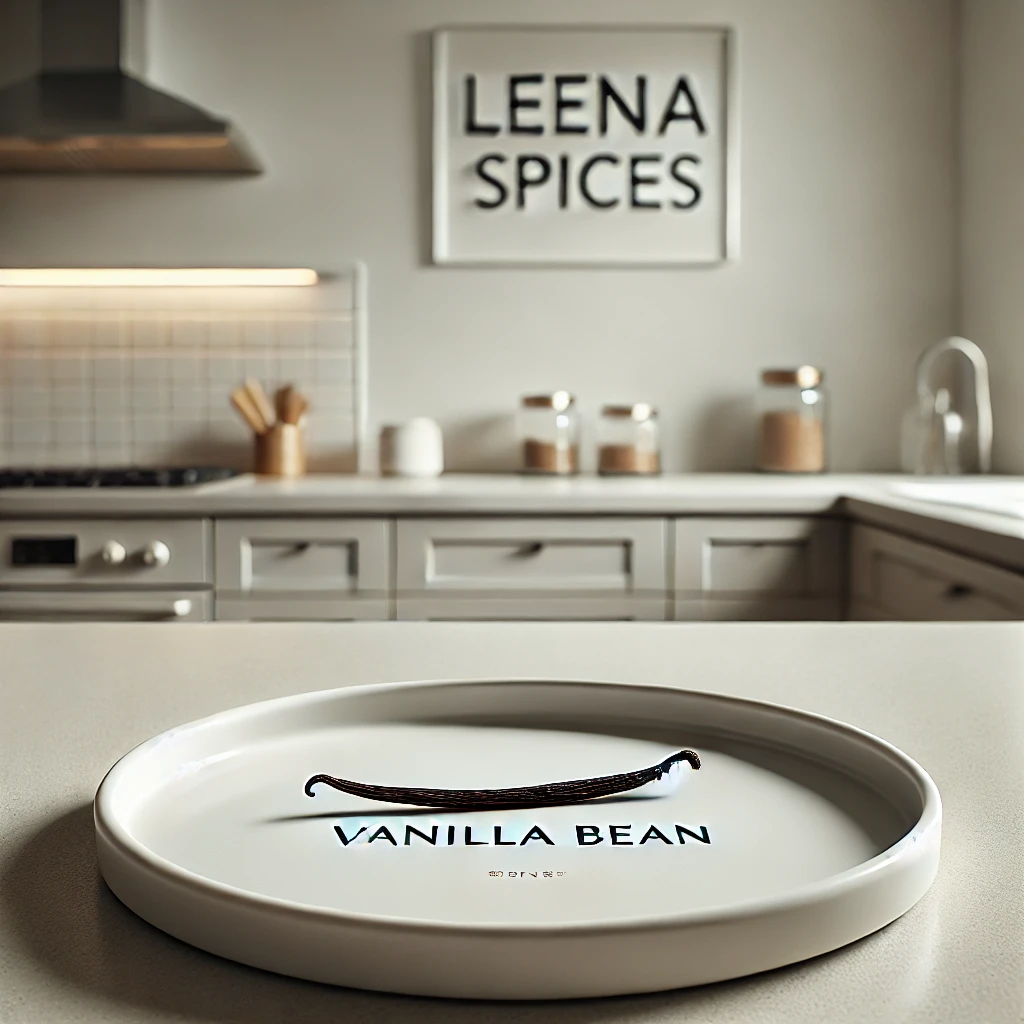
At Leena Spices, we believe in extracting the maximum flavor from every ingredient. In this guide, you’ll learn a clear, step-by-step method to properly scrape out vanilla caviar, store your pods to prevent mold, and safely reuse “spent” beans up to three times. You’ll also discover how to transform them into gourmet vanilla sugar, homemade extracts, and deeply infused baking bases.
How do you scrape seeds from a vanilla pod
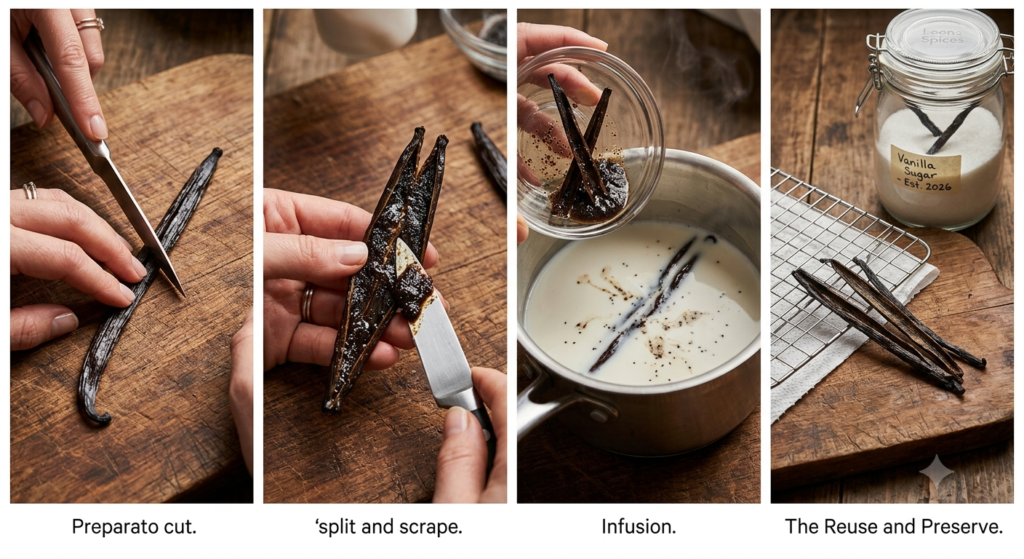
1. Slice and Flatten (Prep time: 1 minute)
Place the vanilla pod flat on a cutting board and hold it steady with your non-dominant hand. Using a sharp paring knife, carefully slice the pod lengthwise. Cut just deep enough to open the pod and reveal the tiny vanilla seeds inside, while keeping the back layer intact. This creates a flat surface that makes scraping out the flavorful seeds much easier.
2. Scrape the Caviar (The Critical Step)
Hold the opened vanilla pod firmly at one end. Using the dull side of your knife blade, gently scrape along the inside of the pod from one end to the other. The tiny, sticky black seeds often called vanilla caviar will collect on the blade. Scrape these precious seeds directly into your sugar, batter, cream, or other wet baking ingredients to infuse your recipe with rich, authentic vanilla flavor.
3. The First Infusion (Do Not Discard the Husk)
The scraped vanilla pod still contains plenty of flavor, so don’t throw it away. Add the empty pod husk to warm baking liquids such as milk, cream, custards, or simple syrups. Allow it to gently simmer for 10–30 minutes so the remaining aromatic oils can slowly infuse the liquid with a deep, rich, and complex vanilla flavor. Remove the pod before using the infused liquid in your recipe.
4. Wash and Dry for Round Two (Preventing Mold)
Once your liquid infusion is complete, remove the vanilla pod from the liquid. Rinse it thoroughly under cold running water to wash away any remaining milk, cream, sugar, or syrup residue that could encourage mold growth. Pat the pod completely dry with a clean paper towel, then place it on a wire rack and allow it to air-dry for 24 hours until it is fully dry and ready for its next use.
How Long Do Vanilla Pods Last?
Vanilla pods have a naturally long shelf life. When stored correctly and protected from air, light, heat, and moisture, they can remain usable for years while retaining strong aroma and flavour.
General Shelf Life
Unopened pods:
• 2–4 years when vacuum-sealed or tightly packed from the supplier.
• Best-before dates usually reflect 1–3 years, but quality often exceeds this.
Opened pods:
• 6–12 months for peak aroma and pliability.
• 12–24 months still usable if stored properly (may dry slightly over time).
Scraped pods (after removing seeds):
• 3–6 months if saved in an airtight jar; ideal for extracts, sugar, or syrups.
Dried-out pods:
• Can last indefinitely; though flavour weakens, they remain suitable for extract or vanilla powder.
Signs Your Vanilla Pods Are Still Good
Signs Your Vanilla Pods Are Still Good
- Plump and flexible: Pods should feel soft and slightly pliable, not brittle.
- Slightly oily surface: Indicates freshness and retained moisture.
- Strong, sweet aroma: A rich vanilla scent is a sign of potency.
- Dark brown or black color: Healthy pods are deep in color.
- White crystals on the surface: Known as vanillin bloom, this is normal and indicates natural flavor compounds, not spoilage.
Signs Vanilla Pods Have Expired
- Hard, brittle, and extremely dry: Pods may sometimes be rehydrated, but quality is largely lost.
- Weak or no aroma: A significant loss of the characteristic vanilla scent indicates expiration.
- Off smells: Sour, fermented, or musty odors are signs the pods are no longer good.
- White fuzzy mold: Indicates spoilage discard immediately.
Shelf Life & Storage Rules (The Facts)
Proper storage keeps vanilla pods soft, aromatic, and flavorful for as long as possible. Use the guide below for quick reference:
State of Vanilla Pod | Shelf Life | Optimal Storage Condition |
Unopened Vacuum Pack | 2–4 years | Store in a cool, dark pantry at 15–21°C. Avoid freezing. |
Opened / Loose Pods | 6–12 months | Keep in a glass jar with an airtight seal, away from heat and sunlight. |
Scraped / Spent Husks | 3–6 months | Preserve by storing submerged in alcohol or drying completely for later use. |
Critical Storage Mistake: Avoid the Refrigerator
Never store vanilla beans in the refrigerator. The cold environment can cause moisture inside the pods to condense, creating conditions that encourage mold growth. It can also reduce the quality of the delicate aromatic compounds that give vanilla its rich flavor and fragrance. For the best results, keep vanilla pods sealed in an airtight container at room temperature in a dark, dry place.
The “White Crystal” Warning: Is It Premium Vanillin or Mold?
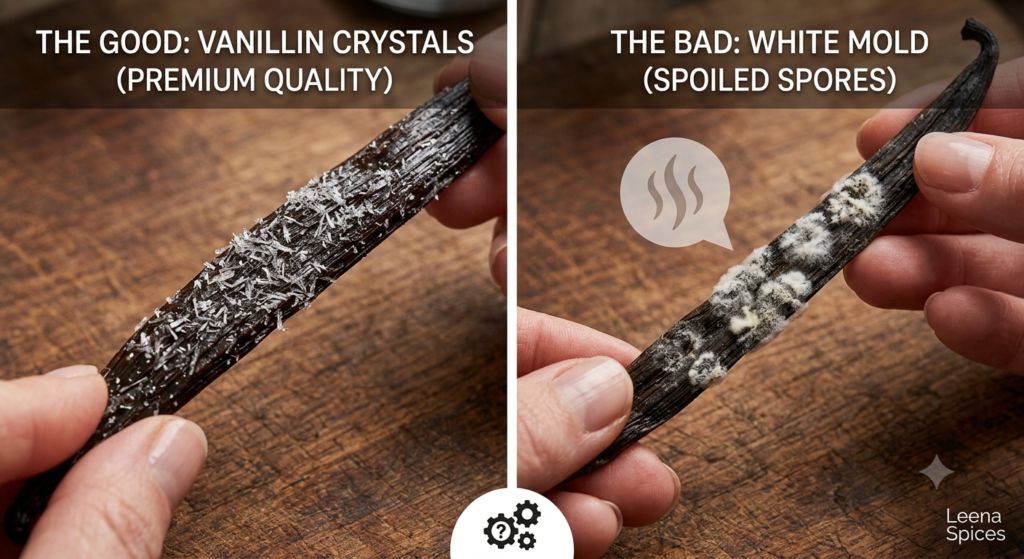
If you open your storage jar and notice a white, frosty coating on your vanilla pods, don’t panic and throw them away just yet. It’s surprisingly common to confuse natural vanillin crystals with white mold. Discarding good beans is an expensive mistake, but using actual mold can ruin your baking and your batch.
Here’s how to quickly tell the difference between a premium vanilla bean and a spoiled one:
How to Spot the Difference
• Vanillin Crystals (The Good Sign):
These appear as fine, needle-like frost crystals or tiny shimmering “diamonds” on the surface of the pod. They form naturally during the curing and aging process, especially in high-quality beans with rich moisture and oil content. When held up to light, they often sparkle. The aroma remains sweet, warm, and intensely vanilla-forward.
• White Mold (The Bad Sign):
Mold looks dull, fuzzy, or patchy and almost like soft cotton or powdery tufts sitting on the pod. It does not shimmer in light. Affected beans often lose their sweet fragrance and instead smell musty, sour, or fermented. The texture may also feel unpleasantly slimy or overly dry and lifeless.
The Touch Test: If you’re unsure, gently press the white area between your fingers. Genuine vanillin crystals will dissolve quickly with warmth and leave no residue. Mold will feel fuzzy, smear, or persist on the skin. If it smells off and looks fuzzy, discard it immediately. If it shimmers and smells sweet, it’s still a high-quality baking ingredient.
How to Rehydrate Dried Vanilla Beans (The Rescue Recipe)
If your vanilla pods have been left exposed or stored improperly, they can become dry, stiff, and difficult to split. Don’t discard them. As long as there’s no sign of mold, you can restore much of their original pliability, aroma, and usability with a simple rehydration method.
What You Need
- Dried vanilla pods
- A shallow airtight container or a zip-top bag
- Rehydration liquid (choose one):
- 2 tablespoons warm water (for immediate baking use)
- OR 2 tablespoons neutral alcohol such as rum, bourbon, or vodka (for added depth and aroma infusion)
Step-by-Step Instructions
- Place the Beans
Lay your brittle vanilla pods flat inside a shallow dish or zip-top bag. Handle them carefully—if they are extremely dry, they can snap easily. - Add the Liquid
Drizzle your chosen rehydration liquid (warm water or rum/vodka) evenly over the pods. The goal is gentle moisture, not soaking. - Seal and Trap Moisture
Seal the container tightly. If using a zip-top bag, press out most of the air so the pods remain in a humid, enclosed environment. This helps the moisture penetrate evenly. - The Waiting Period
Leave the beans at room temperature for 24–48 hours. Every 12 hours, gently shake or turn the container to redistribute any liquid and ensure even absorption. - Dry and Use
Once softened, remove the pods. They should feel plump, flexible, and easy to bend without cracking. Lightly pat them dry with a clean paper towel before slicing, scraping, or infusing.
Leena Spices Tip:
If you rehydrate using warm water, use the beans within a few days, as added moisture increases the risk of mold. If you use rum or vodka, the alcohol acts as a natural preservative, allowing the beans to stay usable longer when stored in an airtight container.
How Do You Best Use a Vanilla Pod in Baking?
Once you split and scrape a vanilla bean, you’re left with two very different (and equally valuable) parts: the tiny black seeds and the empty pod. Getting the best out of vanilla means knowing how to use each one properly, instead of treating them the same.
1. The Seeds (Instant Flavor + Visual Appeal)
The seeds inside the pod (vanilla caviar) carry the most concentrated burst of vanilla aroma. They don’t need heat to release their flavor, which makes them ideal for recipes where everything is mixed cold or only lightly combined.
You’ll get the best results in things like cake batter, cookie dough, muffin mixes, or whipped cream.
A simple trick that makes a big difference: before adding liquids, rub the seeds into your granulated sugar with your fingertips. This helps break them up so they distribute evenly instead of clumping together in one spot.
2. The Spent Husk (Slow, Deep Flavor Infusion)
The empty pod might look used up, but it still holds a surprising amount of flavor. The woody outer shell is packed with aromatic oils that need gentle heat and time to fully release.
This part shines in custards, panna cotta, ice cream bases, simple syrups, and pastry creams.
For best results, drop the pod into your milk or cream and let it warm slowly for about 10 to 30 minutes. Once the infusion is complete, remove the pod before finishing your recipe.
If you love getting the most flavor and value from premium ingredients like vanilla, cinnamon, and exotic cardamoms, we’ve gathered our best kitchen secrets into our collection of eBooks. From foolproof weeknight curries to artisan baking foundations, explore our digital shelf and discover recipes, techniques, and tips designed to help you cook with confidence.
Explore Our eBooks Collection →What is the difference between a vanilla pod and vanilla extract?
Although both come from the same source called the “vanilla orchid”, they behave very differently in cooking. Choosing the right form can significantly affect flavor depth, texture, and overall aroma in your recipe.
• Vanilla Pods (Whole Beans)
Vanilla pods are vanilla in its most natural and concentrated form. When you split the pod and scrape out the seeds, you obtain intensely aromatic vanilla caviar, accompanied by a rich, layered flavor that features floral, woody, and slightly smoky undertones.
Whole pods are best used in recipes where vanilla is meant to shine and slowly infuse into a base, such as:
- Ice cream and gelato
- Crème brûlée
- Custards and pastry creams
- Infused creams, syrups, and dairy-based desserts
They also add those signature tiny black specks that signal real vanilla, giving desserts a premium, handcrafted look.
• Vanilla Extract
Vanilla extract is a liquid made by steeping chopped vanilla pods in alcohol over time. The result is a ready-to-use flavoring that spreads evenly throughout batters and doughs.
It’s ideal for everyday baking where convenience and consistency matter more than visual speckling or slow infusion, such as:
- Cookies (like chocolate chip cookies)
- Cakes and cupcakes
- Muffins and quick breads
- Pancakes and waffles
Vanilla extract blends quickly and evenly into your recipes, making it a convenient choice for everyday baking. If you’re looking for a fun weekend baking project, try adding it to our collection of easy jaggery baking and sweet treat recipes for naturally rich, caramel-like desserts.
Vanilla Pod vs Vanilla Extract — Key Differences
Feature | Whole Vanilla Pod | Pure Vanilla Extract |
Flavor Profile & Depth | Extremely rich, complex, and multi-layered with floral, woody, and creamy notes. Slow-releasing flavor that develops during infusion. | Concentrated and consistent vanilla flavor. More direct and uniform, but less nuanced than whole pods. |
Aroma Release | Gradual infusion over heat or time, especially in creams and dairy bases. Builds depth as it steeps. | Immediate dispersion throughout batters and doughs. No infusion time needed. |
Appearance in Food | Creates gourmet black vanilla specks (“vanilla caviar flecks”) that signal premium quality. | Completely dissolves into mixtures. No visible seeds or flecks. |
Best Uses | Custards, ice creams, crème brûlée, panna cotta, infused creams, syrups, and luxury desserts. | Cookies, cakes, brownies, muffins, pancakes, waffles, and everyday baking. |
Texture Impact | Adds tiny specks and a subtle visual richness in creamy desserts. | No texture impact; blends seamlessly into recipes. |
Convenience | Requires splitting, scraping, and sometimes infusion time. | Ready to use instantly—just measure and mix. |
Flavor Performance in Heat | Excels in slow-cooked or gently heated recipes where oils can fully infuse. | Performs well in high-heat baking where flavor needs to distribute evenly. |
Overall Culinary Role | Premium ingredient for depth, aroma layering, and gourmet presentation. | Practical, everyday flavoring for speed, consistency, and reliability. |
Can you reuse vanilla pods after scraping
Yes. In fact, throwing away a vanilla pod after a single use is like tossing out a good chunk of its value. Even after the seeds are removed, the pod itself is still rich with aromatic oils that continue to release flavor.
A scraped vanilla bean isn’t “used up” in the way many people assume. The husk still carries deep, warm vanilla notes that can gently infuse into liquids over time. With proper handling, you can usually get 2 to 3 additional uses from a single pod before its flavor becomes too faint.
How to reuse scraped vanilla pods
- Make homemade vanilla extract
Used pods are excellent for extract because alcohol continues to pull flavour from the fibrous pod.
- Submerge 3–5 pods in 1 cup of vodka, rum, or bourbon.
- Store in a dark place for 6–8 weeks, shaking the bottle weekly.
- The extract keeps indefinitely and becomes stronger over time.
- Create vanilla sugar
A classic way to preserve leftover pods.
- Place 1–2 fully dried pods in a jar of granulated or icing sugar.
- Let it infuse for 1–2 weeks.
- Keep topping up the jar. The pods will continue releasing aroma for months. If you prefer utilizing traditional, unrefined sweeteners in your kitchen, you can read our complete guide to choosing and storing jaggery for your everyday baking.
- Infuse liquids for cooking or baking
Perfect for custards, ice cream bases, hot chocolate, syrups, and even coffee.
- Add the scraped pod to milk, cream, or a warm liquid.
- Simmer gently and steep for 10–30 minutes.
- Remove the pod before straining or baking.
The same pod can usually be used 2–3 times for mild infusions.
- Make vanilla powder
Once the pod is completely dry, it can be turned into a versatile baking ingredient.
- Dry the pod until brittle (air-dry for 1–2 weeks or oven-dry at low heat).
- Grind into a fine powder using a spice grinder.
- Store in an airtight container and use in baked goods, spice blends, or dusting sugar.
Once your infusions are done, let the pods dry out until brittle, then grind them in a spice mill. This intense powder is a spectacular way to customize your seasonal baking mixtures, like adding a warm sweet note when making perfect homemade pumpkin spice
- Make vanilla salt
A gourmet seasoning for caramel, chocolate desserts, and even roasted vegetables.
- Grind dried pods with coarse sea salt.
- Store in a sealed jar and use sparingly.
- Add fragrance to pantry staples
Spent pods still release aroma:
- Place one in a jar of tea leaves, coffee beans, rice, or oats.
- Use to gently scent baking ingredients.
If you love getting the most flavor and value from premium ingredients like vanilla, cinnamon, and exotic cardamoms, we’ve gathered our best kitchen secrets into our collection of eBooks. From foolproof weeknight curries to artisan baking foundations, explore our digital shelf and discover recipes, techniques, and tips designed to help you cook with confidence.
Explore Our eBooks Collection →Related Posts You May Want to Read
What Is a Mixed Baking Spice Blend? Easy Homemade Recipe
11 Delicious Ways to Use Chai Masala Spice for Baking and Desserts at Home
29 unique recipes and creative ways to use cinnamon sticks in cooking
7 Turmeric Golden Milk Baking Recipes for a Healthy, Flavorful Twist
Frequently Asked Questions (FAQs)
Can vanilla pods last longer than their best-before date?
Yes. If stored in an airtight container in a cool, dark place, vanilla pods can remain usable and aromatic 1–2 years beyond the listed best-before date, although peak flavour is usually within the first 12 months after opening.
Is it better to store vanilla pods in the fridge or pantry?
Always store vanilla pods at room temperature in a cool, dark pantry. Refrigeration can cause condensation and mold, while freezing damages the pod’s delicate oils and reduces flavour intensity.
How do I keep vanilla pods moist and plump?
Keep pods in an airtight glass jar, optionally wrapped in wax or parchment paper. For slightly dried pods, rehydrate by wrapping in a damp paper towel for 24–48 hours, then return to sealed storage.
Should I use the whole vanilla pod in recipes or just the seeds?
Both can be used depending on the recipe:
- Seeds (caviar): Add to batters, doughs, or sugar for specks and intense flavour.
- Whole pod: Ideal for infusing liquids like milk, cream, syrups, or custards. Remove before baking or serving.
Why do white crystals form on vanilla pods?
These are vanillin crystals, a natural sign of high-quality beans. They indicate concentrated flavor and are safe to use. Do not confuse them with mold.
Can I use vanilla pods in coffee or tea?
Yes. Split a pod and steep it in hot coffee, tea, or chai to naturally infuse vanilla aroma. The pod can be reused 2–3 times for mild flavour.
How do I know if a vanilla pod is spoiled?
Spoiled pods are dry, brittle, moldy, or have a sour/fermented smell. These should be discarded. Slightly dry pods can sometimes be rehydrated, but moldy ones are unsafe.
How do I store vanilla pods in humid climates like Southeast Asia?
Use airtight glass jars, possibly with a silica gel packet to control moisture. Keep away from heat, sunlight, and air exposure, and air them briefly every few weeks to prevent condensation.
Can I grind vanilla pods into powder for baking?
Yes. Fully dried pods can be ground in a spice grinder to create vanilla powder. This is ideal for dusting, mixing into dry ingredients, or enhancing desserts without liquid infusion.
Impu Irani is a cookbook author behind Leena Spices, where he shares practical, easy-to-follow guides on homemade spice blends, herbs, and natural cooking. His work helps home cooks create fresh, flavorful meals using simple ingredients and traditional methods. Download his free Spice Blending eBook and start your journey to cleaner cooking today!
Disclosure Note
We are committed to creating high-quality, helpful content for our readers. We do not accept payment in exchange for writing our articles, and we personally cover the costs of running this website, including hosting, tools, and maintenance.
To support the site, we display ads and may earn a small commission from affiliate links if you choose to make a purchase—at no extra cost to you.
Your support helps us continue sharing valuable content with the community.
If you’d like to support us, here are a few simple and free ways:
- Share our content with your friends and family
- Engage with us on social media
- Follow us on Facebook
You can also learn more by visiting our disclaimer page:
https://leenaspices.co.nz/disclaimer/
As a thank you, feel free to download our Free Spice Recipe eBook.
Download a Free Leena Spices Recipes Cookbook