Impu Irani is a cookbook author behind Leena Spices, where he shares practical, easy-to-follow guides on homemade spice blends, herbs, and natural cooking. His work helps home cooks create fresh, flavorful meals using simple ingredients and traditional methods.
Table of Contents
ToggleThe Ultimate Guide to Cumin Seeds: How to Unleash Earthy Flavor in Every Dish
If there is one spice that connects kitchens around the world, it is cumin. These small, humble seeds carry a deep, earthy aroma and a warm, nutty flavor that quietly shapes some of the world’s most beloved dishes. Be it smoky Mexican fajitas and flavorful Indian curries or to comforting North African stews.
But cumin’s true magic comes from knowing how to use it properly. Whole cumin seeds and ground cumin may come from the same plant, but they bring very different flavors, aromas, and cooking possibilities to your dishes. Learning when to use each form, how to toast the seeds, and how to bring out its full character can completely change the way you cook.
In this complete guide, we’ll explore everything you need to know about cumin. From choosing and storing it to roasting it perfectly and using it like a seasoned cook. By the end, you’ll understand why this simple spice has earned a permanent place in spice cabinets across the world.
What Is Cumin? (Whole Seeds vs. Ground Cumin)
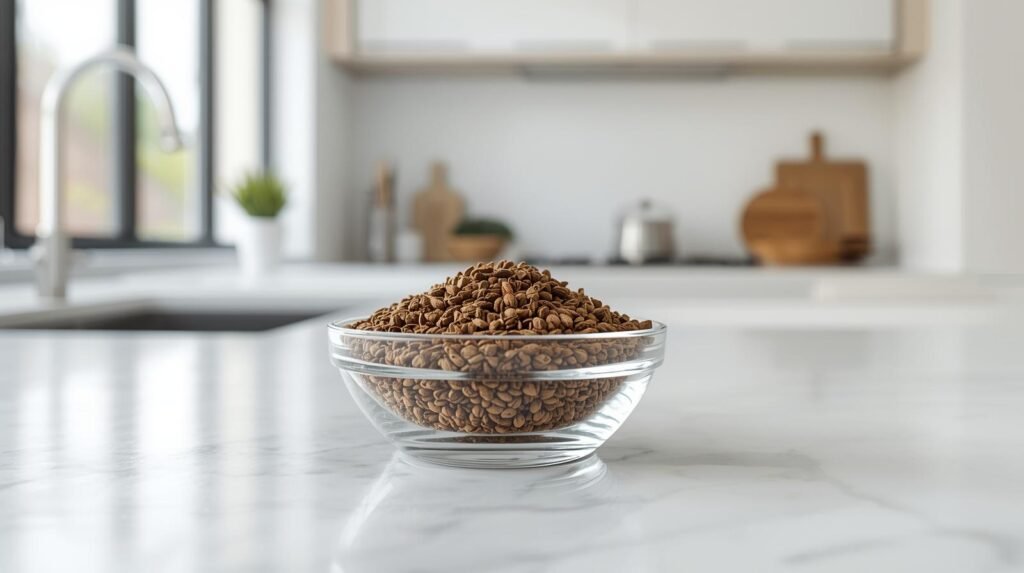
Cumin comes from the Cuminum cyminum plant, a small flowering herb that belongs to the parsley family. Although whole cumin seeds and ground cumin are made from the same spice, they offer very different experiences when used in cooking.
Whole seeds contain natural oils that are released slowly, creating layers of aroma and flavor as they cook. Ground cumin, on the other hand, delivers its flavor immediately and spreads evenly throughout a dish. Choosing the right form can make a noticeable difference in the final taste of your recipe.
Here is how whole cumin seeds and ground cumin compare:
Form | Flavor & Aroma | Best Uses | Shelf Life |
Whole Cumin Seeds | Have a deeper, more complex flavor. When toasted or cracked, they release fragrant oils and add a pleasant texture to dishes. | Perfect for oil tempering (tadka), dry-roasting, rice dishes, curries, pickles, and slow-cooked stews where the flavor has time to develop. | 3–4 years when stored properly. The protective outer hull helps preserve the essential oils and freshness. |
Ground Cumin | Provides an immediate, concentrated cumin flavor with a warm, earthy aroma that blends smoothly into recipes. | Ideal for spice blends, rubs, marinades, soups, sauces, dips, and recipes where you want the flavor evenly distributed. | 6–12 months for the best flavor. Once ground, the increased surface area causes the aromatic oils to fade more quickly. |
For the freshest and most vibrant cumin flavor, many cooks prefer buying whole seeds and grinding them as needed. However, keeping a small jar of quality ground cumin in your pantry is incredibly convenient for everyday cooking. The key is understanding when each form works best.
What do cumin seeds taste like?
Cumin seeds have a complex, earthy flavor that is both warming and distinctive. Their taste can be described as:
- Earthy and Warm – The dominant note, giving dishes a savory, grounding depth.
- Nutty – Especially when toasted, cumin develops a roasted, nutty richness.
- Slightly Peppery – A gentle sharpness that adds an edge without being hot.
- Citrusy and Mildly Bitter Undertones – Subtle hints of citrus and a touch of bitterness that add complexity and balance.
When used whole, cumin seeds release bursts of flavor as you bite into them, while ground cumin delivers a smoother, more uniform taste that spreads evenly through a dish. Toasting or frying the seeds intensifies their aroma, unlocking smoky, fragrant notes that elevate curries, dals, chili, roasted vegetables, and spice blends.
How to Unlock the Full Flavor of Cumin Seeds
If you’re using cumin seeds straight from the jar without heating them first, you’re not getting the best out of them. Inside those tiny seeds are volatile essential oils that hold all their signature aroma and depth of flavor.
When used raw, cumin can taste a little flat, and sometimes even slightly bitter or sharp. But once heat is applied, those oils are released and the flavor transforms completely, making them warm, earthy, and gently nutty.
How to Toast Cumin Seeds: Step-by-Step
There are two primary ways to do this depending on the cuisine you are cooking: Dry-Roasting and Oil-Tempering.
1. Dry-Roasting Method:
Time: 2 – 3 Minutes
- Heat a small, dry skillet over medium heat.
- Add the whole cumin seeds in single and even layer. (Do not add any oil or butter)
- Stir frequently for 2–3 minutes until the seeds turn a slightly darker brown and release a fragrant, nutty aroma.
- Remove from heat immediately to prevent burning. Transfer them immediately to a cool plate to stop the cooking process.
- Use whole or grind into powder once cooled.
Best for: Creating your own freshly ground cumin powder or topping salads and flatbreads.
2. Oil-Tempering Method (Common in Indian Cooking):
Time: 30 – 60 Seconds
- Heat 1–2 teaspoons of oil (canola, rice bran or ghee) in a pan over medium heat.
- Drop a couple of cumin seeds in to test the temperature; if they sizzle instantly, the oil is ready.
- Pour in the rest of your seeds.
- Sizzle for 30–60 seconds until the seeds crackle and release their aroma.
- Add other ingredients (onions, spices, vegetables) as per your recipe.
Best for: Authentic Indian curries, rich dals, and hearty Tex-Mex chili bases.
This is the secret behind creating an authentic, aromatic tadka for rich Indian dals. If you are new to working with legumes and want to master this technique from scratch, check out our 7 Irresistible Daal Secrets for Beginners framework
Leena Spices Pro Tip
If you choose to dry-roast your seeds to make a homemade powder, let them cool completely before throwing them into a spice grinder or mortar and pestle. Grinding hot seeds traps steam inside, causing the freshly ground powder to turn into a clumpy paste and lose its vibrant aroma.
Cumin Conversion Calculator
✨ Quick Cumin Conversion Tool
Easily swap between whole seeds and ground powder without ruining your recipe ratios.
💡 Why this matters: Ground cumin packs much more tightly into a measuring spoon than bulky, whole seeds. Because of this density, ground cumin has a more concentrated flavor per spoonful!
Quick Cumin Substitution Cheat Sheet
If a recipe calls for one form of cumin but you only have the other, you can easily swap between whole seeds and ground cumin using these simple ratios to keep the flavor balanced:
- If a recipe calls for 1 teaspoon of whole cumin seeds:
Use ¾ teaspoon of ground cumin Ground cumin is more concentrated and disperses quickly, so you need slightly less. - If a recipe calls for 1 teaspoon of ground cumin:
Use 1¼ teaspoons of whole cumin seeds. For best results, lightly crush the seeds before adding them so they release more flavor.
💡 Emergency backup option:
If you’ve run out of cumin completely, the closest substitutes are ground coriander or caraway seeds, used in a 1:1 ratio. While they won’t replicate cumin exactly, they do share similar warm, earthy notes that can help maintain depth in your dish.
However, if you’re building an authentic curry base and trying to recreate that deep, savory, onion-garlic backbone that cumin usually provides, you can take things a step further. In that case, consider “blooming” a small pinch of asafoetida (hing) powder alongside your other spices. When heated in oil, hing develops a strong savory aroma that softens into a rich umami-like depth, helping to fill part of the flavor gap left by cumin in cooked dishes.
Take Your Spice Knowledge to the Next Level
Don’t stop at here. Elevate your entire cooking repertoire with my comprehensive book, “Homemade Spice Secrets”. Learn the foundational chemistry of raw vs. bloomed spices for dozens of traditional dishes.

How to Store Cumin Seeds for Maximum Freshness
Cumin gets its signature warm, earthy aroma from volatile oils, which means it can lose its strength quickly if it’s not stored properly. When cumin starts to smell dull, dusty, or flat instead of fragrant and sharp, it’s usually a sign that those essential oils have faded.
To keep cumin fresh and flavorful for as long as possible, a few simple storage habits make all the difference:
- Keep it cool and dark: Store cumin in a pantry or closed cupboard, away from direct sunlight and heat sources like your stovetop. Constant warmth can slowly cause the essential oils to evaporate, reducing both aroma and flavor.
- Avoid moisture at all costs: Never shake your spice jar directly over a steaming pot. The steam can get trapped inside the container, leading to clumping in ground cumin and even mold in whole seeds. Instead, always use a dry spoon to take out what you need.
- Use airtight containers: Oxygen gradually weakens spices over time. Keeping cumin in a tightly sealed, airtight container helps preserve its potency and keeps the aroma locked in for longer.
Because cumin relies on volatile oils, exposing it to heat causes those elements to evaporate. Whole seeds naturally lock this flavor in longer than ground options, a trait shared by many whole bark seasonings. To understand how age affects your entire rack, read our deep-dive on Do Cinnamon Sticks Go Bad and Storage Tips.
The Secret Behind Global Flavor Profiles
Cumin is rarely used on its own. Its real strength lies in how effortlessly it connects and balances other flavors. Because it can soften sharp notes, enhance sweetness, and ground heat from chili and pepper, cumin often acts as the foundation of many iconic spice blends around the world.
Once you understand how cumin behaves in a blend, cooking international dishes becomes much easier. Instead of memorizing complex recipes, you start to recognize patterns and cumin is usually at the center of them.
Indian Cuisine –Core (Garam Masala)
Known as jeera, cumin is a cornerstone of Indian cooking. Whole cumin seeds are often added to hot oil in a technique called tadka, where they sizzle and release their aroma, infusing dishes like dals, curries, and jeera rice with a deep, nutty fragrance.
In many Indian spice bases, cumin is also toasted alongside spices like green cardamom, cinnamon, cloves, and black pepper. While those spices bring warmth and sweetness, cumin acts as the grounding force which is balancing the blend and adding a rich, savory depth that ties everything together.
The Middle Eastern Warmth (Baharat)
In Middle Eastern cuisine, cumin plays a key role in baharat, a warm and aromatic spice blend used widely across the Levant. It is typically combined with spices like allspice, coriander, and black pepper.
Here, cumin helps balance the sweeter, more floral notes of coriander while adding a deep, earthy warmth to the mix. The result is a well-rounded blend that feels both fragrant and grounded that is perfect for seasoning lamb, roasted vegetables, and rice pilafs.
The Tex-Mex & Latin Punch (Taco & Chili Seasonings)
That irresistible aroma rising from sizzling fajitas or a pot of slow-simmered chili often comes from one essential ingredient: cumin. In Tex-Mex and Latin cooking, cumin works alongside garlic powder, onion powder, oregano, and smoky chili peppers to create a bold, comforting flavor profile.
A key ingredient in many chili powder blends, cumin adds an earthy warmth that balances the heat of peppers and enhances the savory flavors of meat, beans, and vegetables. Whether it’s sprinkled into taco seasoning, stirred into fajitas, or simmered into a rich bowl of chili con carne, cumin helps create the unmistakable depth and character that define many Mexican-inspired dishes.
Mediterranean & Beyond
Cumin brings a warm, earthy depth to many Mediterranean dishes, adding character to classics like falafel, hummus, and grilled meats. Its slightly nutty flavor blends beautifully with legumes, grains, and roasted ingredients, making it a versatile spice for everyday cooking.
Beyond traditional recipes, cumin can elevate simple dishes like soups, homemade breads, roasted vegetables, and even snacks. A light sprinkle over popcorn, for example, adds a delicious savory twist that turns an ordinary snack into something more flavorful and exciting.
Why Cumin is Good for You
For thousands of years, cumin has been valued not only as a culinary spice but also as a traditional remedy in many cultures. Long before modern research began exploring its properties, people used cumin in everyday wellness practices because of its naturally rich compounds and nourishing qualities.
Today, scientific studies are helping us better understand why this small seed has earned such a respected place in traditional health practices. Beyond adding warmth and depth to food, cumin contains antioxidants, essential nutrients, and bioactive plant compounds that may support areas such as digestion, immune function, and overall metabolic wellness.
While cumin is not a replacement for medical treatment, its long history and nutritional profile show why it remains much more than just a flavoring ingredient.
• Digestive Support
- Supports healthy digestion: Cumin has traditionally been used to support the digestive system. Its natural compounds may help stimulate digestive activity, making it a popular choice for easing occasional bloating, indigestion, and feelings of discomfort after meals.
- Rich in digestive-supporting compounds: One of cumin’s key components is cuminaldehyde, a compound responsible for much of its distinctive aroma. Research suggests that cuminaldehyde may help encourage the release of digestive enzymes, which play an important role in breaking down food and helping the body absorb nutrients more effectively.
Rich in Antioxidants
Cumin seeds are naturally rich in protective plant compounds that help the body combat oxidative stress. They contain antioxidants, including flavonoids and other bioactive compounds, which help neutralize free radicals (unstable molecules that can contribute to cellular damage over time).
By supporting the body’s natural defense against oxidative stress, cumin adds more than just flavor to your meals. Its antioxidant properties are one reason this small seed has been valued for centuries as part of a balanced, nourishing diet.
Blood Sugar & Metabolic Health
Cumin may also play a supportive role in blood sugar balance and overall metabolic health. Some studies suggest that its active plant compounds can help improve how the body processes glucose, supporting more stable energy levels throughout the day.
Traditionally, cumin has been used in meals designed to be both nourishing and balancing, and modern research is beginning to explore its potential connection to insulin sensitivity and healthy metabolism. While it is not a treatment for blood sugar conditions, cumin can be a helpful addition to a balanced diet focused on metabolic wellness.
Liver & Cardiovascular Support
Cumin’s natural antioxidants and anti-inflammatory compounds may also support overall liver function and heart health. These plant-based compounds help the body manage oxidative stress, which is linked to long-term cellular and organ health.
Some research suggests that cumin may also play a role in supporting healthy cholesterol levels as part of a balanced diet. While it is not a treatment for cardiovascular or liver conditions, cumin can be a valuable addition to a heart-conscious, nutrient-rich eating pattern.
Antimicrobial Effects
Certain varieties of cumin, especially black cumin, are known for their natural antimicrobial properties. Traditionally, these have been used to help the body defend against harmful bacteria and fungi.
Modern research is also exploring how the active compounds in cumin may contribute to these protective effects. While it is not a substitute for medical treatment, cumin’s natural antimicrobial qualities help explain why it has long been valued in traditional wellness practices for supporting the body’s natural defenses.
A Friendly Leena Spices Note: While cumin is incredibly safe and therapeutic when used in normal cooking amounts, these insights are meant for everyday culinary enjoyment. If you are exploring cumin in highly concentrated supplement forms for specific medical reasons, it is always a good idea to check in with a healthcare professional first.
Are there any Side Effects or Risks of Cumin?
For most people, cumin is safe when used in normal cooking amounts. It’s a common kitchen spice and is generally well tolerated in everyday meals. However, as with many concentrated spices and herbal extracts, there are a few considerations to keep in mind if it is consumed in large quantities or taken in supplement form.
When used heavily, cumin may occasionally cause mild digestive discomfort in some individuals. In rare cases, sensitive people may also experience allergic reactions. Because of its strong active compounds, concentrated cumin extracts should be used with caution, especially without professional guidance.
- Digestive Issues – Large quantities can lead to heartburn, nausea, or mild stomach discomfort.
- May affect blood clotting: Cumin may have a mild blood-thinning effect in some individuals, meaning it could potentially slow blood clotting when consumed in large amounts or concentrated forms. While this is not a concern for normal culinary use, people who are scheduled for surgery are often advised to limit high intake of cumin and other blood-thinning herbs at least two weeks beforehand, as a precaution.
- May lower blood sugar levels: Cumin has been linked to a mild blood sugar lowering effect, which can be beneficial for many people as part of a balanced diet. However, individuals with diabetes who are taking medication should be mindful of this effect. When used in larger amounts or alongside glucose-lowering treatments, cumin may contribute to lower-than-expected blood sugar levels, so regular monitoring is recommended to maintain safe and stable readings.
- Allergic Reactions – Rare, but possible. Some individuals may experience rashes, itching, or upset stomach.
- Pregnancy Considerations – Pregnant individuals should consult a healthcare provider before consuming large amounts, as high doses may have fertility or uterine effects.
The Golden Rule of Spice Safety
At Leena Spices, we believe food can be deeply nourishing but balance always matters. Using cumin in everyday cooking is a simple and delicious way to enjoy its flavor and potential wellness benefits as part of a healthy diet.
However, if you are considering cumin in concentrated forms or as a daily supplement, it’s important to be cautious. In those cases, it’s always best to speak with your family doctor or a qualified healthcare professional first.

Frequently Asked Questions About Cumin Seeds
What is the difference between regular cumin and black cumin?
Although they come from the same plant family, regular cumin (Cuminum cyminum) and black cumin (Bunium persicum, often called Kala Jeera) are two distinct spices with very different flavor profiles.
Regular cumin is the more commonly used variety. It has yellowish-brown seeds and delivers a warm, earthy, slightly nutty flavor that works as a backbone in countless dishes.
Black cumin, on the other hand, is smaller, darker, and more delicate in appearance. Its flavor is far more smoky, slightly sweet, and subtly floral. Because of these differences, the two are not interchangeable in equal amounts, as swapping them can significantly change the character of a dish.
Why does my cumin taste bitter or burnt?
Cumin contains delicate volatile oils that scorch easily under high heat. If you dry-roast cumin seeds for even 10 seconds too long, or heat your tempering oil until it smokes, the seeds will burn from the inside out. Burnt cumin releases a sharp, bitter, acrid taste that will ruin a dish. If your seeds turn dark black instead of a rich amber-brown while cooking, discard them and start fresh.
Can I use whole cumin seeds at the very end of a recipe?
It is not recommended. Whole cumin seeds need to be cooked in oil or dry-roasted at the beginning of a recipe to soften their texture and release their oils. Dropping raw, un-toasted whole seeds directly into a finished dish at the end will result in an unpleasant, gritty texture and a sharp, overly intense bite. If you need a finishing touch, always use ground cumin instead.
Bring Authentic Flavor to Your Kitchen
Cumin seeds are much more than a simple kitchen spice. They are a versatile, aromatic, and health-supporting ingredient that has stood the test of time. From their warm, earthy flavor to their role in global spice blends like garam masala, baharat, and chili powder, cumin adds depth, aroma, and complexity to countless dishes.
Whether used whole for toasting and texture or ground for convenience and even seasoning, cumin seeds enhance both everyday meals and festive recipes. Beyond the kitchen, their digestive, metabolic, and antioxidant benefits make them a valuable addition to a balanced diet, though moderation is key.
By understanding how to choose, store, and use cumin seeds effectively, you can unlock their full potential, elevating your cooking while enjoying their nutritional advantages. From simple home-cooked meals to elaborate international dishes, cumin remains an essential spice that continues to delight taste buds and support wellness worldwide.
The content on this blog, including information about, nutrition, and health benefits, is provided for educational and informational purposes only. It is not intended as medical advice, diagnosis, or treatment.
Always consult a qualified healthcare professional or your doctor before starting any new diet, supplement, or health regimen, especially if you are pregnant, breastfeeding, have a medical condition, or are taking medications.
Leena Spices and its team do not accept any liability for any adverse effects or consequences resulting from the use of the information provided on this blog.
Impu Irani is a cookbook author behind Leena Spices, where he shares practical, easy-to-follow guides on homemade spice blends, herbs, and natural cooking. His work helps home cooks create fresh, flavorful meals using simple ingredients and traditional methods. Download his free Spice Blending eBook and start your journey to cleaner cooking today!
Disclosure Note
We are committed to creating high-quality, helpful content for our readers. We do not accept payment in exchange for writing our articles, and we personally cover the costs of running this website, including hosting, tools, and maintenance.
To support the site, we display ads and may earn a small commission from affiliate links if you choose to make a purchase—at no extra cost to you.
Your support helps us continue sharing valuable content with the community.
If you’d like to support us, here are a few simple and free ways:
- Share our content with your friends and family
- Engage with us on social media
- Follow us on Facebook
You can also learn more by visiting our disclaimer page:
https://leenaspices.co.nz/disclaimer/
As a thank you, feel free to download our Free Spice Recipe eBook.
Download a Free Leena Spices Recipes Cookbook