Table of Contents
ToggleKey Takeaways
- Unlocking the Flavor: Raw asafoetida (hing) has a pungent, sulfurous aroma, but blooming a tiny pinch in hot oil or ghee instantly transforms it into a smooth, savory flavor profile that perfectly mimics cooked onion and garlic.
- Pure Resin vs. Powder: Whole resin hing is intensely potent and lasts for years but requires freezing or microwaving to crush; standard powdered hing is convenient but often blended with rice or wheat flour to prevent clumping.
- The Perfect Kitchen Substitute: Because it delivers the depth of alliums without the fructans, hing is the ultimate secret ingredient for low-FODMAP, gut-friendly, and onion-and-garlic-free cooking.
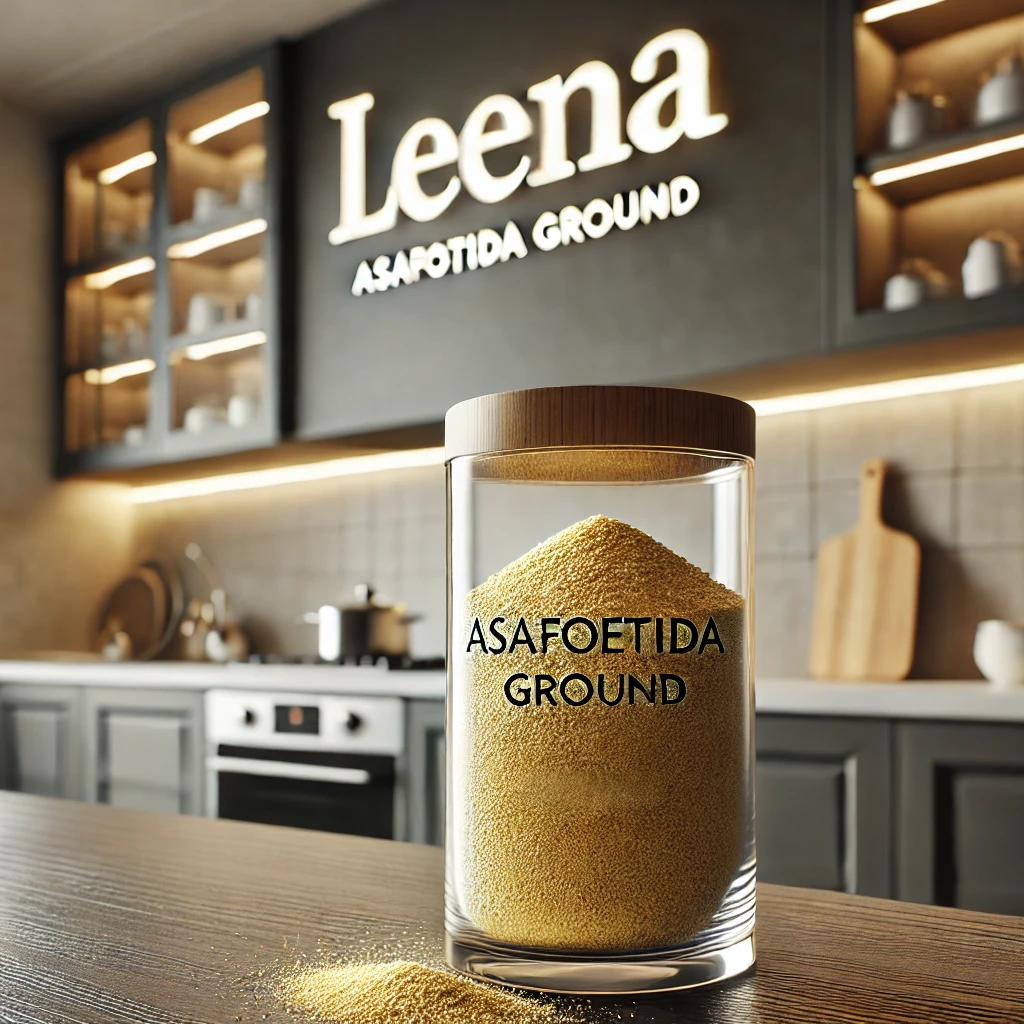
What is Asafoetida (Hing)? The Science Behind the Spice
Asafoetida, better known as hing, is a dried oleo-gum resin collected from the roots and rhizomes of the wild Ferula plant. Native to the dry regions of Central Asia, including parts of Iran and Afghanistan, this ancient spice has been treasured for centuries for its unique ability to transform the flavor of food.
In its raw form, hing has an intensely strong, sulfur-like aroma that can seem almost overwhelming. This powerful smell comes from naturally occurring sulfur-containing compounds within the resin. But when a small amount of asafoetida is gently fried in hot oil or ghee, a remarkable transformation takes place.
The heat mellows its sharp raw character and unlocks deeper savory notes, creating a flavor profile reminiscent of slow-cooked onions and garlic. This is why skilled cooks often add hing during the tempering process that allows the spice to bloom, releasing its complex aroma and adding a rich umami depth to dishes.

Impu Irani is the cookbook author behind Leena Spices , where he shares easy homemade spice blend recipes and practical cooking tips. Read more about him at the end of this post.
Why is Asafoetida Called "Devil’s Dung"?
Asafoetida has earned the nickname “devil’s dung” because of its extremely strong and pungent raw aroma, which many describe as sulfurous, rotten, or even fecal. The name also reflects its Latin roots: asa means resin, and foetida means stinky.
Despite its off-putting smell in raw form, the magic of asafoetida reveals itself during cooking. When heated in oil or ghee, the harsh odor transforms into a smooth, savory, onion-garlic-like flavor, making it a prized addition to curries, dals, and other traditional dishes.
Does Asafoetida Contain Gluten?
Pure asafoetida (hing), made directly from the resin of the Ferula plant, is naturally gluten-free. However, most commercially available powdered forms are blended with wheat flour or other starches to reduce potency and prevent clumping, which introduces gluten.
For those with gluten intolerance or celiac disease, it’s important to look for pure or certified gluten-free hing, often mixed with rice flour or other gluten-free alternatives, to ensure safe consumption.
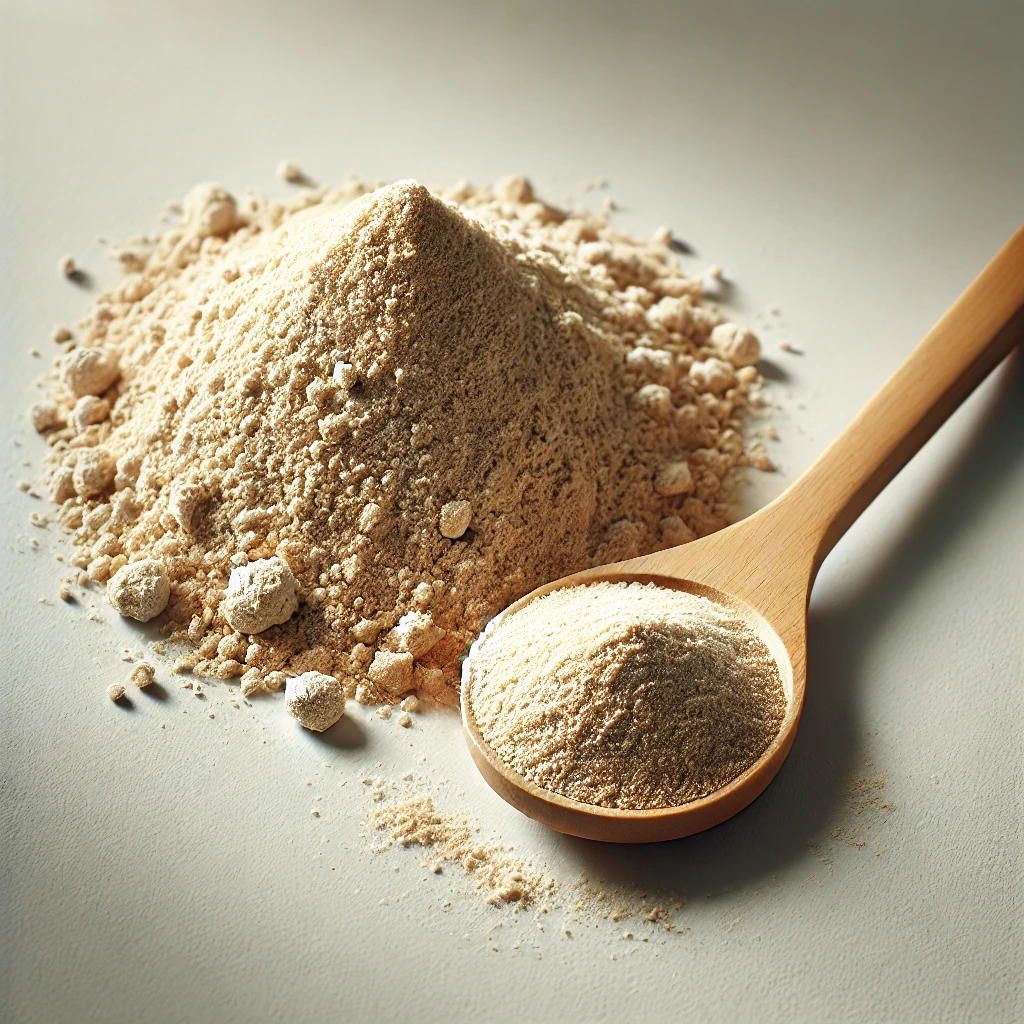
How to Use Asafoetida in Cooking (The Art of Tempering)
Because raw hing is extremely concentrated and potent, it should never be added directly into boiling liquids or sprinkled over finished dishes like a finishing salt. Instead, it needs to be activated in hot oil or fat, where its flavor can properly bloom and mellow.
In traditional South Asian cooking, this technique is known as tadka (tempering). It is one of the most important steps for unlocking the full aromatic depth of spices like asafoetida.
How to Properly Bloom Hing in Cooking
To use it correctly, begin by heating a small amount of ghee or a high smoke-point oil in a pan. First add whole spices such as mustard seeds, cumin, or other aromatics and allow them to crackle and release their fragrance. Then add just a tiny pinch of hing to the hot oil.
Within seconds, the spice will sizzle and release a fragrant, savory aroma—this is the blooming stage. Almost immediately after, add your moist ingredients such as onions, ginger, garlic, or tomatoes. This step helps rapidly cool the oil, preventing the hing from burning while also locking in its deep umami character.
When done correctly, this brief flash of heat transforms hing from sharp and pungent into a warm, rounded flavor that enhances the entire dish.
Want to master the art of blooming spices and make your cooking faster, easier, and more flavorful? Discover our expert tips in our blog post: How do I Speed Up My Cooking.
What is the Best Way to Temper Asafoetida?
Look closely at the Tempering Science diagram below. Notice the precise moment hing is added. If you miss this window, the flavor is ruined. Mastering this exact layering is crucial.
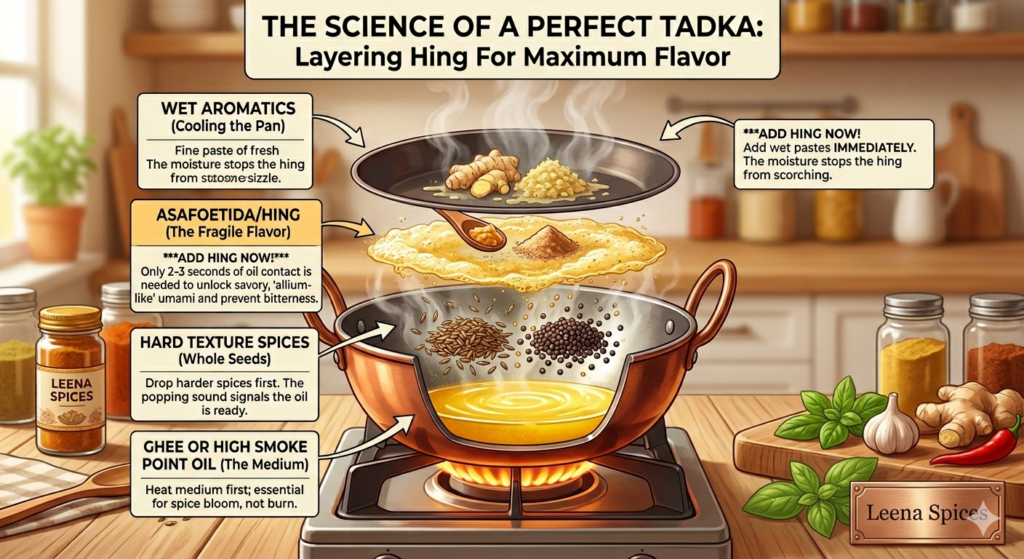
As illustrated in the tempering layer breakdown above, timing is everything when adding hing (asafoetida) to a dish. The resin should be introduced into the hot oil after whole spices and seeds have crackled and released their essential oils, but before adding wet ingredients such as ginger, garlic, onions, or tomatoes.
This brief window allows the heat and fat to activate hing’s powerful sulfur compounds, transforming its sharp, pungent aroma into a deep, savory, umami-rich flavor. Adding hing too early can cause it to scorch and turn bitter, while adding it after wet ingredients may prevent it from fully blooming and releasing its characteristic complexity.
When handled correctly, a tiny amount of hing acts as a flavor enhancer, bringing balance, depth, and a restaurant-style finish to curries, dals, vegetables, and spice blends.
What Dishes is Asafoetida Used In?
Asafoetida (hing) is a staple spice in Indian cooking, valued for its ability to add depth, umami, and a subtle savory flavor to a wide range of dishes. It is typically used in small amounts, often just a pinch, during tempering in hot oil or ghee to release its flavor.
Here are some of the ways hing powder is used:
- Lentil and pulse dishes: Essential in dals, sambar, rasam, and other legume-based curries, often added during tempering (tadka). This is also considered the best way to add hing to dal for better digestion, as it helps reduce bloating and enhances overall flavor. To elevate your lentil dishes even further, try folding in a teaspoon of vibrant green moringa powder as a finishing herb just as you turn off the heat to lock in its raw vitamins.”
- Vegetable curries: Enhances dishes like aloo gobi, bhindi masala, cabbage stir-fries, and other root or gas-producing vegetables.
- North Indian specialties: Kadhi, chana masala, saag paneer, and aloo methi. A pinch of hing provides the essential savory backbone for dishes like traditional aloo methi. If you are preparing fresh greens, balance your seasonings cleanly by following our master kitchen cheat sheet for fresh methi leaves.
- South Indian cuisine: Used in rasam, curd rice, and vegetable sautés.
- Snacks and accompaniments: Khaman dhokla, vada pav, and other savory snacks.
- Pickles and chutneys: Adds flavor and acts as a natural preservative.
- Jain and Brahmin dishes: Serves as an onion and garlic substitute in diets where these are avoided.
While a pinch of hing provides the essential garlic-onion base notes for traditional dishes, it achieves its peak flavor profile when paired with robust regional seasoning blends. For a step-by-step masterclass on building these complex profiles from scratch, check out our guide on creating an Indian Chicken Curry Spice Blend at home.
Can You Grind Whole Asafoetida (Hing) at Home?
Whole Asafoetida can absolutely be ground at home. Grinding whole hing at home is possible and often results in a more potent and pure powder compared to most store-bought versions. It can offer stronger aroma, better purity, and fresher flavor
Asafoetida is naturally resinous, dense, and sticky, which makes it harder to process.
However, it requires a slightly different approach because raw hing behaves very differently from spices like cumin or coriander.
In fact, how you handle it makes a big difference in both safety and quality.
Why You Shouldn’t Use an Electric Grinder Directly
One important caution: do not put raw hing resin straight into an electric grinder or spice mill.
- Pure hing is a gum-like resin, not a dry spice
- At room temperature, it can be either too sticky or rock-hard
- When heat from the motor builds up, it softens quickly and turns gummy
- This sticky mass can coat the blades and jam the grinder
- In some cases, it may even damage the machine or reduce its efficiency
Practical Tips Before Grinding Whole Asafoetida (Hing) at Home
When working with whole Asafoetida resin, there are a few important realities to understand before you try turning it into powder. This spice behaves very differently from dry seeds or herbs, so a bit of preparation makes the process easier, safer, and more effective.
Here are a few important practical details to understand before you try.
- The Smell is Permanent: Whatever you use to grind pure hing whether it’s a plastic spice grinder or a marble mortar, it will likely smell like hing forever. Use a dedicated spice grinder or a glass/stainless steel one that can be deep-cleaned.
- Clean-up Tip: If you do get the blades sticky, wipe them with a paper towel soaked in high-proof alcohol (like vodka or rubbing alcohol). It dissolves the resin much better than soap and water.
- The Sieve: Homemade Asafoetida powder is usually not as fine as commercial versions. After grinding, pass it through a fine-mesh strainer to separate the smooth powder (“dust”) from the larger granules (“pebbles”). This helps improve consistency and makes it easier to use in cooking.
If you want to grind whole Asafoetida yourself, the key step is to prepare the resin so it becomes brittle. This makes it much easier to crush and grind without sticking.
Here are the most effective methods to get it ready:
How to Grind Asafoetida Resin (Solid Hing)
Processing raw asafoetida resin at home can preserve a more intense aroma compared to many pre-ground commercial blends. However, because it is extremely concentrated and sticky in its natural form, it needs to be carefully softened before grinding.
Method 1: Microwave Flash-Heat Technique
Place small pieces of raw hing resin on a microwave-safe plate. Heat briefly for about 10–15 seconds on high power.
This short burst of heat causes the trapped moisture within the resin to expand, making the hard lumps puff slightly and turn more brittle and porous. Once cooled for about a minute, the resin becomes much easier to break down.
You can then crush it using a mortar and pestle or grind it into a fine powder. For best results, mix with a small amount of rice flour or salt during grinding to prevent clumping and improve flow.
Method 2: The Deep-Freeze Fracture Technique
Raw asafoetida resin can be soft, sticky, and difficult to handle at room temperature due to its concentrated gum-like structure. Freezing it briefly helps change its physical texture, making it far easier to break down.
Start by wrapping the solid hing resin in parchment paper and placing it in the freezer for 1–2 hours. The low temperature hardens the resin and makes the essential oils less mobile, turning the once-tacky chunks into a more brittle, glass-like state.
Once removed from the freezer, work quickly while it is still cold. The resin will be at its most fragile, so it can be ground efficiently using a dedicated spice grinder or electric mill. For best results, grind it immediately before it begins to soften again at room temperature.
This method is especially useful when dealing with larger resin pieces and helps achieve a more consistent, fine powder without excessive sticking or clumping.
Final Result
You’ll get a fresh, highly aromatic homemade powder made from whole Asafoetida that is much more potent than most store-bought versions.
When stored properly in an airtight container, it can retain its strength and aroma for up to 12 months.
For best results, keep it in a cool, dry place away from heat, moisture, and direct sunlight.
What is the Difference Between Whole Asafoetida and Ground Hing Powder? Culinary Showdown:
Whole Asafoetida (Resin) vs Ground Hing Powder – Complete Comparison
Aspect | Whole Asafoetida (Resin / Rock Hing) | Ground Hing Powder (Compounded) |
Composition & Purity | 100% pure dried resin from Ferula root, no additives | Usually 5%–40% resin, mixed with wheat flour, rice flour, starch, gum arabic, or fillers |
Form | Hard lumps, sticky resin, crystals (“rock hing”) | Fine, dry, free-flowing powder |
Ingredients | Pure asafoetida resin only | May include flour, starch, gum arabic, turmeric, or asafoetida oil |
Potency / Strength | Extremely strong; mustard-seed quantity is enough for a dish | Milder; typically used in teaspoons due to dilution |
Flavor Profile | Deep, complex, onion-garlic-like, highly aromatic | Softer, more rounded, less aggressive flavor |
Aroma Strength | Very pungent, sulfurous, long-lasting smell | Milder aroma that fades faster |
Ease of Use | Must be dissolved in hot oil/ghee or soaked before use | Ready to use directly in cooking (tadka, doughs, batters) |
Cooking Behavior | Slow release, blooms strongly in hot oil | Dissolves instantly and blends quickly |
Shelf Life | Very long (12–18+ months or more in airtight storage) | Shorter (6–12 months), aroma weakens over time |
Texture | Sticky, lumpy, sometimes crystalline | Smooth, dry powder |
Gluten Status | Naturally gluten-free | Often contains wheat unless labeled gluten-free |
Color | Dull amber, brownish, off-white tones | Yellow, beige, or light brown (sometimes artificially bright) |
Cost & Value | Higher upfront cost but used in very small quantities (high value) | Cheaper per jar but less potent, so more is needed |
Best For | Authentic traditional cooking, medicinal use, maximum flavor impact | Everyday quick cooking, convenience, beginner-friendly use |
Purity Indicators | Strong smell, sticky texture, uneven natural form | Free-flowing powder often indicates fillers or anti-caking agents |
Final Insight
If you want maximum authenticity and strength, choose whole resin hing.
If you want speed and convenience, you can use powdered hing. However, be aware that it usually has lower potency due to added fillers.
Quality Attribute | Pure Asafoetida Resin | Commercial Ground Powder |
Purity Metric | 100% pure oleo-gum extract. | Diluted with starches (wheat/rice flour). |
Gluten Status | Naturally 100% Gluten-Free. | High risk of gluten unless labeled with rice flour. |
Kitchen Dosage | A tiny “mustard-seed” amount is plenty. | Requires fractional teaspoons due to flour blending. |
Aromatic Life | Stays highly potent for years if sealed. | Fades quickly within 6 to 12 months. |
Looking to Master the Art of Spice Blending?

Stop Buying Stale, Store-Bought Spice Packets.
Creating exceptional spice blends is both a science and an art. Powerful ingredients like raw hing resin (asafoetida) require careful handling because even the smallest amount can dramatically transform a dish. Just a pinch too much can overpower delicate flavors, while the right balance can add incredible depth, aroma, and restaurant-quality complexity.
Mastering these combinations takes knowledge of ingredient ratios, regional traditions, and the techniques used by experienced cooks.
If you want to move beyond guesswork and confidently create authentic flavors at home, our premium digital cookbooks are made for you. Inside, you’ll discover carefully tested spice ratios, traditional regional pairings, and step-by-step recipes that help you recreate hundreds of delicious global dishes with confidence.
Whether you are a beginner exploring spices or an experienced home cook looking to refine your skills, these guides will help you unlock the true potential of your spice cabinet.
The Ultimate Substitute for Onion and Garlic (Low-FODMAP Friendly)
For many home cooks managing digestive conditions like IBS or following a Low-FODMAP diet, building flavor can be difficult. Common ingredients such as onions and garlic are high in fructans, a type of carbohydrate that can trigger discomfort and digestive issues.
Asafoetida, also known as hing, offers a practical solution. When cooked in oil, it releases a rich, savory aroma that closely resembles the flavor of onions and garlic. Even a small pinch can add depth and complexity to a dish, making it possible to recreate familiar tastes without using ingredients that may cause problems.
This makes hing especially valuable for those who want to enjoy flavorful meals while staying within dietary limits.
Note: If you are cooking for strict gut health needs, choose pure resin or a gluten-free powdered hing. Many commercial versions are mixed with wheat flour, which may not be suitable for everyone.
Traditional Wellness: How Asafoetida Aids Digestive Comfort
Beyond its powerful aroma and ability to transform ordinary dishes into deeply flavorful meals, hing (asafoetida) has been valued for centuries in Ayurvedic cooking for its traditional digestive benefits. It is often described as a carminative spice, meaning it has traditionally been used to support digestion and help reduce discomfort after meals.
This is especially important when cooking nutrient-rich, high-fiber foods such as lentils, chickpeas, beans, and other legumes. These foods contain complex carbohydrates called oligosaccharides, which can be difficult for some people to digest and may contribute to feelings of gas and bloating.
Traditional Indian cooks discovered that adding a small amount of hing to these dishes could help make them feel lighter and easier to digest. The secret lies in the way asafoetida is prepared. When a pinch of hing is gently fried in hot oil or ghee during the tempering process, its strong raw aroma mellows and its unique sulfur-containing compounds are released, creating a more balanced flavor while supporting the traditional digestive role of the spice.
This is why hing has become an essential ingredient in many dal, bean, and vegetable recipes across Indian cuisine. A tiny amount can help transform hearty, fiber-rich meals into dishes that feel more comforting and satisfying.
Hing isn’t the only ancient seed prized for its exceptional carminative qualities. If you are looking to build a highly digestible, gut-friendly spice rack, read our deep-dive on Everyday Uses for Anise Seeds to see how its soothing essential oils mimic similar wellness properties.
Why is Asafoetida So Pungent, and Why Does the Smell Dissipate When Cooked?
Asafoetida’s characteristic pungency comes from its high content of volatile sulfur compounds, including disulfides and ferulic acid, which are also present in onions and garlic. These compounds give raw asafoetida its sharp, sulfurous, onion-like aroma.
When cooked, especially in hot oil or ghee, these volatile compounds break down or evaporate, causing the intense smell to dissipate. What remains is a milder, savory, umami flavor that enriches dishes like dals, curries, and temperings without the harsh raw odor. However, hing (asafoetida) is widely regarded as one of the best spices for digestion.
How to Source Authentic, High-Purity Asafoetida Online
Buying pure Asafoetida (hing) can be surprisingly tricky. Most products you see in grocery stores are actually compounded hing which is a blend where a small amount of pure resin is mixed with wheat flour (atta), rice flour, or gum arabic. This is done to reduce the strong aroma and prevent clumping, but it also means you’re not getting the spice in its pure form.
What to Look For When Buying True Hing Online
When shopping online, especially for spices, a little extra care goes a long way. Since you cannot see, smell, or inspect the product before buying, it is important to choose trusted sellers and pay attention to quality, ingredients, and reviews. The search results often prioritize “Best Sellers,” which are usually the more affordable, flour-heavy versions rather than high-purity hing.
One common mistake is trusting the front label. It often highlights branding rather than the actual composition. Instead, always check the ingredient list, usually found in the secondary product images. This is where you’ll see the real ingredients breakdown. Many popular options contain 70–80% flour and only a small percentage of actual hing resin.
To find higher-quality or purer hing online, you need to search more intentionally. Using specific keywords rather than just “hing” can help filter out heavily diluted options and bring up products with better purity.
1. How to Search for Pure Hing (Asafoetida)
When buying Asafoetida online, your search terms make all the difference. If you simply type “hing,” you’ll mostly see diluted, flour-heavy powders. To find pure or high-quality hing, you need to search more strategically.
Use the Right Search Terms
Instead of generic keywords, try these targeted phrases to get better results:
- “Asafoetida Resin” or “Hing Crystals”
These terms usually lead to raw, unprocessed hing in solid form (small rocks or crystals). This is the purest version. Always check that the ingredient list says only asafoetida resin. - “Asafoetida Resin Lumps” or “Raw Hing”
These help you find unground resin, which is the best way to ensure almost 100% purity. - “Gluten-Free Hing”
Since many compounded versions use wheat flour as a filler, this keyword often filters out heavily diluted products and shows cleaner options. - “Strong Hing” or “Strongest Hing”
Quality sellers sometimes use these terms to highlight higher resin content compared to standard supermarket powders.
Understand the “Compounded Hing” Label
If a product says “Compounded Asafoetida,” it usually means diluted hing.
- Most commercial powders contain only 5% to 30% actual hing resin
- The rest is typically wheat flour, rice flour, or gum arabic
This isn’t necessarily bad for everyday cooking, but it’s far from pure.
Always Check the Ingredients
Don’t rely on the front label. Instead:
- Look at the ingredient list in product images
- Avoid anything that lists asafoetida oil mixed with flour
- Choose products with minimal or no additives
2. Check the Form: Resin vs. Powder
Understanding the form of Asafoetida you’re buying is one of the easiest ways to judge its purity.
Pure hing is a dried latex (resin) that comes from the roots of the Ferula plant. So, when you’re buying packaged hing, always turn the bottle around and read the ingredient list carefully.
What to Look For
- “Ferula Asafoetida” or “Hing Resin”
These indicate a higher chance of purity and authenticity.
What to Avoid
- “Wheat flour,” “Maida,” or “Rice flour” (common fillers)
- “Gum Arabic” (used to bulk up the product)
- “Turmeric” (added for color)
- “Asafoetida oil” (often used to scent flour and mimic real hing)
Solid / Resin (Rock Hing)
This is the most authentic and pure form.
- Looks like small brownish, translucent pebbles or a sticky mass
- Strong aroma, used in very small quantities
- If you find hing in this form, it’s much more likely to be 100% pure
Powdered Hing
This is the most common form but usually not pure.
- Often labeled as “compounded hing”
- May contain edible cereal flour or gum arabic
- If the first ingredient is flour, it’s a low-potency product
- Convenient to use, but diluted
Simple Takeaway
If purity matters, go for resin (rock hing).
If convenience matters, powdered hing works but expect fillers and lower strength.
3. The Color Test
The color of Asafoetida can give you quick clues about its quality and purity. While natural variations exist, understanding these shades helps you avoid heavily diluted or altered products.
Natural Hing Colors
- White Hing (Hing Kabuli Sufaid)
- Pale cream to off-white
- Milder aroma
- More water-soluble
- Common in lighter cooking applications
- Reddish-Brown Hing (Hing Lal)
- Darker, amber to brown tone
- Stronger, more pungent aroma
- Oil-soluble
- Preferred for bold, traditional tempering
What to Avoid
- Bright Yellow Hing
- Often a sign of added turmeric or artificial coloring
- Usually indicates high flour content and low purity
- Less potent and more processed
Simple Takeaway
Natural hing comes in subtle, earthy tones not bright or flashy.
If the color looks too vibrant, it’s likely been diluted or artificially enhanced.
4. The “Water & Burn” Purity Tests
If you’ve already bought Asafoetida and want to check its quality at home, these two simple tests can give you a quick idea of its purity.
The Water Test
Add a small pinch of hing to a glass of warm water:
- Pure Hing:
Dissolves smoothly, turning the water milky white with little to no residue. - Adulterated Hing:
Leaves behind chalky sediment or flour-like sludge at the bottom.
The Burn Test
Carefully expose a tiny amount to a flame (use caution):
- Pure Hing:
Burns cleanly and steadily, similar to incense or a small candle. - Adulterated Hing:
Produces heavy smoke, charring, or uneven burning due to fillers like flour.
5. The Aroma Profile
The smell of Asafoetida is one of the strongest indicators of its purity. It’s famously nicknamed “Devil’s Dung”
for a reason, the aroma is intense and unmistakable.
Purity Indicator: Strong, Sharp Smell
- Pure hing has a sharp, sulfurous, and highly pungent aroma
- The scent is so powerful, you can often smell it even through sealed packaging
- If the smell is mild or barely noticeable, it’s likely diluted
The “Linger” Factor
- After touching pure hing resin, the smell should cling to your fingers
- Even after washing with soap, a faint odor may still remain
- If the scent disappears instantly, it usually means low resin content or added fillers
Pro Tip
With Asafoetida, a little truly goes a long way.
Because pure hing is extremely potent, you only need a tiny piece. About the size of a mustard seed to flavor an entire pot of dal or curry.
This is why buying high-quality resin can actually be more cost-effective than purchasing a large jar of diluted powdered hing. You use less, get stronger flavor, and enjoy better overall quality in your cooking.
6. Red Flags and Good Signs in Reviews
Before buying Asafoetida online, take a minute to scan customer reviews. They often reveal more than the product description.
Warning Signs to Watch For
- “Smells like nothing”
Real hing is extremely pungent. If reviewers say it has little or no smell, it’s likely heavily diluted with flour. - “Bright yellow color”
If the powder looks unnaturally vibrant (like turmeric), it may contain added color or fillers. - Perfectly free-flowing powder
If it’s very smooth and dusty with no clumping, it often means anti-caking agents or high filler content.
Positive Signs of Quality
- “Smell through the mailer”
This is actually a great sign. Pure hing is so strong that people can sometimes smell it before opening the package. - “Lumpy,” “sticky,” or “gummy” texture
Pure hing resin is naturally hygroscopic (absorbs moisture), so slight stickiness or clumping is a good indicator of authenticity. - “Needs to be ground”
If reviewers mention using a mortar and pestle, that’s a positive sign. It usually means the product is raw resin without fillers or anti-caking agents.
The Secret Isn’t Just Sourcing the Spice—It’s Mastering the Ratios.
Having the world’s finest ingredients won’t save a meal if the flavor balance is thrown off. Because genuine hing is incredibly potent, learning exactly how to measure, layer, and bloom it alongside other premium ground spices is an essential skill.
In our digital master guide, Homemade Spice Secrets, we skip the vague guesswork. We give you precise metric measurements, tailored blooming time frames, and foolproof pairing instructions for creating flawless spice blends directly at home.
Pure vs. Adulterated Asafoetida (Hing) Buying Guide
Factor | Pure / High-Quality Hing | Adulterated / Low-Quality Hing |
Search Terms | “Asafoetida Resin,” “Hing Crystals,” “Raw Hing,” “Resin Lumps,” “Gluten-Free Hing,” “Strong Hing” | Generic “Hing,” “Compounded Asafoetida” |
Label Clues | Ingredient list shows only asafoetida resin or minimal additives | Contains wheat flour, rice flour, gum arabic, turmeric, or asafoetida oil |
Resin % (5% Rule) | High resin content (close to pure) | Typically 5%–30% resin, rest is filler |
Form | Solid resin (rock/crystals), sticky or hard lumps | Fine powder, smooth and free-flowing |
Color | Off-white, pale cream, or brownish tones (natural, dull shades) | Bright yellow or overly vibrant (often dyed or turmeric-added) |
Aroma Strength | Strong, sharp, sulfurous smell (detectable through packaging) | Weak or almost no smell |
Linger Effect | Smell lingers on fingers even after washing | Smell disappears quickly |
Texture | Slightly sticky, lumpy, or gummy (natural resin behavior) | Dry, dusty, perfectly loose (due to fillers/anti-caking agents) |
Water Test | Dissolves fully, turns water milky white, no residue | Leaves chalky sediment or sludge |
Burn Test | Burns cleanly like incense or a candle | Smokes heavily, chars, or doesn’t burn properly |
Amazon Review Clues | “Strong smell,” “smell through package,” “needs grinding,” “sticky/lumpy” | “No smell,” “too mild,” “bright yellow,” “very powdery” |
Ease of Use | Needs crushing/grinding (authentic but less convenient) | Ready-to-use powder (but diluted) |
Cost Value | More expensive upfront but used in tiny quantities (better value) | Cheaper but requires more quantity (lower potency) |
Simple Bottom Line
- Go for resin, strong smell, natural color, and minimal ingredients
- Avoid bright colors, no smell, and flour-heavy labels
Culinary Safety: Precautions and Considerations When Using Hing
When used in the small amounts typically required for cooking, asafoetida (hing) is considered safe for most people. However, because hing is a highly concentrated spice resin with a very powerful aroma and flavor, there are a few important considerations to keep in mind.
Pregnancy Considerations
In traditional medicine, large medicinal doses of raw asafoetida have been used for various purposes, including as an emmenagogue (a substance traditionally believed to stimulate menstrual flow). While the tiny pinch commonly used to flavor everyday meals is generally considered safe, pregnant individuals should avoid consuming large or concentrated amounts of asafoetida unless advised by a healthcare professional.
Gluten Sensitivities and Celiac Concerns
If you have celiac disease or a strong sensitivity to gluten, always check the ingredient label before purchasing powdered hing. Pure asafoetida resin is extremely sticky and difficult to grind, so many commercial hing powders are mixed with a carrier ingredient such as wheat flour to make them easier to process and use. For a gluten-free option, look for brands that use alternatives such as rice flour or other gluten-free processing agents.
The “Too Much Hing” Mistake
The most common problem with hing is not safety but it is using too much. Asafoetida is incredibly potent, and a little goes a long way. Adding excessive amounts or using raw hing without first frying it in oil or ghee can give your dish a sharp, bitter, or almost medicinal taste. The key is to use a small pinch and allow it to bloom briefly in hot fat, which transforms its strong raw aroma into a warm, savory depth of flavor.
Common Substitutes for Asafoetida
If you don’t have asafoetida (hing) on hand, these ingredients can replicate its pungent, savory, and umami flavor to varying degrees:
- Garlic and Onion: The most common substitute. Use fresh minced or powdered forms.
- Garlic Powder: Adds similar umami notes; milder than hing.
- Onion Powder: Provides savory depth; use in combination with garlic for best results.
- Leeks, Shallots, or Chives: Finely chopped and sautéed; milder alternative.
- Black Salt (Kala Namak): Offers a sulfurous, pungent flavor, especially useful in vegan or chaat recipes.
- Fenugreek Seeds or Dried Fenugreek Leaves (Kasuri Methi): Imparts a slightly bitter, nutty note.
- Cumin and Coriander Powder Blend: Can add some umami, though it doesn’t mimic hing exactly.
Tip: Adjust quantities to taste, as none of these substitutes fully replicate asafoetida’s unique aroma.
How Do You Store Asafoetida?
Proper storage is key to preserving asafoetida’s flavor and aroma. Follow this hing powder storage guide:
- Use an airtight container: Glass jars or food-grade plastic containers with tight-fitting lids are ideal to contain its strong odor.
- Keep it cool and dry: Store away from heat, sunlight, and moisture to maintain potency. Avoid refrigeration, as humidity can cause clumping.
- Separate from other spices: To prevent its pungent aroma from transferring, store asafoetida away from other ingredients.
- Optional moisture control: Adding a few uncooked rice grains or a silica gel packet can help absorb excess moisture.
- Shelf life: When stored properly, asafoetida can retain its quality for up to 1–2 years.
Regularly check for clumping, discoloration, or loss of aroma to ensure it remains fresh and flavorful.
Medical Disclaimer:
The information provided in this article is for educational and informational purposes only and is not intended as medical advice. While Hing Spice has been associated with health benefits, it should not be used as a substitute for professional medical care, diagnosis, or treatment. Always consult a qualified healthcare provider before starting any new dietary supplement, herbal remedy, or wellness routine, especially if you have underlying health conditions, are pregnant or breastfeeding, or are taking prescription medications.
Impu Irani is a cookbook author behind Leena Spices, where he shares practical, easy-to-follow guides on homemade spice blends, herbs, and natural cooking. His work helps home cooks create fresh, flavorful meals using simple ingredients and traditional methods. Download his free Spice Blending eBook and start your journey to cleaner cooking today!
Disclosure Note
We are committed to creating high-quality, helpful content for our readers. We do not accept payment in exchange for writing our articles, and we personally cover the costs of running this website, including hosting, tools, and maintenance.
To support the site, we display ads and may earn a small commission from affiliate links if you choose to make a purchase—at no extra cost to you.
Your support helps us continue sharing valuable content with the community.
If you’d like to support us, here are a few simple and free ways:
- Share our content with your friends and family
- Engage with us on social media
- Follow us on Facebook
You can also learn more by visiting our disclaimer page:
https://leenaspices.co.nz/disclaimer/
As a thank you, feel free to download our Free Spice Recipe eBook.
Download a Free Leena Spices Recipes Cookbook
Frequently Asked Questions (FAQ) About Asafoetida
What is asafoetida made from?
Asafoetida is a dried latex (gum resin) obtained from the roots of the Ferula plant, commonly found in Iran and Afghanistan.
Why is asafoetida called "hing"?
“Hing” is the Hindi name for asafoetida, widely used in Indian cooking and Ayurveda.
How do you use asafoetida in daily cooking?
Add a pinch to hot oil or ghee during tempering (tadka) before adding other ingredients. Cooking mellows its pungency and develops a savory, onion-garlic-like flavor.
Can I use asafoetida as a substitute for onion and garlic?
Yes. Many vegetarian communities (such as Jains) use asafoetida in place of onion and garlic to replicate their flavor while adhering to dietary restrictions.
How much asafoetida should I use in a dish?
A very small amount—usually 1/8 to 1/4 teaspoon per dish serving 4–6 people. Overuse can make food bitter.
What are the health benefits of asafoetida?
It may aid digestion, reduce gas, relieve respiratory issues, ease menstrual cramps, and act as an antioxidant and anti-inflammatory agent.
Are there side effects of using asafoetida?
In large amounts, it can cause nausea, headaches, low blood pressure, or bleeding risks. Pregnant and breastfeeding women, infants, and people with bleeding disorders should avoid it.
What are common substitutes for asafoetida?
Garlic, onion, leeks, chives, fenugreek seeds, and black salt (kala namak) can be used as alternatives.
How do you store asafoetida properly?
Keep it in an airtight glass or metal container, stored in a cool, dry, dark place. Store separately to prevent its strong aroma from affecting other spices.
How long does asafoetida last?
When stored correctly, it stays fresh and aromatic for up to 1–2 years.
Conclusion
Asafoetida, or hing, may be one of the most pungent spices in the pantry, but when used correctly, it transforms dishes with a rich, savory depth that is hard to replicate. From enhancing dals and curries to acting as a natural substitute for onion and garlic, its culinary and medicinal value has made it a staple in Indian kitchens for centuries. With its strong aroma, powerful health benefits, and unique flavor, asafoetida proves that sometimes, a tiny pinch is all it takes to elevate food from ordinary to unforgettable.