Table of Contents
ToggleKey Takeaways
What is jaggery?
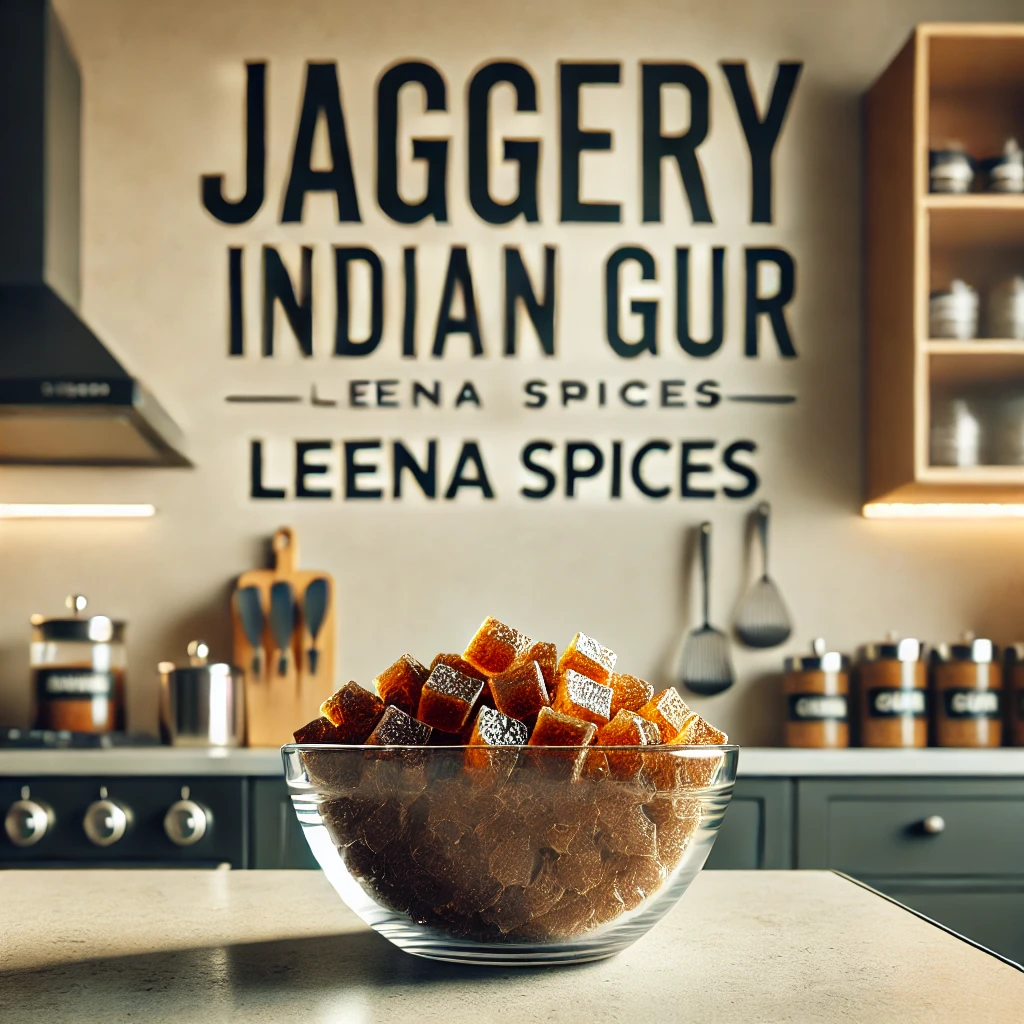
Jaggery is a traditional, unrefined natural sweetener made by boiling and solidifying sugarcane juice or palm sap. Unlike white sugar, it retains minerals like iron, magnesium, potassium, and antioxidants, giving it a rich caramel-like flavor and golden-to-dark brown color.
- read our comprehensive side-by-side “Jaggery vs White Sugar Nutritional Breakdown” to see the exact mineral data.
How is high-quality jaggery identified?
High-quality jaggery or Gur has a deep golden or dark brown color, slightly moist texture, rich caramel aroma, and complex sweet flavor with subtle earthy notes. Avoid jaggery that is pale, overly dark, sticky, or has a chemical smell. Simple tests like water dissolution, burn test, or lemon test can help verify purity.
How can jaggery be used in cooking and baking?
Jaggery can sweeten tea, coffee, and herbal drinks; replace sugar in cakes, cookies, and muffins; flavor traditional desserts like ladoos, halwa, and kheer; and enhance sauces, chutneys, and marinades. Read exact recipes in our post:
8 Easy Jaggery Recipes: Delicious Baking, Drinks & Sweet Treats
Does jaggery expire, and how long does it last?
Jaggery does not expire immediately but can spoil over time due to moisture or fermentation. Always check for mold, sour smell, sliminess, or discoloration. Jaggery can last 6 – 12 months if stored properly
How should jaggery be stored for maximum freshness?
Store jaggery in airtight glass or stainless steel containers in a cool, dry, dark place, away from sunlight and heat. Wrap blocks in parchment or butter paper. Use silica gel or dry cloves in humid climates. Powder should be tightly sealed or refrigerated, while liquid jaggery must always be refrigerated.
What are the signs that jaggery has gone bad?
Look for white or green fuzzy mold, sour/fermented smell, slimy or wet texture, unusual discoloration, or insect infestation. Discard immediately if any of these appear to ensure safety.

Impu Irani is the cookbook author behind Leena Spices , where he shares easy homemade spice blend recipes and practical cooking tips. Read more about him at the end of this post.
What Is Jaggery?
If you’re looking for a natural alternative to refined white sugar, jaggery is an excellent choice. Known for its rich caramel-like flavor and deep golden-brown color, jaggery adds both sweetness and character to a wide variety of foods and beverages.
Unlike highly refined sugar, traditional jaggery undergoes minimal processing, allowing it to retain small amounts of naturally occurring minerals that are present in the original sugarcane juice or palm sap. Its complex flavor profile makes it a favorite ingredient in many traditional cuisines, where it is used in desserts, beverages, sauces, and savory dishes alike.
Whether you’re sweetening a cup of tea, preparing a traditional dessert, or adding depth to a curry, jaggery offers a distinctive taste that goes far beyond simple sweetness.
Jaggery is a traditional, unrefined sweetener made by slowly boiling raw sugarcane juice or palm sap such as date palm or coconut palm until it thickens and naturally solidifies. Unlike white sugar, which is heavily processed and stripped of nutrients, jaggery keeps its natural molasses intact. This gives it a deep golden to dark brown color, a rich caramel-like flavor, and a more robust nutritional profile.
Because the molasses is never removed, jaggery contains trace minerals such as iron, magnesium, potassium, and calcium, along with small amounts of antioxidants. These nutrients contribute to its popularity in traditional medicine systems like Ayurveda, where jaggery is often used to support digestion, respiratory health, and overall vitality.
Jaggery is available in several forms. It can be purchased in solid blocks, soft sticky chunks, granules, and powder.
Jaggery is widely used as a natural sweetener in India, Sri Lanka, Nepal, Bangladesh, Southeast Asia, Africa, and parts of Latin America. Its earthy sweetness makes it a favourite for everyday cooking, festive sweets, herbal drinks, and home remedies.
- Composition: Contains sucrose, invert sugars, and moisture, along with residual minerals (potassium, magnesium, and iron).
- Production: Unlike white sugar, it undergoes no chemical bleaching or refining, preserving its dark color and nutritional profile.
- Health Profile: It is considered a “complex” sweetener that aids digestion and provides slow-release energy compared to refined sugar.
Selecting the right sweeteners and balancing them with freshly ground spices is the secret to authentic regional cooking. In Homemade Spice Secrets, we break down the exact chemistry of traditional ingredients, flavor pairing, and pantry storage secrets.
🛒 Quick Inspection Checklist (At the Market)
- Color Check: Select rich, deep golden-honey to dark brown blocks. Avoid pale yellow or bright ivory blocks, which indicate chemical bleaching agents (like sodium hydrosulfite).
- Texture Check: Press the block gently. It should feel firm but slightly pliable—never rock-hard like concrete or excessively soft, oily, and sticky.
- Aroma Check: Scratch a tiny bit of the surface. It must smell intensely of raw molasses, caramel, or sweet sugar cane juice. Reject blocks with fermented, sour, or chemical scents.
How to Select High-Quality Jaggery at the Market: 7 Expert Tips
Choosing good jaggery is essential for flavour. Pure, well-made jaggery has a rich caramel taste, natural minerals, and no chemical additives. Here is a clear, practical guide to help you identify the best-quality jaggery
1. Check the Colour (Most Important Indicator)
- Sugarcane jaggery: should be deep golden to natural dark brown.
- Palm jaggery: naturally dark brown to almost black.
- Avoid: pale yellow (often chemically bleached), extremely black (overcooked or burnt), or unnaturally glossy blocks.
2. Inspect the Texture and Feel
- Firm but slightly pliable when pressed and never rock-hard.
- Breaks with a clean snap, without crumbling into powder.
- Not sticky, rubbery, or stringy, which may indicate added glucose syrup.
- No white crystals—these point to added refined sugar.
- Surface should be matte and slightly rough, not shiny or oily (which suggests polishing with mineral oil).
3. Smell for Natural Aroma
- Pure jaggery smells like molasses, caramel, or roasted sugarcane.
- Avoid anything with:
- Fermented or sour odour
- Chemical or detergent-like smell
- Burnt, smoky odours (indicates overcooking)
4. Taste a Small Piece (If Allowed)
- Sweet with rich caramel and earthy notes
- Mild salty undertone from natural minerals
- No bitterness, which signals burnt sugar
- No sharp burning sensation, often caused by caustic soda used to speed up boiling
5. Try the Water Test (Quick Purity Check)
- Drop a small piece into a glass of plain water.
- Pure jaggery: dissolves slowly, turning the water light brown without residue.
- Adulterated: dissolves instantly, leaves white particles (chalk/powdered sugar), or makes the water cloudy and muddy.
6. Optional Home Tests for Extra Assurance
These tests are commonly used by traditional buyers:
A. Lemon Test
- Add a few drops of lemon juice to a small piece.
- Pure: no reaction.
- Adulterated: fizzing or bubbling indicates added washing soda or bicarbonates.
B. Touch Test
- Pure jaggery feels slightly oily because of natural molasses.
- Chalk-mixed jaggery feels dry, dusty, or powdery.
7. Read Labels Carefully (Critical for Packaged Jaggery)
For store-bought or online jaggery, check the packaging:
- Must list a single ingredient: sugarcane juice or palm sap
- Visible manufacturing and expiry dates
- Prefer labels that mention:
- Organic
- Chemical-free
- Cold-processed or natural processing
Ready to cook with your jaggery? Check out our step-by-step Jaggery Substitution Guide for exact metrics.
If you love getting the most flavor and value from premium ingredients like vanilla, cinnamon, and exotic cardamoms, we’ve gathered our best kitchen secrets into our collection of eBooks. From foolproof weeknight curries to artisan baking foundations, explore our digital shelf and discover recipes, techniques, and tips designed to help you cook with confidence.
Explore Our eBooks Collection →Does jaggery expire, and how long does it last?
Jaggery does go bad. Jaggery and jaggery powder shelf life is much longer than refined sugar because of its high natural sugar content. However, it also contains minerals and moisture, which means it can spoil if not stored properly.
Shelf Life of Pure Jaggery (By Form)
Solid Block Jaggery
- Unopened Jaggery Shelf Life: 2–3 years
- Opened / Cut Block Jaggery expiry period: 12–18 months
- Notes: Blocks last longest because they have low surface exposure.
Jaggery Powder Shelf Life
- Unopened: 12–18 months
- Opened: 6–9 months
- Notes: This form stores better because it has low moisture content.
Palm Jaggery / Liquid Jaggery (Nolen Gur)
- Palm Jaggery: 6–12 months
- Liquid Jaggery: 3–6 months (must be refrigerated)
- Notes: Higher moisture → quicker fermentation.
Does Old Jaggery Become Unsafe?
Pure jaggery does not become toxic with age, but it loses flavour, darkens, and may harden. A clean, dry block without mold or smell is usually safe even after 2–3 years.
How To Know If Jaggery Is Spoiled
Discard jaggery immediately if you notice:
- White or green fuzzy mold
(Don’t confuse salt crystals with mold. Mold looks fuzzy; crystals look like grains.) - Sour or fermented smell
Indicates yeast or microbial activity. - Slimy, wet, or mushy surface
Means moisture exposure and microbial growth. - Unusual discoloration
Very pale (bleached chemicals) or black patches (spoilage). - Insect infestation
Ants, beetles, or worms.
How to Use Jaggery
| Jaggery Form | Best Culinary Uses | Recommended Leena Spice Pairing | Flavor Mechanism |
|---|---|---|---|
| Solid Blocks (Gur) | Traditional Indian desserts, slow-cooked lentil stews, dal, and rich curries | Whole Cloves & Cinnamon Sticks | Slow melting allows deep botanical oils to blend seamlessly with the caramelized, molasses-like sweetness of jaggery. |
| Powdered Jaggery | Morning tea, coffee, baking, spice rubs, and dry seasoning blends | Green Cardamom Powder | Dissolves quickly without cooling beverages and complements floral, aromatic spice notes beautifully. |
| Liquid Jaggery (Nolen Gur) | Drizzled over yogurt, pancakes, ice cream, fruit bowls, or used as a glaze for roasted vegetables | Ginger Powder or Ground Nutmeg | The warming spice notes help balance and enhance the rich sweetness of date palm syrup. |
Take Your Spice Knowledge to the Next Level
Don’t stop at here. Elevate your entire cooking repertoire with my comprehensive book, “Homemade Spice Secrets”. Learn the foundational chemistry of raw vs. bloomed spices for dozens of traditional dishes.
How do you store jaggery for maximum freshness?
Proper storage is essential because jaggery is hygroscopic, means it naturally absorbs moisture and can develop mold, turn sticky, or ferment if stored incorrectly. Here are the best, safest, and most effective ways to store jaggery for long-term freshness.
1. Best Overall Storage Rules (All Types)
- Store jaggery in a 100% airtight container (glass or stainless steel is best).
- Ensure the container is dry before use.
- Keep it in a cool, dry, dark cupboard away from heat, sunlight, and humidity.
- Always use a dry spoon. Even one drop of water can cause mold.
- Never store jaggery near the stove, dishwasher, or kettle (heat + steam = spoilage).
- Do not mix old and new jaggery in the same container.
2. How to Store Jaggery Based on Its Form
A. Solid Jaggery Blocks (Longest Shelf Life: 1–2 years)
This is the most stable form of jaggery.
Best Method:
- Break large blocks into smaller pieces (so you don’t repeatedly expose the whole block to air).
- Wrap each piece in parchment/butter paper or clean dry cloth.
- Place wrapped pieces in an airtight glass or metal jar.
- Store in a cool, dry cupboard below 25°C.
Humidity Control Tips:
- Add 1 silica gel packet or 5–6 whole cloves inside the jar.
- Optional: line the jar with a dry paper towel to absorb moisture.
Avoid: Refrigeration as it creates condensation when opened, which leads to mold.
B. Jaggery Powder (Most Sensitive; Shelf Life: 6–12 months)
Powder absorbs moisture fastest and becomes sticky or lumpy.
Best Method:
- Store in a tightly sealed glass jar with minimum air space.
- In humid climates, refrigerate the powder (inside an airtight jar) to prevent clumping and mold.
Extra protection:
- Add a small food-safe silica gel sachet inside the jar.
Avoid:
- Leaving it in its original packet (too much air exposure).
- Storing it near heat sources.
C. Liquid Jaggery / Nolen Gur (Highly Perishable; Shelf Life: 3–6 months)
This form contains water and spoils quickly.
Storage Method:
- Mandatory refrigeration after purchase or opening.
- Keep tightly sealed to prevent fermentation.
- Store at the back of the fridge (colder and more stable).
Throw away if it smells sour, alcoholic, or vinegary.
3. Advanced Long-Term Storage Options
Vacuum Sealing
Highly effective for solid jaggery blocks in humid regions.
- Removes air → drastically reduces mold risk.
- Extends shelf life up to 2–3 years.
Traditional Leaf Wrapping (Organic Method)
- Wrap blocks in dry banana leaves, areca leaves, or butter paper,
- Then store in a sealed container.
These natural wrappings allow gentle airflow while blocking moisture.
4. What Not to Do (Common Mistakes)
- Do not refrigerate solid jaggery blocks, they may sweat and mold.
- Do not freeze jiggery, it alters texture and causes condensation.
- Do not store jaggery in open containers.
- Do not use wet hands or wet spoons.
- Do not expose to alternating warm and cold temperatures.
- Do not keep jaggery near onions, spices, or strong-smelling foods (absorbs odours).
5. If Jaggery Hardens
This is not spoilage.
Soften it safely by:
- microwaving for 10–15 seconds, or
- placing the jar in warm (not hot) sunlight for a few minutes.
The Leena Spices Kitchen Secret:
If your jaggery block has absorbed moisture and become sticky, don’t throw it away. Instead, grate it into a fine powder, spread it out on a baking sheet, and let it air-dry in a cool, dry place for about 4 hours. Once it is fully dry, place it in an airtight glass jar with one whole star anise pod before sealing it. The aromatic oils in star anise may help support a fresher scent and reduce moisture-related clumping during storage.
Looking for the health profile?
For a deeper look at calories, diabetes safety, and the real metabolic impact on weight loss, check out our full Jaggery vs White Sugar Nutritional Breakdown.

Stop Buying Stale, Store-Bought Spice Packets.
Create your own fresh, spice blends using authentic recipes from India, Asia, the Middle East, and the West. Get “Homemade Spice Secrets” and learn how to craft 200+ global herbs and spices. Unlock deeper, richer flavors, and replace store-bought mixes with pure, homemade natural ingredients—free from preservatives and fillers.
Medical Disclaimer:
The information provided in this article is for educational and informational purposes only and is not intended as medical advice. While Jaggery has been associated with health benefits, it should not be used as a substitute for professional medical care, diagnosis, or treatment. Always consult a qualified healthcare provider before starting any new dietary supplement, herbal remedy, or wellness routine, especially if you have underlying health conditions, are pregnant or breastfeeding, or are taking prescription medications.
Impu Irani is a cookbook author behind Leena Spices, where he shares practical, easy-to-follow guides on homemade spice blends, herbs, and natural cooking. His work helps home cooks create fresh, flavorful meals using simple ingredients and traditional methods. Download his free Spice Blending eBook and start your journey to cleaner cooking today!
Disclosure Note
We are committed to creating high-quality, helpful content for our readers. We do not accept payment in exchange for writing our articles, and we personally cover the costs of running this website, including hosting, tools, and maintenance.
To support the site, we display ads and may earn a small commission from affiliate links if you choose to make a purchase—at no extra cost to you.
Your support helps us continue sharing valuable content with the community.
If you’d like to support us, here are a few simple and free ways:
- Share our content with your friends and family
- Engage with us on social media
- Follow us on Facebook
You can also learn more by visiting our disclaimer page:
https://leenaspices.co.nz/disclaimer/
As a thank you, feel free to download our Free Spice Recipe eBook.
FAQs
Is jaggery better than sugar for health?
Jaggery retains natural minerals and antioxidants removed in refined sugar, giving it slight nutritional benefits. It may support digestion, provide iron, and reduce water retention, but it is still high in calories and should be consumed in moderation.
Can jaggery be used in diabetic-friendly diets?
Jaggery causes slower blood sugar spikes than white sugar due to its complex composition, but it is not sugar-free. Diabetics should consult their doctor and use very small amounts if including jaggery in their diet.
How is palm jaggery different from sugarcane jaggery?
Palm jaggery is darker, richer in minerals, and has a slightly stronger earthy flavor. Sugarcane jaggery is golden to dark brown, milder in taste, and more commonly used in Indian cooking and sweets.
Why does jaggery sometimes have white spots?
White spots may be molasses crystallization, which is safe, or chalk/sugar adulteration, which is not. Always perform a water or burn test to check purity.
Can jaggery be stored in the refrigerator?
Solid blocks should generally be stored in a cool, dry pantry to avoid condensation. Powdered jaggery in humid climates and liquid jaggery (Nolen Gur) should be refrigerated to prevent spoilage.
How do I soften hardened jaggery?
Hardened jaggery can be softened by microwaving 10–15 seconds, or briefly warming in a dry, warm spot. Never expose it to moisture, as this encourages mold growth.
Does jaggery ferment over time?
Yes, especially liquid jaggery or jaggery exposed to moisture. Fermentation produces a sour or alcoholic smell, signaling it is no longer safe to consume.
Can I use jaggery for modern recipes like smoothies and baking?
Absolutely. Jaggery powder or syrup can replace sugar in cakes, cookies, muffins, smoothies, oatmeal, and sauces. Adjust liquids slightly in baking as jaggery adds moisture.
Are there traditional medicinal uses for jaggery?
Yes, in Ayurveda, jaggery is used to aid digestion, improve immunity, relieve constipation, and detoxify the body. Its mineral content, especially iron, supports general wellness.
How do I prevent jaggery from sticking or melting during storage?
Store in airtight, dry containers, wrap blocks in parchment or butter paper, avoid heat sources, and use silica gel or cloves in humid climates. Powdered jaggery should be tightly sealed, and liquid jaggery refrigerated.