Table of Contents
ToggleIntroduction

Impu Irani is the cookbook author behind Leena Spices , where he shares easy homemade spice blend recipes and practical cooking tips. Read more about him at the end of this post.
What Are the Ingredients in Sri Lankan Spice Blend?
Black Pepper
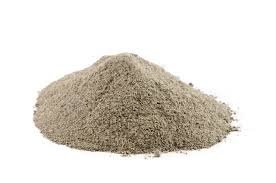
Black Pepper is often referred to as the “king of spices” and plays a crucial role in Sri Lankan cuisine. With its sharp, pungent flavor, black pepper adds a kick of heat that complements the warmth of other spices in the blend. It’s not just about the heat; black pepper enhances the depth and complexity of flavors, making it an essential component of any spice mix. Additionally, black pepper is known for its digestive benefits and its ability to enhance the absorption of other nutrients, particularly curcumin found in turmeric.
Cardamom
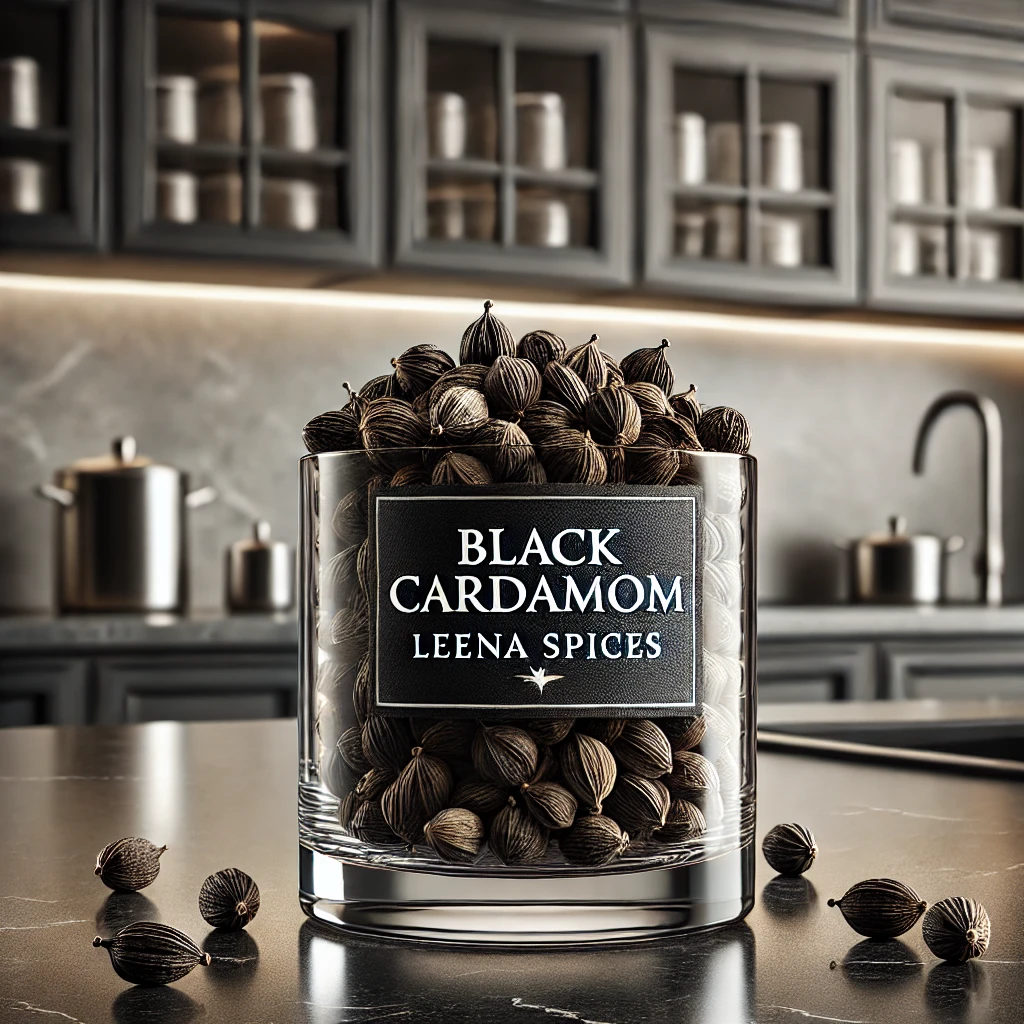
Cardamom is a highly aromatic spice that brings a sweet, floral note to the Sri Lankan spice mix. Often referred to as the “queen of spices,” cardamom has a complex flavor profile that includes hints of citrus, mint, and herbal notes. In Sri Lankan cooking, both green and black cardamom may be used, with Green cardamom being the most common in spice blends. It adds a subtle sweetness that balances the heat and earthiness of other spices, making the overall blend more rounded. Cardamom is also known for its digestive properties and is often used in both sweet and savory dishes.
Cinnamon
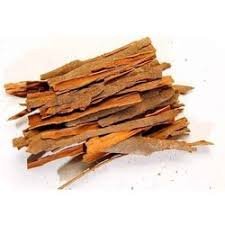
Cinnamon is another cornerstone of Sri Lankan cuisine, particularly Ceylon cinnamon, which is native to the region. Unlike the more common cassia cinnamon, Ceylon cinnamon has a delicate, sweet flavor with a hint of citrus, making it the preferred choice in Sri Lankan spice blends. Cinnamon adds warmth and sweetness to the blend, balancing the intensity of ingredients like black pepper and cloves. Beyond its flavor, cinnamon is known for its anti-inflammatory and antioxidant properties, making it a valuable addition to both culinary and medicinal practices.
Cloves
Cloves are small but mighty when it comes to flavor. These dried flower buds have a sweet, spicy, and slightly bitter taste that adds depth and complexity to a Sri Lankan spice blend. Cloves are particularly potent, so a little goes a long way in enhancing the overall flavor profile. They also carry a rich, warming aroma that is characteristic of many Sri Lankan dishes. Clove is not only valued for its culinary uses but also for its medicinal properties, particularly in aiding digestion and reducing inflammation.
Coriander
Cumin
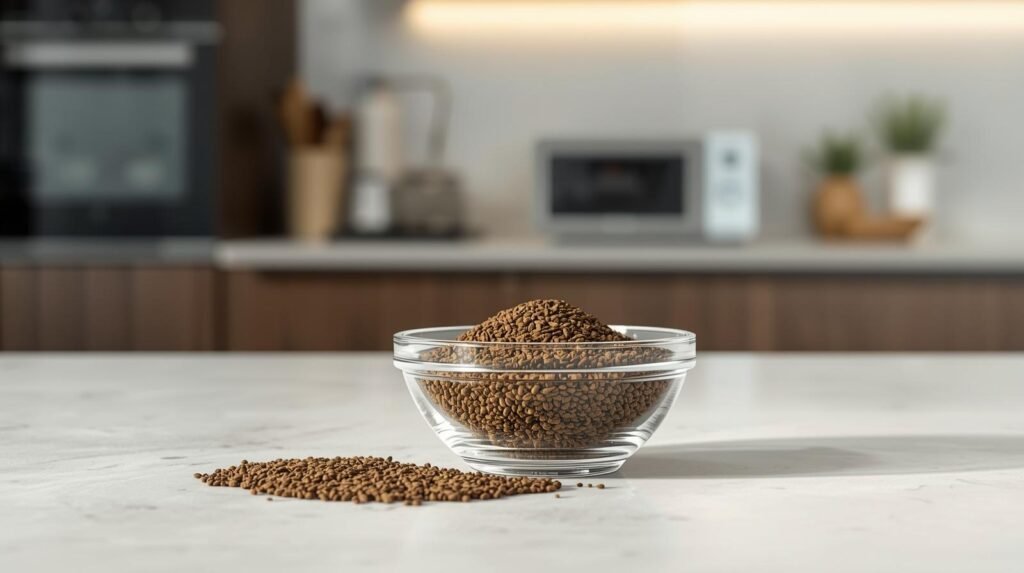
Cumin is a key spice in many global cuisines, and it’s no different in Sri Lanka. With its warm, earthy flavor and slightly bitter undertone, cumin adds a rich base note to the Sri Lankan spice mix. Cumin is often dry-roasted to enhance its flavor before being ground and added to the blend. This process intensifies the spice’s nutty aroma, making it a crucial component in creating the complex flavor profile of Sri Lankan dishes. Cumin is also prized for its digestive properties and its ability to stimulate appetite.
Curry Leaves
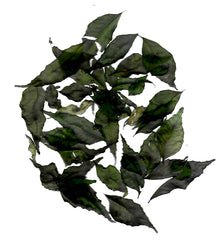
Curry Leaves are an integral part of Sri Lankan cooking, bringing a unique, aromatic flavor that is both citrusy and slightly bitter. Unlike curry powder, which is a blend of spices, curry leaves are a natural herb used to flavor many dishes. In a Sri Lankan spice blend, dried curry leaves are often crumbled into the mix, adding a subtle yet distinctive flavor that enhances the overall complexity. Curry leaves is also known for its medicinal properties, including their ability to aid digestion and promote hair health.
Fennel
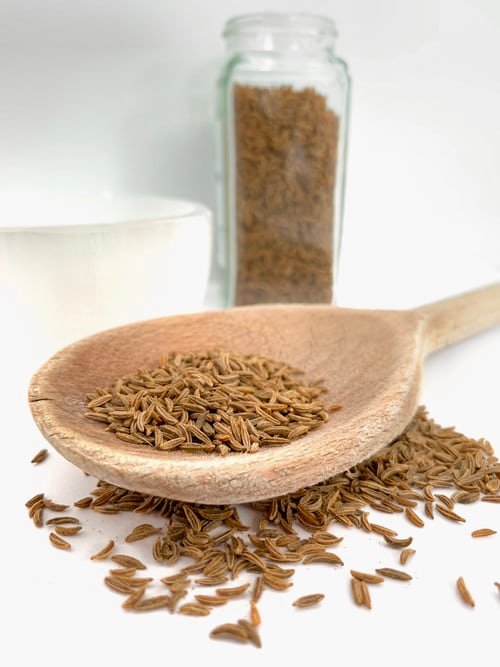
Fennel seeds add a sweet, licorice-like flavor to the Sri Lankan spice blend, which helps to balance out the more pungent and bitter spices. Fennel has a cooling effect, which contrasts nicely with the heat from black pepper and the warmth from spices like cumin and cloves. In Sri Lankan cuisine, fennel is often toasted before being added to spice blends to intensify its flavor and aroma. Beyond its culinary uses, fennel is well-known for its digestive benefits, particularly in reducing bloating and gas.
Fenugreek
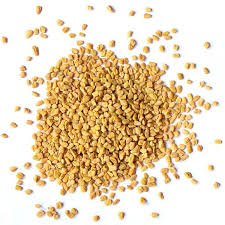
Fenugreek is a slightly bitter spice with a flavor that is reminiscent of burnt sugar and maple syrup. It’s often used in small quantities in Sri Lankan spice blends to add a subtle, earthy bitterness that enhances the overall flavor profile. Fenugreek seeds are typically toasted to reduce their bitterness and bring out their sweet, nutty undertones. In addition to its culinary uses, fenugreek is valued for its health benefits, including its ability to regulate blood sugar levels and support lactation in nursing mothers.
Mustard Seeds
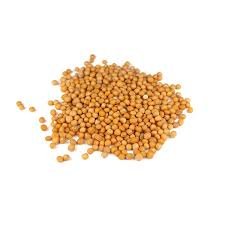
Mustard seeds bring a sharp, tangy heat to the Sri Lankan spice mix, particularly when they are toasted or ground. In Sri Lankan cuisine, mustard seeds are often used as a tempering spice, where they are added to hot oil to release their flavor before other ingredients are added. This process adds a deep, nutty flavor to the dish, along with a mild heat that complements the other spices in the blend. Mustard seeds are also known for their anti-inflammatory properties and are often used in traditional remedies.
Pandan Leaves
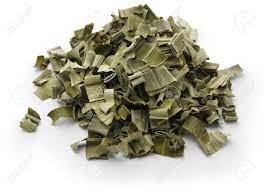
Pandan Leaves, also known as “Rampa,” are a unique addition to a Sri Lankan spice blend. These fragrant leaves impart a sweet, vanilla-like aroma and a slightly nutty flavor to dishes, making them a popular ingredient in both savory and sweet recipes. In Sri Lankan cuisine, pandan leaves are often used to flavor rice, curries, and desserts. When dried and added to a spice blend, they contribute a subtle, aromatic note that enhances the overall flavor profile. Pandan leaves are also known for their calming properties and are often used in traditional remedies for headaches and digestive issues.
Paprika
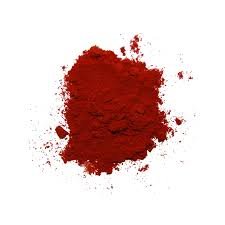
Paprika adds a mild, sweet flavor and a vibrant red color to the Sri Lankan spice blend. Made from ground red peppers, paprika is used to enhance both the flavor and appearance of a dish. In Sri Lankan cooking, paprika provides a gentle heat and a smoky undertone that complements the other spices without overpowering them. It also adds a beautiful color to curries, stews, and rice dishes, making them visually appealing. Paprika is rich in antioxidants, particularly vitamin C, making it a healthy addition to any spice mix.
Turmeric
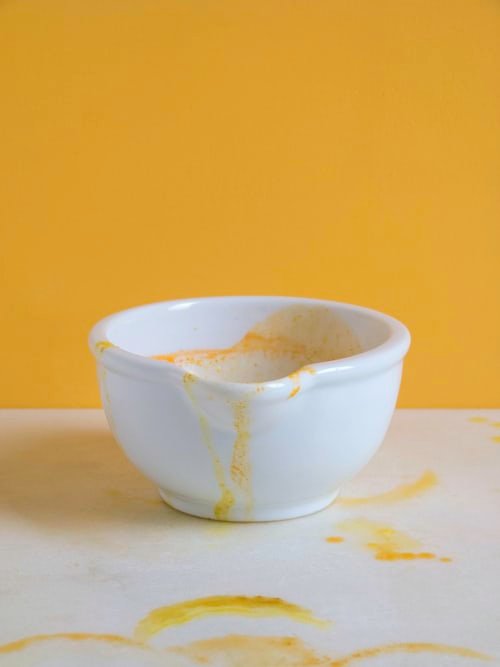
Turmeric is a vibrant yellow spice that is a staple in Sri Lankan cuisine. It adds an earthy, slightly bitter flavor to the Sri Lankan spice blend, along with its signature golden hue. Turmeric is not only prized for its flavor but also for its numerous health benefits, including its anti-inflammatory and antioxidant properties. In Sri Lankan cooking, turmeric is often used to flavor and color curries, rice, and lentils. Its bold color and flavor make it an essential ingredient in creating the authentic taste and appearance of Sri Lankan dishes.
Each of these ingredients plays a vital role in creating the rich, complex flavors of a Sri Lankan spice blend. When combined, they create a symphony of tastes and aromas that are both distinctive and deeply satisfying. By understanding the unique qualities of each spice, you can better appreciate the craftsmanship that goes into every pinch of this traditional blend.
Now that you have all the ingredients how do you make Sri Lankan Curry Powder?
Read our blog
How to Make Authentic Sri Lankan Curry Powder at Home: Step-by-Step
How to Store Sri Lankan Spice Blend for Best Flavor ?
Storage Factor | Best Practice | Why It Matters |
Container | Store in an airtight glass jar | Prevents exposure to oxygen and moisture; glass won’t absorb odors like plastic |
Light Exposure | Keep in a dark cupboard or pantry | Sunlight fades color and destroys delicate aromatic oils |
Temperature | Store away from heat sources (like stoves or ovens) | Heat accelerates loss of flavor and reduces spice potency |
Moisture Control | Keep in a cool, dry place | Moisture can cause clumping and spoil the spice blend |
Shelf Life | Use within 3–6 months for best flavor | Fresh blends retain stronger aroma, taste, and nutritional value |
FAQs
What is the difference between roasted and unroasted Sri Lankan curry powder?
Roasted Sri Lankan curry powder has a deeper, more intense flavor because the spices are toasted before grinding. Unroasted curry powder is lighter, fresher, and milder, making it a better fit for dishes where you want the other ingredients to stand out.
Can curry leaves be substituted in Sri Lankan spice blend?
Curry leaves are an important ingredient in Sri Lankan cooking and add a unique aroma that is difficult to replace. Dried curry leaves can be used if fresh ones are unavailable, but they will not taste exactly the same.
How do you store Sri Lankan curry powder for best flavor?
Keep curry powder in an airtight jar in a cool, dark cupboard. For the best taste, avoid exposure to air, heat, and moisture, and use it while it is still fresh.
Can Sri Lankan spice blends be used for vegetarian dishes?
Yes, Sri Lankan spice blends work very well in vegetarian dishes. They add depth, warmth, and complexity to curries made with lentils, potatoes, pumpkin, chickpeas, eggplant, and other vegetables.
Conclusion
Sri Lankan spice blends are more than just a collection of ingredients — they are the soul of a cuisine shaped by centuries of tradition, trade, and love for bold, honest flavour. From the warming heat of black pepper to the delicate sweetness of pandan leaves, every spice in this blend has a story and a purpose. Now that you know what goes into it and how to use it, the only thing left to do is head to your kitchen and start cooking. Don’t be afraid to experiment, adjust, and make each dish your own. That, after all, is the spirit of Sri Lankan cooking which is generous, aromatic, and deeply satisfying. Happy cooking!
Medical Disclaimer:
The information provided in this article is for educational and informational purposes only and is not intended as medical advice. While Ingredients in Sri Lankan Spice has been associated with health benefits, it should not be used as a substitute for professional medical care, diagnosis, or treatment. Always consult a qualified healthcare provider before starting any new dietary supplement, herbal remedy, or wellness routine, especially if you have underlying health conditions, are pregnant or breastfeeding, or are taking prescription medications.
Impu Irani is a cookbook author behind Leena Spices, where he shares practical, easy-to-follow guides on homemade spice blends, herbs, and natural cooking. His work helps home cooks create fresh, flavorful meals using simple ingredients and traditional methods. Download his free Spice Blending eBook and start your journey to cleaner cooking today!
Disclosure Note
We are committed to creating high-quality, helpful content for our readers. We do not accept payment in exchange for writing our articles, and we personally cover the costs of running this website, including hosting, tools, and maintenance.
To support the site, we display ads and may earn a small commission from affiliate links if you choose to make a purchase—at no extra cost to you.
Your support helps us continue sharing valuable content with the community.
If you’d like to support us, here are a few simple and free ways:
- Share our content with your friends and family
- Engage with us on social media
- Follow us on Facebook
You can also learn more by visiting our disclaimer page:
https://leenaspices.co.nz/disclaimer/
As a thank you, feel free to download our Free Spice Recipe eBook.
Download a Free Leena Spices Recipes Cookbook