Table of Contents
ToggleIntroduction
Have you ever opened your refrigerator to find a bag of lemons shriveled, moldy, or unusable? Resulting in throwing away costly organic citrus before you had the chance to use it? Dehydrating lemons is one of the simplest, cleanest, and most rewarding ways to preserve this vibrant citrus fruit.
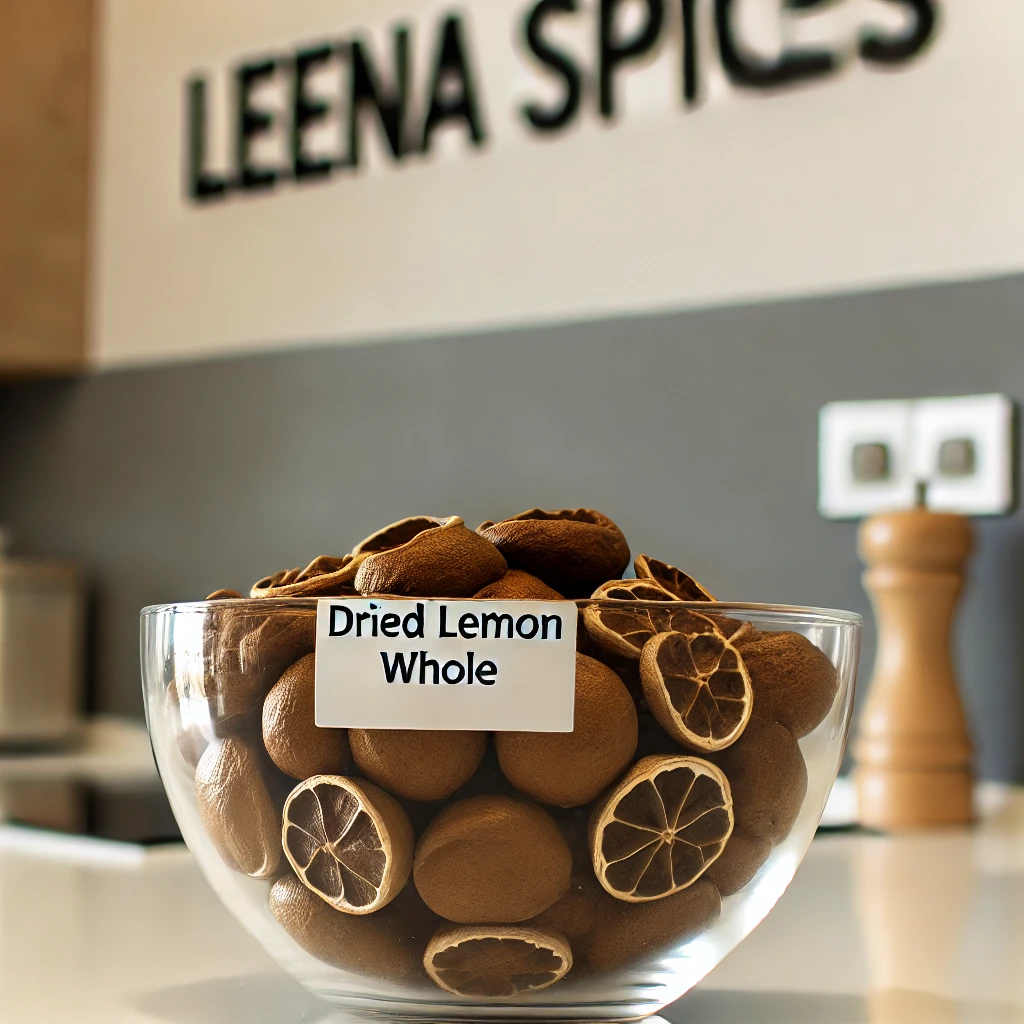
Drying transforms fresh lemons into a long-lasting ingredient that stays usable for months, sometimes even years, without losing its citrus character. You can read our full guide how to dry lemons at home
Why Dehydrating Lemons Works So Well
Fresh lemons are made up of nearly 90 percent water. When that moisture is removed correctly, the final dried slices weigh only about 10 to 20 percent of their original weight. This drastic reduction in water content creates an environment where bacteria, mold, and yeast cannot survive, making dried lemons naturally shelf-stable.
Unlike many preservation methods, dehydrating lemons requires no additives or artificial preservatives. There are no chemicals, no complex processing steps, and no special ingredients involved. Heat, time, and airflow do all the work. This simplicity is what makes dehydration so appealing to health-conscious cooks and professionals alike.
A Versatile Pantry Staple
Drying transforms the character of lemon. As moisture is removed, the fruit’s citric tang and aromatic essential oils become concentrated, creating a slower, deeper citrus release compared with fresh juice. Instead of adding a sharp splash of acidity, dried lemon gently infuses dishes with layers of bright, complex flavour. Drop a dried slice into a cream-based seafood chowder while it simmers, or grind it with coarse sea salt and cracked black peppercorns to create a vibrant homemade lemon pepper seasoning that captures the essence of the whole fruit.

Impu Irani is the cookbook author behind Leena Spices , where he shares easy homemade spice blend recipes and practical cooking tips. Read more about him at the end of this post.
Fresh Lemon vs Dried Lemon
When we tested dehydrating New Zealand Yen Ben lemons, we discovered that carefully reducing moisture levels created an exceptionally stable ingredient with a remarkable concentration of natural citrus flavour. By lowering available water, dehydration helps slow microbial activity while preserving the lemon’s vibrant aroma, tangy acidity, and naturally occurring nutrients . The result is a deeply concentrated citrus “umami” that brings layers of brightness and complexity to everything from spice blends and marinades to slow-cooked dishes.
Characteristic | Fresh Lemons | Dried Lemons | Culinary Advantage |
Shelf Life | 1–2 weeks (Fridge) | 12–18 months (Pantry) | Zero waste; always available |
Flavor Profile | Sharp, highly acidic, watery | Deep, caramelized, concentrated | Rich flavor depth without extra liquid |
Texture Impact | Adds liquid volume | Softens slowly / extracts oils | Perfect for slow-cooking & baking |
Dairy Safety | Can instantly curdle milk/cream | Safe to simmer directly in dairy | Ideal for creamy sauces & chowders |
The Culinary Conversion Matrix
When replacing fresh lemon ingredients with dried lemon elements in your recipes, you need to account for the difference in intensity, moisture content, and flavor concentration. Dried citrus products often deliver a more concentrated aroma and a longer-lasting tang, so using the correct ratio is essential for maintaining balance.
Use this simple conversion formula to adjust quantities confidently and achieve the perfect citrus flavor in your dishes:
Chef’s Ratio:
- 1 whole fresh lemon = Approx. 4 to 5 dried lemon slices
- 1 tablespoon of fresh lemon juice = 1/2 teaspoon of ground homemade dried lemon powder
- 1 Teaspoon Fresh Zest = ¼ Teaspoon Crushed Dried Lemon Peel
Leena Spices Kitchen Calculator
Fresh Lemon to Dried Conversion
Short on kitchen time? Skip the drying and grab our ready-to-use Leena Ground Lemon Powder.
Take Your Kitchen Preservation Further
Dehydrating citrus is just the beginning. Our best-selling digital books, guide you step-by-step through preserving herbs, creating secret spice rubs, and infusing exotic salts at home.
7 Reasons to Dehydrate Lemons: The Ultimate Kitchen Transformation
Why should a premium spice lover care about dehydrated lemons? Because drying this simple citrus fruit creates an entirely new culinary ingredient. The dehydration process removes moisture while concentrating the lemon’s natural oils, bright acidity, and intense citrus aroma, transforming a highly perishable fresh fruit into a shelf-stable, flavor-packed kitchen essential.
Unlike fresh lemons that quickly lose their freshness, dehydrated lemons offer convenience, longevity, and a deeper, more concentrated citrus character that can elevate everything from spice blends and teas to marinades, desserts, and savory dishes.
Here are seven powerful reasons why making dehydrated lemons deserves a place in your seasonal kitchen rotation.
1. Concentrated Flavor: The Citrus “Umami”
When you create a dehydrated lemon, you are not removing its flavor, instead you are intensifying it. By gently removing moisture, the lemon’s natural acidity, subtle sweetness, and aromatic oils become more concentrated, creating a deeper and more complex citrus profile.
The result is a powerful ingredient with a sweet-tart balance and a vibrant lemon aroma that can instantly brighten savory dishes without adding extra liquid. Unlike fresh lemon juice, which can thin sauces or alter texture, dehydrated lemon delivers concentrated citrus character while keeping your recipes rich and balanced.
From spice blends and roasted vegetables to marinades, seafood, and slow-cooked dishes, this shelf-stable citrus ingredient acts like a flavor enhancer that adds brightness, depth, and a refined finishing note.
💡 Chef’s Tip: Crush dried lemon pieces into a powder and use them like a citrus seasoning. A small amount can add a surprising burst of freshness to rubs, dressings, and homemade spice blends.
2. Massive Shelf-Life Extension (Zero Artificial Preservatives)
One of the biggest dried lemon slices benefits is their impressive shelf stability. Fresh lemons are highly perishable and can develop mold or lose their quality over time, especially when stored for extended periods. Dehydration removes much of the fruit’s moisture, creating an environment where the microorganisms responsible for spoilage struggle to grow.
By concentrating the lemon’s natural flavor while dramatically reducing moisture, dried lemon slices become a convenient pantry ingredient that can be enjoyed long after fresh citrus is out of season—without the need for artificial preservatives.
- Storage Reality: When kept in a clean, airtight glass jar away from heat, light, and humidity, properly dried lemon slices can maintain their aroma, color, and flavor for 12 months or longer. For the best quality, store them in a cool, dark pantry and avoid exposing them to moisture.
💡 Chef’s Tip: Add a food-safe silica gel packet to your storage container (kept separate from the lemon slices) if you live in a humid environment. This helps protect the slices from absorbing moisture and losing their crisp texture.
3. Maximum Nutrient Retention & Wellness Benefits
A common kitchen myth is that dehydration automatically destroys nutrients. In reality, when done at low temperatures, gentle dehydration helps preserve many of the natural compounds found in citrus while extending their usability far beyond the fresh fruit’s short shelf life.
As a result, dry lemon benefits also include a concentrated form of naturally occurring plant compounds that support everyday wellness when used as part of a balanced diet.
Dried lemons can retain a range of valuable nutrients, including:
- Vitamin C (Ascorbic Acid): A key antioxidant naturally present in citrus, contributing to overall immune support.
• Soluble Fiber (Pectin): Commonly associated with digestive comfort and gut health.
• Flavonoid Antioxidants: Naturally occurring plant compounds found in citrus peel and pulp.
These properties are part of why many people explore the benefits of dried lemon as a functional pantry ingredient, especially in teas, broths, and spice blends.
💡 Chef’s Tip: Use whole dried lemon slices in simmering water or broth to gently extract both flavor and water-soluble compounds into your cooking liquid.
4. Financial Savings & Zero Food Waste
One of the most practical advantages of dehydration is simple: it helps you stop wasting lemons. Fresh citrus is highly seasonal in both quality and price, and even in ideal conditions, lemons often spoil before they are fully used. Dehydrating surplus lemons locks in their value for long-term use.
Instead of discarding half-used or dried-out lemons at the back of the fridge, every slice can be preserved and repurposed into teas, spice blends, marinades, and slow-cooked dishes. This turns a short-lived fresh ingredient into a long-term pantry staple.
This naturally leads to the common question: is dried lemon as good as fresh? The answer depends on how it’s used. Fresh lemon is ideal for bright, immediate acidity (like finishing a dish or making fresh juice), while dried lemon excels in slow cooking, infusions, and spice applications where deep, steady citrus flavor is more important than sharp freshness.
💡 Chef’s Tip: Freeze fresh lemon juice in ice cube trays and dehydrate the peels separately. This way, you get two preserved ingredients from a single fruit with zero waste.
5. Space-Saving Pantry Efficiency
One of the underrated advantages of dehydrated lemons is how dramatically they reduce storage space. A dozen fresh lemons can quickly fill a refrigerator drawer or crowd a kitchen countertop, but once the moisture is removed, the same fruit becomes a lightweight, compact ingredient that fits neatly into a single jar.
This space-saving transformation makes pantry organization easier while giving you instant access to citrus flavor whenever you need it. Instead of dedicating valuable refrigerator space to fresh lemons that may spoil, you can keep a ready supply of dried slices, lemon powder, or preserved citrus pieces within arm’s reach.
A common question is: how long do dehydrated lemons last? When properly dried and stored in an airtight container away from heat, moisture, and direct sunlight, they can maintain their quality for 12 months or longer. For the best flavor and aroma, use clean, dry storage jars and avoid introducing moisture each time you open the container.
💡 Chef’s Tip: Label your jar with the dehydration date. This simple habit helps you rotate your pantry stock and enjoy your dried citrus while its flavor is at its peak.
6. Eco-Friendly Kitchen Sustainability
Dehydrating lemons is not only a smart preservation technique but also a simple way to create a more sustainable kitchen. By preserving whole lemons at home, you can reduce reliance on disposable packaging and make better use of fruit that might otherwise be overlooked due to minor blemishes or imperfections.
Instead of discarding extra lemons at the end of the season, you can transform them into versatile ingredients such as dried lemon slices, citrus powder, or homemade seasoning blends. This helps reduce household food waste while extending the usefulness of every part of the fruit.
💡 Chef’s Tip: Slightly imperfect lemons are often perfect for dehydration. Wash them thoroughly, remove any damaged areas, slice them evenly, and turn them into a flavorful pantry ingredient rather than letting them go to waste.
7. Absolute Culinary & Lifestyle Versatility
Dried lemons are true kitchen shape-shifters. By removing most of the fruit’s moisture, dehydration creates a lightweight, concentrated ingredient that can be used in countless ways without the limitations of fresh citrus.
Unlike fresh lemons, which require immediate use and refrigeration, dried lemon slices can be stored in your pantry and added whenever you need a burst of bright, concentrated citrus flavor. Their versatility allows them to move effortlessly between sweet, savory, and beverage applications.
Their uses cross over multiple categories:
- Beverages: Infuse dried lemon slices into herbal teas, sparkling water, cocktails, or warm citrus drinks for a refreshing aromatic twist.
• Savory Cooking: Add them to curries, soups, stews, marinades, rice dishes, and roasted vegetables to introduce a deeper citrus note.
• Seasonings: Grind dried lemons into powder and blend them into spice rubs, salad dressings, seasoning mixes, or finishing salts.
• Baking & Desserts: Incorporate citrus powder or crushed slices into cakes, cookies, frostings, and homemade sweets for concentrated lemon flavor.
• Homemade Pantry Blends: Combine dried lemon with herbs and spices to create unique seasoning blends that bring brightness and complexity to everyday meals.
💡 Chef’s Tip: Keep dried lemon slices whole for slow infusions and simmering dishes, but grind them into powder when you want instant citrus intensity in spice blends and rubs.
While dehydrating lemons is an excellent way to preserve your seasonal citrus harvest, it is only one part of building a more self-sufficient pantry. Discover more from-scratch kitchen skills with our Leena Spices Digital Ebook Shop, featuring detailed guides on growing basil at home, or making authentic spice blends, and creating flavour-packed ingredients from your own kitchen.
Leena Spices Kitchen Series
The Ultimate Spice Pairing Guides
Master the delicate science of balancing premium dried herbs, citrus, and spices. Get over 201+ exclusive home-cook recipes, seasoning ratios, and kitchen hacks.
Frequently Asked Questions (FAQs) About Dehydrating Lemons
How do you dry lemons at home?
Dehydrated lemons are fresh lemons that have been dried to remove most of their water content. This process concentrates flavor, preserves nutrients, and extends shelf life, creating a versatile ingredient for cooking, baking, beverages, and spice blends.
What are the main benefits of dried lemons?
Slice lemons thinly and arrange them on a dehydrator tray or baking sheet. Dry at low heat (around 50–60°C / 120–140°F) until fully crisp. Store in an airtight container away from moisture and sunlight. Dried lemon slices can also be ground into powder for culinary use.
How do dehydrated lemons differ from fresh lemons?
Dried lemons offer long shelf life, concentrated citrus flavor, cost savings, reduced food waste, nutrient retention (fiber, vitamin C, antioxidants), and versatile culinary uses in teas, marinades, baked goods, and seasoning blends.
Can I substitute fresh lemons with dried lemons?
Dehydrated lemons have intensified flavor and aroma, a sharper tang, and slightly sweeter notes due to natural sugar concentration. They are shelf-stable, lightweight, and ideal for dry cooking, spice blends, and infusions where fresh lemon juice or zest isn’t practical.
How should I store dehydrated lemons?
Yes, dried lemons can replace fresh lemons in many applications, including teas, spice blends, marinades, and baking. Rehydrate slices in water for juice-like use or grind into powder for seasoning. Note that for liquid-heavy recipes like lemonade, fresh lemons are preferable.
Are dried lemons eco-friendly and sustainable?
Keep dried lemons in airtight jars or containers in a cool, dark pantry. They don’t require refrigeration and can last 12–18 months, with proper storage extending shelf life up to five years.
How much effort is required to dehydrate lemons at home?
Absolutely. They retain fiber, antioxidants (flavonoids, limonoids), essential oils, minerals, and significant vitamin C. Regular use supports immune health, digestion, cardiovascular wellness, and overall antioxidant intake.
Medical Disclaimer
The content on this blog, including information about Dried Lemon, nutrition, and health benefits, is provided for educational and informational purposes only. It is not intended as medical advice, diagnosis, or treatment.
Always consult a qualified healthcare professional or your doctor before starting any new diet, supplement, or health regimen, especially if you are pregnant, breastfeeding, have a medical condition, or are taking medications.
Leena Spices and its team do not accept any liability for any adverse effects or consequences resulting from the use of the information provided on this blog.
Impu Irani is a cookbook author behind Leena Spices, where he shares practical, easy-to-follow guides on homemade spice blends, herbs, and natural cooking. His work helps home cooks create fresh, flavorful meals using simple ingredients and traditional methods. Download his free Spice Blending eBook and start your journey to cleaner cooking today!
Disclosure Note
We are committed to creating high-quality, helpful content for our readers. We do not accept payment in exchange for writing our articles, and we personally cover the costs of running this website, including hosting, tools, and maintenance.
To support the site, we display ads and may earn a small commission from affiliate links if you choose to make a purchase—at no extra cost to you.
Your support helps us continue sharing valuable content with the community.
If you’d like to support us, here are a few simple and free ways:
- Share our content with your friends and family
- Engage with us on social media
- Follow us on Facebook
You can also learn more by visiting our disclaimer page:
https://leenaspices.co.nz/disclaimer/
As a thank you, feel free to download our Free Spice Recipe eBook.
Download a Free Leena Spices Recipes Cookbook