What Is Moringa? 7 Health Benefits & Nutrition of Leaves and Powder | Leena Spices
Table of Contents
- Key Takeaways: Moringa
- What Is Moringa?
- Why Is Moringa oleifera Called the “Drumstick Tree” or the “Miracle Tree”?
- What Nutrients Are in Moringa Leaves and Moringa Powder?
- What Are the Real Health Benefits of Moringa for Everyday Use?
- Frequently Asked Questions (FAQs)
Key Takeaways: Moringa
What is moringa?
Moringa (Moringa oleifera) is a fast-growing, nutrient-dense tree native to northern India and widely used across Asia and Africa. Its leaves, pods, and seeds are edible and valued for both culinary and health applications.
Why is moringa called the “miracle tree”?
Moringa is called the “miracle tree” because nearly every part of the plant is usable and exceptionally nutritious. The leaves are rich in vitamins, minerals, antioxidants, and plant protein, while the seeds, pods, and roots have traditional food and wellness uses.
Why is moringa known as the “drumstick tree”?
The name “drumstick tree” comes from moringa’s long, slender seed pods, which resemble drumsticks. These pods are a staple vegetable in South Asian dishes such as dal, sambar, and curries.
What nutrients are found in moringa leaves?
Moringa leaves are rich in vitamin A (beta-carotene), vitamin C, vitamin E, calcium, iron, potassium, magnesium, fibre, and complete plant protein. Fresh leaves are especially high in vitamin C, while dried leaves concentrate minerals and protein.
Is moringa powder more nutritious than fresh leaves?
Moringa powder is more concentrated, providing higher amounts of calcium, iron, protein, and antioxidants per gram. However, fresh leaves retain more vitamin C, which is sensitive to heat and drying. Both forms are nutritionally valuable.
What are the real health benefits of moringa?
Regular moringa intake may support blood sugar balance, cholesterol management, reduced inflammation, antioxidant protection, sustained energy, and overall nutritional status. Benefits are supportive, not medicinal, and work best with consistent daily use.
Can moringa help with blood sugar and metabolic health?
Yes. Studies suggest moringa may help lower fasting and post-meal blood glucose and improve insulin sensitivity, largely due to compounds like chlorogenic acid and isothiocyanates.
Is moringa good for heart health?
Moringa may support heart health by helping reduce LDL cholesterol, triglycerides, mild blood pressure elevation, and inflammation. These are the key factors linked to cardiovascular risk.
How much moringa should you consume daily?
For everyday use, 1–2 teaspoons of moringa powder or 50–100 g of fresh leaves is commonly used. Consistency matters more than large doses.
How long does it take to see benefits from moringa?
Some people notice improved energy and digestion within 1–2 weeks. Blood sugar, cholesterol, and inflammation markers may take 4–8 weeks of regular use.
Is moringa safe for daily consumption?
Moringa leaves and powder are generally safe when consumed in moderate food-based amounts. People who are pregnant, on medication, or managing medical conditions should consult a healthcare professional before regular use.

What Is Moringa?
Moringa (Moringa oleifera) is a fast-growing, drought-resistant tree native to the sub-Himalayan regions of northern India. It belongs to the Moringaceae family. Due to its exceptional nutritional value it has been cultivated for centuries across South and Southeast Asia, Africa, and other tropical and subtropical regions.
Often referred to as the “miracle tree,” moringa is remarkable because almost every part of the plant is edible and usable. The leaves, pods, seeds, flowers, roots, and even the bark have long been incorporated into traditional food systems and wellness practices, particularly in Asian and African cultures.
Botanically, moringa is a medium-sized tree that typically grows 10–12 metres tall. It is easily recognised by its whitish-grey, corky bark, delicate feathery tripinnate leaves, and small, fragrant white flowers. The tree produces distinctive long, slender, triangular seed pods, sometimes reaching up to 50 centimetres in length, and are commonly used as a vegetable in South Asian cooking.
The name Moringa has cultural roots as well. It is derived from the Tamil word “murungai,” meaning “twisted pod,” a direct reference to the tree’s uniquely shaped seed pods.
Today, moringa is valued globally not only for its adaptability to harsh growing conditions but also for its role in nutrient-dense, plant-based diets, making it especially relevant to health-conscious consumers, home cooks, and chefs seeking functional, whole-food ingredients.
Why Is Moringa oleifera Called the “Drumstick Tree” or the “Miracle Tree”?
Why It’s Called the “Drumstick Tree”
The name “drumstick tree” comes from the tree’s distinctive long, slender, triangular seed pods. These closely resemble traditional wooden drumsticks used as percussion instruments.
In South Asian cuisine especially Indian, Sri Lankan, and Southeast Asian cooking, these immature pods are a staple vegetable. They are commonly used in dal, sambar, curries, and vegetable stews, valued for their mild flavour and fibrous texture. The term “drumstick” is therefore both a literal visual description and a reflection of the pod’s long-standing role in everyday cooking across the Asia–Pacific region.
Why It’s Called the “Miracle Tree”
Moringa oleifera earns the title “miracle tree” because of its unmatched versatility, nutritional density, and resilience. Very few plants offer so many benefits from a single source. This rare all-in-one utility is a key reason moringa is often described as a “tree of life.”
From a nutritional perspective, moringa leaves are among the most nutrient-dense plant foods known, providing significant amounts of vitamin A, vitamin C, calcium, potassium, iron, plant protein, and antioxidants. This concentration of essential nutrients allows moringa to address multiple nutritional deficiencies simultaneously, especially in plant-based and low-resource diets.
Traditional systems such as Ayurveda have long recognised moringa’s medicinal versatility, associating it with support for hundreds of health conditions. Modern research now highlights its anti-inflammatory, antioxidant, and blood sugar–regulating properties, as well as its potential role in supporting immunity and metabolic health.
Moringa is also considered a survival plant. It grows rapidly, often reaching several metres in its first year, thrives in drought conditions, and flourishes in poor or depleted soils where other crops fail. Because it can be harvested year-round, it provides a reliable source of food and nutrients in regions affected by food insecurity.
One of moringa’s most remarkable uses lies beyond nutrition. Crushed moringa seeds contain natural proteins that act as water coagulants, binding to bacteria and sediment and allowing them to settle out of dirty water. This low-cost, natural method of water purification has been life-changing in areas with limited access to clean drinking water, reinforcing moringa’s reputation as truly “miraculous.”
What Nutrients Are in Moringa Leaves and Moringa Powder?
Nutritional Profile of Fresh Moringa Leaves
Fresh moringa leaves are approximately 75–80% water, making them low in calories yet rich in essential micronutrients. They are traditionally consumed as leafy greens in South and Southeast Asian cooking.Macronutrients (per 100 g fresh leaves)
- Calories: ~64 kcal
- Protein: 6–9 g
- Carbohydrates: ~8 g
- Fat: ~1–1.5 g
- Dietary fibre: ~2 g
Key Vitamins in Fresh Moringa Leaves
Fresh moringa leaves are a nutritional powerhouse, especially rich in water-soluble vitamins that play vital roles in everyday health:
- Vitamin A (Beta-Carotene): Supports healthy vision, strengthens immunity, and promotes radiant skin.
- Vitamin C: Extremely high. And several times more than oranges by weight, helping boost immunity and aiding collagen production for skin, joints, and connective tissue.
- Vitamin B-Complex: Includes riboflavin (B2), niacin (B3), pyridoxine (B6), and folate (B9), essential for energy metabolism, brain function, and a healthy nervous system.
- Vitamin E: A potent antioxidant that protects cells from oxidative stress and supports heart and skin health.
- Vitamin K: Critical for strong bones and proper blood clotting, ensuring overall structural and circulatory wellness.
Essential Minerals in Fresh Moringa Leaves
Fresh moringa leaves are not only rich in vitamins but also provide key minerals that support a wide range of bodily functions:
- Calcium: Vital for strong bones and teeth, and helps maintain proper muscle function.
- Iron: Essential for oxygen transport in the blood, energy production, and preventing fatigue.
- Magnesium: Supports muscle and nerve function, metabolic processes, and overall cellular health.
- Potassium: Regulates heart rhythm, aids muscle contraction, and helps maintain healthy blood pressure.
- Zinc & Phosphorus: Play critical roles in immunity, tissue repair, and cellular growth.
Fresh moringa leaves are particularly valuable for immune-supportive nutrients, especially vitamin C, which is sensitive to heat and can degrade during drying. Consuming them fresh ensures maximum bioavailability of these essential compounds.
Nutritional Profile of Dried Moringa Leaf Powder
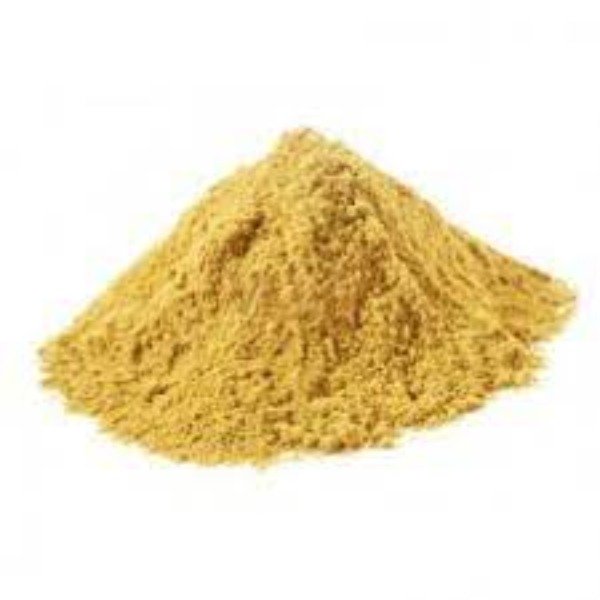
Dried moringa leaf powder is created by carefully drying and grinding fresh leaves, which concentrates nutrients by 5–10 times. This makes it a convenient and highly efficient way to boost micronutrient intake using small servings.
Macronutrients (per 100 g of moringa powder)
- Calories: ~200–330 kcal, providing a moderate energy boost.
- Protein: 25–30 g, making it a rich plant-based source of complete protein with all essential amino acids.
- Dietary Fibre: 12–19 g, supporting healthy digestion, gut microbiome balance, and blood sugar regulation.
- Fat: 2–10 g, containing heart-healthy fatty acids.
- Carbohydrates: 28–40 g, supplying sustained energy and supporting metabolic functions.
Concentrated Vitamins and Minerals in Dried Moringa Powder
Drying moringa leaves intensifies most nutrients, making the powder a potent source of essential vitamins and minerals.- Vitamin A (Beta-Carotene): Extremely high due to nutrient concentration, supporting vision, immunity, and skin health.
- Vitamin E: Well retained during drying, acting as a powerful antioxidant for cellular protection and heart health.
- Calcium: Approximately 2,000–2,400 mg per 100 g, far higher than most plant foods, contributing to strong bones and teeth.
- Iron: Around 28–32 mg, supporting oxygen transport, energy levels, and preventing fatigue.
- Potassium: 1,300–1,500 mg, helping maintain healthy heart rhythm, muscle function, and fluid balance.
- Magnesium: 350–400 mg, essential for muscle and nerve function, metabolic reactions, and overall cellular health.
Protein Quality and Fibre in Dried Moringa Powder
Dried moringa leaf powder is an exceptional plant-based protein source, providing all nine essential amino acids required by the body. Its high fibre content further enhances its health benefits, making it a functional ingredient for everyday wellness.Key Benefits
- Digestive Health: Dietary fibre promotes healthy gut function and regular bowel movements.
- Blood Sugar Regulation: Fibre slows glucose absorption, helping maintain stable blood sugar levels.
- Sustained Energy Release: The combination of protein and fibre provides long-lasting energy without spikes and crashes.
Bioactive Compounds in Moringa
Beyond its impressive vitamin and mineral content, moringa is rich in bioactive phytochemicals that provide functional health benefits, making it more than just a nutrient source.- Quercetin: A potent antioxidant that supports cardiovascular health and helps protect cells from oxidative damage.
- Chlorogenic Acid: Helps moderate post-meal blood sugar spikes, supporting metabolic balance and energy regulation.
- Isothiocyanates: Anti-inflammatory compounds also found in cruciferous vegetables, which may help reduce low-grade inflammation in the body.
- Polyphenols: Offer strong antioxidant activity, neutralizing free radicals and contributing to overall cellular protection.
Fresh Moringa Leaves vs Powder: Which Is Better?
Both fresh moringa leaves and dried moringa powder offer unique benefits, making them valuable for different dietary needs and culinary uses:- Fresh Leaves: Ideal for maximizing vitamin C intake, which is sensitive to heat and light. Perfect for traditional cooking, soups, curries, and stir-fries where fresh flavor and nutrients are preferred.
- Moringa Powder: Offers convenience, longer shelf life, and nutrient concentration. Powder is particularly rich in minerals, protein, and antioxidants, making it a favorite among health-conscious consumers, athletes, and plant-based diets, especially across the Asia–Pacific region.
You can buy Pure and Authentic Moringa From Amazon
You will find several reputable brands offering pre-made blends in both small jars and bulk packs.
CLICK HERE
What Are the Real Health Benefits of Moringa for Everyday Use?
Moringa (Moringa oleifera) is often promoted as a superfood, but its real, everyday benefits are best understood when viewed through the lens of nutrition science and practical use. When consumed consistently in moderate amounts, moringa leaves or powder can meaningfully support metabolic health, nutrient intake, and overall wellness. This is especially for health-conscious consumers following plant-forward diets.
1. Powerful Nutrient Support for Modern Diets
Moringa is a reliable, natural way to fill nutritional gaps that are common in modern eating patterns. Both fresh leaves and dried powder offer a concentrated source of essential vitamins, minerals, and protein:
- Vitamin A & Beta-Carotene: Supports immune function, healthy vision, and skin health.
- Vitamin C & E: Provides antioxidant protection, combating oxidative stress and supporting overall wellness.
- Calcium, Iron, Magnesium & Potassium: Crucial for strong bones, muscle function, nerve signaling, and cardiovascular health.
- Plant Protein & Essential Amino Acids: Supports tissue repair, energy metabolism, and sustained vitality.
For individuals with low vegetable intake, iron deficiency, or increased nutrient demands, moringa acts as a whole-food multinutrient rather than a synthetic supplement.
Everyday Impact: Consistent consumption can help improve baseline nutrition, reduce fatigue associated with nutrient gaps, and enhance overall resilience and vitality.
2. Blood Sugar Regulation and Metabolic Balance
Moringa is increasingly recognized for its potential to support healthy blood sugar levels, particularly for individuals with insulin resistance or type 2 diabetes. Research suggests that regular consumption of moringa leaves or powder may:
- Lower Fasting Blood Glucose: Helps maintain steady blood sugar levels throughout the day.
- Reduce Post-Meal Glucose Spikes: Supports balanced energy after meals and prevents sharp sugar fluctuations.
- Improve Insulin Sensitivity: Assists the body in using insulin more effectively for glucose metabolism.
These effects are largely attributed to chlorogenic acid, a bioactive compound that regulates glucose absorption and release at the cellular level.
Everyday Impact: Including moringa in your diet can help reduce energy crashes, maintain more stable focus, and support overall metabolic health when combined with a balanced diet.
3. Cholesterol and Heart Health Support
Regular consumption of moringa leaves or powder may help improve lipid profiles and support cardiovascular wellness. Research indicates potential benefits such as:
- Reduced LDL (“Bad”) Cholesterol: Helps lower plaque buildup in arteries.
- Lower Total Cholesterol and Triglycerides: Supports overall heart and metabolic health.
- Mild Increases in HDL (“Good”) Cholesterol: Promotes healthy lipid balance.
While moringa is not a replacement for prescribed medications, these changes can be meaningful for long-term heart health, especially when paired with a balanced diet and active lifestyle.
Everyday Impact: With consistent use over several weeks, moringa may contribute to gradual improvements in heart function, arterial health, and overall cardiovascular resilience.
4. Anti-Inflammatory and Antioxidant Protection
Chronic low-grade inflammation is a root factor in many modern health issues, from joint discomfort to metabolic imbalances. Moringa leaves and powder are rich in bioactive compounds such as isothiocyanates, quercetin, and polyphenols, which have been shown to:
- Reduce Inflammatory Markers: Help lower systemic inflammation that contributes to joint pain and metabolic stress.
- Neutralize Free Radicals: Provide potent antioxidant protection against cellular damage from stress, pollution, and aging.
Moringa’s antioxidant capacity is exceptionally high compared to many fruits and vegetables, making it a valuable functional food for long-term wellness.
Everyday Impact: Regular intake can support reduced joint stiffness, faster exercise recovery, and protection against oxidative stress, helping maintain vitality and overall cellular health.
5. Gentle Blood Pressure Support
Regular consumption of moringa leaves or powder may offer modest support for healthy blood pressure. Research suggests that its antioxidant and anti-inflammatory compounds help maintain proper blood vessel function, contributing to cardiovascular wellness.
- Systolic and Diastolic Support: Studies show small but meaningful reductions in both systolic and diastolic blood pressure.
- Vascular Health: Bioactive compounds like quercetin and isothiocyanates may help relax blood vessels and improve circulation.
Everyday Impact: Consistent inclusion of moringa in the diet can provide subtle cardiovascular support over time, particularly when combined with a balanced diet, reduced sodium intake, and regular physical activity.
6. Sustained Energy Without Stimulants
Unlike caffeine or other stimulant-based energy boosters, moringa provides natural, steady energy by replenishing essential nutrients, particularly iron and B vitamins. These nutrients are critical for oxygen transport, metabolism, and overall vitality.
- Iron: Supports red blood cell production and helps combat fatigue caused by iron deficiency.
- B Vitamins: Aid energy metabolism, improve mental clarity, and support nervous system function.
Everyday Impact: Regular inclusion of moringa in the diet can deliver consistent physical and mental energy without the jitters, crashes, or adrenal strain often associated with caffeine.
7. Immune and Liver Support (Emerging Evidence)
Emerging research suggests that moringa leaves and powder may provide support for the immune system and liver health. While more human studies are needed, existing evidence highlights several potential benefits:
- Immune Support: May enhance the activity of white blood cells and strengthen the body’s natural defenses.
- Liver Protection: Helps protect liver cells and may support the normalization of liver enzymes.
- Detoxification Support: Assists the body’s natural detox pathways through antioxidant and polyphenol activity.
Everyday Impact: Including moringa in your diet can offer supportive benefits for immunity and liver function, complementing a balanced lifestyle and healthy diet. These effects are supportive rather than therapeutic, and it should not replace medical treatment.
What Moringa Can—and Cannot—Do
Moringa is a nutrient-dense ally for everyday health, but it is not a cure-all. Its benefits are best realized through consistent, moderate use as part of a balanced diet.
Recommended Daily Intake
- Moringa Powder: 1–2 teaspoons
- Fresh Leaves: 50–100 g
Expected Timeline for Benefits
- Energy & Digestion: 1–2 weeks of regular intake
- Blood Sugar & Cholesterol Support: 4–8 weeks
- Inflammation & Antioxidant Effects: Up to 12 weeks
Safety Considerations
Moringa is generally safe for most people when consumed in moderate amounts. However, individuals who are pregnant, taking medications, or managing chronic health conditions should consult a healthcare professional before incorporating it into their routine.
Everyday Perspective: Use moringa as a whole-food supplement to enhance nutrition, support metabolic health, and contribute to overall wellness. It is not as a replacement for medical treatment or prescribed therapies.
The Bottom Line
The true value of moringa lies in the synergy between its dense nutrients and powerful bioactive compounds, rather than exaggerated health claims. When used consistently, moringa can:
- Enhance Nutritional Status: Fills dietary gaps with vitamins, minerals, protein, and fibre.
- Support Metabolic and Cardiovascular Health: Helps regulate blood sugar, cholesterol, and blood pressure.
- Reduce Inflammation and Oxidative Stress: Antioxidants and anti-inflammatory compounds protect cells and joints.
- Provide Steady, Non-Stimulant Energy: Nutrient-driven energy without caffeine crashes.


Frequently Asked Questions (FAQs)
What is moringa oleifera used for?
Moringa oleifera is used as a nutrient-rich food ingredient and functional plant. Its leaves are consumed fresh or as powder for nutritional support, while the pods are widely used in South Asian cooking. It is valued for its vitamins, minerals, plant protein, and antioxidant compounds.
Is moringa a superfood or just hype?
Moringa is considered a legitimate superfood due to its high nutrient density and bioactive compounds. While it is not a cure for disease, research supports its role in improving nutritional intake, supporting metabolic health, and reducing oxidative stress when used consistently.
What does moringa taste like?
Fresh moringa leaves have a mild, slightly earthy and green flavour, similar to spinach. Moringa powder has a stronger herbal taste with subtle bitterness, which blends well into smoothies, curries, sauces, and seasoning mixes.
Can moringa be used in everyday cooking?
Yes. Moringa leaves can be added to dals, curries, soups, and stir-fries. Moringa powder can be mixed into smoothies, flatbreads, chutneys, spice blends, and functional foods without significantly altering flavour when used in small amounts.
Does moringa help with weight management?
Moringa may support healthy weight management indirectly by improving nutrient intake, reducing inflammation, supporting blood sugar balance, and providing plant protein and fibre. It is not a weight-loss supplement but can complement a balanced diet.
Can moringa help with iron deficiency?
Moringa leaves contain bioavailable iron along with vitamin C (in fresh leaves), which helps improve absorption. Regular consumption may support iron intake, particularly in plant-based diets, but medical deficiency should be managed with professional guidance.
Is moringa suitable for plant-based and vegan diets?
Moringa is entirely plant-based and provides complete protein, essential amino acids, and key minerals, making it especially valuable for vegetarian and vegan diets.
Can moringa be taken daily?
Moringa can be consumed daily in moderate food-based amounts. A common daily intake is 1–2 teaspoons of moringa powder or a serving of fresh leaves added to meals.
Are there side effects of moringa?
Moringa leaves and powder are generally well tolerated. Excessive intake may cause digestive discomfort. Roots and bark are not recommended for regular consumption. Pregnant women and individuals on medication should consult a healthcare professional.
Does moringa interact with medications?
Moringa may influence blood sugar and blood pressure levels. People taking diabetes, blood pressure, or thyroid medications should seek medical advice before regular use.
Is moringa safe for children and elderly people?
In food-level amounts, moringa leaves are traditionally consumed by all age groups in many Asian cultures. Portion size and preparation should be age-appropriate, and medical advice is recommended for specific health concerns.
How should moringa powder be stored?
Moringa powder should be stored in an airtight container away from heat, light, and moisture to preserve nutrients and flavour. Proper storage helps maintain potency and shelf life.
How long does moringa powder last?
When stored correctly, high-quality moringa powder typically retains quality for 6–12 months. Always check freshness, aroma, and colour before use.
Is moringa suitable for people with thyroid conditions?
Moringa leaves are not goitrogenic like some cruciferous vegetables. However, people with thyroid disorders should consult a healthcare professional before consuming it regularly.
What is the best time of day to consume moringa?
Moringa can be consumed at any time of day. Many people prefer morning or midday use to support energy and digestion, while others incorporate it into meals.
Who should avoid moringa?
Individuals who are pregnant, breastfeeding, or taking prescription medication should seek medical advice before using moringa regularly, especially in powdered or concentrated forms.
Is moringa scientifically proven?
Moringa is supported by a growing body of human, animal, and laboratory research. While not all claims are clinically proven, evidence supports its nutritional value and several functional health benefits.
Final takeaway
Moringa is best understood as a nutrient-dense, functional food rather than a supplement or medicine. When used consistently and sensibly, it supports everyday wellness and enhances both traditional and modern cooking.
Helpful Resources
https://www.universityofcalifornia.edu/news/moringa-next-superfood
https://www.healthline.com/nutrition/6-benefits-of-moringa-oleifera
https://pmc.ncbi.nlm.nih.gov/articles/PMC9916933/
https://natureclaim.com/nutrition/info/moringa-leaf/
https://en.wikipedia.org/wiki/Moringa_oleifera
https://www.cabidigitallibrary.org/doi/full/10.1079/cabicompendium.34868