Table of Contents
ToggleKey Takeaways: Basaar (Bassar/Basar) Spice Blend
Topic | Key Insights |
Authentic Curry Base | Basaar is a traditional Pakistani and Kashmiri spice blend, designed as a complete curry foundation. Requires only salt and oil to create flavorful dishes. |
Origin & Culture | Originates from the Kashmir region and Northern Pakistan, associated with Mirpuri and Pahari home cooking traditions. Recipes are passed down through generations. |
Ingredients | Includes turmeric, coriander, cumin, fennel, cardamom, cinnamon, cloves, mustard seeds, ginger, garlic, paprika, nutmeg, and mace. |
Flavor Profile | Mellow heat from Kashmiri chilies, earthy base from turmeric and coriander, warm aromatics like cinnamon and cloves, subtle pungency from mustard. |
Raw vs Cooked Taste | Raw: bitter, pungent, and intense. Cooked: nutty, savory, and umami-rich after being bloomed in hot oil. |
Culinary Uses | Perfect for lamb, goat, chicken, vegetables, lentils, tomato gravies, and as a dry rub. Works as an all-purpose curry base. |
Storage Tips | Store in airtight containers, away from heat, light, and moisture. Best flavor lasts 3–6 months; can extend up to 12 months with proper care. |
Buying Tips (USA) | Search for “basaar spice blend Amazon” or “Pakistani spice blend buy online.” Look for natural ingredients, no preservatives, and Pakistani or Kashmiri-style labeling. |
Alternative Names | May appear as Pakistani curry masala, Kashmiri curry mix, or all-purpose curry base in US stores. |
Why It Stands Out | Multi-layered, aromatic, and deeply satisfying. Unlike standard curry powders, Basaar builds the full flavor foundation of authentic South Asian cooking. |

Impu Irani is the cookbook author behind Leena Spices , where he shares easy homemade spice blend recipes and practical cooking tips. Read more about him at the end of this post.
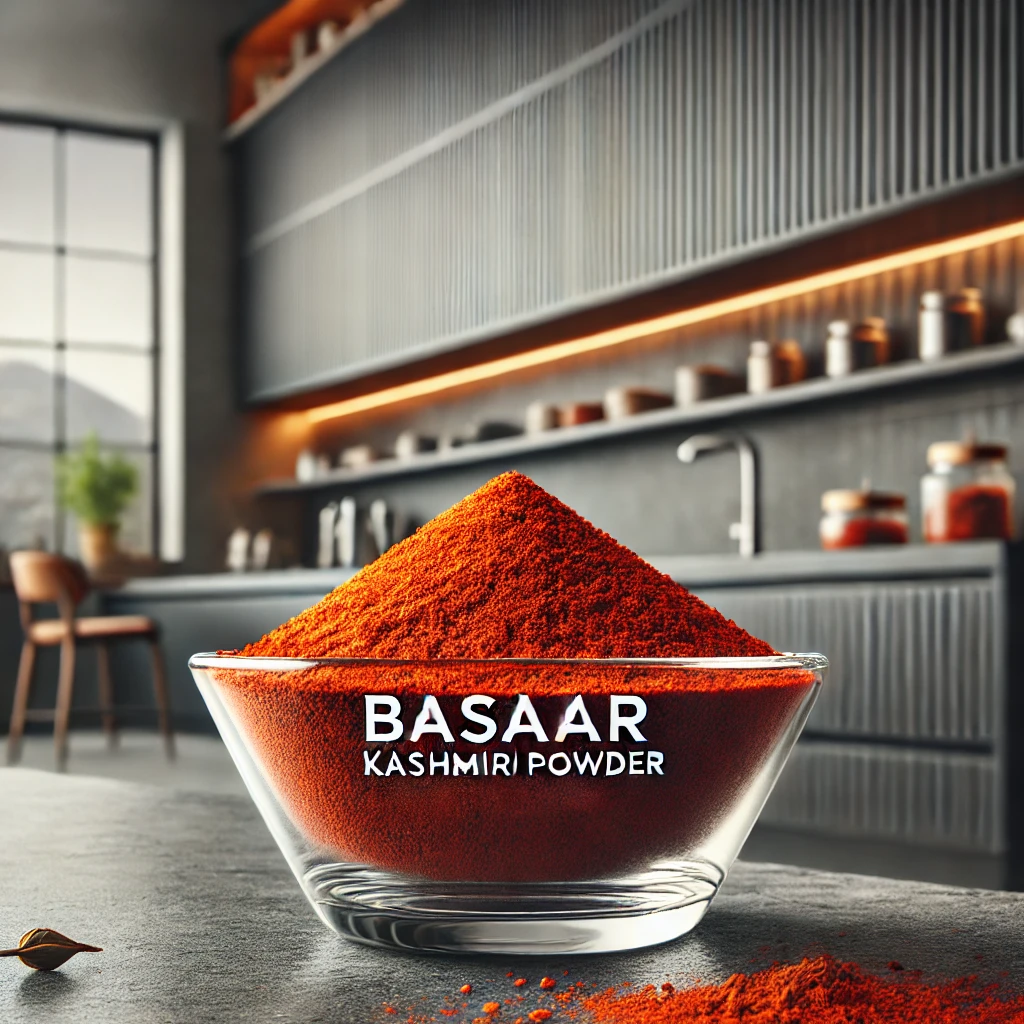
What Is Basaar (Bassar/Basar) Spice Blend and Where Does It Come From?
Basaar (also spelled Bassar or Basar) spice mix is a hot, all-purpose curry spice blend that serves as a complete flavor base for many traditional dishes. It is a favourite spice mix for Pakistani and Kashmiri cuisine. Unlike finishing spices that are added at the end of cooking, Basaar is designed to be bloomed in hot oil at the start, forming the primary foundation of flavor, aroma, and color in a dish.
Basaar seasoning spice is alternative to “complete Kashmiri curry powder.” This pre-mixed masala typically requires only salt, and sometimes onions, oil, or tomatoes for seasoning meat, lentils, or vegetable curries
Regional Origin and Cultural Roots
Basaar originates from the Kashmir region and Northern Pakistan, particularly within Pahari and Mirpuri cooking traditions. It has long been a household staple in Azad Kashmir communities, where families historically prepared their own versions by grinding dried whole spices. Recipes were passed down through generations. That is why the flavor can vary from family to family.
The blend later became widely used across Pakistan and among South Asian diaspora communities in the United Kingdom. Today, it is gaining popularity in the United States, driven by growing interest in authentic South Asian home cooking and restaurant-style curry preparation.
Basaar spice blend developed as a practical, all-in-one seasoning for robust, warming dishes. It was well suited to cooler mountainous climates where strongly spiced food helped preserve ingredients and enhance nutrition.
While it shares warming ingredients like cinnamon, cardamom, and cloves, Basaar acts as a raw, slow-cooked foundational base, unlike North Indian Garam Masala,which is used strictly as a aromatic finishing spice blend added during the final moments of a simmer.
What spices are in an authentic Kashmiri Basaar curry powder
An authentic Kashmiri Basaar (Bassar/Basar) spice blend is a carefully balanced mix of warming, aromatic, and pungent spices designed to function as a complete curry base. While family recipes vary across households, traditional formulations consistently combine earthy seeds, sweet aromatics, and robust heat-building spices that create the signature depth of Pakistani and Kashmiri curries.
Basaar (Bassar/Basar) Spice Blend Ingredients and Flavor Notes
Each spice in Basaar plays a unique role, creating a complex, aromatic, and warming curry base used extensively in Pakistani and Kashmiri cuisine.
Spice | Flavor Contribution |
Bay Leaf | Bay Leaf adds subtle herbal depth and a savory backbone when cooked in oil. |
Black Pepper | Black Pepper provides sharp heat and enhances the warming character of the blend. |
Green Cardamom | Delivers a sweet, floral aroma that balances stronger, spicier notes. |
Cinnamon | Cinnamon contributes gentle sweetness and warmth that rounds out pungent spices. |
Cloves | Intensely aromatic with a slightly sweet, peppery bite, strengthening the base flavor. |
Coriander Seeds | Coriander seeds offer citrusy warmth and form the structural body of the spice blend. |
Cumin Seeds | Cumin seeds brings earthy richness and essential savory depth. |
Fenugreek Seeds | Add a distinctive bittersweet note, giving Basaar its traditional character. |
Fennel Seeds | Introduce mild sweetness and digestive warmth, balancing heat-heavy spices. |
Garlic Powder | Enhances umami depth and savory intensity. |
Ginger Powder | Adds warmth and gentle spicy brightness. |
Mace | Provides a delicate nutmeg-like aroma with refined warmth. |
Mustard Seeds | Deliver sharp, slightly pungent heat that deepens the blend’s complexity. |
Nutmeg | Adds subtle sweetness and aromatic richness. |
Paprika | Contributes vibrant color and mild sweetness, sometimes with gentle heat. |
Turmeric | Gives Basaar its golden color and earthy base flavor. |
How to Make Kashmiri Basaar (Bassar) Spice Blend at Home Step By Step
Making homemade Kashmiri Basaar spice blend recipe produces a fresher, more aromatic all-purpose curry base than most pre-mixed powders. The essential technique is to lightly toast whole spices, grind them finely, and then combine them with selected powdered spices for balance, color, and depth.
This method yields an authentic Kashmiri-style Basaar curry powder that can season meat, lentils, or vegetable curries with only salt and cooking fat.
Leena Spices Masterclass Note:
Authentic Basaar spice blends from Kashmiri and Mirpuri kitchens traditionally rely on dried Kashmiri chilies, which are ground into the mix for their signature color, aroma, and gentle warmth. For this carefully balanced 100g Basaar recipe, paprika provides the rich crimson appearance and sweet pepper notes, while the chili heat is kept adjustable. By adding raw Kashmiri chili powder separately during cooking, you can customize the spice intensity to match your family’s taste, from mild and aromatic to deeper, more robust heat. Check out my step-by-step master guide on How to Adjust Kashmiri Chili Heat and Balance Your Curry Like a Pro.
Ingredients per 100g
Whole spices for toasting and grinding
- Bay leaf — 2 g
- Black pepper — 2 g
- Green cardamom — 5 g
- Cinnamon — 5 g
- Cloves — 5 g
- Coriander seeds — 24 g
- Cumin seeds — 12 g
- Fenugreek seeds — 2 g
- Fennel seeds — 12 g
- Mustard seeds — 1 g
Powdered spices to mix after grinding
- Garlic powder — 6 g
- Ginger powder — 6 g
- Mace — 4 g
- Nutmeg — 4 g
- Paprika — 5 g
- Turmeric — 5 g
Tip: This ratio creates a balanced, medium Basaar masala with warming aromatics and deep savory body. Adjust the amount of paprika if you prefer a hot version.
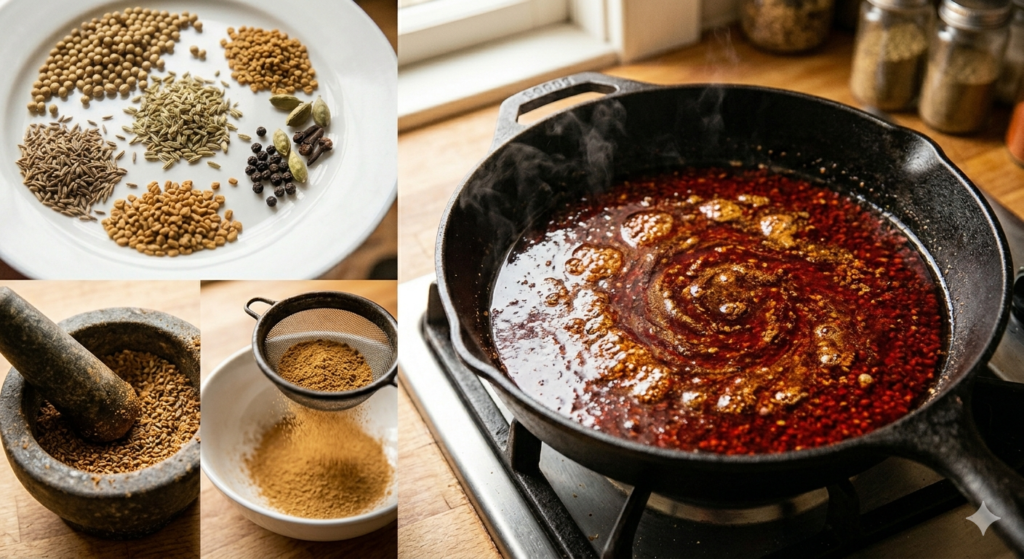
Step-by-Step Method
1. Measure & Toast Whole Aromatics (Prep Time: 5 minutes)
Carefully measure your whole spices: coriander seeds, cumin seeds, fennel seeds, fenugreek seeds, mustard seeds, black peppercorns, cloves, cardamom pods, and bay leaf. Place them in a dry, cold pan without oil and begin heating over low to medium-low heat. Stir continuously to ensure even toasting and prevent smaller spices from scorching. Continue until the spices release a warm, nutty aroma and become slightly more fragrant. This gentle roasting awakens their natural oils and creates a deeper, more complex Basaar flavor.
We put these exact toasting principles to work in our popular street food recipe. See how dry-toasting completely transforms the profile in our Step-by-Step Mumbai Spice Blend Breakdown.
Important: Do not brown or darken the spices. Over-toasting can make delicate aromatics such as fenugreek, cloves, and mustard taste bitter. The goal is fragrance, not color.
Dry-toasting your whole coriander, cumin, and fennel seeds before milling follows a traditional regional method similar to creating an authentic Goan-style Vindaloo spice mix, allowing the natural volatile essential oils to bloom beautifully.
2. The Cool Down (Crucial for Shelf Life)
Immediately transfer the toasted spices onto a wide plate or tray to stop residual heat from continuing the cooking process. Spread them out in a thin layer to allow fast, even cooling and prevent trapped steam.
Never grind spices while they are still warm. Residual heat can create condensation inside the grinder, introducing moisture that causes clumping, dull flavor, and significantly reduced shelf life. Allow the spices to cool completely to room temperature before grinding to ensure a dry, free-flowing powder and maximum aroma retention.
3. Mill to a Fine Powder (Grinding Phase)
Transfer the completely cooled whole spices into a spice grinder to grind the cooled mixture into a smooth, uniform powder. Fine grinding ensures even flavor distribution.
Pause occasionally to ensure heat does not build up inside the grinder, as overheating can dull the aroma and slightly affect flavor clarity. Continue until the texture is uniform and free-flowing, with no visible coarse fragments remaining.
The Master Blend Integration (Final Assembly)
Sift the freshly milled spice powder into a large mixing bowl to remove any coarse particles and ensure a uniform texture. Add the remaining powdered ingredients—garlic, ginger, mace, nutmeg, paprika, and turmeric—into the sifted base.
Whisk thoroughly until the blend is completely even in color and consistency, with no visible streaks or clumps. This step ensures that the aromatic whole-spice foundation and the warming powdered elements are fully integrated, creating a balanced, cohesive Basaar blend with consistent flavor in every pinch.
Store properly
Transfer to an airtight glass container. Store in a cool, dark place to preserve aroma and potency.
Recipe - Kashmiri Lamb Curry with Basaar Spice Blend
The Science of Blooming Basaar
- Why Hot Oil is Non-Negotiable: The magic of Basaar begins when the spice blend meets warm oil. Freshly ground coriander, cumin, fennel, and mace contain delicate aromatic compounds that are best released through gentle oil blooming. Just a few seconds in warm oil awakens their fragrance, softens harsh raw notes, and develops a richer, sweeter, and more complex flavor foundation for your dish.
- The 5-Second Warning: Basaar is a powerful blend of delicate aromatics, and timing is everything. Garlic and ginger powders release their flavors quickly but can burn just as quickly in smoking-hot oil, transforming from fragrant to bitter in moments. Lower the heat before adding 1½ teaspoons of Basaar, stir continuously as the spices bloom, and follow with your recipe’s wet ingredients once the aroma becomes rich and inviting.
This traditional-style Kashmiri lamb curry uses Basaar as the primary flavor base, creating a rich, warming gravy with minimal ingredients. The method focuses on proper spice blooming and slow simmering to develop depth and tenderness.
Ingredients
- 500 g lamb pieces (bone-in preferred for flavor)
- 4 tablespoons oil
- 2 medium onions, thinly sliced
- 2 medium tomatoes, chopped
or ¼ cup tomato puree - 1½ teaspoons Basaar spice blend
- Salt to taste
- Kashmiri chili powder to taste
- 1 cup water
Optional substitutions: goat meat or chicken can be used instead of lamb.
Basaar Curry Powder Recipe – Step-by-Step Method
Heat the oil
Warm oil in a heavy pan over medium heat.
Brown the onions
Add sliced onions and cook about 5 minutes until lightly golden. This builds the base sweetness of the curry.
Cook the tomatoes
Add chopped tomatoes or puree and cook for 5 minutes until softened and slightly thickened.
Bloom the Basaar spice
Add your 1½ teaspoons of Basaar masala to the shimmering oil. Add salt and Kashmiri chili powder (optional). Stir continuously for 10 to 15 seconds. You will know it is perfectly bloomed when the oil separates into a deep, glossy crimson hue and a wave of warm, sweet mace and toasted fennel fills your kitchen air. Cook gently for about 5 minutes, stirring continuously. The spices should become aromatic and deepen in color.
Sear the lamb
Add lamb pieces and cook while stirring. Sprinkle small amounts of water as needed to prevent sticking. Continue cooking until the meat browns and oil begins separating from the masala.
Simmer until tender
Add 1 cup water, cover, and cook on low heat until the lamb becomes tender and the flavors fully develop. Using bone-in meat helps to create a rich, thick emulsion for your curry gravy.
Finish the gravy
Remove the lid and cook on higher heat until the sauce thickens to your desired consistency.
Serving Suggestions
Serve hot with:
• saffron rice
• naan or roti
• steamed basmati rice
📖 Love Crafting Your Own Spice Blends?
Unlock the professional culinary secrets behind balancing, roasting, and storing traditional masalas. Get your copy of my definitive masterclass guide!
Download ‘Homemade Spice Secrets’ by Leena Irani →
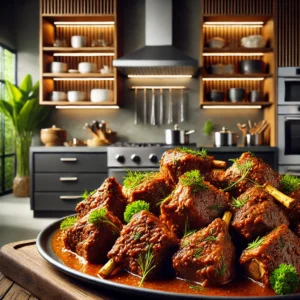

The Flavor Evolution of Basaar: Raw, Milled, and Bloomed
Raw & Un-toasted
Pungent, sharp, earthy, and slightly bitter.
The whole seeds (coriander, cumin, fenugreek) taste dusty and raw; garlic and ginger notes are flat and unactivated.
Do not use raw. Always dry-toast the whole seed component gently over low heat before grinding to unlock hidden oils.
Freshly Milled
Warm, aromatic, deeply herbal, sweet undertones.
The aroma peaks as mace, fennel, and nutmeg release volatile oils. Paprika adds a rich, sweet, earthy fragrance without aggressive heat.
Store immediately in an airtight glass jar away from direct sunlight to prevent these delicate aromas from evaporating.
Bloomed in Hot Fat
Rich, nutty, complex, savory, and umami-dense.
Sharp raw edges vanish completely. The paprika dissolves beautifully, turning the cooking oil into a glowing, crimson-red base.
Crucial: Sizzle in hot oil for only 10–15 seconds. Drop in tomatoes or water immediately to flash-cool the pan and stop the garlic from scorching.
Storage Tips for Basaar (Bassar/Basar) Curry Powder Freshness
Proper storage is essential to preserve the aroma, color, and flavor of Basaar spice blend. These simple practices ensure your homemade or purchased Basaar maintains peak potency and delivers authentic Pakistani and Kashmiri flavors in every dish.
1. Keep It Airtight
Store Basaar in a tightly sealed glass jar or high-quality spice container. Exposure to oxygen quickly dulls both aroma and heat, reducing the effectiveness of your curry base.
2. Protect From Light
Light breaks down essential oils and can fade the vibrant color of Basaar. Use opaque containers or keep jars in a dark cabinet or pantry away from sunlight.
3. Avoid Heat Sources
Do not store near stoves, ovens, or dishwashers. Heat accelerates flavor loss and can cause moisture absorption, which diminishes spice quality.
4. Control Moisture
Always use a dry spoon when scooping Basaar. Steam or condensation from cooking pots introduces humidity that causes clumping and can lead to spoilage.
5. Store in Small Batches
Grind or open only the amount you plan to use in the near future. Smaller batches retain aroma and heat longer than large containers left open for months.
6. Label and Date
Mark the preparation or opening date to track freshness. Even with proper storage, Basaar is most flavorful within 3–6 months of grinding or opening.
Basaar (Bassar/Basar) Spice Blend Shelf Life Guidelines
To maintain the aroma, flavor, and potency of Basaar curry powder, it’s important to follow proper storage and understand its shelf life.
Shelf Life Aspect | Details |
Best Flavor Window | 3–6 months from preparation or opening. During this period, Basaar delivers peak aroma, warmth, and depth. |
Acceptable Use | Up to 12 months if stored correctly in airtight, cool, dark, and dry conditions. Beyond this, potency gradually declines. |
Signs of Quality Loss | Weak aroma, dull color, or flat, muted taste indicates the blend has passed peak freshness. If it smells faint, dusty, or loses its vibrant color, it is time to replace it. |
Cooking Tips for Best Results with Basaar Spice Blend
To get the most authentic flavor and aroma from Basaar (Bassar/Basar) spice blend, follow these expert cooking tips:
Tip | Why It Matters |
Use bone-in lamb | Bones release collagen and natural juices, creating a richer, more flavorful gravy. |
Bloom Basaar thoroughly | Cooking the spice in hot oil releases essential oils, intensifies aroma, and develops the signature depth of flavor. |
Slow cooking | Simmering meat or vegetables gently allows spices to integrate fully, while tenderizing meat for melt-in-your-mouth texture. |
Adjust chili level | Basaar contains warming heat from Kashmiri chilies; tweak to your preferred spice level for balanced flavor. |
Pro Tip:
For vegetarian or chicken dishes, follow the same method. Blooming the spices and slow simmering ensures maximum flavor extraction from the blend.
FAQs
Where can I buy authentic Basaar/Bassar/Basar spice blend?
You can find authentic Basaar online via Amazon USA or specialty South Asian spice retailers. Search for “basaar spice blend Amazon” or “Pakistani spice blend buy online” for reliable options.
How do I use Basaar in cooking?
Basaar is designed as a base masala. Bloom it in hot oil first, then add onions, tomatoes, or meat. It works in lamb, chicken, goat, or vegetable curries, and even as a dry rub for grilling or roasting.
Can Basaar be substituted with garam masala or curry powder?
While garam masala or standard curry powder can be used in a pinch, they lack Basaar’s complete curry base characteristics. Basaar is specifically designed to flavor dishes from start to finish.
What should I look for on a Basaar label to make sure it is authentic?
Check for whole-spice ingredients, minimal fillers, no artificial colors or preservatives, and mentions of Pakistani or Kashmiri origin. Authentic Basaar is an all-purpose curry base, not just a finishing spice.
Take Your Spice Knowledge to the Next Level
Don’t stop at Basaar. Elevate your entire cooking repertoire with my comprehensive book, “Homemade Spice Secrets”. Learn the foundational chemistry of raw vs. bloomed spices for dozens of traditional dishes.

Impu Irani is a cookbook author behind Leena Spices, where he shares practical, easy-to-follow guides on homemade spice blends, herbs, and natural cooking. His work helps home cooks create fresh, flavorful meals using simple ingredients and traditional methods. Download his free Spice Blending eBook and start your journey to cleaner cooking today!
Disclosure Note
We are committed to creating high-quality, helpful content for our readers. We do not accept payment in exchange for writing our articles, and we personally cover the costs of running this website, including hosting, tools, and maintenance.
To support the site, we display ads and may earn a small commission from affiliate links if you choose to make a purchase—at no extra cost to you.
Your support helps us continue sharing valuable content with the community.
If you’d like to support us, here are a few simple and free ways:
- Share our content with your friends and family
- Engage with us on social media
- Follow us on Facebook
You can also learn more by visiting our disclaimer page:
https://leenaspices.co.nz/disclaimer/
As a thank you, feel free to download our Free Spice Recipe eBook.
Download a Free Leena Spices Recipes Cookbook
Medical Disclaimer:
The information provided in this article is for educational and informational purposes only and is not intended as medical advice. Always consult a qualified healthcare provider before starting any new dietary supplement, herbal remedy, or wellness routine, especially if you have underlying health conditions, are pregnant or breastfeeding, or are taking prescription medications.