Table of Contents
ToggleVindaloo Spice Blend Recipe
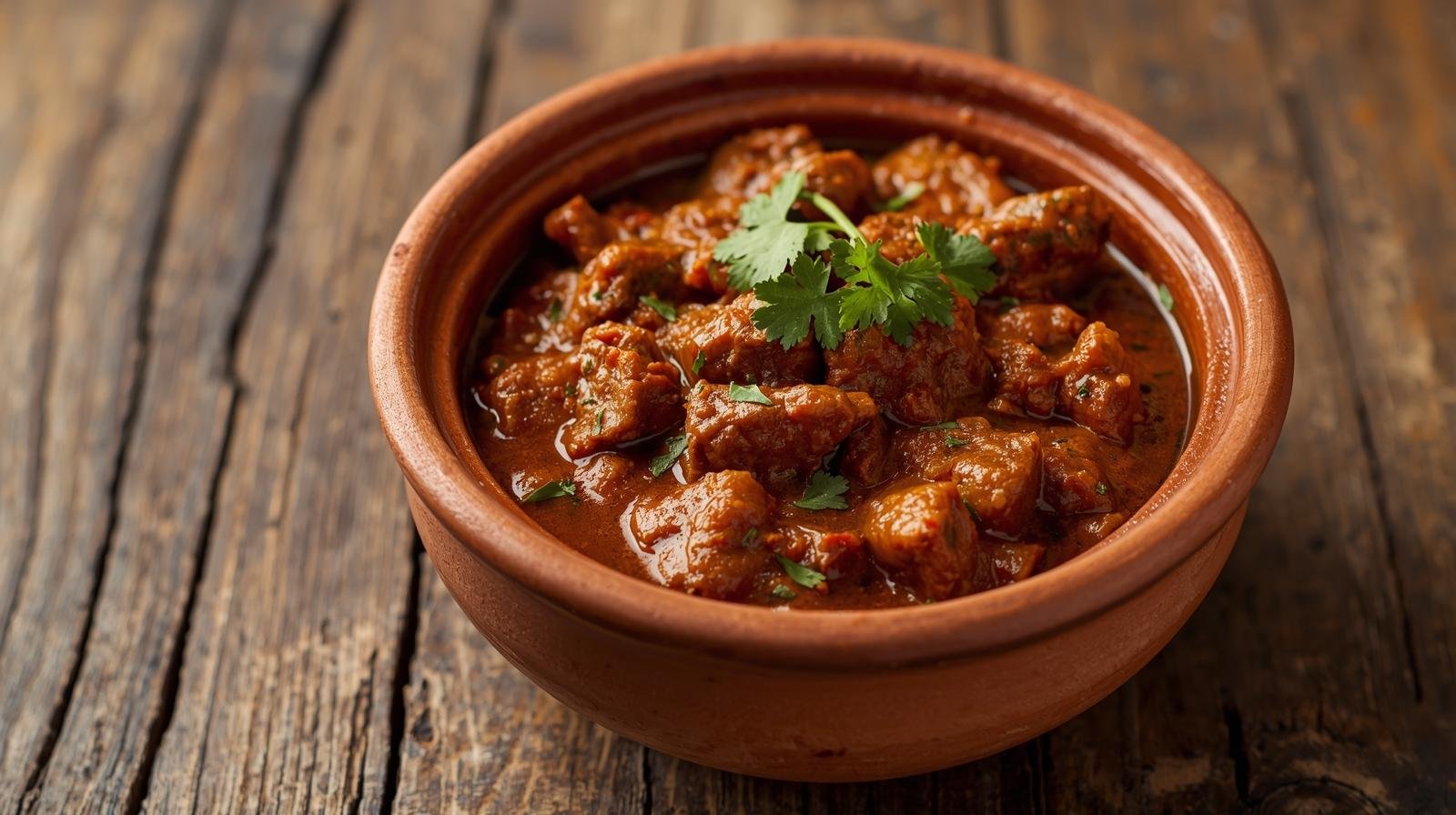
A few years ago, my family and I took a memorable trip to India. We started in the vibrant city of Mumbai, then chartered a car and made our way down the coast to Goa, where we spent two relaxing nights.
Goa had a completely different energy. The charming restaurants, lively nightclubs, and laid-back pace of life made it an exciting yet peaceful place to unwind. But the highlight of my trip was the time we spent on the beaches.
One afternoon, we met a local fisherman and struck up a friendly conversation. Before long, we had become friends and he warmly invited us to his home for dinner. Being an excellent cook, he prepared a traditional vindaloo for us.
I had eaten vindaloo in many restaurants before, but this version was truly exceptional.
Curious about what made it so special, I asked him for his secret. He smiled and said, “It is not really the meat. It is the spices.” He explained that he made his own homemade vindaloo spice mix using a recipe that had been passed down through generations in his family.
I was fascinated and eager to learn. He showed me how to prepare the vindaloo masala, and I brought that knowledge back to our Leena Spices kitchen. After careful testing and refining, we recreated the blend as closely as possible to the original.
What I’m sharing here is that authentic homemade Vindaloo spice blend. A recipe inspired by a memorable evening in Goa and a generous local cook who shared his family’s tradition with us.

Impu Irani is a cookbook author behind Leena Spices, where he shares practical, easy-to-follow guides on homemade spice blends, herbs, and natural cooking. His work helps home cooks create fresh, flavorful meals using simple ingredients and traditional methods. Download his free Spice Blending eBook and start your journey to cleaner cooking today!
Disclosure Note
We are committed to creating high-quality, helpful content for our readers. We do not accept payment in exchange for writing our articles, and we personally cover the costs of running this website, including hosting, tools, and maintenance.
Your support helps us continue sharing valuable content with the community.
If you would like to support us, here are a few simple and free ways:
- Share our content with your friends and family
- Engage with us on social media
- Follow us on Facebook
As a thank you, we would love for you to enjoy our FREE Homemade Spice Recipe eBook. Download your complimentary copy and start creating fresh, flavorful spice blends in your own kitchen!
The Anatomy of an Authentic Vindaloo Blend: The Four Flavour Pillars
A true Goan Vindaloo is far more than a hot curry. Every spice has a specific purpose, working together to create the dish’s signature balance of warmth, tanginess, aroma, and depth. Unlike generic curry powders that simply combine spices for heat and colour, an authentic Vindaloo blend is carefully structured to complement the vinegar marinade and slow cooking process.
The easiest way to understand this complex spice blend is to think of it as being built on four essential flavour pillars. Each pillar contributes a different layer of taste and aroma, creating the bold yet beautifully balanced Vindaloo that has made Goan cuisine famous around the world.
1. The Warm Core (The Sweet-Aromatic Engine)
The foundation of an authentic Vindaloo begins with its warm, aromatic spices. Rather than adding fiery heat, these ingredients create a rich, fragrant base that balances the sharp tang of vinegar and gives the curry its unmistakable depth. To unlock their full flavour, they should be gently toasted, allowing their essential oils to bloom before grinding.
Spices: Cinnamon, cloves, star anise, green cardamom, and bay leaves.
Their role: Together, these spices contribute sweet, woody, and lightly floral notes that soften the acidity of the marinade and complement rich meats such as pork and beef. They provide the comforting warmth that lingers beneath the curry’s bold flavours, creating a Vindaloo that is aromatic and well-balanced rather than simply hot.
2. The Earthy Base (The Structural Backbone)
Beneath Vindaloo’s vibrant aroma lies a robust earthy foundation that gives the curry its body and depth. These spices form the backbone of the blend, creating a rich masala that coats the meat beautifully while carrying the bold flavours of the sauce from the first bite to the last.
Spices: Coriander seeds, cumin seeds, black pepper, and turmeric.
Their role: Coriander seeds lend a gentle citrusy brightness with subtle woody notes, while cumin contributes a warm, earthy richness that deepens during slow cooking. Black pepper delivers a clean, lingering warmth that is distinctly different from the sharp heat of chillies, and turmeric ties everything together with its earthy flavour, golden colour, and subtle bitterness. Together, these spices create the sturdy flavour base that gives an authentic Vindaloo its satisfying depth and well-rounded character.
3. The Pungent Bitters & Emulsifiers
This is the flavour pillar that gives an authentic Goan Vindaloo its distinctive character. Although used in small quantities, these spices have a powerful impact. When combined with garlic and vinegar, they create the tangy, pickle-like complexity that sets a traditional Vindaloo apart from an ordinary curry.
Spices: Black mustard seeds and fenugreek seeds.
Their role: Black mustard seeds contribute a sharp, pungent heat with a gentle sinus-clearing quality, while fenugreek adds a subtle bitterness balanced by delicate caramel and maple-like notes. Together, they enhance the vinegar marinade, deepen the savoury flavours, and help create the curry’s signature sweet-sour profile.
Chef’s Note: Fenugreek is a spice where less is more. Even a small excess can overpower the blend with bitterness, so measure it carefully. Used sparingly, it adds remarkable complexity; used too generously, it can dominate the entire curry. To master cooking with this powerful seed without overpowering your masalas, check out our 8 essential fenugreek cooking tips
4. The Flavor Enhancers
The final layer of an authentic Vindaloo blend comes from carefully selected ground spices that fine-tune the colour, aroma, and overall balance of the masala. Unlike whole spices that build the deep foundation of flavour, these powders work like finishing tools, bringing brightness, warmth, and extra complexity to the finished paste.
Spices: Paprika (or Kashmiri chilli powder), garlic powder, ginger powder, and mango powder (amchur).
Their role: Paprika or Kashmiri chilli powder creates Vindaloo’s signature deep red colour while adding gentle warmth without overwhelming heat. Garlic and ginger powders reinforce the savoury, aromatic backbone of the curry, enhancing the fresh ingredients used in the cooking process. Amchur, made from dried green mangoes, introduces a subtle fruity tang that complements the vinegar and adds another layer of sweet-sour complexity.
Together, these flavour amplifiers bring harmony to the blend, ensuring the final Vindaloo is vibrant, aromatic, and perfectly balanced rather than simply spicy.
The Perfect Balance Ratio
Flavour Pillar | Key Spices | What It Adds |
1. Warm CoreSweet-Aromatic Engine | Cinnamon, cloves, star anise, cardamom, bay leaves | Sweet, woody warmth and festive aroma that balances vinegar and rich meats |
2. Earthy BaseStructural Backbone | Coriander, cumin, black pepper, turmeric | Body, depth, savoury richness, and a warm peppery bite |
3. Pungent BittersSecret Weapons | Black mustard seeds, fenugreek | Pickle-like tang, sharp pungency, and complex bitterness |
4. Flavour AmplifiersFinishing Layer | Kashmiri chilli/paprika, garlic powder, ginger powder, amchur | Vibrant colour, extra aroma, gentle heat, and fruity sourness |
Leena SpicesTip: A balanced Vindaloo is not just about adding chilli. The magic comes from layering sweet aromatics, earthy spices, pungent notes, and tangy flavour boosters to create a complex sweet-sour-spicy profile.
Why This Ratio Changes How You Cook
The carefully balanced ratio of spices in a Vindaloo blend is what makes this curry unique. When combined with vinegar, the acidity helps draw out and enhance the flavour compounds from the aromatic spices, allowing the deep notes of the Warm Core and Earthy Base to shine.
Unlike many traditional curries where spices are first fried in oil to release their aromas, Vindaloo is designed around a tangy spice marinade. The vinegar, spices, and aromatics work together over time, allowing the flavours to slowly penetrate the meat while preserving the bright, bold character of the masala.
This is why a well-made Vindaloo spice mix remains vibrant even after hours of gentle cooking. This blend is built not just for immediate aroma, but for developing layers of flavour throughout the entire cooking process.
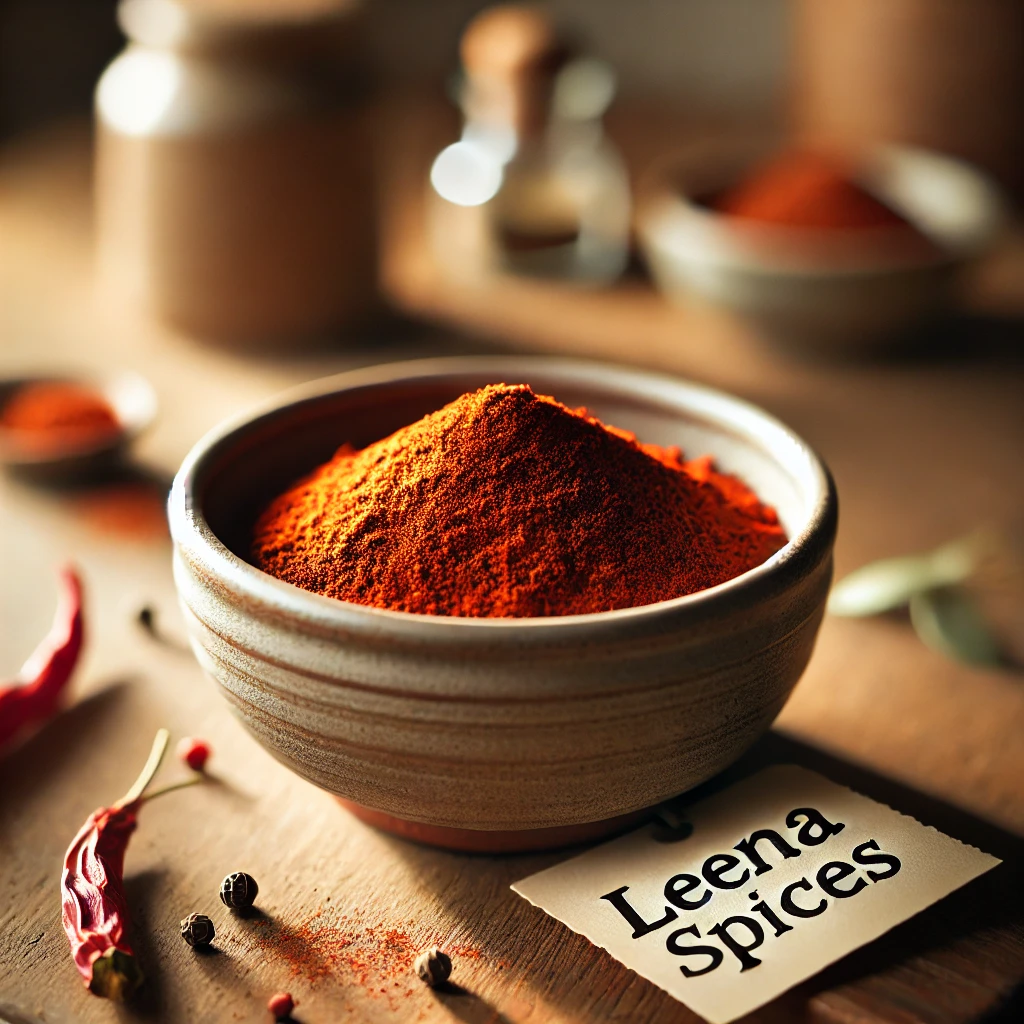

Vindaloo Spice Mix Recipe
Notes
1. Toast the Whole Spices
Place a heavy-bottomed pan on low to medium heat. Add the bay leaves, black pepper, cardamom, cinnamon, cloves, coriander, cumin, fenugreek, mustard seeds, and star anise. Dry-toast gently, stirring continuously, until the spices become aromatic and slightly darker. This usually takes 2–3 minutes. Do not rush this step as burnt spices will ruin the blend. Remove immediately and allow them to cool completely.2. Grind to a Fine Powder
Once cooled, grind the toasted spices in a spice grinder or high-powered blender until fine. Sift if needed for a smoother texture.3. Add Ground Spices
Add garlic powder, ginger powder, mango powder, paprika, and turmeric to the freshly ground spice mix. Stir well to combine evenly.4. Store Properly
Transfer the Vindaloo spice blend to an airtight glass jar. Store in a cool, dark place away from heat and moisture. For best aroma and potency, use within 3–4 months.Vindaloo Custom Batch Calculator
Adjust the unit and size to scale your blend instantly.
| Spice Name | Required Amount |
|---|
Take Your Spice Knowledge to the Next Level
Don’t stop at here. Elevate your entire cooking repertoire with my comprehensive book, “Homemade Spice Secrets”. Learn the foundational chemistry of raw vs. bloomed spices for dozens of traditional dishes.

Authentic Goan Beef Vindaloo Recipe Using Homemade Vindaloo Spice Blend
Video
Notes
Method
- Make the Vindaloo Masala – 10m
- Sauté the Onion- 5m
- Fry the Masala – 2m
- Brown the Beef – 5m
- Simmer Until Tender – 40m
- Reduce the Gravy – 5m
- Rest and Serve 10 – 15m
5 Leena Spices Secrets for the Best Vindaloo Every Time
Having the perfect spice ratios is only half the recipe. The real secret to an unforgettable Vindaloo lies in how you handle the spices, marinade, and cooking process. These simple techniques will help you create a curry that’s deeply aromatic, beautifully balanced, and packed with authentic Goan flavour every time.
1. Toast Your Spices Low and Slow
Always dry-toast whole spices over medium-low heat. Gentle toasting gradually releases their essential oils without burning them. Even a few seconds of scorching can leave your entire spice blend with an unpleasant bitter taste.
2. Let the Spices Cool Before Grinding
After toasting, spread the spices onto a plate and allow them to cool completely. Grinding hot spices traps steam inside the grinder, creating moisture that causes the finished powder to clump and lose its freshness.
3. Marinate Overnight for Maximum Flavour
Vindaloo was traditionally designed as a vinegar-based preservation dish, so time is one of its most important ingredients. Marinate beef, pork, or chicken for at least 4 hours, but preferably overnight, allowing the vinegar and spices to tenderize the meat and infuse it with deep flavour.
4. Use Your Spice Blend While It’s Fresh
Store your homemade Vindaloo blend in an airtight glass jar in a cool, dark place away from sunlight and moisture. For the brightest aroma and fullest flavour, use it within three months.
5. Rest the Curry Before Serving
Once the Vindaloo has finished cooking, remove it from the heat and let it rest, covered, for 10–15 minutes. This allows the flavours to settle, the meat to relax, and the aromatic oils to blend back into the gravy, creating a richer, smoother sauce.
The Ultimate Vindaloo Secret
Like many slow-cooked curries and traditional pickled dishes, Vindaloo tastes even better the next day. As it rests overnight in the refrigerator, the sharpness of the vinegar softens while the cinnamon, cloves, cardamom, garlic, and other spices meld into a deeper, more harmonious flavour. Reheated gently the following day, the curry becomes richer, smoother, and even more delicious than when it was first cooked.
This makes for a strong conclusion to your article because it leaves readers with practical, memorable advice they’ll actually use in the kitchen.
Ready to Blend? Let's Avoid the Common Pitfalls
Turning Raw Spices into a Vindaloo Flavour Powerhouse
Now that your custom ingredient measurements have been perfectly scaled, it is time to transform those raw seeds and spices into a deeply aromatic Vindaloo masala. Through careful dry-toasting and grinding, simple ingredients are awakened and layered into a complex spice blend full of warmth, colour, and character.
However, authentic Vindaloo masala behaves very differently from a standard store-bought curry powder. Each spice requires careful handling to preserve its balance. Too much heat during roasting can create bitterness, while incorrect proportions can dull the bright red colour and sharp, tangy personality that make Vindaloo so distinctive.
If you have ever wondered why a homemade spice blend tastes bitter, lacks aroma, or fails to achieve that signature vibrant colour, you are not alone. These small details are what separate an average curry from a truly memorable one.
Before heating your pan, explore our troubleshooting guide below. These expert tips will help you avoid common mistakes and create a restaurant-quality Vindaloo masala with the perfect balance of bold acidity, deep warmth, and aromatic complexity.
Vindaloo Troubleshooting Guide: How to Fix Common Mistakes
1. Why Is My Vindaloo Spice Blend Bitter?
The Cause:
Bitterness in a homemade Vindaloo masala is usually caused by one of two mistakes: overheating the whole spices during dry-toasting or adding too much fenugreek. Spices such as fenugreek contain naturally bitter compounds that contribute beautiful complexity when used correctly, but they can quickly overpower the blend if measured generously or exposed to excessive heat.
The Instant Fix:
Unfortunately, burnt spices cannot be rescued. If your spices have turned charcoal-black or smell acrid, it is best to discard them and start again with a fresh batch.
If the bitterness is mild and has already made its way into the finished Vindaloo, you can soften the flavour by adding 1 teaspoon of jaggery (unrefined palm sugar) or a small drizzle of honey. The gentle sweetness helps balance the bitterness and restore harmony to the overall flavour profile.
2. My Vindaloo Curry Tastes Too Sour From the Vinegar. How Can I Balance It?
The Cause:
The signature tang of Vindaloo comes from its vinegar-based marinade, but the type and quantity of vinegar make a big difference. Traditional Goan Vindaloo is often prepared with coconut palm vinegar, which provides a smoother, more rounded acidity. Using too much vinegar or replacing it with a sharper vinegar, such as strong white vinegar, can cause the raw acidic notes to overpower the aromatic spices and create an unpleasant sharpness.
The Instant Fix:
Avoid adding extra water to dilute the sourness. It will only thin the gravy and weaken the overall flavour. Instead, balance the acidity by adding richness and natural sweetness.
Try stirring in finely grated caramelized onion to add sweetness and body, or mix in 1–2 tablespoons of coconut milk or heavy cream. While cream is not traditional in classic Goan Vindaloo, its natural fats help soften the harsh acidic edge and create a smoother, more rounded sauce.
3. My Vindaloo Is Brown Instead of Vibrant Red. What Did I Miss?
The Cause:
That iconic deep red colour in an authentic Vindaloo does not come from artificial colouring. Traditional Goan cooks achieve it naturally by using generous amounts of mild, colour-rich chillies such as Kashmiri chilli, which provide a beautiful crimson hue without excessive heat.
If your Vindaloo turns out dull brown, the most likely causes are old or poor-quality chilli powder, faded paprika, or insufficient use of colour-rich chillies. Over-roasting the spices can also darken the blend and reduce the bright pigments that give Vindaloo its signature appearance.
The Instant Fix:
To bring back a richer colour, add 1 tablespoon of tomato paste to the hot oil before frying your spice paste. Alternatively, gently bloom your paprika or Kashmiri chilli powder in a tablespoon of warm oil before adding it to the curry.
My Meat Is Tough and Has Not Absorbed the Flavours. What Went Wrong?
The Cause:
Vindaloo was originally developed as a preservation-style dish, where vinegar played an important role beyond adding tang. The acidity helps tenderize tougher cuts of meat over time while allowing the bold spice flavours to penetrate deeper into the protein.
If you skip the marinating stage, use a quick cooking method, or remove the curry from the heat too early, the meat may remain chewy and the flavours will stay on the surface rather than becoming deeply infused.
The Instant Fix:
For rich proteins such as beef or pork, allow enough time for the marinade to work. Coat the meat thoroughly with the Vindaloo spice paste and vinegar, then marinate for at least 4 hours or preferably overnight for the best flavour and tenderness.
When cooking, focus on the texture rather than the clock. Vindaloo benefits from a slow, gentle simmer of 1.5–2 hours, allowing the connective tissues in tougher cuts to gradually break down into silky gelatin. The result is tender meat that absorbs the deep, tangy, aromatic flavours of the masala.
Difference Between Goan Vindaloo and British Style Vindaloo
Goan Vindaloo vs British Vindaloo
Feature | Authentic Goan Vindaloo | British Curry House Vindaloo |
Primary Taste | Tangy, sour, and garlicky with balanced spice | Intensely hot and fiery |
Heat Level | Medium to medium-high, never extreme | Very high; often the hottest dish on the menu |
Dominant Flavor | Vinegar-led acidity with garlic and warm spices | Chili heat dominates, tang is minimal |
Acid Source | Coconut palm vinegar or toddy vinegar | White vinegar, lemon juice, or none |
Chilies Used | Kashmiri chilies for color and mild warmth | Hot chili powder, cayenne, fresh green chilies |
Spice Profile | Complex and layered (cumin, mustard seeds, cloves, cinnamon, pepper) | Simplified, heat-focused spice mix |
Texture | Thick, paste-like, oil-rich; coats the meat | Thinner, gravy-based sauce |
Color | Deep reddish-brown, natural | Bright red, sometimes artificially enhanced |
Sweetness | Subtle balance using jaggery or palm sugar | Little to none; sometimes tomato-based |
Traditional Protein | Pork (especially fatty cuts) | Chicken, lamb, or beef |
Potatoes | Never used (garlic is the “aloo”) | Often added due to name confusion |
Overall Balance | Sourness, spice, and aroma in harmony | Heat overwhelms balance |
Culinary Identity | Indo-Portuguese preservation dish | Heat-centric restaurant curry |
Authenticity | Rooted in Goan Catholic cuisine | Adapted for UK curry-house preferences |
FAQs
What is Vindaloo spice blend?
Vindaloo spice blend is a traditional Goan masala made with aromatic spices like cumin, coriander, cinnamon, cloves, mustard seeds, and garlic. It is designed to pair with vinegar-based cooking, giving curries a tangy, balanced, and aromatic flavour rather than extreme heat.
Can I substitute spices in Vindaloo spice blend?
Yes, small substitutions are possible:
- Kashmiri chili can be replaced with mild paprika for colour and gentle heat.
- Palm vinegar can be substituted with apple cider vinegar if unavailable.
- Avoid omitting garlic or mustard seeds, as they are essential for authentic flavour.
How do I store homemade Vindaloo spice blend?
Store in an airtight jar in a cool, dry place away from direct sunlight. The blend stays fresh and aromatic for 3–4 months. Fresh grinding enhances flavour longevity.
Does authentic Vindaloo include potatoes?
No. Authentic Goan Vindaloo contains no potatoes. The addition of potatoes originates from a linguistic misinterpretation of the Portuguese word alhos (garlic) as the Hindi aloo (potato).
Can I use Vindaloo spice blend as a dry rub?
Yes, but it is best combined with vinegar or water to form a paste before cooking. This allows the spices to bloom, creating a thick, tangy masala and a more authentic Goan curry flavour.
Why is Vindaloo considered an Indo-Portuguese dish?
Vindaloo originated from the Portuguese dish carne de vinha d’alhos (meat in wine and garlic). Goans adapted it using palm vinegar and local spices, creating a unique tangy, aromatic curry a true Indo-Portuguese fusion. If you enjoy exploring the unique, sun-ripened profiles of this culinary lineage, you will love our complete walkthrough on making a traditional Portuguese Peri-Peri blend at home.
Is Vindaloo spice blend suitable for Asia-Pacific kitchens?
Yes. Its balanced, tangy, and aromatic profile works well with popular proteins and cooking styles in Asia-Pacific cuisines, including home kitchens and professional setups.
Related Posts You May Want to Read
How to Cook Delicious Mouthwatering Lamb Jalfrezi at Home: 7 Easy Tips for Perfect Flavor
How to Make Korma Spice Blend at Home: Rich, Creamy Curry Flavours Without Additives
How to Cook Lamb Pasanda Curry with Homemade Spice Blend Masala
How to Make & Use Authentic Balti Spice Blend for Curries at Home
How to Make Portuguese Spice Blend at Home: Authentic Peri-Peri Seasoning and Easy Chicken Recipes
How to Cook Delicious Mouthwatering Lamb Jalfrezi at Home: 7 Easy Tips for Perfect Flavor

Impu Irani is a cookbook author behind Leena Spices, where he shares practical, easy-to-follow guides on homemade spice blends, herbs, and natural cooking. His work helps home cooks create fresh, flavorful meals using simple ingredients and traditional methods. Download his free Spice Blending eBook and start your journey to cleaner cooking today!
Disclosure Note
We are committed to creating high-quality, helpful content for our readers. We do not accept payment in exchange for writing our articles, and we personally cover the costs of running this website, including hosting, tools, and maintenance.
To support the site, we display ads and may earn a small commission from affiliate links if you choose to make a purchase—at no extra cost to you.
Your support helps us continue sharing valuable content with the community.
If you’d like to support us, here are a few simple and free ways:
- Share our content with your friends and family
- Engage with us on social media
- Follow us on Facebook
You can also learn more by visiting our disclaimer page:
https://leenaspices.co.nz/disclaimer/
As a thank you, feel free to download our Free Spice Recipe eBook.