
Impu Irani is the cookbook author behind Leena Spices , where he shares easy homemade spice blend recipes and practical cooking tips. Read more about him at the end of this post.
Table of Contents
ToggleBerbere Spice Guide: What It Is, Flavor Profile, and 13 Ways to Cook With It
Berbere is a bold and aromatic spice blend that holds a special place in Ethiopian and Eritrean cuisine. The name comes from the Amharic word barbare, meaning “pepper” or “hot,” which perfectly describes its signature fiery character.
This vibrant red spice blend has a history that goes back centuries, shaped by Ethiopia’s rich trading connections with other regions. Over time, berbere evolved into a unique combination of warming spices, deep flavors, and intense aroma, becoming one of Africa’s most famous seasoning blends.
Traditionally, berbere is an essential ingredient in classic dishes such as doro wat (spicy chicken stew), misir wat (red lentil stew), and tibs (seasoned meat dishes). It is used to add heat, color, and complexity to stews, roasted meats, vegetables, legumes, and sauces. Depending on the recipe, it can be used as a dry seasoning, mixed into a paste, or blended into marinades.
While ready-made berbere blends are widely available, many traditional cooks prepare it by lightly toasting whole spices and grinding them fresh. This simple process enhances the aroma and creates a deeper, more authentic flavor.
Leena Spices Tip: While store-bought blends work, nothing compares to the explosive aroma of grinding your own seeds. Before you start cooking, learn how to dry-toast and mix your own batch with my step-by-step Homemade Berbere Spice Recipe.
The Flavor Profile & Heat of Authentic Berbere
The Flavor Profile of Berbere Spice
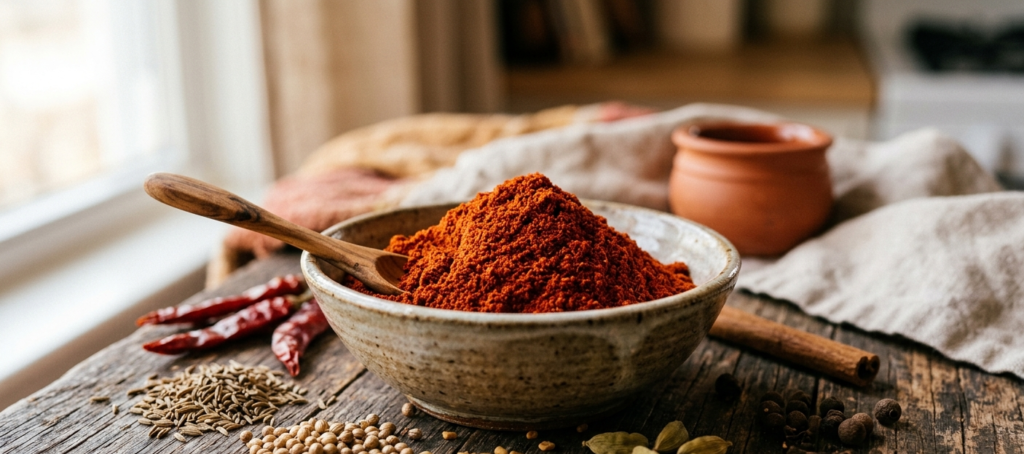
Berbere has a bold, complex, and layered flavor that makes it a cornerstone of Ethiopian and Eritrean cuisine. It’s not dominated by a single taste; instead, it balances heat, earthiness, warmth, and subtle sweetness in one aromatic blend.
Berbere is moderately to very spicy, but its heat is layered and balanced rather than one-dimensional. The spiciness primarily comes from chili peppers, often ranging from 20,000 to 50,000 Scoville Heat Units (SHU)—similar to a strong jalapeño or moderate cayenne pepper. Some traditional or restaurant-style blends may use hotter chilies, giving a stronger, lingering heat that gradually builds on the palate.
- Spicy & hot: Chili peppers are the backbone, giving berbere its signature fiery kick. The heat can range from medium to hot depending on the blend.
- Earthy & slightly bitter: Fenugreek, cumin, and coriander provide depth and a grounded, earthy foundation.
- Warm & aromatic: Cinnamon, cloves, allspice, and sometimes nutmeg add sweet warmth that balances the spice.
- Herbal & fragrant: Ethiopian basil, ajwain, rue, or nigella seeds contribute unique herbal notes and complexity.
- Tangy undertones: Garlic and ginger add sharpness and brightness, while cardamom can introduce a subtle floral tang.
- Some describe the flavor as a fusion of chili heat and curry-like depth, with hints of warm holiday spices. When cooked in stews or with clarified butter (niter kibbeh), the flavors bloom, becoming even more fragrant and intense. Depending on the recipe or toasting process, the blend can also have smoky or slightly bitter notes, adding extra layers of complexity.
The Secret to Cooking with Berbere: "Blooming" Your Spices
In Ethiopian cuisine, berbere is rarely added directly as a dry spice. Instead, it is traditionally bloomed in oil or niter kibbeh (a fragrant spiced clarified butter) together with slowly cooked onions at the start of the cooking process. This gentle heating allows the spice blend’s natural oils and aromatic compounds to release, creating a deeper color, richer aroma, and more complex flavor that becomes the foundation of the dish.
Blooming the spice blend:
Berbere contains many oil-soluble flavor compounds found in ingredients such as chili peppers, paprika, cumin, coriander, and other aromatic spices. These compounds are released more effectively when they are gently heated in fat. To unlock the deepest aroma, color, and flavor, add berbere to warm oil, ghee, or clarified butter at the beginning of cooking and allow it to gently sizzle for 30 to 60 seconds. This short blooming process awakens the spices, intensifies their natural oils, and creates a richer flavor base that will carry through the entire dish.
Leena Spices Tip:
Be careful not to burn the spices, as excessive heat can make them bitter; gentle warming is the key to bringing out berbere’s full complexity.
13 Creative Ways to Use Berbere Spice in Your Kitchen
Berbere is a versatile Ethiopian and Eritrean spice blend that adds heat, depth, and aromatic complexity to a wide range of dishes. Its bold flavor can transform both traditional and modern recipes.
Traditional Berbere Spice Uses in Ethiopian Cuisine
Berbere is a key ingredient in many traditional Ethiopian dishes, especially wats which is slow-cooked stews known for their rich flavor and deep spice character. In classic recipes, berbere is often gently cooked with onions, garlic, and niter kibbeh (a fragrant spiced clarified butter) to create a flavorful base that gives the dish its signature aroma, color, and warmth.
- Doro Wat: One of the most famous examples is a spicy chicken stew considered a treasured Ethiopian dish, where berbere provides the bold heat and complex layers of flavor.
- Misir Wat: It is an essential and comforting red lentil stew where the spice blend adds richness and depth.
- Shiro Wat: A smooth chickpea-based stew with a nutty, satisfying taste.
- Sega Wat: A traditional favorite with a hearty beef stew where berbere creates a deep, savory flavor profile that pairs beautifully with slow-cooked meat.
Modern Grilling and Roasting with Berbere
Berbere’s bold, smoky, and aromatic flavor makes it an excellent choice for modern grilling and roasting. It can add an exciting twist to familiar dishes by bringing layers of warmth, spice, and complexity beyond traditional seasonings.
- Steaks, brisket, and grilled meats: Berbere works beautifully as a dry rub, creating a flavorful crust with a unique Ethiopian-inspired character. Simply coat the meat with the spice blend before grilling or roasting to develop a rich, smoky exterior.
- Berbere chicken wings: Toss the wings with a little oil and berbere before baking, grilling, or air-frying to create a beautifully seasoned, crispy coating with a delicious balance of heat and aroma.
- Roasted root vegetables: For a flavorful vegetarian option, try Carrots, sweet potatoes, squash, and other vegetables. Coate with olive oil and berbere before roasting, allowing the spices to caramelize and enhance their natural sweetness.
- Spiced meatballs and kebabs: Berbere also works wonderfully with these dishes. Mixing the blend directly into minced lamb, beef, or chicken infuses every bite with its signature warmth and depth, creating a meal that is both comforting and full of bold flavor.
Surprising Fusion Ways to Use Berbere
While berbere is deeply rooted in Ethiopian and Eritrean cooking, its bold flavor makes it a surprisingly versatile spice for everyday meals. A small amount can transform simple ingredients into dishes with warmth, depth, and a touch of adventure.
Seasoning salt: Create a seasoning salt flavor by mixing berbere with sea salt and sprinkling it over french fries, roasted chickpeas, nuts, or even popcorn for a spicy, savory twist.
Spiced compound butter: For a richer option, blend berbere into softened butter that melts beautifully over grilled corn, roasted vegetables, fish, or warm bread.
Tomato soup, lentil soup, or chilli: Use a spoonful to add layers of smoky heat and aromatic spice.
Fried eggs, scrambled eggs, or shakshuka: A small pinch brings a vibrant kick to breakfast without overpowering the dish.
Greek yogurt: For a cooling contrast, mix berbere and a squeeze of lemon juice to create a creamy, spicy dip that pairs perfectly with kebabs, grilled meats, or roasted vegetables.
Tofu and paneer: It also works wonderfully as a marinade for helping these mild proteins develop a flavorful, beautifully spiced crust when grilled, baked, or pan-seared.
Sauces and Pastes: Creating Flavorful Berbere Condiments
Berbere is not limited to dry seasoning. It can also be transformed into a rich, flavorful paste. By mixing berbere with ingredients such as oil, water, or yogurt, you can create a versatile sauce similar to Awaze, a traditional Ethiopian spicy condiment. This bold paste can be served as a dipping sauce, brushed onto grilled meats, used as a marinade, or added to dishes for an extra layer of heat and aroma.
- Meat & Poultry Rubs: Works as a dry rub or marinade for chicken, beef, lamb, or fish before roasting, grilling, or pan-frying. The heat and aromatic spices create a flavorful crust.
- Vegetables & Legumes: Adds warmth and spice to roasted or sautéed vegetables, root vegetables, lentils, and beans.
Leena Spices Tip for Using Berbere
Start Small and Adjust Gradually:
Berbere is a powerful spice blend with bold heat and intense aroma, so it’s best to begin with 1–2 teaspoons per dish and increase the amount according to your preferred spice level. This allows the flavors to build naturally without overpowering the other ingredients. As the dish cooks, berbere’s warmth and complexity will deepen, especially in slow-cooked stews, sauces, and marinades.
Stop Relying on Stale Store-Bought Spice Mixes!
Most commercial spice jars sit on supermarket shelves for months, losing their vibrant oils and aromas.If you love the deep flavor of authentic cooking, you can easily blend world-famous regional seasonings right in your own kitchen—100% free of fillers, salt, and artificial preservatives.
Download Impu Leena Irani’s masterclass guide, Homemade Spice Secrets, and unlock the exact ratios for over 200+ global blends for just $5.00!
Leena Spices Kitchen Series
The Ultimate Spice Pairing Guides
Master the delicate science of balancing premium dried herbs, citrus, and spices. Get over 201+ exclusive home-cook recipes, seasoning ratios, and kitchen hacks.
Missing an Ingredient? Quick Berbere Substitutions
If You Are Missing | Use This Best Alternative | Flavor Difference |
Berbere Spice Blend | 2 parts cayenne pepper + 1 part garam masala | Lacks the signature smoky, earthy depth and subtle fenugreek-like undertones |
Korarima (Ethiopian Cardamom) | Equal parts black cardamom + a pinch of smoked paprika | Close smoky aroma, but less resinous complexity than true korarima |
Ajwain Seeds | Dried thyme | Similar herbal, slightly peppery note, but milder and less pungent overall |

FAQs About Berbere Spice
What is Berbere spice made of?
Berbere is a bold Ethiopian spice blend made from chili peppers, garlic, ginger, fenugreek, cumin, coriander, cinnamon, cardamom, cloves, and sometimes allspice or nutmeg. Each family or region may have its own variation.
Is Berbere spice very spicy?
Yes, Berbere is spicy, but the heat level varies depending on the chilies used. It’s typically medium to hot, with a complex flavor that balances heat, earthiness, and a hint of sweetness.
How do you use Berbere in cooking?
You can use Berbere as a rub for meats, seasoning for vegetables, flavoring for lentils and stews (like Doro Wat and Misir Wat), or even in fusion dishes like spiced rice, roasted potatoes, or popcorn.
Can I make Berbere spice at home?
Absolutely! You can make homemade Berbere spice by toasting and grinding a mix of chili peppers with warming spices like garlic, ginger, cumin, fenugreek, and coriander. This lets you adjust the heat to your taste.
How do you store Berbere spice?
Store Berbere in an airtight container in a cool, dark place away from heat and sunlight. Homemade blends last about 3–6 months, but freezing small portions can help extend freshness.
What dishes are best with Berbere spice?
Traditional Ethiopian dishes like Doro Wat (spicy chicken stew), Misir Wat (lentils), and Tibs (sautéed meat) are classics. It’s also delicious in soups, roasted vegetables, and grilled meats.
Conclusion
Berbere is far more than just a seasoning. It is the heart of Ethiopian and Eritrean cuisine, carrying centuries of tradition, spice trade influence, and bold, unforgettable flavor. Whether you’re simmering a rich Doro Wat, spicing up lentils with Misir Wat, or adding a creative twist to roasted vegetables, Berbere brings heat, depth, and complexity to every dish. With its fiery chili base balanced by earthy, sweet, and aromatic spices, it transforms simple meals into extraordinary culinary experiences. Whether you buy it ready-made or craft your own homemade Berbere blend, this spice is your ticket to bringing authentic Ethiopian flavors into your kitchen.
The content on this blog, including information about, nutrition, and health benefits, is provided for educational and informational purposes only. It is not intended as medical advice, diagnosis, or treatment.
Always consult a qualified healthcare professional or your doctor before starting any new diet, supplement, or health regimen, especially if you are pregnant, breastfeeding, have a medical condition, or are taking medications.
Leena Spices and its team do not accept any liability for any adverse effects or consequences resulting from the use of the information provided on this blog.
Impu Irani is a cookbook author behind Leena Spices, where he shares practical, easy-to-follow guides on homemade spice blends, herbs, and natural cooking. His work helps home cooks create fresh, flavorful meals using simple ingredients and traditional methods. Download his free Spice Blending eBook and start your journey to cleaner cooking today!
Disclosure Note
We are committed to creating high-quality, helpful content for our readers. We do not accept payment in exchange for writing our articles, and we personally cover the costs of running this website, including hosting, tools, and maintenance.
To support the site, we display ads and may earn a small commission from affiliate links if you choose to make a purchase—at no extra cost to you.
Your support helps us continue sharing valuable content with the community.
If you’d like to support us, here are a few simple and free ways:
- Share our content with your friends and family
- Engage with us on social media
- Follow us on Facebook
You can also learn more by visiting our disclaimer page:
https://leenaspices.co.nz/disclaimer/
As a thank you, feel free to download our Free Spice Recipe eBook.
Download a Free Leena Spices Recipes Cookbook
🌶️
Master the art of blending! Replicate 200+ world-famous regional spice mixes from scratch.
Get the eBook Here →