Impu Irani is the cookbook author behind Leena Spices , where he shares easy homemade spice blend recipes and practical cooking tips. Read more about him at the end of this post.
Table of Contents
ToggleIntroduction
Mumbai is a city that never sleeps and is home to one of the most vibrant street food cultures in the world. From the lively energy of Chowpatty Beach to the narrow, spice-filled lanes of Crawford Market, what makes its food truly unforgettable is not just the cooking techniques, but the bold, pungent, and deeply aromatic spice blends created by local street vendors (wallahs).
In Mumbai, spices are part of the city’s identity. Every chaat, tawa fry, and street-side curry is built on a signature mix of tang, heat, and warmth that stays with you long after the last bite.
With over 30 years of experience sourcing, roasting, and blending traditional Indian spices, we set out to capture the true soul of Mumbai’s iconic street food culture. Whether you’re making classic Mumbai-style street snacks, marinating meats, or just upgrading a simple weeknight curry, this Mumbai Spice Blend recipe brings that deep, unmistakable flavor you usually only find on the streets of the city.
In this guide, we’ll share our family-tested recipe, explain the basics of proper spice roasting, and show you how to build layers of flavor that most store-bought curry powders just can’t match.
What is Indian Mumbai Spice Blend (And Why Is It Unique?)
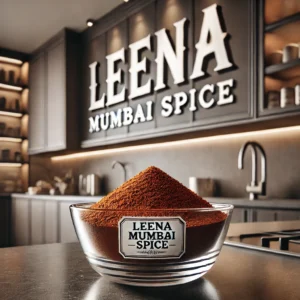
Mumbai (Bombay) spice mix is often mistaken for garam masala or standard Western curry powders, but is actually something quite authentic.
While traditional garam masala leans on warm, sweet spices like cinnamon and cardamom, a Mumbai-style spice blend is designed to be sharper, more tangy, and intensely aromatic. It’s made specifically to stand up to bold street foods like pav bhaji, misal, and local seafood dishes.
What gives it its signature character is balance. Earthy spices like cumin and coriander form the base, while black pepper and cloves add heat and depth. The real twist comes from amchur (dry mango powder) and a touch of kala namak (Indian black salt), which bring that unmistakable tangy, slightly mouth-puckering finish.
If you prefer to make your own homemade mango powder, read our blog How to make dried mango powder
We also keep things simple and clean with no added flour, artificial coloring, or preservatives. It is 100% pure, gluten-free, carefully blended to preserve the natural oils and full flavor of whole spices.
At a Glance: Mumbai Spice Mix Quick Facts
Before you reach for your frying pan and spice grinder, here’s a quick look at what makes this traditional Mumbai Spice Blend unique, how it works in everyday cooking, and how it compares with many standard store-bought spice mixes.
Flavor Profile
Deeply savory and robustly earthy, balanced by a sharp, mouth-watering citrus tang and warm aromatic top notes.
Heat Level
Medium. Driven primarily by black peppercorns and cloves rather than pure chili fire. Easily adjusted for family kitchens.
Dietary Profile
100% Pure spice. Salt-free, sugar-free, gluten-free, vegan, and completely free of artificial fillers or anti-caking agents.
Key Ingredients
Coriander seeds, cumin, fennel, cloves, star anise, black pepper, and authentic Amchur (dry mango powder).
Best Cooking Methods
Must be bloomed (fried gently) in hot oil, ghee, or butter at the start of cooking to unlock the fat-soluble essential oils.
Optimal Shelf Life
6 to 9 months when stored in an airtight glass jar away from direct sunlight and stove heat.
If you’ve ever wondered why your homemade curries or roasted vegetables don’t quite have that deep, restaurant-style flavor, the answer often comes down to the spice blend. Many generic Western curry powders rely heavily on turmeric and fillers, which can create color but often lack the complex aroma and depth of freshly roasted whole spices.
An authentic Mumbai Spice Blend is built around oil-rich whole spices. When spices like cumin, coriander, and fennel are gently toasted, their natural oils are released, unlocking deeper aromas and transforming the way they blend with your food. The addition of amchur (tangy dried mango powder) adds a bright, refreshing sourness that balances rich meats, creamy gravies, and coconut-based dishes beautifully.
Family-Friendly Tip:
Cooking for children or anyone who prefers milder flavors? You don’t need to skip this blend. Since much of the heat comes from whole black peppercorns rather than chili, you can simply reduce the amount of pepper by half during preparation. You’ll still enjoy the warm, sweet aromas of fennel, cardamom, and star anise without overpowering heat.
How do I make Mumbai spice at home without buying a pre-mix?
Creating your own healthy Mumbai Spice blend at home is simple and rewarding. It allows you to control the freshness, balance, and heat level and this also ensures you’re getting an authentic taste of Mumbai’s bustling street food culture. By toasting and grinding whole spices, you unlock deeper aromas and richer flavours that store-bought versions often lack.
Ingredients for Homemade Mumbai Spice Mix
For the most authentic flavour, use fresh whole spices whenever possible and toast them lightly before grinding.
Here’s a traditional recipe:
- Cumin Seeds (roasted and ground): 20 g
- Coriander Seeds: 11 g
- Carom Seeds (Ajwain): 11 g
- Mango Powder (Amchur): 10 g
- Paprika: 10 g
- Garlic Powder: 6 g
- Onion Powder: 6 g
- Cardamom Pods: 5 g
- Cinnamon Stick: 5 g
- Cloves: 5 g
- Turmeric Powder: 5 g
- Black Pepper: 2 g
- Curry Leaves (dried): 2 g
- Coriander Leaves (dried): 2 g
The Core Aromatics: Essential Ingredients Breakdown
Every single spice in this traditional street-food blend serves a distinct purpose. To achieve true Mumbai authenticity, we combine traditional warm elements with unique regional souring agents.
A Note on Authenticity: You might notice that this blend doesn’t rely heavily on red chili powder for its base. True Mumbai street flavor relies on a clean, pungent heat that comes from whole black peppercorns and cloves. This allows the fruity tang of the Amchur to cut through rich dishes without burning your palate.
The Earthy Foundation: Coriander & Cumin
Whole coriander seeds provide a bright, citrusy top note, while cumin seeds add a deep, smoky, rustic warmth. Together, they form the structural body and volume of the blend, anchoring the more intense aromatics.
The Street-Food Secret: Amchur & Kala Namak
What separates a true Mumbai blend from generic curry powder is the tang. Amchur (Dry Mango Powder) provides a sharp, fruity sourness. When paired with a hint of Kala Namak (Black Salt), it mimics the exact, craveable depth found at local street-side food stalls.
The Warm Aromatics: Fennel, Star Anise & Cloves
Fennel seeds soften the blend with a subtle, sweet anise note. Star anise and cloves introduce an intense, lingering aroma rich in natural essential oils that awaken completely when bloomed in hot oil or ghee.
The Heat & The Lift: Black Pepper & Cardamom
Rather than relying on fiery chilies, gentle and uniform heat is driven by whole black peppercorns. This heat is balanced by cardamom, which introduces a sweet, floral fragrance that lifts the heavier, smoky notes of the blend.
Sweet Warmth: Cinnamon
Cinnamon adds a comforting background warmth and a hint of natural sweetness without sugar. It works to deliver an intense, deeply sweet-spicy aroma that anchors the overall fragrance when hitting hot cooking oil.
The Snack Secret: Carom Seeds (Ajwain)
Description: Introducing a distinct, slightly bitter herbal punch reminiscent of thyme, Ajwain is the defining signature of authentic Mumbai street snacks. It aids digestion and cuts through heavy, fried textures beautifully.
The Herbal Layer: Curry Leaves & Coriander Leaves
Sun-dried curry leaves bring a savory, nutty, and distinctly coastal aroma unique to Western Indian cooking. Paired with dried coriander leaves, they inject a vibrant layer of fresh garden brightness to the finished mix.
The Umami Base: Garlic & Onion Powders
These ground aromatics are crucial for mimicking the depth of street-side food stalls. Onion powder provides a caramelized, umami sweetness, while garlic powder builds a robust savory back-note that binds the whole blend together.
Color & Glow: Paprika & Turmeric
Turmeric offers a necessary earthy bitterness and that iconic golden hue associated with traditional Indian food. It is paired with mild paprika, which rounds out the mix with a subtle sweetness and an rich, appetizing red color.
📖 Love Crafting Your Own Spice Blends?
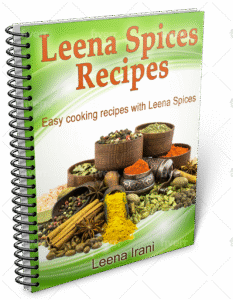
Unlock the professional culinary secrets behind balancing, roasting, and storing traditional masalas. Get your copy of my definitive masterclass guide!
Step-by-Step Method: The Art of Toasting & Blending
Toasting spices is not simply about warming them up but a careful process that helps release their natural oils and intensify their aroma. When done correctly, gentle heat brings out deeper flavors without burning the delicate spices. Follow these steps carefully to achieve an even roast and unlock the full character of your Mumbai Spice Blend without scorching.
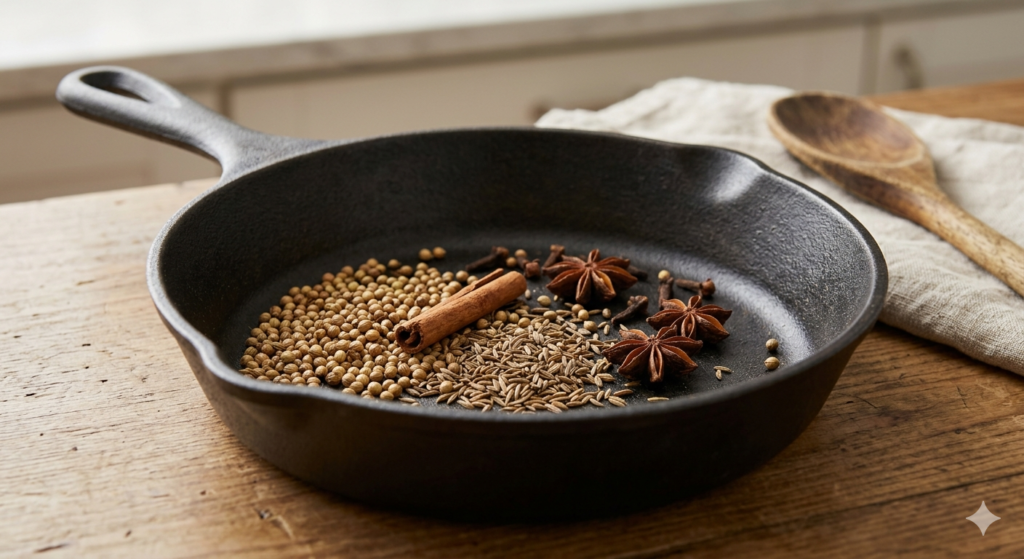
Step 1: The Dry Skillet Setup
Place a heavy-bottomed frying pan or cast-iron skillet over medium-low heat. Do not add any oil, ghee, or butter. The pan needs to be completely dry to achieve an even toast.
Step 2: The Aromatic Toast
Add the whole coriander, cumin, fennel, black peppercorns, cloves, cinnamon, and star anise to the pan. Keep the spices moving constantly. Toast for exactly 2 to 3 minutes.
Step 3: The Cooling Phase
The moment you smell a sudden burst of citrusy aroma and see the cumin seeds turn darker, immediately transfer them onto a cold plate. Residual pan heat will burn them within 30 seconds.
Step 4: Precision Grinding
Allow the spices to cool completely (about 5 minutes). Grinding them while warm creates moisture and clumps. Transfer to a clean spice grinder and pulse into a fine powder.
Step 5: The Final Finish
Empty the mixture into a bowl. Stir in the Amchur (Dry Mango Powder) and Kala Namak. Whisk thoroughly with a fork to distribute the souring agents evenly.
How to Use Mumbai Spice Seasoning in Everyday Cooking
How to Use Mumbai Spice Blend: Unlock Its Full Flavor Potential
This versatile blend goes far beyond traditional street food recipes. Built around aromatic, oil-rich whole spices and a signature tangy finish, Mumbai Spice Blend can transform everyday meals into bold, restaurant-style creations.
Here are the best ways to unlock its full potential:
- The Street Food Classics
Mumbai Spice Blend is the essential flavor foundation for iconic Indian street foods. Use it to create authentic Pav Bhaji (buttery mashed vegetables served with toasted bread rolls) or a vibrant Tawa Pulao (street-style spiced rice cooked on a hot griddle). The blend delivers the deep roasted spice character that gives these dishes their unmistakable Mumbai street-food taste. - Protein Marinades
Create a flavorful marinade by mixing 1 to 2 tablespoons of Mumbai Spice Blend with plain yogurt, a splash of mustard oil, and a squeeze of fresh lemon juice. Coat chicken, lamb, firm fish, or paneer and allow the flavors to penetrate before grilling, roasting, or baking. The spices create a beautifully aromatic crust while keeping the protein juicy and flavorful. - Bombay-Style Roasted Vegetables
Turn simple vegetables into a bold, spiced side dish. Toss cubed potatoes, cauliflower florets, sweet potatoes, or chickpeas with a drizzle of oil and a generous tablespoon of Mumbai Spice Blend. Roast at 200°C (400°F) until golden and crispy for an effortless dish packed with savory, tangy flavor. - The Aromatic Booster (Tadka Finish)
For an instant flavor upgrade, add a teaspoon of Mumbai Spice Blend to hot ghee or oil at the end of cooking. Pour this aromatic tempering over lentils (dal), stews, curries, or tomato-based soups just before serving. The heat awakens the spices’ natural oils, releasing a final burst of fragrance that makes the entire dish taste freshly prepared. - Everyday Flavor Upgrade
Sprinkle Mumbai Spice Blend over scrambled eggs, roasted nuts, avocado toast, fries, popcorn, or yogurt dips for a quick burst of Indian-inspired flavor. A small amount can add complexity and depth without requiring extra cooking time.
Understanding “Blooming”: The Secret to Unlocking Maximum Flavor
Because Mumbai Spice Blend is made with pure, aromatic spices that retain their natural essential oils, blooming is one of the best techniques for unlocking its deepest flavors. Unlike simply sprinkling a spice powder over a finished dish, gently heating the blend allows the spices to release their oils, creating a richer aroma and more complex taste.
To bloom the spice blend, add it to hot oil, butter, or ghee and gently fry for 15 to 30 seconds. This is usually done at the beginning of cooking, after your onions and ginger-garlic paste have softened, allowing the spices to infuse into the cooking base.
You will know the spices are perfectly bloomed when your kitchen fills with a warm, roasted fragrance and the color of the oil becomes beautifully infused. This simple step transforms the blend from a seasoning into a powerful flavor foundation for curries, rice dishes, vegetables, lentils, and marinades.
Tip: Keep the heat moderate while blooming. Spices contain delicate aromatic compounds that can become bitter if overheated or burned. A gentle sizzle is all you need to release their full character.
Is Mumbai Spice Too Spicy for Kids?
When used in small amounts Mumbai Spice is generally mild to medium in heat, making it suitable for most families. Its focus is more on flavour complexity than fiery heat, combining earthy, tangy, and aromatic spices rather than just chili.
On the heat scale, it typically sits around 2–3 out of 10, similar to a mild curry powder. However, the spice level is highly adjustable, allowing you to customise it easily for younger taste buds.
Here’s how to make Mumbai Spice more kid-friendly:
- Start Mild: Begin with about ¼ teaspoon per serving to introduce the flavour gradually.
- Reduce the Heat: Lower or omit ingredients such as chili powder or black pepper while keeping flavourful spices like cumin, coriander, and turmeric.
- Choose Mild Blends: Some Mumbai-style spice blends are labelled mild or family-friendly, ideal for kids aged 3 and above.
- Add Naturally Cooling Foods: Pairing the spice with yogurt, coconut milk, or tomato-based sauces helps soften the heat while preserving the signature Mumbai flavour.
Is Mumbai Spice the Same as Curry Powder?
No, Mumbai Spice and curry powder are not the same. While both are blends of Indian spices, they differ in origin, complexity, and purpose.
Mumbai Spice (also known as Bombay Masala) is an authentic Indian blend that captures the bold, tangy, and aromatic flavours of Mumbai’s street food and regional cuisine. It often includes distinctive ingredients like dried mango powder (amchur) or black salt (kala namak), which give it a zesty, earthy, and slightly smoky character. The result is a vibrant, layered seasoning that reflects the diversity of Mumbai’s food culture.
In contrast, curry powder is a Western creation, developed by British traders during the colonial era as a simplified way to mimic Indian flavours. It typically relies heavily on turmeric, giving it a bright yellow colour and a milder, less complex flavour profile.
Key differences:
- Origin: Mumbai Spice is an authentic Indian blend; curry powder is a Western adaptation.
- Flavour: Mumbai Spice is tangy, bold, and aromatic; curry powder is milder and more turmeric-forward.
- Use: Mumbai Spice is often used as a finishing or seasoning spice; curry powder is typically added early in cooking to build base flavour.
- Complexity: Mumbai Spice highlights regional authenticity; curry powder is a generic, one-blend-fits-all alternative.
Mumbai Spice vs Curry Powder: Key Differences
Feature | Mumbai Spice (Bombay Masala) | Curry Powder |
Origin | Authentic Indian blend inspired by Mumbai’s regional and street food traditions. | British creation developed during the colonial period to imitate Indian flavours. |
Flavour Profile | Bold, tangy, earthy, and aromatic with layered complexity and a hint of spice. | Milder, simpler, turmeric-forward with a more uniform, earthy flavour. |
Core Ingredients | Cumin, coriander, chili, garlic, onion, cardamom, cloves, cinnamon, amchur (dried mango powder), and black salt. | Turmeric, coriander, cumin, chili powder, fenugreek, and sometimes mustard seeds. |
Colour | Deep red-brown to golden due to paprika, chili, and roasted spices. | Bright yellow because of the high turmeric content. |
Heat Level | Mild to medium heat; more flavour complexity than spiciness. | Generally mild; heat depends on the amount of chili powder used. |
Use in Cooking | Used as a finishing or seasoning spice to enhance flavour and aroma in curries, snacks, or marinades. | Added early in cooking to build base flavour for sauces and stews. |
Culinary Purpose | Captures authentic Mumbai flavours with tangy street-food-style zest. | Provides a convenient, all-purpose “Indian-style” flavour for Western dishes. |
Cultural Authenticity | Deeply rooted in Indian culinary tradition. | Western adaptation with limited regional authenticity. |
Aroma | Fragrant, warm, and slightly smoky with citrusy undertones. | Mild and earthy, dominated by turmeric. |
How to Store Mumbai Spice to Keep It Fresh for Months
Spices are sensitive to air, light, heat, and moisture — the four main elements that cause them to lose potency over time. With the right care, your Mumbai Spice can stay fresh and fragrant for many months.
1. Use Airtight Containers
Always store your spice blend in a completely airtight glass jar or stainless steel tin. These materials prevent air exchange and protect essential oils that give the spice its distinctive flavour. Avoid plastic containers, as they can absorb odours and degrade over time.
- Storing Mumbai spice blend
Store your jar in a cool, dark cupboard or pantry, away from direct sunlight, stoves, ovens, or any heat source. Light and warmth quickly dull the colour and aroma of ground spices.
3. Protect from Moisture
Moisture is the fastest way to ruin spices.
- Always use a clean, dry spoon when scooping the blend.
- Never shake the container directly over steaming pots as condensation can enter and cause clumping or spoilage.
- In humid climates, you can refrigerate the jar, but ensure it’s tightly sealed and brought to room temperature before each use to avoid condensation.
4. Label and Refresh Regularly
Label your jar with the date of blending or purchase. Ground spice blends like Mumbai Spice typically stay fresh for 6 to 12 months, while whole spices can last much longer — up to 2 to 3 years. If the aroma fades or the colour dulls, it’s time to make a fresh batch.
Quick Reference:
Storage Tip | Recommendation |
Container Type | Airtight glass jar or metal tin |
Location | Cool, dark cupboard (away from heat and sunlight) |
Avoid | Plastic containers, moisture, and steam |
Shelf Life (ground blend) | 6–12 months |
Shelf Life (whole spices) | 2–3 years |
Check Freshness | Smell and colour — if dull, refresh the blend |
Pro Tip:
For maximum flavour, store spices whole and grind small batches fresh every few weeks. This keeps your Mumbai Spice Blend vibrant, aromatic, and true to its authentic taste.
📖 Love Crafting Your Own Spice Blends?
Unlock the professional culinary secrets behind balancing, roasting, and storing traditional masalas. Get your copy of my definitive masterclass guide!
Download ‘Homemade Spice Secrets’ by Leena Irani →Mumbai Spice Blend: FAQs
Can I use Mumbai Spice in vegan recipes, like paneer alternatives?
Absolutely. Mumbai Spice is plant-based and versatile, making it perfect for vegan dishes. Use it to season tofu, tempeh, seitan, or chickpea-based paneer alternatives. Combine with yogurt substitutes like soy or coconut yogurt for marinades, or toss with roasted vegetables for a bold, tangy flavour. Adjust spice levels to suit taste and the protein’s texture.
How do I avoid bitterness or overpowering taste when cooking with Mumbai Spice?
To prevent overpowering flavour:
- Toast spices lightly instead of over-roasting, which can cause bitterness.
- Bloom the spice in oil or ghee rather than adding it directly to liquids.
- Start with small amounts (½–1 teaspoon per serving) and taste before adding more.
- Balance the tangy notes with a splash of yogurt, coconut milk, or lemon juice to smooth the intensity.
What mistakes do people commonly make when using Mumbai Spice?
Common mistakes include:
- Adding too much spice at once, resulting in overpowering heat or bitterness.
- Storing it improperly near heat, sunlight, or moisture, which dulls aroma and flavour.
- Skipping the toasting or blooming step, which prevents the spices from fully releasing their oils.
- Assuming it’s interchangeable with curry powder. Mumbai Spice has unique tangy and aromatic notes that require balancing in the dish.
What substitutions work best if Mumbai Spice is unavailable?
If you can’t access Mumbai Spice, try a homemade blend:
- Mix 1 part cumin + 1 part coriander + ½ part chili powder + a pinch of cardamom, cloves, and turmeric.
- Add a touch of amchur (dried mango powder) or lemon zest to mimic tangy notes.
- For a milder, everyday alternative, a mild garam masala plus paprika can work, though it won’t replicate the full layered complexity of authentic Mumbai Spice.
Can Mumbai Spice be used in snacks and street-food recipes?
Yes, it’s perfect for street-food-style dishes. Sprinkle it over chaat, roasted nuts, popcorn, samosas, vada pav, or pav bhaji to add tangy, aromatic flavour. Adjust the quantity according to the snack’s intensity and desired spice level.
Is Mumbai Spice suitable for rice and lentil dishes?
Definitely. Add ½–1 teaspoon per cup of rice or dal during cooking or as a finishing touch. It infuses the dish with warmth, tanginess, and aromatic depth, enhancing simple meals without overwhelming the natural flavours.
How do I keep Mumbai Spice potent and fresh for longer?
Store in a cool, dark, dry place in an airtight glass or metal container. Avoid heat, sunlight, and moisture. Ground blends stay potent for 6–12 months, while whole spices last 2–3 years. Always use a dry spoon to prevent clumping and label jars with the grind date.
Medical Disclaimer:
The information provided in this article is for educational and informational purposes only and is not intended as medical advice. Always consult a qualified healthcare provider before starting any new dietary supplement, herbal remedy, or wellness routine, especially if you have underlying health conditions, are pregnant or breastfeeding, or are taking prescription medications.
Impu Irani is a cookbook author behind Leena Spices, where he shares practical, easy-to-follow guides on homemade spice blends, herbs, and natural cooking. His work helps home cooks create fresh, flavorful meals using simple ingredients and traditional methods. Download his free Spice Blending eBook and start your journey to cleaner cooking today!
Disclosure Note
We are committed to creating high-quality, helpful content for our readers. We do not accept payment in exchange for writing our articles, and we personally cover the costs of running this website, including hosting, tools, and maintenance.
To support the site, we display ads and may earn a small commission from affiliate links if you choose to make a purchase—at no extra cost to you.
Your support helps us continue sharing valuable content with the community.
If you’d like to support us, here are a few simple and free ways:
- Share our content with your friends and family
- Engage with us on social media
- Follow us on Facebook
You can also learn more by visiting our disclaimer page:
https://leenaspices.co.nz/disclaimer/
As a thank you, feel free to download our Free Spice Recipe eBook.
Download a Free Leena Spices Recipes Cookbook