Table of Contents
ToggleHomemade Bavarian Spice Blend: Easy 5-Step Recipe
One of my closest German friends hosts an annual Oktoberfest in the beautiful backyard of his home, and it has become one of my favorite events of the year. Among all the incredible food served, the dish I look forward to most is the roast chicken seasoned with a traditional Bavarian spice blend. The aroma alone is enough to make everyone gather around the table.
A few years ago, his wife generously shared the family recipe with me that had been passed down from her grandmother. She explained that while it works for roast chicken, the seasoning was originally created as an all-purpose blend that complements almost any protein.
After experimenting with it in my own kitchen, I discovered she was absolutely right. This herb-forward Bavarian seasoning brings wonderful flavor to chicken, pork, beef, lamb, slow-cooked stews, and even roasted root vegetables. The combination of fragrant herbs and warm spices enhances the natural flavors of the food without overpowering them.
One of the things I love most about this traditional Bavarian seasoning recipe is that it is completely salt-free and sugar-free. Making this blend at home also means you can choose high-quality herbs and spices while avoiding the preservatives, anti-caking agents, and unnecessary fillers that are often found in commercial seasoning mixes.

Impu Irani is a cookbook author behind Leena Spices, where he shares practical, easy-to-follow guides on homemade spice blends, herbs, and natural cooking. His work helps home cooks create fresh, flavorful meals using simple ingredients and traditional methods. Download his free Spice Blending eBook and start your journey to cleaner cooking today!
Disclosure Note
We are committed to creating high-quality, helpful content for our readers. We do not accept payment in exchange for writing our articles, and we personally cover the costs of running this website, including hosting, tools, and maintenance.
To support the site, we display ads and may earn a small commission from affiliate links if you choose to make a purchase—at no extra cost to you.
Your support helps us continue sharing valuable content with the community.
If you’d like to support us, here are a few simple and free ways:
- Share our content with your friends and family
- Engage with us on social media
- Follow us on Facebook
You can also learn more by visiting our disclaimer page:
https://leenaspices.co.nz/disclaimer/
As a thank you, feel free to download our Free Spice Recipe eBook.
What Are the Ingredients in Traditional German Bavarian Spice Mix
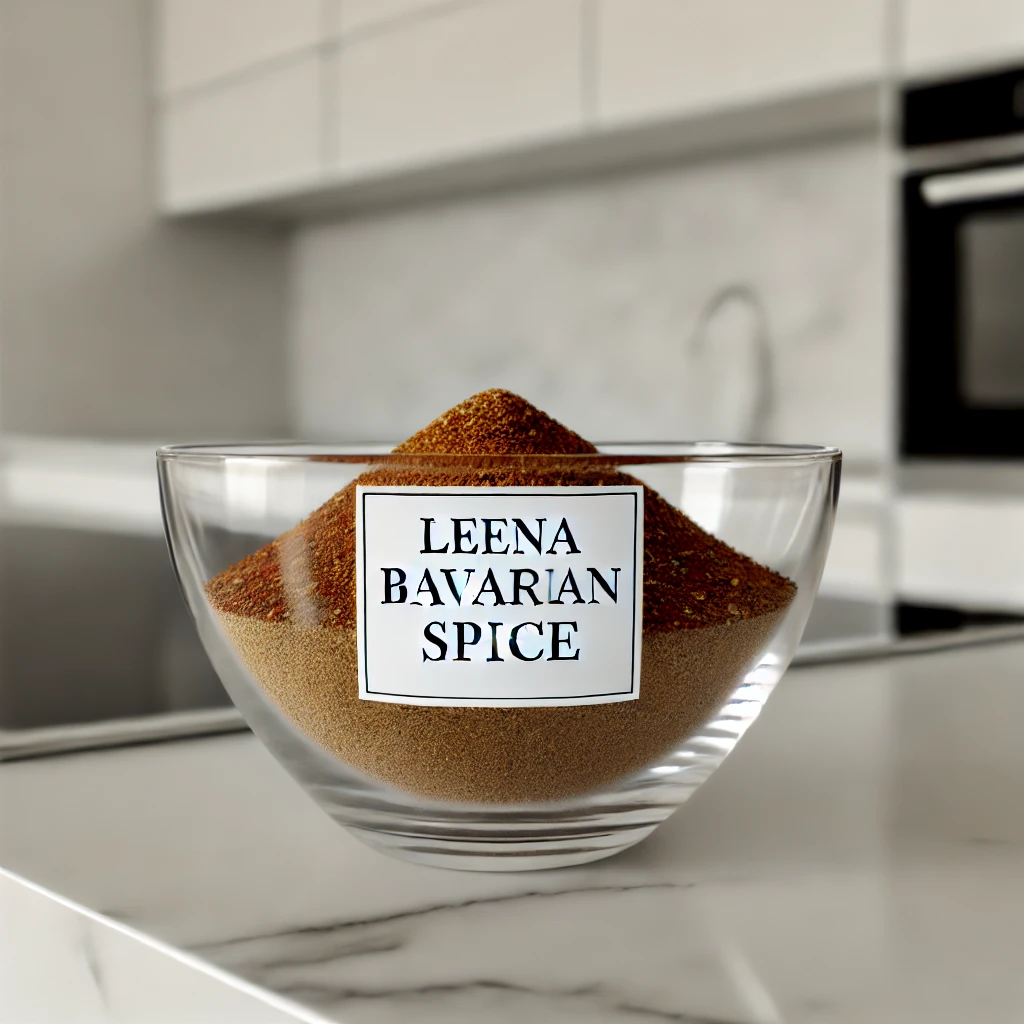
A classic German Bavarian spice blend is built from warm, aromatic herbs and gently pungent spices that reflect the rustic cooking traditions of Bavaria in Germany. The goal is balance. Herbal depth, mild sweetness, and a soft mustard bite that enhances meats and hearty vegetables without overpowering them.
Bay leaf provides a subtle woody aroma and background depth that supports slow cooked dishes.
Coriander adds gentle citrus warmth and enhances savory flavors.
Fennel seeds contribute a light sweetness and faint licorice note that pairs beautifully with pork and sausages.
Garlic powder delivers rounded savory intensity without sharpness.
Onion powder adds mellow sweetness and body to the blend.
Oregano brings earthy herbal character common in Central European cooking.
Paprika gives mild warmth and color while supporting roasted flavors.
Rosemary offers a resinous pine like aroma that defines many Bavarian meat dishes.
Sage adds warm, comforting depth especially suited for pork and poultry.
Thyme provides subtle herbal brightness and balance.
Yellow mustard seeds create the signature gentle pungency that makes the blend distinctly Bavarian.
Flavor Structure and Culinary Purpose
This combination is carefully structured to complement rich foods. Bavarian cuisine traditionally features roasted meats, sausages, potatoes, and fermented sides. The herbs provide aromatic lift, while mustard and fennel balance fatty textures. Because many blends are salt free, they allow cooks to control seasoning precisely and create a Bavarian seasoning without additives that supports clean, natural flavor.
That is why many home cooks prefer a Bavarian spice blend without MSG homemade. It delivers traditional taste while aligning with modern ingredient preferences in the USA market.
How To Make Authentic Bavarian Spice Blend At Home - 5 Easy Steps
Creating a homemade German Bavarian seasoning mix is straightforward and gives you full control over freshness and intensity. If you want an easy homemade Bavarian spice blend recipe, follow a balanced ratio that works well for meats and vegetables.
Use dried, ground spices for convenience or grind whole seeds for stronger aroma.
Basic ratio for a bavarian spice blend seasoning recipe from scratch
2 parts paprika
2 parts garlic powder
2 parts onion powder
1 part coriander
1 part fennel seeds
1 part oregano
1 part thyme
1 part crushed bay leaf
½ part rosemary
½ part sage
½ part ground yellow mustard seeds
Step 1: Measure the Base Spices
Prep Time: 5 minutes
In a clean, dry mixing bowl, combine 2 tablespoons yellow mustard seeds, 1 tablespoon whole coriander seeds, and 1 tablespoon whole fennel seeds. These three whole spices form the backbone of the blend, creating the rustic texture and robust flavor that define a traditional Bavarian seasoning. Using whole seeds instead of pre-ground spices preserves their essential oils, resulting in a fresher, more aromatic blend once ground.
Step 2: Incorporate the Fine Aromatics
Prep Time: No additional time
Add 1 tablespoon garlic powder, 1 tablespoon onion powder, 1 tablespoon rubbed sage, and 1 tablespoon dried thyme to the bowl. Whisk everything together until the fine herbs and seasonings are evenly coated around the whole seeds. This ensures every spoonful of the finished blend delivers a balanced combination of savory garlic, sweet onion, and the classic herb-forward flavor that Bavarian seasoning is known for.
Step 3: Add the Delicate Herbs and Paprika
Prep Time: 2 minutes
Gently crush 1 tablespoon dried rosemary and 3 dried bay leaves between your fingers or with a mortar and pestle before adding them to the bowl. Finish by folding in 1 tablespoon sweet German paprika, stirring just enough to evenly distribute the color throughout the blend. Avoid grinding the mixture any further at this stage, as lightly crushed herbs retain more of their essential oils and provide the rustic texture that makes traditional Bavarian seasoning so distinctive.
Step 4: Use the Anti-Bitterness Toasting Technique (Optional)
Cook Time: 1–2 minutes
For a deeper, more aromatic flavor, lightly toast the spice blend in a dry skillet over medium-low heat. Stir or toss the mixture continuously for 60 to 90 seconds, just until the herbs become fragrant and the mustard and coriander seeds begin releasing their aroma. Immediately transfer the blend to a cool plate or bowl to stop the cooking process. Leaving the spices in the hot pan for too long can scorch the mustard seeds, garlic powder, and paprika, resulting in an unpleasant bitter flavor.
Dry-toasting your whole seeds before milling follows a traditional regional method similar to building an authentic Kashmiri Basaar spice blend, allowing the natural volatile essential oils to bloom beautifully without scorching.
Step 5: Store the Bavarian Spice Blend Properly
Storage Time: Up to 6 months
Allow the finished spice blend to cool completely before transferring it to an airtight glass jar or spice container. Store it in a cool, dark place away from direct sunlight, heat, and moisture to protect the delicate oils from the herbs and whole spices.
For the best flavor and aroma, use a clean, dry spoon each time you measure the seasoning for cooking. While the blend will remain safe to use for several months, it is at its most fragrant and flavorful during the first 3–6 months, when the essential oils from the herbs and spices are still at their peak.
Label the jar with the blend name and date of preparation so you can easily keep track of freshness. A properly stored homemade Bavarian seasoning will bring the authentic taste of German-inspired cooking to your kitchen whenever you need it.
Because home-ground herbs lose potency faster than whole seeds, apply the same strict storage guidelines used for delicate homemade Baharat spice blends keep them away from stove heat, ambient humidity, and direct light.
📖 Tired of Bland, Store-Bought Flavors?
Most pre-packaged grocery store spice mixes sit on shelves for months, losing their essential oils and aroma long before they ever reach your kitchen. If you want to replicate authentic, restaurant-quality Thai curries, rich Malaysian Rendang, and aromatic masalas, the secret lies in mastering your own fresh, whole-spice ratios at home.
In my complete kitchen guide, Homemade Spice Secrets, I pull back the curtain on roasting, blending, and utilizing over 200 global herbs, botanical roots, and signature spice profiles from scratch.
Instant Digital Download • 30-Day Money-Back Guarantee
Bavarian Seasoning Bitterness Guide: Causes, Fixes, and Prevention Tips
| Cause of Bitterness | What Happens | How to Prevent It |
|---|---|---|
| Excessive heat | Delicate herbs like rosemary, thyme, and sage burn, creating sharp or medicinal flavors. | Roast at 350–375°F (175–190°C) and avoid prolonged high heat. |
| Dry surface application | Garlic, onion, and mustard can scorch before food releases moisture. | Coat meat or vegetables with oil, butter, or natural fat before seasoning. |
| Too much seasoning on the surface | As moisture evaporates, concentrated spices can become harsh. | Apply seasoning evenly and avoid thick layers on the surface. |
| Old spices and herbs | Aging ingredients lose oils and develop dusty, bitter flavors. | Use fresh, high-quality herbs and spices for the best aroma. |
| Not enough fat | Aromatic oils cannot bloom properly and may burn easily. | Mix the blend with oil, butter, or cooking juices before roasting. |
| Overheating mustard seeds | Mustard oils become acrid and unpleasant when scorched. | Toast gently and remove from heat as soon as fragrant. |
| Burning garlic and onion powders | Natural sugars caramelize too quickly and turn bitter. | Use moderate heat and avoid direct exposure to dry roasting temperatures. |
Quick Fixes for a Bitter Dish
| Problem | Flavor Correction |
|---|---|
| Too sharp or bitter | Add butter, cream, olive oil, or other fats to soften the flavor. |
| Needs balance | Add a small amount of honey or mild sweetness. |
| Flavor feels heavy | Add lemon juice or vinegar for brightness. |
| Dish tastes concentrated | Dilute with broth, potatoes, or extra vegetables. |
Golden Rules for Perfect Bavarian Seasoning Flavor
| Do This | Why It Works |
|---|---|
| Roast at moderate temperatures | Protects delicate herbal oils. |
| Blend seasoning with fat | Creates a protective coating and distributes flavor evenly. |
| Add some seasoning later during cooking | Prevents herbs from burning during long roasts. |
| Use fresh ingredients | Preserves authentic Bavarian aroma. |
| Keep seasoning evenly distributed | Prevents concentrated bitter spots. |
| Maintain moisture during roasting | Reduces scorching and improves flavor absorption. |
Is Bavarian Seasoning the Same as Oktoberfest Seasoning?
Bavarian seasoning and Oktoberfest seasoning share the same origin but they are not identical. Both are the hearty cooking traditions of Bavaria in southern Germany. Both feature an aromatic herb forward profile built around mustard, rosemary, thyme, sage, garlic, and other warm spices. However, their purpose, intensity, and typical use in cooking can differ.
Bavarian Seasoning vs Oktoberfest Seasoning
Feature | Bavarian Seasoning | Oktoberfest Seasoning |
Culinary origin inspiration | Traditional home-style flavors from Bavaria | Festival-style German flavors adapted for grilled and roasted foods |
Flavor profile | Herb-forward, earthy, savory, mildly pungent | Bolder, smokier, slightly sweeter, more robust |
Core herbs & spices | Rosemary, thyme, sage, mustard seed, garlic, bay leaf | Paprika, black pepper, garlic, onion, caraway, sometimes sugar |
Heat level | Mild, aromatic warmth | Medium intensity, sometimes peppery |
Best meats | Pork roasts, chicken, veal, venison, turkey | Bratwurst, grilled sausages, pork chops, ribs |
Best vegetable pairings | Root vegetables, cabbage, sauerkraut, potatoes | Roasted potatoes, onions, grilled vegetables |
Cooking methods | Slow roasting, braising, stews, oven roasting | Grilling, smoking, roasting, festival-style cooking |
Typical use style | Everyday German-style home cooking | Oktoberfest-themed meals and BBQ-style dishes |
Taste balance | Herbal depth with subtle mustard bite | Savory-spicy with smoky or slightly sweet notes |
Ideal for | Comfort foods and slow-cooked dishes | Grilled meats and bold seasonal dishes |

FAQs
What is the difference between Bavarian seasoning and Oktoberfest seasoning?
While both share a similar herb-forward foundation, Oktoberfest seasoning is usually bolder, sometimes including paprika, sugar, or black pepper for festival-style grilled meats. Bavarian seasoning is herb-centric, more versatile, and suitable for year-round cooking and slow-cooked dishes.
How do you store Bavarian spice blend?
Store Bavarian seasoning in an airtight container, away from heat, light, and moisture. Ground blends stay fresh for six to nine months, while whole spice blends can last up to 12 months. Using small batches preserves the herbs’ aroma and potency.
Can I substitute Bavarian seasoning in recipes?
If you don’t have Bavarian seasoning, mix rosemary, thyme, sage, mustard seeds, garlic powder, and onion powder as a quick DIY alternative. For sausage recipes, adding a pinch of juniper or caraway seeds helps replicate authentic German flavors.
What dishes pair best with Bavarian spice blend?
Bavarian seasoning pairs well with pork roasts, pork shoulder, bratwurst, roasted chicken, veal, venison, root vegetables, cabbage, sauerkraut, soups, stews, and braised dishes. It also enhances compound butters, dips, and savory sauces for modern German-inspired recipes.
Can I use Bavarian Seasoning as a substitute for Gingerbread or Bread Spices (Brotgewürz)?
No. Traditional German baking spices like Brotgewürz (for rye breads) or Lebkuchen (for gingerbread) rely on sweet, warming spices like anise, fennel, caraway, nutmeg, and cloves. Bavarian seasoning is an herb-forward, savory blend (rosemary, sage, thyme, mustard) meant strictly for meats, stews, and savory sides.
Impu Irani is a cookbook author behind Leena Spices, where he shares practical, easy-to-follow guides on homemade spice blends, herbs, and natural cooking. His work helps home cooks create fresh, flavorful meals using simple ingredients and traditional methods. Download his free Spice Blending eBook and start your journey to cleaner cooking today!
Disclosure Note
We are committed to creating high-quality, helpful content for our readers. We do not accept payment in exchange for writing our articles, and we personally cover the costs of running this website, including hosting, tools, and maintenance.
To support the site, we display ads and may earn a small commission from affiliate links if you choose to make a purchase—at no extra cost to you.
Your support helps us continue sharing valuable content with the community.
If you’d like to support us, here are a few simple and free ways:
- Share our content with your friends and family
- Engage with us on social media
- Follow us on Facebook
You can also learn more by visiting our disclaimer page:
https://leenaspices.co.nz/disclaimer/
As a thank you, feel free to download our Free Spice Recipe eBook.
Download a Free Leena Spices Recipes Cookbook