impu Irani
Lemon Pepper Seasoning is a bright, citrusy spice blend that combines the tangy flavour of dried lemon with the gentle heat of freshly ground pepper. Its fresh, zesty aroma and balanced savoury kick make it an incredibly versatile seasoning for everything from grilled chicken and seafood to roasted vegetables, potatoes, pasta, and salads. With just a sprinkle, it adds a vibrant burst of flavour that can transform even the simplest meal into something fresh and delicious.
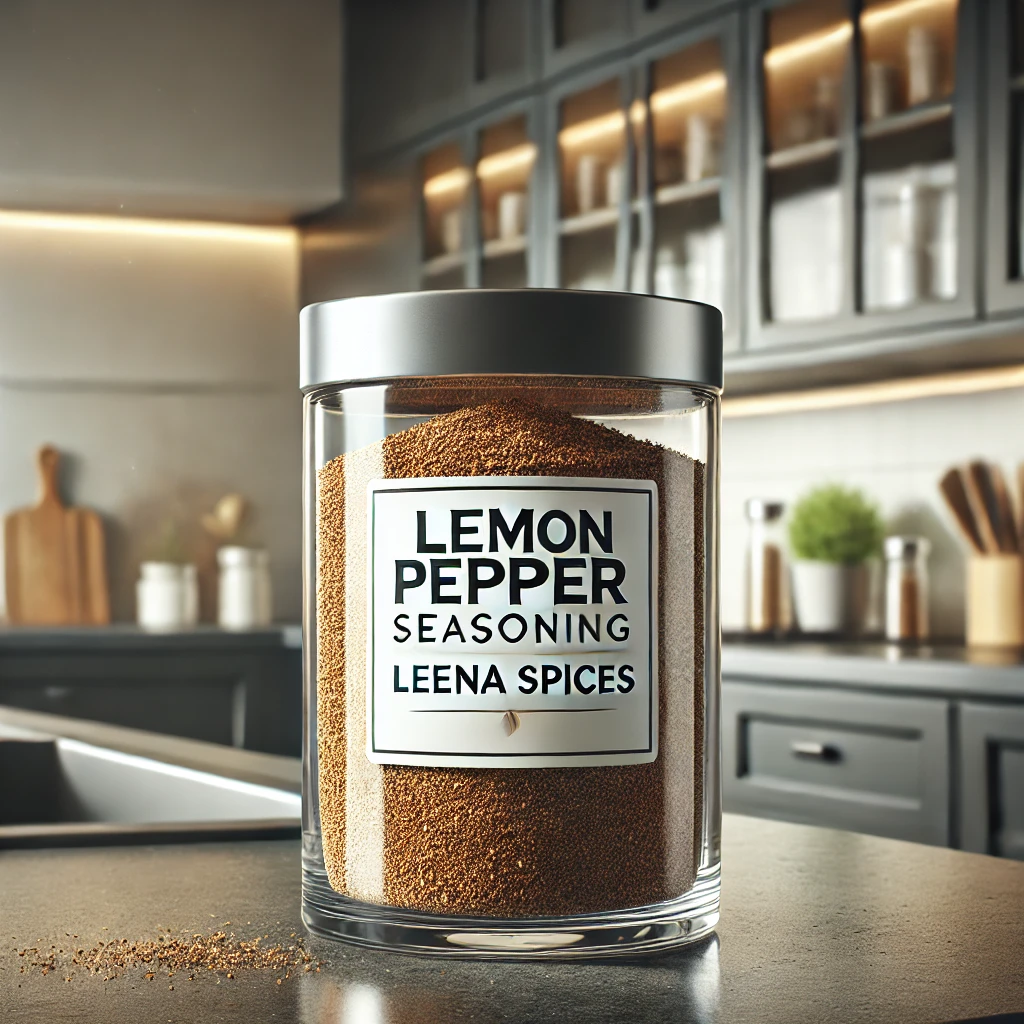
Store-bought lemon pepper seasoning often left me disappointed. Many blends tasted more like artificial lemon flavouring than real citrus, while the pepper had long since lost its freshness. I wanted something brighter, cleaner, and genuinely aromatic. So I spent weeks fine-tuning the balance of dried lemon, sumac, and white pepper until I found the combination that delivered the fresh, zesty finish I was after.
I will be honest: my first few attempts at making this at home were a disaster. I tried using fresh lemon zest directly in the mix, and within two days, my spice jar was a clumpy, damp mess. It took me three rounds of testing adjusting the ratio of dried lemon to sumac and learning the hard way that the zest needs to be ‘oven-crisp’ before I finally landed on the balance I use today. This recipe is the result of those trial-and-error sessions; it’s designed to be stable, punchy, and far more aromatic than anything you’ll find in a store-bought plastic shaker.
The journey was not as straightforward as I expected. My first few batches were complete failures because I mixed fresh lemon zest directly into the seasoning. Within just a couple of days, the moisture from the zest turned the entire jar into a clumpy, damp mess. After several rounds of testing, I discovered that the lemon zest must be completely oven-crisp before grinding, and that a careful ratio of dried lemon to sumac creates a brighter citrus flavour without overpowering the pepper. The recipe below is the result of those trial-and-error sessions far surpassing the stale, artificial flavour of most supermarket blends.
Table of Contents
ToggleThe Science of the Blend
Creating a well-balanced lemon pepper seasoning is about much more than simply mixing dried ingredients together. It comes down to understanding how each ingredient contributes to the overall flavour. Dried lemon provides the bright citrus aroma, but because much of the fresh zest’s volatile oils are lost during drying, it can taste flat on its own. That is where sumac becomes invaluable. Its naturally tangy, fruity acidity fills the gap, creating a smooth transition between the citrus notes and the warm, peppery bite of the black and white peppercorns.
I also recommend lightly toasting the whole peppercorns before grinding. This gentle heat releases their essential oils and enhances the natural piperine, resulting in a fresher, more fragrant seasoning with greater depth of flavour. The goal is not to make the blend hotter, but to create layers of flavour—bright citrus at the front, balanced tartness through the middle, and a clean, lingering pepper finish that makes the seasoning taste vibrant instead of flat.
- If you’re looking for something beyond bright citrus flavours, why not expand your homemade spice collection? For a versatile seasoning that works beautifully on everything from roasted vegetables and potatoes to chicken, beef, and seafood, explore our guide to making your own All-Purpose Seasoning. It’s a pantry staple you’ll find yourself reaching for every day.
What Is Lemon Pepper Seasoning Made Of?
In my years of developing spice blends for my cookbooks, I have learned that the best seasonings are built on balance rather than complexity. Every ingredient should have a clear purpose, whether it adds brightness, warmth, depth, or aroma. That same philosophy guided the creation of this delicious homemade lemon pepper seasoning.
After carefully testing and refining batch after batch in the Leena Spices test kitchen, we arrived at a combination of ingredients that delivers the perfect balance of bright citrus, gentle heat, and savoury depth. Every ingredient was chosen for a specific purpose, from enhancing the fresh lemon aroma to creating a smooth, lingering pepper finish. The result is a homemade lemon pepper seasoning that is vibrant, well-balanced, and consistently more aromatic than typical store-bought blends.
- Dried Lemon: The heart of the blend. Dried lemon provides that unmistakable tangy, citrus flavor that defines lemon pepper seasoning.
- Black Pepper: Adds a bold, spicy kick and earthy warmth.
- White Pepper: Milder than black pepper, it contributes a smooth, subtle heat that rounds out the flavor.
- Garlic Powde: Brings depth and savory richness.
- Onion Powder: Enhances the overall flavor and gives a gentle sweetness.
- Celery Seeds: Add a light herbal bitterness and a hint of crunch.
- Oregano: Infuses a Mediterranean touch with earthy, slightly minty notes.
- Thyme: Offers a mild, woodsy aroma that complements lemon beautifully.
- Rosemary: Adds a pine-like fragrance and flavor that pairs perfectly with poultry and fish.
- Sumac: Enhances the lemony taste naturally while adding a subtle tartness and beautiful color.
The Science of the Blend
Creating a well-balanced lemon pepper seasoning is about much more than simply mixing dried ingredients together. It comes down to understanding how each ingredient contributes to the overall flavour. Dried lemon provides the top- note bright citrus aroma, but because much of the fresh zest’s volatile oils are lost during drying, it can taste flat on its own. That is where sumac becomes invaluable. Its naturally tangy, fruity acidity fills the gap, creating a smooth transition between the citrus notes and the warm, peppery bite of the black and white peppercorns.
I also recommend lightly toasting the whole peppercorns before grinding. We are essentially ‘blooming’ the spices, which releases their gentle heat, essential oils and enhances the natural piperine, resulting in a fresher, more fragrant seasoning with greater depth of flavour. The goal is not to make the blend hotter, but to create layers of flavour bright citrus at the front, balanced tartness through the middle, and a clean, lingering pepper finish that makes the seasoning taste vibrant instead of flat.
I prioritize using high-quality, whole ingredients when developing these recipes. For the cleanest flavour and the most natural results, I recommend choosing organic, non-irradiated spices and unwaxed lemons whenever possible. This helps you avoid unnecessary additives, artificial flavours, preservatives, and anti-caking agents that are often added to commercial seasoning blends. Starting with fresh, carefully sourced ingredients allows the natural citrus oils, aromatic spices, and vibrant flavours to shine through in the final mix.
How do you make Lemon Pepper seasoning from scratch?

Lemon Pepper Seasoning Recipe
Materials
- 54 g Dried Lemon
- 15 g Black Pepper
- 11 g White Pepper
- 3 g Garlic Powder
- 3 g Onion Powder
- 3 g Celery Seeds
- 2 g Oregano
- 2 g Thyme
- 2 g Rosemary
- 5 g Sumac
Instructions
- Bloom the Aromatics (2 Minutes)In a dry pan over low heat, gently toast the black pepper, white pepper, celery seeds, rosemary, thyme, and oregano. Keep the spices moving continuously for 1–2 minutes until they become wonderfully fragrant. You will notice the aroma becoming deeper and more vibrant as the gentle heat releases their essential oils. Remove the pan from the heat immediately once the fragrance develops. Over-toasting can quickly turn delicate herbs and spices bitter.
- Achieve the Perfect GrindAllow the toasted spices to cool completely before grinding. Transfer the mixture to a spice grinder or use a traditional mortar and pestle, then process until you reach your preferred texture. For this lemon pepper blend, I recommend a medium-coarse grind because it creates the ideal balance between texture, aroma, and flavour release. A slightly textured grind allows the spices to gradually release their essential oils while giving the seasoning a more satisfying finish when sprinkled over food.
- Assemble the Final BlendIn a clean, completely dry bowl, combine the freshly ground spices with the garlic powder, onion powder, dried lemon, and sumac. Mix thoroughly using a whisk or spoon, making sure the ingredients are evenly distributed throughout the blend. This final mixing stage is important because it ensures every spoonful delivers the same balanced combination of citrus brightness, aromatic herbs, and peppery warmth.
- Store and Preserve the Fresh AromaTransfer your finished lemon pepper seasoning into a clean, airtight jar immediately after blending. You will notice the aroma is far more vibrant and intense than most store-bought versions. This is because the essential oils are still fresh from the grinding process and have not had time to fade during long periods of storage. Sealing the blend properly helps protect those delicate aromas and keeps the seasoning bright, fragrant, and ready to elevate your everyday cooking.
📚
Unlock 200+ Global Spice Secrets
Don’t stop here. Learn how to master the flavor profiles, roasting techniques, and perfect pairings for over 200 global spices in our comprehensive eBook.
Why Professional Chefs Prefer Homemade Lemon Pepper
The Culinary Divide: Homemade vs. Store-Bought
| Feature | Homemade (Leena Method) | Store-Bought (Typical) |
|---|---|---|
| Citrus Source | Real dried zest (retains essential oils) | Citric acid & “natural” flavorings |
| Preservation | Zero additives; pure & clean | Anti-caking agents & silica fillers |
| Flavor Profile | Complex, toasted, and blooming | Muted, one-dimensional, stale |
| Sodium Level | Control it (or keep it salt-free) | High-sodium as a primary filler |
| Oil Retention | High (Fresh grinding releases oils) | Low (Aromatics dissipate in transit) |
| Cost Impact | High value; bulk buying efficiency | Paying for packaging & branding |
“Commercial blends prioritize shelf stability; homemade blends prioritize flavor integrity.”
If you enjoy the bright citrus and peppery balance of this lemon pepper seasoning but would like to explore deeper, Mediterranean-inspired flavours, our Portuguese Spice Blend is a wonderful next step. With its warming paprika, garlic, herbs, and gentle chilli heat, it brings a rich, savoury character that pairs beautifully with grilled meats, seafood, roasted vegetables, and rustic home cooking.
How Long Does Homemade Lemon Pepper Seasoning Last?
It is a common misconception that dried spices “spoil” in the same way as fresh produce. While properly dried spices do not usually become unsafe after their best-before period, they gradually lose their character, aroma, and flavour intensity. Over time, the delicate essential oils in the dried lemon peel and the volatile aromatic compounds in the peppers slowly evaporate, leaving behind a seasoning that tastes flatter and less vibrant.
The Quality Lifecycle of Lemon Pepper Seasoning
At 3 Months: Peak Freshness
This is when the blend is at its best. The dried lemon still delivers a bright citrus aroma, while the freshly ground peppers provide a lively, aromatic finish.
At 6 Months: Flavour Starts to Fade
The seasoning is still perfectly usable, but the citrus and pepper notes begin to soften. You may notice that you need slightly more seasoning to achieve the same flavour impact.
Beyond 1 Year: Noticeable Aroma Loss
The vibrant lemon notes often become muted, and the blend may develop a flatter, more dusty spice profile. It is not necessarily harmful, but it will no longer deliver the fresh, punchy flavour you created when the blend was first made.
- To keep your homemade spice blends as fresh and aromatic as the day you ground them, proper storage is just as important as choosing quality ingredients. Follow our 6-Step Guide to Keeping Spices Fresh and Aromatic to learn the simple techniques that protect essential oils, prevent moisture damage, and help your seasonings stay vibrant for months.
Leena Spices Revival Trick
If your lemon pepper seasoning has lost some of its brightness but is still within its storage life, you do not need to throw it away. Place the seasoning in a completely dry pan over very low heat for around 30 seconds, stirring gently. This gentle warming can help release some of the remaining aromatic oils and revive the fragrance of the blend.
However, if the seasoning has absorbed moisture, become clumpy, developed unusual discoloration, or shows any signs of spoilage, it is best to discard it and prepare a fresh batch. Proper storage in an airtight glass jar, away from heat, sunlight, and humidity, will help preserve its flavour for much longer.
Frequently Asked Questions (FAQs)
Can I make Lemon Pepper Seasoning without a spice grinder?
Absolutely. You can achieve excellent results using a traditional mortar and pestle, which also gives you more control over the final texture.
Another simple method is to place the cooled toasted spices inside a heavy-duty zip-top bag and crush them with a rolling pin or the base of a sturdy jar. If using this method, I recommend double-bagging the spices to prevent sharp peppercorns or seeds from puncturing the bag.
Why is my lemon pepper seasoning bitter?
Bitterness in lemon pepper seasoning usually comes from including too much of the white pith which is the bitter inner layer beneath the yellow lemon peel, during the zesting process. For the best flavour, use only the thin, bright yellow outer layer of the lemon peel, where the fragrant citrus oils are concentrated.
If some pith accidentally makes its way into your dried lemon, gently warming the blend in a dry pan over very low heat. This may help soften some of the bitterness and revive the aroma.
What kind of lemons are best for making Lemon Pepper Seasoning?
Fresh, unwaxed lemons with bright yellow skin work best. They have stronger natural oils and zest, which give the blend its signature citrus aroma and tang.
Can I use fresh lemon zest instead of dried lemon?
I do not recommend adding it directly to a homemade lemon pepper seasoning if you plan to store the blend. Fresh zest contains moisture, and that extra water can cause the seasoning to clump, reduce shelf life, and create an environment where mould can develop.
If fresh lemons are all you have, the best approach is to dry the zest first. Spread the zest in a thin layer on a baking sheet and dry it at a very low temperature (around 50°C / 120°F) until it becomes completely brittle and moisture-free.
How can I keep my lemon pepper seasoning from clumping?
To keep your lemon pepper seasoning free-flowing and fresh, make sure all ingredients are completely dry and have cooled fully before transferring them into a storage jar. Even a small amount of trapped heat or moisture can create condensation, leading to clumping and a shorter shelf life.
For the best results, store the blend in an airtight glass jar and keep it away from steam, heat, and direct sunlight. If you live in a humid climate, you can add a small food-safe silica gel packet to the jar to help control moisture. A few grains of uncooked rice can also help absorb excess humidity, although a silica packet is usually the more reliable option for long-term storage.
Is Lemon Pepper Seasoning gluten-free and vegan?
Yes! When prepared at home using pure, whole-food ingredients, this lemon pepper seasoning is naturally gluten-free and vegan. The blend contains only plant-based spices, herbs, and dried citrus, making it a simple way to add bright, vibrant flavour to your meals.
What dishes taste best with Lemon Pepper Seasoning?
It pairs beautifully with grilled chicken, baked fish, roasted vegetables, and even popcorn or pasta for a citrusy, peppery twist.
Can I add salt or sugar to my homemade Lemon Pepper Seasoning?
Definitely. Adding a touch of sea salt can enhance flavor, while a pinch of sugar helps balance the tanginess of the lemon. It is all about personal taste.
Final Thoughts on Your Homemade Lemon Pepper Journey
Making your own Lemon Pepper Seasoning is about taking control of the flavours you bring into your kitchen. By choosing quality ingredients and learning how each spice contributes to the final blend, you unlock a level of freshness and aroma that mass-produced seasonings often cannot match.
This process is a small example of what I call spice alchemy (the art of understanding how individual ingredients work together) to create something greater than the sum of their parts. Every time you toast, grind, and blend your own seasonings, you build confidence and develop the skills to create a truly personalised spice collection.
I hope this homemade Lemon Pepper Seasoning recipe brings a bright, vibrant touch to your everyday cooking. Whether you sprinkle it over roasted chicken, grilled seafood, crispy potatoes, or creative vegetable dishes, I would love to hear how you use it in your kitchen.
Share your experience in the comments below, and explore more of my Homemade Spice Recipes Blog to keep building a flavour-packed pantry from scratch.
What is the one spice blend you have always wanted to learn how to make at home? Let me know in the Leena Spices Facebook comments below. I might make it the focus of my next guide!
Medical Disclaimer:
The information provided in this article is for educational and informational purposes only and is not intended as medical advice. Always consult a qualified healthcare provider before starting any new dietary supplement, herbal remedy, or wellness routine, especially if you have underlying health conditions, are pregnant or breastfeeding, or are taking prescription medications.

Impu Irani is a cookbook author behind Leena Spices, where he shares practical, easy-to-follow guides on homemade spice blends, herbs, and natural cooking. His work helps home cooks create fresh, flavorful meals using simple ingredients and traditional methods. Download his free Spice Blending eBook and start your journey to cleaner cooking today!
Disclosure Note
We are committed to creating high-quality, helpful content for our readers. We do not accept payment in exchange for writing our articles, and we personally cover the costs of running this website, including hosting, tools, and maintenance.
To support the site, we display ads and may earn a small commission from affiliate links if you choose to make a purchase—at no extra cost to you.
Your support helps us continue sharing valuable content with the community.
If you’d like to support us, here are a few simple and free ways:
- Share our content with your friends and family
- Engage with us on social media
- Follow us on Facebook
You can also learn more by visiting our disclaimer page:
https://leenaspices.co.nz/disclaimer/
As a thank you, feel free to download our Free Spice Recipe eBook.
Download a Free Leena Spices Recipes Cookbook