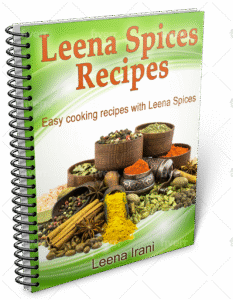
Written by Impu Irani. He is the cookbook author and spice specialist behind Leena Spices. With more than 20 years of experience developing custom spice blends inspired by cuisines from around the world, he is passionate about helping home cooks create delicious meals from scratch using quality herbs, spices, and time-tested techniques. Through easy-to-follow recipes, practical cooking guides, and expert spice knowledge, Impu makes it simple for anyone to master homemade seasonings and enjoy fresher, more flavourful cooking with everyday ingredients. Download his free Leena Spices recipes eBook and discover how easy it is to create your own dishes with confidence at home.
Disclosure Note
We are committed to creating high-quality, helpful content for our readers. We do not accept payment in exchange for writing our articles, and we personally cover the costs of running our test kitchen, and this website, including hosting, tools, and maintenance.
Your support helps us continue sharing valuable content with the community.
If you would like to support us, here are a few simple and free ways:
- Share our content with your friends and family
- Engage with us on social media
- Follow us on Facebook
As a thank you, we would love for you to enjoy our FREE Homemade Spice Recipe eBook. Download your complimentary copy now.
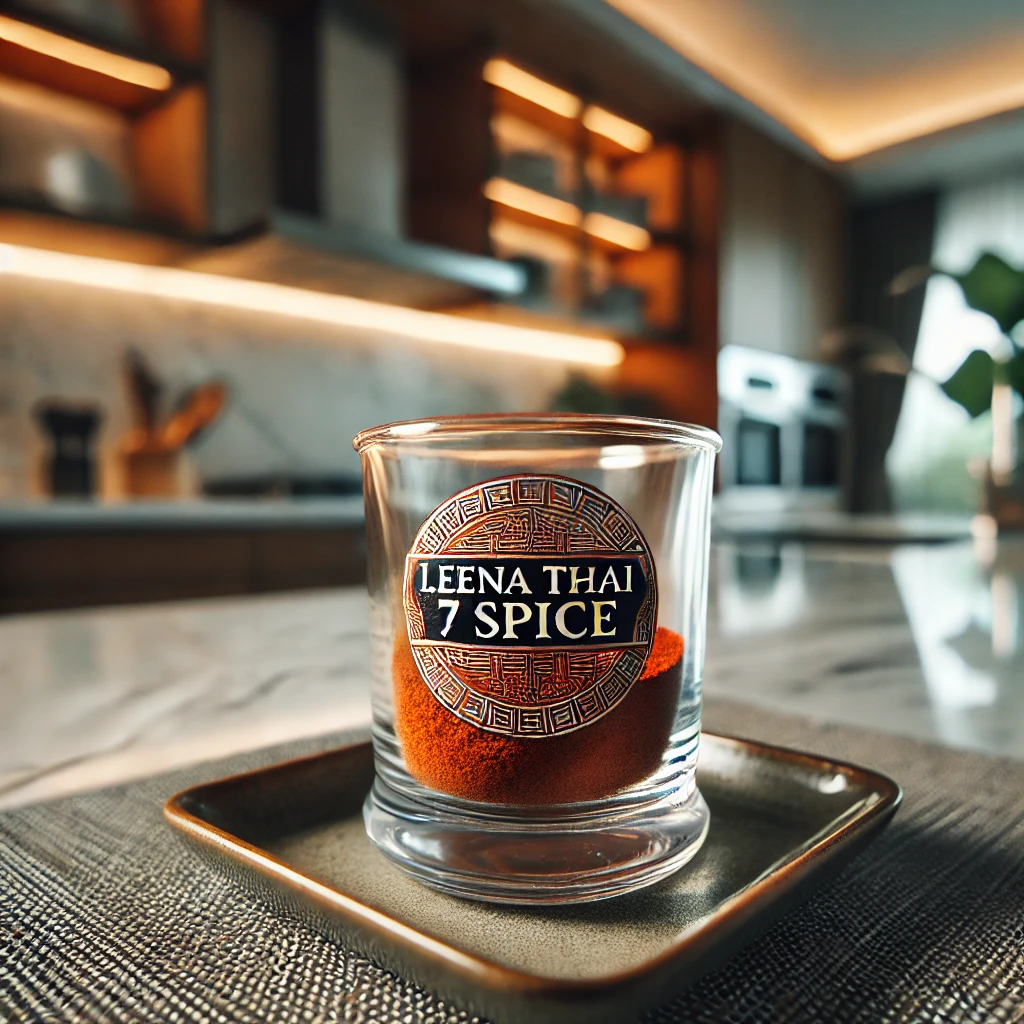
Table of Contents
ToggleWhat Is Thai Seven Spice Blend?
Thai Seven Spice Blend is a fragrant, all-purpose seasoning inspired by the bold and vibrant flavors of Thai and Southeast Asian cuisine. Crafted from a balanced combination of aromatic herbs and spices, this blend captures the essence of Thai cooking where sweet, spicy, tangy, and savory notes come together in perfect harmony.
This versatile mix is used to enhance a wide variety of dishes including stir-fries, grilled meats, seafood, rice, vegetables, curries, and marinades. Whether sprinkled as a dry rub, stirred into sauces, or mixed into soups, Thai Seven Spice seasoning adds a depth of flavor that instantly transforms everyday meals into restaurant-quality creations.
One of the greatest advantages of Thai Seven Spice Mix is its convenience. Rather than measuring and grinding several individual spices each time you cook, a single spoonful delivers a beautifully balanced blend inspired by authentic Thai flavors.
Why Does Thai 7 Spice Recipe Sometimes Have 11 Ingredients?
If you pick up a commercial jar of this Southeast Asian spice blend and count the ingredients, you will notice there are often 10 or 11 ingredients instead of seven.
The reason is simple. The name “Thai 7 Spice” originally refers to seven essential flavor dimensions in Southeast Asian cooking and not necessarily seven individual spices. Traditionally, the blend is designed to create balance across sweet, sour, spicy, salty, bitter, savory (umami), and aromatic notes.
Modern manufacturers often use additional spices to recreate that complexity in a dry, shelf-stable blend that works straight from the pantry.
Why Supermarket Versions Add Even More
Large-scale spice companies often include ingredients that home cooks would never think of as part of the spice blend itself:
- Salt – boosts flavor and makes the blend taste immediately “complete.”
- Anti-caking agents (such as silicon dioxide) – prevent clumping, especially in blends containing oily spices.
These ingredients improve shelf life and consistency, but they aren’t traditional spices.
A Note from My Kitchen
In my own Leena Spices kitchen, I keep things simple: no added salt, no added chillies, and I don’t count fillers as ingredients.
After years of blending and testing spices from scratch, I’ve learned that the best flavor comes from fresh, whole spices not from fillers designed for factory packaging.
What Ingredients Are in Authentic Thai Seven Spice Mix?
After our tests I came up with best Authentic Thai Seven Spice Mix. It is a carefully balanced blend of aromatic herbs and spices that reflect the vibrant flavors of Thai and Southeast Asian cooking. Each ingredient plays a distinct role, coming together to create a warm, fragrant, and slightly tangy profile that enhances everything from stir-fries to grilled meats.
Here are the key ingredients that make this blend truly special:
1. Coriander:
Adds a citrusy, slightly nutty flavor that forms the base of many Thai dishes. It brings brightness and a subtle earthiness to the blend.
2. Cumin:
Provides warmth and depth with its slightly smoky and peppery aroma, giving Thai dishes a rich, savory undertone.
3. Fenugreek:
Lends a mild sweetness with a hint of bitterness, rounding out the blend and enhancing the balance between spicy and tangy notes.
4. Garlic Powder:
Essential in Thai cuisine, it adds savory richness and depth, boosting the umami element of every dish.
5. Ginger Powder:
Brings gentle heat and freshness, complementing both savory and sweet flavors while aiding digestion.
6. Lemongrass:
A signature Thai ingredient that delivers a zesty, lemony fragrance and a light citrus taste, instantly brightening the blend.
7. Dried Lemon:
Intensifies the citrus aroma while adding a touch of tanginess that cuts through rich or spicy foods.
Tip: Discover why preserving dried lemons locks in citrus essential oils differently than fresh zest.)
8. Paprika:
Contributes mild sweetness and a hint of smokiness, as well as a beautiful red hue that enhances the spice mix visually.
9. Turmeric:
Adds a golden color and earthy warmth, while offering anti-inflammatory benefits — a staple in traditional Thai blends.
10. White Pepper:
Brings a sharp, subtle heat that’s milder than black pepper, perfect for maintaining the delicate balance of Thai flavors.
11. Yellow Mustard:
Adds a tangy, slightly spicy kick that ties the flavors together and enhances both aroma and texture.
What If I’m Missing an Ingredient? Thai 7 Easy Substitutes
Over the years, we tested countless ingredient swaps in the Leena Spices kitchen to see which ones genuinely work and which ones don’t. Some substitutions changed the flavor too much, while others came remarkably close to the original blend.
The alternatives below are our tried-and-tested substitutes, carefully chosen because they preserve the balance of aroma, warmth, and citrusy complexity that makes Thai Seven Spice so distinctive. While no substitute is an exact match for the original ingredient, these options will help you create a delicious, well-balanced blend without making a special trip to the grocery store.
Lemongrass Substitute
Best alternatives: Dried lemon peel, lime zest powder, or a small amount of dried ginger combined with citrus peel.
Lemongrass provides a bright, fresh citrus aroma. While nothing perfectly replicates its unique grassy character, dried citrus ingredients can recreate the refreshing top notes that balance the warmer spices.
Fenugreek Substitute
Best alternatives: A small amount of fennel seed or a pinch of maple sugar/powdered jaggery.
Fenugreek contributes a subtle bitterness with gentle maple-like sweetness. Fennel can provide a similar sweet aromatic quality, while a tiny touch of natural sweetness can help restore the balance.
Dried Lemon Substitute
Best alternative: You need that bright, acidic zip to cut through the heavy spices. Swap the dry lemon zest for dried lime zest, or add a squeeze of fresh lime juice to your stir-fry or curry right before serving.
Note: Do not use fresh lemon juice directly in the dry spice jar, or it will ruin the shelf life of the remaining blend!
Leena Spices Tip
When making substitutions, avoid replacing every missing ingredient at once. Change one element at a time and taste the overall balance. The beauty of homemade Thai Seven Spice is that you can adjust the blend to match your own palate while still maintaining the aromatic spirit of Southeast Asian cooking.
Thai 7 Spice Ingredients Calculator
Spice Batch Converter
| Ingredient | Amount |
|---|
*Volume conversions are approximate for cooking convenience.

Thai 7 Seasoning Spice Recipe
Instructions
- Gather and Inspect YourToolsPrep Time: 5 minutesBefore measuring your spices, make sure your mixing bowl,measuring spoons, whisk, and storage jar are completely clean and dry. Even thesmallest trace of moisture can cause ingredients such as garlic powder anddried lemon peel to clump together, reducing the blend's freshness andshortening its shelf life.Take a moment to inspect your spices as well. They shouldbe fragrant, vibrant in color, and free from any signs of moisture or caking.
- Measure the Flavor BaseActive Time: 2 minutesUsing the measurements from the conversion calculatorabove, add the three foundation spices to a clean mixing bowl: paprika,ground coriander, and ground turmeric. Whisk them together thoroughly untilthe mixture becomes a uniform deep orange-red with no visible streaks.
- Incorporate the Zing andHeatActive Time: 1 minuteNext, add the spices that give the blend its livelycharacter and unmistakable Thai-inspired aroma. Sprinkle in the remainingingredients a little at a time while whisking continuously. This gradual mixingprevents lighter spices from clumping and evenly distributes the warming heat,fragrant citrus notes, and subtle sweetness throughout the blend.For a flawless, store-bought texture, pass theentire mixture through a fine-mesh kitchen sieve. This breaks up any compressedpockets of garlic or mustard powder. Pour immediately into your clean glassjar, seal tightly, and label it with today's date.
Notes
2 Mistakes to Avoid When Cooking with Thai Seven Spice
Thai Seven Spice contains delicate aromatic compounds that need gentle heat and the right cooking techniques to fully shine. Avoid these common mistakes to preserve the blend’s vibrant color, aroma, and depth of flavor.
1. Watch the Heat with Turmeric and Paprika
Paprika and turmeric are responsible for much of the blend’s beautiful color and earthy sweetness, but they can burn quickly when exposed to excessive heat. When using Thai Seven Spice as a dry rub for chicken, seafood, tofu, or vegetables, avoid cooking over very high temperatures.
Instead, use medium heat and allow the spices to slowly develop a fragrant crust. Overheating can cause the natural sugars and delicate compounds in paprika and turmeric to scorch, leaving behind a bitter taste and a dark, burnt coating.
2. Wake Up the Essential Oils Before Cooking
If your homemade spice blend has been sitting in the pantry for several weeks, don’t simply stir it straight into a sauce and expect the same intensity as a freshly ground mix. A quick blooming step can bring those flavors back to life.
Warm a tablespoon of oil over medium heat, then add the dry Thai Seven Spice blend and gently fry for about 10 seconds until fragrant. This traditional technique, known as tadka (tempering), helps release the fat-soluble aromatic oils from spices like cumin and coriander.
Once the aroma rises, immediately add your coconut milk, vegetables, protein, or other cooking ingredients. This simple step creates a deeper, more rounded flavor and helps your spice blend taste freshly prepared.
Looking to Master the Art of Spice Blending?

Stop Buying Stale, Store-Bought Spice Packets.
Creating exceptional spice blends is both a science and an art. Powerful ingredients like raw hing resin (asafoetida) require careful handling because even the smallest amount can dramatically transform a dish. Just a pinch too much can overpower delicate flavors, while the right balance can add incredible depth, aroma, and restaurant-quality complexity.
Mastering these combinations takes knowledge of ingredient ratios, regional traditions, and the techniques used by experienced cooks.
If you want to move beyond guesswork and confidently create authentic flavors at home, our premium digital cookbooks are made for you. Inside, you’ll discover carefully tested spice ratios, traditional regional pairings, and step-by-step recipes that help you recreate hundreds of delicious global dishes with confidence.
Whether you are a beginner exploring spices or an experienced home cook looking to refine your skills, these guides will help you unlock the true potential of your spice cabinet.
How Do You Use Thai Seven Spice Mix in Thai Cooking?

How to Cook with Thai Seven Spice (Ratios & Pro Tips)
Don’t let your homemade Thai Seven Spice blend sit forgotten in the pantry. While dry spice blends deliver incredible depth and aroma, they behave differently from fresh curry pastes. Without the moisture and fresh aromatics found in traditional pastes, dry spices need the right technique to release their full potential.
Follow these simple kitchen guidelines to get the best flavor from every spoonful.
1. The Perfect Dry Rub Ratio
For proteins, use:
1 tablespoon Thai Seven Spice Mix per 500g (1 lb) of protein
This ratio works well with chicken breast, chicken thighs, salmon fillets, prawns, pork, or firm tofu.
How to apply:
- Lightly brush your protein with a neutral oil such as avocado, rice bran, or grapeseed oil.
- Sprinkle the Thai Seven Spice evenly over the surface and gently rub it in.
- Allow it to rest for 10 minutes before cooking so the spices can hydrate slightly and begin infusing their aroma.
Pro Tip: Cook over medium heat rather than high heat. The paprika and turmeric in the blend provide beautiful color and earthy sweetness, but they can scorch quickly when exposed to intense heat. Gentle cooking allows the spices to develop a fragrant crust without becoming bitter or burnt.
2. Upgrading a Stir-Fry
For a quick flavor boost, add 1 to 1½ teaspoons of Thai Seven Spice Mix during the final 60 seconds of cooking your vegetables, noodles, or protein.
Adding the blend near the end of cooking protects the delicate aromatic compounds—especially the bright citrus and lemongrass notes—from excessive heat. Instead of burning away, these fresh top notes remain vibrant while the gentle heat of the wok helps awaken deeper flavors from spices such as white pepper and cumin.
Pro Tip: Create a little space in the center of your wok, add the spice blend with a splash of oil, and stir-fry it briefly for a few seconds before tossing everything together. This quick blooming technique releases the essential oils and coats your ingredients evenly, giving your stir-fry a more authentic restaurant-style aroma.
3. The Quick Coconut Curry Hack
No fresh curry paste in the fridge? Your Thai Seven Spice Mix can create a delicious shortcut curry base using simple pantry ingredients.
Whisk 2 teaspoons of Thai Seven Spice Mix into one standard 400ml can of warm coconut milk until evenly combined. Bring the mixture to a gentle simmer for a few minutes, allowing the heat to bloom the spices and release their aromatic oils.
This slow warming process helps the earthy spices, citrus notes, and gentle heat blend beautifully with the creamy richness of coconut milk, creating a flavorful curry sauce with minimal effort.
Pro Tip: Avoid boiling the coconut milk aggressively. A gentle simmer preserves its creamy texture while giving the spices enough time to infuse the sauce.
For a deeper dive into traditional Thai curry techniques, try using this spice base in our 7 Secrets to Massaman Beef Curry.
- Thai-Inspired Dipping Sauces
Transform your Thai Seven Spice Mix into a quick and flavorful dipping sauce with just a few pantry staples. The aromatic spices pair beautifully with creamy ingredients, creating a bright, zesty accompaniment for grilled meats, seafood, vegetables, and skewers.
For a creamy version, whisk together:
- ½ teaspoon Thai Seven Spice Mix
- 3 tablespoons Greek yogurt or mayonnaise
The result is a smooth, tangy dip with layers of warmth, gentle spice, and citrusy aroma—perfect alongside grilled chicken satay, prawns, roasted vegetables, or tofu skewers.
For a lighter Southeast Asian-inspired dipping sauce, combine:
- ½ teaspoon Thai Seven Spice Mix
- A splash of fish sauce
- Fresh lime juice
This creates an instant tabletop dipping sauce with salty, sour, and aromatic notes that complement grilled foods beautifully.
Pro Tip: Let the sauce rest for 5–10 minutes before serving. This short resting time allows the dried spices to hydrate and the flavors to blend together, creating a more balanced and rounded taste.
How Does Thai Seven Spice Mix Differ from Japanese Shichimi Togarashi?
| Feature | Thai Seven Spice Mix | Japanese Shichimi Togarashi |
| Origin | Thailand | Japan |
| Culinary Purpose | All-purpose cooking spice used in stir-fries, curries, marinades, and grilled meats; adds warmth and layered aroma | Finishing condiment sprinkled on noodles, soups, rice, or grilled dishes; adds heat, brightness, and visual appeal |
| Flavor Profile | Warm, earthy, aromatic with hints of citrus and herbs (lemongrass, coriander, ginger) | Spicy, citrusy, umami-rich with numbing heat from Japanese pepper (Sansho) and zest from dried orange or yuzu peel; coarser texture |
| Usage | Used during cooking — in sauces, dry rubs, marinades; adds depth and complexity | Used after cooking — sprinkled at the table for instant flavor lift and pop of color |
| Versatility | Ideal for stir-fries, curries, grilled meats, rice dishes, and marinades | Primarily a finishing spice for noodles, soups, rice, and grilled items |
• If you love the fresh citrus notes in this Thai-inspired blend, you may also enjoy the bright, zesty flavour of our Homemade Lemon Pepper Seasoning. With its vibrant lemon aroma and balanced peppery warmth, it is another versatile blend that brings a refreshing lift to seafood, grilled meats, roasted vegetables, and everyday meals.
Leena Spices Kitchen Substitute Tip: Can You Use Shichimi Togarashi Instead of Thai Seven Spice?
If you have run out of Thai Seven Spice and have a jar of Japanese Shichimi Togarashi in your pantry, it can work as a quick finishing seasoning but it is important to use it differently.
Shichimi Togarashi is designed to be sprinkled at the end of cooking to add brightness, gentle heat, and aromatic complexity. It is not a direct replacement for Thai Seven Spice in stir-fries or curry bases. The Japanese blend often contains delicate ingredients such as nori seaweed and sesame seeds, which can burn quickly when added directly to a hot wok or frying pan, creating a bitter, unpleasant taste.
Instead, use Shichimi Togarashi as a final garnish over noodles, rice bowls, grilled meats, vegetables, soups, or dumplings. A small sprinkle adds a wonderful Japanese-inspired kick without overpowering the dish.
If you’re interested in exploring the unique citrusy, spicy, and umami-rich character of this Japanese seasoning, check out our guide: How to Use Shichimi Togarashi in Everyday Cooking.
Storage Guide: 6 Steps Keeping Spices Potent in Humid Climates
For the best flavor and aroma, aim to use your Thai Seven Spice Mix within 3 to 6 months. While the blend remains safe to use for up to a year when stored correctly, the delicate volatile oils responsible for the bright citrus notes of lemongrass and the warmth of ginger gradually fade after around 180 days, resulting in a less vibrant aroma and milder flavor.
Follow these storage rules to keep your blend aromatic, loose, and ready to use:
1. Choose the Right Container
Store your Thai Seven Spice in an airtight glass jar with a secure lid. Avoid thin plastic bags or containers that allow moisture and aromas to escape over time.
2. Keep It Away from Heat and Steam
Never store your spice jar above the stove, beside a kettle, or near a dishwasher. Steam introduces tiny amounts of moisture that can slowly damage the blend and cause clumping.
3. Always Use a Dry Spoon
Never dip a wet measuring spoon into your spice jar. Even a few drops of water can create moisture pockets that encourage clumping and shorten the blend’s freshness.
4. Use a Glass Jar with a Silicone Gasket
Standard plastic spice containers can slowly allow air and moisture exchange over time. For the best protection, store your blend in a small glass jar with a tight-fitting lid, preferably one with a silicone seal or clamp-style closure.
5. Add a Food-Safe Silica Gel Packet
A food-safe silica gel packet can act as an extra layer of protection, especially in humid kitchens. These small moisture absorbers help capture excess humidity inside the jar before ingredients like garlic powder and dried citrus peel can absorb it.
6. Use the Fridge or Freezer for Long-Term Storage
If your kitchen regularly experiences very high humidity, consider storing your main batch in the freezer inside a vacuum-sealed bag or airtight container. Keep around 2-week supply in your everyday spice cabinet for convenience.
Leena Spices Tip:
Never open a frozen spice jar immediately after removing it from storage. Allow it to reach room temperature first. Opening it while cold can cause condensation to form inside the jar, introducing the very moisture you are trying to avoid.
Frequently Asked Questions (FAQs)
Can Thai Seven Spice Mix be used in non-Thai dishes?
Yes! Its warm, aromatic profile works well in grilled vegetables, roasted meats, soups, rice dishes, and even fusion cuisine. It’s a versatile seasoning beyond traditional Thai recipes.
Is Thai Seven Spice Mix gluten-free and suitable for vegetarians?
Yes. Homemade blend is made entirely from spices and herbs, making it naturally gluten-free, vegetarian, and vegan-friendly. Just check that no premade commercial blends contain additives if buying pre-packaged.
Can I adjust the heat level in Thai Seven Spice Mix?
Yes! You can increase or decrease white pepper or add chili flakes to control the spice level. This allows you to customize it for mild or extra-spicy dishes.
Can I make a large batch of Thai Seven Spice Mix?
Yes, but for maximum freshness and flavor, it’s best to make it in smaller batches (3–6 months’ worth). Spices lose aroma and potency over time, especially in humid climates.
How do I know if my Thai Seven Spice Mix has gone bad?
Definitely. While it’s often used during cooking, a light sprinkle over cooked rice, noodles, or grilled dishes adds an aromatic boost and enhances presentation.
Impu Irani is a cookbook author behind Leena Spices, where he shares practical, easy-to-follow guides on homemade spice blends, herbs, and natural cooking. His work helps home cooks create fresh, flavorful meals using simple ingredients and traditional methods. Download his free Spice Blending eBook and start your journey to cleaner cooking today!
Disclosure Note
We are committed to creating high-quality, helpful content for our readers. We do not accept payment in exchange for writing our articles, and we personally cover the costs of running this website, including hosting, tools, and maintenance.
To support the site, we display ads and may earn a small commission from affiliate links if you choose to make a purchase—at no extra cost to you.
Your support helps us continue sharing valuable content with the community.
If you’d like to support us, here are a few simple and free ways:
- Share our content with your friends and family
- Engage with us on social media
- Follow us on Facebook
You can also learn more by visiting our disclaimer page:
https://leenaspices.co.nz/disclaimer/
As a thank you, feel free to download our Free Spice Recipe eBook.
Download a Free Leena Spices Recipes Cookbook