Impu Irani is the cookbook author behind Leena Spices , where he shares digital publishing and culinary education about homemade spice blend recipes and practical cooking tips. Read more about him at the end of this post.
Table of Contents
ToggleIntroduction: Tiny Seeds with Mighty Benefits
Sometimes the smallest ingredients have the biggest impact and asario seeds are a perfect example. These tiny, reddish-brown seeds, harvested from the garden cress plant (Lepidium sativum), are celebrated not just for their distinct peppery flavor, but for their impressive nutritional and medicinal properties.
Used for centuries in Ayurveda, Unani medicine, and traditional Middle Eastern and Indian cuisines, asario seeds have earned a reputation as a superfood. They are rich in iron, calcium, fiber, vitamins, and antioxidants, making them a powerful addition to both everyday meals and health-focused remedies.
In kitchens and spice markets, they sometimes blur the line between seed and spice, offering a tangy, peppery kick while also supporting digestion, immunity, and overall wellness. Whether sprinkled on salads, soaked in milk, roasted, or used in traditional recipes, asario seeds combine flavor, culture, and nutrition in one tiny package.
The content on this blog, including information about, nutrition, and health benefits, is provided for educational and informational purposes only. It is not intended as medical advice, diagnosis, or treatment.
Always consult a qualified healthcare professional or your doctor before starting any new diet, supplement, or health regimen, especially if you are pregnant, breastfeeding, have a medical condition, or are taking medications.
Leena Spices and its team do not accept any liability for any adverse effects or consequences resulting from the use of the information provided on this blog.
What Are Asario Seeds?
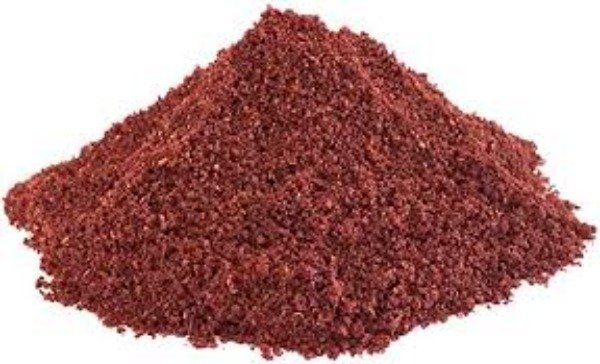
Asario seeds are the tiny, reddish-brown seeds of the garden cress plant (Lepidium sativum), a fast-growing edible herb belonging to the mustard family (Brassicaceae). This makes them close relatives of mustard, radish, watercress, and even cabbage.
Though small in size, these seeds are incredibly nutrient-dense. They are rich in iron, calcium, folate, protein, fiber, and antioxidants, earning them a well-deserved reputation as a traditional “superfood.”
What Do Asario Seeds Taste Like?
Asario seeds have a distinct and multi-layered flavor. Their most prominent note is peppery, reminiscent of mustard greens or watercress , which is why they are sometimes called “garden pepper cress.” Alongside this, they carry a slightly tangy or pungent undertone that adds a lively zing to dishes. Many people also notice an earthy, mildly bitter quality, typical of many seeds and spices, which rounds out their complex taste profile.
This unique combination of tanginess, mild spice, and subtle bitterness not only enhances the flavor of recipes but also makes asario seeds highly valued in traditional cuisines for their nutritional and health benefits.
Flavor and Texture of Asario Seeds
- Raw or Soaked: When eaten raw or soaked in water or milk, the seeds retain their strong peppery flavor with a slight nuttiness. Soaking gives them a gel-like coating, similar to chia or basil seeds, making them a lively addition to smoothies, health drinks, or milk-based tonics.
- Roasted: Light roasting for 4–5 minutes enhances their nutty undertones, mellows bitterness, and adds a crunchy texture. This makes them ideal for sprinkling on salads, soups, or yogurt bowls, where they provide a savory, less sharp flavor.
- Sprouted: As sprouts, they keep their peppery bite but gain a fresh, herbaceous quality, much like microgreens. Sprouted seeds work beautifully in sandwiches, salads, or as a garnish.
- In Recipes: When incorporated into laddoos, curries, porridges, or chutneys, their spiciness blends with other ingredients, contributing a subtle heat and depth without overpowering the dish.
Stop Buying Stale, Store-Bought Spice Packets.
Create your own fresh, spice blends using authentic recipes from India, Asia, the Middle East, and the West. Get “Homemade Spice Secrets” and learn how to craft 200+ global herbs and spices. Unlock deeper, richer flavors, and replace store-bought mixes with pure, homemade natural ingredients—free from preservatives and fillers.
What are the other names for asario seeds?
India:
- Hindi: Halim, Chandrashoor, Chansur, Haleem, Halim ke beej
- Marathi: Aliv, Haliv
- Gujarati: Asario (અસારિયો)
- Tamil: Aliviraai (அலிவிராய்)
- Kannada: Alvi, Asaliya
- Malayalam: Ashaali, Garden cress seeds
- Telugu: Halim seeds
Middle East & Arabic-Speaking Countries:
- Habbat al Hamra (meaning “red seeds”)
- Habb al Rashaad or Rashad
- Rashad Mazroua
English-Speaking Countries:
- Garden cress seeds
- Garden pepper cress
- Pepperwort
- Pepper grass
- Poor man’s pepper
Other Global Names:
- French: Cresson de jardin, Cresson alénois
- Spanish: Berro de jardín
- German: Gartenkresse
- Nepali: Chamsur
- Assamese: Halim shak
- Yiddish: Fefergros (pepper grass)
- Hungarian: Borsfű (pepper herb)
Notes:
- In Ayurvedic texts, the seeds are sometimes referred to as Asaliya or Chandrashoor.
- Some names reflect the flavor, such as “garden pepper cress” or “pepper grass,” emphasizing their spicy, tangy taste.
Despite the wide variety of names, all of these terms point to the same nutrient-rich, versatile seed celebrated for its culinary and medicinal uses across cultures.
Origins and Cultivation of Asario Seeds
The garden cress plant (Lepidium sativum), which produces asario seeds, is believed to have originated in Egypt and Southwest Asia. From there, its use spread across the Middle East, Central Asia, and Europe, becoming a staple in both culinary and medicinal traditions.
Today, it is cultivated widely in India, thriving in the cooler months with minimal irrigation. The plant grows up to 60 cm tall, with multiple branches and clusters of small white to pinkish flowers. Its resilience makes it ideal for arid and semi-arid climates, which is why it flourishes in states like Maharashtra, Gujarat, Rajasthan, and Madhya Pradesh.
Beyond India, garden cress is also grown in Europe, the United States, and the Middle East, reflecting its global popularity and adaptability. Its ease of cultivation, fast growth, and nutrient-rich seeds have made it a valued crop for both traditional remedies and modern wellness applications.
Are Asario Seeds a Spice or a Superfood?
Although Asario have a naturally sharp, peppery, mustard-like flavor, their main purpose is not simply to season food. Asario seeds are valued primarily as a functional food because of their impressive nutritional profile and traditional wellness uses.
Why Asario Seeds Are Not Considered a Traditional Spice
- Their Main Purpose Is Nutrition, Not Just Flavor
Traditional spices are usually added in small amounts to enhance the taste, aroma, or color of a dish. Asario seeds are different because they are consumed mainly for their nutritional benefits.
They are naturally rich in:
- Iron, which supports healthy hemoglobin levels
- Dietary fiber, which helps support digestion
- Plant-based protein
- Essential vitamins and minerals
Because of their nutritional value, people typically consume asario seeds in larger quantities — often a teaspoon or more — rather than using only a pinch for seasoning.
In Ayurveda and traditional wellness practices, asario seeds are appreciated as a nourishing ingredient used to support digestion, strength, and overall well-being.
- They Are Used More Like Functional Seeds
Asario seeds often play the role of a nutrient-rich ingredient rather than a simple seasoning.
They are commonly added to:
- Laddoos and traditional energy bites
- Smoothies and health drinks
- Porridges
- Sprouted seed preparations
- Milk-based beverages
Like chia seeds, flaxseeds, and basil seeds, Asario seeds are a versatile functional food that can easily be added to everyday meals. But how do they compare when it comes to important benefits like weight management, nutrition, and iron? Discover the differences in our in-depth guide: Asario Seeds vs Chia Seeds: Which Is Better for Your Health?
- Their Preparation Method Is Different From Most Spices
Many culinary spices are used directly by grinding, tempering, or adding them whole during cooking. Asario seeds are often prepared differently to improve their texture and digestibility.
Common preparation methods include:
- Soaking the seeds in water, which creates a natural gel-like coating
- Sprouting to enhance their nutritional value
- Light roasting to develop their nutty, peppery flavor
The soaking process, in particular, makes them more similar to functional seeds than traditional spices.
Why Asario Seeds Are Sometimes Considered a Spice
Although asario seeds are primarily known as a wellness ingredient, they do share some qualities with culinary spices.
- They Have a Distinct Peppery Flavor
Asario seeds contain natural compounds called glucosinolates, which contribute to their sharp, tangy, mustard-like taste.
This unique flavor can add a zesty touch to foods such as:
- Salads
- Soups
- Chutneys
- Savory snacks
- Milk-based drinks
Their spicy character is somewhat similar to ingredients like mustard seeds, fennel seeds, or nigella seeds.
- They Have a History of Culinary Use
In some regional cuisines, especially Indian and Middle Eastern cooking, asario seeds are occasionally used like a seasoning.
They may be:
- Lightly roasted and added to dishes
- Sprinkled into breads and rotis
- Mixed into vegetable preparations
- Added to traditional recipes for extra flavor
Their traditional names, such as “pepper grass” or “poor man’s pepper,” also reflect their naturally spicy and pepper-like taste.
The Best Way to Describe Asario Seeds
Asario seeds sit in a unique category between spices and superfoods.
They can add flavor to food, but their primary value comes from their nutritional properties. Unlike traditional spices that are mainly used in small amounts for taste and aroma, asario seeds are consumed as a nourishing ingredient that supports a healthy diet.
The most accurate description of asario seeds is:
A functional food or medicinal seed with spice-like flavor characteristics.
They are a perfect example of how one ingredient can bridge the gap between traditional culinary practices and natural wellness.
Where the Confusion Comes From
The classification of asario seeds as a spice can be confusing because of cultural and culinary practices:
- In traditional Indian and Middle Eastern kitchens, many seeds even those primarily consumed for health are often grouped with spices. Examples include methi (fenugreek) seeds or ajwain, which, like asario, have both medicinal and flavoring roles.
- Herbalists and spice sellers sometimes list asario seeds alongside spices because they are sold in spice shops and frequently used in spice-based remedies such as laddoos, porridges, and herbal drinks.
As a result, while asario seeds are not primarily a spice, their placement in spice categories has led to widespread misconceptions about their culinary role.
Should Asario Seeds Be Eaten?
Yes, asario seeds are edible and have been celebrated for centuries in Ayurveda, Unani medicine, and folk remedies across India and the Middle East. They are particularly valued for their nutritional and health benefits, including:
- Boosting hemoglobin: High iron content supports healthy blood levels.
- Improving lactation: Traditionally used as a natural galactagogue for new mothers.
- Supporting digestion: Their fiber content aids smooth digestion and gut health.
- Menstrual health: Iron and plant compounds help balance nutrition during menstruation.
- Enhancing immunity and energy: Rich in vitamin C and antioxidants.
Important Note: Like any nutrient-dense seed, moderation is key. Generally, 1 teaspoon per day is sufficient. Overconsumption may lead to stomach cramps, bloating, or, in rare cases, hormonal sensitivity. Pregnant women or those with specific health conditions should consult a doctor before including them regularly in the diet.
Should Asario Seeds Be Eaten Raw or Prepared?
Asario seeds can be safely consumed raw, soaked, roasted, or sprouted, depending on personal preference and tradition. While eating them plain is common, soaking or roasting is often preferred because it:
- Improves digestibility for sensitive stomachs.
- Enhances nutritional properties, making minerals and vitamins more bioavailable.
- Adds texture or flavor when used in recipes like smoothies, laddoos, porridges, or salads.
In short, the choice of preparation depends on taste, texture, and digestive comfort, but all forms retain their health benefits.
When testing different preparation methods for our upcoming guides, I discovered that a quick dry roast can dramatically improve the flavor of Asario seeds. Simply spread the seeds in a completely dry skillet over medium heat and roast them for about 2–4 minutes, stirring frequently.
As the seeds warm, their raw bitterness begins to mellow and a gentle nutty aroma develops. In my kitchen, around 3 minutes was the sweet spot, producing a pleasant, lightly toasted crunch that complemented delicate salads without overpowering them.
Because stovetops, pans, and batch sizes vary, it is best to rely on your senses rather than the clock alone. Once the seeds smell toasty and slightly nutty, immediately transfer them to a cool plate to prevent over-roasting. This simple step can transform the flavor and make Asario seeds much more enjoyable in both sweet and savory recipes.
What Do Asario Seeds Do?
Asario seeds (Lepidium sativum) are often called a natural multivitamin in tiny seeds because they provide a wide range of nutrients and health benefits. Celebrated in Ayurveda, Unani medicine, and traditional folk remedies, they support overall wellness, digestion, and immunity.
Nutritional Profile - Asario Seeds
Asario seeds (Garden Cress seeds) are packed with nutrients and have long been valued as a nourishing addition to the diet. These small seeds provide a combination of plant-based protein, dietary fiber, vitamins, and minerals that support overall health and wellness.
| Nutrient | Approx. Amount (per 100g) | Why It Matters for Your Health |
|---|---|---|
| Iron | 100 mg | Crucial for fighting fatigue and boosting hemoglobin levels. |
| Calcium | 377 mg | Supports bone density, joint health, and muscle function. |
| Protein | 25 g | High plant-based protein content to support muscle repair. |
| Dietary Fiber | 8 g | Aids in smooth digestion and promotes a feeling of fullness. |
| Vitamin C | 69 mg | A powerful antioxidant that naturally enhances iron absorption. |
| Vitamin A | 346 mcg | Essential for maintaining strong immunity and healthy vision. |
Note: Most people consume only about 1 teaspoon (5 g) to 1 tablespoon (12 g) of Asario seeds per day. Even in these small amounts, the seeds can contribute valuable nutrients to a balanced diet.
Key Health Benefits
Boost Hemoglobin & Combat Anemia:
With up to 12 mg of iron per tablespoon, asario seeds help increase hemoglobin levels and fight fatigue caused by iron deficiency. Pairing them with vitamin C-rich foods enhances absorption.
Support Bone Health:
Rich in calcium, phosphorus, and vitamin K, these seeds strengthen bones, support fracture healing, and may help prevent osteoporosis.
Aid Digestion:
High in fiber, asario seeds act as a natural laxative, relieve constipation, and promote a healthy gut. Their mucilaginous texture when soaked soothes the digestive tract.
Hormonal Balance & Women’s Health:
Containing phytochemicals that mimic estrogen, the seeds are traditionally used to regulate menstrual cycles, reduce PMS symptoms, and support postpartum recovery. They also act as a galactagogue, helping nursing mothers increase milk production.
Enhance Hair & Skin Health:
Nutrients such as vitamin C, protein, and iron contribute to healthy hair, glowing skin, and overall vitality.
Weight Management:
High fiber and protein content promotes satiety, helping reduce hunger and supporting healthy weight management.
Boost Immunity & Energy:
Vitamins A, C, E, and antioxidants help fight infections, reduce oxidative stress, and enhance overall energy levels.
Heart and Blood Sugar Support:
Omega-3 and omega-6 fatty acids, in a balanced ratio, may support heart health, reduce inflammation, and help regulate blood sugar and cholesterol levels.
Additional Potential Benefits:
Traditional and emerging studies suggest benefits for respiratory health, liver and kidney protection, anti-tumor activity, and overall wellness.
Important Health & Safety Note
Although Asario seeds are a nutrient-rich functional food, they contain naturally occurring plant compounds that may influence hormonal activity and stimulate uterine contractions. For this reason, pregnant women should avoid consuming Asario seeds unless they have received approval from their healthcare provider.
- Avoid consuming large quantities regularly unless advised by a qualified healthcare professional.
- If you are pregnant, breastfeeding, taking medication, or managing a health condition, consult your doctor before adding Asario seeds to your daily routine.
- While these seeds are an incredible Ayurvedic superfood for postpartum recovery, they require extreme caution earlier in the journey. If you are expecting, read our complete guide on whether Asario seeds are safe during pregnancy to understand the risks and traditional guidelines.”
Kitchen Note
One important thing to know about Asario seeds is that they contain non-heme iron, the type of iron found in plant foods. While nutritious, this form of iron is not absorbed by the body as easily as the iron found in animal products.
To help your body make the most of it, pair Asario seeds with foods rich in vitamin C. A squeeze of lemon, a splash of orange juice, or fruits such as kiwi, strawberries, and citrus can naturally enhance iron absorption.
In my kitchen, I love sprinkling lightly roasted Asario seeds over a fresh salad dressed with lemon juice or blending soaked seeds into a citrus-based smoothie. It’s a simple, delicious way to maximize the nutritional value of these tiny seeds while adding extra flavor to your meal.
Related Posts You May Want to Read
15 Magnesium-Rich Herbs and Spices: Are You Getting Enough?
Asario Seeds vs Chia Seeds: Which Is Better for Your Health?
8 Surprising Reasons to Add Chandrashoor Asario Seeds to Your Diet Today
10 Powerful Must Try Asario Seed Recipes That Boost Energy Balance Body Mind and Wellness
9 Incredible Benefits of Asario Seeds That Will Transform Your Health Naturally
For more detail, recipes, and practical guidance, check out my full-length cookbooks.
FAQs
Are asario seeds edible?
Yes! Asario seeds are completely edible and have been used for centuries in Ayurveda, Unani medicine, and traditional Middle Eastern and Indian diets. They are typically consumed raw, soaked, roasted, or sprouted.
How should I eat asario seeds?
They can be eaten raw, soaked in water or milk, lightly roasted, or sprouted. Soaking or roasting improves digestibility and enhances nutrient absorption, while sprouts add a fresh, peppery flavor to salads and sandwiches.
Do asario seeds have health benefits?
Absolutely. They are nutrient-dense, offering iron, calcium, fiber, protein, vitamins, and antioxidants. Benefits include boosting hemoglobin, supporting bone health, aiding digestion, regulating menstrual cycles, enhancing hair and skin, and supporting immunity and weight management.
Are asario seeds a spice or a seed?
While they have a peppery, tangy flavor and are sometimes used like a spice, asario seeds are primarily considered a functional or medicinal seed, valued more for nutrition and health than just flavor.
Can pregnant or breastfeeding women eat asario seeds?
They are traditionally used to support lactation and postpartum recovery. However, moderation is key, and it’s recommended to consult a doctor before regular consumption, especially during pregnancy.
How much asario seed should I consume daily?
Generally, 1 teaspoon per day is sufficient to enjoy their health benefits. Overconsumption may lead to stomach discomfort, bloating, or hormonal sensitivity in rare cases.
Where are asario seeds grown?
The garden cress plant is native to Egypt and Southwest Asia, but it is now widely cultivated in India, the Middle East, Europe, and the United States, thriving in cooler months and arid or semi-arid climates.
Conclusion
Asario seeds may be tiny, but their impact on health, nutrition, and flavor is anything but small. Packed with iron, calcium, fiber, protein, vitamins, and antioxidants, they bridge the gap between traditional remedies and modern superfoods. From boosting hemoglobin and supporting digestion to enhancing hair, skin, and immunity, these seeds are a natural powerhouse.
While they are sometimes mistaken for a spice due to their peppery, tangy flavor, asario seeds are truly a functional, nutrient-dense seed with centuries of cultural and medicinal significance. Whether eaten raw, soaked, roasted, or sprouted, they are easy to incorporate into daily meals, adding flavor, texture, and wellness benefits at the same time.
Incorporating asario seeds into your diet is a simple yet powerful step toward holistic health, making them a must-have ingredient for anyone seeking nutrition, taste, and tradition in one tiny seed.
The content on this blog, including information about, nutrition, and health benefits, is provided for educational and informational purposes only. It is not intended as medical advice, diagnosis, or treatment.
Always consult a qualified healthcare professional or your doctor before starting any new diet, supplement, or health regimen, especially if you are pregnant, breastfeeding, have a medical condition, or are taking medications.
Leena Spices and its team do not accept any liability for any adverse effects or consequences resulting from the use of the information provided on this blog.
Impu Irani is a cookbook author behind Leena Spices, where he shares digital publishing and culinary education with practical, easy-to-follow guides on homemade spice blends, herbs, and natural cooking. His work helps home cooks create fresh, flavorful meals using simple ingredients and traditional methods. Download his free Spice Blending eBook and start your journey to cleaner cooking today!
Disclosure Note
We are committed to creating high-quality, helpful content for our readers. We do not accept payment in exchange for writing our articles, and we personally cover the costs of running this website, including hosting, tools, and maintenance.
To support the site, we display ads and may earn a small commission from affiliate links if you choose to make a purchase—at no extra cost to you.
Your support helps us continue sharing valuable content with the community.
If you’d like to support us, here are a few simple and free ways:
- Share our content with your friends and family
- Engage with us on social media
- Follow us on Facebook
You can also learn more by visiting our disclaimer page:
https://leenaspices.co.nz/disclaimer/
As a thank you, feel free to download our Free Spice Recipe eBook.
Download a Free Leena Spices Recipes Cookbook