Table of Contents
ToggleKey Takeaways
Are Asario seeds safe to consume during pregnancy?
No, Asario seeds (Garden Cress / Halim) are not safe to consume during pregnancy. While they are a nutritional powerhouse postpartum, they contain natural compounds that can stimulate uterine contractions. Expecting mothers should avoid them completely across all trimesters.
Why are Asario seeds avoided during pregnancy?
Asario seeds (garden cress seeds) are generally not recommended during pregnancy because they contain emmenagogue (an agent that promotes the menstrual discharge) and uterine-stimulating properties, which may increase the risk of contractions or preterm labor.
When can Asario seeds be safely consumed?
They are considered safe and even beneficial after delivery, especially during the postpartum and breastfeeding period, as they help enhance milk supply and support recovery.
Do Asario seeds offer any nutritional benefits for expecting mothers?
While rich in iron, folate, protein, and calcium, these benefits are best utilized postpartum, not during pregnancy. Pregnant women should rely on safer alternatives for nutritional support.
What are safe alternatives to Asario seeds during pregnancy?
Safe options for boosting nutrition include:
• Flaxseeds for omega-3s
• Chia seeds for fiber and calcium
• Sesame seeds for healthy fats and minerals
These provide similar nutrients without uterine-stimulating effects.
Should pregnant women consult a doctor before using herbal seeds?
Yes. Any herb or seed with traditional medicinal uses including Asario should be used only under medical guidance during pregnancy to ensure safety for both mother and baby.
Are Asario seeds safe while breastfeeding?
After childbirth, Asario seeds are commonly used as a natural galactagogue, helping increase breast milk production and supporting postpartum recovery. Since ancient times, families have also used homemade birth masala spice for nourishment and to strengthen the body.

Impu Irani is the cookbook author behind Leena Spices , where he shares easy homemade spice blend recipes and practical cooking tips. Read more about him at the end of this post.
Are Asario Halim (Garden Cress) Seeds Safe During Pregnancy?
Lepidium sativum pregnancy safety should be carefully considered during pregnancy. Asario seeds are highly nutritious, but they are generally not recommended during pregnancy.
While these seeds provide iron, calcium, folate, and antioxidants, they also contain compounds that may influence uterine activity and hormone levels. Because of this, their use during pregnancy should be approached with great caution.
Why Asario Seeds Are Usually Avoided in Pregnancy
1. Possible Uterine-Stimulating Effects
Traditional medical systems and some modern studies note that garden cress seeds may act as a uterine stimulant (emmenagogue).
This means they can:
- Trigger or intensify uterine contractions
- Potentially increase the risk of miscarriage, especially in early pregnancy
- Contribute to preterm contractions in later stages
Because pregnancy is a sensitive hormonal and physiological state, these effects pose unacceptable risks.
2. Limited Clinical Safety Data
There is insufficient scientific evidence establishing the safety of Asario seeds for pregnant women.
Most recommendations for avoidance come from:
- Traditional medicine caution
- Observed uterine activity
- Lack of controlled studies proving safety
In pregnancy, the absence of evidence means the safer choice is to avoid exposure.
While certain traditional seeds require caution during pregnancy, they are not the only botanicals that expectant mothers should monitor. Similar considerations apply to other superfoods, including moringa. Learn more about safe consumption guidelines in our complete guide to moringa during pregnancy.
When Asario Seeds Are Traditionally Used
Although they are not advisable during pregnancy, Asario seeds play an important role after childbirth.
Postpartum Uses
They are commonly used for:
- Restoring iron and folate levels to combat postpartum anemia
- Supporting lactation, as they are considered a natural galactagogue
In many regions, new mothers consume:
- Aliv or halim laddoos
- Warm milk tonics
- Nutri-dense porridges
These preparations help rebuild strength and support milk production. Asario seeds have gained attention for their nutrient-rich profile, traditional medicinal uses, and wide range of culinary applications. If you want to learn more about where they come from, what they taste like, and the different names they are known by globally, read our comprehensive guide: 9 Incredible Benefits of Asario Seeds.
Bottom Line: Should Pregnant Women Eat Asario Seeds?
The safest answer is: No. Avoid Asario seeds during pregnancy.
Even though they are nutritious, the potential risks of uterine stimulation and hormonal interference outweigh the benefits during pregnancy.
For iron, folate, and calcium needs during pregnancy, rely on:
- Prenatal supplements
- Lentils, legumes, and beans
- Spinach, broccoli, and leafy greens
- Fortified cereals
- Dairy or safe plant-based alternatives
Can You Eat Asario (halim, aliv, or garden cress) Seeds During the First Trimester?
No.The first trimester is the most delicate stage of pregnancy because the baby’s organs are developing and the uterus is highly sensitive to hormonal and physical changes. Certain natural compounds found in Asario seeds may create unwanted stimulation during this period.
Can You Eat Asario Seeds in the Second or Third Trimester?
Avoid Asario seeds completely during any stage of pregnancy, including the second and third trimesters.These seeds are known for their uterine-stimulating properties, which may increase the risk of contractions, cramping, or pregnancy complications. Save consumption exclusively for postpartum recovery.
Why the Caution Continues Throughout Pregnancy
The concern around Asario seeds is not limited to the first trimester. Their natural compounds may continue to affect the uterus and hormonal balance later in pregnancy as well.
Potential concerns include:
Stimulation of uterine contractions
Increased pelvic blood flow
Possible hormonal effects from phytoestrogens
Lack of strong scientific safety data during pregnancy
Because of these risks, self-medicating with Asario seeds at any stage of pregnancy is not considered safe.
The Safest Approach
The safest and most cautious option is to avoid Asario seeds throughout pregnancy and wait until after delivery before consuming them regularly.
After childbirth, these seeds are commonly used in traditional postpartum diets because they are rich in iron, calcium, protein, and other nutrients that may support recovery and lactation.
Can Asario seeds cause 'body heat' (Ushna) during pregnancy?
Yes. In traditional Ayurvedic medicine, Asario seeds also known as halim seeds, aliv seeds, or Chandrashoor are considered an “Ushna” food, meaning they have a naturally warming or heat-producing effect on the body.
In Ayurveda, “body heat” does not refer to the actual temperature of a food. Instead, it describes how a food affects the body after digestion. Foods with Ushna properties are believed to increase internal heat, circulation, and metabolic activity.
For this reason, many traditional practitioners advise avoiding them during pregnancy.
Possible Effects of “Body Heat” During Pregnancy
According to Ayurvedic principles and traditional wellness systems, consuming highly heating foods during pregnancy may contribute to discomfort or complications in some women.
Potential concerns include:
1. Uterine Stimulation
Asario seeds are traditionally associated with stimulating the uterus. This is one of the main reasons they are discouraged during pregnancy, especially in the first trimester when the uterus is more sensitive.
2. Possible Hormonal Effects
These seeds naturally contain phytoestrogens, which are plant compounds that can mimic estrogen in the body. During early pregnancy, hormonal balance is extremely important for supporting fetal development.
Some studies and traditional sources suggest that excessive intake of phytoestrogen-rich foods during pregnancy may influence hormone levels, although strong human evidence is still limited.
3. Increased Risk of Spotting or Bleeding
Highly warming foods are believed to aggravate “Pitta” energy in Ayurveda, which may contribute to excess heat, irritation, or increased circulation. Traditionally, this has been linked to spotting or bleeding during pregnancy.
4. Acid Reflux and Digestive Discomfort
Pregnancy commonly causes heartburn, bloating, and acid reflux due to hormonal changes and pressure on the digestive system. Foods with strong heating properties may worsen:
- Heartburn
- Acidity
- Stomach burning
- Digestive irritation
Cooling Seeds Traditionally Preferred During Pregnancy
If you want nutritious seeds during pregnancy without the strong warming effect associated with Asario seeds, some traditionally “cooling” options:
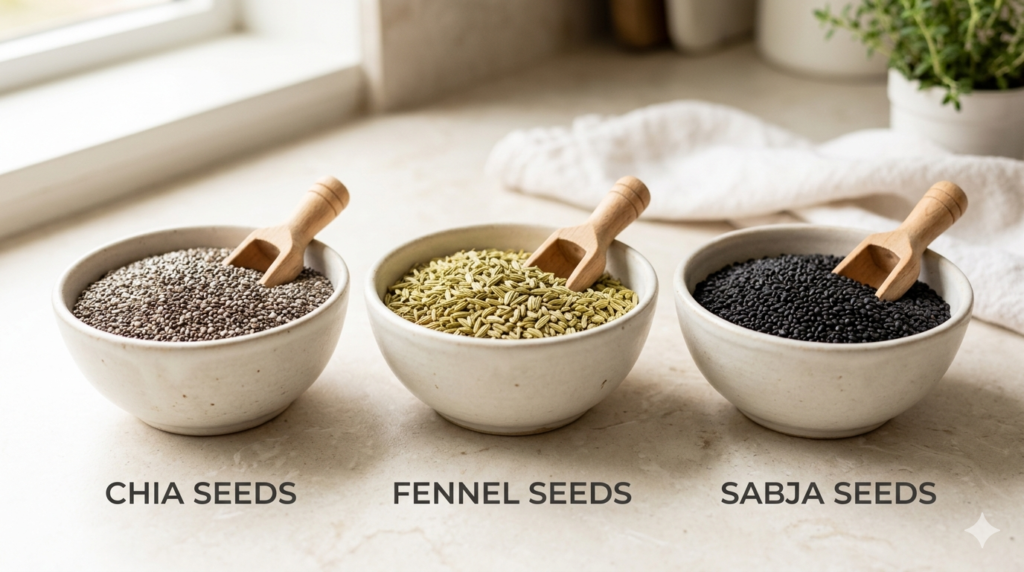
1. Chia Seeds
Although not traditionally Ayurvedic, soaked chia seeds are widely considered cooling and hydrating. They provide fiber, omega-3 fatty acids, and hydration support, which may help with constipation during pregnancy. Learn more about how their nutritional profiles diverge in our detailed breakdown of Halim seeds vs. Chia seeds.
2. Fennel Seeds (Saunf)
Fennel seeds are traditionally known for their gentle cooling and digestive-supportive properties. Many pregnant women use them in small amounts to help with:
- Bloating
- Gas
- Mild nausea
- Digestive discomfort
3. Sabja Seeds (Sweet Basil Seeds)
Sabja seeds become soft and gelatinous when soaked in water. In Ayurveda, they are considered cooling and hydrating and are commonly used to:
- Support digestion
- Reduce body heat
- Ease constipation
- Soothe the stomach
They are completely different from Asario or halim seeds.
If you are pregnant and looking for safe nutritional support, cooling and gentler alternatives such as sabja seeds, fennel, or chia seeds may be better options. Always speak with your doctor, midwife, or qualified healthcare provider before adding herbal foods or traditional remedies to your pregnancy diet.
Does Asario (Garden Cress) Increase Breast Milk?
Asario seeds, also known as garden cress, aliv, or halim, are widely recognized in traditional Indian, Middle Eastern, and African practices as a natural galactagogue, a food that helps increase breast milk production. They are commonly recommended for postpartum recovery because of both their hormonal effects and their rich nutritional profile.
Why Asario Seeds Help Increase Milk Production
1. Natural Galactagogue Properties
Asario seeds contain compounds including phytoestrogens that may support the hormones involved in lactation, especially prolactin, the hormone responsible for milk synthesis.This is one of the main reasons they have been used across cultures for centuries.
Learning how to safely introduce traditional healing herbs and exact spice ratios into your recovery meals takes guidance. Explore our calculator on our blog post How do I Make Homemade Birth Masala? 5 Easy Steps.
Preparing your body for the healing process after delivery involves more than just individual ingredients. Traditional wisdom relies on combining restorative, warming herbs with carefully measured spice profiles to rebuild maternal vitality and support effortless lactation. Discover how to safely restore internal heat, optimize your digestion, and nurture your body during the fourth trimester with our comprehensive guide to Traditional Postpartum Birth Masala and Aromatic Healing Recipes.
2. Rich in Iron and Folate
Postpartum anemia is common and can reduce the mother’s energy and indirectly affect milk supply.
Asario seeds provide a concentrated source of:
- Iron
- Folate
- B-vitamins
These nutrients help restore blood levels after childbirth and support overall vitality, which contributes to a healthy milk supply.
3. High in Protein, Calcium, and Healthy Calories
Producing breast milk requires additional calories and nutrients. Asario seeds naturally supply:
- Protein
- Calcium
- Vitamin A
- Vitamin C
- Vitamin E
- Essential minerals
These nutrients help strengthen the mother’s body and support the nutritional quality of breast milk.
4. Strong Traditional Use
In Ayurveda and regional postpartum traditions, Asario seeds are considered one of the most effective foods for:
- Building strength after delivery
- Boosting milk flow
- Supporting long-term maternal recovery
How Asario Seeds Are Consumed for Lactation
Most cultures prepare Asario seeds in warm, nourishing recipes that are easy to digest and absorb.
Typical Dosage
- 1 teaspoon to 1 tablespoon (3–12 grams) per day
- Often taken daily or several times per week during the postpartum period
Common Preparation Methods
- Soaked in warm milk: Often softened in milk with jaggery or dates
- Laddoos (Aliv/Halim Laddoos): Made with coconut, ghee, and jaggery; a staple for new mothers
- Porridge or kheer: Simmered into milk-based porridges or halwa
- Mixed into soups or smoothies: After soaking, the seeds form a gel-like texture that works well in warm or thick foods
Important Safety Note
Safe after delivery — not during pregnancy
Asario seeds have uterine-stimulating properties, so they are not recommended during pregnancy. They are traditionally used only after childbirth to support recovery and increase breast milk.
Stop Buying Stale, Store-Bought Spice Packets.
Create your own fresh, spice blends using authentic recipes from India, Asia, the Middle East, and the West. Get “Homemade Spice Secrets” and learn how to craft 200+ global herbs and spices. Unlock deeper, richer flavors, and replace store-bought mixes with pure, homemade natural ingredients—free from preservatives and fillers.
Related Posts You May Want to Read
15 Magnesium-Rich Herbs and Spices: Are You Getting Enough?
Asario Seeds vs Chia Seeds: Which Is Better for Your Health?
8 Surprising Reasons to Add Chandrashoor Asario Seeds to Your Diet Today
10 Powerful Must Try Asario Seed Recipes That Boost Energy Balance Body Mind and Wellness
9 Incredible Benefits of Asario Seeds That Will Transform Your Health Naturally
Impu Irani is a cookbook author behind Leena Spices, where he shares practical, easy-to-follow guides on homemade spice blends, herbs, and natural cooking. His work helps home cooks create fresh, flavorful meals using simple ingredients and traditional methods. Download his free Spice Blending eBook and start your journey to cleaner cooking today!
Disclosure Note
We are committed to creating high-quality, helpful content for our readers. We do not accept payment in exchange for writing our articles, and we personally cover the costs of running this website, including hosting, tools, and maintenance.
To support the site, we display ads and may earn a small commission from affiliate links if you choose to make a purchase—at no extra cost to you.
Your support helps us continue sharing valuable content with the community.
If you’d like to support us, here are a few simple and free ways:
- Share our content with your friends and family
- Engage with us on social media
- Follow us on Facebook
You can also learn more by visiting our disclaimer page:
https://leenaspices.co.nz/disclaimer/
As a thank you, feel free to download our Free Spice Recipe eBook.
Download a Free Leena Spices Recipes Cookbook
Medical Disclaimer
The content on this blog, including information about Asario (Halim) seeds, Chia seeds, fennel seeds, sabja seeds, flaxseeds, sesame seeds, and pumpkin seeds nutrition, and health benefits, is provided for educational and informational purposes only. It is not intended as medical advice, diagnosis, or treatment. Always consult a qualified healthcare professional or your doctor before starting any new diet, supplement, or health regimen, especially if you are pregnant, breastfeeding, have a medical condition, or are taking medications. Leena Spices and its team do not accept any liability for any adverse effects or consequences resulting from the use of the information provided on this blog.
FAQs: Asario Seeds and Pregnancy Safety
What is the difference between Asario and Halim seeds?
There is no major difference between halim seeds vs asario seeds, as both names refer to the same nutritious garden cress seeds.
Can You Eat Asario Seeds During the First Trimester?
No, it is generally recommended to avoid Asario seeds during the first trimester of pregnancy. Despite their nutritional value, they may not be safe during early pregnancy.
Are Asario seeds safe in the second or third trimester?
Asario seeds are generally not recommended even in the second and third trimesters, Some traditional sources suggest limited use in the final weeks to prepare the body for labor, but this should only be done under close medical supervision. Self-medicating with Asario seeds at any stage of pregnancy carries real risks due to their ability to stimulate uterine contractions. Your safest approach is to wait until after delivery.
Should I talk to my doctor before using any traditional seeds during pregnancy?
Absolutely. Even natural or Ayurvedic ingredients may have strong physiological effects. Always check with your doctor to ensure safety.
What are Asario seeds and why are they used in traditional medicine?
Asario seeds, also known as garden cress or Halim/Aliv seeds, are nutrient-dense seeds traditionally used in Indian and Middle Eastern medicine for postpartum recovery, improving digestion, boosting energy, and enhancing breast milk production.
Do Asario seeds cause uterine contractions?
Yes. Asario seeds have natural uterine-stimulating (emmenagogue) properties, which can trigger contractions. This is the primary reason they are avoided during pregnancy.
Can Asario seeds cause miscarriage?
There is no large-scale scientific data, but traditional medical systems consistently warn that excessive intake may increase the risk of miscarriage or preterm labor due to their stimulant effect on the uterus. Pregnant women should avoid them as a precaution.
Are there any medical studies on Asario seed safety during pregnancy?
Research is limited. Most safety recommendations come from Ayurveda, Unani, and long-standing cultural practices. Until detailed clinical studies are available, healthcare professionals advise caution and avoidance.
Are there any side effects of Asario seeds for expecting mothers?
Possible side effects may include:
• Uterine cramping
• Digestive discomfort
• Heat sensation in the body
• Increased bowel movement
These effects are undesirable during pregnancy.
Can I consume Asario seeds after childbirth?
Yes. After delivery, Asario seeds are highly valued for increasing breast milk and supporting postpartum recovery. They are often used in lactation laddoos, porridges, and warm milk preparations.
Are there safer alternatives to Asario seeds during pregnancy?
Pregnancy-safe alternatives include chia seeds, flaxseeds, sesame seeds, and pumpkin seeds, all of which provide essential nutrients without uterine effects.
How soon after delivery can I start taking Asario seeds?
Most women can begin consuming them once postpartum bleeding stabilizes. However, it is best to confirm timing with your doctor or lactation consultant.