Table of Contents
ToggleWhat Is Moroccan Spice Seasoning
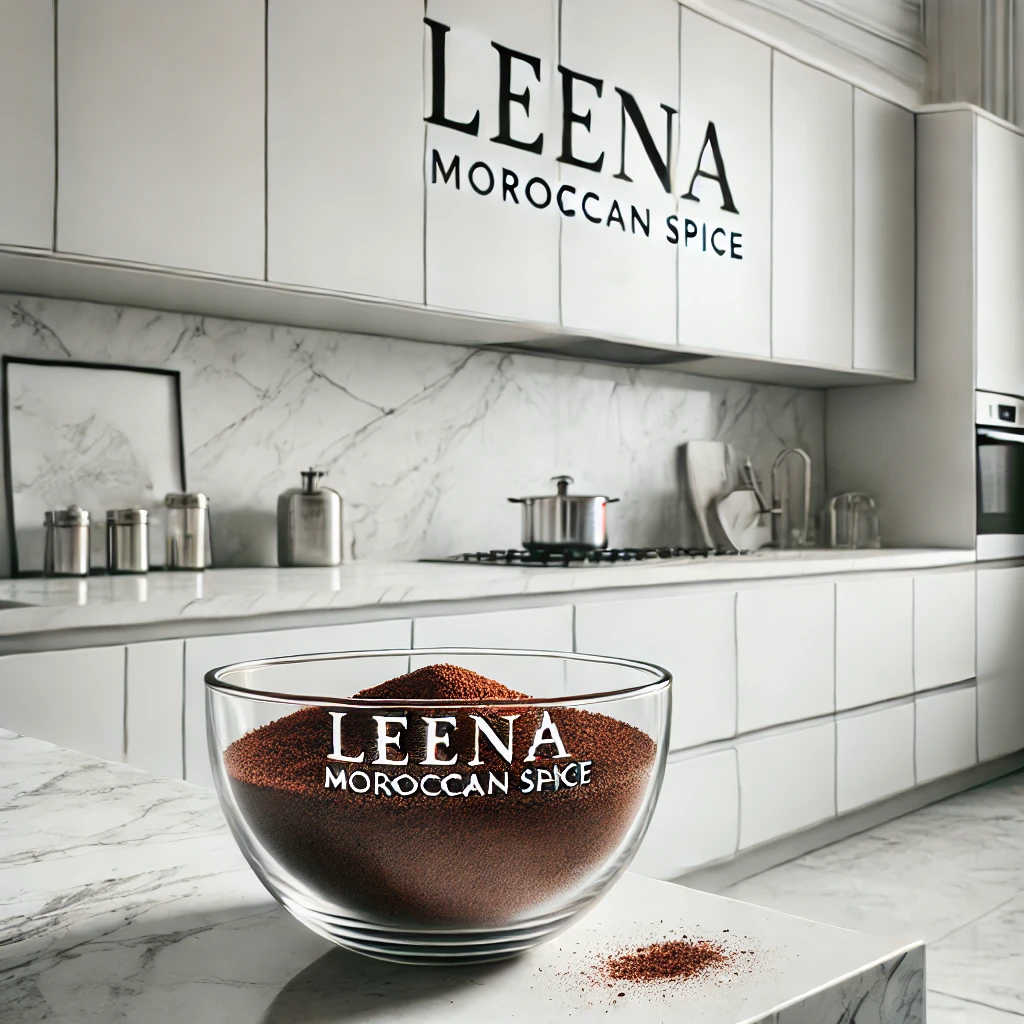
Moroccan spice seasoning is a warm, aromatic blend that forms the flavour backbone of Moroccan and broader North African cooking. It fills the kitchen with a balanced and warming aroma of earthy, sweet, and mildly spicy notes. It is not overly hot, but deeply flavourful spice.
Moroccan spice blends have their roots in the ancient souks of Marrakech and Fez, where Berber, Arab, and Mediterranean culinary traditions came together through centuries of trade and cultural exchange between trans-Saharan trade routes, Mediterranean trade networks, and Arab spice routes. Skilled spice merchants, known as attarine, would carefully grind and combine spices to order, creating unique blends tailored to individual families, regions, and tastes.
That tradition of personalising spice blends is still alive today, and it is the reason homemade Moroccan spice mix often tastes better than generic store-bought versions. When you make your own blend, you have complete control over the quality of ingredients, the freshness of the spices, and the exact balance of flavours.
In this guide, you’ll find the exact homemade spice blend recipe from Leena Spices, step-by-step scaling tips for making small or large batches, and creative ways to use this versatile seasoning in meat recipes, vegetarian dishes, rice, grains, and everyday cooking.
If you want 200+ more blends from around the world, check out our Homemade Spice Secrets eBook

Impu Irani is the cookbook author behind Leena Spices , where he shares easy homemade spice blend recipes and practical cooking tips. Read more about him at the end of this post.
Key Takeaways
- Authentic Moroccan spice blend made with 13 carefully balanced warm, earthy spices, including cumin, coriander, nutmeg, and allspice, designed to deliver rich flavour and aromatic depth without overwhelming heat.
- Precise gram measurements ensure your homemade blend turns out perfectly balanced and consistent every time you make it.
- One convenient 100g batch recipe gives you an easy starting point that can be scaled effortlessly for smaller or larger quantities.
- Incredibly versatile seasoning that brings Moroccan-inspired flavour to lamb, chicken, fish, roasted vegetables, lentils, couscous, rice dishes, soups, and more.
- Long-lasting freshness — when stored in an airtight jar away from heat, moisture, and direct sunlight, your homemade spice blend can maintain its best flavour for up to 6 months.
What Does Moroccan Seasoning Taste Like
Rather than relying on intense heat, Morocann spice blend builds depth through a balanced combination of savoury spices, gentle sweetness, mild smokiness, and subtle floral notes.
Paprika and a touch of cayenne contribute mild heat and smoky undertones, while spices like cinnamon, ginger, and coriander introduce warmth and faint sweetness. Some blends include lavender or rose petals, adding a delicate, fragrant lift without overpowering the base flavours. The result is a rounded taste with woody earthiness, a hint of bitterness, and a peppery finish.
How Hot Is Moroccan Seasoning?
Moroccan seasoning is not designed to be fiery. Its heat is soft and balanced, usually coming from black pepper, ginger, or a small amount of cayenne. The blend focuses on aroma, depth, and warmth rather than intensity, making it approachable for a wide range of palates.
This makes it the perfect gateway spice blend for anyone who loves bold, complex flavour but is cautious about heat, including children and spice-sensitive eaters.
What Are the Typical Ingredients in Moroccan Seasoning
Moroccan seasoning brings together a carefully balanced mix of warm, earthy, and aromatic spices. While recipes can vary across regions and households, most blends are built around a core group of staples that create the signature Moroccan flavour profile. These spices work together to deliver gentle heat, subtle sweetness, and deep savouriness.
Common ingredients found in Moroccan seasoning include:
- Allspice – Adds warm, sweet, and slightly peppery notes.
- Black Pepper – Provides mild heat and a sharp, earthy finish.
- Green Cardamom – Contributes a fragrant, slightly citrusy sweetness.
- Cinnamon – Brings warmth and a soft sweetness essential in North African cooking.
- Coriander – Offers citrusy, floral, and nutty depth.
- Cumin – A foundational spice that adds earthy, savoury richness.
- Fennel – Introduces mild sweetness with subtle liquorice notes.
- Garlic Powder – Enhances savouriness and overall flavour complexity.
- Ginger Powder – Adds warmth, gentle heat, and aromatic sharpness.
- Nutmeg – Contributes sweet, woody, and slightly nutty undertones.
- Paprika – Supplies colour, mild smokiness, and a sweet pepper flavour.
- Rosemary – Adds a pine-like, herbal note that complements roasted meats and vegetables.
- Turmeric – Provides earthy flavour and vibrant golden colour.
How to Make Your Own Moroccan Spice Blend at Home
I’ve made this blend more times than I can count — from flavourful tagines and juicy marinades to roasted vegetables and countless everyday dishes. The ratio below is the exact balance we’ve perfected at Leena Spices after years of testing: warm, deeply aromatic, and beautifully layered, with nutmeg and allspice adding a level of complexity that most store-bought blends simply cannot match.
The secret is always starting with fresh, high-quality spices. Even the most carefully measured recipe can fall flat if the ingredients have lost their essential oils and aroma. For example, stale cumin can dull the entire blend, while freshly ground, fragrant spices create the rich depth and character that make homemade seasoning truly special.
Ingredients
- Coriander — 20g
- Cumin — 20g
- Nutmeg — 20g
- Allspice — 11g
- Ginger Powder — 10g
- Paprika — 6g
- Cinnamon — 4g
- Fennel — 2g
- Garlic Powder — 2g
- Rosemary — 2g
- Black Pepper — 1g
- Green Cardamom — 1g
- Turmeric — 1g
Every ingredient in this recipe is measured by weight (grams) rather than volume, ensuring your spice blend has the same balanced flavour and consistency every time you make it. Need to make a larger or smaller batch? You can easily adjust the quantities or convert the measurements into ounces and teaspoons using the interactive calculator below.
Instructions
- Add all the measured spices to a clean mixing bowl.
- Stir well until the blend is evenly combined.
- Transfer the mixture to an airtight glass jar or spice container.
- Store in a cool, dry place away from sunlight. For best flavour, use within 6–12 months.
Leena Spices eBook
Homemade Spice Secrets
Loved making this Moroccan blend? This book contains 200+ more spice blends from India, Asia, the Middle East, Africa, and New Zealand — all with exact measurements, roasting methods, and authentic recipes. Written by Impu & Leena Irani.
Moroccan Spice Blend Calculator
Leena Spices exact recipe — scale your batch and convert units instantly.
Recipe by Leena Spices — authentic spice blends from New Zealand
Container: Airtight glass jar — away from steam and direct light
Location: Cool, dark cupboard — not above the stove
Shelf life: Best within 6 months for peak flavour
Label it: Write the date on the jar — you’ll thank yourself later
Tip: Give the jar a sniff after 6 months — if it smells flat or dusty rather than fragrant, it’s time to make a fresh batch.
How Much Moroccan Spice Should I Use? — Quick Reference Guide
| Dish Type | Amount per Serving | Best Used As | Example Dishes |
|---|---|---|---|
| Lamb | 2–3 tsp per 500g | Rub or marinade | Lamb tagine, grilled cutlets, slow-roasted shoulder |
| Chicken | 1–2 tsp per 500g | Rub or marinade | Roast chicken, chicken skewers, baked thighs |
| Beef | 2 tsp per 500g | Rub or stew | Beef kofta, slow-cooked stew, meatballs |
| Fish | 1 tsp per 500g | Light rub | Grilled fish, baked salmon, fish tagine |
| Roasted Vegetables | 1–2 tsp per 500g | Toss before roasting | Roasted carrots, pumpkin, cauliflower, chickpeas |
| Lentils & Legumes | 1–2 tsp per cup dry | Stir in while cooking | Spiced lentil soup, harira, chickpea stew |
| Couscous & Grains | ½–1 tsp per cup dry | Add to cooking water | Couscous, spiced rice, bulgur wheat salad |
| Soups & Stews | 1–2 tsp per 4 servings | Bloom in oil first | Harira, vegetable soup, lamb broth |
| Eggs | ¼–½ tsp per serving | Sprinkle or scramble in | Shakshuka, spiced scrambled eggs, baked eggs |
| Marinades & Sauces | 1–2 tsp per batch | Mix with oil + lemon | Dipping sauce, yogurt marinade, flatbread dip |
Cooking tip: Start with less and add more as needed. It’s much easier to increase the flavour than to fix an over-seasoned dish.
How to Use Moroccan Spice Seasoning
1. Moroccan Spice on Meat — Lamb, Chicken, Beef & Pork
Moroccan seasoning works exceptionally well with chicken, lamb, beef, and pork.
How to use it:
- Dry Rub: Sprinkle 1–1.5 tablespoons per 500 g (1 pound) of meat before grilling, roasting, or pan-searing.
- Marinade: Mix the seasoning with olive oil, lemon juice, and crushed garlic, then marinate for at least 2–4 hours (overnight for best results).
- Ground Meat: Add 1–2 teaspoons per pound to kofta, meatballs, burger patties, or kefta mixtures for aromatic flavour.
Best dishes: grilled kebabs, roasted chicken, lamb chops, slow-cooked tagines.
Tagine Cooking: For a truly flavourful North African tagine, stir 1 to 2 teaspoons of the blend into the broth and let it simmer slowly with the other ingredients. The gentle cooking process allows the spices to bloom, creating a rich, warm, and aromatic sauce.
2. Using Moroccan Seasoning on Fish & Seafood
Moroccan spice enhances seafood without overpowering delicate flavours.
How to use it:
- Fish Fillets: Lightly dust salmon, cod, snapper, or tilapia before pan-searing or baking.
- Shrimp & Prawns: Toss with olive oil and seasoning before grilling or air-frying.
- Seafood Skewers: Use as a seasoning for prawn, scallop, or fish kebabs.
Tip: Finishing with a squeeze of lemon brightens the spices.
3. Moroccan Spice on Roasted & Grilled Vegetables
Roasted or grilled vegetables develop beautiful caramelisation with Moroccan seasoning.
How to use it:
- Roasting: Toss carrots, potatoes, sweet potatoes, cauliflower, broccoli, or eggplant with oil and 1–2 teaspoons of seasoning per pound.
- Grilling: Coat zucchini, capsicum, and eggplant before grilling for smoky-sweet flavour.
- Tagines/Stews: Add the seasoning early, during the onion sauté stage, to bloom the spices.
Best dishes: roasted root vegetables, Moroccan vegetable tagine, stuffed peppers.
4. Moroccan Seasoning with Grains, Lentils & Legumes
Moroccan spices add warmth and aroma to grain-based meals.
How to use it:
- Couscous & Rice: Add ½–1 teaspoon to the cooking water or broth.
- Quinoa & Bulgur: Stir the seasoning into the cooked grains with olive oil, dried fruits, nuts, or fresh herbs.
- Pilafs: Sauté onions with Moroccan spice before adding the grains for a deeper flavour.
Best dishes: couscous salads, rice pilafs, grain bowls.
5. Adding Moroccan Spice to Soups & Stews
Slow cooking amplifies the complexity of Moroccan spices.
How to use it:
- Add 1–2 teaspoons to soups and stews early in the cooking process.
- Bloom the spice in oil with onions and garlic to intensify flavour.
- Works particularly well in lentil, chickpea, tomato, squash, and pumpkin-based soups.
Best dishes: Harira (Moroccan soup), lentil stew, chickpea soup, pumpkin soup.
6. Snacks and Quick Bites
Moroccan seasoning adds an exotic twist to simple snacks.
How to use it:
- Roasted Chickpeas: Toss with oil and spice, then roast until crisp.
- Roasted Nuts: Coat almonds, cashews, or mixed nuts before baking.
- Popcorn: Sprinkle over hot popcorn with melted butter or olive oil.
- Dips: Stir into hummus, Greek yogurt, or sour cream for a quick, flavourful dip.
One of the best things about this Moroccan spice blend is how beautifully forgiving it is. Unlike single-note seasonings, its carefully balanced combination of warm, sweet, and earthy flavours allows it to pair effortlessly with a variety of cooking fats, such as extra virgin olive oil and butter to coconut oil. Whether you’re preparing a quick weeknight dinner or a slow-cooked dish that develops deep, complex flavours over time, this blend adapts beautifully and delivers consistent results.
What Can I Use as a Moroccan Spice Substitute?
What Can I Use as a Moroccan Spice Substitute?
If you’re mid-cook and don’t have a pre-made Moroccan spice blend on hand, you can build a quick substitute using spices most kitchens already have. While it won’t deliver the full depth and complexity of a traditional 13-spice blend, it will get you remarkably close in flavour.
Quick substitute blend (makes approx. 1 tbsp):
- 1 tsp cumin
- 1 tsp coriander
- ½ tsp cinnamon
- ½ tsp paprika
- ¼ tsp ginger powder
- ¼ tsp black pepper
This combination gives you a warm, earthy base that captures the essence of a Moroccan-style blend. However, it won’t fully replicate the aromatic depth created by ingredients like allspice, nutmeg, and fennel. Use it as a reliable stand-in, and when you’re ready, switch to the full Leena Spices recipe for the complete flavour experience.
Other substitutes in a pinch:
- Ras el Hanout: The closest match in spirit — more complex and aromatic. Use slightly less than your recipe calls for due to its intensity.
- Baharat: A warm Middle Eastern blend with similar spice warmth, especially good for meats and slow-cooked dishes.
- Garam masala: A different flavour profile but shares the same warm spice “DNA.” Use sparingly to avoid overpowering the dish.
⚠️ 3 Common Mistakes When Making Moroccan Spice Blends
Ground spices lose their potency fast. If your cumin or coriander has been open for over a year, the whole blend will taste flat. Always smell your spices before blending — they should be fragrant and sharp, not dusty.
Cinnamon is a supporting spice in this blend, not a lead. Too much tips the flavour from savoury-warm into sweet-baked. Stick to the ratio — resist the urge to add extra.
Adding the blend straight to a cold dish mutes the flavour. Always bloom it first — stir into hot oil or butter for 30 seconds before adding other ingredients. This single step doubles the depth of flavour.
Is Moroccan Spice Blend Gluten-Free and Vegan
Moroccan seasoning is naturally gluten-free, vegan, and generally allergy-friendly when made from pure ground spices. Traditional blends contain only plant-based ingredients such as cumin, coriander, paprika, ginger, cinnamon, and turmeric. For most people with common allergies (dairy, eggs, soy, fish, shellfish, peanuts, or tree nuts), an authentic spice-only blend is considered safe.
Gluten-Free Status
Pure Moroccan spice blends are naturally gluten-free.
The only concern arises with commercial products that may be processed in facilities handling wheat or that include fillers containing gluten. People with coeliac disease or severe gluten sensitivity should look for:
- Certified gluten-free labels
- No anti-caking agents or flavour blends that may introduce gluten
- No cross-contamination warnings such as “may contain traces of wheat”
Homemade Moroccan seasoning is the most reliable gluten-free option.
Vegan Status
Traditional Moroccan seasoning is fully vegan, as it consists solely of plant-derived spices.
The only exceptions occur with certain pre-made blends that add:
- Chicken stock powder or chicken flavour
- Dairy-based fillers
- Honey powder or sweeteners derived from animal products
If you follow a strict vegan diet, choose clean-label blends with nothing beyond the spices themselves.
Allergy-Friendly Considerations
Most pure Moroccan spice blends are safe for common food allergies because they do not contain dairy, eggs, soy, nuts, sesame, or shellfish. But a few points require attention:
- Cross-contamination: Some commercial blends may be processed in facilities that also handle nuts, sesame, or wheat.
- Spice allergies: Rare but possible reactions exist for spices such as cumin, coriander, or cinnamon, especially in people sensitive to the Apiaceae family (celery, carrot, parsley).
- Added ingredients: Watch for anti-caking agents, flavour mixes, or unspecified “natural flavours” that may introduce allergens.
Moroccan Spice Blend vs Ras el Hanout — What's the Difference?
Both blends come from North African culinary traditions, and the names are sometimes used interchangeably . But differ significantly in complexity, cost, and culinary purpose. Understanding these differences helps you choose the right blend for the right dish and get the most out of their flavour potential.
Here’s how to tell them apart:
In Summary
| Feature | Regular Moroccan Spice Blend | Ras el Hanout |
| Purpose | Everyday cooking | Premium, special dishes |
| Typical Number of Spices | ~6–12 | 12–30+, sometimes 50+ |
| Flavour Profile | Warm, earthy, mild | Deeply aromatic, complex, floral, exotic |
| Cost & Availability | Affordable, standardized | More expensive, varies by merchant |
| Common Uses | Vegetables, rubs, couscous, stews | Tagines, grilled meats, festive dishes |
| Ingredients | Basic spices (cumin, coriander, paprika, cinnamon, ginger) | May include saffron, rose petals, lavender, mace, fenugreek, etc. |
| Recipe Standardization | Consistent | No standard recipe |
As a general rule, reach for a Moroccan spice blend when you want reliable, everyday warmth and depth in your cooking. It’s your go-to for consistent flavour across simple meals and quick weeknight dishes.
Reach for Ras el Hanout when you’re preparing something special — a dish where you want layered complexity, subtle nuance, and evolving aromas that develop slowly over a long, gentle cook.
While our standard Moroccan seasoning is perfect for quick everyday dinners, our premium Ras el Hanout spice blend is a complex, luxury mix featuring aromatic spices for special festive dishes like authentic slow-cooked tagines
FAQs
Can I use Moroccan spice blend on vegetables and vegan dishes?
Absolutely. Moroccan spice blend is one of the most versatile seasonings for plant-based cooking. Toss it with chickpeas and olive oil before roasting, stir it into lentil soup, or mix it into couscous cooking water for instant depth of flavour. The blend contains no animal products whatsoever — it is 100% plant-based, gluten-free, and suitable for vegans.
Can I make Moroccan spice blends without some of the traditional spices?
Yes. Moroccan spice blends are versatile. You can omit or substitute spices like nutmeg, fennel, or rosemary based on availability or taste. Adjust the ratios to maintain a balanced earthy, sweet, and aromatic flavor.
How should I store homemade Moroccan spice blends?
Store in an airtight container in a cool, dry place away from sunlight. Properly stored, the blend retains freshness for 6–12 months. Grinding whole spices just before blending maximizes aroma and flavor.
Are Moroccan spice blends suitable for Asian-inspired dishes?
Absolutely. Moroccan spices complement Asian recipes, including stir-fries, vegetable curries, rice bowls, and noodle dishes, adding warmth, depth, and aromatic complexity without overpowering other flavors.
Can Moroccan seasoning be used for quick meals or snacks?
Yes. Sprinkle over roasted chickpeas, nuts, popcorn, or mix into hummus, dips, and grain bowls for fast, flavorful meals. It instantly elevates simple ingredients with aromatic, mildly spicy flavor.
What is the difference between Moroccan seasoning and North African spice blends from other countries?
Moroccan blends tend to be earthy, slightly sweet, and mildly spicy. Tunisian or Algerian blends often emphasize chili heat and paprika. Moroccan seasoning is more balanced and versatile for meats, grains, vegetables, and plant-based dishes.
Can I use Moroccan seasoning in baked dishes?
Yes. Moroccan spices can be incorporated into breads, savory pastries, roasted vegetable gratins, and even baked grains. Combine with olive oil or plant-based butter for deeper flavor during baking.
How can I adjust the heat level in Moroccan spice blends?
Control the heat by reducing or omitting cayenne or black pepper. For milder flavors, focus on cinnamon, coriander, cumin, and paprika. For spicier dishes, add extra cayenne or chili flakes gradually.
Can Moroccan spice blends be used in sauces and marinades?
Yes. Mix the seasoning with olive oil, lemon juice, coconut milk, or plant-based yogurt to create marinades, salad dressings, or sauces for both vegan and non-vegan dishes.
Are Moroccan spice blends safe for people with common allergies?
Pure Moroccan spice blends are naturally free from gluten, dairy, eggs, soy, and nuts. Check commercial blends for anti-caking agents, salt, or flavor enhancers if you have severe allergies. Homemade blends are safest.
What dishes benefit most from Moroccan spice seasoning?
Tagines, roasted meats, couscous, grilled vegetables, lentil or chickpea stews, rice pilafs, vegan bowls, and spiced snacks all benefit from Moroccan seasoning’s aromatic, balanced flavor.
What is a good substitute for Moroccan spice blend?
If you don’t have a pre-made blend on hand, you can approximate it with cumin, coriander, cinnamon, paprika, and ginger in equal parts. For a closer match, Ras el Hanout is the best ready-made substitute — it shares the same warm spice DNA but is more complex and intense, so use slightly less. Baharat and garam masala are more distant cousins but work in a pinch on meat dishes.
Want 200+ more blends like this one?
Homemade Spice Secrets by Impu & Leena Irani covers spice blends from India, Asia, the Middle East, Africa, and New Zealand. Just US $5.00 with instant download.
Download Now — US $5.00Medical Disclaimer:
The information provided in this article is for educational and informational purposes only and is not intended as medical advice. Always consult a qualified healthcare provider before starting any new dietary supplement, herbal remedy, or wellness routine, especially if you have underlying health conditions, are pregnant or breastfeeding, or are taking prescription medications.
Impu Irani is a cookbook author behind Leena Spices, where he shares practical, easy-to-follow guides on homemade spice blends, herbs, and natural cooking. His work helps home cooks create fresh, flavorful meals using simple ingredients and traditional methods. Download his free Spice Blending eBook and start your journey to cleaner cooking today!
Disclosure Note
We are committed to creating high-quality, helpful content for our readers. We do not accept payment in exchange for writing our articles, and we personally cover the costs of running this website, including hosting, tools, and maintenance.
To support the site, we display ads and may earn a small commission from affiliate links if you choose to make a purchase—at no extra cost to you.
Your support helps us continue sharing valuable content with the community.
If you’d like to support us, here are a few simple and free ways:
- Share our content with your friends and family
- Engage with us on social media
- Follow us on Facebook
You can also learn more by visiting our disclaimer page:
https://leenaspices.co.nz/disclaimer/
As a thank you, feel free to download our Free Spice Recipe eBook.
Download a Free Leena Spices Recipes Cookbook