Table of Contents
ToggleNutmeg Health Effects: The Essential Guide to Safe Culinary Use and Flavor Mastery
Nutmeg is one of those remarkable spices where just a small pinch of this warm, sweet, and deeply aromatic spice can transform a simple dish. Such as adding elegance to a creamy Béchamel sauce, bringing comfort to a bowl of mashed potatoes, or creating a richer, more complex flavor in homemade cakes and desserts.
Harvested from the seed of the tropical evergreen tree Myristica fragrans, nutmeg has been treasured for centuries as one of the world’s most valuable spices. Its unique flavor, along with its traditional uses in cooking and natural remedies, has made it a beloved ingredient across many cuisines.
However, in recent years, conversations around nutmeg have become more complicated. Search online, and you may come across warnings about “nutmeg toxicity,” “myristicin poisoning,” or claims that this everyday kitchen spice can be dangerous.
The truth lies in understanding dosage and context.
Like many powerful plants, nutmeg contains naturally occurring compounds that contribute to both its aroma and biological effects. One of these compounds, myristicin, is responsible for much of the discussion around nutmeg safety. Nutmeg is considered a safe and flavorful addition to the diet. But it should be added in a very small quantities to our meals
Problems arise when extremely large amounts are consumed intentionally, far beyond what would ever be used in cooking. At excessive doses, nutmeg’s active compounds can cause unwanted effects and may lead to serious discomfort or toxicity.
This guide explores the science behind nutmeg’s health effects, explains what makes this spice so unique, separates fact from internet myths, and shows you how to use nutmeg safely to unlock its full culinary potential.
A Note from the Leena Spices Kitchen
In my years of sourcing, blending, and cooking with premium spices, I have learned that nutmeg is a spice where a little truly goes a long way. One whole nutmeg seed typically produces around 2 to 3 teaspoons of freshly grated powder, while most family recipes serving six people require less than a quarter teaspoon.
If you love experimenting with warm spices but aren’t always sure which flavors work best together, I’ve gathered my favorite family-inspired tips, blending techniques, and spice pairing secrets in our collection of digital cookbooks.


Impu Irani is the cookbook author behind Leena Spices , where he shares easy homemade spice blend recipes and practical cooking tips. Read more about him at the end of this post.
The Science of Myristicin: What Happens at High Doses?
To understand how nutmeg can affect the body, it is important to look at one of its key natural compounds: myristicin.
Myristicin is a naturally occurring aromatic compound found in the essential oil of nutmeg, and it also appears in smaller amounts in other plants such as parsley, dill, and mace. When consumed in the tiny quantities typically used for cooking, the body is able to process these compounds naturally without concern.
The story changes when nutmeg is consumed in extremely large amounts which is far beyond normal culinary use. At excessive doses, the concentrated compounds in nutmeg, including myristicin, can overwhelm the body’s normal metabolic processes and affect the central nervous system.
Large amounts of nutmeg have been associated with symptoms of toxicity, sometimes referred to as nutmeg poisoning. Reported effects may include nausea, dizziness, confusion, agitation, rapid heartbeat, dry mouth, and altered perception. These reactions occur because high concentrations of nutmeg’s active compounds can interfere with normal brain chemistry.
It is important to remember that this allergy to nutmeg symptom is linked to abnormal consumption patterns, not everyday cooking. The small pinch added to sauces, baked goods, beverages, and spice blends contains only a fraction of the amount associated with toxic reactions.
1. How High Doses Affect the Nervous System
When nutmeg is consumed in extremely large amounts, the body’s response is very different from the gentle culinary experience most people know. The concentrated compounds in nutmeg, including myristicin, can affect the central nervous system and interfere with normal brain function.
The “Nutmeg Challenge” and the “High” Illusion
From time to time, viral internet trends and online discussions have promoted consuming large amounts of nutmeg in an attempt to create mind-altering effects. However, medical reports describe these incidents very differently from a typical recreational experience.
Rather than producing a predictable or enjoyable “high,” excessive consumption is associated with acute nutmeg toxicity and delirium. The body’s reaction can involve significant distress, including confusion, agitation, nausea, dizziness, and altered perception.
Consuming whole tablespoons of nutmeg to imitate these dangerous trends exposes the body to concentrated levels of naturally occurring compounds far beyond culinary use. In many cases, severe physical discomfort develops before any desired effects are experienced, making this practice unpredictable and unsafe.
Nutmeg’s true value lies in its culinary power and not in excessive consumption. The same concentrated compounds that create its beautiful aroma and flavor when used in a pinch can become harmful when taken in extreme amounts.
Neurological Symptoms
Large amounts of nutmeg can lead to a range of unpleasant neurological effects. Reported symptoms may include:
- Confusion and disorientation
- Anxiety, agitation, or restlessness
- Altered perception and hallucinations
- Dizziness and difficulty concentrating
- A feeling of fear, panic, or severe discomfort
These reactions can be unpredictable and vary depending on the amount consumed, individual metabolism, and other health factors.
The Delayed Onset Problem
One of the reasons excessive nutmeg consumption can be risky is the delayed onset of symptoms. Unlike some substances that produce immediate effects, nutmeg compounds are absorbed and metabolized gradually. Symptoms may take several hours to appear.
This delay can lead some people to mistakenly consume more, believing the initial amount had no effect. In cases of significant overconsumption, symptoms may persist for an extended period and require medical attention.
2. Cardiovascular Effects at High Doses of Nutmeg
When nutmeg is consumed in excessive amounts, its impact on the central nervous system can also extend to the cardiovascular system. The body responds to this chemical overload in a stress-like state, which may place additional strain on heart function.
Increased Heart Rate and Palpitations
One of the commonly reported effects in cases of nutmeg overconsumption is an increased heart rate. This may be experienced as:
- Noticeable heart palpitations
- A racing or irregular heartbeat
- A sense of chest discomfort or tightness in some cases
These symptoms are generally associated with the body’s overall stress response to toxicity rather than a direct intended effect of the spice.
Blood Pressure Changes and Circulatory Stress
High doses of nutmeg may also influence blood pressure regulation. In some cases, individuals report fluctuations that can contribute to:
- Dizziness or lightheadedness
- Episodes of weakness or near-fainting
- Flushing or sudden sensations of heat
These effects can vary significantly depending on the amount consumed, individual sensitivity, and overall health status.
3.Gastrointestinal Distress vs. Standard Culinary Digestion
Nutmeg in small amounts, may acts as a carminative, meaning it may help ease gas, reduce bloating, and gently support digestion after a meal.
However, when nutmeg is consumed in excessive quantities, it may cause
Acute Nausea and Vomiting
At high doses, the body may interpret nutmeg’s concentrated volatile oils as irritants. This can trigger a strong protective response from the stomach, often resulting in:
- Intense nausea
- Repeated vomiting
- Dry retching or stomach discomfort
Dry Mouth and Anticholinergic Effects
Excessive nutmeg intake has also been associated with pronounced dry mouth (xerostomia). This is linked to its anticholinergic-like effects, where normal signals that support saliva production may be disrupted.
The result can be:
- Persistent dryness in the mouth
- Strong thirst that is difficult to relieve
- General discomfort in the oral and throat region
Digestive Motility and Abdominal Discomfort
High doses may also interfere with normal digestive movement (motility), leading to:
- Abdominal cramps or pain
- Irregular bowel activity
- In some cases, constipation or slowed digestion
Rather than supporting digestion, the system becomes dysregulated under chemical stress.
4. Strict Culinary Boundaries for Pregnancy and High-Risk Groups
Pregnancy and Lactation
During pregnancy, it is especially important to avoid high-dose intake of nutmeg. In traditional and historical contexts, very large amounts of nutmeg have been associated with strong physiological effects, including uterine stimulation. For this reason, concentrated or medicinal-level use is considered unsafe.
Potential concerns associated with excessive intake during pregnancy include:
- Increased risk of uterine stimulation
- Possible complications such as preterm labor in extreme cases
- Potential adverse effects on fetal development at toxic doses
Pediatric Safety
Children, especially toddlers and younger age groups, are significantly more sensitive to concentrated plant compounds due to lower body weight and developing metabolic systems.
At high doses, nutmeg exposure in children may be associated with more severe reactions than in adults, potentially including:
- Strong gastrointestinal distress
- Neurological symptoms such as confusion or drowsiness
- In rare severe cases, serious systemic reactions requiring medical attention
A Note on Responsible Use
Nutmeg remains a valuable and safe culinary spice when used appropriately. The key distinction is between small, flavor-enhancing amounts in food and concentrated, excessive intake, which falls outside normal dietary use.
5. Cellular Protection: The Antioxidant Benefits of Culinary Doses
While excessive amounts of nutmeg can create health concerns, the small quantities used in everyday cooking offer a very different experience. Beyond its ability to enhance flavor, nutmeg contains naturally occurring plant compounds that contribute to its antioxidant properties.
Neutralizing Free Radicals
Nutmeg contains a variety of bioactive compounds, including phenolic compounds, plant pigments such as cyanidins, and aromatic compounds found in its essential oils. These compounds have antioxidant activity, meaning they can help counteract oxidative stress caused by unstable molecules known as free radicals.
Oxidative stress can affect cells over time, and diets rich in a variety of plant-based foods and spices provide a broad range of protective compounds that support overall cellular health.
Supporting Overall Wellness
The antioxidant compounds found in spices like nutmeg are part of what makes a diverse, spice-rich diet valuable. Regularly including small amounts of antioxidant-containing herbs and spices may contribute to a balanced approach to nutrition and wellness.
6. Natural Anti-Inflammatory Support: Understanding Nutmeg’s Potential
Beyond its antioxidant properties, nutmeg contains several naturally occurring plant compounds that have been studied for their potential anti-inflammatory activity.
Supporting Healthy Inflammatory Responses
Nutmeg’s essential oils contain aromatic compounds such as sabinene and terpineol, along with other bioactive components that have demonstrated anti-inflammatory effects in laboratory and preliminary research settings.
These compounds may interact with biological pathways involved in inflammation, helping researchers better understand how spices contribute to overall dietary patterns that support wellness.
Traditional Uses for Comfort and Relief
Throughout history, nutmeg has been valued in traditional medicine systems for its warming qualities and has been used in various cultures to support comfort during muscle aches, joint discomfort, and digestive complaints.
However, it is important to keep expectations realistic: the small amount of nutmeg used in cooking is not a replacement for medical treatments or a targeted anti-inflammatory remedy. Instead, it is one small part of a balanced diet that includes a variety of herbs, spices, fruits, vegetables, and other nutrient-rich foods.
You can learn more about how warm spices work together to support digestion and cellular wellness in our complete guide to using Garam Masala in everyday cooking.
The Golden Ratios: How Much Nutmeg to Use
Nutmeg Safety & Dosage Estimator
A real-time guide for safe and perfect recipe seasoning
info Pre-ground spice is warm and mellow. Use within 6–12 months.
Safe Culinary Amount
This amount is perfectly safe for everyday cooking. Enjoy the rich, warm aromatic properties!
Cook with premium quality. Shop pure, unadulterated Leena Spices open_in_new
Nutmeg is one of those spices where precision matters. Its flavor is intensely concentrated, so the difference between “perfectly balanced” and “too much” can be just a small pinch.
These practical kitchen guidelines help you use nutmeg confidently while keeping its flavor smooth, warm, and well integrated into your recipes.
For Individual Servings
(e.g., a single mug of eggnog, hot cocoa, or coffee-based drinks)
Use a very small pinch — typically less than 1/16 of a teaspoon.
At this level, nutmeg adds aroma and warmth without overpowering delicate flavors.
For Family-Sized Recipes (4 to 6 servings)
Use between 1/8 and 1/4 of a teaspoon for the entire dish. This applies to classic recipes like potato gratin, creamy Béchamel sauce, or a batch of spiced muffins. This savory warmth is also the foundation of traditional French cuisine—specifically inside the famous Quatre Épices (Four Spices) blend used to bring depth to slow-cooked stews and braises.
Upper Culinary Limit (Flavor Balance Guideline)
As a general rule of thumb, avoid exceeding 1/2 teaspoon of nutmeg in a single multi-serving recipe.
Beyond this point, the flavor can become noticeably sharp, bitter, and medicinal, overpowering the intended balance of the dish rather than enhancing it.
Need inspiration for dinner tonight? You can find our step-by-step family recipes for creamy gratin, authentic curries, and spiced holiday baking in our Leena Spices Digital Cookbooks.
Whole Nutmeg vs. Ground Nutmeg: Which is Best?
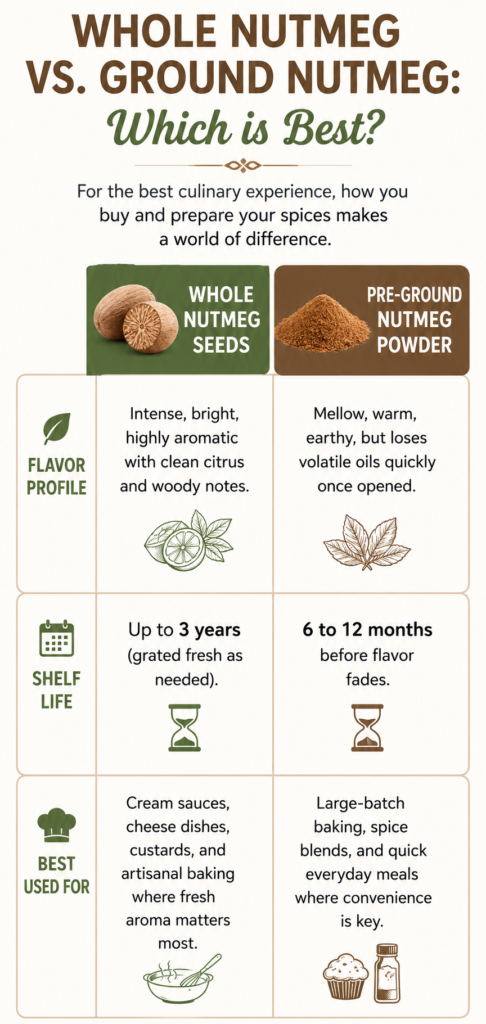
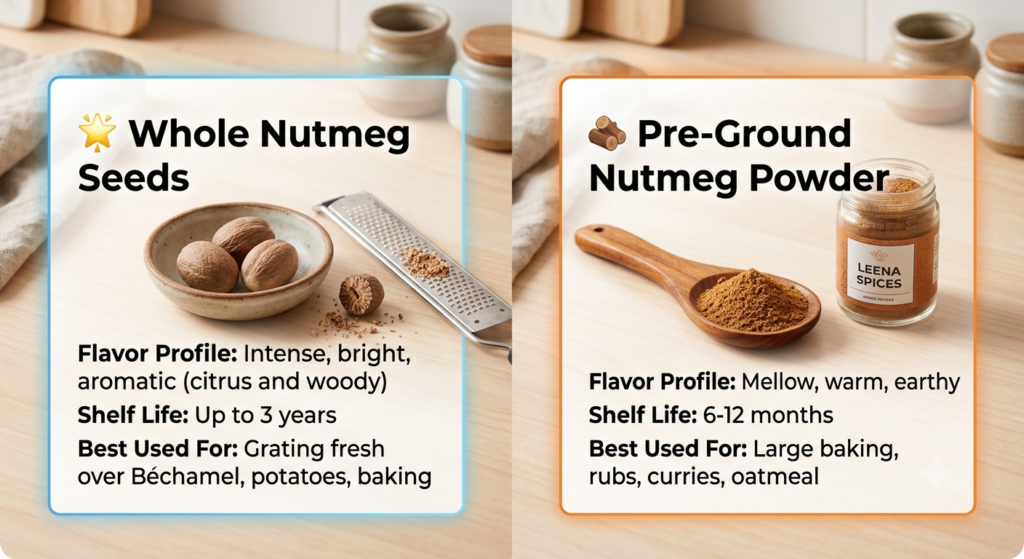
For the best culinary results, how you buy and prepare nutmeg makes a noticeable difference in both flavor and freshness.
| Spice Type | Flavor Profile | Shelf Life | Best Used For |
| Whole Nutmeg Seeds | Intense, bright, highly aromatic with clean citrus and woody notes. | Up to 3 years (when grated fresh as needed). | Cream sauces, cheese dishes, custards, and artisanal baking where fresh aroma matters most. |
| Pre-Ground Nutmeg Powder | Mellow, warm, earthy, but gradually loses volatile oils after opening. | 6 to 12 months before noticeable flavor fade. | Large-batch baking, spice blends, and quick everyday meals where convenience is key. |
Ground nutmeg is also exceptional for building complex, fragrant noodle broths—like the secret warm undertones detailed in our authentic Vietnamese spice blend recipe.“
Take Your Spice Knowledge to the Next Level
Don’t stop at here. Elevate your entire cooking repertoire with my comprehensive book, “Homemade Spice Secrets”. Learn the foundational chemistry of raw vs. bloomed spices for dozens of traditional dishes.
Frequently Asked Questions About Nutmeg Safety
Is it safe to consume nutmeg during pregnancy?
Enjoying normal culinary amounts of nutmeg (such as a pinch in a family-sized recipe or holiday beverage) is generally considered safe. However, medicinal or large doses must be avoided entirely during pregnancy and lactation. High concentrations of myristicin can act as a dangerous uterine stimulant, which carries risks of complications, premature labor, or miscarriage. If you are pregnant, stick strictly to standard recipe measurements and consult your doctor.
Is nutmeg safe for dogs and other household pets?
No. Nutmeg is highly toxic to dogs and cats. Pets have much smaller body weights and lack the specific liver enzymes required to process myristicin safely. Even a relatively small amount of dropped baking powder can trigger severe physical symptoms in a pet, including abdominal pain, high blood pressure, disorientation, and seizures. Always keep your spice jars securely capped and stored out of reach of pets.
What should I do if my child or pet accidentally eats loose nutmeg?
Because myristicin is metabolized slowly, symptoms can take 3 to 6 hours to appear. If you suspect a child or a pet has ingested a large quantity of loose nutmeg, do not wait for symptoms to show. Contact your local medical professional, veterinarian, or your national poisons hotline immediately for professional guidance.
Conclusion: Cooking with Confidence and Peace of Mind
Like many treasured ingredients found in a well-stocked kitchen, nutmeg is a powerful botanical that deserves both appreciation and respect. Its rich aroma, complex flavor, and centuries-old culinary history have made it a favorite spice around the world.
While cases of excessive nutmeg consumption and toxicity have been documented, these situations involve amounts far beyond normal cooking practices. For everyday home cooks, the reality is simple and reassuring: the tiny quantities used to season sauces, baked goods, beverages, and spice blends are dramatically lower than the levels associated with adverse effects.
Used as intended:
As a flavor enhancer rather than a supplement or concentrated ingredient, nutmeg is a safe and extraordinary addition to your kitchen. A small pinch can add warmth to a creamy sauce, depth to a dessert, and a memorable finishing note to countless recipes.
The key is understanding balance. Respect the potency of this remarkable spice, measure thoughtfully, and allow nutmeg’s natural elegance to shine. When used with care, nutmeg does not need to be feared but it can be celebrated as one of the most versatile and rewarding spices in culinary tradition.
Mastering the subtle art of spices doesn’t have to be intimidating. If you want to unlock mouthwatering family recipes, discover perfect herb-and-spice pairings, and learn the culinary secrets of professional chefs, we invite you to explore our library of digital cookbooks. Explore and Download Leena Spices Cookbooks & Ebooks Today.
The content on this blog, including information about, nutrition, and health benefits, is provided for educational and informational purposes only. It is not intended as medical advice, diagnosis, or treatment.
Always consult a qualified healthcare professional or your doctor before starting any new diet, supplement, or health regimen, especially if you are pregnant, breastfeeding, have a medical condition, or are taking medications.
Leena Spices and its team do not accept any liability for any adverse effects or consequences resulting from the use of the information provided on this blog.
Impu Irani is a cookbook author behind Leena Spices, where he shares practical, easy-to-follow guides on homemade spice blends, herbs, and natural cooking. His work helps home cooks create fresh, flavorful meals using simple ingredients and traditional methods. Download his free Spice Blending eBook and start your journey to cleaner cooking today!
Disclosure Note
We are committed to creating high-quality, helpful content for our readers. We do not accept payment in exchange for writing our articles, and we personally cover the costs of running this website, including hosting, tools, and maintenance.
To support the site, we display ads and may earn a small commission from affiliate links if you choose to make a purchase—at no extra cost to you.
Your support helps us continue sharing valuable content with the community.
If you’d like to support us, here are a few simple and free ways:
- Share our content with your friends and family
- Engage with us on social media
- Follow us on Facebook
You can also learn more by visiting our disclaimer page:
https://leenaspices.co.nz/disclaimer/
As a thank you, feel free to download our Free Spice Recipe eBook.
Download a Free Leena Spices Recipes Cookbook