Table of Contents
ToggleWhat Makes a Vietnamese Spice Blend Authentic?
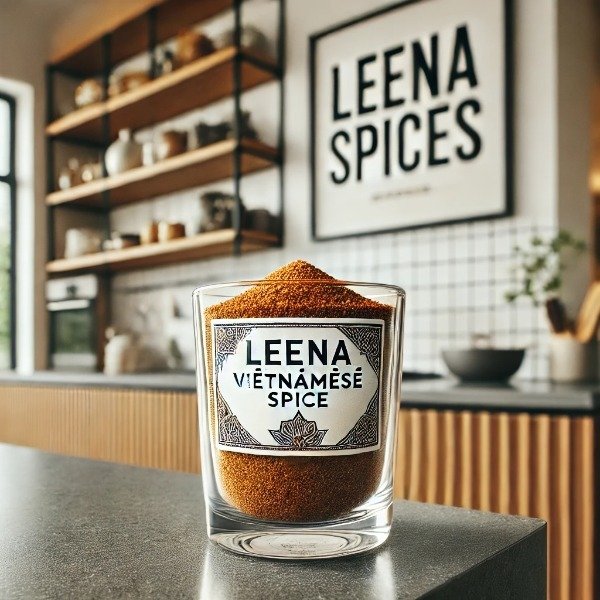
Vietnamese spices have their own unmistakable flavor profile. It comes from a beautiful balance of warm, fragrant herbs and spices and fresh, citrus-like aromatics. Unlike many heavier spice blends, Vietnamese seasoning is light and subtly sweet. This delicate combination enhances rather than overpowers food, making it perfect for simmering fragrant bowls of pho, seasoning juicy grilled meats, adding depth to crispy bánh mì fillings, or bringing authentic character to stir-fries and marinades.
As a cookbook author and professional spice blender, I have spent years refining this blend to capture the authentic flavors found in traditional Vietnamese kitchens. Every ingredient has been carefully selected and measured to create a harmonious balance of sweetness, warmth, and gentle spice. Below, you’ll find our signature small-batch recipe, measured by weight, for the most consistent and professional results. This is followed by an easy-to-follow kitchen spoon conversion chart, allowing home cooks to confidently make a Vietnamese spice blend using everyday measuring spoons.
This blend is especially effective for brightening lighter noodle bowls and adding depth to quick stir-fries, where balance and freshness are key.
If you’re ready to expand your Southeast Asian culinary toolkit, you can explore deeper, more complex flavor profiles next. Try your hand at crafting a homemade Malaysian Laksa spice blend and paste

Impu Irani is a cookbook author behind Leena Spices, where he shares practical, easy-to-follow guides on homemade spice blends, herbs, and natural cooking. His work helps home cooks create fresh, flavorful meals using simple ingredients and traditional methods. Download his free Spice Blending eBook and start your journey to cleaner cooking today!
Disclosure Note
We are committed to creating high-quality, helpful content for our readers. We do not accept payment in exchange for writing our articles, and we personally cover the costs of running this website, including hosting, tools, and maintenance.
To support the site, we display ads and may earn a small commission from affiliate links if you choose to make a purchase—at no extra cost to you.
Your support helps us continue sharing valuable content with the community.
If you’d like to support us, here are a few simple and free ways:
- Share our content with your friends and family
- Engage with us on social media
- Follow us on Facebook
You can also learn more by visiting our disclaimer page:
https://leenaspices.co.nz/disclaimer/
As a thank you, feel free to download our Free Spice Recipe eBook.
The Three Flavor Pillars of Vietnamese Spices
Understanding the 13 Essential Ingredients
An authentic Vietnamese spice mix is far more than a collection of fragrant spices. Every ingredient has a specific purpose, and together they create the delicate balance that makes Vietnamese cuisine so distinctive. Instead of relying on heavy heat, this blend layers warmth, sweetness, citrusy brightness, and gentle earthiness to build complex flavors that never overwhelm the dish.
These thirteen carefully selected spices can be grouped into three essential flavor pillars, each contributing its own role in creating a well-rounded, aromatic blend.
1. The Warm Aromatic Base
The first pillar forms the heart of the blend. These warming spices create the sweet, comforting aroma that defines many of Vietnam’s most beloved dishes, from slowly simmered pho broth to rich braises and hearty stews. They provide depth, richness, and a lingering fragrance that develops beautifully during cooking.
- Cinnamon brings a naturally sweet, woody warmth that adds richness without becoming overpowering.
- Star anise is one of the signature flavors of Vietnamese cuisine, contributing its unmistakable sweet, licorice-like aroma and the characteristic fragrance found in authentic pho.
- Cloves add concentrated warmth with subtle peppery and sweet notes, helping give slow-cooked dishes remarkable depth.
- Nutmeg, used sparingly, contributes a delicate earthy sweetness that rounds out richer meats and prevents the blend from tasting one-dimensional.
2. The Citrus & Herbal Lift
A great Vietnamese spice blend never feels heavy. While the warm spices provide depth, this second flavor pillar brings brightness and freshness that keep the blend balanced. These aromatic ingredients cut through richness, add layers of complexity, and create the clean, fragrant character that makes Vietnamese cooking feel light and vibrant.
- Lemongrass powder delivers the unmistakable citrus aroma that is synonymous with Vietnamese cuisine. Its fresh, lemony fragrance brightens grilled meats, soups, marinades, and stir-fries without adding acidity.
- Coriander seeds contribute delicate citrus notes with a mild nuttiness and subtle floral sweetness. They help bridge the gap between the warming spices and the brighter herbal flavors, giving the blend exceptional balance.
- Bay leaf adds a gentle woodsy, herbal aroma that quietly enhances the background of the blend. Though subtle, it lends depth to long-simmered broths, braises, and soups, creating a more rounded and layered flavor profile.
3. The Earthy Depth & Vibrant Color
The final pillar anchors the entire blend. These spices provide structure, savoriness, and visual appeal, giving the mix its signature golden hue and ensuring it performs beautifully as both a seasoning and a dry rub. Together, they create a grounded, savory foundation that supports the brighter and warmer notes without overpowering them.
- Turmeric brings a gentle, musky earthiness while giving the blend its unmistakable golden color, which becomes even more vibrant when heated in oil or marinades.
- Garlic powder adds concentrated savory depth, instantly enhancing dry rubs, marinades, and quick-cook dishes with a rounded umami base.
- Black pepper provides sharp, clean heat that lifts the entire blend and adds structural bite, especially in grilled or roasted applications.
- Cumin, used more subtly here than in many other cuisines, contributes a warm, earthy undertone that quietly reinforces the blend’s savory backbone.
- Paprika adds a soft sweetness, a gentle hint of heat, and a rich red-gold color that enhances both appearance and flavor complexity.
The Vietnamese Spice Ratio: Grams vs. Household Spoons
22g
2.5 Tablespoons
16g
2 Tablespoons
16g
2 Tablespoons
8g
1 Tbsp + 1 Tsp
8g
1 Tbsp + 1 Tsp
8g
2 Teaspoons
8g
2.5 Teaspoons
3g
1 Teaspoon
3g
1 Teaspoon
3g
0.75 Teaspoon
2g
0.75 Teaspoon
2g
2 Pods
1g
2 Leaves
Master the Blend: How to Toast and Grind Your Spice Mix
Making an exceptional Vietnamese spice blend isn’t just about using the right ingredients, it is also about preparing them correctly. The order in which you toast, cool, and grind the spices has a significant impact on both flavor and shelf life. Grinding warm spices or adding pre-ground ingredients to a hot pan can cause the delicate essential oils to evaporate or degrade, resulting in a blend that loses its vibrant aroma much sooner than it should.
For the freshest flavor and longest storage life, follow these step-by-step instructions exactly. Taking a few extra minutes during the preparation process will reward you with a fragrant, well-balanced spice blend that stays aromatic for months.
Method:
1.Toast the whole spices (1-2 Mins)— bay leaf, black pepper, cinnamon, cloves, coriander, cumin, fennel, and star anise. Warm them in a dry pan over low heat for 1–2 minutes until fragrant. This step intensifies their natural oils and produces a richer, more aromatic blend.
2. Cool the Spices Completely (Don’t Skip This Step): As soon as the spices become fragrant, transfer them from the hot pan to a large plate or baking tray in a single layer. Allow them to cool completely to room temperature before grinding. This step is essential because warm spices continue to release heat, creating steam and trapped moisture inside the grinder. That moisture can cause your finished blend to clump, reduce its shelf life, and diminish the vibrant essential oils responsible for its rich aroma and flavor.
3. Grind to a Fine Powder: Once the toasted spices have cooled completely, transfer them to a clean spice grinder or a sturdy mortar and pestle. Grind until you have a fine, smooth, and evenly textured powder. The finer the grind, the more evenly the blend will distribute its flavor throughout your dishes.
4. Mix in the Remaining Ground Spices: Pour the freshly ground mixture into a clean mixing bowl. Add the garlic powder, lemongrass powder, ground nutmeg, paprika, and turmeric. Whisk thoroughly until every ingredient is evenly incorporated and the blend has a uniform color with no visible streaks or pockets of spice.
5. Store for Maximum Freshness: Transfer the finished Vietnamese spice blend to a clean, dry, airtight glass jar. Store it in a cool, dark pantry away from direct sunlight, heat, and moisture. For the brightest aroma and fullest flavor, use the blend within 3 to 6 months, although it will remain safe to use for longer if stored properly.
How to Use This Vietnamese Spice Blend:
This versatile seasoning is perfect for enhancing:
• Broths and noodle soups, including pho
• Grilled meats, especially pork, chicken, and beef
• Braised dishes and stews
• Marinades for seafood
• Stir-fries and aromatic rice dishes
What Is the Difference Between Vietnamese and Chinese Five-Spice?
While both regional blends share a foundation of aromatic warmth, they approach flavor in very different ways. One leans toward lightness and fragrance, while the other builds intensity and depth. Using the wrong blend can easily overwhelm a delicate dish instead of enhancing it.
Vietnamese vs Chinese Five-Spice Comparison
| Flavor Element | Vietnamese Five-Spice Mix | Chinese Five-Spice Mix |
| Primary Taste Profile | Light, aromatic, and cinnamon-forward with a gentle natural sweetness. | Bold, pungent, deeply savory, and intensely concentrated. |
| Heat Factor | Mild and clean heat, driven mainly by smooth black pepper warmth. | Tingling, numbing heat from Sichuan peppercorns. |
| Ingredient Footprint | No Sichuan peppercorns; emphasizes citrusy coriander, lemongrass, and lighter aromatics. | Classic blend of star anise, cassia, cloves, fennel, and Sichuan peppercorns. |
| Best Culinary Uses | Delicate pho broths, seafood marinades, light grilled pork, and fresh noodle dishes. | Rich braises like pork belly, roasted duck, and bold barbecue-style rubs. |
As shown in the comparison, Chinese Five-Spice is built around deeper savory intensity and its signature numbing warmth. It is a much bolder profile designed for richer, heavier dishes.
If you are planning a slow-braised pork belly or a deeply roasted duck instead of a light broth, it is worth working with the precise balance that gives this blend its unmistakable depth. You can master those exact ratios by following our traditional Chinese Five-Spice recipe and roasting guide.
If you love getting the most flavor and value from premium ingredients like vanilla, cinnamon, and exotic cardamoms, we’ve gathered our best kitchen secrets into our collection of eBooks. From foolproof weeknight curries to artisan baking foundations, explore our digital shelf and discover recipes, techniques, and tips designed to help you cook with confidence.
Explore Our eBooks Collection →Is Vietnamese Spice Blend Gluten-Free and Vegan?
Yes. When prepared at home using pure, single-ingredient whole spices, this Vietnamese spice blend is naturally 100% gluten-free and completely vegan.
Because it is made entirely from plant-based ingredients such as star anise, cinnamon, cloves, coriander seeds, fennel seeds, black pepper, and other natural aromatics, it fits seamlessly into clean eating lifestyles. It is also an excellent choice for allergen-conscious kitchens, where simplicity and ingredient transparency matter just as much as flavor.
A Warning on Store-Bought Alternatives
While homemade Vietnamese spice blends made from pure, single-ingredient spices are naturally vegan and gluten-free, caution is essential when using commercial pre-packaged seasoning mixes. Many store-bought versions include additives, fillers, or processing aids that can compromise both dietary integrity and authenticity.
Always read ingredient labels carefully and watch for the following:
- Gluten-containing additives: Some blends use wheat-derived anti-caking agents, soy sauce powders, or hydrolyzed wheat protein as inexpensive flavor enhancers.
- Animal-derived ingredients: Certain commercial mixes may include fish sauce powder, shrimp powder, or lactose-based fillers to replicate traditional savory depth.
- Hidden processing agents: Flavor enhancers, modified starches, or unspecified “seasoning bases” that may not be certified gluten-free.
- Cross-contamination risks: Look for warnings about shared equipment or manufacturing in facilities that process wheat, soy, dairy, or seafood.
How to Store Your Homemade Spice Blend for Maximum Potency
Proper storage is essential for keeping Vietnamese spice blends fresh, aromatic, and full of flavor. Spices lose their potency when exposed to air, light, heat, or moisture, so a few simple steps can significantly extend their shelf life and protect their aroma.
- Use Airtight, Light-Proof Containers
Store your Vietnamese spice blends in airtight glass jars or opaque containers. Limiting exposure to oxygen and light prevents flavour loss and keeps the oils in the spices stable.
- Keep Spices in a Cool, Dry, Dark Location
Place jars in a pantry or cupboard away from the stove, oven, or sunny window. Heat and humidity accelerate flavour degradation, especially in ground spices.
- Prefer Whole Spices When Possible
Whole spices stay fresh far longer than ground blends.
• Whole spices: stay aromatic for 1–2 years
• Ground blends: stay potent for 4–6 months
For best results, store whole spices and grind only the amount you need for each recipe.
- Toast Spices Before Blending
Lightly toasting whole spices before grinding boosts aroma and creates deeper, more authentic Vietnamese flavours. Any leftover toasted spices should also be stored in airtight jars to preserve their enhanced aroma.
- Avoid Refrigeration and Freezing
Although cold storage may seem helpful, refrigerators and freezers introduce condensation, which dulls spices and encourages clumping. Keep spices in a dry pantry for best results.
- Always Use Dry Utensils
Moisture is the fastest way to ruin a spice blend. Avoid dipping wet or damp spoons into your jars to prevent mould and spoilage.
- Label and Date Your Blends
Write the preparation date on each container. Replace Vietnamese spice blends every 6 months to maintain peak fragrance and flavor, especially for blends containing turmeric, paprika, and ground aromatics.
Kitchen Hygiene Tip
Never shake a spice jar directly over a steaming pot. The rising steam introduces moisture into the jar, which can quickly cause your spice blend to clump, lose its vibrancy, and, in worst cases, develop mold over time.
Instead, always spoon out the amount you need using a clean, dry measuring spoon. This simple habit helps preserve the freshness, texture, and shelf life of your spices while keeping your blend safe and aromatic.
Frequently Asked Questions (FAQs)
Can I make a Vietnamese spice blend without a spice grinder?
Yes. You can crush toasted whole spices using a mortar and pestle or finely chop them with a knife. Grinding by hand takes longer but preserves aroma and texture.
Can I substitute ingredients in a Vietnamese spice blend?
Some spices can be adjusted to taste, such as reducing turmeric or cinnamon, but avoid replacing key aromatics like star anise and coriander, which define the authentic flavour.
Can I substitute Chinese Five-Spice if I don't have this blend?
You can, but use caution. Because Chinese five-spice contains pungent cloves and numbing Sichuan peppercorns, it is significantly more intense than a sweet, cinnamon-forward Vietnamese blend. If substituting, use half the amount called for in your recipe so you don’t completely overpower the delicate herbal tones of your Vietnamese dish.
What makes Vietnamese spice blends different from other Southeast Asian spice mixes?
Vietnamese blends balance sweet, warm, and aromatic spices like star anise, cinnamon, and fennel, with subtle citrus notes from coriander and lemongrass. Other Southeast Asian blends may emphasize chili, shrimp paste, or galangal, giving a sharper or spicier profile.
Can I use Vietnamese spice blend in non-Vietnamese dishes?
Absolutely. Its warm, aromatic profile enhances soups, roasted vegetables, stir-fries, stews, and marinades in a variety of cuisines, including fusion or global dishes.
Bringing Authentic Flavors to Your Kitchen
Crafting your own Vietnamese spice mix seasoning is aboutcapturing a level of freshness, fragrance, and clarity of flavor that store-bought mixes rarely achieve. When you control each step, from toasting to grinding, you unlock a more vibrant and authentic expression of Southeast Asian cooking right in your own kitchen.
With these simple techniques, you now have the foundation to elevate everyday meals into something deeply aromatic and memorable.
If you’re ready to continue exploring bold flavor profiles and building a well-stocked, purposeful spice pantry, don’t miss our complimentary recipe ebook designed to guide you further on your culinary journey.
Happy blending.
Related Posts You May Want to Read
1 Secret of Asian Spice Blend That Will Transform Your Cooking
How to Make the Perfect Fried Chicken Spice Blend at Home | Crispy Asian Fried Chicken Recipe Guide
How to Make the Perfect Rendang Spice Blend: A Step-by-Step Guide for Home Cooks
Bami Goreng Homemade Spice Blend: Bring Indonesian Street-Style Fried Noodles to Your Kitchen
Impu Irani is a cookbook author behind Leena Spices, where he shares practical, easy-to-follow guides on homemade spice blends, herbs, and natural cooking. His work helps home cooks create fresh, flavorful meals using simple ingredients and traditional methods. Download his free Spice Blending eBook and start your journey to cleaner cooking today!
Disclosure Note
We are committed to creating high-quality, helpful content for our readers. We do not accept payment in exchange for writing our articles, and we personally cover the costs of running this website, including hosting, tools, and maintenance.
To support the site, we display ads and may earn a small commission from affiliate links if you choose to make a purchase—at no extra cost to you.
Your support helps us continue sharing valuable content with the community.
If you’d like to support us, here are a few simple and free ways:
- Share our content with your friends and family
- Engage with us on social media
- Follow us on Facebook
You can also learn more by visiting our disclaimer page:
https://leenaspices.co.nz/disclaimer/
As a thank you, feel free to download our Free Spice Recipe eBook.
Download a Free Leena Spices Recipes Cookbook