Table of Contents
ToggleWhy This Authentic Indonesian Blend Beats Store-Bought Packets

Impu Irani is a cookbook author behind Leena Spices, where he shares practical, easy-to-follow guides on homemade spice blends, herbs, and natural cooking. His work helps home cooks create fresh, flavorful meals using simple ingredients and traditional methods. Download his free Spice Blending eBook and start your journey to cleaner cooking today!
Disclosure Note
We are committed to creating high-quality, helpful content for our readers. We do not accept payment in exchange for writing our articles, and we personally cover the costs of running our test kitchen, and this website, including hosting, tools, and maintenance.
Your support helps us continue sharing valuable content with the community.
If you would like to support us, here are a few simple and free ways:
- Share our content with your friends and family
- Engage with us on social media
- Follow us on Facebook
As a thank you, we would love for you to enjoy our FREE Homemade Spice Recipe eBook. Download your complimentary copy and start creating fresh, flavorful spice blends in your own kitchen!
A Note From Leena Spices Kitchen
When we first developed our dry Bami Goreng spice blend in our Leena Spices kitchen, we quickly discovered that using standard chilli powder and regular onion flakes simply wasn’t enough. The result tasted more like a generic Western-style stir-fry than the rich, aromatic Bami Goreng you would find at an Indonesian street market.
The turning point came when we added finely ground galangal and dried kaffir lime leaves. Those two ingredients completely transformed the blend, bringing the distinctive sweet, savoury, and citrusy aroma that makes authentic Bami Goreng so memorable.
If your homemade Bami Goreng never quite captures that true street-food flavour, there is a good chance these are the missing ingredients. They may seem like small additions, but together they create the signature depth and fragrance that sets an authentic Indonesian dish apart.
Decoding the Aromatics: What is Bami Goreng Seasoning Made Of?
Authentic Bami Goreng seasoning is built around a careful balance of flavours. Unlike a simple chilli-based seasoning, a traditional Indonesian-style blend combines earthy spices, savoury aromatics, citrus notes, and gentle warmth to create the signature street-food aroma and depth.
1. The Earthy Base: Coriander, Cumin & Turmeric
The foundation of Bami Goreng seasoning comes from ground coriander, cumin, and turmeric. These spices provide a warm, earthy backbone that gives the noodles their rich flavour and golden appearance. They help create the comforting depth that makes Indonesian fried noodles so satisfying.
2. The Allium Punch: Garlic, Onion, Shallots & Leeks
A great Bami Goreng blend needs a strong savoury layer. Garlic powder, onion powder, chives, dried shallots, and dried leeks add sweetness, umami, and a deep aromatic quality without adding moisture to the dry seasoning mix. These ingredients recreate the rich flavour usually achieved with fresh aromatics in traditional cooking.
3. The Citrus Lift: Lemongrass, Galangal & Kaffir Lime
The bright, refreshing character of Bami Goreng comes from lemongrass, galangal, and kaffir lime leaves. These ingredients add a distinctive citrus fragrance that cuts through the savoury spices and helps replicate the fresh herbal aroma found in Indonesian street-food cooking.
4. The Warm Finish: White Pepper, Paprika & Star Anise
The final layer comes from white pepper, paprika, and a touch of star anise. Instead of creating an overpowering chilli heat, these spices provide a smooth, aromatic warmth and a subtle complexity that rounds out the entire blend.
Together, these four flavour groups create a balanced Bami Goreng seasoning with earthy depth, savoury richness, fresh citrus notes, and a warm aromatic finish—the key elements behind authentic Indonesian-style fried noodles.
Test Kitchen Note
We use dried chives and dried leeks in this Bami Goreng seasoning to keep the blend completely dry and shelf-stable for up to 6 months when stored correctly.
For an even more authentic flavour, try turning the seasoning into a traditional boemboe (Indonesian spice paste). Simply mix the blend with a little oil and a splash of water before adding it to a hot wok. As the dried herbs rehydrate, they release their natural aroma and flavour, creating a richer, fresher-tasting seasoning that closely resembles one made with fresh ingredients.
Leena Spices Tip on Micro-Measuring
When making this blend at home, measuring tiny amounts like 1 or 2 grams of dried chives or kaffir lime leaves can be tricky if you don’t have a precision kitchen scale. As a helpful guide, I’ve found that 1 gram of dried chives is roughly equal to a loosely filled ½ teaspoon.
There is no need to worry about getting every measurement perfectly exact. The most important thing is that the main spices like, coriander, cumin, and turmeric make up the majority of the blend. The smaller ingredients are there to add layers of flavour and aroma, so being slightly over or under by a pinch will not make a noticeable difference.
If you love the sweet, savory, and smoky profiles of Indonesian street food, check out our complete collection of Asian spice recipes and regional blends to plan your next home-cooked feast
Test Kitchen Companion: Customize Your Homemade Batch Size
Bami Goreng Smart Spice Scaler
Scale your batch size and instantly swap between weight and volume units!
THE BULK FOUNDATION
SAVORY & CITRUS AROMATICS
WARM BACKGROUND ACCENTS
THE FINISHING PINCHES
How to Make Bami Goreng Spice Blend from Scratch
Step 1: Toast Your Whole Spices (The Secret to Deep Flavour)
Before grinding your spices, take a few extra minutes to gently toast the whole ingredients. Add coriander seeds, cumin seeds, fenugreek seeds, and star anise to a dry pan and warm them over low heat for about 1–2 minutes.
This gentle toasting process releases the natural oils trapped inside the spices, intensifying their aroma and creating a deeper, more complex flavour. Be careful not to use high heat, as delicate spices can quickly burn and develop a bitter taste. The goal is to lightly warm and awaken the spices, not darken or scorch them.
Leena Spices Kitchen Tip
As soon as your kitchen fills with a rich, aromatic fragrance, they have released their essential oils and are ready for the next step.
Keep a close eye on the pan throughout the process. Small spices like cumin seeds and fenugreek can go from perfectly toasted to burnt within seconds. Overheating them can create a bitter flavour that will affect the entire seasoning blend.
Step 2: Cool and Grind Your Spices
Once your whole bami spices have been gently toasted, allow them to cool completely before grinding. This small but important step helps protect the quality and texture of your final spice blend.
Grinding spices while they are still warm can release extra moisture and natural oils, which may cause the finished blend to become sticky or form lumps during storage.
Once cooled, grind the spices into a fine, even powder using a dedicated spice grinder or a heavy mortar and pestle. A fine grind ensures the flavours distribute evenly throughout the Bami Goreng seasoning and creates a smoother, more professional-quality blend.
Step 3: The Final Blend
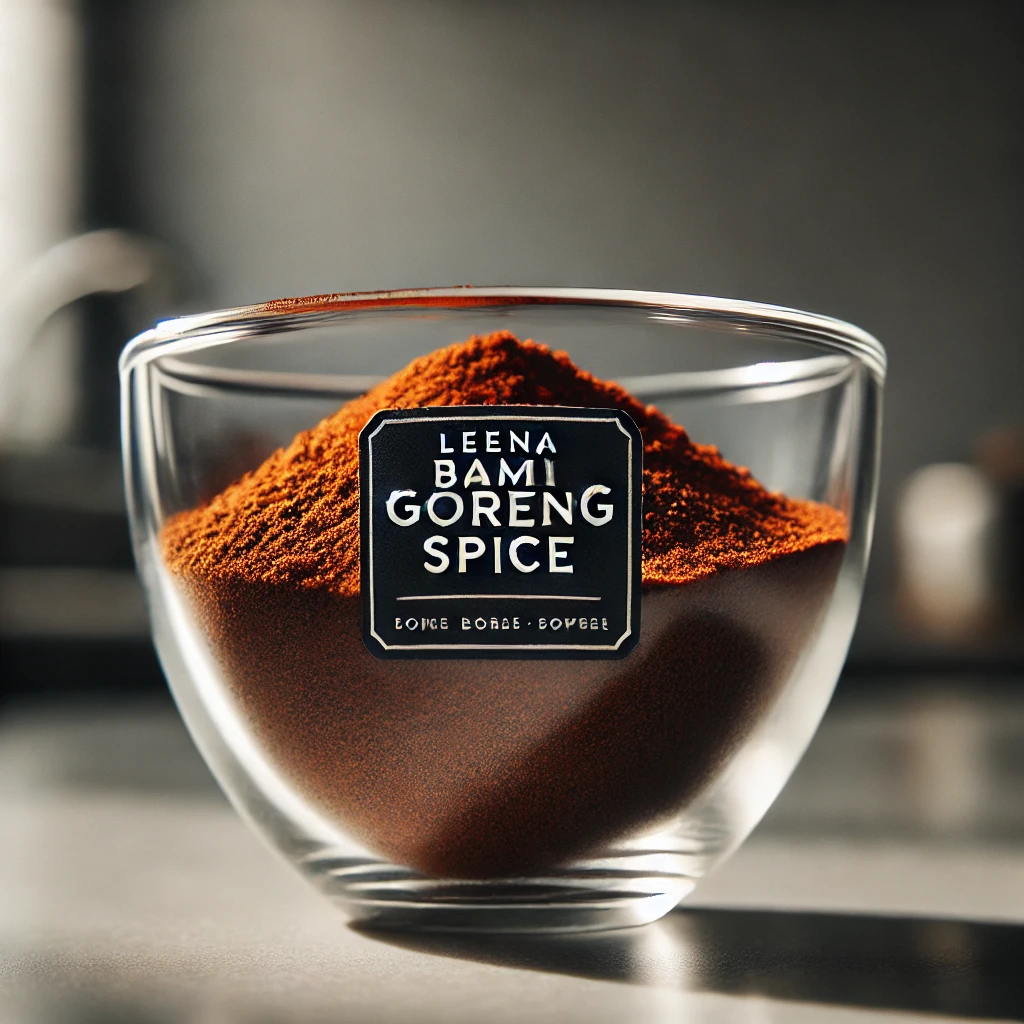
Once your freshly ground spices have cooled, it’s time to bring all the flavour layers together. In a clean, dry glass bowl, combine your ground spices with the remaining pre-ground powders and dried herbs from the recipe.
Mix everything thoroughly with a whisk or spoon until the colour and texture are completely uniform.
Step 4: Store for Maximum Freshness
Transfer your finished Bami Goreng seasoning into a clean, airtight glass jar. Store it in a cool, dark cupboard away from direct sunlight, heat sources, and your oven.
When stored correctly in an airtight container and kept away from direct sunlight, your homemade Bami Goreng seasoning will maintain its vibrant aroma and flavour for up to 6 months. Proper storage helps preserve the delicate oils in spices and herbs, ensuring your blend continues to deliver that authentic street-food fragrance every time you cook.
Leena Spices Tips for Best Flavor
- For extra depth, use freshly ground coriander and cumin seeds.
- Adjust the heat and sweetness by varying the paprika and bell pepper amounts.
- If you prefer a more citrus-forward blend, increase lemongrass and kaffir lime
- Always use dry utensils when scooping out the spice to prevent clumping.
Leena Spices Ultimate Texture Secret
One of the biggest lessons I learned after cooking countless batches of Bami Goreng is that the choice of noodles matters just as much as the seasoning.
For the best results, use thick yellow wheat egg noodles, often sold as mie noodles or Hokkien noodles. They have the right texture and strength to absorb the rich seasoning while holding up to the high heat and vigorous tossing used in wok cooking.
Thin rice vermicelli, on the other hand, is too delicate for this style of dish. It tends to break apart and become soft under the weight of the spices and sauce, resulting in a less satisfying texture. Choosing sturdy egg noodles will give your Bami Goreng the chewy, authentic bite that makes this Indonesian classic so enjoyable.
Take Your Spice Knowledge to the Next Level
Don’t stop at here. Elevate your entire cooking repertoire with my comprehensive book, “Homemade Spice Secrets”. Learn the foundational chemistry of raw vs. bloomed spices for dozens of traditional dishes.
Beyond Noodles: The “Dry Rub vs. Wet Paste” Guide
One of the biggest advantages of making your own Bami Goreng seasoning from scratch is its versatility. While it creates an incredible flavour base for Indonesian fried noodles, this blend can do much more than that.
By changing how you use the seasoning, you can transform the way its flavours are delivered. Use it as a dry rub for a concentrated spice coating, or turn it into a wet paste for deeper flavour penetration and a richer finish.
Understanding these two simple methods will help you get the most out of your homemade Bami Goreng blend and open up a whole new range of cooking possibilities beyond noodles.
Option 1: Use It as a Dry Rub
Because Bami Goreng seasoning contains a carefully balanced blend of ground spices and dried aromatics, it works beautifully as a dry rub for proteins. Applying the seasoning directly to the surface allows the spices to toast during cooking, creating a deeply flavoured outer crust.
Best for:
Use it on chicken breasts, firm tofu, pork chops, or salmon fillets before baking, air-frying, grilling, or pan-searing.
As the protein cooks, the natural sugars from ingredients like dried shallots and onion powder begin to caramelize, helping create a delicious golden crust with layers of savoury, sweet, and aromatic flavour. For even better results, lightly coat the protein with a little oil before applying the seasoning to help the spices stick and bloom during cooking.
Option 2: Transform It into a Wet Paste (Boemboe)
In traditional Indonesian cuisine, a prepared spice paste is known as boemboe. This technique is a fantastic way to turn your dry Bami Goreng seasoning into a rich, flavour-packed marinade that clings beautifully to food.
By adding a little oil and liquid, the dried spices rehydrate and release their aromatic oils, creating a deeper flavour experience that is closer to traditional Indonesian cooking.
How to make it:
Mix 2 tablespoons of Bami Goreng spice blend with:
- 2 tablespoons of neutral cooking oil (such as peanut oil or canola oil)
- 1 tablespoon of water or fresh lime juice
Stir until it forms a smooth, spreadable paste.
- Once your paste is aromatic and ready, put it to work immediately in our fast weeknight authentic Bami Goreng recipe and transform your homemade spice blend into a vibrant street-food-inspired dinner packed with smoky, savory flavor.
Best for:
This homemade boemboe works wonderfully for chicken satay skewers, marinated beef strips, prawns, or grilled vegetables. Coat your ingredients evenly and allow them to marinate for at least 30 minutes before cooking.
The resting time allows the fragrant notes of lemongrass, galangal, kaffir lime, and other spices to penetrate the food, creating a more complex and authentic Indonesian-inspired flavour.
Bami Goreng Spice Mix Recipe
Notes
Instructions
- Toast the whole spices – Lightly toast the coriander, cumin, fenugreek, and star anise in a dry pan over low heat for 1–2 minutes. This step releases their natural oils and intensifies the flavor.
- Cool completely – Allow the toasted spices to cool before grinding.
- Grind to a fine powder – Use a spice grinder or mortar and pestle to grind the toasted spices until smooth.
- Add the remaining ingredients – Combine the ground spices with the remaining powders and dried herbs: galangal, garlic, ginger, onion, paprika, turmeric, and others listed above.
- Mix thoroughly – Stir or shake well to ensure all flavors are evenly distributed.
- Store properly – Transfer your homemade Bami Goreng spice blend into an airtight glass jar. Keep it in a cool, dry place away from sunlight to preserve freshness and aroma
The Kecap Manis Hack: What to Do If You Can't Find It
Your homemade Bami Goreng spice blend creates the aromatic foundation of the dish, but authentic Indonesian street-style noodles need one more essential ingredient which is the rich sweetness of Kecap Manis.
Kecap Manis is a thick, syrupy Indonesian sweet soy sauce with a unique balance of deep savoury flavour and caramel-like sweetness. It adds the glossy coating, colour, and signature sweet-savoury taste that makes Bami Goreng so addictive.
If you cannot find an authentic bottle at your local supermarket or Asian grocery store, there is no need to worry. You can create a simple homemade substitute in just a few minutes using two common pantry ingredients.
🫙 The 2-Ingredient Kecap Manis Substitute
Ingredients:
- 1 part regular soy sauce (or tamari for a gluten-free option)
- 1 part dark brown sugar (or molasses for a richer caramel flavour)
How to Make It
Combine equal parts soy sauce and brown sugar in a small saucepan over medium heat. Stir continuously until the sugar completely dissolves and the mixture begins to gently simmer.
Continue cooking until the sauce slightly thickens and reaches a smooth, syrup-like consistency similar to maple syrup. Remove from the heat and allow it to cool before using.
Remember that the sauce will continue to thicken as it cools, giving you a glossy, rich coating that works beautifully in Bami Goreng and other Indonesian-inspired dishes.
Is Bami Goreng Spice Blend Gluten-Free or Vegan?
Whether a Bami Goreng spice blend is gluten-free or vegan depends on the ingredients used. Homemade blends are easy to adapt, while some commercial mixes and traditional recipes may contain hidden ingredients that don’t suit special diets.
| Dietary Question | Quick Answer | What to Watch For | How to Make It Suitable |
|---|---|---|---|
| 🌾 Is it Gluten-Free? | Usually, but not always. | The spices themselves are naturally gluten-free, but some commercial blends and sauces contain wheat-based soy sauce (kecap manis), wheat starch, or other gluten-containing fillers. | ✔ Read ingredient labels carefully.✔ Choose tamari or another gluten-free soy sauce instead of regular soy sauce.✔ Make your own spice blend from individual spices. |
| 🌱 Is it Vegan? | Usually, but not always. | Traditional or ready-made versions may contain shrimp paste (trassi), oyster sauce, fish sauce, or other animal-derived flavourings. | ✔ Choose vegan-certified products.✔ Replace seafood-based ingredients with soy sauce, mushroom powder, or yeast extract for umami.✔ Prepare your own blend using only plant-based herbs and spices. |
✅ At a Glance
| If You Want… | Best Choice |
|---|---|
| A Gluten-Free Bami Goreng | Make your own spice blend and use tamari or a certified gluten-free soy sauce instead of traditional kecap manis. |
| A Vegan Bami Goreng | Use a homemade spice blend and avoid ingredients such as shrimp paste, fish sauce, and oyster sauce. Replace them with plant-based umami ingredients. |
Bottom line: The herbs and spices used in a traditional homemade Bami Goreng seasoning are naturally gluten-free and vegan. It’s the added sauces, flavour enhancers, and commercial ingredients that determine whether the finished dish is suitable for these dietary preferences.
What Is the Main Difference Between Bami Goreng and Nasi Goreng Spice Blends?
Although Bami Goreng and Nasi Goreng are both classic Indonesian dishes and share many of the same spices, they are designed for different foods. Bami Goreng seasoning is blended to complement fried noodles, while Nasi Goreng seasoning is formulated to give fried rice a bolder, smokier flavour.
🍜 Bami Goreng Spice Blend (For Fried Noodles)
Bami means “noodles”, so this seasoning is designed to coat noodles evenly without overwhelming their delicate texture.
Flavour Profile
Mild, well-balanced, and slightly sweet
Fragrant with garlic, onion, lemongrass, and galangal
Often paired with kecap manis (Indonesian sweet soy sauce)
Gentle warmth rather than intense chilli heat
Best For
Egg noodles
Hokkien noodles
Stir-fried vegetables
Chicken, prawns, beef, or tofu noodle dishes
Typical Ingredients
Coriander, cumin, turmeric, garlic, ginger, galangal, lemongrass, shallots, paprika, white pepper, and dried herbs such as kaffir lime and chives.
🍚 Nasi Goreng Spice Blend (For Fried Rice)
Nasi means “rice”, and this seasoning is made to deliver the bold, savoury flavour that coats every grain of fried rice.
Flavour Profile
Rich, spicy, and deeply savoury
More chilli heat than Bami Goreng
Strong garlic and shallot flavour
Earthier with a pronounced umami finish
Best For
Fried rice
Seafood fried rice
Chicken or beef fried rice
Vegetable rice dishes
Typical Ingredients
Coriander, cumin, turmeric, garlic, shallots, galangal, lemongrass, chilli, tamarind, and sometimes candlenut or shrimp paste (terasi) for extra richness.
🔑 Bami Goreng vs. Nasi Goreng at a Glance
| Feature | 🍜 Bami Goreng | 🍚 Nasi Goreng |
|---|---|---|
| Designed For | Fried noodles | Fried rice |
| Heat Level | Mild to medium | Medium to hot |
| Sweetness | Slightly sweeter from kecap manis | Less sweet and more savoury |
| Dominant Aromatics | Lemongrass, galangal, garlic, ginger | Garlic, shallots, chilli, tamarind |
| Umami Profile | Gentle, balanced depth | Rich, bold umami, often with more terasi (shrimp paste) |
| Overall Character | Fragrant, light, and aromatic | Robust, smoky, spicy, and savoury |
Leena Spices Note:
While the two blends share many core Indonesian spices, Bami Goreng seasoning is crafted to enhance noodles with a fragrant, mildly sweet flavour, whereas Nasi Goreng seasoning is designed to give fried rice a richer, spicier, and more savoury character. Using the right blend helps each dish achieve its authentic taste and texture.
While Bami Goreng focuses on sweet, savory wheat noodles, its famous sibling relies on day-old jasmine rice. Learn how to master the rice-based version with our secrets to perfect Nasi Goreng at home
Can You Substitute Bami Goreng and Nasi Goreng Spice Blends?
You can substitute Bami Goreng and Nasi Goreng spice blends in cooking, but the results won’t be identical. The flavor and texture of your dish will change slightly depending on which one you use.
Using Bami Goreng Spice Blend Instead of Nasi Goreng
Although Bami Goreng seasoning is designed for noodle dishes, it can also be used to make a delicious fried rice. Because the blend contains fragrant ingredients like lemongrass, galangal, and kaffir lime, the result will be lighter, sweeter, and more aromatic than a traditional Nasi Goreng.
If you use Bami Goreng seasoning with rice, expect a milder flavour with subtle citrus notes and a gentle caramelised finish rather than the bold, smoky umami that classic Indonesian fried rice is known for.
To bring the flavour closer to authentic Nasi Goreng, make a few simple adjustments while cooking:
Add This | Why It Helps |
🌶 1 teaspoon sambal oelek or chilli paste | Adds the signature spicy kick found in traditional Nasi Goreng. |
🥄 A small splash of fish sauce or a little shrimp paste (terasi) | Builds the deep savoury umami that distinguishes fried rice from fried noodles. (For a vegetarian version, substitute mushroom seasoning or soy sauce.) |
🍋 A dash of tamarind paste or fresh lime juice | Balances the richness with a gentle tangy finish. |
🥢 A little extra soy sauce | Deepens the colour and enhances the savoury flavour. |
🧄 An extra pinch of garlic powder (optional) | Gives the rice a slightly bolder, more robust flavour. |
With these simple additions, your Bami Goreng seasoning can produce a fried rice that’s much closer to the rich, savoury flavour profile of authentic Indonesian Nasi Goreng.
Using Nasi Goreng Seasoning for Bami Goreng
Nasi Goreng seasoning can certainly be used with noodles, but the flavour will be noticeably bolder than a traditional Bami Goreng. Since Nasi Goreng blends typically contain more chilli, garlic, and savoury ingredients such as tamarind or shrimp paste, they can easily overpower the lighter, more aromatic flavour of Indonesian fried noodles.
Fortunately, a few simple adjustments will help create a better balance.
Add This | Why It Helps |
🍯 A little brown sugar or sweet soy sauce (kecap manis) | Balances the chilli heat and adds the gentle sweetness that is characteristic of Bami Goreng. |
🍋 A squeeze of fresh lime juice or a pinch of ground ginger | Brightens the dish and introduces the fresh citrus notes found in traditional Bami Goreng. |
🥥 A little extra cooking oil or a splash of coconut milk | Softens the spices and helps the seasoning coat the noodles more evenly. |
🌿 Fresh chives or spring onions | Adds a fresh, aromatic finish that complements the richer seasoning. |
For the most authentic result, finish the noodles with a fresh squeeze of lime just before serving. The citrus cuts through the rich garlic and pepper flavours, giving the dish the light, fragrant finish that makes Bami Goreng so distinctive.
Leena Spices Tip
If you regularly cook both noodle and rice dishes, it is worth keeping both spice blends in your pantry.
Rice absorbs bold flavors
Noodles carry sweetness and aroma
Frequently Asked Questions (FAQs)
Can Bami Goreng spice blend be used for gluten-free recipes?
Yes, if you use a homemade spice blend without wheat-based soy sauce or thickeners. For authentic flavor, replace kecap manis with gluten-free tamari or a mix of tamari and sugar. Most store-bought blends may contain gluten, so always check labels.
Can I use Bami Goreng spice blend for vegetarian dishes?
Absolutely! The spice mix itself is plant-based. Simply replace shrimp paste or fish sauce with soy sauce, mushroom paste, or miso to make a fully vegetarian or vegan dish.
How spicy is Bami Goreng compared to other Indonesian dishes?
Bami Goreng is mildly spicy by default. Most homemade or traditional blends use just a hint of chili. You can adjust the heat by adding sambal oelek, fresh chilies, or chili flakes depending on your preference.
Are Bami Goreng spices suitable for meal prep or batch cooking?
Definitely. The spice blend retains its flavor in pre-cooked noodles or proteins. Store cooked noodles in airtight containers and reheat with a splash of soy sauce or water to revive the flavors.
What proteins pair best with Bami Goreng?
Chicken, shrimp, tofu, or tempeh work perfectly. The spice blend is versatile and complements vegetables and proteins alike, allowing you to create both vegetarian and non-vegetarian versions.
Can I adjust Bami Goreng spice blend for low-sodium diets?
Yes. Reduce or skip added salt and soy sauce in the recipe. Use low-sodium soy sauce or tamari and enhance flavor with garlic, ginger, lemongrass, and lime juice for a healthier option without losing aroma or taste.
Can Bami Goreng spice blend be made into a paste for more intense flavor?
Absolutely! Combine dry spice blend with oil and water to create a paste (boemboe). This technique “blooms” the spices, intensifying aroma and coating noodles evenly for authentic Indonesian flavor.
What makes Bami Goreng different from other Asian noodle stir-fries?
The unique combination of aromatic spices, sweet soy sauce, and mild heat sets Bami Goreng apart. Unlike Chinese or Thai stir-fries, it emphasizes savory-sweet balance, aromatic herbs like lemongrass and kaffir lime, and optional shrimp paste for umami depth.
Medical Disclaimer:
The information provided in this article is for educational and informational purposes only and is not intended as medical advice. Always consult a qualified healthcare provider before starting any new dietary supplement, herbal remedy, or wellness routine, especially if you have underlying health conditions, are pregnant or breastfeeding, or are taking prescription medications.
Impu Irani is a culinary writer and spice blend specialist with a passion for making traditional seasoning techniques easy to understand and recreate at home. Through Leena Spices, he researches historic recipes, explores the cultural origins of herbs and spices, and develops authentic, easy-to-follow spice blend formulations for home cooks around the world. His work focuses on the rich culinary traditions of Southeast Asia, India, and the Mediterranean, combining historical research with extensive recipe testing to ensure every blend delivers balanced flavour and authentic results. His goal is to help cooks of all skill levels gain the confidence to create restaurant-quality dishes using homemade spice blends. Download his free Spice Blending eBook and start your journey to cleaner cooking today!
Disclosure Note
We are committed to creating high-quality, helpful content for our readers. We do not accept payment in exchange for writing our articles, and we personally cover the costs of running our test kitchen, and this website, including hosting, tools, and maintenance.
To support the site, we display ads and may earn a small commission from affiliate links if you choose to make a purchase—at no extra cost to you.
Your support helps us continue sharing valuable content with the community.
If you’d like to support us, here are a few simple and free ways:
- Share our content with your friends and family
- Engage with us on social media
- Follow us on Facebook
You can also learn more by visiting our disclaimer page:
https://leenaspices.co.nz/disclaimer/
As a thank you, feel free to download our Free Spice Recipe eBook.
Download a Free Leena Spices Recipes Cookbook