

Written by Impu Irani. He is the cookbook author and spice specialist behind Leena Spices. With more than 20 years of experience developing custom spice blends inspired by cuisines from around the world, he is passionate about helping home cooks create delicious meals from scratch using quality herbs, spices, and time-tested techniques. Through easy-to-follow recipes, practical cooking guides, and expert spice knowledge, Impu makes it simple for anyone to master homemade seasonings and enjoy fresher, more flavourful cooking with everyday ingredients. Download his free Leena Spices recipes eBook and discover how easy it is to create your own dishes with confidence at home.
Disclosure Note
We are committed to creating high-quality, helpful content for our readers. We do not accept payment in exchange for writing our articles, and we personally cover the costs of running our test kitchen, and this website, including hosting, tools, and maintenance.
Your support helps us continue sharing valuable content with the community.
If you would like to support us, here are a few simple and free ways:
- Share our content with your friends and family
- Engage with us on social media
- Follow us on Facebook
As a thank you, we would love for you to enjoy our FREE Homemade Spice Recipe eBook. Download your complimentary copy now.
Table of Contents
ToggleFrom Leena Spices Test Kitchen
There is something irresistible about authentic Indonesian Nasi Goreng. It is the smoky aroma, savory depth, and rich umami flavor that make every bite unforgettable. However recreating that deep, savory kick of real Indonesian fried rice at home isn’t always straightforward. This is especially when you are trying to keep things gluten-free or don’t have access to ingredients . The good news is, you don’t need a pantry full of hard-to-source ingredients to cook the dish. It really comes down to getting the spice balance right.
Creating a gluten-free Nasi Goreng seasoning mix that still captured the soul of authentic Indonesian fried rice took more than a single attempt. We tested four different versions before the flavors finally clicked.
One of our earliest blends leaned too heavily on ground coriander. While it added a pleasant citrusy note, the seasoning lacked the rich, rounded aroma that makes traditional Indonesian bumbu so memorable. It tasted fresh, but it didn’t have the depth we were after.
The breakthrough came after a few small adjustments. We found that increasing the lemongrass powder slightly and grinding the cassia into an ultra-fine powder created a much fuller, more balanced flavor. Those subtle changes added layers of warm citrus, gentle sweetness, and earthy spice, giving the blend the savory complexity even without relying on shrimp paste. The result is a versatile, gluten-free seasoning that delivers the bold, aromatic character of homemade Nasi Goreng spice mix just by using simple pantry ingredients.
Read on to discover the exact ingredient ratios we used to get this blend perfect.
At Leena Spices, we love capturing the complex, aromatic sweet-and-sour profiles of Southeast Asia. Explore our full range of handcrafted Asian spice blends and seasonings to bring more street-food magic into your kitchen.”
Ingredients and Flavor Profile - Traditional Nasi Goreng Spice Blend
A classic Nasi Goreng spice blend is built on warm aromatics, earthy herbs, and fragrant Southeast Asian ingredients that give this beloved Indonesian fried rice its signature depth. While recipes vary across regions and households, the traditional base almost always includes the following spices and seasonings:
Black Pepper – Adds a sharp, warm heat that lifts the entire blend.
Cassia (Cinnamon) – Brings sweet warmth and a subtle woody aroma.
Cloves – Provides a bold, sweet-spicy note that deepens the flavour.
Coriander – Offers citrusy, nutty undertones essential to Indonesian cooking.
Cumin – Gives earthiness and warmth, balancing the sharper spices.
Garlic Powder – Delivers savoury depth and that classic fried-rice aroma.
Ginger Powder – Adds gentle heat and helps brighten the blend.
Kaffir Lime Leaves – Contributes a fresh, zesty fragrance unique to Southeast Asian dishes.
Lemongrass – Offers a citrus-forward aroma that keeps the blend light and fragrant.
Nutmeg – Adds warm sweetness and a slightly nutty finish.
Shallot – Provides natural sweetness and umami to balance the spices.
Star Anise – Introduces a subtle licorice-like sweetness for complexity.
Turmeric – Gives the blend its warm golden colour and earthy flavour.
How to Make Homemade Gluten-Free Nasi Goreng Spice Blend
This nasi goreng spice mix recipe skips hard-to-find ingredients like terasi (shrimp paste), candlenuts, fresh galangal, and fresh chilies, making it simple to prepare with everyday pantry staples. Instead, it uses a carefully balanced blend of dried spices to capture the essence of Indonesian cooking, which is warm, earthy, slightly sweet, deeply aromatic, and full of the bold flavours that make homemade Nasi Goreng so irresistible.
Homemade Gluten-Free Nasi Goreng Spice Blend
Materials
- 20 g Lemongrass powder
- 20 g Shallot powder
- 12 g Garlic powder
- 12 g Ginger Powder
- 11 g Ground Coriander
- 11 g Ground Cumin
- 5 g Ground Turmeric
- 2 g Dried Kafiir lime leaves
- 2 g Ground Cassia
- 2 g Ground Cloves
- 2 g Ground Star Anise
- 1 g Black Pepper fine
- 1 g Ground Nutmeg
Instructions
- 1. Measure & Toast Whole Spices (Optional): Prep time: 7 mins.If you're using whole coriander, cumin, or star anise, lightly toast them in a dry skillet over medium heat for 60–90 seconds, or until fragrant, before grinding. This simple step releases their natural aromatic oils, resulting in a richer, more flavorful seasoning blend.2. Pulverize Coarse Components: Processing time: 2 mins.Place the dried kaffir lime leaves, dried lemongrass, cassia, and star anise into a dedicated spice grinder. Grind until the mixture becomes a fine, uniform powder. The finer the texture, the more evenly the seasoning will blend and coat your fried rice.3. Sift and Integrate Powders: Blending time: 1 min.Transfer the freshly ground spices to a glass mixing bowl, then add the shallot powder, garlic powder, ginger, and turmeric. Whisk everything together until the blend is evenly combined and has a consistent golden-yellow colour throughout.Leena Spices TipFor a more traditional bumbu-style approach, mix the spice blend with a little oil, crushed garlic, and a splash of soy sauce to create a quick aromatic paste. This helps the spices dissolve and coat the ingredients evenly, adding a deeper, more rounded flavour to your dish.
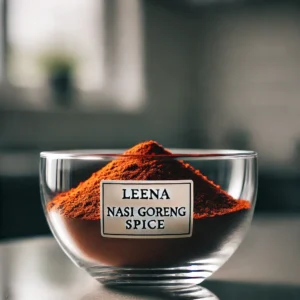
Don’t have a digital kitchen scale? No problem! Use the interactive calculator below to instantly convert the ingredient weights from grams to ounces and easy-to-follow teaspoons and measurements.
🎛️ Interactive Spice Blend Calculator
Scale the batch size and instantly convert between Grams, Ounces, and Teaspoons.
See the Seasoning in Action!
Now that you have created your homemade Indonesian seasoning blend, it’s time to put it to use!
Follow our step-by-step Authentic Street-Style Nasi Goreng Recipe to learn how to bloom the spices, master the wok, and create rich, smoky Indonesian fried rice that’s packed with authentic flavour.
Watch our quick video tutorial below and see exactly how we use this aromatic spice mix in a hot wok to create authentic, street-style Nasi Goreng fried rice. From blooming the spices to coating every grain of rice with rich, savoury flavour, you’ll see the simple techniques that bring this classic Indonesian dish to life.
Street-Style Nasi Goreng
Lessons I Learned While Testing This Recipe
One of the biggest mistakes I made during recipe testing was adding the spice blend straight into a smoking-hot wok. Because this blend contains plenty of turmeric and garlic, the spices burned in just a few seconds. Instead of creating a rich, aromatic base, they developed a bitter, unpleasant taste that carried through the entire dish.
Here’s what worked much better: Reduce the heat to medium-low before adding the spice blend. Start by sautéing the fresh garlic and shallots first. Their natural moisture slightly cools the surface of the pan, creating the perfect environment for the spices to bloom without scorching.
Next, sprinkle in the spice blend and stir constantly for about 10 to 15 seconds. As soon as the spices become intensely fragrant, add your cold, day-old rice immediately. The rice lowers the pan temperature and coats every grain with the aromatic spices, giving your Nasi Goreng its signature deep, balanced flavour without any bitterness.
Take Your Spice Knowledge to the Next Level
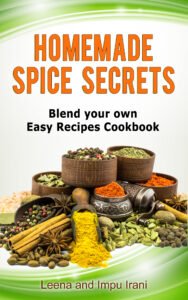
Don’t stop at here. Elevate your entire cooking repertoire with my comprehensive book, “Homemade Spice Secrets”. Learn the foundational chemistry of raw vs. bloomed spices for dozens of traditional dishes.
Key Difference Between Indonesian Nasi Goreng and Chinese-Style Fried Rice
A traditional Nasi Goreng spice blend, also known as Bumbu Nasi Goreng, creates a much deeper, bolder, and more aromatic flavour compared to the simple seasonings often used in regular fried rice.
The secret lies in the way Indonesian flavours are layered together. A classic bumbu combines fragrant ingredients such as garlic, shallots, chillies, turmeric, coriander, cumin, ginger, and sometimes galangal to create a warm, earthy, and slightly spicy foundation. These unique ingredients and spice combinations give Indonesian fried rice its unmistakable character, making it richer, more complex, and distinctly different from Chinese-style fried rice.
Nasi Goreng vs Chinese Fried Rice
Aspect | Indonesian Nasi Goreng | Chinese-Style Fried Rice |
Flavour Profile | Sweet, savoury, smoky, spicy, and deeply aromatic | Savoury, clean, mild, and balanced |
Signature Ingredients | Kecap manis, terasi, garlic, shallots, chilli, turmeric, coriander, cumin | Soy sauce, garlic, white pepper, spring onion, sometimes sesame oil or MSG |
Umami Source | Fermented shrimp paste + caramelised sweet soy sauce | Soy sauce + optional oyster sauce or MSG |
Sweetness | Noticeably sweet from kecap manis | Little to no sweetness |
Spice Level | Medium heat with warm, earthy spices | Usually mild with subtle seasoning |
Aroma | Bold, roasted, slightly fermented, and complex | Light garlic-soy aroma |
Colour | Dark reddish-brown from kecap manis and spices | Light golden-brown with visible ingredients |
Texture (Paste Style) | Rich, oily, and robust spice paste | Lighter seasoning, usually dry or lightly sauced |
Aftertaste | Long-lasting warmth with deep spice notes | Clean and quick finish |
Best Uses | Nasi Goreng, noodles, stir-fries, marinades | Fried rice, quick stir-fries |
Short Takeaway
Indonesian Nasi Goreng is built around bold layers of sweet, spicy, earthy, and fermented flavours, while Chinese-style fried rice focuses on a lighter, cleaner savoury profile where the rice and individual ingredients shine.
How to Store Your Nasi Goreng Seasoning (Keep It Fresh for Up to 1 Year)
A homemade Nasi Goreng seasoning blend gets its incredible aroma from delicate essential oils found in ingredients like kaffir lime, lemongrass, garlic, and shallots. However, these flavours can quickly fade if the spice mix is exposed to moisture, heat, or light.
Follow these three simple storage rules from our test kitchen to keep your blend fresh, fragrant, and full of flavour for up to a year.
1. Choose Glass Over Plastic
Plastic containers may seem convenient, but they are not the best choice for spice storage. The strong pigments in turmeric can permanently stain plastic, while the aromatic oils from ingredients like lemongrass and kaffir lime may slowly affect the container and impact the flavour of your blend.
For the best results, store your Nasi Goreng seasoning in a clean, airtight glass jar.
2. Protect It From Light
Turmeric gives your spice blend its beautiful golden colour, but prolonged exposure to sunlight can cause the colour and flavour compounds to fade. UV light can gradually reduce the potency of spices like turmeric and ginger, leaving your blend dull and less aromatic.
Store your jar in a cool, dark cupboard or pantry drawer, away from direct sunlight.
3. Keep Moisture Away
One of the biggest enemies of homemade spice blends is steam. Never sprinkle your seasoning directly from the jar over a hot wok or steaming rice. Moisture can enter the container, causing ingredients like garlic and shallot powder to absorb water, clump together, and lose their freshness.
Instead, always use a completely dry spoon to measure your spices before adding them to the pan.
Storage tip: With proper care, an airtight glass jar, a dark cupboard, and protection from moisture your homemade Nasi Goreng seasoning can stay aromatic and flavourful for up to 12 months.
Is Nasi Goreng Spice Mix Gluten-Free?
While the spices themselves are naturally gluten-free, many store-bought Nasi Goreng seasoning mixes and traditional Indonesian cooking pastes are not.
Most commercial versions are made with regular soy sauce that contains wheat, making them unsuitable for anyone following a gluten-free diet.
The good news is that making your own dry Nasi Goreng spice blend at home is simple and naturally gluten-free. The classic spices including coriander, cumin, turmeric, garlic, ginger, chilli, black pepper, lemongrass, and kaffir lime contain no gluten.
By preparing the spice mix yourself and pairing it with a gluten-free sweet soy sauce, you can enjoy all the authentic flavours of Nasi Goreng without worrying about hidden sources of gluten.
Our Experience with Gluten-Free Nasi Goreng Substitutions
If you are cooking for someone with coeliac disease or a serious gluten intolerance, choosing the right soy sauce substitute makes a noticeable difference.
During recipe testing, we tried both coconut aminos and gluten-free tamari. Coconut aminos added a pleasant sweetness, but we found they lacked the rich, savoury depth needed to balance the warm spices in the blend, especially the cumin and coriander. The finished dish tasted a little too mild and sweet.
Gluten-free tamari delivered much better results. It provided the deep umami flavour that gives Nasi Goreng its distinctive character. For an even closer match to traditional kecap manis, gently simmer the gluten-free tamari with a little coconut sugar until it thickens slightly. This simple homemade substitute creates a rich, glossy sauce that pairs beautifully with the spice blend while keeping the dish completely gluten-free.
If you enjoy the warm, citrusy notes of this blend, you will love trying its famous noodle counterpart! Learn how to make our custom Indonesian Bami Goreng noodle seasoning mix for your next quick weeknight stir-fry.
Frequently Asked Questions
Is Nasi Goreng spice blend gluten-free?
Traditional Nasi Goreng spice blends may contain gluten due to ingredients like kecap manis (sweet soy sauce). However, a homemade version using gluten-free tamari, coconut aminos, or a dry spice mix is naturally gluten-free and safe for sensitive diets.
Can I make Nasi Goreng spice blend ahead?
Yes! Homemade spice mixes can be prepared days, weeks, or even months ahead, depending on storage. Dry spice blends are perfect for batch prep and can be used on-demand. For paste versions, store in the fridge or freezer and portion as needed for easy, ready-to-cook meals.
Why use leftover rice for Nasi Goreng?
Leftover or day-old rice is drier and firmer, making it ideal for stir-frying. Freshly cooked rice is moist and can become mushy when fried. Using leftover rice helps separate grains, absorb the spice blend evenly, and achieve the signature texture of authentic Nasi Goreng.
Is Nasi Goreng spice mix healthy?
Yes, a homemade Nasi Goreng spice blend can be very healthy, especially when using fresh spices and avoiding additives. Ingredients like turmeric, coriander, cumin, garlic, and ginger have natural anti-inflammatory and antioxidant properties. Controlling salt and sugar in gluten-free versions further enhances its health profile compared to store-bought mixes with preservatives and high sodium.

Impu Irani is a cookbook author behind Leena Spices, where he shares practical, easy-to-follow guides on homemade spice blends, herbs, and natural cooking. His work helps home cooks create fresh, flavorful meals using simple ingredients and traditional methods. Download his free Spice Blending eBook and start your journey to cleaner cooking today!
Disclosure Note
We are committed to creating high-quality, helpful content for our readers. We do not accept payment in exchange for writing our articles, and we personally cover the costs of running this website, including hosting, tools, and maintenance.
To support the site, we display ads and may earn a small commission from affiliate links if you choose to make a purchase—at no extra cost to you.
Your support helps us continue sharing valuable content with the community.
If you’d like to support us, here are a few simple and free ways:
- Share our content with your friends and family
- Engage with us on social media
- Follow us on Facebook
You can also learn more by visiting our disclaimer page:
https://leenaspices.co.nz/disclaimer/
As a thank you, feel free to download our Free Spice Recipe eBook.