Impu Irani is the cookbook author behind Leena Spices , where he shares easy homemade spice blend recipes and practical cooking tips. Read more about him at the end of this post.
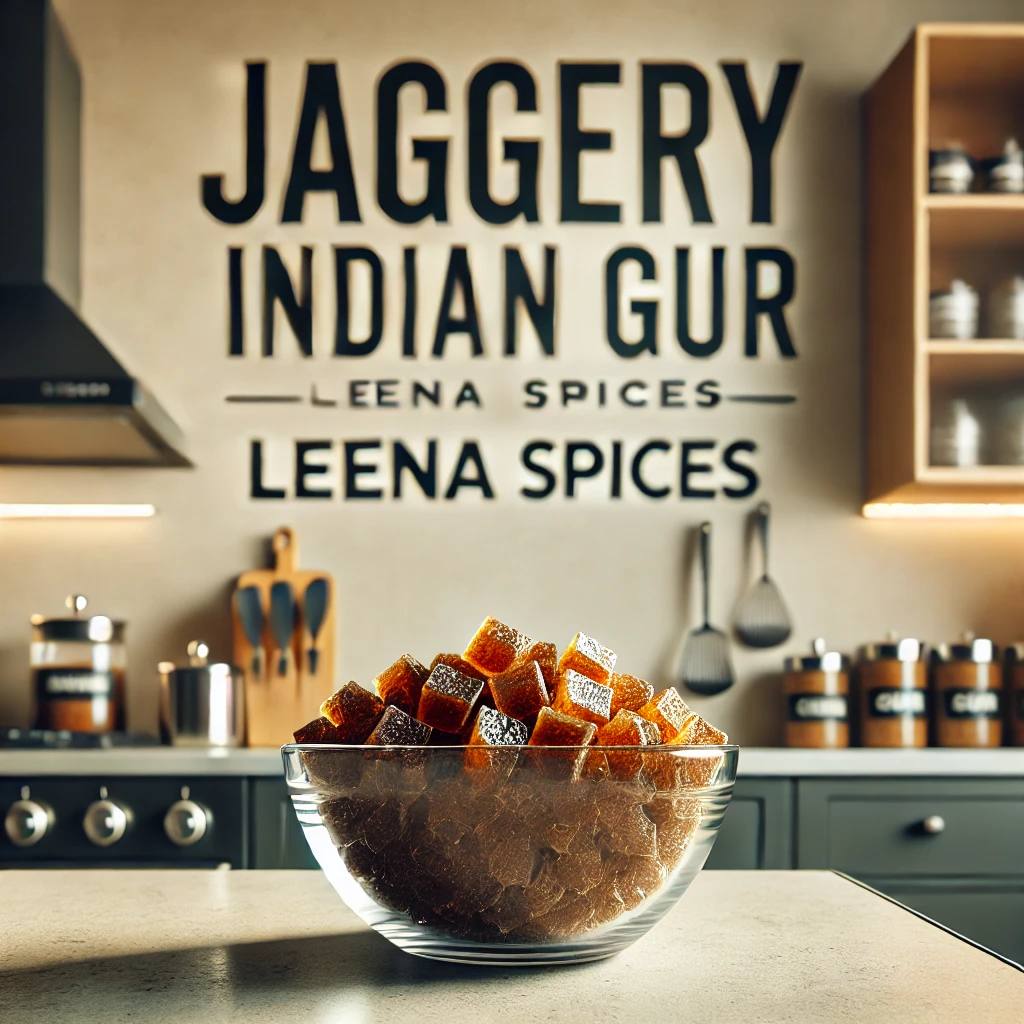
Table of Contents
ToggleIs Jaggery Healthier Than White Sugar?
No. Although jaggery is often promoted as a healthier alternative to sugar, it should not be viewed as a low-calorie or sugar-free food. Gram-for-gram, jaggery and white sugar contain nearly identical calories and affect blood glucose similarly.
However, jaggery is less processed and retains trace minerals (like potassium and iron) along with natural molasses, making it a marginally better alternative to refined sugar when used in strict moderation.
- According to a 2021 study published in the National Institutes of Health, Jaggery is a healthy non-centrifugal sugar (NCS)
While jaggery may offer a slight nutritional advantage because of its mineral content, it is still a form of added sugar.
For this reason, it is best enjoyed in moderation as part of a balanced diet.
Nutritional Composition of Jaggery (Per 100g)
| Nutritional Property | Jaggery (Per 100g) | White Refined Sugar (Per 100g) | The Real Impact |
|---|---|---|---|
| Calories | 375 – 383 kcal | ~387 kcal | Virtually identical; metabolically treated as pure energy. |
| Total Carbs / Sugars | 95g – 99g | ~100g | Both cause insulin spikes and direct glucose delivery. |
| Processing State | Unrefined (Retains Molasses) | Highly Refined (Chemically Bleached) | Jaggery is a “clean food”; white sugar contains empty calories. |
| Iron | 5 – 13 mg | 0 mg | Supports red blood cells, but you’d need to eat unsafe amounts of sugar to hit daily minimums. |
| Potassium | 30 – 1000+ mg | ~2 mg | Helps mitigate mild fluid retention and bloating. |
| Magnesium & Calcium | 70–115mg / 40–100mg | 0 mg / ~1 mg | Essential trace elements completely stripped from white sugar. |
| Glycemic Impact | GI 54 – 84 (Slower release) | GI ~65 (Rapid spike) | Jaggery can digest slightly slower due to molasses, but still causes sharp blood sugar spikes. |
Is Jaggery Actually Good for Weight Loss?
The simple answer is no. While jaggery is more natural than white sugar, it isn’t a “diet food.”
The “Health Halo” Effect Explained
The “health halo” effect happens when a food is perceived as healthy because of a positive-sounding label or ingredient, even though its overall nutritional profile may not be significantly better. Words like natural, organic, low fat, or high protein can influence how people judge a product, sometimes leading to overeating or less careful portion control.
Jaggery is a common example of this effect. Because it is less refined than white sugar, many people assume it is a healthier alternative that can support weight loss. However, jaggery is still primarily made up of sucrose, and its calorie content is very similar to regular sugar. From a metabolic perspective, both behave in much the same way in the body when consumed in equal amounts. This triggers an insulin response.
Where the difference lies is perception. Since jaggery is marketed or viewed as “natural,” people may feel more comfortable using larger quantities. This can unintentionally increase overall sugar and calorie intake, which does not support fat loss goals.
Like all sweeteners, jaggery can stimulate the brain’s reward response, making sweet foods more desirable. If it is consumed without fiber, protein, or other nutrients to slow digestion, it can still contribute to blood sugar spikes similar to other sugars.
This is why it is important not to rely on front-of-package claims alone. A product that highlights one positive feature may still be high in sugar, calories, or other ingredients that should be limited.
A practical way to avoid falling into the health halo trap is to look beyond marketing. Always check the full nutrition label, including serving size, total sugar, calorie content, and ingredients list. This helps you make more informed choices rather than relying on assumptions based on packaging claims.
Training Your Taste Buds Away From Added Sugar
Instead of simply replacing one type of sugar with another, a more sustainable approach is to gradually retrain your taste buds to appreciate naturally sweet flavors found in whole botanicals.
If you are swapping sugar for jaggery in your family recipes, use our interactive Jaggery Conversion Calculator to get the measurements exactly right.
Certain spices contain aromatic compounds that create a perception of sweetness on the palate, without adding sugar, calories, or causing the same impact on blood sugar levels.
For example, compounds like cinnamaldehyde and anethole contribute gentle sweetness and warmth, helping reduce the need for added sweeteners over time.
Some useful examples include:
- True Ceylon cinnamon: Naturally rich in cinnamaldehyde, it adds a warm, slightly sweet aroma. It can enhance the flavor of oats, coffee, and baked foods, making them feel more satisfying without extra sugar.
- Green cardamom: Known for its light, floral sweetness, cardamom works well in tea, coffee, and morning drinks, adding depth and aroma without sweetness overload.
- Ground fennel seed: Contains anethole, a compound with a mild, licorice-like sweetness. It pairs well with roasted vegetables, teas, and herbal infusions.
When used regularly, these spices can help shift your palate over time, making naturally less-sweet foods more enjoyable and reducing reliance on added sugars.
Take Your Flavor Mastery Further
For more detail, recipes, and practical guidance, check out my full-length cookbooks.
FAQs Jaggery vs White Sugar
Can diabetics use jaggery as a safe substitute for white sugar?
No. Even though jaggery is unrefined and contains small amounts of minerals, it is still mostly sucrose (about 65–85%) and has a high Glycemic Index (GI) between 54 and 84. This means it affects blood sugar much like white sugar does, causing rapid spikes in glucose and insulin after eating. Diabetics should use jaggery with the same caution and strict moderation as they would refined white sugar.
Does jaggery contain enough iron to treat anemia or iron deficiency?
Jaggery does contain small amounts of iron because of how it’s traditionally made (roughly about about 5–13 mg per 100 g). However, this is not enough to treat anemia or iron deficiency in a safe or practical way. To get your daily recommended amount of iron from jaggery alone, you’d need to eat hundreds of grams of it every day, which means consuming far too much sugar. That would lead to serious metabolic problems and unwanted weight gain. For treating or preventing iron deficiency, it’s much better to rely on iron-rich foods like dark leafy greens and legumes, or to use targeted iron supplements if needed.
Why does jaggery taste less sweet than white sugar if the calories are the same?
The reason jaggery tastes less sweet than white sugar, even though they have similar calories, comes down to its composition. Jaggery retains natural moisture, inverted sugars, and plant mineral solids from the molasses that are removed during the chemical refining of white sugar. These extra components balance out the sharp, intense sweetness of pure sucrose, giving jaggery a deeper, more rounded flavor.
Because jaggery’s sweetness is less aggressive, it’s easy to overuse. You may add more jaggery than you would white sugar to reach the same level of sweetness, which unintentionally increases your total sugar and calorie intake.
Medical Disclaimer:
The information provided in this article is for educational and informational purposes only and is not intended as medical advice. Always consult a qualified healthcare provider before starting any new dietary supplement, herbal remedy, or wellness routine, especially if you have underlying health conditions, are pregnant or breastfeeding, or are taking prescription medications.
Impu Irani is a cookbook author behind Leena Spices, where he shares practical, easy-to-follow guides on homemade spice blends, herbs, and natural cooking. His work helps home cooks create fresh, flavorful meals using simple ingredients and traditional methods. Download his free Spice Blending eBook and start your journey to cleaner cooking today!
Disclosure Note
We are committed to creating high-quality, helpful content for our readers. We do not accept payment in exchange for writing our articles, and we personally cover the costs of running this website, including hosting, tools, and maintenance.
To support the site, we display ads and may earn a small commission from affiliate links if you choose to make a purchase—at no extra cost to you.
Your support helps us continue sharing valuable content with the community.
If you’d like to support us, here are a few simple and free ways:
- Share our content with your friends and family
- Engage with us on social media
- Follow us on Facebook
You can also learn more by visiting our disclaimer page:
https://leenaspices.co.nz/disclaimer/
As a thank you, feel free to download our Free Spice Recipe eBook.
Download a Free Leena Spices Recipes Cookbook