Impu Irani is the cookbook author behind Leena Spices , where he shares easy homemade spice blend recipes and practical cooking tips. Read more about him at the end of this post.
Table of Contents
ToggleKey Takeaways: Dried Italian Herb Seasoning Blend
How can I make a homemade dried Italian herb seasoning blend using pantry staples?
You can easily make a homemade Italian herb seasoning blend using common pantry staples such as basil, oregano, thyme, rosemary, marjoram, and parsley. Simply mix equal parts of each dried herb in a clean, dry bowl, then store the blend in an airtight glass jar. Homemade blends allow you to control freshness, flavor intensity, and salt content, ensuring a more authentic and aromatic seasoning than most store-bought versions.
What are the key ingredients in an authentic dried Italian spice mix, and how does it differ from store-bought versions?
An authentic Italian spice mix typically includes basil, oregano, rosemary, thyme, marjoram, and parsley — all herbs deeply rooted in Mediterranean cooking. Unlike commercial mixes that may contain added salt, fillers, or preservatives, homemade blends offer pure herbal flavor and can be tailored to taste, making them healthier and more vibrant in aroma.
Is dried Italian herb blend gluten-free and suitable for vegan or keto diets?
Yes, pure dried Italian herb blends are naturally gluten-free, vegan, and keto-friendly. They contain only dried herbs with no animal-derived or grain-based ingredients. When buying pre-mixed versions, always check labels to ensure there are no additives, starches, or flavor enhancers that could compromise dietary preferences.
How should I store dried Italian seasoning to prevent it from losing flavor in humid climates?
To preserve freshness in humid environments, store your Italian seasoning in a dark, airtight glass jar or metal tin with a tight-fitting lid. Keep it in a cool, dry place away from heat, sunlight, or steam. Adding a food-safe silica gel packet or a few dry rice grains can help absorb excess moisture. Avoid storing near the stove or refrigerator, as humidity and temperature changes can dull the herbs’ aroma.
What are some easy dried Italian herb seasoning recipes for grilling meats or veggies in an air fryer?
Italian herb seasoning enhances both grilled meats and roasted vegetables. For air-fried dishes, toss ingredients in olive oil, sprinkle generously with your homemade blend, and cook until golden and fragrant. It pairs beautifully with chicken, mushrooms, zucchini, or tofu, creating a crisp, aromatic coating that infuses every bite with Mediterranean flavor.
Can I substitute dried Italian spice blend in Asian stir-fries for extra flavor?
Yes, while Italian seasoning isn’t traditional in Asian cuisine, it can add an interesting fusion twist. A small pinch of the blend can enhance vegetable stir-fries, noodles, or tofu dishes, offering herbal depth and a savory balance. For best results, use it sparingly with soy sauce, garlic, and sesame oil to create a complementary flavor profile that bridges Mediterranean and Asian styles.
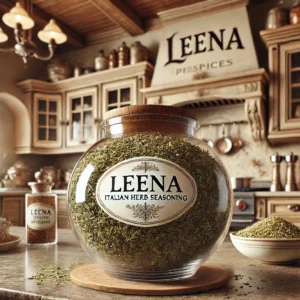
Is Italian Herb Seasoning Gluten-Free and Safe for Allergies?
Italian herb seasoning is naturally gluten-free when made from pure, dried herbs such as basil, oregano, rosemary, thyme, marjoram, and sage. These herbs come directly from plants and contain no gluten or wheat-based ingredients. However, not every store-bought blend is automatically safe. Some may include additives or be processed in facilities that handle gluten-containing products.
Gluten-Free Considerations
In its purest form, Italian seasoning does not contain gluten. Problems arise when manufacturers add anti-caking agents, flavor enhancers, or fillers that might use wheat starch or other gluten derivatives. Cross-contamination is also possible if the product is blended or packaged in a facility that processes wheat, barley, or rye.
To stay safe:
- Always read the label carefully. Look for a “Certified Gluten-Free” statement or third-party certification.
- Avoid blends with unfamiliar additives or ingredients beyond the herbs themselves.
- Choose reputable or organic brands that clearly state their gluten-free status.
- If you have celiac disease or severe gluten sensitivity, contact the manufacturer for detailed allergen handling information.
For total control, many home cooks prefer to make their own Italian herb blend using single-ingredient, verified gluten-free herbs. It’s simple, cost-effective, and guarantees purity.
Allergy Safety
Pure Italian herb seasoning is also generally free from major allergens, including nuts, soy, dairy, eggs, sesame, and shellfish. The base herbs themselves are not considered common allergens.
Still, there are a few points to consider:
- Celery leaf or seed: Some commercial blends add this, so avoid it if you have a celery allergy.
- Garlic or onion powder: Occasionally included and can trigger intolerances in sensitive individuals.
- Sulfites: Rarely used as preservatives in lower-quality products; check labels if sensitive.
- Individual herb allergies: Rare but possible, especially with herbs like oregano or thyme.
To minimize risk, opt for allergen-free or certified gluten-free blends. When in doubt, creating your own homemade mix is the safest option. It allows you to control every ingredient and avoid cross-contamination entirely.
What Is Dried Italian Herb Seasoning Made Of?
- Basil: Adds a sweet, slightly peppery flavor with a hint of mint. It gives Italian dishes their signature freshness, especially in tomato-based sauces and pasta.
- Marjoram: Offers a delicate, floral taste with mild citrus undertones. It balances stronger herbs and adds softness to the blend.
- Oregano: Brings a robust, earthy flavor with a touch of bitterness. It’s a cornerstone of Italian cuisine, often used in pizzas, pasta sauces, and roasted meats.
- Parsley: Adds a mild, grassy note and bright green color. It helps round out the blend and enhances freshness.
- Rosemary: Strong and piney, rosemary contributes a deep, woody aroma that pairs beautifully with roasted vegetables, lamb, and poultry.
- Thyme: Earthy, slightly lemony, and savory, thyme ties all the herbs together, adding complexity and balance.
How to Make Homemade Italian Herb Seasoning
Making your own Italian herb seasoning at home is simple, affordable, and gives you complete control over freshness and flavor. By blending a few dried herbs, you can create a versatile mix that enhances everything from pasta and sauces to roasted vegetables and meats.
Ingredients
To prepare a balanced Italian herb blend, measure the following dried herbs:
- Basil – 19 g
- Marjoram – 19 g
- Oregano – 19 g
- Parsley – 5 g
- Rosemary – 19 g
- Thyme – 19 g
Instructions
- Combine the herbs:
Place all dried herbs in a small mixing bowl or spice grinder. - Mix or grind:
For a coarse blend, stir the herbs together until evenly distributed.
For a finer texture, pulse gently in a spice grinder or mortar and pestle. This helps the flavors blend more evenly. - Store properly:
Transfer the seasoning to an airtight glass jar.
Keep it in a cool, dark place away from heat and moisture to preserve aroma and potency. - Shelf life:
When stored correctly, homemade Italian seasoning stays fresh for up to 6 months. Always label your jar with the blend name and date.
Tips for Best Flavor
- Use high-quality dried herbs for the most aromatic results.
- Adjust ratios to suit your taste. Add more oregano for boldness, or extra basil for sweetness.
- You can also include optional herbs like sage, savory, or crushed red pepper flakes for a custom twist.
Why Make It Yourself?
Homemade Italian herb seasoning ensures:
- Purity: No fillers, salt, or preservatives.
- Customization: Adjust flavors to match your cooking style.
- Freshness: Since dried herbs lose potency over time it is better to mix your own. This guarantees a vibrant, aromatic blend.
How do you use dried Italian herb seasoning in vegan or vegetarian recipes?
Dried Italian herb seasoning is one of the most versatile ingredients in vegan and vegetarian cooking. It instantly adds warmth, depth, and aroma to plant-based dishes without needing any animal products. Because it’s made entirely from herbs like basil, oregano, thyme, rosemary, parsley, and marjoram, it’s naturally vegan, vegetarian, and gluten-free.
Whether you’re making pasta, roasting vegetables, or marinating tofu, a small amount of this herb blend can transform everyday meals into flavorful Mediterranean-inspired dishes.
Best Ways to Use Italian Herb Seasoning
1. Pasta Sauces
Add 1–2 teaspoons to tomato-based sauces such as marinara, lentil bolognese, or aglio e olio. The herbs release their aroma as the sauce simmers, creating a rich, authentic Italian flavor.
2. Roasted Vegetables
Toss chopped vegetables like zucchini, eggplant, bell peppers, potatoes, or carrots with olive oil, salt, and 1 teaspoon of Italian seasoning before roasting or air-frying. The herbs enhance caramelization and give a fragrant, savory finish.
3. Soups and Stews
Stir 1 teaspoon into minestrone, lentil soup, or chickpea stew about 10 minutes before serving. This allows the herbs to infuse the broth without losing their delicate notes.
4. Plant-Based Proteins
Marinate tofu, tempeh, or seitan with Italian herbs, olive oil, garlic, and lemon juice before baking or grilling. The blend adds complexity and makes vegan proteins more aromatic and flavorful.
5. Grain Bowls and Risottos
Mix ½ to 1 teaspoon into quinoa, farro, rice bowls, or mushroom risotto in the last few minutes of cooking. It instantly brightens up hearty grains with Mediterranean flavor.
6. Dips and Spreads
Add ½ teaspoon to hummus, cashew cheese, or white bean dip for a subtle herbal lift. It’s also excellent in creamy vegan sauces or cashew-based dressings.
7. Vegan Garlic Bread and Flatbreads
Combine Italian herb seasoning with vegan butter or olive oil and spread it over bread before baking or toasting. It’s perfect for garlic bread, focaccia, or pizza crusts.
8. Salad Dressings
Whisk ½ teaspoon into vinaigrettes made with olive oil, balsamic vinegar, or lemon juice. The blend balances acidity and adds a restaurant-quality touch to salads.
9. Vegan Meatballs or Lentil Patties
Add 1 teaspoon per 400 g mixture to lentil, chickpea, or vegetable patties for a classic Italian taste.
10. Grilled Vegetables
Brush vegetables with olive oil mixed with Italian seasoning before grilling. The herbs bring out a smoky, garden-fresh aroma.
Pro Tip for Maximum Flavor
To release the full aroma of dried herbs, “bloom” them in oil. Sauté the seasoning gently in olive oil or with garlic for about 30 seconds before adding liquids like tomato sauce or broth. This simple step enhances flavor depth and fragrance.
General Use Guide
Use 1–2 teaspoons per four servings, adjusting to your taste. Italian herb seasoning pairs beautifully with tomato, olive oil, garlic, lemon, and plant-based proteins.
Where can I buy organic Italian herb seasoning?
You can buy Pure and Gluten-Free Mango Powder From Amazon
You’ll find several reputable brands offering pre-made blends in both small jars and bulk packs.
How do I store dried Italian herb seasoning to keep it fresh and aromatic?
Best Way to Store Italian Herb Seasoning
- Use an Airtight Container
Keep your seasoning in a sealed glass jar or metal tin with a tight-fitting lid. Airtight containers prevent oxygen and humidity from dulling the herbs’ essential oils.
- For maximum protection, choose dark or opaque jars to block out light.
- Avoid plastic containers, as they can absorb and transfer odors over time.
- Store in a Cool, Dark, and Dry Place
Place your container in a pantry or cupboard away from direct sunlight, stoves, or ovens.
- Heat and light degrade flavor compounds and cause herbs to lose their color and potency.
- The ideal temperature range is 15–21°C (60–70°F).
- Avoid Moisture and Steam
Never sprinkle seasoning directly over a steaming pot. Steam can enter the jar and cause clumping or mold.
- Always use a clean, dry spoon to measure your herbs.
- To reduce humidity, you can place a small food-safe silica gel packet or a few grains of uncooked rice inside the jar.
- Label and Track Freshness
Write the blend date or purchase date on the jar.
- For the best aroma and flavor, use your Italian herb seasoning within 6–12 months.
- After a year, the herbs remain safe but may lose their strength and fragrance.
- Avoid Refrigeration or Freezing (Unless Vacuum-Sealed) While refrigeration can seem like a good idea, it introduces moisture that speeds up spoilage. If you plan to store large quantities long-term, vacuum sealing or freezing in moisture-proof bags is effective. Just ensure the herbs are completely dry first.
Shelf Life and Freshness Test
- Best flavor: 6–12 months
- Safe use: Up to 2–3 years when properly stored
- Freshness check: Rub a pinch of seasoning between your fingers — if the aroma is faint or the color has faded, it’s time to replace it.
Pro Tip for Longevity
Keep dried herbs in small batches. The less air exposure they experience each time you open the jar, the longer their flavor lasts.Related Posts You May Want to Read
How to Make Homemade Pizza Dough with Pizza Seasoning for Authentic Italian Flavour
Australian Native Spice Blend – How to Make and Use with 17 Tips for Global Cooking Flavors
9 Surprising Differences Between Greek and Mexican Oregano That Make Your Dishes Explode with Flavor
Frequently Asked Questions About Dried Italian Herb Seasoning
What’s the difference between Italian seasoning and Italian herbs?
Italian seasoning is a pre-mixed blend of dried herbs, typically including basil, oregano, thyme, rosemary, parsley, and sometimes marjoram. In contrast, Italian herbs refer to individual herbs used separately, such as fresh basil or thyme. Using the blend is convenient for quick cooking, while individual herbs allow more precise flavor control in recipes.
Can I use Italian spice mix as a substitute for fresh herbs?
Yes, dried Italian herb seasoning can substitute fresh herbs, but with some adjustments. Use about one-third the amount of dried herbs compared to fresh, since drying concentrates their flavor. While dried herbs are convenient, fresh herbs provide brighter aroma and more vibrant color, especially in finishing dishes like salads or pasta toppings.
Is Italian herb blend spicy, or can I add chili flakes?
Standard Italian herb blends are not spicy. They focus on aromatic and savory flavors. If you prefer heat, you can easily add crushed chili flakes, cayenne, or black pepper to create a spicy variation without compromising the blend’s classic herbal profile. This is ideal for pasta sauces, stir-fries, or roasted vegetables.
How long does dried Italian seasoning last, and how should I store it
Dried Italian herb blends maintain their best flavor for 6–12 months when stored properly. Keep them in a cool, dark, airtight container away from heat, moisture, and direct sunlight. Avoid sprinkling over steaming pots directly, as steam introduces moisture and reduces potency. Proper storage can extend shelf life up to 2–3 years, though aroma and color will gradually fade.
What recipes use dried Italian herb seasoning best?
Dried Italian herb seasoning is versatile and works well in:
- Pasta sauces: Marinara, aglio e olio, or creamy tomato sauces
- Roasted vegetables: Zucchini, eggplant, bell peppers, or potatoes
- Plant-based proteins: Tofu, tempeh, seitan, or vegan meatballs
- Soups & stews: Minestrone, lentil stew, or vegetable broths
- Breads & pizzas: Garlic bread, focaccia, or pizza dough
Its savory, aromatic flavor enhances both Mediterranean and fusion recipes, making it a pantry essential for home cooks and chefs alike.
Medical Disclaimer:
The information provided in this article is for educational and informational purposes only and is not intended as medical advice. Always consult a qualified healthcare provider before starting any new dietary supplement, herbal remedy, or wellness routine, especially if you have underlying health conditions, are pregnant or breastfeeding, or are taking prescription medications.
Impu Irani is a cookbook author behind Leena Spices, where he shares practical, easy-to-follow guides on homemade spice blends, herbs, and natural cooking. His work helps home cooks create fresh, flavorful meals using simple ingredients and traditional methods. Download his free Spice Blending eBook and start your journey to cleaner cooking today!
Disclosure Note
We are committed to creating high-quality, helpful content for our readers. We do not accept payment in exchange for writing our articles, and we personally cover the costs of running this website, including hosting, tools, and maintenance.
To support the site, we display ads and may earn a small commission from affiliate links if you choose to make a purchase—at no extra cost to you.
Your support helps us continue sharing valuable content with the community.
If you’d like to support us, here are a few simple and free ways:
- Share our content with your friends and family
- Engage with us on social media
- Follow us on Facebook
You can also learn more by visiting our disclaimer page:
https://leenaspices.co.nz/disclaimer/
As a thank you, feel free to download our Free Spice Recipe eBook.
Download a Free Leena Spices Recipes Cookbook