Table of Contents
ToggleKey Takeaways: Chutney Spice Blend
What is a chutney spice blend?
A chutney spice blend is an aromatic mixture of whole and ground spices used to flavor chutneys, including coriander-mint, tamarind-date, and coconut varieties. It delivers a tangy, spicy, and sometimes sweet punch that enhances dips, sauces, and snacks in Indian and Asia-Pacific cuisine.
What are the main spices in a traditional chutney spice blend?
Common spices include achari masala, coriander seeds, cumin, black pepper, mustard seeds, cloves, cardamom, cinnamon, ginger powder, nutmeg, paprika, dried cilantro, and mint. These spices create a balance of warmth, heat, and tanginess essential for authentic chutney flavors.
How do I make chutney spice blend at home?
To make your own blend, toast whole spices (coriander, cumin, cloves, cardamom, cinnamon, mustard seeds) on low heat, cool them, then grind with remaining spices (achari masala, ginger powder, mint, nutmeg, paprika). Store in an airtight container away from heat and moisture for maximum freshness.
Can I use chutney spice blend in non-Indian dishes?
Yes. Its tangy, nutty, and aromatic profile makes it ideal for fusion cooking. Use it in roasted vegetables, grain bowls, avocado toast, dips, sauces, marinades, stir-fries, or even fruit salads. Start with ¼ teaspoon per serving and adjust to taste.
How can I adapt chutney spice blend for Southeast Asian fusion dishes?
Add regional aromatics like lemongrass, kaffir lime leaves, or galangal. Mix with fish sauce, tamarind, palm sugar, or coconut milk to create Thai, Malaysian, Indonesian, or Vietnamese-inspired flavors. Reduce cumin slightly and balance with sweet or tangy ingredients for perfect fusion.
How should I store chutney spice blend for maximum freshness?
Keep in a clean, dry, airtight glass jar in a cool, dark cupboard. Use a dry spoon every time, and optionally add dried bay leaves or silica packets. Refrigerate or freeze in humid climates for longer shelf life.
What are the top uses for chutney spice blend in daily cooking?
Sprinkle on roasted vegetables, mix into yogurt for dips, rub on grilled meats or tofu, add to soups or curries, season rice or grain bowls, and use in fruit salads or quick pickles. It replaces salt, acid, and heat in one step.
Why is homemade chutney spice blend better than store-bought?
Homemade blends offer fresher flavors, no fillers or preservatives, customizable heat and tang, and consistent results. You can also create regional or fusion variations to suit your cooking style, making it a versatile pantry essential.
What Is a Chutney Spice Blend?
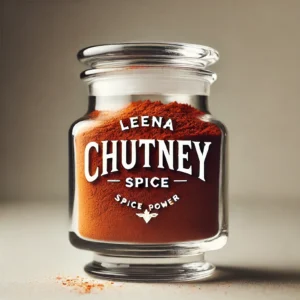
A chutney spice blend is a carefully balanced mix of spices used to season, enhance, or finish chutneys.Whether you are making a fresh green coriander–mint chutney, a tamarind–date chutney, or a dry chutney powder, this blend adds the distinctive sour–salty–spicy punch that makes chutneys burst with flavour.
In simple terms, it is a combination of aromatic whole or ground spices that deepen the chutney’s taste, bring its ingredients together, and lift the acidity or sweetness. The exact mix varies by region and recipe, but most blends include a base of warming spices, a touch of heat, and a brightening agent such as dried mango powder or tamarind.
Because chutneys play such a central role in cuisine, chutney spice blends have become a pantry essential for home cooks, food lovers, and chefs who want fast, consistent, restaurant-quality flavour.
If you’re preparing homemade chutney, experimenting with spice blends, or creating your own signature chutney powder, understanding this blend is the first step to mastering authentic, bold, and balanced chutney flavour.

Impu Irani is the cookbook author behind Leena Spices , where he shares easy homemade spice blend recipes and practical cooking tips. Read more about him at the end of this post.
Where to buy authentic chutney spice blend online?
You can buy Pure and Authentic Chutney Spice Blend From Amazon
You’ll find several reputable brands offering pre-made blends in both small jars and bulk packs.
CLICK HERE
What Are the Key Spices in a Traditional Chutney Spice Blend?
While recipes vary by region, these are the core spices commonly used to build that bright, savoury, and slightly spicy chutney flavour profile:
• Achari Masala (Pickling Spice Mix)
Adds sharp, sour, and mildly spicy notes. It often includes fennel, fenugreek, mustard, and nigella seeds giving chutneys their classic “achari” tang.
This signature tangy flavor in pickling comes from the bold, peppery, and slightly onion-like notes of whole nigella seeds. Since they’re often confused with other small black seeds when shopping, it’s important to know the difference between nigella seeds vs black sesame seeds before you start preparing your chutney.
• Allspice
Used sparingly for warmth and gentle sweetness. It rounds out strong flavours and adds depth, especially in fruit-based chutneys.
• Black Pepper
Provides earthy heat and enhances the overall pungency of the blend.
• Cardamom
Green cardamom adds a sweet, floral aroma that lifts herb chutneys and balances tamarind’s acidity.
• Cilantro (Coriander Leaves)
Dried cilantro offers a fresh, herbaceous layer. In green chutneys, it reinforces the flavour of fresh coriander.
• Cinnamon
Adds gentle sweetness and warmth, especially in date, apple, mango, or coconut chutneys.
• Coriander Seeds
A foundational spice in most chutney blends. Coriander contributes citrusy, nutty brightness that ties all flavours together.
• Cloves
Strong, warm, and slightly sweet. A little goes a long way to deepen the blend.
• Cumin
One of the most essential chutney spices. Roasted cumin adds smoky aroma and earthy balance — a signature note in many Indian chutneys.
• Ginger Powder
Adds sharp, zesty heat and helps brighten both herb-based and fruit-based chutneys.
• Mint
Dried mint provides cooling freshness and enhances the flavour of green chutneys.
• Yellow Mustard Seeds
Bring mild heat, tanginess, and that classic chutney “kick.” When roasted or tempered, they add nutty depth.
• Nutmeg
Used very lightly for warm sweetness, especially in sweet–savoury chutneys.
• Paprika
Adds colour and mild smokiness without extra heat. Perfect for chutneys where you want vibrant red tones.
How to Make a Chutney Spice Blend at Home (Step-by-Step Guide)
Making your own chutney spice blend at home is one of the easiest ways to upgrade the flavour of green chutneys, tamarind chutneys, coconut chutneys, and dry chutney powders. This blend delivers a bright, tangy, aromatic punch. Since you control the roasting, freshness, and balance, the flavour is far superior to store-bought versions.
Ingredients (Exact Measurements)
- Achari masala – 35 g
- Allspice – 9 g
- Black pepper – 1 g
- Cardamom – 3 g
- Dried cilantro – 3 g
- Cinnamon – 3 g
- Coriander seeds – 9 g
- Cloves – 3 g
- Cumin seeds – 9 g
- Ginger powder – 9 g
- Dried mint – 1 g
- Yellow mustard seeds – 3 g
- Nutmeg – 3 g
- Paprika – 9 g
Step-by-Step Instructions
Step 1: Measure all the spices
Begin by measuring each spice accurately. Using grams by weight ensures flavour consistency.
Step 2: Toast the whole spices
Add the whole spices (coriander, cumin, mustard seeds, cloves, black pepper, cardamom, cinnamon) to a dry pan.
Toast them on low heat for 2 to 3 minutes, stirring frequently.
You’ll know they are ready when:
- The seeds start to smell warm and nutty
- The spices become slightly darker
- You hear a soft crackle
Be careful not to burn them. Burnt spices turn bitter and overpower the chutney.
Step 3: Cool the spices completely
Spread the toasted spices on a plate and let them cool for about 10 minutes.
Grinding warm spices can create moisture, leading to clumping and reduced shelf life.
Step 4: Grind into a fine or semi-coarse powder
Add the cooled toasted spices to a grinder.
Now add the non-toasted spices:
- Achari masala
- Allspice
- Ginger powder
- Dried cilantro
- Dried mint
- Nutmeg
- Paprika
Grind everything to your preferred texture:
Step 5: Sift (optional)
If you want a very smooth chutney masala, sift the blend to remove larger bits.
You can pulse the leftover coarse pieces again.
Step 6: Store it properly
Transfer the blend to an airtight, lightproof jar.
Store in a cool, dry place away from heat and moisture.
This helps the spice blend stay fresh for 3–6 months with full flavour.
How to Use This Chutney Spice Blend
You can use ½–1 teaspoon in:
- Green coriander–mint chutney
- Tamarind–date chutney
- Coconut chutney
- Tomato chutney
- Yogurt dips and raitas
- Sandwich or wrap spreads
- Street-style chaats and snacks
It’s also excellent as a finishing sprinkle for samosas, pakoras, grilled vegetables, and roasted nuts.
Nectarine Chutney Recipe with Homemade Chutney Spice Blend
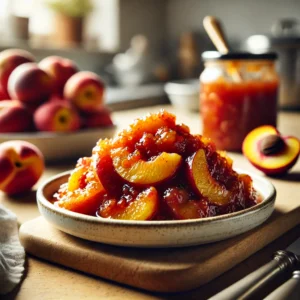
This nectarine chutney is sweet, tangy, and subtly spiced with our homemade chutney spice blend. Perfect as a condiment for cheese boards, grilled meats, sandwiches, or even fusion dishes. You can easily substitute nectarines with peaches, plums, or other soft fruits for seasonal variations.
Ingredients
- 1 kg nectarines, stoned and roughly chopped (or substitute peaches, plums, or mangoes)
- 2 cups brown sugar
- 1 cup vinegar or apple cider vinegar
- 2 tsp finely grated fresh ginger
- ½ tsp chilli flakes (optional) or ½ tsp black pepper
- ½ tsp salt
- ¾ cup raisins or chopped dates
- Juice and zest of 1 lemon
- 2 tsp olive oil
- 1 ½ tsp chutney spice blend
Step-by-Step Method
- Heat the Oil: In a medium saucepan, warm the olive oil over medium heat.
- Sauté the Fruit: Add the chopped nectarines and fry for 2 minutes, stirring gently to coat with oil.
- Add Remaining Ingredients: Stir in brown sugar, vinegar, ginger, chilli flakes or black pepper, salt, raisins or dates, lemon juice, lemon zest, and chutney spice blend.
- Bring to a Boil: Heat until the sugar fully dissolves, stirring occasionally.
- Simmer Until Thickened: Reduce heat to low and cook, uncovered, for 30 to 45 minutes, or until the mixture reaches a thick, jam-like consistency. Stir occasionally to prevent sticking.
- Cool and Store: Allow the chutney to cool slightly, then transfer into clean, airtight jars. Store in the fridge for up to 2 to 3 months.
Tips for Best Results
- Fruit Variations: Swap nectarines with peaches, plums, apricots, or even mangoes for a seasonal twist.
- Adjust Spice: Increase or decrease the chutney spice blend or chilli flakes according to your taste.
- Sweetness: Reduce sugar slightly for a less sweet chutney; adjust vinegar to maintain tanginess.
- Serving Ideas: Serve alongside cheese, grilled meats, roasted vegetables, sandwiches, or as a dip for crackers and flatbreads.
- Long-Term Storage: For maximum freshness, store in airtight glass jars in a cool, dark place, or refrigerate.
Can I Use Chutney Spice Blend in Non-Indian Dishes?
Best Non-Indian Uses for Chutney Spice Blend
Try adding a small pinch (about ¼ teaspoon per serving) to:1. Snacks & Light Bites
- Sprinkle on popcorn, fries, or roasted nuts
- Dust over avocado toast, guacamole, or bruschetta
- Finish a bowl of hummus, yogurt dip, or bean spread
2. Roasted & Grilled Foods
- Season roasted vegetables like potatoes, carrots, cauliflower, sweet potatoes, or pumpkin
- Use as a dry rub on grilled chicken, fish, tofu, paneer, or pork chops
- Add to sheet-pan meals for extra tang and warmth
3. Dressings, Sauces & Marinades
- Whisk into vinaigrettes, lemon dressings, mayonnaise, or aioli
- Stir into BBQ sauce, honey glazes, or yogurt marinades
- Use as a rim seasoning for Bloody Marys or micheladas
4. Fusion Grain & Salad Bowls
- Mix into quinoa, millet, rice bowls, or salad greens
- Sprinkle over poke bowls, chickpea salads, or warm grain bowls
5. Breakfast & Egg Dishes
- Season scrambled eggs, deviled eggs, or egg salad
- Mix into smashed avocado or cottage cheese bowls
- Add to toast toppings or savoury oatmeal
6. Sweet–Savory Experiments
Because the blend contains warming spices such as cinnamon, nutmeg, and ginger, you can even use a tiny pinch in:- Apple pies
- Fruit crumbles
- Baked apples
- Peach or mango compotes
7. Fresh Fruit & Summer Plates
- Sprinkle lightly on mango, pineapple, watermelon, kiwi, or berries
- Mix into fruit salsa for tacos or grazing boards
How Can I Adapt Chutney Spice Blend For Southeast Asian fusion dishes?
How to Adapt Chutney Spice Blend for Southeast Asian Fusion Dishes
A chutney spice blend already has many flavors that overlap with Southeast Asian cooking like coriander, cumin, chili, ginger, and tangy elements like amchur. With a few smart tweaks, you can transform it into a powerful fusion seasoning that works beautifully in Thai, Vietnamese, Malaysian, Singaporean, and Indonesian dishes.1. Add Southeast Asian Aromatics for Authentic Flavor
Southeast Asian cuisines rely heavily on bright, citrusy, and fresh aromatics. Layer these with your chutney spice blend:- Lemongrass (fresh or powdered) – adds citrus lift to curries, marinades, and stir-fries.
- Galangal – provides sharp, peppery heat similar to ginger but more floral.
- Makrut lime leaves (dried or powdered) – gives Thai-style citrus fragrance instantly.
- Thai basil or Vietnamese mint – toss in at the end for herbal depth.
2. Balance the Blend for SEA Sweet–Sour–Salty Notes
Southeast Asian dishes rely on harmony. To adapt the chutney blend:- Reduce cumin slightly (if possible) to avoid overpowering earthiness.
- Add a touch of coconut sugar or palm sugar to mimic Thai, Malay, and Indonesian sweetness.
- Use fish sauce or soy sauce alongside the blend for umami balance.
- Add lime or tamarind to replace strong Indian-style sourness.
3. Create Fusion-Friendly Version of Iconic SEA Dishes
Thai & Vietnamese Green Papaya Salad (Som Tam / Gỏi Đu Đủ)
Replace the classic lime–palm sugar seasoning with:- 1 tsp chutney spice blend
- ½ tsp fish sauce
- ½ tsp palm sugar Toss with shredded papaya or green mango.
Malaysian/Indonesian Rojak or Fruit Salad
Swap the traditional tamarind–shrimp paste mix with:- Chutney spice blend (same quantity)
- Crushed roasted peanuts Perfect with pineapple, cucumber, and jicama.
Fresh Spring Rolls or Yam Salads
Mix into dipping sauces:- 1 tsp chutney spice
- 2 tbsp peanut sauce or hoisin Adds bright tang and warm spice.
Grilled Satay (Chicken, Prawns, or Tofu)
Make a dry rub:- 1 tbsp chutney spice
- 1 tsp turmeric
- 1 tsp coconut sugar
- Pinch of salt Grill and serve with peanut sauce.
Larb (Thai/Lao Minced Meat Salad)
For a tangy, spicy twist:- ¾ tsp chutney spice
- ½ tsp fish sauce
- Extra toasted rice powder Adds depth while keeping the freshness of herbs and lime.
Coconut-Based Curries (Rendang, Massaman, Thai Yellow Curry)
Finish each bowl with ¼–½ tsp of chutney spice blend to brighten the flavor without altering the base.Quick Southeast Asian Pickles
Add ½ tsp chutney spice blend per 1 cup of vinegar–sugar brine for pickled carrots, radishes, or cucumber.4. Blend into Sambals and Sauces
For Indonesian and Malaysian styles:- Combine chutney spice with tamarind, chili paste, shrimp paste (optional), and lime to create a sambal-inspired fusion sauce.
- Stir into coconut milk for an instant Malay-style dressing or curry base.
5. Use as a Finishing Seasoning
Sprinkle on:- Vietnamese pho noodles
- Banh mi sandwiches
- Stir-fried greens
- Fried rice or noodle bowls
- Grilled seafood
Quick Ratio Guide
- Start with ¼ teaspoon per serving in Southeast Asian dishes.
- Reduce overall usage by 25–30% to avoid overpowering fish sauce and lime-based flavors.
How to Store Chutney Spice Blend for Maximum Freshness
Storing chutney spice blend correctly is essential for keeping its bright, tangy, and aromatic flavors intact. Because this blend contains volatile oils and moisture-sensitive ingredients, the way you store it directly affects its taste, color, and shelf life.
1. Use a Clean, Dry, Airtight Container
Always transfer your chutney spice blend into:
- A glass jar with a tight screw-on lid (best for preserving aroma)
- Or a high-quality PET food-safe container
Avoid thin plastic pouches for long-term storage. These will allow air and humidity to sneak in, causing clumping and flavor loss.
Pro tip: Drop 1–2 dried bay leaves or a food-grade silica gel packet inside the jar to absorb any residual moisture.
2. Keep It in a Cool, Dark, and Dry Space
Heat, sunlight, and moisture are the biggest enemies of spices.
Store your jar:
- In a cool pantry or cupboard
- Away from the stove, oven, or windows
- Away from the dishwasher or sink (moisture rises during washing)
Ideal storage temperature: Below 25°C (77°F).
3. Never Use a Wet or Damp Spoon
A single drop of moisture can cause:
- Clumping
- Mould growth
- Rancid smell over time
Use only clean, bone-dry spoons every time you scoop the powder.
4. When to Refrigerate or Freeze (Humid Climates)
Refrigeration is optional, but very helpful if:
- You live in a high-humidity region
- The blend contains nuts, dried coconut, or mint
- You plan to store it for several months
Refrigerator shelf life:
2–6 months in a tightly sealed jar.
Freezer shelf life:
6–12 months in an airtight pouch or container.
Always thaw the jar inside the fridge, never on the counter, to avoid condensation.
5. Mark the Date and Check for Freshness
Write the date of preparation on the label.
General freshness guide:
- Room temperature: 1–2 months (homemade)
- High-quality metallized pouches: Up to 6 months
- Refrigerated: 2–6 months
- Frozen: 6–12 months
Replace the blend if you notice:
- A flat or stale smell
- Dull or faded color
- Clumping or signs of moisture
- Any unusual or rancid odour
FAQs: Chutney Spice Blend
What is the difference between chutney spice blend and garam masala?
Chutney spice blend is tangy, slightly sour, and often includes amchur, dried mint, or black salt, making it ideal for chutneys and dips. Garam masala is warm and aromatic, with spices like cinnamon, cardamom, cloves, and nutmeg, used mainly in curries and stews. They can be used together but serve different flavor purposes.
Can I make chutney spice blend without a grinder?
Yes. You can crush whole spices using a mortar and pestle or finely chop dried spices with a sharp knife. For a slightly coarse texture, toast the spices lightly and pound them. Grinding provides a smoother consistency, which is ideal for mixing directly into chutneys and sauces.
How long does homemade chutney spice blend last?
Properly stored in a cool, dark, airtight jar, homemade blends last 3–6 months at room temperature. Refrigeration in humid climates can extend shelf life to 6 months, and freezing can preserve the aroma and flavor for up to 12 months. Always check for clumping or off smells before use.
Is chutney spice blend suitable for vegan and vegetarian diets?
Absolutely. Traditional chutney spice blends are 100% plant-based, containing only herbs and spices. They are naturally gluten-free, dairy-free, and nut-free unless you add optional ingredients like roasted coconut or peanuts for texture.
Can I adjust the heat level in chutney spice blend?
Yes. To reduce heat, use less black pepper, chili powder, or paprika. To increase spiciness, add more chili flakes or roasted red pepper. The blend is highly customizable to suit mild, medium, or extra-spicy palates, including fusion dishes for Southeast Asian cuisine.
What are some creative fusion uses for chutney spice blend?
Beyond Indian dishes, chutney spice blend works in:
- Thai or Vietnamese salads (som tam, green papaya salad)
- Malaysian or Indonesian sambal and rojak fruit salads
- Grain bowls, quinoa, and millet dishes
- Roasted vegetables, popcorn, avocado toast, and hummus
- Marinades for grilled meats, tofu, or seafood
It adds tang, warmth, and aromatic depth to any cuisine.
Can I substitute chutney spice blend in Indian recipes that call for amchur or chaat masala?
Yes. Chutney spice blend often contains similar tangy and salty notes to amchur powder or chaat masala, making it a versatile replacement. Adjust the amount based on taste, and consider reducing other acidic ingredients like lemon or tamarind to avoid over-souring.
How do I preserve the aroma and flavor of my chutney spice blend?
- Store in a glass or PET airtight jar
- Keep in a cool, dark cupboard away from heat and sunlight
- Use a dry spoon every time
- Optionally add bay leaves or silica gel to absorb moisture
- Avoid temperature swings to prevent condensation and clumping
Is chutney spice blend suitable for baking or sweet dishes?
Yes, in small quantities. Its warming spices like cinnamon, nutmeg, and ginger can enhance fruit crumbles, baked apples, quick breads, or spiced muffins, giving a subtle sweet–savory depth without overpowering.
Can I make a low-sodium chutney spice blend for health-conscious diets?
Absolutely. Simply omit or reduce added salt or black salt. The tanginess from amchur, tamarind, or lemon powder, combined with aromatic spices, ensures the blend remains flavorful while supporting low-sodium or heart-healthy diets.
Medical Disclaimer:
The information provided in this article is for educational and informational purposes only and is not intended as medical advice. Always consult a qualified healthcare provider before starting any new dietary supplement, herbal remedy, or wellness routine, especially if you have underlying health conditions, are pregnant or breastfeeding, or are taking prescription medications.
Impu Irani is a cookbook author behind Leena Spices, where he shares practical, easy-to-follow guides on homemade spice blends, herbs, and natural cooking. His work helps home cooks create fresh, flavorful meals using simple ingredients and traditional methods. Download his free Spice Blending eBook and start your journey to cleaner cooking today!
Disclosure Note
We are committed to creating high-quality, helpful content for our readers. We do not accept payment in exchange for writing our articles, and we personally cover the costs of running this website, including hosting, tools, and maintenance.
To support the site, we display ads and may earn a small commission from affiliate links if you choose to make a purchase—at no extra cost to you.
Your support helps us continue sharing valuable content with the community.
If you’d like to support us, here are a few simple and free ways:
- Share our content with your friends and family
- Engage with us on social media
- Follow us on Facebook
You can also learn more by visiting our disclaimer page:
https://leenaspices.co.nz/disclaimer/
As a thank you, feel free to download our Free Spice Recipe eBook.
Download a Free Leena Spices Recipes Cookbook