Table of Contents
ToggleKey Takeaways
What is the main benefit of making salt-free Adobo seasoning at home?
Making your own salt-free Adobo seasoning gives you full control over ingredients, ensuring a healthy, low-sodium blend without fillers, preservatives, or additives.
What does salt-free Adobo seasoning taste like?
It tastes savory, garlicky, peppery, and slightly earthy with herbal notes from oregano and color from paprika and turmeric for a full flavour without relying on salt.
What ingredients are used in Leena’s salt-free Adobo blend?
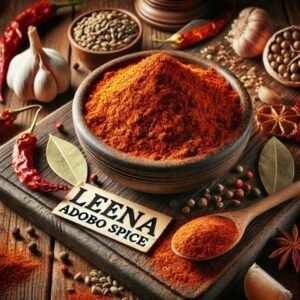
Black pepper, cumin, garlic powder, oregano, paprika, and turmeric, all pure, fresh spices for maximum aroma and clean flavour.
Is this homemade Adobo seasoning suitable for low-sodium diets?
Yes. Because it contains zero salt, it is ideal for low-sodium, heart-healthy, and kidney-friendly diets, helping you season food without raising sodium levels.
How do you use salt-free Adobo seasoning in everyday cooking?
Sprinkle it on chicken, vegetables, seafood, tofu, soups, rice, or roasted potatoes. It works as a marinade, rub, finishing spice, or all-purpose seasoning.
Why is Adobo seasoning popular in Asia-Pacific kitchens?
Its bold garlic flavour, easy all-purpose use, and versatility make it a favourite in New Zealand, Australia, Fiji, and broader Asia-Pacific fusion cooking.
How long does homemade salt-free Adobo seasoning last?
Stored in an airtight jar away from sunlight, it stays fresh for 6–12 months with its aroma and flavour well preserved.
Can I adjust the spice levels in this recipe?
Yes. Add chili flakes for heat, reduce pepper for mildness, or increase paprika for color. The recipe is flexible and fully customizable.
Is homemade Adobo seasoning more cost-effective than store-bought?
Absolutely. Buying pure spices in bulk is more economical and ensures you avoid hidden salt, anti-caking agents, and unnecessary additives.

Impu Irani is the cookbook author behind Leena Spices , where he shares easy homemade spice blend recipes and practical cooking tips. Read more about him at the end of this post.
What Is Adobo Seasoning Used For in Everyday Cooking?
Adobo seasoning is one of the most versatile all-purpose blends you can keep in your kitchen. Whether you are cooking Asian-Pacific, Filipino, Latin, or modern fusion dishes, this mix of garlic, pepper, oregano, salt, and warming spices delivers an instant boost of savoury depth. It replaces multiple single spices in one shake, perfect for fast flavour, especially when you are cooking on busy weeknights.
1. Seasoning Proteins (The Most Common Use)
Adobo seasoning is best known as a go-to rub or marinade for:
- Chicken, pork, beef, and lamb
- Fish and seafood
- Ground meat for tacos, burgers, meatballs, and stir-fries
You can use it dry or mix it with oil, vinegar, or citrus for a quick marinade.
Typical ratio: 1–2 teaspoons per pound (450 g) of meat.
2. Everyday Cooking Staples: Rice, Beans, and Stews
Adobo seasoning adds instant depth to:
- Rice and fried rice
- Beans, lentils, and chickpeas
- Soups, broths, and stews
Just a sprinkle enhances the base the same way garlic, pepper, and seasoning salt would—only faster.
3. Vegetables and Plant-Based Dishes
For home cooks and chefs across the Asia–Pacific region, Adobo is a favourite for quick vegetable seasoning because it works on almost everything:
- Roasted potatoes and sweet potatoes
- Cauliflower, zucchini, carrots, and bell peppers
- Sautéed onions and mixed veggies
- Grilled corn
- Tofu, tempeh, and plant-based meats
It brings a savoury, garlicky backbone that pairs well with vegan meals.
4. Marinades, Sauces, and Dressings
Adobo seasoning blends beautifully into:
- Marinades made with olive oil, lemon, lime, or vinegar
- Guacamole, hummus, and mayonnaise-based dips
- Salad dressings
- Homemade sauces and salsas
It adds flavour without overpowering fresh ingredients.
5. Quick Snacks and Everyday Enhancers
One of the reasons Adobo is a pantry essential is how well it works in quick, 30-second applications:
- Eggs (scrambled, fried, hard-boiled, or omelettes)
- Popcorn and roasted nuts
- Hot chips or roasted chickpeas
- Instant noodles
- Avocado toast
- Savoury oatmeal or porridge
Add just a pinch to transform bland snacks into flavourful bites.
6. Popular Uses in Asia-Pacific and Filipino Cooking
In many Filipino and Asia-Pacific households, Adobo seasoning is used every day for:
- Classic chicken or pork adobo
- Adobo flakes
- Fried chicken and seafood
- Stir-fries
- Pancit
- Fried rice dishes
- Braised meats
- Lechon kawali rubs
- Whole roast chicken
- Quick home-style soups
Why Adobo Seasoning Works So Well
Adobo seasoning acts as a complete flavour base. Instead of adding salt, garlic powder, black pepper, onion powder, oregano, or MSG separately, the blend delivers everything at once. This creates consistent results, reduces cooking time, and builds layered savoury flavour even in simple dishes.
What Does Adobo Spice Blend Taste Like?
Adobo seasoning has a bold, savoury flavour that instantly deepens almost any dish. The blend is built on garlic, black pepper, and herbs, giving it a clear umami punch with gentle warmth and not spicy heat. It is one of those seasonings that tastes familiar across Filipino, Latin American, Caribbean, and Asia–Pacific cooking because it delivers flavour without ever overpowering the dish.
The Core Flavour Profile
Adobo seasoning tastes:
- Savory and garlicky: Garlic is the dominant note, giving the blend its signature umami-forward depth.
- Lightly salty: Many versions include salt or soy-based powders for instant seasoning.
- Earthy and peppery: Black pepper and sometimes cumin add warmth without heat.
- Herbaceous: Oregano brings a clean, slightly citrusy brightness.
- Subtly tangy: Some modern blends include vinegar powder or citric acid for a gentle tart finish.
Overall taste: A balanced, garlicky, savoury blend with warm herbs and a mild tang. It enhances food the way a good seasoning salt would—but far more aromatic and complex.
How It Feels in Food
Adobo has a flavour that:
- Builds savoury depth quickly
- Complements both meat and vegetables
- Blends seamlessly into marinades, soups, and stews
- Stays mild enough for daily use
- Never dominates the dish unless used heavily
What Is Adobo Spice Blend Made Of?
A classic Adobo spice blend is built on a handful of everyday pantry spices that work together to create a bold, savory, garlicky flavour. While recipes vary across regions and brands, the core ingredients remain consistent.
Core Ingredients in Adobo Seasoning
Most dry Adobo blends include:
- Garlic powder
The star ingredient. It provides the strong, savoury, umami-forward base that Adobo is known for. - Black pepper
Adds gentle heat, sharpness, and warmth without making the blend spicy. - Oregano
Brings herbaceous, slightly citrusy notes that brighten the overall flavour. - Cumin
Provides earthiness and depth, especially common in Latin-style Adobo blends. - Paprika
Adds color and mild sweetness, and enhances the blend’s aroma. - Turmeric
Used in some versions for color and an earthy, warm undertone.
Optional Ingredients You May Find
Some brands or homemade versions may also include:
- Salt or sea salt
- Onion powder
- Vinegar powder or citric acid (for tang)
- Annatto for colour
- Bay leaf powder
- Soy powder for extra umami
- Chili flakes or mild chilies (in spicier regional variations)
Why These Spices Work Together
Each ingredient plays a role: garlic builds savoury depth, black pepper adds warmth, oregano lifts the blend with a herbal brightness, and cumin, paprika, and turmeric round everything out with earthiness and body. The result is a balanced all-purpose seasoning that enhances meat, vegetables, rice, beans, soups, and marinades with minimal effort.
Where to buy authentic Adobo Spice Seasoning online?
You can buy Pure and Authentic Adobo Spice Seasoning From Amazon
You’ll find several reputable brands offering pre-made blends in both small jars and bulk packs.
CLICK HERE
How do you make adobo spice blend without salt at home?
How to Make Adobo Spice Blend Without Salt (Simple Homemade Recipe)
If you want a clean, salt-free version of Adobo seasoning that is perfect for low-sodium cooking, dietary needs, or simply controlling the salt level in your dishes then you can easily make it at home using a few staple spices. This DIY blend delivers the same bold, garlicky, savoury flavour Adobo is loved for, without relying on added salt.
Simple Salt-Free Adobo Seasoning (Homemade Recipe)
Ingredients:
- Black pepper – 5 g
- Cumin – 25 g
- Garlic powder – 13 g
- Oregano – 25 g
- Paprika – 25 g
- Turmeric – 7 g
- Combine the spices
In a clean, dry mixing bowl, add all your measured spices: black pepper, cumin, garlic powder, oregano, paprika, and turmeric. - Mix thoroughly
Whisk or stir the spices until they are fully blended and the color is even. This ensures each teaspoon delivers a consistent flavor. - Store properly
Transfer the seasoning into an airtight jar or container. A tightly sealed container preserves aroma, flavor, and freshness. - Keep in a cool, dark place
Store your homemade Adobo in a cupboard or pantry away from sunlight and heat. Proper storage can keep your spice blend fresh for up to 6–12 months.
Pro Tip: For extra flavor, lightly toast whole spices like cumin or black pepper before grinding. Then combine them with the other powdered ingredients for a richer aroma.
Your homemade salt-free Adobo blend will stay fresh for:
- 6 to12 months when stored properly
- Longer if kept away from heat, sunlight, and moisture
What Is the Difference Between Authentic Filipino Adobo Spice Blend and Mexican/Puerto Rican Adobo Seasoning?
Although they share the same name, Filipino Adobo, Mexican Adobo, and Puerto Rican Adobo are three completely different flavour traditions. They come from different histories, use different ingredients, and serve different purposes in cooking. Understanding the distinction is essential for anyone exploring global flavours or writing about spices and cuisine.
1. Filipino Adobo: A Cooking Method and a Dish — Not a Dry Spice Blend
Filipino Adobo is not a powdered seasoning. It refers to a braising technique and the iconic dish that results from simmering meat in a salty-sour-umami sauce.
Core Characteristics
- Form: Wet braising liquid or sauce
- Key ingredients: Vinegar, soy sauce, garlic, whole black peppercorns, and bay leaves
- Flavour profile: Tangy, salty, savoury, and deeply garlicky
- Heat level: Mild (no chilies)
- Usage: Chicken, pork, fish, and vegetables are simmered until tender and glazed
Filipino adobo relies on acidity plus saltiness. It is the flavour base of the dish itself and not a standalone spice blend.
2. Mexican Adobo: A Chili-Based Paste or Sauce
Mexican Adobo is very different. It is traditionally a wet marinade or thick chili paste made by blending dried chilies and spices.
Core Characteristics
- Form: Wet paste, sauce, or rehydrated spice mixture
- Key ingredients: Dried chilies (ancho, guajillo), garlic, vinegar, Mexican oregano, cumin, cloves, and spices
- Flavour profile: Spicy, smoky, earthy, and tangy
- Heat level: Medium to hot
- Usage:
- Marinades for meats
- Base for stews, moles, or grilled dishes
- Sauce for vegetables and beans
Mexican Adobo is recognised for its smoky chili flavour, not the sour-savory taste of Filipino adobo.
3. Puerto Rican Adobo: A Dry All-Purpose Seasoning Blend
Puerto Rican (and broader Caribbean) Adobo most closely resembles the Adobo seasoning sold in supermarkets but its profile is different from Mexican and Filipino versions.
Core Characteristics
- Form: Dry powdered seasoning
- Key ingredients: Garlic powder, oregano, black pepper, cumin or coriander, turmeric or annatto, onion powder, and salt
- Flavour profile: Garlicky, herbaceous, savoury, mildly peppery
- Heat level: Mild
- Usage:
- Dry rub for chicken, pork, seafood
- Everyday seasoning (used like salt and pepper)
- Marinades for grilling and frying
This Adobo is herbal, mild, and citrus-bright, designed for convenience in everyday cooking.
Related Posts You May Want to Read
How to Make an Authentic Filipino Spice Blend at Home
How to Make Your Own All-Purpose Seasoning Spice Blend at Home: 7 Easy Tips
9 Surprising Differences Between Greek and Mexican Oregano That Make Your Dishes Explode with Flavor
How to Make Fusion Seasoning Spice Blends at Home: Step-by-Step Recipe Guide
Comparison of Filipino, Mexican, and Puerto Rican Adobo
Aspect | Filipino Adobo | Mexican Adobo | Puerto Rican Adobo |
Form | Wet braising liquid or sauce | Wet chili-based paste or sauce | Dry powdered seasoning |
Key Ingredients | Vinegar, soy sauce, garlic, whole black peppercorns, bay leaves | Dried chilies (ancho, guajillo), garlic, vinegar, Mexican oregano, cumin, cloves | Garlic powder, oregano, black pepper, cumin/coriander, turmeric or annatto, onion powder, salt |
Flavour Profile | Tangy, salty, savoury, garlicky, umami-rich | Smoky, spicy, earthy, tangy | Garlicky, herbaceous, savoury, mildly peppery |
Heat Level | Mild (no chilies) | Medium to hot | Mild pepper warmth |
Typical Usage | Stewing chicken, pork, fish, or vegetables until tender and glazed | Marinades for meats, base for stews/moles, grilled dishes, vegetable sauces | Dry rub for chicken, pork, seafood; everyday seasoning; marinades for grilling or frying |
Unique Feature | A cooking method and dish; flavour comes from the braising liquid, not a standalone spice | Recognised for smoky chili flavour; can be rehydrated into a sauce or used as paste | All-purpose dry seasoning; convenient and ready-to-use; herbal and citrus-bright |
Frequently Asked Questions (FAQs)
Can I make Adobo seasoning at home without salt?
Yes! You can create a healthy, flavorful Adobo seasoning using black pepper, garlic powder, oregano, cumin, paprika, and turmeric. This allows you to control the flavor while keeping sodium levels low.
How does salt-free Adobo differ from regular Adobo seasoning?
Salt-free Adobo removes sodium but retains the aromatic, garlicky, and herbal flavours. It is ideal for low-sodium diets, heart health, and those avoiding added preservatives.
What dishes work best with salt-free Adobo seasoning?
Salt-free Adobo is versatile: use it on chicken, pork, fish, tofu, roasted vegetables, rice, soups, beans, and even popcorn or nuts for a savory twist.
How long can I store homemade salt-free Adobo?
Stored in an airtight container in a cool, dark place, it stays fresh for 6–12 months. Always check for clumping or loss of aroma to ensure peak flavor.
Can I adjust the spice levels in homemade Adobo?
Absolutely. Increase black pepper for warmth, add chili flakes for heat, or adjust paprika and turmeric for color. The blend is highly customizable to suit taste preferences.
Is salt-free Adobo suitable for vegan or plant-based cooking?
Yes. It is entirely plant-based and works perfectly for seasoning tofu, tempeh, vegetables, legumes, and other vegan dishes, adding bold flavor without animal products.
What makes Filipino Adobo different from Mexican or Puerto Rican Adobo?
Filipino Adobo is a braised dish using vinegar, soy sauce, garlic, and bay leaves. Mexican Adobo is a chili-based sauce or paste, while Puerto Rican Adobo is a dry, garlic-oregano powder. Each is unique in flavor and usage.
Can I use salt-free Adobo as a marinade?
Yes. Mix it with oil, vinegar, or citrus juice to create a flavorful marinade for meats, seafood, or plant-based proteins without relying on added salt.
Is homemade salt-free Adobo more cost-effective than store-bought blends?
Yes. Making your own allows you to buy pure spices in bulk, avoid additives and preservatives, and control the quantity of seasoning, saving money over time.
Can salt-free Adobo seasoning be used in everyday Asian-Pacific cooking?
Definitely. Its garlicky, herbal, and slightly peppery profile complements Filipino, Thai, Indian, and fusion cuisines common in the Asia-Pacific region.
Medical Disclaimer:
The information provided in this article is for educational and informational purposes only and is not intended as medical advice. Always consult a qualified healthcare provider before starting any new dietary supplement, herbal remedy, or wellness routine, especially if you have underlying health conditions, are pregnant or breastfeeding, or are taking prescription medications.
Impu Irani is a cookbook author behind Leena Spices, where he shares practical, easy-to-follow guides on homemade spice blends, herbs, and natural cooking. His work helps home cooks create fresh, flavorful meals using simple ingredients and traditional methods. Download his free Spice Blending eBook and start your journey to cleaner cooking today!
Disclosure Note
We are committed to creating high-quality, helpful content for our readers. We do not accept payment in exchange for writing our articles, and we personally cover the costs of running this website, including hosting, tools, and maintenance.
To support the site, we display ads and may earn a small commission from affiliate links if you choose to make a purchase—at no extra cost to you.
Your support helps us continue sharing valuable content with the community.
If you’d like to support us, here are a few simple and free ways:
- Share our content with your friends and family
- Engage with us on social media
- Follow us on Facebook
You can also learn more by visiting our disclaimer page:
https://leenaspices.co.nz/disclaimer/
As a thank you, feel free to download our Free Spice Recipe eBook.
Download a Free Leena Spices Recipes Cookbook