Table of Contents
ToggleKey Takeaways: Cajun Spice Blend
What is Cajun spice seasoning?
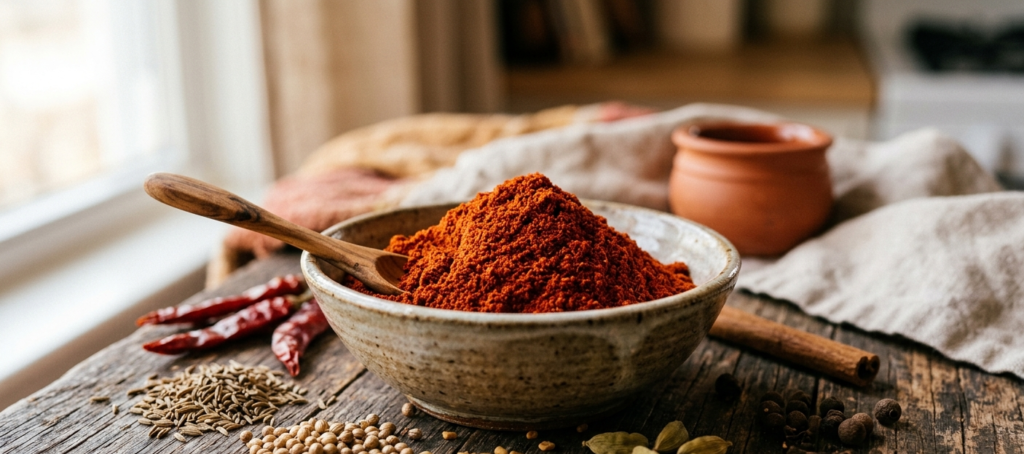
Cajun seasoning is a bold, smoky, and slightly spicy spice blend from Louisiana, traditionally made with paprika, garlic powder, onion powder, black pepper, thyme, oregano, and other aromatic herbs.
How can I make Cajun spice blend at home?
Combine measured amounts of paprika, garlic powder, onion powder, black pepper, thyme, oregano, basil, cumin, and ground bay leaves. Mix thoroughly and store in an airtight container. This no-salt version is clean, flavorful, and perfect for health-conscious cooking.
Is Cajun seasoning good for fish and seafood?
Cajun seasoning is excellent for fish, shrimp, prawns, scallops, and other seafood. It complements the natural sweetness of seafood and works well with pan-searing, grilling, baking, or the blackening technique.
What is the blackening method for Cajun fish?
Blackening involves coating fish in melted butter and Cajun seasoning, then searing it in a hot cast-iron skillet. The spices char slightly, creating a smoky, caramelized crust without burning. Finish with lemon or lime for a bright, balanced flavor.
Which fish types work best with Cajun seasoning?
Firm white fish like catfish, cod, tilapia, red snapper, and halibut are ideal. Meaty fish such as salmon, mahi-mahi, and swordfish, as well as shellfish like shrimp and crayfish, also pair beautifully with Cajun spices.
How should I store homemade Cajun spice blend?
Store the blend in an airtight container away from heat and direct sunlight. Use within 6–9 months for optimal flavor and aroma. Grinding fresh herbs or bay leaves before mixing can enhance potency.
Can I adjust the heat in Cajun seasoning?
Yes, reduce cayenne pepper or crushed red pepper flakes for a milder blend. Add more cayenne for extra spice. This flexibility makes it suitable for delicate fish, vegetables, or bold meat dishes.
Why make Cajun seasoning at home instead of buying it?
Homemade Cajun seasoning is free from additives, preservatives, and excess salt. It allows precise flavor control, freshness, and customization for health-conscious cooking while maintaining bold, authentic taste.

Impu Irani is the cookbook author behind Leena Spices , where he shares easy homemade spice blend recipes and practical cooking tips. Read more about him at the end of this post.
What Is Cajun Seasoning?
Cajun seasoning is a rustic, bold spice blend rooted in Louisiana’s Cajun cuisine. It is known for its deep smokiness, warming heat, and savory intensity. It was created to season simple, hearty meals. Cajun spice blend relies on pantry spices rather than fresh herbs, giving it a strong, peppery character.
Flavor Profile
Cajun seasoning is spicy, smoky, garlicky, and robust, with a noticeable peppery kick. Compared to Creole seasoning, it is generally hotter and more assertive, relying less on herbs and more on peppers and spice intensity.
Common Uses of Cajun Seasoning
Cajun seasoning is highly versatile and widely used in everyday cooking, especially for:
- Chicken, shrimp, fish, and seafood
- Grilled meats and vegetables
- Rice dishes such as jambalaya and gumbo
- Roasted potatoes, fries, and oven-baked snacks
Its bold flavor makes it ideal for dry rubs, marinades, and quick weeknight meals where strong seasoning is desired without complex preparation.
What Is Cajun Spice Blend Ingredients?
Core Ingredients in Cajun Seasoning
A classic Cajun spice blend typically includes the following essential ingredients:- Paprika – adds deep color and mild smokiness
- Garlic powder – delivers savory intensity
- Onion powder – rounds out sharp flavors with subtle sweetness
- Black pepper – provides bold heat and pungency
- Cumin – adds warm, earthy depth
- Dried oregano – contributes mild bitterness and balance
- Dried thyme – brings herbal earthiness
- Dried basil – softens heat with gentle sweetness
- Bay leaves (ground) – add complexity and background aroma
Optional or Regional Additions
Depending on regional traditions or personal preference, some Cajun spice blends may also include:- Chili powder – for extra warmth and color
- Crushed red pepper flakes – to increase heat and add texture
- Mustard powder – for a subtle tangy bite
Why Cajun Spice Blends Vary
Cajun cooking evolved from necessity, so spice blends were often adjusted based on availability and taste preferences. This flexibility is why Cajun seasoning can range from moderately warm to fiery hot, making it adaptable for home cooks and professional chefs alike.When balanced correctly, a Cajun spice blend delivers bold flavor without overpowering the dish, making it ideal for meats, seafood, vegetables, and rice-based recipes.How to Make Homemade Cajun Spice Blend (Easy, No-Salt Recipe)
Making your own homemade Cajun spice blend is simple, cost-effective, and gives you complete control over flavor and heat. This easy no-salt Cajun seasoning recipe is ideal for home cooks, health-conscious kitchens, and professional chefs who prefer to season dishes according to their personal taste.
Unlike store-bought blends, this version is free from additives, fillers, and excess sodium, while still delivering the bold, smoky Cajun flavor Louisiana cooking is known for.
Easy Homemade Cajun Seasoning (No Salt)
Use the following measured ingredients for a balanced, aromatic Cajun spice blend:
- Paprika – 18 g
Provides color and mild smokiness - Garlic powder – 24 g
Forms the savory backbone of the blend - Onion powder – 7 g
Adds subtle sweetness and depth - Dried oregano – 10 g
Contributes mild bitterness and balance - Dried thyme – 13 g
Adds earthy, herbal warmth - Dried basil – 9 g
Softens heat and rounds the flavor - Ground cumin – 9 g
Brings warm, earthy undertones - Ground bay leaves – 9 g
Adds complexity and background aroma - Black pepper – 1 g
Provides gentle heat and sharpness
How to Prepare
Grind whole bay leaves and basil finely if not already powdered. Add all ingredients to a bowl and mix thoroughly until evenly blended. For a finer texture, pulse briefly in a spice grinder or food processor.
Storage Tips
Store the Cajun spice blend in an airtight container, away from heat and direct sunlight. For best aroma and potency, use within 6–9 months.
Where Can I buy authentic Cajun Spice Blend online?
You can buy Pure and Authentic Cajun Seasoning From Amazon
You will find several reputable brands offering pre-made blends in both small jars and bulk packs.
CLICK HERE
Will Cajun Seasoning Work on Fish?
Cajun spice seasoning works exceptionally well on fish and is a cornerstone of many classic Cajun seafood dishes. Its bold, smoky, and spicy profile enhances the natural sweetness of fish without masking it, which is why it’s famously used in Cajun blackened fish and other high-heat cooking methods.
Why Cajun Seasoning Pairs So Well with Fish
Cajun spice blends are pepper-forward and aromatic rather than heavy or breaded. This allows them to:
- Create a deeply flavorful crust
- Add smoky heat and complexity
- Complement mild seafood flavors instead of overpowering them
Because of this balance, Cajun seasoning works beautifully for pan-searing, grilling, baking, and air-frying fish fillets.
Best Types of Fish for Cajun Seasoning
For best results, choose fish that can handle bold spices and higher heat.
Firm white fish
- Catfish (classic Cajun choice)
- Cod
- Tilapia
- Red snapper
- Halibut
- Grouper
Meaty fish
- Salmon
- Mahi-mahi
- Swordfish
Shellfish
- Prawns / shrimp
- Crayfish
- Scallops
Very thin or delicate fish should be seasoned lightly to avoid overpowering their texture and flavor.
The Classic Cajun “Blackening” Method
Blackening is a professional technique that highlights Cajun seasoning at its best.
- Prep
Pat the fish completely dry. Moisture prevents proper crust formation. - Coat
Dip the fillet in melted butter, then coat generously with Cajun seasoning on both sides. - Sear
Place the fish in a very hot cast-iron skillet. - Cook
Sear for 2–4 minutes per side. The spices will darken and char slightly. This is intentional and creates a smoky, caramelized flavor, not bitterness.
Pro Tips for Home Cooks
- Ventilation matters: Blackening produces smoke. Be careful and use an exhaust fan or cook outdoors if possible.
- Adjust heat for delicate fish: Reduce cayenne if cooking milder varieties.
- Optional caramelization boost: Some cooks add a pinch of brown sugar to the spice blend for deeper color and crust.
- Finish with acid: A squeeze of lemon or lime brightens the dish and balances the richness of butter and spices.
How Much Cajun Seasoning to Use
- Use 1–2 teaspoons per pound of fish, depending on thickness and spice tolerance.
- Always season evenly and avoid over-coating very thin fillets.
Cajun seasoning is one of the best spice blends for fish, especially when you want bold flavor with minimal ingredients. When used correctly, it delivers smoky depth, gentle heat, and restaurant-quality results.


Frequently Asked Questions (FAQs)
What is Cajun seasoning used for?
Cajun seasoning is used to add bold, smoky, and spicy flavor to meats, seafood, vegetables, rice dishes, and more. It’s ideal for blackened fish, grilled chicken, roasted vegetables, jambalaya, and gumbo.
What is the difference between Cajun and Creole seasoning?
Cajun seasoning is bolder, spicier, and pepper-forward, while Creole seasoning is milder, herbier, and often includes more fresh or dried herbs. Cajun is ideal for high-heat cooking and blackening, whereas Creole is better for stews and sauces.
Can Cajun seasoning be used on fish?
Yes. Cajun seasoning pairs perfectly with firm white fish like catfish, cod, snapper, and halibut, as well as meaty fish like salmon and shellfish. It enhances natural sweetness and forms a flavorful crust when pan-seared or blackened.
How do I blacken fish with Cajun spices?
Pat the fish dry, coat it in melted butter, then press Cajun seasoning on both sides. Sear in a very hot cast-iron skillet for 2 to 4 minutes per side. Finish with lemon or lime for brightness.
Can I adjust the spiciness of Cajun seasoning?
Yes. Reduce cayenne or crushed red pepper flakes for milder dishes, or increase them for extra heat. Adjusting spice levels allows you to tailor the seasoning to delicate fish, vegetables, or bold meats.
How should I store homemade Cajun seasoning?
Store in an airtight container away from sunlight and heat. Proper storage preserves flavor and aroma for 6–9 months. Grinding fresh herbs like bay leaves before mixing can enhance freshness.
Can I substitute ingredients in Cajun seasoning?
Yes. If a specific herb is not available, try using similar dried herbs like marjoram or sage. You can also adjust proportions to suit personal taste or dietary needs without compromising the bold flavor profile.
Is homemade Cajun seasoning healthier than store-bought?
Homemade Cajun seasoning is free from preservatives, artificial flavors, and excess salt. It offers fresh, customizable flavor, making it a healthier and cleaner alternative to most packaged blends.
What dishes benefit most from Cajun spice blends?
Cajun seasoning works well with grilled or roasted chicken, blackened fish, seafood boils, shrimp, roasted vegetables, potatoes, rice dishes, jambalaya, gumbo, and even soups or stews for extra depth and warmth.
Medical Disclaimer:
The information provided in this article is for educational and informational purposes only and is not intended as medical advice. Always consult a qualified healthcare provider before starting any new dietary supplement, herbal remedy, or wellness routine, especially if you have underlying health conditions, are pregnant or breastfeeding, or are taking prescription medications.
Impu Irani is a cookbook author behind Leena Spices, where he shares practical, easy-to-follow guides on homemade spice blends, herbs, and natural cooking. His work helps home cooks create fresh, flavorful meals using simple ingredients and traditional methods. Download his free Spice Blending eBook and start your journey to cleaner cooking today!
Disclosure Note
We are committed to creating high-quality, helpful content for our readers. We do not accept payment in exchange for writing our articles, and we personally cover the costs of running this website, including hosting, tools, and maintenance.
To support the site, we display ads and may earn a small commission from affiliate links if you choose to make a purchase—at no extra cost to you.
Your support helps us continue sharing valuable content with the community.
If you’d like to support us, here are a few simple and free ways:
- Share our content with your friends and family
- Engage with us on social media
- Follow us on Facebook
You can also learn more by visiting our disclaimer page:
https://leenaspices.co.nz/disclaimer/
As a thank you, feel free to download our Free Spice Recipe eBook.
Download a Free Leena Spices Recipes Cookbook