7 Proven Health Benefits of Dried Orange Peel That Will Surprise You
Table of Contents
- Key Takeaways
- What Are the Proven Health Benefits of Dried Orange Peel?
- Fresh Orange vs. Dried Orange Peel: Benefits
- Nutritional Breakdown: Fresh Orange vs. Dried Orange Peel
- Weight Management Support
- Supports Gut Health and Digestion
- Skin Health and Anti-Aging Properties
- Blood Sugar Regulation
- Immune System Enhancement Benefits of Dried Orange Peel
- Brain Health and Cognitive Function
- Cardiovascular and Metabolic Benefits
- Frequently Asked Questions (FAQs)
Key Takeaways
What are the main health benefits of dried orange peel?
Dried orange peel is rich in antioxidants, vitamin C, fiber (pectin), and citrus flavonoids. These compounds may support digestion, immune health, heart health, skin clarity, blood sugar balance, and overall metabolic wellness when used as part of a balanced diet.
How many calories in dried orange peel?
Dried orange peel is relatively low in calories when used in small amounts.
On average:
• About 160 calories per 100 grams
• Roughly 5–10 calories per teaspoon (typical serving)
Since it’s typically used in small quantities, it adds minimal calories to your diet.
Is dried orange peel good for digestion?
Yes. Dried orange peel contains pectin, a soluble fiber that supports gut health, promotes regular bowel movements, and helps beneficial gut bacteria thrive. It has also been traditionally used to reduce bloating and indigestion.
Is dried orange peel good for immune system?
Dried orange peel provides vitamin C and bioflavonoids like hesperidin and quercetin, which help protect cells from oxidative stress and support normal immune function. These nutrients work together to strengthen the body’s natural defenses.
Can dried orange peel help with skin health?
Orange peel is known for its vitamin C, antioxidants, and anti-inflammatory flavonoids, which support collagen production, improve skin brightness, and help protect against environmental damage. It is used both in skincare remedies and as a functional food.
Does dried orange peel help manage blood sugar levels?
Its soluble fiber slows glucose absorption, which may help reduce post-meal blood sugar spikes. Some citrus flavonoids are also being studied for their potential role in supporting insulin sensitivity. It’s a supportive food, not a medical treatment.
Is dried orange peel good for heart health?
Orange peel contains polymethoxylated flavones (PMFs) and hesperidin, which are studied for their potential to support healthy cholesterol levels, improve blood vessel function, and provide antioxidant protection for the cardiovascular system.
Are there brain health benefits from dried orange peel?
Preliminary studies suggest citrus flavonoids like nobiletin and tangeretin may help protect brain cells from oxidative stress and inflammation. Research is still emerging, but these compounds show potential for supporting long-term cognitive health.
Can dried orange peel lower cholesterol naturally?
Yes. Dried orange peel may help lower cholesterol naturally due to its pectin (soluble fiber) and antioxidants, which can reduce LDL (“bad”) cholesterol and support heart health when included as part of a balanced diet.
How can you use dried orange peel in everyday cooking?
You can add dried orange peel powder or pieces to:
- Herbal teas
- Spice blends and rubs
- Baked goods
- Soups and stews
- Smoothies
It adds a bright citrus aroma while delivering beneficial plant compounds.
Is dried orange peel safe to consume daily?
In normal culinary amounts, dried orange peel is generally safe for most people. Always wash oranges well before drying to reduce pesticide residue. People with medical conditions should consult a healthcare professional before using it regularly for health purposes.
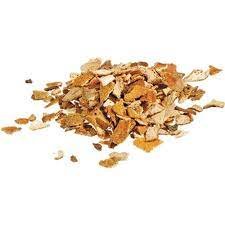
CitrusBurn™ combines research-backed botanicals that help stimulate thermogenesis and support the body’s natural fat-burning processes at the metabolic level.
What Are the Proven Health Benefits of Dried Orange Peel?
Dried orange peel is increasingly recognized as a nutrient-rich food ingredient. It is valued in both traditional practices and modern nutrition research. While it has been used for centuries in teas, powders, and culinary blends, and even as dried orange peel for weight loss recipe, current scientific evidence supports several well-established health benefits, with others best described as potential or supported by early-stage research.
While often discarded, the peel of an orange is packed with vitamins, fiber, flavonoids, and bioactive compounds that support digestive health, cardiovascular function, skin wellness, metabolic balance, immune resilience, and even cognitive health. These are just a few of the organic dried orange peel health benefits that make it so valuable.
Many people wonder “does orange peel tea help with bloating?”
Dried orange peel is naturally high in dietary fiber, particularly pectin, which is a soluble fiber known to support digestive health.
Drying removes moisture while concentrating the natural nutrients in orange peel, making dried peel powder especially green tea extract is a convenient way to add citrus fiber to your diet. This fiber supports regular digestion, better stool consistency, and overall gut comfort.
Anti-inflammatory benefits of citrus peel flavonoids
Beyond its fiber content, dried orange peel retains valuable levels of vitamin C, polyphenols, flavonoids, and other bioactive plant compounds. These contribute to dried orange peel anti-inflammatory properties. When gentle drying methods such as air-drying or freeze-drying are used, these nutrients are better preserved, allowing the peel to maintain its functional and antioxidant value long after the fresh fruit has been eaten.
When it comes to heart health, these same compounds also contribute to dried orange peel heart health benefits. The fiber and antioxidants work together, making dried orange peel for lowering cholesterol naturally a topic of growing interest.
Another advantage is its impact on immunity. Thanks to its vitamin C content and antioxidant profile, organic dried orange peel for immune boost is a simple, natural way to support your body’s defenses.
What makes dried orange peel especially convenient is how the drying process concentrates its nutrients. When prepared properly it retains its fiber, polyphenols, and bioactive compounds, making it easy to use in teas, powders, supplements or recipes without losing its benefits.
Fresh Orange vs. Dried Orange Peel: Benefits
Feature | Fresh Orange (Fruit Flesh) | Dried Orange Peel |
Water Content | High water content, hydrating and refreshing | Very low water content, nutrients more concentrated |
Fiber Content | Moderate fiber from pulp and membranes | High in pectin (soluble fiber) that supports digestion and gut health |
Vitamin C | Well-known source of vitamin C for immunity and skin | Can contain equal or higher vitamin C by weight, though some may reduce during drying |
Flavonoids & Antioxidants | Contains antioxidants, but in lower concentrations | Rich in dried orange peel hesperidin compound, nobiletin, tangeretin, quercetin and other powerful antioxidants |
Essential Oils | Present mainly in zest, usually not eaten in large amounts | Concentrated citrus oils like limonene compound that support digestion and provide aroma |
Sugar Content | Contains natural fruit sugars | Very low sugar, minimal glycemic impact |
Calorie Density | Low to moderate calories per serving | Low in calories when used in small culinary amounts |
Digestive Benefits | Supports digestion through hydration and fiber | Stronger digestive support due to high pectin and aromatic compounds |
Heart & Metabolic Support | General antioxidant support | Flavonoids linked to cholesterol balance and metabolic wellness, |
Skin Health Support | Vitamin C supports collagen, | Higher antioxidant concentration helps with skin protection and brightness |
Culinary Uses | Eaten fresh, juiced, added to salads or desserts | Used in teas, spice blends, baking, marinades, soups, and herbal remedies |
Shelf Life | Short shelf life, perishable | Long shelf life when stored properly |
Nutritional Breakdown: Dried Orange Peel vs Fresh Orange Nutrients
Nutrient (per 100 g) | Fresh Orange (flesh) | Dried Orange Peel | Key Takeaway |
Calories | ~47 kcal | ~250 kcal | Dried peel is more calorie-dense due to lower water content. |
Water | ~86–87 g | Very low (dehydrated) | Fresh orange is hydrating; dried peel is concentrated. |
Protein | ~0.9–1 g | ~0 g | Minimal protein in both, higher fiber in peel. |
Total Fat | ~0.1 g | ~0 g | Both are low-fat foods. |
Carbohydrate | ~11.8 g | ~75 g | Dried peel has concentrated carbs (mostly fiber). |
Dietary Fiber | ~2.4 g | ~25 g | Dried peel is a much richer fiber source. |
Sugars (naturally occurring) | ~9 g | ~0 g (minimal) | Fresh orange has natural sugar; dried peel has negligible sugars. |
Vitamin C | ~53 mg | ~450 mg | Dried peel may contain substantially more vitamin C by weight. |
Potassium | ~180–185 mg | Data varies / not consistently reported | Both contribute minerals, but peel is often richer per dry weight. |
Calcium | ~40 mg | Data variable | Peel tends to have more minerals when dried. |
Bioactive Compounds | Lower flavonoids | Much higher flavonoids (e.g., hesperidin) | Dried orange peel is rich in flavonoid antioxidant levels not abundant in the flesh. |
Dried Orange Peel Nutrition (per 1 tablespoon ~6g):
https://foods.fatsecret.com/calories-nutrition/usda/orange-peel?portionid=33232&portionamount=1.000
- Calories: ~6
- Carbohydrates: ~2g
- Fiber: ~1g
- Sugars: ~0g
- Fat: ~0g
- Protein: ~.01g
- Vitamin C: Small amounts
- Calcium & Potassium: Trace amounts
Because it’s used in small quantities, it adds minimal calories but provides beneficial fiber and antioxidants.
Does Dried Orange Peel Help With Weight Loss or Metabolism?

1. Weight Management Support
Dried orange peel may offer gentle support for weight management. In fact, orange peel powder for weight loss and metabolism is gaining attention for real benefits. Its natural potassium content helps regulate fluid balance, which may reduce temporary abdominal bloating. In addition, orange peel is a natural source of polymethoxylated flavonoids, including nobiletin, a compound that has attracted attention in metabolic research. Animal studies suggest this can influence gut microbiota activity, enhance thermogenesis in fat tissue, and help limit weight gain.
In addition, the soluble fiber found in dried orange peel slows nutrient absorption, supports steadier blood sugar levels, and promotes feelings of fullness. These are the key factors for appetite control.
While much of the research is based on animal models or concentrated extracts, regular use of dried orange peel in teas or culinary blends can contribute to overall metabolic wellness.
Benefits of dried orange peel tea for immune system
Dried orange peel, commonly consumed as tea, may offer supportive benefits for weight management when included as part of a balanced diet and healthy lifestyle. Orange peel tea naturally contains potassium, a mineral that helps regulate fluid balance in the body. Adequate potassium intake supports the elimination of excess sodium and fluids, which may help reduce water retention and abdominal bloating, contributing to a lighter, less bloated feeling rather than direct fat loss.
Long-term intake of nobiletin has been shown in animal and laboratory studies to support anti-obesity mechanisms, including modulation of gut microbiota activity, increased thermogenesis in fat tissue, and reduced weight gain. These effects are linked to improved metabolic efficiency rather than rapid weight reduction.
It is important to note that most findings related to nobiletin come from preclinical studies, and human research is still emerging. Therefore, dried orange peel is best viewed as a supportive, food-based addition for metabolic and weight-related wellness, not a standalone weight-loss solution. When combined with mindful eating and regular physical activity, it may contribute positively to overall weight management goals.
“According to Mayo Clinic and National Institutes of Health, most fat-burning products provide modest results unless combined with lifestyle changes.”
2. Supports Gut Health and Digestion
Is dried orange peel good for digestion and bloating?
One of the most consistently supported benefits of orange peel and ginger tea benefits for gut health is its positive impact on digestion and overall gut health. This benefit aligns closely with both traditional practices and modern nutritional science, making digestive support one of the strongest and most well-established areas of evidence for dried citrus peel.
Dried orange peel is rich in soluble fiber (pectin) and prebiotic compounds, making it a digestive powerhouse. One of the key advantages is the dried orange peel tea benefits for digestion, which include supporting regular bowel movements, nourishing beneficial gut bacteria, and easing occasional bloating or discomfort. Sipping this tea regularly can be a gentle, natural way to promote gut comfort while adding a refreshing citrus flavor to your routine.
- Supports bowel regularity: High fiber helps prevent constipation.
- Feeds beneficial gut bacteria: Prebiotic oligosaccharides foster a healthy microbiome and inhibit harmful bacteria.
- Anti-inflammatory properties: Flavonoids and polyphenols can reduce digestive tract inflammation.
- Traditional use: Across Asia-Pacific regions, dried citrus peel has long been used to aid digestion, reduce heaviness after meals, and promote gut comfort.
3. Skin Health and Anti-Aging Properties
Dried orange peel is gaining attention as a natural skin-supportive ingredient in both traditional beauty practices and modern cosmetic research. Its value comes from a dense concentration of antioxidants, vitamin C, and bioactive flavonoids that help protect, repair, and rejuvenate the skin.
Many people use orange peel powder for skin brightening and dark spots to naturally even out skin tone and add radiance. It’s also popular in DIY beauty routines. Orange peel powder for skin care DIY mask can be mixed with yogurt, honey, or aloe vera to create a gentle, nourishing mask that helps brighten the complexion and reduce the appearance of dark spots.
Rich in Vitamin C and Flavonoids
Orange peel contains higher concentrations of vitamin C than the fruit pulp itself. Vitamin C plays a vital role in collagen synthesis, which helps maintain skin firmness and elasticity. Alongside flavonoids, it also helps defend the skin from UV-induced oxidative stress, one of the leading contributors to premature aging, dullness, and uneven pigmentation.
Using dried orange peel in smoothies for vitamin C may support a brighter, more even-looking complexion while reducing the appearance of age spots over time.
Hesperidin and Hesperetin for Skin Clarity
Two key flavonoids found in orange peel are hesperidin and hesperetin. These are known for their antioxidant and anti-inflammatory properties. These compounds may help calm irritated skin, reduce the appearance of redness, and support clearer pores. Their protective effects also contribute to improved skin texture and tone, making dried orange peel a popular ingredient in natural remedies for acne-prone and congested skin.
Traditional Wisdom Meets Modern Skincare
For centuries, powdered orange peel has been used in Asian and Ayurvedic skincare traditions as a natural exfoliating and brightening agent. Today, modern formulations incorporate orange peel extracts into masks, scrubs, and serums designed for anti-aging support, photoprotection, and skin radiance. This dual action makes it especially valued in holistic beauty routines.
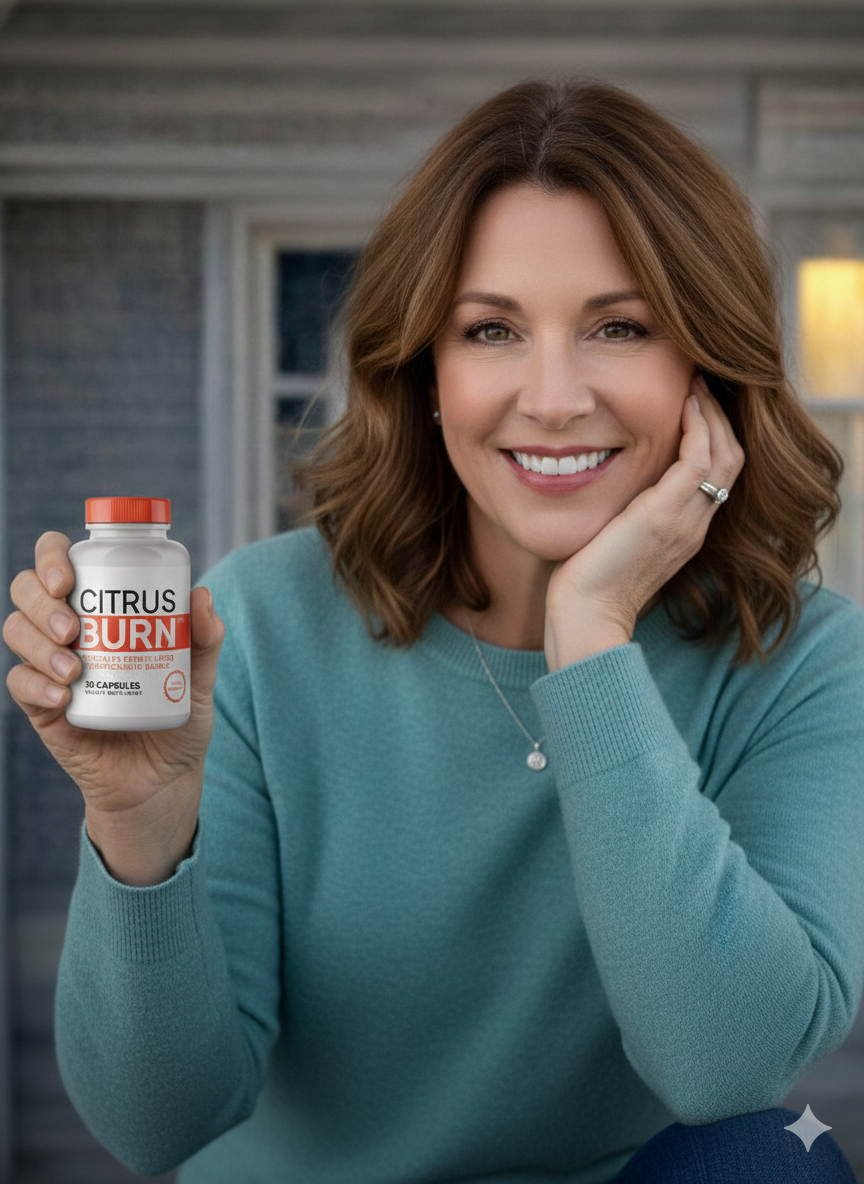
Burn More. Crave Less. Feel Great All Day
One of the only supplements in the world with a science-backed blend of 7 rare botanicals like Seville Orange Peel, Spanish Apple Vinegar, & Himalayan Ginger…
Scientifically shown to help optimize the body’s natural fat-burning capacity, naturally, even while you sleep.
180-DAY & 100% SATISFACTION Guarantee
4. Blood Sugar Regulation
Blood Sugar Support Benefits of Dried Orange Peel
Dried orange peel is increasingly recognized as a supportive food ingredient for healthy blood sugar balance. Its natural fiber and plant compounds work together to help the body manage glucose more steadily.
Pectin Helps Slow Glucose Absorption
Orange peel is a source of pectin, a soluble fiber that forms a gel-like substance in the digestive tract. This slows the absorption of sugars into the bloodstream, which may help reduce sharp post-meal blood sugar spikes and support more stable energy levels.
Flavonoids May Support Insulin Function
Dried orange peel contains flavonoids such as hesperidin, which are being studied for their potential role in supporting insulin sensitivity. Early research suggests these compounds may help the body use insulin more effectively, contributing to healthier glucose metabolism over time.
Naturally Low Glycemic Impact
When consumed in small culinary amounts such as in teas, powders, or seasoning blends, dried orange peel has a low glycemic load. This means it has minimal direct impact on blood sugar levels compared to refined carbohydrate sources.
A Supportive Food, Not a Medical Treatment
While dried orange peel can be a helpful addition to a balanced, fiber-rich diet, it is not a treatment for diabetes. Individuals managing blood sugar conditions should view it as a supportive, food-based ingredient and continue following professional medical guidance.
Where to buy dried orange peel pieces online usa?
If you are wondering where to buy organic dried orange peel pieces, powder, tea bags and other products, the easiest and most reliable option is to buy online from Amazon Availability has made this wonderful product accessible to across the United States and around the globe.
5. Immune System Enhancement Benefits of Dried Orange Peel
Dried orange peel is a nutrient-dense, immune-supportive ingredient valued in traditional wellness practices and increasingly recognized in modern nutrition research. Its immune benefits come from a combination of vitamin C, bioflavonoids, and antioxidant compounds that work together to strengthen the body’s natural defenses. Many people turn to natural vitamin C powder from dried orange peel as a convenient way to boost immunity, support skin health, and provide antioxidant protection, making it an easy addition to smoothies, teas, or daily wellness routines.
Rich Source of Vitamin C
Vitamin C plays a central role in supporting the production and function of white blood cells, which are essential for fighting off infections.
Vitamin C plays a central role in supporting the production and function of white blood cells, which are essential for fighting off infections. In addition, many people use orange peel tea for cough, cold, and chest congestion as a natural remedy. The warm tea, rich in vitamin C, antioxidants, and bioactive compounds from the peel, can help soothe the throat, ease congestion, and support the immune system during seasonal illnesses.
Synergistic Bioflavonoids for Immune Support
Orange peel is abundant in bioflavonoids such as quercetin and hesperidin. These plant compounds work synergistically with vitamin C to enhance its effectiveness. They are studied for their potential to support immune cell activity, help regulate inflammatory responses, and protect cells from oxidative DNA damage caused by environmental stressors.
Antioxidant Protection Against Seasonal Stress
The immune system is especially challenged during periods of physical stress, pollution exposure, or seasonal illness. The antioxidants in dried orange peel help neutralize free radicals, reducing oxidative stress and supporting overall immune resilience.
A Gentle, Food-Based Immune Support
Enjoyed as a warm herbal tea, culinary powder, or infused ingredient, dried orange peel offers a natural way to support immune health as part of a balanced diet. While not a replacement for medical care, it can be a valuable addition to everyday wellness routines.
New studies show the real reason most people struggle to lose weight, especially after 35, is something called thermogenic resistance.
One of the only supplements in the world with a science-backed blend of 7 rare botanicals like Seville Orange Peel, Spanish Apple Vinegar, & Himalayan Ginger…
Scientifically shown to help optimize the body’s natural fat-burning capacity, naturally, even while you sleep.
180-DAY & 100% SATISFACTION Guarantee
6. Brain Health and Cognitive Function
Dried orange peel is being explored as a potential brain-supportive food ingredient due to its concentration of citrus flavonoids with antioxidant and anti-inflammatory properties. While the research is promising, most findings come from laboratory and animal studies, and human evidence is still emerging. For now, these effects are best described as potential benefits, not confirmed outcomes.
Citrus Flavonoids and Neuroprotection
Orange peel contains flavonoids such as hesperidin and nobiletin, which have shown neuroprotective activity in preclinical research. These compounds may help reduce oxidative stress and inflammation in brain cells, two processes strongly linked to age-related cognitive decline. Some animal studies suggest these flavonoids may also help limit the buildup of tau proteins and beta-amyloid plaques, which are associated with neurodegenerative conditions.
Tangeretin and Brain Inflammation
Another key compound in citrus peel, tangeretin, is being studied for its anti-neuroinflammatory effects. By helping regulate inflammatory pathways in the brain, tangeretin may contribute to maintaining a healthier neural environment over time.
Early Human Research
A small number of human studies involving citrus extracts rich in nobiletin and tangeretin have reported modest improvements in certain measures of cognitive function, particularly in older adults. However, these studies often use concentrated extracts, not whole dried peel in typical dietary amounts, so more research is needed to understand real-world effects.
A Supportive Nutritional Approach
Dried orange peel should not be considered a therapy for cognitive conditions. Instead, it can be viewed as a flavonoid-rich, plant-based ingredient that may support long-term brain health as part of an overall nutrient-dense diet and healthy lifestyle.

7. Cardiovascular and Metabolic Benefits
Dried orange peel contains bioactive compounds that may support heart health and metabolic balance. Much of the strongest research has been conducted using concentrated extracts or animal models, but culinary use of the peel still provides supportive plant compounds that contribute to overall wellness.
Cholesterol Management Support
Orange peel is rich in polymethoxylated flavones (PMFs) and hesperidin, citrus compounds studied for their potential role in helping reduce LDL (“bad”) cholesterol and limiting the oxidation of cholesterol particles. These effects may contribute to better long-term cardiovascular health.
Improved Blood Vessel Function
Citrus flavonoids are associated with improved vascular elasticity and healthier blood vessel function. By helping reduce low-grade inflammation and oxidative stress within the vascular system, these compounds may support smoother blood flow and balanced circulation.
The Gut–Heart Connection
Emerging research suggests citrus peel extracts may help lower levels of trimethylamine N-oxide (TMAO), a gut-derived metabolite linked to increased cardiovascular risk. While this research is still developing, it highlights a potential connection between gut health, citrus compounds, and heart wellness.
Antioxidant and Anti-Inflammatory Protection
The antioxidants in dried orange peel help protect heart and metabolic tissues from oxidative damage, which plays a role in aging and chronic metabolic stress. Its natural anti-inflammatory compounds further support a balanced internal environment.
A Supportive Culinary Ingredient
Although dried orange peel is not a medical treatment, incorporating it into teas, spice blends, and whole-food recipes provides beneficial flavonoids and antioxidants that may support cardiovascular and metabolic health as part of a balanced diet.
Medical Disclaimer:
The information provided in this article is for educational and informational purposes only and is not intended as medical advice. Always consult a qualified healthcare provider before starting any new dietary supplement, herbal remedy, or wellness routine, especially if you have underlying health conditions, are pregnant or breastfeeding, or are taking prescription medications.
Disclosure note
We work hard to search, write and get quality content to reach you. We are not paid anything in return. We are happy to pay for this website and domain to keep the community going.
We run ads on our site to make a few cents a month, and the more people that see our content, the more likely someone is to engage with the ads on our site. We may earn a small affiliate commission from purchases. Please visit our disclaimer page here https://leenaspices.co.nz/disclaimer/
Here are a few ways that you can support the community. It is so simple, easy and free!
Engage with us on social media and share our content with your family and friends. This will help our blog to grow.
Please follow us here and share your thoughts: Facebook
Easy, step-by-step instructions for creating your own spice blends from home.More than 200 spices from around the world

Frequently Asked Questions (FAQs)
What is dried orange peel used for?
Dried orange peel is used in cooking, herbal teas, baking, spice blends, and natural wellness recipes. It adds a bright citrus flavor while providing fiber, antioxidants, and citrus flavonoids that support overall health.
How do you eat dried orange peel?
You can consume dried orange peel as a powder, small dried pieces, or tea infusion. It blends well into smoothies, soups, marinades, baked goods, and seasoning mixes. Start with small amounts, as the flavor is concentrated.
What does dried orange peel taste like?
Dried orange peel has a zesty, slightly bitter citrus flavor with aromatic oils that become more pronounced when heated. It enhances both sweet dishes and savory recipes, similar to citrus zest but deeper and more complex.
Is dried orange peel the same as orange zest?
No. Orange zest is the fresh, grated outer layer of the peel, while dried orange peel is dehydrated and often ground into powder or used in pieces. Dried peel has a more concentrated, slightly bitter flavor and a longer shelf life.
Can I substitute fresh orange zest with dried orange peel?
Yes, but use less. Dried orange peel is more concentrated than fresh zest. A good starting point is ½ teaspoon dried peel for every 1 teaspoon fresh zest, adjusting to taste.
How do you make dried orange peel at home?
Wash oranges thoroughly, peel off the outer skin (avoiding too much white pith), and dry the peels in sunlight, a dehydrator, or a low-temperature oven. Once crisp, they can be stored whole or ground into powder.
How should dried orange peel be stored?
Store dried orange peel in an airtight container in a cool, dark, dry place. Properly stored, it can last up to one year while retaining flavor and beneficial plant compounds.
Is dried orange peel safe to eat?
Yes, when prepared from clean, pesticide-free oranges. Always wash fruit well or choose organic. Use in moderate culinary amounts, especially if you have digestive sensitivities or medical conditions.
Who should avoid dried orange peel?
People with citrus allergies, sensitive stomachs, or those taking certain medications should consult a healthcare professional before regular use. It should not replace medical treatment.
What are side effects of dried orange peel consumption?
Dried orange peel is generally safe when used in moderate amounts, but excessive consumption may cause digestive discomfort such as bloating, gas, or mild stomach upset due to its high fiber content. People with citrus allergies should avoid it, and those with certain medical conditions or on medications should consult a healthcare professional before regular use. Always choose organic or thoroughly washed oranges to reduce exposure to pesticides.
Nutrition & Wellness References
• Can You Eat Orange Peels, and Should You? (Healthline) – Nutrition facts, vitamin C, fiber, and plant compounds in orange peel with research-aligned insights. (Healthline)
• Orange Peel Nutrition Facts and Benefits (Alibaba Spice Basics) – Nutrient comparison of orange peel vs. fruit flesh + culinary usage and health applications. (Spice Alibaba)
• Unveiling the Chemistry of Citrus Peel: Insights into Nutraceutical Potential and Therapeutic Applications (PubMed) – Peer-reviewed overview of flavonoids, antioxidant capacity, and potential health effects. (PubMed)
• Flavonoid Composition of Orange Peel & Its Association with Antioxidant and Anti‑Inflammatory Activities (PubMed) – Study on flavonoid profiles like nobiletin and anti-inflammatory potential. (PubMed)
• Protective Effects of Sweet Orange Peel on Oxidative Stress (PubMed) – Research on bioactive compounds (hesperidin, hesperetin, etc.) and their antioxidative cellular effects. (PubMed)