Table of Contents
ToggleKey Takeaways: Haleem Spice Blend (Haleem Masala)
What is Haleem spice blend?
Haleem spice blend, also called Haleem masala, is a fragrant and aromatic mix used to flavor traditional South Asian and Middle Eastern haleem. It combines warm, earthy, and mildly spicy notes to enhance slow-cooked dishes made with meat, lentils, and wheat.
What spices are in traditional Haleem masala?
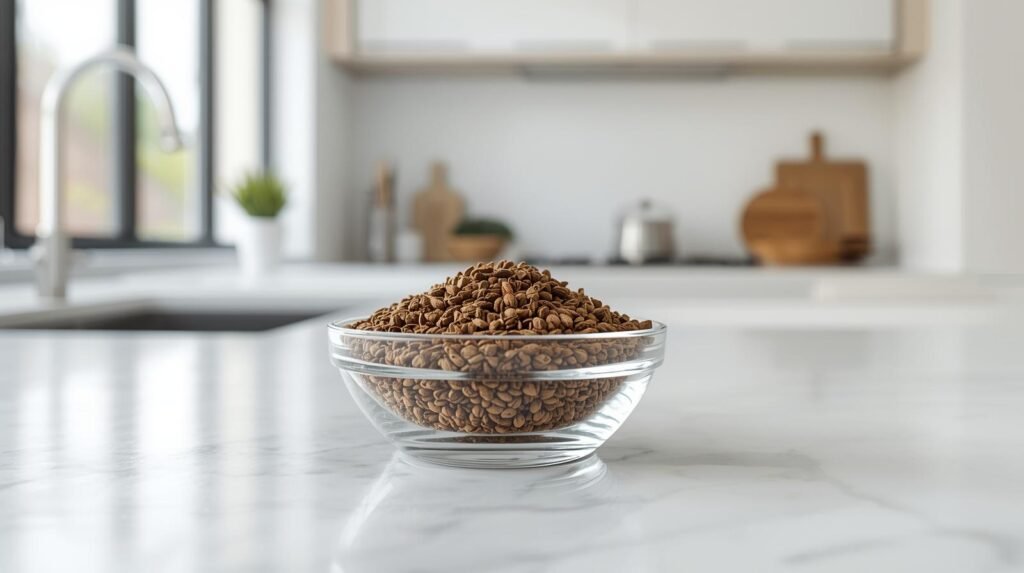
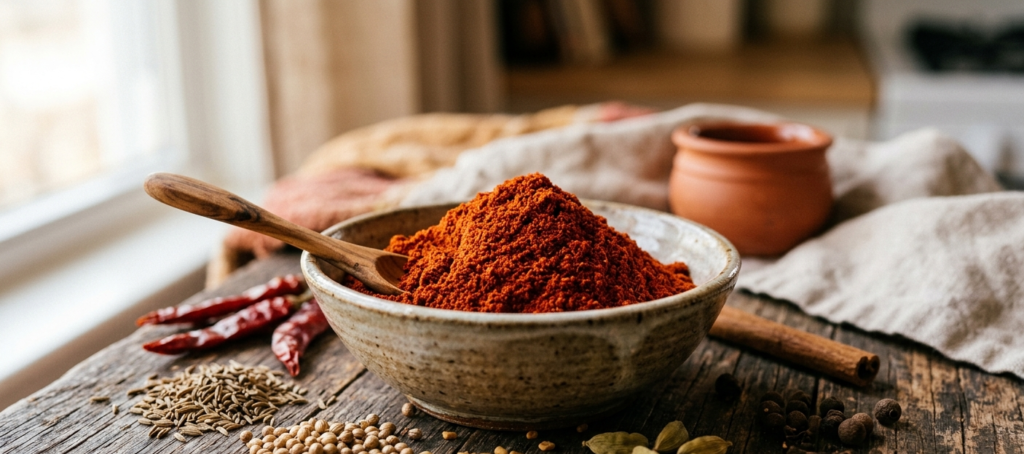
Traditional Haleem masala includes bay leaf, black pepper, caraway seeds, black and green cardamom, carom seeds (ajwain), cinnamon sticks, cloves, coriander seeds, cumin seeds, fennel seeds, ginger powder, nutmeg, paprika, star anise, and turmeric. These spices provide warmth, depth, and aromatic complexity.
What is the flavor profile of Haleem spice blend?
The blend offers gentle warmth, earthy richness, and aromatic complexity with sweet, smoky, and herbal undertones. Its medium heat can be adjusted to taste, making it perfect for slow-cooked haleem and other savory grain and meat dishes.
Why is Haleem spice blend important in cooking haleem?
Haleem requires spices that penetrate dense grains and proteins during 4–8 hours of slow cooking. Haleem masala develops deep aroma, balances richness, and enhances savory complexity, giving the dish its signature hearty, comforting flavor.
How can I make Haleem spice blend at home?
To make homemade Haleem masala, toast whole spices such as bay leaf, black pepper, caraway, cardamom, cloves, cinnamon, coriander, cumin, fennel, and star anise. Once cooled, grind them into a fine powder and mix with ginger powder, nutmeg, paprika, and turmeric. Store in an airtight jar for up to 3–4 months.
Can Haleem spice blend be used in dishes other than haleem?
Yes. While designed for haleem, this aromatic blend works in slow-cooked stews, meat-and-grain bowls, lentil porridges, and fusion dishes where deep, savory flavor is desired.
How do I adjust the heat of Haleem spice blend?
Adjust the amount of black pepper, paprika, or chili-based spices to taste. The base blend is medium heat, allowing cooks and chefs to customize according to preference.
What are the health benefits of Haleem spices?
Ingredients like turmeric, black pepper, ginger, fennel, and cloves have antioxidant and digestive benefits. They also provide rich flavor without relying on excessive salt or artificial additives.


Impu Irani is the cookbook author behind Leena Spices , where he shares easy homemade spice blend recipes and practical cooking tips. Read more about him at the end of this post.
What Is Haleem Spice Blend?
Haleem spice blend (also called Haleem masala) is a pre-mixed or homemade aromatic spice combination used specifically to flavor Haleem, a thick, slow-cooked South Asian stew made from meat (beef, lamb, goat, or chicken), wheat/barley, and lentils.
The roots of haleem can be traced back to the Arab dish known as “harees” It was introduced to the Indian subcontinent by Persian and Arab traders and rulers during the medieval period..
Purpose of Haleem Spice Blend
Haleem spice blend is specially formulated for long, slow cooking, allowing its flavors to deeply infuse the dense grains, lentils, and proteins that define this iconic dish. Because haleem simmers gently for 4 to 8 hours, the spices must be bold, aromatic, and well-balanced to withstand extended cooking without fading.
This blend delivers warmth, depth, and earthiness, along with mild, adjustable heat that complements haleem’s thick, porridge-like texture.
What the spice blend does in haleem:
✔ Builds deep aroma – Slow cooking releases layered notes of warmth, sweetness, and subtle smokiness
✔ Balances richness – Fragrant spices prevent the combination of meat, wheat, and lentils from tasting heavy
✔ Enhances savory complexity – Earthy and aromatic tones create the signature full-bodied flavor haleem is known for
What Does Haleem Masala Taste Like?
Haleem spice blend is celebrated for its deeply layered, comforting flavor that develops beautifully during slow cooking. Its profile is balanced, aromatic, and designed to enhance hearty ingredients like meat, wheat, and lentils.
- Warmth: A gentle, rounded heat that builds depth without overpowering the dish
• Earthiness: Rich, grounding base notes that pair perfectly with grains and legumes
• Aromatic complexity: Subtle layers of sweet, smoky, and herbal tones that create a multidimensional taste
• Moderate heat level: Easily adjustable, allowing cooks to make the dish milder or spicier to suit personal preference
Haleem spice blend is most commonly used in:
- Traditional haleem made with beef, lamb, goat, or chicken, where long, slow cooking allows the spices to fully develop depth and aroma
• Slow-cooked grain and lentil porridges inspired by South Asian and Middle Eastern cuisine
• Hearty fusion stews and meat-and-grain bowls that benefit from rich, savory, slow-simmered flavor
What Spices Are in Traditional Haleem Masala?
A traditional Haleem masala (Haleem spice blend) combines warming whole spices and aromatic ground spices that slowly release flavor during long cooking. While recipes vary by region and family tradition, most authentic blends include the following:
- Bay Leaf – Adds subtle herbal depth and background aroma
• Black Pepper – Provides gentle heat and sharp warmth
• Caraway Seeds – Brings a slightly nutty, earthy note
• Black Cardamom – Contributes smoky, bold, resinous flavor
• Green Cardamom – Adds sweet, floral aroma for balance
• Carom Seeds (Ajwain) – Offers a thyme-like, slightly bitter undertone that aids digestion
• Cinnamon Sticks – Lends warm sweetness and woody depth
• Cloves – Intensely aromatic with sweet-spicy notes
• Coriander Seeds – Citrus-like earthiness that rounds out the blend
• Cumin Seeds – Deep, nutty, savory warmth essential to South Asian cooking
• Fennel Seeds – Light sweetness that softens stronger spices
• Ginger Powder – Earthy heat that enhances warmth without sharp spice
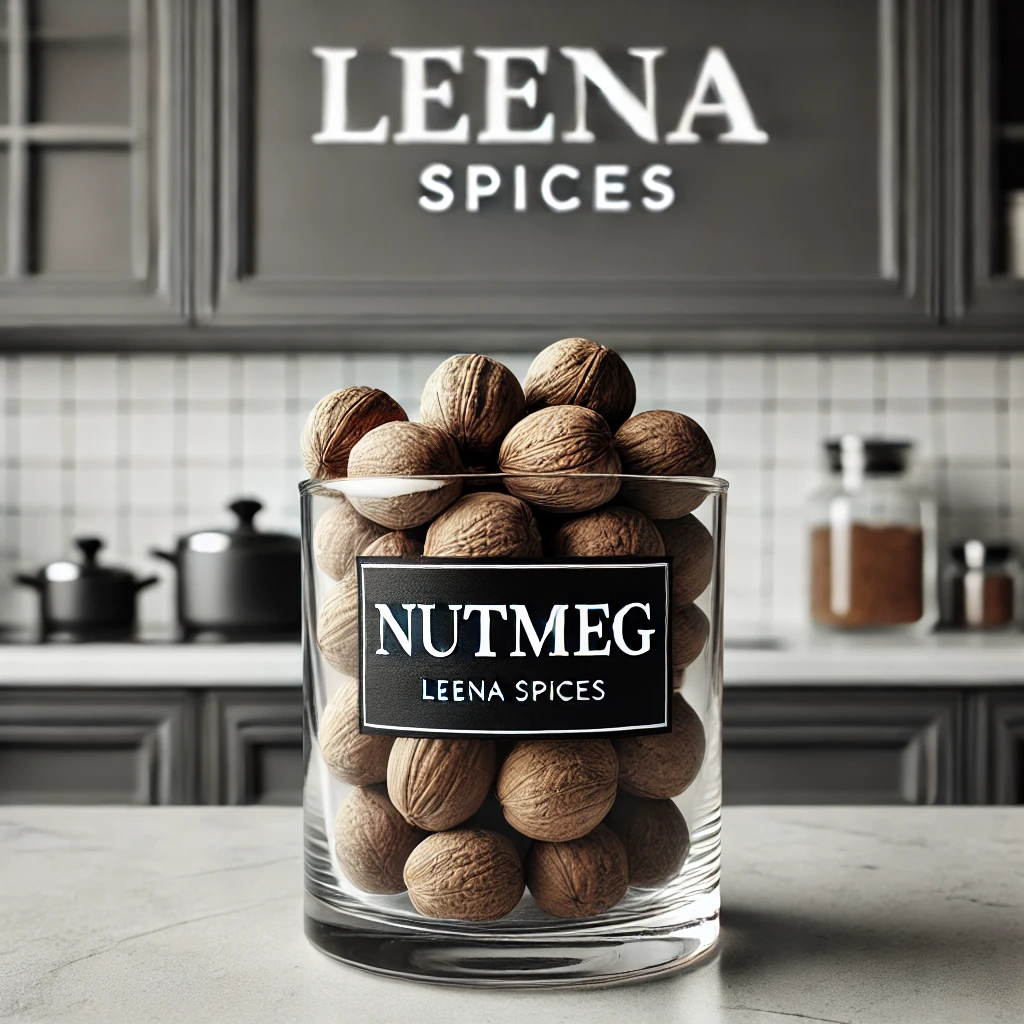
• Nutmeg – Subtle sweetness and depth used in small amounts
• Paprika – Adds mild warmth and rich color
• Star Anise – Gentle licorice note that adds complexity
• Turmeric – Earthy bitterness and golden color, plus traditional wellness value
Together, these spices create the warm, earthy, and deeply aromatic flavor that defines authentic haleem. Slow cooking allows both the whole and ground spices to bloom gradually, building layers of savory richness over time.
What Are the Health Benefits of Haleem Spice Blend for Digestion and Immunity?
Haleem spice blend, or Haleem masaa combines bioactive compounds from traditional spices that support digestion, gut health, and immune function. Regular use in dishes like haleem provides gentle, cumulative benefits backed by centuries of traditional medicine use, alongside modern research on individual spices.
Digestive Benefits of Haleem Spices
Haleem masala contains spices that stimulate digestion, soothe the gut, and aid in nutrient absorption, making it ideal for heavy, protein-rich dishes like haleem.
- Cumin (Cuminol): Stimulates pancreatic enzymes and bile production, accelerating the breakdown of complex proteins and fats.
- Coriander (Linalool): Acts as an antispasmodic, reducing bloating and gas from lentils and wheat.
- Ginger: Soothes the intestinal tract, reduces nausea, and speeds gastric emptying.
- Black Pepper (Piperine): Enhances nutrient absorption and stimulates hydrochloric acid secretion for better protein digestion.
- Fennel Seeds: Relieves constipation and eases intestinal cramping.
- Cardamom: Supports gut motility, prevents acid reflux, and reduces indigestion.
- Cloves: Mild carminative action reduces bloating and discomfort.
Immune and Anti-Inflammatory Benefits
Several spices in Haleem masala provide antioxidant, antimicrobial, and immune-supportive properties, making it a culinary ally for overall wellness.
- Turmeric (Curcumin): Potent anti-inflammatory and antioxidant; supports white blood cell function and reduces oxidative stress.
- Black Pepper (Piperine): Enhances absorption of curcumin by up to 2000%, also provides antimicrobial benefits.
- Cloves (Eugenol): Rich in antioxidants; antimicrobial and antiviral properties strengthen defenses.
- Cinnamon (Cinnamaldehyde): Antiviral and antifungal; regulates blood sugar and fights cellular damage.
- Cardamom: Detoxifies blood, improves circulation, and supports immune resilience.
- Bay Leaves: Provide vitamin C and trace minerals to support immunity.
How Haleem Masala Supports Overall Health
Haleem masala, or Haleem spice blend, is not only a flavor powerhouse but also contributes to digestive health and immune support. Its combination of traditional spices works synergistically to support the body while adding warmth and aroma to meals like haleem.
Digestive Support
- Stimulates digestive enzymes and bile: Helps break down heavy, protein-rich foods such as meat and lentils.
- Reduces bloating, gas, and indigestion: Carminative action from spices like coriander, cardamom, and fennel soothes discomfort.
- Soothes gut inflammation: Anti-inflammatory compounds in turmeric and ginger help calm the digestive tract.
- Promotes regular bowel movements: Gentle warming effect and fiber-like support from spices maintain gut motility.
Immune Support
- Anti-inflammatory and antioxidant: Curcumin in turmeric reduces chronic inflammation and protects cells from oxidative stress.
- Antimicrobial and antiviral: Cloves, black pepper, and ginger help inhibit harmful pathogens.
- Immune-modulating: Turmeric, ginger, cumin, and coriander support white blood cell function and systemic defense.
- Supports respiratory wellness: Warming spices like cinnamon and cloves have traditionally been used to help protect against colds and respiratory discomfort.
Important Note
The health benefits of Haleem masala come primarily from moderate, culinary use in dishes like haleem. Effects are gradual and cumulative, and individual responses may vary. While no large-scale clinical studies exist specifically on Haleem masala, the individual spices such as turmeric, ginger, cumin, coriander, and black pepper are well-studied in peer-reviewed research for their digestive, anti-inflammatory, and immune-supporting properties.
Turmeric & Curcumin Benefits
Curcumin: A Review of Its Effects on Human Health (PubMed)
Turmeric & Ginger anti‑inflammatory synergy:
Synergistic Anti‑Inflammatory Activity of Ginger and Turmeric (PubMed)
Black Pepper + Turmeric Interaction
Why Turmeric and Black Pepper Is a Powerful Combination (Healthline)
Gut Health & Spices Research
Prebiotic Potential of Culinary Spices to Support Digestion and Bioabsorption (PubMed)
How to Make Haleem Spice Blend at Home
A Simple Homemade Haleem Masala Recipe For Beginners
Making homemade Haleem masala gives you fresher aroma, better flavor control, and a more authentic result than many store-bought blends. For the best taste, lightly toast whole spices before grinding to release their essential oils.
Step 1: Measure Your Spices
Use a kitchen scale for accuracy.
- Bay leaf – 2 g
- Black pepper – 1 g
- Caraway seeds – 8 g
- Black cardamom – 2 g
- Green cardamom – 4 g
- Carom seeds (ajwain) – 7 g
- Cinnamon sticks – 4 g
- Cloves – 3 g
- Coriander seeds – 16 g
- Cumin seeds – 16 g
- Fennel seeds – 16 g
- Ginger powder – 2 g
- Nutmeg – 2 g (freshly grated if possible)
- Paprika – 8 g
- Star anise – 1 g
- Turmeric powder – 8 g
Step 2: Toast the Whole Spices
Place the following whole spices in a dry pan over low heat:
Bay leaf, black pepper, caraway, black cardamom, green cardamom, carom seeds, cinnamon sticks, cloves, coriander, cumin, fennel, and star anise.
Stir continuously for 2–4 minutes until fragrant. Do not let them darken or burn. You only want to warm them enough to release aroma.
Let the spices cool completely.
Step 3: Grind
Transfer the cooled spices to a spice grinder and grind into a fine powder. Add:
Ginger powder, grated nutmeg, paprika, and turmeric.
Blend again briefly to combine everything evenly.
Store Properly
Store your homemade Haleem spice blend in an airtight glass jar away from heat, light, and moisture. For best flavor, use within 3–4 months.
Where can I buy authentic Haleem Masala online?
You can buy Pure and Authentic Haleem Masala Spice Blend From Amazon
You’ll find several reputable brands offering in both small jars and bulk packs.
Easy, step-by-step instructions for creating your own spice blends from home.More than 200 spices from around the world

Related Posts You May Want to Read
15 Magnesium-Rich Herbs and Spices: Are You Getting Enough?
9 Incredible Benefits of Asario Seeds That Will Transform Your Health Naturally
How to Make Homemade Dum Aloo Spice Blend in 5 Easy Steps
7 Irresistible Daal Secrets for Beginners: Easy Lentil Soup Recipes, Homemade Masala Tadka Tips
Frequently Asked Questions (FAQs)
Can I substitute any spices in Haleem masala?
Yes. For example, smoked paprika can replace regular paprika for extra smokiness, or fennel seeds can be adjusted for sweetness. Black cardamom can be substituted with regular cardamom in milder versions, but the smoky aroma will be reduced.
How should I store Haleem spice blend for maximum freshness?
Keep the spice blend in an airtight jar, away from heat, light, and moisture. Stored properly, it retains flavor for 3–4 months. Avoid grinding in bulk unless needed, as whole spices last longer than ground versions.
How much Haleem masala should I use per pot of haleem?
For a standard 4–6 cup pot, start with 1–2 tablespoons of Haleem masala. Adjust to taste depending on meat type, cooking time, and personal spice preference.
Can Haleem spice blend be used in other dishes?
Yes. This versatile spice blend works in slow-cooked stews, lentil porridges, rice dishes, and meat-and-grain bowls. It adds depth and warmth to any dish that benefits from aromatic, slow-simmered spices.
Medical Disclaimer:
The information provided in this article is for educational and informational purposes only and is not intended as medical advice. Always consult a qualified healthcare provider before starting any new dietary supplement, herbal remedy, or wellness routine, especially if you have underlying health conditions, are pregnant or breastfeeding, or are taking prescription medications.
Impu Irani is a cookbook author behind Leena Spices, where he shares practical, easy-to-follow guides on homemade spice blends, herbs, and natural cooking. His work helps home cooks create fresh, flavorful meals using simple ingredients and traditional methods. Download his free Spice Blending eBook and start your journey to cleaner cooking today!
Disclosure Note
We are committed to creating high-quality, helpful content for our readers. We do not accept payment in exchange for writing our articles, and we personally cover the costs of running this website, including hosting, tools, and maintenance.
To support the site, we display ads and may earn a small commission from affiliate links if you choose to make a purchase—at no extra cost to you.
Your support helps us continue sharing valuable content with the community.
If you’d like to support us, here are a few simple and free ways:
- Share our content with your friends and family
- Engage with us on social media
- Follow us on Facebook
You can also learn more by visiting our disclaimer page:
https://leenaspices.co.nz/disclaimer/
As a thank you, feel free to download our Free Spice Recipe eBook.
Download a Free Leena Spices Recipes Cookbook