3 Simple Steps to Make an Authentic Satay Spice Blend at Home
Table of Contents
- Key Takeaways
- What Is Satay Spice Blend?
- Flavor Profile and Uses of Satay Spice Blend
- What Are the Main Ingredients in a Satay Spice Blend?
- What is the authentic Malaysian satay spice blend recipe for home use?
- Best satay spice blend recipe for chicken skewers on a home grill
- Frequently Asked Questions (FAQs)
Key Takeaways
What is a satay spice blend?
A satay spice blend is a dry Southeast Asian seasoning mix made from warm, aromatic spices. It is used to flavour satay skewers, marinades, curries, and stir-fries.
What makes an authentic satay spice blend different?
Authentic satay seasoning balances sweet, savoury, earthy, and citrusy notes. It often includes spice ingredients traditional to Indonesia, Malaysia, and Thailand.
What are the main ingredients in a homemade satay spice blend?
Core ingredients include caraway, cardamom, coriander, cumin, fennel, garlic powder, ginger powder, lemongrass, nutmeg, dried shallots, turmeric, and white pepper.
How do I make satay spice blend at home?
Grind all spices into a fine powder and store in an airtight container. It takes only a few minutes and creates a fresher, more aromatic blend than store-bought versions.
How is satay spice blend used in cooking?
You can use it as a dry rub, mix it into a wet marinade, or add it to curries, stir-fries, noodle dishes, and barbecue seasoning mixes.
Is the satay spice blend the same as satay peanut sauce?
No. The spice blend seasons the raw meat, while peanut sauce is a cooked dipping sauce served with the grilled skewers.
What proteins work best with satay seasoning?
Chicken, beef, lamb, pork, tofu, and prawns all absorb the flavours well, making them ideal for grilling or barbecuing.
How long should chicken marinate in satay seasoning?
At least 30 minutes, though 2–4 hours gives deeper flavour. Overnight marination creates the richest result.
Can I use the satay spice blend for dishes other than skewers?
Yes. It’s excellent in one-pot curries, grilled vegetables, fried rice, noodle bowls, soups, and Southeast Asian-style barbecue marinades.

Watch the Video
⚡️The Ultimate Keto Meal Plan⚡️
What Is Satay Spice Blend?
Satay spice blend is a fragrant Southeast Asian seasoning mix traditionally used to flavour the iconic grilled meat skewers known as satay. Originating from Malaysia and Indonesia, it has strong regional variations in Thailand and Singapore also. This blend is crafted to deliver the classic balance of savoury, sweet, warm, and subtly smoky notes that define authentic satay.
At its core, satay spice blend combines warming spices, aromatics, and a hint of sweetness to enhance chicken, beef, lamb, or seafood before grilling or barbecuing. While it is best known for coating skewered meats, the versatility of this blend makes it equally valuable in curries, stir-fries, noodle dishes, and marinades.
Flavor Profile and Uses of Satay Spice Blend
Dry Mix vs. Satay Paste and Peanut Sauce
It is important to distinguish satay spice blend from two related preparations:- Satay Spice Blend (Dry Mix): A fragrant, dry seasoning used as a rub or mixed into a marinade. This is the flavour base applied to the raw protein.
- Satay Paste (Wet Marinade): Often made by grinding the same spices with fresh aromatics such as lemongrass, garlic, shallots, galangal, and a little oil to release maximum flavour. This paste form is traditional in many Indonesian and Malaysian households.
- Peanut Sauce (Satay Sauce / Kuah Kacang): A separate dipping sauce served with the cooked skewers. It is not part of the spice blend itself.
How to Use Satay Spice Blend
- As a Dry Rub: Sprinkle directly onto chicken, beef, lamb, pork, tofu, fish, or vegetables before grilling or roasting.
- As a Marinade: Mix the seasoning with oil, soy sauce, coconut milk, or citrus to create a richer marinade.
- In Stir-Fries & Curries: Add to one-pot dishes for a warm, aromatic base with Southeast Asian character.
- In Noodles & Rice Dishes: Use as a finishing seasoning to add depth and fragrance.
Regional Variations Across Southeast Asia
Different regions bring their own nuance to satay, resulting in slightly different spice profiles:- Indonesian / Javanese Satay: Rich in turmeric with deeper umami notes from shrimp paste (terasi). Often slightly sweeter due to palm sugar.
- Malaysian Satay: Balanced spice profile with possible additions of coconut milk for creaminess and subtle richness.
- Thai Satay: Brighter and more aromatic, highlighting lemongrass, galangal, garlic, and sometimes cilantro root. Typically lighter on turmeric compared to Indonesian or Malaysian blends.
Why Satay Spice Blend Works So Well
During grilling, the natural sugars in the spices caramelise, while the aromatics release their essential oils. This creates the iconic smoky-sweet, warmly spiced flavour associated with Southeast Asia’s most famous street food. Whether used as a dry rub or transformed into a paste, the blend delivers depth, colour, and authenticity to any dish.What Are the Main Ingredients in a Satay Spice Blend?
A traditional satay spice blend combines warm, earthy, and citrusy spices with aromatic herbs to create the signature flavour found in Indonesian, Malaysian, and Thai satay. While recipes vary across regions, the core ingredients typically include:
• Caraway – Adds warm, slightly peppery notes and enhances depth.
• Cardamom (Green) – Provides a sweet, aromatic lift that balances the savoury spices.
• Coriander – One of the dominant spices; gives citrusy, nutty warmth essential to satay’s flavour.
• Cumin – Adds earthiness and a gentle smokiness that works well on grilled meats.
• Fennel – Brings a mild sweetness and soft liquorice note, rounding out the blend.
• Garlic Powder – Delivers savoury depth and the classic aroma associated with satay marinades.
• Ginger Powder – Adds warmth and mild heat, helping create the blend’s aromatic backbone.
• Lemongrass – Contributes bright, citrusy freshness that defines Southeast Asian cuisine.
• Nutmeg – Provides warm, sweet-spicy undertones and complexity.
• Shallots (Dried) – Offer natural sweetness and aromatic richness.
• Turmeric – Gives the blend its golden-yellow colour and earthy warmth.
• White Pepper – Adds clean heat and a slightly pungent finish.
Where to buy pure Satay Spice Blend online?
You can buy Pure and Authentic Satay Spice From Amazon
You’ll find several reputable brands offering pre-made blends in both small jars and bulk packs.
CLICK HERE
What is the authentic Malaysian satay spice blend recipe for home use?
Authentic Satay Spice Blend Recipe (Homemade Satay Marinade Mix)
Ingredients (Dry Satay Seasoning Mix)
- Caraway – 7 g
Adds warm, slightly peppery depth. - Cardamom (Green) – 2 g
Provides a sweet, aromatic lift. - Coriander – 16 g
Delivers citrusy, nutty warmth and forms the core flavour. - Cumin – 12 g
Contributes earthy, smoky undertones essential for grilling. - Fennel – 9 g
Brings gentle sweetness and a mild liquorice note. - Garlic Powder – 10 g
Adds savoury richness and aroma. - Ginger Powder – 10 g
Supplies warmth and mild heat. - Lemongrass (Dried) – 10 g
Gives bright, citrusy freshness typical of Southeast Asian cooking. - Nutmeg – 1 g
Adds sweet-spicy warmth and complexity. - Shallots (Dried) – 11 g
Provide natural sweetness and robust aroma. - Turmeric – 11 g
Creates the golden colour and earthy base. - White Pepper – 1 g
Adds clean, sharp heat without overpowering the blend.
How to Make the Spice Blend
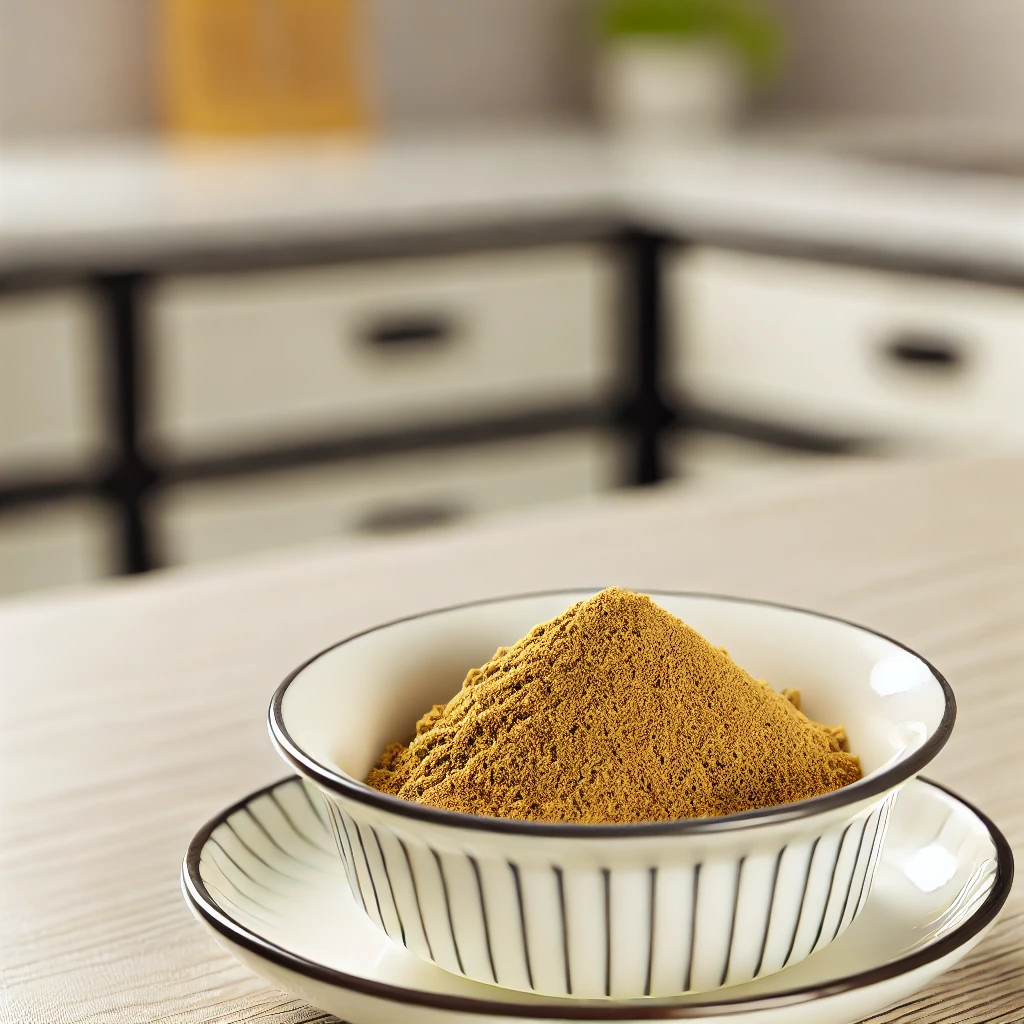
- Combine all ingredients in a spice grinder or high-powered blender.
- Grind to a fine, even powder.
- Store in an airtight container away from heat and light.
- Use within 6 months for maximum aroma.
How to Use This Satay Spice Blend
- As a dry rub:
Sprinkle directly onto chicken, beef, lamb, pork, tofu, or vegetables before grilling or roasting. - As a satay marinade:
Mix 1–2 tablespoons of the blend with oil, soy sauce, tamarind, or coconut milk to create a rich, aromatic wet marinade. - In curries and stir-fries:
Use as the base seasoning to infuse dishes with Southeast Asian character.
Best satay spice blend recipe for chicken skewers on a home grill
Ingredients
- 500 g boneless chicken, cut into bite-sized pieces
- 1 ½ tsp satay spice blend
- 1 tsp brown sugar
- ½ tsp salt
- 1 ½ tsp peanut oil (or any neutral oil)
- 1 onion, chopped
- Bamboo skewers, soaked in water for 10 minutes
Method
- Prepare the marinade: Blend the chopped onion, satay spice blend, brown sugar, salt, and peanut oil in a food processor until you achieve a smooth, fragrant paste.
- Marinate the chicken: Coat the chicken pieces thoroughly with the paste. Cover and refrigerate for at least 30 minutes (or up to several hours) to let the flavours absorb.
- Assemble the skewers: Thread the marinated chicken pieces onto the soaked skewers, pressing them gently so the pieces sit closely together.
- Grill the chicken: Cook the skewers on a hot grill or barbecue, turning occasionally, until the chicken is browned, lightly charred, and tender. This usually takes 8–12 minutes depending on thickness.
- Serve: Plate the satay chicken with warm peanut satay sauce and a fresh side salad. Add steamed rice or flatbread for a complete meal.



Frequently Asked Questions (FAQs)
Can I make satay spice blend without a food processor?
Yes. You can grind the spices using a mortar and pestle for a slightly coarser texture, which still works well for rubs, marinades, and stir-fries.
How should I store homemade satay spice blend?
Keep it in an airtight container in a cool, dark place. Properly stored, it retains its aroma and flavour for up to six months.
Can satay spice blend be used for vegetarian or vegan dishes?
Absolutely. It works perfectly on tofu, tempeh, vegetables, or plant-based proteins, giving them the authentic satay flavour without any animal products.
What is the difference between Indonesian, Malaysian, and Thai satay spice blends?
- Indonesian: Rich in turmeric, often with shrimp paste and palm sugar.
- Malaysian: Balanced flavours, sometimes incorporates coconut milk in marinades.
- Thai: Focuses on lemongrass, galangal, and cilantro root, with less turmeric.
Can I substitute fresh aromatics for the powdered ingredients in the blend?
Yes. Fresh garlic, ginger, shallots, and lemongrass can be blended into a wet paste for a more intense, aromatic flavour, commonly used in traditional Southeast Asian satay recipes.
How do I prevent skewered satay chicken from sticking to the grill?
Soak bamboo skewers for at least 10–15 minutes before threading the meat, and lightly oil the grill grates to prevent sticking.
Can I make satay spice blend in large batches for long-term use?
Yes. Store larger batches in vacuum-sealed containers or airtight jars in a cool, dry environment to preserve flavour. Divide into smaller jars for daily use to maintain freshness.
Is satay spice blend suitable for oven or air-fryer cooking?
Yes. The blend can be used for oven-baked or air-fried satay, offering the same aromatic and caramelised flavours as traditional grilling.
How spicy is satay spice blend?
Satay seasoning is mildly spicy, with a warm, aromatic heat rather than intense chilli fire. Adjust the heat by adding cayenne or chili powder if desired.
Can I use satay spice blend for sauces and soups?
Definitely. Add 1–2 teaspoons to curries, soups, stir-fries, or peanut sauces to infuse authentic Southeast Asian flavours without overpowering the dish.