9 Powerful Reasons Bay Leaves Are Used Whole and Never Chopped
Table of Contents
- Key Takeaways
- What Are Bay Leaves?
- Are Bay Leaves Anti-Inflammatory or Good for Gut Health and Digestion?
- What Do Bay Leaves Actually Do in a Dish, and Can You Really Taste Them?
- Why Are Bay Leaves Used Whole Instead of Chopped or Ground?
- How Long Do Dried Bay Leaves Last, and How Should You Store Them?
- Frequently Asked Questions (FAQs)
Key Takeaways
What are bay leaves used for in cooking?
Bay leaves are used to add subtle depth, aroma, and balance to slow-cooked dishes such as soups, stews, stocks, sauces, braises, beans, and rice. They enhance overall flavor without overpowering other ingredients.
What do bay leaves actually taste like?
Bay leaves have a mild herbal, tea-like, slightly floral flavor with gentle eucalyptus and clove notes. Their taste is not bold or direct; instead, it integrates into the dish and becomes noticeable mainly by its absence.
Can you really taste bay leaves in food?
Yes, but indirectly. Bay leaves create a smoother, more cohesive flavor in dishes. Side-by-side comparisons show that food cooked with bay leaves tastes more balanced and complete than food without them.
Why are bay leaves added whole instead of chopped or ground?
Bay leaves are used whole because they remain tough and fibrous even after long cooking. Chopping or grinding releases flavor too aggressively and creates sharp fragments that are unpleasant and unsafe to eat.
Are bay leaves meant to be eaten?
No. Bay leaves are not edible in whole form. They are added for flavor and always removed before serving to avoid choking or digestive irritation.
How many bay leaves should you use in a recipe?
Most recipes require 1 to 2 dried bay leaves per pot. Using more can make food taste bitter or medicinal, especially with strong varieties like California bay leaf.
How long do bay leaves need to cook to release flavor?
Bay leaves require at least 30 minutes of simmering to release meaningful flavor. They are most effective in long-cooked, liquid-based dishes rather than quick recipes.
Do bay leaves add bitterness?
Bay leaves contribute a controlled, balancing bitterness that helps cut through rich fats and heavy sauces. When overused or ground, they can become overly bitter or medicinal.
Why do chefs consider bay leaves essential?
Chefs value bay leaves because they act as a flavor bridge, helping herbs, spices, aromatics, and proteins meld into a unified, layered taste profile.
Are bay leaves anti-inflammatory?
Bay leaves contain compounds with anti-inflammatory potential, supported mainly by laboratory and animal studies. There is currently limited human clinical evidence confirming therapeutic effects from normal culinary use.
Are bay leaves good for digestion and gut health?
Traditionally, bay leaves have been used to support digestion and reduce bloating. Early research suggests potential gut-related benefits, but human evidence remains limited, especially at typical cooking doses.
How long do dried bay leaves last?
Dried bay leaves maintain peak flavor for about 6–12 months and remain usable for up to 2–3 years if stored properly, though their potency declines over time.
What is the best way to store bay leaves?
Store bay leaves in an airtight container in a cool, dark place. For maximum flavor retention, keep them in the freezer, where they can last several years with minimal flavor loss.
How can you tell if bay leaves are too old to use?
If bay leaves have little aroma, faded color, or crumble into dust, they have lost most of their flavor and will not improve your dish.
What type of bay leaf is best for cooking?
Turkish or Mediterranean bay leaves (Laurus nobilis) are the culinary standard. California bay leaves are much stronger and should be used sparingly.
What Are Bay Leaves?
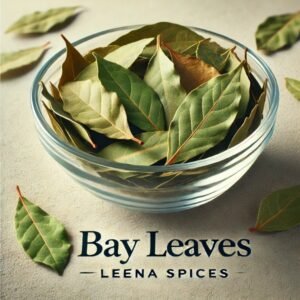
Bay leaves are aromatic leaves harvested from the bay laurel tree, Laurus nobilis, an evergreen native to the Mediterranean region. Used as a culinary herb for centuries, bay leaves are valued for the quiet depth they bring to slow-cooked dishes. The leaves are typically added whole and removed before serving, as they remain tough and fibrous even after long cooking.
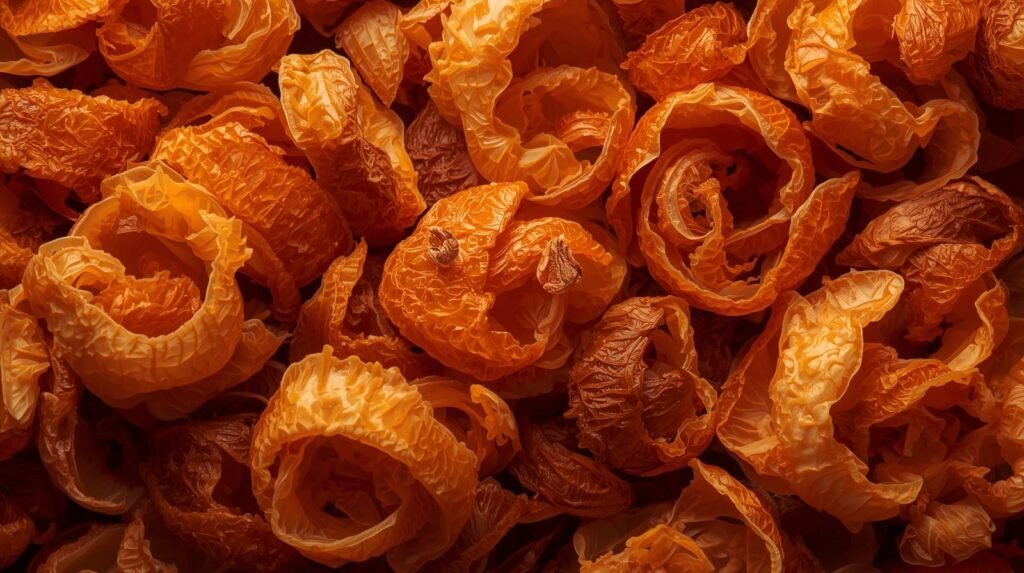
Fresh bay leaves are dark green, glossy, and leathery, while dried bay leaves turn olive-green and brittle with a slightly curled shape. In cooking, dried bay leaves are more common because their flavor is concentrated and releases gradually during simmering.
From a flavor perspective, bay leaves offer a subtle, woodsy, herbal profile with mild floral notes. Their aroma is often described as tea-like, slightly eucalyptus-forward, with hints of clove, pine, and menthol. Rather than dominating a dish, bay leaves act as a background enhancer, helping balance rich fats, deepen savory flavors, and unify other spices during long cooking.
Bay leaves are widely used in soups, stews, stocks, sauces, braises, rice dishes, beans, and marinades across Mediterranean, Indian, Caribbean, and Western cuisines. Typically, one or two leaves per pot are sufficient. Because the leaves stay rigid and sharp-edged, they are always removed before serving to avoid choking hazards.
Types of Bay Leaves Used in Cooking
The most commonly used bay leaf is Turkish or Mediterranean bay leaf (Laurus nobilis). It has a mild, slightly sweet, and well-rounded aroma, making it the culinary standard in most global recipes.
California bay leaf (Umbellularia californica) is a different species with a much stronger, more pungent aroma that leans heavily toward eucalyptus and camphor. It is used sparingly and can easily overpower dishes if substituted directly.
In Indian cuisine, tej patta is often called Indian bay leaf, but it comes from a different plant, Cinnamomum tamala. Its flavor is warmer and spicier, with natural notes of cinnamon and clove, and it plays a distinct role in Indian spice blends and curries.
Culinary Chemistry and Functional Role
Bay leaves contain natural aromatic compounds such as 1,8-cineole (eucalyptol) and linalool, which are released slowly when heated. These compounds contribute to bay leaf’s ability to add structure and balance to complex dishes. Chefs often describe bay leaves as a “bridge spice” because they help connect and harmonize other herbs and seasonings without standing out on their own.
Health and Traditional Uses
Bay leaves have long been associated with traditional wellness practices. They contain antioxidant, anti-inflammatory, and antimicrobial compounds and are commonly believed to support digestion and reduce bloating. In herbal traditions, bay leaf tea has been used to promote relaxation and respiratory comfort, though culinary use remains the most common application today.
Cultural and Historical Significance
Historically, bay leaves held deep symbolic meaning. In ancient Greece and Rome, they were sacred to Apollo and used to crown poets, scholars, and victorious athletes, giving rise to the term “laureate.” In European folklore, bay leaves were believed to protect against negative energy and were burned in rituals to purify spaces. In Indian traditions, bay leaves are sometimes included in religious ceremonies and offerings, symbolizing prosperity, protection, and purification.
Why Bay Leaves Matter in Cooking
Bay leaves may seem subtle, but their impact is foundational. They do not add immediate flavor; instead, they build complexity over time. For home cooks and professional chefs alike, bay leaves are an essential pantry staple that quietly elevates broths, stews, sauces, and spice-forward dishes with depth, balance, and aromatic sophistication.
Are Bay Leaves Anti-Inflammatory or Good for Gut Health and Digestion?
Bay leaves (Laurus nobilis) have a long history in traditional medicine and are increasingly studied for their potential health benefits. Modern research suggests they may offer anti-inflammatory and digestive support, but the strength of evidence depends heavily on how they are used and in what form.
Anti-Inflammatory Potential of Bay Leaves
Bay leaves contain several bioactive compounds linked to anti-inflammatory activity, including 1,8-cineole (eucalyptol), eugenol, flavonoids such as quercetin and kaempferol, and tannins. In laboratory and animal studies, extracts and essential oils from bay leaves have been shown to suppress key inflammatory pathways. These include inhibition of NF-κB signaling, reduced activation of the NLRP3 inflammasome, and lower production of pro-inflammatory cytokines such as IL-1β.
Animal models have demonstrated measurable effects, including reduced swelling, decreased lung inflammation, and improvement in chemically induced colitis. These findings suggest that bay leaf compounds can modulate inflammation at a biological level.
Bay Leaves and Gut Health
Bay leaves are traditionally used to support digestion, and early research offers some insight into why this practice developed. In folk medicine, bay leaves have been used to ease bloating, flatulence, and mild stomach discomfort, often in the form of bay leaf tea or infused preparations.
Preclinical research provides more detail. In animal studies, including models of ulcerative colitis, diets supplemented with bay leaves have been associated with improved gut barrier function, reduced intestinal inflammation, and favorable shifts in the gut microbiome. These shifts include increases in beneficial bacteria such as Lactobacillus and Bifidobacteria, along with higher production of butyric acid, a short-chain fatty acid essential for colon health. At the same time, reductions in potentially harmful bacteria, including certain Clostridium species, have been observed.
Bay leaves may also support digestion through carminative effects, helping reduce gas and bloating, and by gently stimulating digestive secretions. While the leaves themselves are not eaten, water-soluble polyphenols and aromatic compounds can leach into soups and stews during long simmering, contributing subtle functional benefits.
Safety and Practical Use
Bay leaves are safe when used as a culinary herb, but the whole leaf remains rigid and indigestible, even after prolonged cooking. For this reason, bay leaves are always removed before serving to prevent choking or mechanical irritation of the digestive tract.
Concentrated forms such as extracts or teas may deliver higher levels of active compounds, but these should be used cautiously and are not a substitute for medical care. Anyone considering bay leaf supplements for health reasons should consult a healthcare professional, especially if managing digestive or inflammatory conditions.


An advisor to the American Anti-Cancer Institute and 3-Time Canadian Natural Bodybuilding Champion, Mr. Wade Lightheart, is one of the world’s premier authorities on Natural Nutrition and Training Methods.
He says “Most healthy individuals typically only get 1-2 forms of magnesium at best (much of the population is deficient in all forms)
– but when you get all 7 major forms of magnesium, you can truly experience the benefits.”
What Do Bay Leaves Actually Do in a Dish, and Can You Really Taste Them?
Bay leaves are one of the most misunderstood herbs in cooking. They do not deliver a bold or instantly recognizable flavor, yet removing them often makes a dish feel incomplete. Their role is subtle but structural, shaping how flavors develop rather than announcing their presence.
What Bay Leaves Do in Cooking
Bay leaves act as a background flavor builder. When simmered slowly, they release volatile aromatic compounds such as eucalyptol (1,8-cineole), linalool, and eugenol. These compounds dissolve gradually into liquids, contributing a gentle herbal aroma and a light bitterness that balances richness.
Instead of adding a dominant taste, bay leaves:
- Add depth and complexity to soups, stews, stocks, sauces, beans, and braises
- Help round out sharp or heavy flavors, especially in dishes rich in fat, protein, or starch
- Enhance savory and umami notes in meats like beef, lamb, and chicken
- Act as a flavor bridge, helping herbs, spices, onions, and aromatics blend into a cohesive whole
Can You Really Taste Bay Leaves?
In a finished dish, bay leaf flavor is integrated and indirect. You are unlikely to take a bite and clearly identify “bay leaf.” Instead, you notice its absence. Dishes cooked without bay leaves often taste flatter, heavier, or slightly muddled by comparison.
Side-by-side tests make this clear. When two identical pots of stock or stew are prepared, one with bay leaves and one without, the bay leaf version is consistently described as:
- More balanced
- Smoother and more cohesive
- Lighter and cleaner, especially in rich dishes
What Bay Leaves Taste Like on Their Own
Bay leaves are much easier to identify outside of a complex dish:
- Raw or chewed: bitter, sharp, piney, and menthol-like, often unpleasant
- Simmered in plain water: clearly herbal, slightly medicinal, tea-like, with eucalyptus and clove notes
This “water test” explains why bay leaves work best as a background element. Their standalone flavor is too harsh to be pleasant, but in dilution, it adds structure and balance.
When Bay Leaves Matter Most
Bay leaves need time and liquid to do their job. Their impact is strongest in dishes that simmer for 30 minutes or longer. In quick-cooking recipes, their contribution is minimal.
They are most noticeable in:
- Stocks and broths
- Soups and stews
- Braised meats
- Beans, lentils, and rice dishes
Heavily spiced dishes may mask their presence, while mild dishes make their effect more obvious.
How Many Bay Leaves to Use
For most recipes:
- Use 1–2 dried Turkish or Mediterranean bay leaves (Laurus nobilis) per pot
- Fresh bay leaves are stronger and more piney; use sparingly
- California bay leaves are much more intense and eucalyptus-forward and should be used with caution
Too many bay leaves, or ground bay leaf, can make a dish taste bitter or medicinal.

Why Are Bay Leaves Used Whole Instead of Chopped or Ground?
Feature | Whole Bay Leaves | Ground Bay Leaves |
Form | Intact, leathery leaves from Laurus nobilis (or regional varieties) | Finely powdered from dried bay leaves |
Texture | Tough, fibrous, must be removed before serving | Smooth, disperses into dishes, no removal needed |
Flavor Release | Slow, gradual infusion; subtle, balanced flavor | Rapid, intense release; stronger, can overpower |
Usage | Long-simmered dishes: soups, stews, stocks, braises, pickles | Spice blends, rubs, curries, sauces where texture isn’t an issue |
Cooking Time | Needs 30+ minutes to release flavor fully | Works quickly; flavor evident even in short cooking |
Safety | Easy to remove; prevents choking or digestive irritation | Cannot be removed; safe in small amounts, but too much can be bitter or medicinal |
Shelf Life | Preserves essential oils longer when kept whole | Volatile oils degrade faster; flavor weakens quickly |
Flavor Profile | Mild, herbal, tea-like, slightly floral, subtle menthol/eucalyptus notes | Concentrated, stronger, slightly more bitter or medicinal if overused |
Best For | Long-cooked, slow-infused dishes | When integrated spice is desired in blends, rubs, or pickling |
Pro Tip: Use whole bay leaves for long-simmered dishes for gentle, rounded flavor and remove before serving. Use ground bay leaf sparingly in spice blends or rubs, where texture is not a concern and a stronger flavor is desired.
Bay leaves are almost always used whole in cooking for three practical reasons: texture and safety, flavor control, and stability of aroma. Unlike tender herbs that are meant to be eaten, bay leaves are designed to infuse flavor and then be removed.
Texture and Safety Come First
Bay leaves have a rigid, leathery structure that does not soften with heat. Even after hours of simmering, the leaf remains tough and fibrous. If chopped or crushed, bay leaves break into sharp, needle-like fragments that feel gritty and unpleasant in the mouth.
More importantly, these fragments can pose a choking risk or cause mechanical irritation to the throat and digestive tract. Using the leaf whole allows cooks to easily remove it before serving, ensuring the flavor is present without the physical hazard.
Whole Leaves Control Flavor Release
When the leaf is kept whole, only a small surface area is exposed, allowing these compounds to release slowly over time during simmering.
Grinding or finely chopping bay leaves dramatically increases surface area, causing the oils to release too quickly. This often results in an overpowering bitterness or medicinal, menthol-like flavor that overwhelms the dish. Whole bay leaves act like a time-release capsule, providing gentle background depth rather than a dominant herbal punch.
Ease and Precision in Cooking
Using bay leaves whole is also practical. One or two leaves can be added directly to a pot and removed at the end. Ground bay leaf requires precise dosing, as even small excesses can throw off the balance of a dish.
When Ground Bay Leaf Is Used
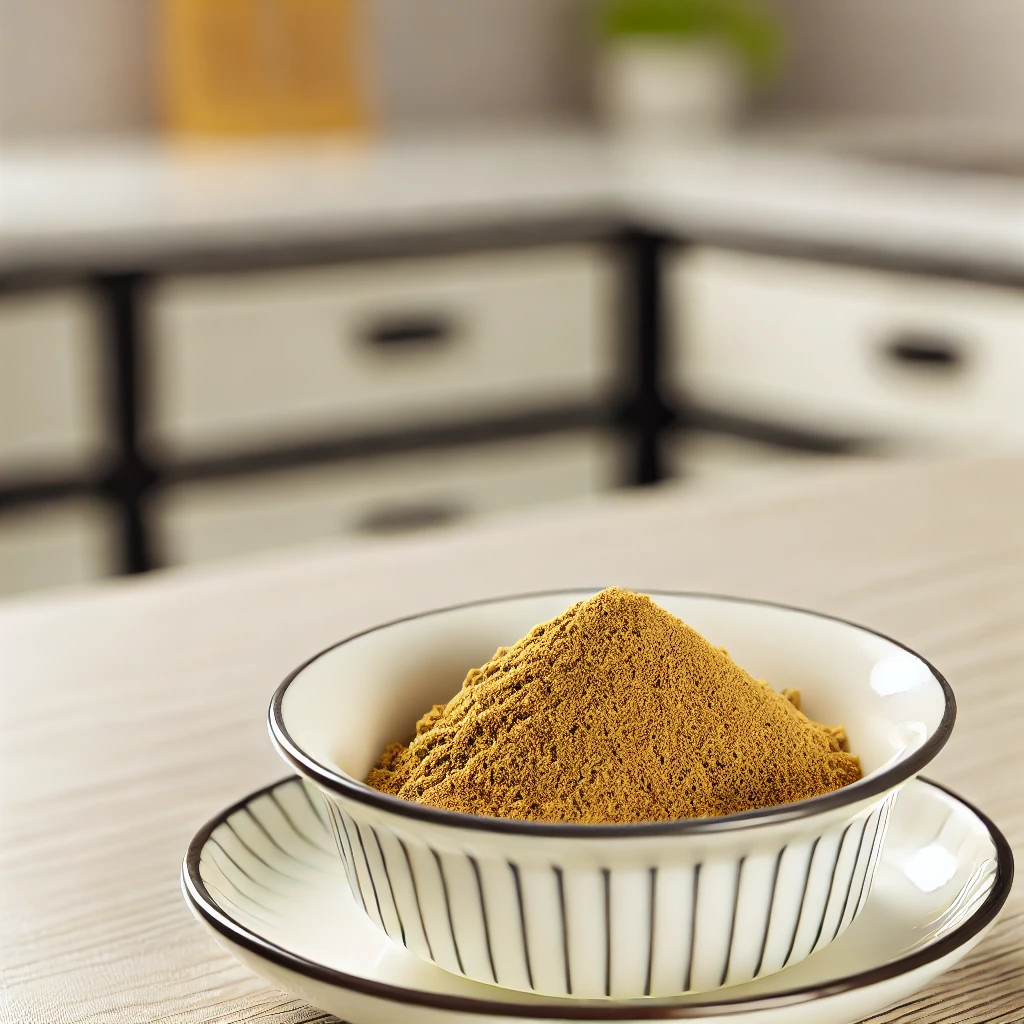
Ground bay leaf does exist and has specific applications. It is sometimes used in spice blends, dry rubs, pickling mixes, or certain curries, where texture is not an issue and the dosage is tightly controlled. As a general guideline, ¼ teaspoon of ground bay leaf equals one whole leaf, though results vary by freshness and quality.
In these cases, the bay leaf is pulverized finely enough that it does not create sharp fragments, and its stronger flavor is intentional.
This Critical Mineral Holds The Key
To A Perfect Night’s Sleep – No Matter What Your Age.
How Long Do Dried Bay Leaves Last, and How Should You Store Them?
Dried bay leaves do not spoil in the traditional sense, but they gradually lose flavor as their volatile oils evaporate. With proper storage, they remain safe to use for years, though their aromatic strength declines over time.
Shelf Life of Dried Bay Leaves
- Peak flavor and aroma: 6–12 months
- Good but gradually weakening: 1–2 years
- Still safe, minimal flavor: 2–3+ years
For best cooking results, most professional kitchens replace dried bay leaves once a year. Older leaves can still be used, but you may need to add more to achieve the same effect.
The Best Way to Store Dried Bay Leaves
Proper storage slows oxidation and preserves the essential oils responsible for bay leaf flavor.
Best storage option: the freezer
Storing dried bay leaves in an airtight container or freezer bag in the freezer is the most effective method. Cold temperatures dramatically slow oil evaporation and oxidation, allowing bay leaves to retain near-fresh potency for 2 to 5 years or more. Portion them into small airtight bags to avoid repeated exposure to air and moisture.
Good storage option: cool, dark pantry
If freezing is not practical, store bay leaves in a tightly sealed glass or ceramic jar in a cool, dry, dark cupboard. Keep them away from heat sources such as the stove, oven, or direct sunlight. Under these conditions, expect optimal flavor for about one year.
What to avoid
Heat, light, air, and humidity are the fastest ways to destroy bay leaf flavor. Avoid open containers, plastic bags with loose seals, spice racks near heat, or storage above the stove.
How to Tell If Bay Leaves Have Lost Their Flavor
Bay leaves rarely “go bad,” but they do become useless. A quick check can tell you if they are still worth using.
- Smell test: Crush or snap a leaf and smell it. Fresh bay leaves should release a noticeable herbal, slightly eucalyptus-like aroma. If there is little or no scent, the oils are gone.
- Color: Olive green indicates good quality. Pale brown or tan leaves are older and weaker.
- Texture: Extremely brittle leaves that crumble into dust are usually very old and largely flavorless.
If a bay leaf fails the smell test, it will not meaningfully improve your dish.
Pro Tips for Maximum Flavor
- Store bay leaves whole, not crushed or ground, until use to minimize oil loss
- Label the container with the purchase date
- Replace annually if you cook often and want consistent results
- If using older bay leaves, you can add one extra leaf, but avoid overcompensating, as bitterness can still occur
Where can I buy authentic Dried Bay Leaves online?
You can buy Pure and Authentic Dried Bay Leaves From Amazon
You’ll find several reputable brands offering in both small jars and bulk packs.
Easy, step-by-step instructions for creating your own spice blends from home.More than 200 spices from around the world

Frequently Asked Questions (FAQs)
Can you really taste bay leaves in food?
Yes, but indirectly. Bay leaves improve overall flavor cohesion and depth. Most people notice their impact when they are missing rather than tasting a distinct “bay leaf” note.
Why are bay leaves used whole and removed before serving?
Bay leaves remain tough, leathery, and fibrous even after long cooking. Using them whole allows for easy removal and controlled flavor release, while chopped or ground leaves can be bitter and unsafe to eat.
Are bay leaves edible?
Bay leaves are not meant to be eaten whole. They are added for flavor and must be removed before serving to prevent choking or digestive irritation.
How many bay leaves should I use in a recipe?
Most recipes require 1 to 2 dried bay leaves per pot. Using more can result in bitterness or a medicinal taste, especially with stronger bay leaf varieties.
How long should bay leaves cook to release flavor?
Bay leaves need at least 30 minutes of simmering to release meaningful flavor. They are most effective in slow-cooked, liquid-based dishes rather than quick recipes.
What happens if you use too many bay leaves?
Using too many bay leaves can make food taste bitter, sharp, or medicinal, with strong menthol or eucalyptus notes that overpower the dish.
What is the difference between Turkish and California bay leaves?
Turkish or Mediterranean bay leaves (Laurus nobilis) are mild and balanced and are the culinary standard. California bay leaves are much stronger and more eucalyptus-forward and should be used sparingly.
Are Indian bay leaves the same as regular bay leaves?
No. Indian bay leaves (tej patta) come from a different plant species and have warm cinnamon and clove notes. They are not a direct substitute for Mediterranean bay leaves.
Can I substitute bay leaves if I don’t have them?
There is no perfect substitute, but small amounts of thyme or oregano can mimic some herbal notes. The flavor will be different, but the dish will still be balanced.
Are bay leaves good for digestion?
Traditionally, bay leaves have been used to support digestion and reduce bloating. Early research suggests potential benefits, but clinical evidence in humans is limited.
Do bay leaves work in quick-cooking dishes?
Bay leaves are far less effective in quick dishes. Their flavor develops slowly, making them best suited for long-simmered recipes.