How to Make Homemade Vindaloo Spice Blend | Leena Spices
Table of Contents
- Key Takeaways
- What is the origin of Vindaloo spice blend and how did Portuguese influence it?
- What Does Authentic Goan Vindaloo Taste Like Compared to British Versions?
- What Spices Go Into an Authentic Goan-Style Vindaloo Spice Mix?
- How to Make Homemade Vindaloo Spice Blend Using Basic Pantry Spices
- Authentic Goan Beef Vindaloo Recipe (Using Homemade Vindaloo Spice Blend)
- FAQs
Key Takeaways
What is an authentic Vindaloo spice blend?
An authentic Vindaloo spice blend is a traditional Goan masala made from warm, aromatic spices like cumin, coriander, cinnamon, cloves, mustard seeds, and garlic. It is designed to work with vinegar, creating a tangy, balanced, and aromatic curry, not an extremely hot one.
Is Vindaloo supposed to be very spicy?
Authentic Goan Vindaloo is moderately spicy, not fiery. The heat is balanced and controlled, with emphasis on vinegar tang, garlic, and layered spices, rather than overwhelming chili burn.
What spices are essential in a Goan Vindaloo spice mix?
Key spices include coriander, cumin, cinnamon, cloves, black pepper, mustard seeds, fenugreek, turmeric, paprika, cardamom, and bay leaf, supported by garlic and ginger. Kashmiri-style chilies or paprika are used mainly for colour and flavour, not extreme heat.
Why does authentic Vindaloo taste sour?
The sourness comes from vinegar, traditionally coconut palm or toddy vinegar. This acidity is central to Vindaloo’s identity and distinguishes it from other Indian curries that rely on tomatoes or tamarind.
Can I make Vindaloo spice blend using pantry spices?
Yes. A homemade Vindaloo spice blend can be made using basic pantry spices, especially when whole spices are lightly toasted and freshly ground. This delivers far better aroma, depth, and authenticity than store-bought curry powders.
How is Vindaloo spice blend different from curry powder?
Vindaloo spice blend is vinegar-focused and aromatic, while generic curry powder is heat-forward and one-dimensional. Vindaloo masala is designed specifically for pickling-style cooking, slow simmering, and sharp flavour balance.
What protein works best with Vindaloo spice blend?
Traditionally, Vindaloo is made with pork, but the spice blend works exceptionally well with beef, chicken, lamb, seafood, or vegetables. Fatty cuts absorb the vinegar and spices best.
Does authentic Vindaloo contain potatoes?
No. Authentic Goan Vindaloo never includes potatoes. The confusion comes from the Portuguese word alhos (garlic), which was mistaken for aloo (potato) outside Goa.
Should Vindaloo spice blend be used as a dry rub or paste?
Vindaloo spice blend is best mixed with vinegar and water to form a paste before cooking. This allows the spices to bloom properly and creates the signature thick, tangy masala.
How long does homemade Vindaloo spice blend stay fresh?
When stored in an airtight container away from heat and light, homemade Vindaloo spice blend stays aromatic for 3–4 months. Fresh grinding ensures maximum flavour.
Why is Vindaloo considered an Indo-Portuguese dish?
Vindaloo evolved from the Portuguese dish carne de vinha d’alhos, combining garlic and vinegar preservation techniques with Indian spices. This fusion defines Vindaloo’s unique flavour and cultural identity.
Is Vindaloo spice blend suitable for Asia-Pacific cooking styles?
Yes. Vindaloo spice blend aligns perfectly with Asia-Pacific kitchens, where bold flavours, vinegar-based dishes, and spice-forward cooking are common. It adapts easily to local proteins and preferences.
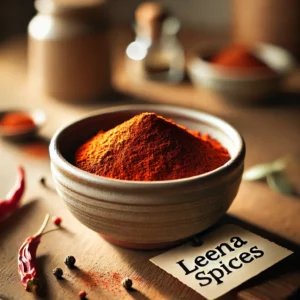
What is the origin of Vindaloo spice blend and how did Portuguese influence it?
The Origin of Vindaloo Spice Blend and the Portuguese Influence
The Vindaloo spice blend is one of the most fascinating examples of culinary fusion in Indian food history. Its roots trace back to 15th–16th century Goa, where Portuguese preservation techniques met Indian spice cooking, giving birth to a bold, tangy, and deeply aromatic blend that is unlike any other Indian curry base.
Portuguese Roots: Carne de Vinha d’Alhos
Vindaloo originates from the Portuguese dish carne de vinha d’alhos, which literally means meat marinated in wine and garlic. Portuguese sailors developed this method to preserve pork during long sea voyages, layering meat with garlic and soaking it in red wine or wine vinegar. The acidity slowed spoilage, while garlic acted as both flavor and preservative.
When Portuguese explorers arrived in Goa in the early 16th century during colonization, they brought this technique with them. This brought one of the earliest introductions of vinegar-based marination to the Indian subcontinent. It was different from traditional Indian souring agents like tamarind or citrus.
Goan Adaptation: Local Ingredients, Indian Techniques
Once the dish landed in Goa, local cooks transformed it using indigenous ingredients and cooking methods:
Vinegar Transformation
Red wine was scarce in India, so Goans replaced it with palm vinegar or coconut toddy vinegar, made from fermented coconut sap. This substitution became central to Vindaloo’s signature sharp, tangy profile.
The Chili Introduction
Chilies were also introduced by the Portuguese. Through the Columbian Exchange, chili peppers traveled from the Americas to India via Portuguese trade routes. Goans improvised them, particularly Kashmiri chilies, prized for their deep red color and balanced heat.
Indian Spice Complexity
Local cooks layered the garlic-vinegar base with Indian spices such as:
- Cumin
- Coriander
- Black pepper
- Cinnamon
- Cloves
- Cardamom
- Mustard seeds
- Turmeric
These spices were often dry-roasted and ground into a paste, turning a simple preservative marinade into a complex, slow-cooked masala.
Traditional Protein and Cultural Context
Authentic Vindaloo was traditionally made with pork, reflecting Goa’s Catholic Portuguese heritage. Unlike many Indian curries, early Vindaloo focused more on sourness and spice balance rather than extreme heat. The intense chili-forward versions commonly seen today are later adaptations.
The “Aloo” Misconception Explained
One of the most persistent myths around Vindaloo is the presence of potatoes. This stems from a linguistic misunderstanding:
- Alhos (Portuguese) = garlic
- Aloo (Hindi) = potato
What Makes Vindaloo Spice Blend Unique
The modern Vindaloo masala reflects this Indo-Portuguese evolution:
- Tangy acidity from vinegar
- Robust garlic presence
- Balanced heat from dried red chilies
- Warm, layered spice aromatics
It stands apart from other Indian curry blends by prioritizing vinegar-led sharpness, spice depth, and preservation heritage.
What Does Authentic Goan Vindaloo Taste Like Compared to British Versions?
Authentic Goan Vindaloo and the Vindaloo commonly found in British curry houses share a name but their flavor profiles, balance, and intent are fundamentally different.
Authentic Goan Vindaloo: Tangy, Aromatic, and Balanced
Traditional Goan Vindaloo is not a “blow-your-head-off” spicy curry. Instead, it is a deeply flavored, tangy, and aromatic dish rooted in preservation techniques and spice balance.
At its core, authentic Goan Vindaloo tastes:
- Pronouncedly tangy and sour, driven by coconut palm vinegar or toddy vinegar
- Garlicky and savory, with garlic as a dominant flavor
- Moderately hot, using Kashmiri chilies mainly for color and gentle warmth rather than extreme heat
- Complex and layered, with warm spices such as cumin, mustard seeds, cinnamon, cloves, black pepper, and cardamom
The gravy is thick, dark red to reddish-brown, and paste-like. It is often described as pickle-style or oil-rich, clinging closely to the meat rather than swimming in sauce. Sourness and spice are in equilibrium, with neither overpowering the other. A small amount of jaggery or palm sugar is sometimes used to soften the acidity, creating a refined sweet–sour–spicy balance.
Traditionally:
- Pork is the classic protein, especially fatty cuts that mellow the vinegar and spices
- No potatoes are used
- The dish improves with time, much like a preserve
British Version Vindaloo: Heat-Forward and One-Dimensional
In contrast, British Indian Restaurant (BIR) Vindaloo evolved to meet local expectations for intensity. Over time, it became known as the “hottest curry on the menu”, often marketed as a challenge dish.
British-style Vindaloo typically tastes:
- Extremely fiery, dominated by chili powder, cayenne, or fresh green chilies
- Less tangy, with vinegar playing a minimal or absent role
- Straight-line spicy, where heat overwhelms aroma and nuance
- Saucy and gravy-based, often built on a standard onion-tomato curry base
The color is frequently a bright, artificial-looking red, sometimes intensified with food coloring. The dish is thinner, more liquid, and less oil-rich than its Goan counterpart.
Common characteristics include:
- Proteins like chicken, lamb, or beef
- Occasional inclusion of potatoes, due to the mistaken belief that “aloo” means potato rather than coming from the Portuguese word alhos (garlic)
- Reduced use of warm spices, with chili heat taking center stage
The result is a curry that prioritizes spice intensity over balance, often losing the defining vinegar-garlic character that makes Vindaloo unique.
Feature | Authentic Goan Vindaloo | British Curry House Vindaloo |
Primary Taste | Tangy, sour, and garlicky with balanced spice | Intensely hot and fiery |
Heat Level | Medium to medium-high, never extreme | Very high; often the hottest dish on the menu |
Dominant Flavor | Vinegar-led acidity with garlic and warm spices | Chili heat dominates, tang is minimal |
Acid Source | Coconut palm vinegar or toddy vinegar | White vinegar, lemon juice, or none |
Chilies Used | Kashmiri chilies for color and mild warmth | Hot chili powder, cayenne, fresh green chilies |
Spice Profile | Complex and layered (cumin, mustard seeds, cloves, cinnamon, pepper) | Simplified, heat-focused spice mix |
Texture | Thick, paste-like, oil-rich; coats the meat | Thinner, gravy-based sauce |
Color | Deep reddish-brown, natural | Bright red, sometimes artificially enhanced |
Sweetness | Subtle balance using jaggery or palm sugar | Little to none; sometimes tomato-based |
Traditional Protein | Pork (especially fatty cuts) | Chicken, lamb, or beef |
Potatoes | Never used (garlic is the “aloo”) | Often added due to name confusion |
Overall Balance | Sourness, spice, and aroma in harmony | Heat overwhelms balance |
Culinary Identity | Indo-Portuguese preservation dish | Heat-centric restaurant curry |
Authenticity | Rooted in Goan Catholic cuisine | Adapted for UK curry-house preferences |
What Spices Go Into an Authentic Goan-Style Vindaloo Spice Mix?
Authentic Goan Vindaloo spice mix ingredients are aromatic, tangy, warm, and deeply layered, built to support vinegar-forward cooking rather than overpower it with heat. Unlike generic “vindaloo curry powders,” the traditional Goan blend focuses on balance, fragrance, and preservation-friendly spices.
Bay Leaves
Bay leaves add a subtle herbal depth and mild bitterness that helps round out the sharp vinegar notes during slow cooking.
Black Pepper
One of the original heat sources before chilies became widespread. Black pepper provides warm, lingering heat rather than aggressive burn.
Green Cardamom
Used sparingly, green cardamom contributes gentle sweetness and a fresh aroma that lifts heavier spices.
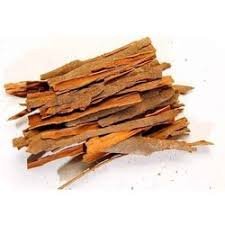
Cinnamon
A key warm spice that adds sweetness and woody depth, helping balance acidity and spice heat.
Cloves
Cloves bring intense warmth and slight bitterness, enhancing the savory richness of the masala.
Coriander Seeds
Coriander forms the backbone of the blend, offering citrusy, nutty notes that soften vinegar sharpness.
Cumin Seeds
Earthy and grounding, cumin adds savory depth and ties together the spice profile.
Fenugreek
Used in very small amounts, fenugreek adds subtle bitterness and complexity, preventing the blend from tasting flat.
Garlic Powder
Garlic is essential to Vindaloo’s identity. While fresh garlic is traditionally used in paste form, garlic powder reinforces that bold, savory backbone in dry spice mixes.
Ginger Powder
Adds warmth and gentle sharpness, complementing garlic and aiding digestion.
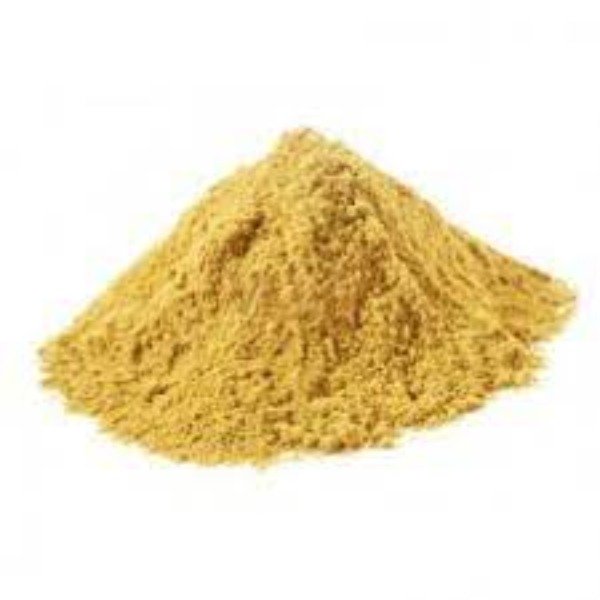
Mango Powder (Amchur)
Provides natural tang and fruit acidity, supporting the vinegar-driven flavor profile without overpowering it.
Black Mustard Seeds
A defining Goan element. Mustard seeds contribute pungency, heat, and slight bitterness that intensify during cooking.
Paprika
Used mainly for color and mild sweetness, not heat. It helps achieve the deep red tone associated with Vindaloo without excessive spiciness.
Star Anise
Optional but traditional in some Goan households, star anise adds subtle licorice-like sweetness and aroma.
Turmeric
Adds earthiness, mild bitterness, and a warm golden undertone while supporting preservation and depth.
When combined with coconut palm vinegar or toddy vinegar, these spices create the unmistakable Vindaloo character: tangy, garlicky, aromatic, and deeply complex.
When combined with coconut palm vinegar or toddy vinegar, these spices create the unmistakable Vindaloo character: tangy, garlicky, aromatic, and deeply complex.
How to Make Homemade Vindaloo Spice Blend Using Basic Pantry Spices
A homemade Vindaloo spice blend is all about aroma, balance, and tang-forward depth, not extreme heat. When made fresh at home, it delivers the authentic Goan Vindaloo character. It gives warm spices, garlic backbone, gentle heat, and the ability to shine once vinegar is added during cooking.
Homemade Vindaloo Spice Blend Recipe
Ingredients
Bay leaves – 3 g
Black pepper – 1 g
Green cardamom – 14 g
Cinnamon – 14 g
Cloves – 14 g
Coriander seeds – 9 g
Cumin seeds – 12 g
Fenugreek seeds – 3 g
Black mustard seeds – 6 g
Star anise – 4 g
Garlic powder – 4 g
Ginger powder – 4 g
Mango powder (amchur) – 4 g
Paprika – 4 g
Turmeric – 4 g
Step-by-Step Method
1. Toast the Whole Spices
Place a heavy-bottomed pan on low to medium heat. Add the bay leaves, black pepper, cardamom, cinnamon, cloves, coriander, cumin, fenugreek, mustard seeds, and star anise.
Dry-toast gently, stirring continuously, until the spices become aromatic and slightly darker. This usually takes 2–3 minutes. Do not rush this step as burnt spices will ruin the blend.
Remove immediately and allow them to cool completely.
2. Grind to a Fine Powder
Once cooled, grind the toasted spices in a spice grinder or high-powered blender until fine. Sift if needed for a smoother texture.
3. Add Ground Spices
Add garlic powder, ginger powder, mango powder, paprika, and turmeric to the freshly ground spice mix. Stir well to combine evenly.
4. Store Properly
Transfer the Vindaloo spice blend to an airtight glass jar. Store in a cool, dark place away from heat and moisture. For best aroma and potency, use within 3–4 months.
How to Use This Vindaloo Spice Blend
This spice blend is designed to be used with:
- Vinegar (preferably coconut palm or toddy vinegar)
- Fresh garlic and ginger
- Slow-cooked proteins, traditionally pork, but also chicken, lamb, or vegetables
Mix the spice blend with vinegar and a little water to form a paste before cooking. This mirrors authentic Goan technique and allows the spices to bloom properly.
Authentic Goan Beef Vindaloo Recipe Using Homemade Vindaloo Spice Blend
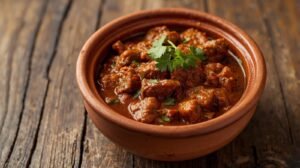
This authentic Goan-style beef Vindaloo is bold, tangy, garlicky, and deeply aromatic taste. Unlike restaurant-style versions, this recipe focuses on vinegar-led sharpness, balanced heat, and spice depth, not overpowering chilli burn.
Made with a homemade Vindaloo spice blend, this dish delivers the real Goan Vindaloo experience: thick masala, tender meat, and a flavour that improves as it rests.
Ingredients
Boneless beef (diced) – 1 kg
Onion (thinly sliced) – 1 large
Cider vinegar – ¼ cup
Olive oil – 3 tablespoons
Homemade Vindaloo spice blend – 1½ teaspoons
Brown sugar or honey – ½ teaspoon
Salt – to taste
Water – 1 cup (as needed)
Method
1. Prepare the Vindaloo Masala
In a bowl, mix the Vindaloo spice blend with cider vinegar, brown sugar (or honey), and salt. Stir well to form a loose masala paste. Set aside to allow the spices to bloom.
2. Sauté the Onion
Heat olive oil in a heavy-bottomed saucepan over medium heat. Add the sliced onion and sauté for about 5 minutes until soft and lightly browned. Do not over-brown the onion. It should remain sweet, not bitter.
3. Cook the Spice Paste
Lower the heat and add the prepared Vindaloo masala to the pan. Fry gently for about 2 minutes, stirring continuously, until the oil begins to separate and the raw spice aroma disappears.
4. Brown the Beef
Add the diced beef to the pan and stir well to coat every piece with the masala. Cook on medium heat for about 5 minutes, allowing the meat to seal and lightly brown.
5. Slow Simmer
Add 1 cup of water, stir, cover, and reduce heat to low. Let the Vindaloo simmer gently for 40 minutes, or until the beef becomes tender and absorbs the tangy spice flavours. Stir occasionally to prevent sticking.
6. Thicken the Gravy
Remove the lid, increase the heat slightly, and cook for another 5 minutes while stirring. The gravy should thicken into a rich, oil-slicked masala that clings to the meat.
7. Rest and Serve
Turn off the heat and allow the Vindaloo to rest for 10–15 minutes. This resting time enhances flavour, as the vinegar and spices settle into the meat.
Serve hot with steamed rice, Goan red rice, or plain parboiled rice.
Related Posts You May Want to Read
How to Cook Delicious Mouthwatering Lamb Jalfrezi at Home: 7 Easy Tips for Perfect Flavor
How to Make Korma Spice Blend at Home: Rich, Creamy Curry Flavours Without Additives
How to Cook Lamb Pasanda Curry with Homemade Spice Blend Masala
How to Make & Use Authentic Balti Spice Blend for Curries at Home
How to Make Portuguese Spice Blend at Home: Authentic Peri-Peri Seasoning and Easy Chicken Recipes
How to Cook Delicious Mouthwatering Lamb Jalfrezi at Home: 7 Easy Tips for Perfect Flavor
Key Notes for Authentic Flavor
- Vindaloo should taste tangy first, spicy second
- The heat should be balanced, never overpowering
- The gravy is thick and concentrated, not watery
- Beef works beautifully, though pork is traditional in Goa
The flavour improves the next day, making it ideal for batch cooking
Where Can I buy authentic and pure Vindaloo Spice Blend online?
You can buy Pure and Authentic Vindaloo Spice Blend From Amazon
You will find several reputable brands offering in both small jars and bulk packs.
CLICK HERE
FAQs
What is Vindaloo spice blend?
Vindaloo spice blend is a traditional Goan masala made with aromatic spices like cumin, coriander, cinnamon, cloves, mustard seeds, and garlic. It is designed to pair with vinegar-based cooking, giving curries a tangy, balanced, and aromatic flavour rather than extreme heat.
How do I make Vindaloo spice blend at home?
To make homemade Vindaloo spice blend:
- Toast whole spices such as cumin, coriander, cinnamon, cloves, black pepper, and mustard seeds.
- Grind them into a fine powder.
- Add ground spices like garlic powder, ginger powder, turmeric, paprika, and mango powder.
- Store in an airtight jar.
This produces a Goan-style Vindaloo masala ready for vinegar-based curry preparation.
What spices are essential in authentic Goan Vindaloo?
Key spices include: coriander, cumin, cinnamon, cloves, black pepper, cardamom, mustard seeds, fenugreek, turmeric, paprika, star anise, bay leaves, and garlic and ginger.
These create the signature tangy, aromatic, and layered flavour of traditional Goan Vindaloo.
What is the difference between authentic Goan Vindaloo and British curry house Vindaloo?
- Authentic Goan Vindaloo: Moderate heat, vinegar-led tang, aromatic spices, thick masala, traditional pork or beef.
- British Vindaloo: Extremely spicy, chili-forward, thinner gravy, often includes potatoes, less emphasis on vinegar or garlic.
Authentic Vindaloo prioritizes balanced flavor, not extreme heat.
Can I substitute spices in Vindaloo spice blend?
Yes, small substitutions are possible:
- Kashmiri chili can be replaced with mild paprika for colour and gentle heat.
- Palm vinegar can be substituted with apple cider vinegar if unavailable.
- Avoid omitting garlic or mustard seeds, as they are essential for authentic flavour.
How do I store homemade Vindaloo spice blend?
Store in an airtight jar in a cool, dry place away from direct sunlight. The blend stays fresh and aromatic for 3–4 months. Fresh grinding enhances flavour longevity.
What proteins work best with Vindaloo spice blend?
Traditionally, pork is used. However, the spice blend also works beautifully with beef, chicken, lamb, seafood, or vegetables. Fatty cuts absorb the vinegar and spices more effectively, enhancing flavour.
Does authentic Vindaloo include potatoes?
No. Authentic Goan Vindaloo contains no potatoes. The addition of potatoes originates from a linguistic misinterpretation of the Portuguese word alhos (garlic) as the Hindi aloo (potato).
Can I use Vindaloo spice blend as a dry rub?
Yes, but it is best combined with vinegar or water to form a paste before cooking. This allows the spices to bloom, creating a thick, tangy masala and a more authentic Goan curry flavour.
How long should Vindaloo curry simmer for best flavor?
Simmer the meat or vegetables with the spice paste and vinegar for 30–45 minutes on low heat. Slow cooking helps the flavours meld deeply, resulting in a rich, tangy, and aromatic curry.
Why is Vindaloo considered an Indo-Portuguese dish?
Vindaloo originated from the Portuguese dish carne de vinha d’alhos (meat in wine and garlic). Goans adapted it using palm vinegar and local spices, creating a unique tangy, aromatic curry a true Indo-Portuguese fusion.
Is Vindaloo spice blend suitable for Asia-Pacific kitchens?
Yes. Its balanced, tangy, and aromatic profile works well with popular proteins and cooking styles in Asia-Pacific cuisines, including home kitchens and professional setups.