How to Make and Store Homemade Creole Seasoning for Maximum Freshness
Table of Contents
- Key Takeaways
- Is Creole Seasoning Spicy?
- How do I make homemade Creole seasoning?
- What Dishes Use Creole Seasoning?
- Can I Use Creole Seasoning on Vegetables?
- where to buy Creole seasoning online
- What is the difference between Creole and Cajun seasoning?
- What Can I Substitute for Creole Seasoning?
- How to Store Creole Seasoning for Maximum Freshness and Long Shelf Life
- How Long Does Homemade Creole Seasoning Last?
- Frequently Asked Questions (FAQs) About Creole Seasoning
Key Takeaways: Homemade Creole Seasoning
What is Creole seasoning?
Creole seasoning is a herb-forward spice blend from Louisiana, combining paprika, garlic, onion, thyme, oregano, and sometimes cayenne pepper. It delivers a mild to medium heat with rich, aromatic flavors ideal for seafood, meats, vegetables, and rice dishes.
How do I make homemade Creole seasoning?
Combine measured amounts of paprika, garlic powder, onion powder, dried thyme, oregano, basil, black pepper, and optional cayenne pepper. Adjust proportions to taste for mild or slightly spicy blends. Homemade seasoning ensures freshness and no preservatives.
What dishes use Creole seasoning?
Creole seasoning is versatile in Louisiana-style dishes like gumbo, jambalaya, shrimp Creole, crawfish étouffée, red beans and rice, blackened meats, roasted vegetables, and even grilled corn or potatoes. It adds depth, aroma, and subtle heat.
Can Creole seasoning be used on vegetables?
Yes. It enhances roasted, grilled, sautéed, or steamed vegetables such as bell peppers, zucchini, okra, potatoes, corn, and green beans. Use ½–1 teaspoon per pound of vegetables and adjust to taste.
How is Creole seasoning different from Cajun seasoning?
Creole seasoning is herbaceous, milder, and uses more paprika and herbs like oregano, thyme, and basil. Cajun seasoning is hotter, pepper-focused, and simpler. Creole is associated with urban New Orleans cuisine, while Cajun originates from rural Louisiana.
What can I use as a substitute for Creole seasoning?
Cajun seasoning is the closest 1:1 substitute. Homemade DIY blends using paprika, garlic, onion, thyme, oregano, black pepper, and cayenne are excellent alternatives. Italian seasoning plus paprika and cayenne can work for vegetables or quick meals.
How should I store Creole seasoning for maximum freshness?
Store in an airtight glass jar or metal tin in a cool, dark, dry pantry. Avoid heat, sunlight, and moisture. Always use a clean, dry spoon, and label with the preparation date. For long-term storage, freeze in small portions for up to 12 months.
How long does homemade Creole seasoning last?
Peak flavor lasts 6–9 months; it remains potent up to 12–18 months when stored properly. Freezing can extend life to 12+ months. The seasoning is safe indefinitely but gradually loses aroma and heat over time.
Why choose organic Creole seasoning?
Organic blends are free from additives, preservatives, and artificial flavors, providing cleaner, more vibrant taste. Ideal for health-conscious cooks, tropical climates, and plant-based recipes.
What are the top tips for keeping Creole seasoning fresh?
Use airtight containers, store in a cool and dark place, avoid moisture and heat, use dry utensils, label with the date, and optionally add silica packets or freeze small portions for long-term freshness.
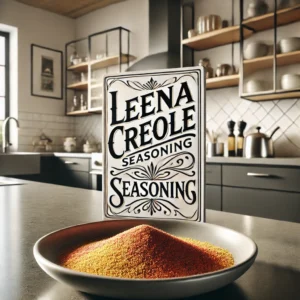
Is Creole Seasoning Spicy?
Creole seasoning is not inherently spicy. It is generally mild to moderately hot, with the main focus on savory, earthy, and herbal flavors rather than intense heat. The core ingredients paprika, garlic powder, onion powder, oregano, and thyme create a well-rounded, aromatic flavor profile that enhances food without overpowering it.
Most commercial Creole seasoning blends include a small amount of cayenne pepper, which adds a gentle to moderate kick, not extreme heat. Because of this, the spiciness can vary by brand, and homemade versions can be easily adjusted to suit personal heat tolerance.


How do I make homemade Creole seasoning?
Making homemade Creole seasoning is one of the easiest ways to get maximum flavour without preservatives, fillers, or excess salt. This classic Creole spice blend is known for its savory, herbal, and gently smoky profile meaning more aromatic than spicy. When you make it at home, you control the freshness, heat level, and overall balance.
Homemade Creole Seasoning Recipe (Measured for Perfect Balance)
Use dry, finely ground spices for the best blending and shelf life.
Paprika – 40 g
Garlic powder – 14 g
Dried oregano – 14 g
Dried basil – 14 g
Dried thyme – 11 g
Onion powder – 5 g
Black pepper – 1 g
White pepper – 1 g
How to Mix Your Creole Seasoning
- Add all measured ingredients to a clean, dry bowl.
- Mix thoroughly until the blend looks evenly combined.
- Transfer to an airtight glass jar to preserve freshness.
- Store in a cool, dark place for optimal flavour retention.
How Spicy Is This Homemade Creole Blend?
This recipe is mild to medium in heat and focuses on savory and herbal complexity rather than strong spiciness. There is no cayenne in this version, making it ideal for:
- Families
- Everyday cooking
- Mild spice lovers
- Seafood and delicate dishes
👉 If you want more heat, you can add:
- Cayenne pepper for traditional warmth
- Chili powder for a deeper heat profile
- Smoked chili for a bolder kick
Because this creole recipe is salt-free, you can season generously without over-salting your food.
Why Homemade Creole Seasoning Is Better Than Store-Bought
- No preservatives or anti-caking agents
- No hidden sugars or fillers
- Full control over salt and spice level
- Brighter aroma and fresher flavour
- Customisable for different cuisines

What Dishes Use Creole Seasoning?
Classic Louisiana Dishes That Use Creole Seasoning
These are the traditional dishes where Creole seasoning truly shines:Gumbo A thick, slow-simmered stew made with seafood or sausage, okra, and the classic “holy trinity” of onions, celery, and bell peppers. Creole seasoning builds the base flavor of the entire dish.Jambalaya A one-pot rice dish with chicken, sausage, shrimp, and vegetables. Creole seasoning seasons both the rice and proteins for bold, layered flavor.Shrimp Creole Shrimp cooked in a rich tomato-based sauce and served over rice. Creole seasoning delivers the dish’s signature savory depth.Crawfish or Shrimp Étouffée Seafood gently “smothered” in a buttery roux-based sauce. Creole seasoning balances richness with herb-forward warmth.Red Beans and Rice Slow-cooked beans with sausage and aromatics. Creole seasoning seasons the pot from start to finish for soulful flavor.Dirty Rice Rice cooked with meat, onions, spices, and aromatics. Creole seasoning provides bold, savory backbone.Crawfish and Seafood Boils Used in boiling liquid and finishing seasoning for crawfish, crab, shrimp, corn, and potatoes.Blackened, Grilled & Pan-Seared Proteins
Creole seasoning is famous for creating that flavor-packed crust on meats and seafood:- Blackened fish (catfish, redfish, salmon)
- Blackened chicken breast or thighs
- Grilled shrimp and prawns
- Pan-fried fish fillets
- Fried chicken and turkey
- Sausage for rice dishes, pasta, and stews
Everyday Cooking Uses Beyond Traditional Dishes
Creole seasoning isn’t limited to classic Louisiana food. It also works beautifully in modern kitchens:- Roasted vegetables, potatoes, corn, and pumpkin
- Pasta dishes and creamy sauces
- Creole-style mustard sauces and marinades
- BBQ rubs for ribs, brisket, and grilled chicken
- Seasoning for burgers, sliders, and wraps
- Po’ Boy-style fried seafood sandwiches
- Deviled eggs and egg dishes
Creative Snack & Street-Food Uses
Creole seasoning adds a gourmet punch to simple snacks:- Popcorn
- Fries and wedges
- Roasted nuts and chickpeas
- Corn on the cob
- Savory snack mixes
Why Creole Seasoning Works Across So Many Dishes
Creole seasoning is built on:- Paprika for warmth and color
- Garlic and onion for savory depth
- Herbs like thyme, oregano, and basil for aroma
- Gentle pepper heat for balance
Watch the Video
⚡️The Ultimate Keto Meal Plan⚡️
Can I Use Creole Seasoning on Vegetables?
Yes, Creole seasoning works exceptionally well on vegetables. In fact, it’s one of the easiest ways to turn simple veggies into bold, flavour-packed side dishes. Because Creole seasoning is built on paprika, garlic, onion, and aromatic herbs, it enhances vegetables with savory depth, gentle warmth, and rich aroma without overpowering their natural taste.
Best Vegetables to Season With Creole Spice
Creole seasoning pairs beautifully with a wide range of vegetables, including:
- Potatoes and sweet potatoes
- Carrots, broccoli, cauliflower
- Zucchini, bell peppers, onions
- Okra, eggplant, corn
- Green beans, asparagus, Brussels sprouts
- Mixed vegetable medleys
It’s especially popular with the classic Creole “holy trinity” of onions, celery, and bell peppers, which forms the base of many Louisiana-style dishes.
Best Ways to Use Creole Seasoning on Vegetables
Roasted or Grilled Vegetables
Toss vegetables with oil and Creole seasoning before roasting or grilling for deep, caramelised flavour.
Sautéed Vegetables
Perfect for stir-frying onions, peppers, celery, okra, zucchini, and greens.
Steamed Vegetables
Sprinkle lightly after steaming to add instant savory flavour without heaviness.
Creole-Style Vegetable Dishes
Use it in vegetable gumbo, tomato-and-okra dishes, and Creole-style rice and vegetable medleys.
Air-Fried Vegetables
Ideal for crispy potatoes, cauliflower, Brussel sprouts, and mixed vegetable packs.
How Much Creole Seasoning to Use on Vegetables
A reliable starting point is:
½ to 1 teaspoon per pound (500 g) of vegetables, tossed with oil before cooking.
You can:
- Increase it for bolder flavour
- Reduce it for milder, herb-forward seasoning
- Add salt separately if using a salt-free blend
Why Creole Seasoning Works So Well on Vegetables
- Enhances natural sweetness in roasted vegetables
- Adds savory, smoky, herbaceous complexity
- Works for vegan, vegetarian, and plant-based cooking
- Delivers flavour without needing heavy sauces
This makes it ideal for healthy home cooking, meal prep, and plant-forward diets.
Where to buy pure Creole seasoning online?
You can buy Pure and Authentic Creole Seasoning From Amazon
You’ll find several reputable brands offering pre-made blends in both small jars and bulk packs.
CLICK HERE
What is the difference between Creole and Cajun seasoning?
Key Difference Between Creole and Cajun Seasoning (Simple Explanation)
✅ Creole Seasoning
- Herb-focused
- More complex and refined
- Mild to moderate heat
- Brighter flavour from paprika and herbs
- Common in city-style New Orleans cooking
- Often used in tomato-based dishes
✅ Cajun Seasoning
- Pepper-focused
- Bolder and more rustic
- Noticeably hotter
- Earthier and more aggressive
- Developed in rural Louisiana
- Common in blackened meats and hearty stews
Ingredient Focus: Creole vs Cajun
Creole Seasoning Typically Emphasizes:- Paprika (high amount)
- Garlic powder
- Onion powder
- Oregano
- Basil
- Thyme
- Small or optional cayenne
- Cayenne pepper (higher amount)
- Black pepper
- White pepper
- Garlic powder
- Onion powder
- Very few herbs
Flavour Profile & Heat Level
- Creole seasoning → Herbal, savoury, refined, mild–medium heat
- Cajun seasoning → Bold, peppery, smoky, and hot
When to Use Creole vs Cajun Seasoning
Use Creole Seasoning for:
- Shrimp Creole
- Étouffée
- Red beans and rice
- Jambalaya with tomatoes
- Seafood stews
- Vegetable dishes
- Tomato-based sauces
- Lighter chicken and fish recipes
Use Cajun Seasoning for:
- Blackened chicken, fish, and steak
- Dry rubs for grilling and BBQ
- Gumbo without tomatoes
- Hearty meat stews
- When you want maximum heat and rustic flavour
Are They Interchangeable?
Yes—about 80% interchangeable. You can substitute one for the other in most recipes, but:- The dish will be hotter with Cajun
- More herb-forward with Creole
| Aspect | Creole Seasoning | Cajun Seasoning |
| Primary Focus | Herbs and paprika | Peppers and heat |
| Key Ingredients | Paprika, garlic powder, onion powder, oregano, thyme, basil, small amount of cayenne | Cayenne pepper, black pepper, white pepper, garlic powder, onion powder, minimal herbs |
| Flavor Profile | Herbal, savory, balanced, slightly refined | Bold, peppery, earthy, rustic |
| Heat Level | Mild to moderate; heat is subtle and optional | Medium to hot; noticeably spicier |
| Herb Content | High (oregano, thyme, basil are common) | Low (rarely includes oregano; minimal herbs) |
| Paprika Usage | High (sweet or smoked for color and depth) | Low to moderate |
| Pepper Content | Moderate (black, white, optional cayenne) | High (strong cayenne, black & white pepper) |
| Color | Reddish (paprika-heavy) | Brownish to grey (pepper-heavy) |
| Garlic & Onion | Strong presence | Strong presence |
| Tomato Element | Sometimes includes tomato powder | Never includes tomato |
| Salt Content | Usually contains salt | Usually contains salt |
| Overall Style | Brighter, more herbaceous, well-rounded | Earthier, bolder, aggressively spicy |
| Cultural Origin | Urban New Orleans, European-influenced cuisine | Rural Acadiana, French-Acadian roots |
| Traditional Use | Tomato-based dishes, seafood, rice dishes | Blackened meats, stews, grills, rustic dishes |
| Typical Applications | Shrimp Creole, étouffée, red beans & rice, jambalaya with tomatoes | Blackened chicken, fish, BBQ rubs, gumbo without tomatoes |
| Interchangeability | About 80% interchangeable with Cajun | About 80% interchangeable with Creole |
Related Posts You May Want to Read
How to Make Garlic Herb Seasoning at Home – Easy, Fresh,Vegan & Gluten-Free
How do I use French Spice blends in cooking
How to Make Garlic Herb Seasoning at Home – Easy, Fresh,Vegan & Gluten-Free
8 Compelling Reasons Why should I make my own spice blends instead of buying
What Can I Substitute for Creole Seasoning?
1. Cajun Seasoning (Closest 1:1 Substitute)
Cajun seasoning is the closest match and can be used in an equal 1:1 ratio. It shares the same base spices, paprika, garlic, onion, and peppers.Important difference: Cajun seasoning is hotter and more pepper-forward than Creole seasoning.How to Adjust Cajun to Taste More Like Creole:
- Add a pinch of oregano or thyme to increase herbal notes
- Slightly reduce the quantity if you’re sensitive to heat
2. Best Homemade Creole Seasoning Substitute (DIY Pantry Mix)
This is the best option when you want true Creole-style flavor and total control over heat and salt.Quick DIY Creole Substitute Recipe
- 2 tablespoons paprika
- 1 tablespoon garlic powder
- 1 tablespoon onion powder
- 1 teaspoon dried oregano
- 1 teaspoon dried thyme
- 1 teaspoon black pepper
- ½ teaspoon cayenne pepper (adjust to heat preference)
- Pinch of salt (optional)
3. Italian Seasoning + Paprika + Cayenne (Herbal Shortcut)
In a pinch, you can create a rough Creole-style flavour using:- Italian seasoning (for herbs)
- Paprika (for warmth and colour)
- Cayenne (for heat)
- Garlic and onion powder if available
4. Blackened Seasoning (Smoky Substitute for Meats & Veggies)
Blackened seasoning is smokier and spicier, but it works well when grilling or pan-searing.- Strong paprika and cayenne
- Deep smoky heat
- Less herbal than Creole
Substitution Tips for Best Results
- Always adjust salt — many commercial blends are already salted
- Control heat gradually — start with less cayenne and build up
- Add herbs to mild blends for a more authentic Creole profile
- For vegetables, use ½–1 teaspoon per 500 g (1 lb) and adjust after cooking
How to Store Creole Seasoning for Maximum Freshness and Long Shelf Life
Whether homemade or store-bought, proper storage is the key to preserving the bold aroma, rich colour, and full flavour of Creole seasoning. Because spices lose potency when exposed to air, heat, light, and moisture, following the right storage method can extend freshness from a few months to well over a year.
1. Always Use an Airtight Container
Air is the number one enemy of spice freshness.
- Store Creole seasoning in an airtight glass jar, metal tin, or high-quality spice container
- Avoid long-term storage in:
- Plastic bags
- Loosely sealed containers
Glass is ideal because it:
- Doesn’t absorb odours
- Blocks moisture when sealed properly
- Preserves aroma better than plastic
2. Store in a Cool, Dark, Dry Place
Heat and light destroy the essential oils that give Creole seasoning its flavour.
Best storage locations:
- Pantry
- Closed kitchen cupboard
- Spice drawer
Avoid storing:
- Above the stove
- Near the oven
- Above the dishwasher
- Near windows or direct sunlight
Ideal temperature range:
60–70°F (15–21°C)
3. Protect from Moisture at All Costs
Moisture causes:
- Clumping
- Mold risk
- Rapid flavour loss
Golden rules:
- Never sprinkle directly over a hot, steaming pot
- Always scoop with a clean, dry spoon
- Never introduce wet hands or utensils into the jar
Extra humidity protection (for tropical or coastal climates):
- Add 2–3 dry rice grains, or
- Use a food-grade silica packet inside the container
4. Label with the Preparation or Purchase Date
Spices don’t spoil quickly but lose strength.
- Always label your jar with the date
- This helps you track peak flavour and freshness accurately
5. Expected Freshness Life
When stored correctly:
- Peak flavour: 6–12 months
- Usable quality: up to 18 months
- Vacuum-sealed with oxygen absorber: up to 2+ years
If the seasoning loses aroma, colour fades, or tastes dull, it’s time to replace it.
6. Can You Freeze Creole Seasoning?
Yes, freezing works well for long-term storage, especially for large batches.
How to freeze properly:
- Divide into small airtight portions
- Use sealed freezer bags or vacuum-sealed packs
- Store away from moisture and strong freezer odours
Freezer shelf life: Up to 12 months with excellent flavour retention
⚠️ Important:
Avoid moving seasoning repeatedly between freezer and room temperature as condensation weakens spices quickly.
How Long Does Homemade Creole Seasoning Last?
Homemade Creole seasoning doesn’t truly “expire” but its flavour strength does fade over time. Made from ground spices and dried herbs, its shelf life is measured by potency and aroma, not spoilage.
Shelf Life of Homemade Creole Seasoning
Peak Flavour Window:
- Best within the first 6–9 months
- This is when the aroma is strongest and the spices taste most vibrant
Good Usable Quality:
- Up to 12–18 months in an airtight jar stored in a cool, dark place
After 18 Months:
- Still safe to use, but:
- Aroma fades
- Heat drops
- Herbal notes become dull
- At this stage, it may no longer deliver true Creole flavour impact
Pantry vs Freezer Storage Longevity
- Pantry (airtight, cool & dark):
Up to 12–18 months with gradually reducing potency - Refrigerator:
About 6–9 months, but not ideal due to condensation risk - Freezer (airtight portions):
12+ months with excellent flavour retention
Best for large batches
How to Know If It’s Time to Replace Your Creole Seasoning
Your seasoning should be discarded only if you notice actual spoilage signs, such as:
- Rancid or sour smell
- Visible moisture clumps
- Insects or contamination
- Mold (rare, but possible with moisture exposure)
Frequently Asked Questions (FAQs) About Creole Seasoning
Can I adjust the heat level in homemade Creole seasoning?
Absolutely. Creole seasoning is naturally mild to medium. You can increase heat by adding more cayenne pepper or reduce it by using less. Adjusting the paprika or black pepper can also tweak warmth without overpowering the herbal flavors.
Is Creole seasoning gluten-free and allergen-friendly?
Most homemade and many commercial Creole seasonings are naturally gluten-free and contain no common allergens. Always check ingredient labels if buying pre-mixed blends. Homemade blends provide full control for dietary restrictions.
How does the climate affect storing Creole seasoning?
Humid or tropical climates can reduce spice longevity. To protect freshness, use airtight jars, silica packets, or small freezer portions. Avoid storing near heat or sunlight to prevent clumping and aroma loss.
Can Creole seasoning be used in Asian-style dishes?
Yes. Creole seasoning adds depth and mild heat to stir-fries, grilled vegetables, seafood, fried rice, noodles, and fusion recipes. It pairs well with soy, coconut, and tomato-based sauces.
How do I revive old Creole seasoning with diminished flavor?
If the aroma or heat has faded, lightly toast the spices in a dry pan to awaken essential oils, or mix in a small amount of fresh paprika, cayenne, or herbs to restore potency.
Are there vegetarian or vegan-friendly Creole seasoning uses?
Yes. Creole seasoning is naturally plant-based. It enhances vegetables, legumes, tofu, tempeh, rice, and pasta dishes without any animal products. Use it for vegetarian gumbo or Creole-style roasted veggies.
How does homemade Creole seasoning compare to commercial brands?
Homemade blends offer full control over salt, heat, and herb ratios, while commercial options may contain preservatives, fillers, or higher sodium. Homemade seasoning ensures fresher flavor and cleaner ingredients.
Can I mix Creole seasoning with oil or butter for marinades?
Yes. Combine Creole seasoning with oil or melted butter to make marinades, rubs, or basting sauces for chicken, fish, shrimp, or roasted vegetables. This helps the flavors penetrate and intensify during cooking.
What is the difference between Creole seasoning and a general all-purpose seasoning?
Creole seasoning is herb-forward, mildly spiced, and region-specific, typically featuring paprika, garlic, onion, thyme, oregano, and cayenne. All-purpose seasoning is more generic, often salt-heavy, and lacks the distinctive Louisiana-style flavors.