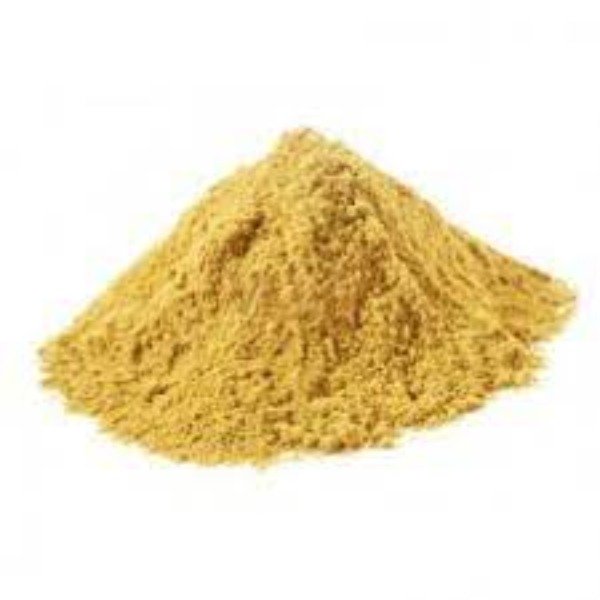
What Is Lebanese Spice Blend? How to Make, Use & Store This Middle Eastern Seasoning at Home
Watch the Video
⚡️The Ultimate Keto Meal Plan⚡️
Table of Contents
- Key Takeaways: Lebanese Spice Blend
- What Is Lebanese Spice Blend?
- What Are the Main Ingredients in Lebanese Seven Spice?
- How to Make Lebanese Spice Blend at Home with Pantry Ingredients
- Is Lebanese Spice Blend Gluten-Free and Vegan?
- What Dishes Can You Make with Lebanese Spice Blend?
- How to Store Lebanese Spice Blend for Maximum Freshness
- Frequently Asked Questions (FAQs) About Lebanese Spice Blend
Key Takeaways: Lebanese Spice Blend
Q1: What is Lebanese spice blend?
A: Lebanese spice blend, also called Seven Spice or Sabaa’ Baharat, is a fragrant, all-purpose Middle Eastern seasoning made from ground spices like allspice, cinnamon, cumin, coriander, black pepper, cloves, and nutmeg. It adds warm, earthy, and slightly sweet flavors to meats, rice, stews, and vegetables.
Q2: What are the main ingredients in Lebanese Seven Spice?
A: The core ingredients include allspice, black pepper, cinnamon, cloves, coriander, cumin, fenugreek, ginger powder, nutmeg, and paprika. Variations may include cardamom or sumac, depending on family recipes or regional preferences.
Q3: How do you make Lebanese spice blend at home?
A: Combine measured amounts of the spices listed above in a clean, dry bowl or spice grinder. Mix thoroughly and store in an airtight container away from light, heat, and moisture for the freshest flavor.
Q4: How should Lebanese spice blend be stored for maximum freshness?
A: Keep it in a sealed, airtight jar in a cool, dark, and dry place. Ground blends last 6–12 months, while whole spices can last up to 2–3 years. Avoid storing near the stove or direct sunlight.
Q5: Is Lebanese spice blend gluten-free and vegan?
A: Yes. When made with pure spices, it is naturally gluten-free and vegan. Always check commercial blends for potential fillers or additives that may contain gluten or animal-derived ingredients.
Q6: What dishes can you make with Lebanese Seven Spice?
A: It is extremely versatile. Use it in grilled meats (kafta, shawarma), roasted vegetables, rice pilafs, lentil soups, hummus, baba ganoush, flatbreads (manakish), falafel, yogurt marinades, salad dressings, and stuffed vegetables.
Q7: Why is Lebanese spice blend essential in cooking?
A: It brings authentic Middle Eastern flavor, balancing warmth, spice, and subtle sweetness. It transforms simple dishes into aromatic, flavorful meals, making it a must-have pantry staple for home cooks and chefs alike.

What Is Lebanese Spice Blend?
The Lebanese spice blend, also known as Lebanese Seven Spice or by its Arabic name Sabaa’ Baharat (meaning “seven spices”), is a fragrant and versatile mix that forms the heart of Lebanese cooking. This all-purpose seasoning captures the warm, earthy, and slightly sweet essence of Middle Eastern cuisine.
Traditionally, Lebanese Seven Spice combines allspice, cinnamon, cumin, coriander, black pepper, cloves, and nutmeg. However, the exact recipe can vary across families and regions. Some versions add a hint of cardamom, paprika, fenugreek, or ginger for extra depth and aroma.
This beautifully balanced blend brings warmth, spice, and complexity to a wide range of dishes. It’s commonly used to season meats like Kafta and Kibbeh, as well as rice, stews, lentils, and roasted vegetables. Its aroma instantly transforms simple ingredients into rich, comforting meals that reflect the authentic flavors of Lebanon.
What Are the Main Ingredients in Lebanese Seven Spice?
- Allspice: Adds deep warmth and a subtle sweetness, often described as a mix between cinnamon, cloves, and nutmeg.
- Black Pepper: Brings a mild heat and sharp, earthy bite that balances the sweetness of other spices.
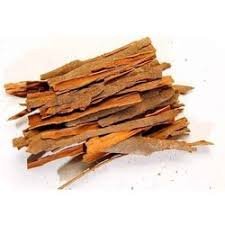
- Cinnamon: Offers sweet, woody notes that add depth and aroma to meats, stews, and rice dishes.
- Cloves: Infuses a strong, spicy-sweet fragrance that enhances both savory and sweet Lebanese recipes.
- Coriander: Lends a light citrusy undertone, rounding out the heavier spices with freshness.
- Cumin: Adds an earthy, nutty warmth that ties the blend together.
- Fenugreek: Introduces a faint bitterness and a touch of maple-like sweetness for complexity.
- Ginger Powder: Delivers gentle heat and freshness, enhancing overall aroma and balance.
- Nutmeg: Contributes sweet, nutty, and slightly smoky tones that enrich the flavor profile.
- Paprika: Provides a mild peppery sweetness and a touch of color, perfect for roasted meats and vegetables.
How to Make Lebanese Spice Blend at Home with Pantry Ingredients
Making your own Lebanese Seven Spice blend at home is simple, affordable, and incredibly rewarding. With just a few pantry staples, you can create an authentic Middle Eastern seasoning that adds depth and warmth to any dish.
Here’s a well-balanced recipe you can mix right in your kitchen:
Ingredients:
- Allspice – 13 g
- Black Pepper – 1 g
- Cinnamon – 13 g
- Cloves – 13 g
- Coriander – 7 g
- Cumin – 13 g
- Fenugreek – 4 g
- Ginger Powder – 13 g
- Nutmeg – 13 g
- Paprika – 10 g
Instructions:
- Measure each spice accurately and ensure they are ground. If using whole spices, toast them lightly in a dry pan to release their natural oils, then grind them into a fine powder.
- Combine all ingredients in a clean, dry bowl and mix thoroughly until evenly blended.
- Store the spice mix in an airtight glass jar, away from heat and sunlight, to preserve its aroma and freshness.
This homemade Lebanese spice blend captures the perfect balance of sweet, spicy, and earthy flavors found in traditional Lebanese cooking. It’s versatile enough to use in meat dishes like Kafta and Kibbeh, as well as rice, lentils, roasted vegetables, and stews.
Is Lebanese Spice Blend Gluten-Free and Vegan?
Watch the Video
⚡️The Ultimate Keto Meal Plan⚡️
Yes the Lebanese spice blend is naturally both gluten-free and vegan when made with pure, traditional ingredients.
This classic Middle Eastern seasoning is crafted entirely from ground spices and herbs, such as allspice, black pepper, cinnamon, nutmeg, cloves, cumin, coriander, fenugreek, and ginger. These are plant-based ingredients with no animal-derived components or gluten-containing grains.
Gluten-Free
Authentic Lebanese Seven Spice contains no wheat, barley, rye, or other gluten grains. However, if you’re purchasing a store-bought or commercial blend, always read the label carefully. Some mass-produced versions may include fillers, flours, or anti-caking agents that can introduce gluten through cross-contamination.
Vegan-Friendly
The Lebanese spice blend is entirely vegan, as it contains no animal products, dairy, or by-products. Every ingredient comes from seeds, bark, roots, or dried plants. Just be mindful when buying pre-mixed blends — occasionally, certain manufacturers might use non-vegan additives or flavor enhancers, though this is rare.
For peace of mind, the best option is to make your Lebanese Seven Spice at home using whole or ground spices. This way, you can ensure your blend is 100% pure, gluten-free, and vegan, while also customizing the flavor to your taste.
Where can I buy Gluten Free Lebanese Spice Seasoning?
You can buy Pure and Gluten-Free Lebanese Seasoning From Amazon
You’ll find several reputable brands offering pre-made blends in both small jars and bulk packs.
What Dishes Can You Make with Lebanese Spice Blend?
Grilled & Roasted Meats
- Kafta (Kofta): Mix the spice blend directly into ground lamb, beef, or chicken to make skewers, patties, or meatballs.
- Shawarma: Combine Lebanese Seven Spice with olive oil, garlic, and lemon juice to marinate beef, lamb, or chicken before grilling or roasting.
- Kibbeh: Add the blend to the meat or vegetarian filling for authentic flavor.
- Roast Chicken or Lamb: Rub generously over the meat before roasting to infuse it with warm, smoky-sweet aromas.
Rice, Lentils & Grains
- Hashweh (Stuffed Rice): Mix Lebanese spice blend with ground meat, rice, and toasted nuts for traditional stuffed vegetables or layered rice dishes.
- Lebanese Rice Pilaf: Stir into rice cooked with vermicelli and butter for subtle warmth and color.
- Mujadara: Add to lentil and rice mixtures for extra depth and aroma in this classic Lebanese comfort dish.
Vegetables & Plant-Based Dishes
- Roasted Vegetables: Sprinkle over cauliflower, potatoes, carrots, or eggplant before roasting for a rich, earthy flavor.
- Falafel: Mix a small amount into the chickpea batter for a spiced twist on the classic.
- Stuffed Vegetables: Use in fillings for grape leaves (Warak Enab), zucchini, or cabbage rolls.
Soups & Stews
- Lentil Soup: A pinch of Seven Spice enhances the flavor of lentils, garlic, and onions for a hearty, comforting soup.
- Vegetable Stews (Yakhneh): Add to tomato-based or bean stews for a deep, aromatic flavor typical of Lebanese home cooking.
Appetizers, Breads & Snacks
- Hummus or Baba Ganoush: Dust a small amount on top for a warm, fragrant finish.
- Manakish (Flatbreads): Combine with olive oil or za’atar and spread over dough before baking.
- Roasted Chickpeas: Toss with olive oil and Lebanese spice blend, then roast for a crunchy, flavorful snack.
Dressings & Marinades
- Yogurt Marinades: Mix the blend into yogurt with lemon juice for tenderizing meats or serving as a dip.
- Salad Dressings: Combine with olive oil, garlic, and lemon for a spiced Mediterranean vinaigrette — perfect for fattoush or simple green salads.
Related Posts You May Want to Read
What Is Hawaij Spice and How Does It Differ from Other Middle Eastern Spice Blends?
Power of Za’atar Spice Blend: 5 Tips for Authentic Middle Eastern Home Flavor
⚱️ What is Advieh? Persian Spice Blend and How to Make It at Home
8 Compelling Reasons Why should I make my own spice blends instead of buying
How to Store Lebanese Spice Blend for Maximum Freshness
Proper storage is key to keeping your Lebanese spice blend fresh, aromatic, and flavorful. Spices are sensitive to heat, light, air, and moisture all of which can quickly dull their natural oils and aromas. To preserve your blend’s signature Lebanese flavor, follow these simple but effective tips:
1. Use an Airtight Container
Always store your Lebanese Seven Spice in a sealed, airtight container, glass jars or ceramic spice tins are ideal. These prevent air and moisture from entering, which helps protect the delicate essential oils that give your spices their rich aroma and taste. Avoid plastic containers, as they can absorb odors and reduce freshness over time.
2. Keep It Cool, Dark, and Dry
Store your spice jar in a cool, dark pantry or cupboard, away from heat and direct sunlight. Exposure to warmth or light breaks down the oils that carry the blend’s flavor. Avoid placing your spice jar near the stove, oven, or sink, where steam and heat can cause clumping and flavor loss.
3. Watch the Shelf Life
Ground spices lose their intensity faster than whole ones. For best flavor, use your Lebanese spice blend within 6 to 12 months. If you make it fresh at home, label the jar with the date of preparation. Whole spices can last up to 2–3 years when stored properly, but once ground, they start to lose potency sooner.
Frequently Asked Questions (FAQs) About Lebanese Spice Blend
Is Lebanese spice blend spicy?
Lebanese Seven Spice is mildly spiced, aromatic, and warm, not hot like chili-based seasonings. Its heat comes from black pepper and ginger, making it flavorful without overpowering dishes. It’s suitable for home cooks who prefer subtle warmth over fiery spice.
What does Lebanese spice blend taste like?
The flavor profile is warm, earthy, slightly sweet, and aromatic, with hints of cinnamon, cloves, and nutmeg. It adds depth and complexity to meats, rice, vegetables, and stews without being overly strong or pungent.
Can I substitute Lebanese spice with allspice?
While allspice is one of the main ingredients in the blend, it cannot fully replicate the complex flavor of Lebanese Seven Spice. For the best taste, combine it with cumin, coriander, cinnamon, cloves, black pepper, and nutmeg to mimic the authentic Middle Eastern flavor.
Can I use Lebanese spice blend on vegetables?
Absolutely! Lebanese Seven Spice works beautifully on roasted, grilled, or sautéed vegetables like potatoes, carrots, eggplant, cauliflower, or zucchini. It enhances the natural flavors while adding warmth and aromatic depth.
Can I sprinkle Lebanese spice on hummus?
Yes. Sprinkling a pinch of Lebanese spice blend over hummus or baba ganoush adds a fragrant, Middle Eastern touch. It works well with olive oil and sesame-based dips, giving them extra flavor and visual appeal.
How long does Lebanese spice blend stay fresh?
When stored in an airtight container in a cool, dark, dry place, it stays fresh for 6–12 months. Ground blends lose aroma faster than whole spices, so freshness is key for maximum flavor.
Can Lebanese spice blend be used in rice or lentils?
Yes! Add it to rice pilafs, lentil soups, or Mujadara for aromatic, authentic Middle Eastern flavor. It pairs well with butter, olive oil, or sautéed onions for a balanced taste.
Is Lebanese spice blend gluten-free and vegan?
Yes. Authentic Lebanese Seven Spice contains only herbs and spices, making it naturally gluten-free and vegan. For commercial blends, check labels to avoid fillers or additives that may contain gluten or non-vegan ingredients.
Can Lebanese spice blend be used in marinades?
Definitely. Mix it with yogurt, olive oil, lemon juice, or garlic to marinate chicken, lamb, or beef. It tenderizes the meat while infusing it with warm, aromatic Middle Eastern flavor.
Can I make Lebanese spice blend at home?
Yes! Simply combine allspice, black pepper, cinnamon, cloves, coriander, cumin, fenugreek, ginger, nutmeg, and paprika. Mix well and store in an airtight container for a fresh, homemade seasoning.