How to Make Bafat Masala at Home: Ingredients, Ratios & Cooking Tips
Table of Contents
- Key Takeaways: Bafat Masala
- Where does Bafat spice blend originate from?
- How do you pronounce Bafat?
- What is Bafat masala made of?
- What does Bafat powder taste like?
- Is Bafat masala spicy?
- What is the difference between Bafat and garam masala?
- How to make authentic Bafat spice blend at home with pantry staples?
- Authentic Bafat spice blend recipe for pork: Step-by-step Mangalorean Catholic style.
- Frequently Asked Questions About Bafat Masala
Key Takeaways: Bafat Masala
What is Bafat Masala?
Bafat Masala is a traditional spice blend from the Mangalorean and Goan Catholic communities. It combines red chilies, coriander, cumin, black pepper, turmeric, cloves, cassia, mustard seeds, and sometimes dried coconut to create a bold, spicy, and aromatic flavor used in coastal Indian cooking.
Where does Bafat Masala originate?
Bafat originates from coastal Karnataka (Mangalore and Udupi regions) and is popular in Goan Catholic cuisine. It was influenced by the 16th-century Portuguese spice trade, introducing chili peppers and shaping its fiery profile.
What does Bafat Masala taste like?
Bafat Masala delivers a complex, earthy, and spicy flavor with aromatic warmth from cloves and cinnamon, tang from vinegar or tamarind, and subtle smokiness from roasted spices. It is fiery yet balanced and perfect for meats, curries, and vegetables.
Is Bafat Masala spicy?
Yes, it ranges from moderately hot to very spicy, depending on the type and quantity of red chilies used. Black pepper and mustard seeds add sharp heat, while vinegar or tamarind in cooking balances the spiciness.
What ingredients are used in Bafat Masala?
Classic Bafat includes red chilies, coriander, cumin, black pepper, turmeric, mustard seeds, cloves, cassia (cinnamon), star anise, paprika, and sometimes dried coconut. These ingredients create its signature earthy, spicy, and aromatic profile.
How is Bafat Masala different from Garam Masala?
Bafat is spicier and tangy, with bold chili heat and roasted coconut, primarily used in coastal meat, pork, and seafood dishes. Garam Masala is aromatic, warm, and mildly sweet, mainly used as a finishing spice in North Indian cuisine.
Can I make Bafat Masala at home?
Absolutely. Toast whole spices like coriander, cumin, cloves, black pepper, cassia, and star anise, then grind them with turmeric and paprika. Adjust chili levels to control heat, and store in an airtight jar for up to 3 months.
How do I use Bafat Masala in cooking?
Bafat Masala is added at the start of cooking to build flavor in Pork Bafat, chicken, fish, prawn curries, and vegetable dishes. Pairing it with vinegar or tamarind enhances its tangy, coastal flavor.
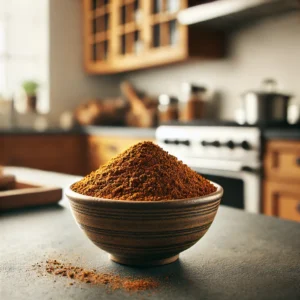
Where does Bafat spice blend originate from?
How do you pronounce Bafat?
Bafat is pronounced BAA-fut, with the stress on the first syllable.
Here’s the simplest way to say it:
- BAA — like the “aa” in father
- fut — like the short “u” in cut
- The ending t is soft, not sharply pronounced.
In many Mangalorean and Goan Catholic households, you may also hear a regional variation: “baa-fath” or “bafad.” These reflect the blend’s Konkani linguistic roots and local speech patterns.
What is Bafat masala made of?
Bafat masala is a bold and aromatic coastal Indian spice blend made from a balanced mix of warm, earthy, and mildly spicy ingredients. While recipes vary from family to family, a classic Mangalorean-style Bafat blend typically includes:
- Black pepper – adds heat and depth
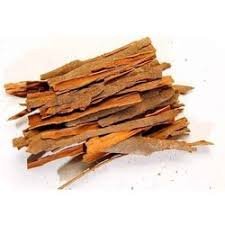
- Cassia (Indian cinnamon) – brings warmth and sweetness
- Cloves – for intense aroma and a slightly sweet, peppery kick
- Cumin seeds – adds earthiness and enhances overall flavor
- Coriander seeds – gives body and citrusy notes
- Black mustard seeds – contributes nuttiness and a mild pungency
- Paprika – provides color and gentle warmth
- Star anise – adds a delicate licorice-like sweetness
- Turmeric – for color, earthiness, and anti-inflammatory benefits
Together, these spices create the signature warm, spicy, and aromatic profile that defines traditional Bafat masala used in Mangalorean Catholic and Goan Catholic cooking.
What does Bafat powder taste like?
Bafat powder has a bold, warm, and complex flavor that instantly tells you it’s from coastal Mangalorean Catholic and Goan Catholic cuisine. The blend delivers a balanced combination of heat, earthiness, tang, and aroma, making it one of the most distinctive regional masalas in India.
Here’s what the flavor is like:
- Earthy and warm
Roasted coriander and cumin give the blend a deep, grounded flavor that forms the base of most dishes. - Spicy and peppery
Red chilies and black pepper create moderate to high heat with a lingering bite—fiery but not overwhelming when used correctly. - Aromatic and slightly sweet
Cinnamon, cloves, and sometimes star anise add gentle sweetness and a warm, festive aroma. - Tangy depth
While the masala itself is not sour, it is traditionally paired with vinegar or tamarind in Mangalorean dishes, which brings out its signature tangy finish. - Smoky and rich
The roasting of spices (and in some family recipes, dried coconut) adds a subtle smokiness and a fuller mouthfeel. - Slight bitterness for balance
Turmeric and mustard seeds contribute a faint, pleasant bitterness that rounds out the spice profile.
Overall, Bafat powder tastes fiery yet balanced, aromatic, and beautifully layered, delivering a rich red base that enhances meats, curries, vegetables, and traditional coastal dishes.
Is Bafat masala spicy?
Yes, Bafat masala is a spicy blend, ranging from moderately hot to quite fiery depending on how it’s prepared and how much is used in a dish.
The heat mainly comes from dried red chilies, especially traditional coastal varieties such as:
- Kumti (Kumta) chilies – known for strong heat
- Byadagi chilies – milder but add rich red color
- Kashmiri chilies – bright color with gentle warmth
Black pepper and mustard seeds also contribute a sharp, lingering heat that deepens the overall flavor.
Most home cooks adjust the heat when preparing the blend or while cooking:
- Mild: Use a smaller quantity of Bafat powder
- Moderate: 1–2 tablespoons per kilogram of meat
- Hot: Increase the masala and use hotter chili varieties
What is the difference between Bafat and garam masala?
1. Regional Origin
- Bafat Masala: Comes from the Mangalorean Catholic and Goan Catholic communities of coastal Karnataka and Goa.
- Garam Masala: A North Indian and pan-Indian blend with Mughlai influence.
2. Heat Level
- Bafat: Spicy to very spicy. It relies heavily on dried red chillies like of Kumti, Byadagi, or Kashmiri.
- Garam Masala: Mild to moderately warm. Heat comes from “warming” spices, not chilies. Most versions contain no red chilies at all.
3. Ingredients
- Bafat Masala: Dominated by chilies, coriander, cumin, black pepper, mustard seeds, turmeric, cinnamon, and cloves. Some traditional versions also include roasted dried coconut for depth and richness.
- Garam Masala: Built around aromatic spices like cardamom, cloves, cinnamon, black pepper, nutmeg, mace, cumin, and coriander but typically without turmeric or chilies.
4. Flavor Profile
- Bafat:
- Hot, earthy, tangy, and bold
- Smoky and robust due to roasted spices
- Adds a deep reddish-orange color to dishes
- Garam Masala:
- Warm, sweet-aromatic, and fragrant
- Adds aroma more than heat
- Does not significantly change the color of food
5. Culinary Use
- Bafat Masala: Used at the start of cooking to build the entire flavor base of coastal meat, pork, fish, and prawn dishes. Often paired with vinegar or tamarind.
- Garam Masala: Usually a finishing spice, sprinkled at the end to enhance aroma and warmth in North Indian curries, biryanis, and dals.
Watch the Video
⚡️The Ultimate Keto Meal Plan⚡️
How to make authentic Bafat spice blend at home with pantry staples?
Making Bafat masala at home is easy, reliable, and far more flavorful than store-bought versions. This classic coastal Mangalorean–Goan blend delivers deep heat, warm aroma, and rich color, and you can create it using everyday spices already in your pantry.
The key is simple: toast the spices gently, then grind them fresh. This unlocks their oils, boosts aroma, and gives you that true, authentic Bafat flavor.
Ingredients (Measured for a Small Batch)
Use whole spices wherever possible for the best fragrance and freshness.
- Coriander seeds – 32g
Earthy base that forms the backbone of the blend - Cumin seeds – 16g
Adds warmth and depth - Turmeric powder – 16g
Color and subtle bitterness - Black mustard seeds – 8g
Light pungency and nuttiness - Paprika – 8g
Mild heat + rich red color (a substitute for Mangalorean red chilies) - Cassia (Indian cinnamon) – 8g
Warmth and gentle sweetness - Black peppercorns – 4g
Sharp heat and a lingering bite - Cloves – 4g
Strong aroma and warm spice - Star anise – 4g
Subtle licorice-like sweetness
How to Make It (Authentic Method)
1. Lightly toast the whole spices
In a dry pan over low heat, toast the coriander, cumin, mustard seeds, cassia, cloves, black pepper, and star anise.
Heat them just until fragrant, not browned. This step releases fragrant oils and gives Bafat its signature depth.
2. Cool the spices completely
Spread them on a plate to cool. Grinding warm spices creates moisture and dulls flavor.
3. Grind to a fine powder
Use a spice grinder or a high-powered blender.
Once finely ground, add:
- Turmeric powder
- Paprika
Mix well until fully combined.
4. Store properly
Keep the spice blend in an airtight glass jar, away from sunlight and heat.
It will stay fresh for up to 3 months, with the best flavor in the first 4–6 weeks.
How This Recipe Achieves True Authenticity
- Uses whole spices, toasted just enough to deepen flavor (a classic Mangalorean method).
- Balanced ratios to create heat, earthiness, warm aroma, and color — matching traditional Bafat profiles.
- Paprika serves as a pantry-friendly alternative to regional chilies like Kumti or Byadagi while still delivering color and gentle heat.
Where can I buy authentic Bafat spice blend online?
You can buy Pure and Gluten-Free Bafat Spice From Amazon
You’ll find several reputable brands offering pre-made blends in both small jars and bulk packs.
CLICK HERE
How to make authentic Bafat spice blend at home with pantry staples?
Ingredients (Serves 3–4)
- 700g pork pieces (preferably belly or shoulder for best flavor)
- 2 medium onions, finely chopped
- 4 tablespoons oil
- 1½ teaspoons Bafat masala
- 1 teaspoon ginger paste
- 1 teaspoon garlic paste
- 1 teaspoon vinegar
- 1 teaspoon tamarind paste
- Kashmiri chilli powder, to adjust heat
- Salt, to taste
- ½ cup water
Step-by-Step Method
1. Marinate the pork
Add the pork pieces to a large bowl. Mix in:
- Bafat masala
- Ginger paste
- Garlic paste
- Vinegar
- Tamarind paste
- Kashmiri chilli powder
- Salt
- Chopped onions
- Oil
Massage everything into the pork so the spices coat the meat evenly.
Let it rest for at least 20–30 minutes (longer gives deeper flavor).
2. Start cooking the pork
Transfer the marinated pork to a heavy-bottomed saucepan or pot.
Pour in ½ cup water. Just enough to help the masala form a thick base.
3. Slow-cook until tender
Cover the pot and cook on low heat for 40–45 minutes.
Stir occasionally.
You’ll know it’s done when:
- The pork is soft and fully cooked
- The masala thickens
- Oil begins to separate around the edges.
If you prefer more gravy, add a splash of hot water.
If you want it drier, cook uncovered for a few extra minutes.
4. Serve hot
Pork Bafat tastes best with:
- Steamed rice
- Sannas (Mangalorean steamed rice cakes)
- Neer dosa
- Naan or soft bread rolls


Frequently Asked Questions About Bafat Masala
Can Bafat Masala be used for vegetarian dishes?
Yes! While traditionally used in Pork Bafat and coastal meat dishes, Bafat Masala also adds bold, aromatic flavors to vegetables, lentil curries, tofu, and paneer. Adjust chili levels for milder vegetarian versions.
How long does homemade Bafat Masala last?
When stored in an airtight container away from sunlight and moisture, homemade Bafat Masala stays fresh for 2–3 months, with peak aroma in the first 4–6 weeks.
Can I substitute dried coconut in Bafat Masala?
Yes, if unavailable, you can skip it or use desiccated coconut. While the flavor may be slightly less rich, the heat and spice profile remain intact.
What makes Bafat Masala different from other Indian chili powders?
Unlike plain chili powders, Bafat is a multi-spice blend combining red chilies, cumin, coriander, black pepper, turmeric, and aromatics. Its depth, smokiness, and tanginess make it distinctly coastal and Mangalorean Catholic.
Can I adjust the spiciness of Bafat Masala?
Absolutely. Reduce or replace Kumti/Byadagi chilies with Kashmiri chili for milder heat, or increase chili quantity for a spicier, fiery version.
Is Bafat Masala gluten-free?
Yes, traditional Bafat Masala contains only spices and dried coconut, all naturally gluten-free. Always check packaged ingredients if using pre-made versions.
Can I use store-bought Bafat Masala instead of homemade?
Yes, but homemade Bafat delivers fresher aroma and more balanced heat. Pre-packaged mixes may vary in chili levels and sometimes include additives, so homemade is recommended for authentic flavor.
Which dishes pair best with Bafat Masala?
Bafat Masala shines in Pork Bafat, prawn or fish curries, chicken dishes, and rich vegetable stews. It’s also perfect for flavoring rice, lentils, or marinades.
Can I use Bafat Masala in fusion or modern dishes?
Definitely! Its spicy, earthy, and aromatic profile works well in stir-fries, pasta sauces, soups, and even roasted nuts, adding a coastal Indian twist to contemporary recipes.
How do I store Bafat Masala for best flavor?
Use a dry, airtight glass jar, keep it in a cool, dark place, and avoid moisture. For longer freshness, make smaller batches and grind spices just before use.