Discover Marrakesh Spice Blend: The Authentic Moroccan Flavor Every Home Cook Needs
Table of Contents
- Key Takeaways: Marrakesh Spice Blend
- Can Marrakesh Spice Blend Be Used in Vegetarian and Vegan Meals?
- What Is Marrakesh Spice Blend Made Of?
- Is Marrakesh Spice Blend Spicy or Mild?
- How Do You Use Marrakesh Spice Blend in Everyday Cooking?
- What’s the Difference Between Marrakesh, Ras el Hanout or Chermoula?
- How should I store Marrakesh spice blend to preserve flavor and aroma?
- Frequently Asked Questions (FAQs)
Key Takeaways: Marrakesh Spice Blend
What is Marrakesh spice blend?
Marrakesh spice blend, also called Ras el Hanout, is a Moroccan seasoning mix made from aromatic spices like cumin, coriander, cinnamon, paprika, ginger, and a hint of cayenne. It’s known for its warm, balanced, and mildly spiced flavor, perfect for everyday cooking.
Is Marrakesh spice blend vegan and vegetarian-friendly?
Yes. This spice blend contains only plant-based ingredients, making it fully suitable for vegan and vegetarian meals, including roasted vegetables, legumes, grains, and plant-based proteins.
What does Marrakesh spice blend taste like?
It offers mild warmth with aromatic, earthy, and slightly sweet notes.
Heat is subtle, coming from black pepper or a touch of cayenne (around 3/10), balanced with sweet spices like cinnamon, nutmeg, and allspice.
How is Marrakesh spice blend different from Ras el Hanout or Chermoula?
Marrakesh spice blend is simpler and milder than Ras el Hanout, which is more complex and aromatic with floral, sweet, and exotic spices. Chermoula is a fresh herb-based marinade (cilantro, parsley, lemon, garlic) rather than a dry spice blend.
What ingredients are in Marrakesh spice blend?
Common ingredients include cumin, coriander, cinnamon, ginger, black pepper, paprika, turmeric, cardamom, cloves, allspice, fenugreek, saffron, rose petals, garlic powder, onion powder, and dried lemon. Each spice adds warmth, sweetness, and aromatic complexity.
How can I use Marrakesh spice blend in cooking?
It’s versatile. Use it as a dry rub for meats or tofu, season roasted vegetables, stir into grains like couscous, rice, or quinoa, add to soups, stews, and tagines, or sprinkle into dips, dressings, and scrambled eggs. Typically, use 1–2 tsp per 4 servings.
How do I make authentic Marrakesh spice blend at home?
Combine measured spices like cumin, coriander, cinnamon, paprika, ginger, turmeric, cardamom, cloves, nutmeg, saffron, garlic and onion powder, dried lemon, rose petals, and cayenne. Optionally toast whole spices before grinding for extra aroma, then mix and store in an airtight jar.
How do I store Marrakesh spice blend for maximum freshness?
Store in an airtight glass or metal container in a cool, dark, dry place. Avoid heat, sunlight, and moisture. Optimal use is 6–12 months, and labeling with the date helps track freshness.
Can I adjust the spiciness of Marrakesh spice blend?
Yes. Increase or reduce the amount of cayenne or black pepper to suit your taste. The blend’s heat is naturally mild, so adjustments won’t affect its aromatic balance.
Why should home cooks in Asia Pacific use Marrakesh spice blend?
It elevates everyday meals with authentic Moroccan warmth and complexity, works well in local vegetables, grains, and plant-based proteins, and is versatile enough for both traditional and fusion dishes.

Can Marrakesh Spice Blend Be Used in Vegetarian and Vegan Meals?
Yes. Marrakesh spice blend is entirely plant-based and naturally suitable for both vegetarian and vegan cooking. Made purely from ground spices such as cumin, coriander, paprika, cinnamon, and ginger, it contains no animal-derived ingredients.
This versatile blend adds depth and warmth to a wide range of plant-based dishes. Its rich, aromatic profile transforms simple vegetables, legumes, and grains into vibrant, flavorful meals inspired by Moroccan cuisine.
Here are some delicious ways to use Marrakesh spice blend in vegetarian and vegan cooking:
- Roasted Vegetables: Toss root vegetables, cauliflower, or pumpkin with olive oil and Marrakesh spice blend before roasting for a beautifully caramelized, aromatic dish.
- Legume-Based Meals: Enhance chickpea or lentil stews with a spoonful of this blend to create a comforting, Moroccan-style vegan tagine.
- Grain Dishes: Season couscous, quinoa, or rice to add a warm, spiced flavor that pairs well with roasted or sautéed vegetables.
- Plant Proteins: Sprinkle over tofu, tempeh, or seitan before grilling or baking for a flavorful crust.
- Soups and Curries: Stir into vegetable soups or lentil curries for a touch of North African flair.
Watch the Video
⚡️The Ultimate Keto Meal Plan⚡️
What Is Marrakesh Spice Blend Made Of?
Marrakesh spice blend is a rich, aromatic mix of premium spices that capture the essence of North African cuisine. This complex blend balances warm, sweet, floral, and slightly spicy notes, creating layers of flavor that bring depth to both meat-based and plant-based dishes.
A traditional Marrakesh blend typically includes:
- Allspice – Adds a subtle sweetness with hints of clove, cinnamon, and nutmeg.
- Black Pepper – Contributes a gentle heat and enhances overall flavor balance.
- Cardamom – Lends a fragrant, citrusy note that brightens the blend.
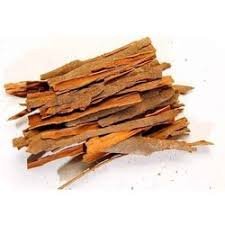
- Cassia – A type of cinnamon that brings warmth and a comforting aroma.
- Cloves – Offer an intense, sweet-spicy character that deepens the flavor profile.
- Coriander – Adds mild citrus undertones, harmonizing the stronger spices.
- Cumin – Provides earthy, savory depth and a distinct Moroccan touch.
- Fenugreek – Adds a nutty, slightly sweet flavor that enhances complexity.
- Garlic Powder – Brings robust savory notes for balance and body.
- Ginger Powder – Contributes a gentle heat and aromatic freshness.
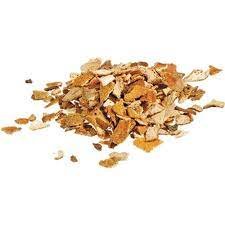
- Dried Lemon – Adds brightness and a tangy finish typical of Moroccan cuisine.
- Nutmeg – Offers warmth and a sweet, slightly woody flavor.
- Onion Powder – Adds savory richness and depth.
- Smoked Paprika – Infuses a smoky-sweet flavor that complements grilled and roasted dishes.
- Rose Petals – Introduce a subtle floral note that softens the spice intensity.
- Saffron – Provides luxurious color and delicate earthy fragrance.
- Thyme – Adds an herbal, slightly minty balance to the mix.
- Turmeric – Contributes a golden hue and gentle bitterness that rounds out the blend.
How to Make an Authentic Marrakesh Spice Blend at Home
Ingredients:
- Allspice – 2 g
- Black Pepper – 4 g
- Cardamom – 8 g
- Cassia (Cinnamon) – 8 g
- Cloves – 2 g
- Coriander – 2 g
- Cumin – 8 g
- Fenugreek – 2 g
- Garlic Powder – 9 g
- Ginger Powder – 9 g
- Dried Lemon – 2 g
- Nutmeg – 4 g
- Onion Powder – 2 g
- Smoked Paprika – 18 g
- Rose Petals – 2 g
- Saffron – 1 g
- Thyme – 8 g
- Turmeric – 9 g
Method:
- Measure and prepare the spices. Gather all your ingredients in the listed proportions. Ensure they are fresh and of high quality to make a remarkable difference in aroma and flavor.
- Toast (optional). For a deeper flavor, lightly toast whole spices like cumin, coriander, and cardamom in a dry pan for 1–2 minutes until fragrant. Allow them to cool before grinding.
- Grind. If using whole spices, grind them to a fine powder using a spice grinder or mortar and pestle.
- Mix. Combine all ground ingredients in a bowl and stir until evenly blended.
- Store. Transfer the spice blend to an airtight jar. Keep it in a cool, dark place to preserve its aroma and color. It stays fresh for up to six months.
Tip:
For the most authentic flavor, use freshly ground spices rather than pre-powdered ones. This enhances the aromatic complexity and gives your dishes the same bold, layered taste found in Moroccan kitchens.You can buy Pure and Gluten-Free Marrakesh Spice From Amazon
You’ll find several reputable brands offering pre-made blends in both small jars and bulk packs.
Is Marrakesh Spice Blend Spicy or Mild?
Marrakesh spice blend is generally mild in heat but rich in warmth and aroma. It’s crafted to deliver depth and complexity rather than fiery spice, making it suitable for a wide range of palates.
The blend’s gentle warmth comes primarily from black pepper, ginger, and occasionally a touch of cayenne, giving it a subtle heat level of around 3 out of 10 on a spice scale. Instead of intense chili heat, Marrakesh spice blend focuses on aromatic balance, layering earthy, sweet, and floral notes.
Flavor Profile:
- Earthy & Warm: Cumin, turmeric, and ginger form the base that gives the blend its cozy, comforting warmth.
- Sweet & Aromatic: Cinnamon, cardamom, nutmeg, and cloves add natural sweetness and complexity.
- Subtle Heat: A mild kick from black pepper or cayenne balances the sweeter spices without overpowering the dish.
Because of this balanced composition, Marrakesh spice blend is incredibly versatile. If you prefer a spicier version, simply increase the amount of cayenne or black pepper to suit your taste. Likewise, for a gentler flavor, you can omit the cayenne altogether and let the warming spices shine.
How Do You Use Marrakesh Spice Blend in Everyday Cooking?
- As a Dry Rub or Marinade: Rub 1–2 teaspoons of the blend directly onto chicken, lamb, beef, or fish before grilling or roasting. For a quick marinade, mix it with olive oil, yogurt, or lemon juice and let it rest for 30 minutes before cooking.
- Roasted or Grilled Vegetables: Toss kūmara, carrots, cauliflower, or pumpkin with olive oil and a teaspoon of Marrakesh spice blend, then roast at 200°C for 20–25 minutes. The result: beautifully caramelized, fragrant vegetables.
- Rice, Couscous, and Grains: Stir ½–1 teaspoon of the blend into the cooking water or broth for couscous, rice, or quinoa. This infuses subtle warmth and complexity throughout the grains.
- Soups, Stews, and Tagines: Add 1–2 teaspoons during cooking to build deep, layered flavor. It works wonderfully in lentil soups, chickpea stews, and traditional Moroccan tagines.
- Plant-Based Meals: Sprinkle over tofu, tempeh, or roasted chickpeas for a rich, smoky twist. It’s also perfect for scrambled tofu or vegetable stir-fries — add it in the final few minutes for the best aroma.
- Eggs and Breakfast Dishes: Add ¼ teaspoon to scrambled eggs, omelets, or shakshuka for a subtle Moroccan flair.
- Dips, Dressings, and Snacks: Mix ½ teaspoon into hummus, Greek yogurt, or salad dressings for instant warmth. You can even sprinkle it on roasted nuts or popcorn for a savory snack.
What’s the Difference Between Marrakesh Spice Blend and Other Moroccan Blends Like Ras el Hanout or Chermoula?
While Marrakesh spice blend, Ras el Hanout, and Chermoula all originate from Morocco’s rich culinary heritage, each serves a distinct purpose and flavor profile in Moroccan cooking. Understanding their differences helps you choose the right blend for the dish you’re creating.
Marrakesh Spice Blend
Marrakesh spice blend is a balanced, mildly warm seasoning designed for everyday use. It typically combines cumin, coriander, cinnamon, paprika, ginger, and a touch of cayenne or black pepper. The result is an aromatic yet gentle blend that adds warmth and depth without overpowering the dish.
It’s perfect for seasoning roasted vegetables, stews, couscous, or grilled meats — a versatile choice for both home cooks and chefs.
Key traits:
- Dry spice mix with mild, well-rounded warmth.
- Includes cumin, coriander, cinnamon, ginger, paprika, and cardamom.
- Ideal for daily cooking — easy to use and widely adaptable.
Ras el Hanout
Ras el Hanout — meaning “top of the shop” — is Morocco’s most complex and luxurious spice blend. Traditionally, spice merchants would craft their own signature versions using their finest spices. It often contains 20 or more ingredients, such as cardamom, nutmeg, saffron, allspice, rose petals, and turmeric.
This blend is richer and more aromatic than Marrakesh spice blend, often reserved for special-occasion dishes like tagines and festive meats.
Key traits:
- Highly aromatic, multi-layered spice mix.
- May include floral and sweet notes from rose petals, saffron, and nutmeg.
- Adds a luxurious, complex depth to Moroccan cuisine.
Chermoula
Unlike the other two, Chermoula is not a dry spice blend. It is a fresh herb marinade or sauce used throughout North Africa. It combines cilantro, parsley, garlic, lemon juice, olive oil, and ground spices like cumin and paprika.
Chermoula offers a bright, tangy, and herbaceous flavor, ideal for marinating fish, seafood, chicken, or vegetables before grilling or baking.
Key traits:
- Wet paste or sauce rather than a powder.
- Made with fresh herbs, garlic, lemon, and oil.
- Adds freshness and acidity instead of spice or warmth.
In Summary
Blend | Type | Flavor Profile | Common Uses |
Marrakesh Spice Blend | Dry mix | Mild, warm, balanced | Everyday seasoning for meats, grains, and vegetables |
Ras el Hanout | Dry mix | Complex, floral, sweet-spicy | Special dishes like tagines and festive meats |
Chermoula | Wet paste | Fresh, tangy, herbaceous | Marinade for fish, seafood, and vegetables |
Main Difference:
Marrakesh spice blend is simpler and milder, Ras el Hanout is more intricate and aromatic, and Chermoula is a fresh herb-based sauce rather than a spice powder.
How should I store Marrakesh spice blend to preserve flavor and aroma?
Best Storage Practices
- Use an Airtight Container: Store your Marrakesh spice blend in a tightly sealed glass jar or metal tin. These materials prevent air and moisture from seeping in, helping preserve the aroma and color. Avoid plastic containers, as they can absorb odors and allow air leakage over time.
- Keep It Cool, Dark, and Dry: Place the container in a pantry or cupboard away from direct sunlight, stovetops, ovens, or dishwashers. Excess heat and humidity accelerate flavor loss and can cause clumping or spoilage.
- Avoid the Fridge or Freezer (Unless Necessary): Refrigeration introduces moisture each time the container is opened, which can compromise the blend’s texture and freshness. Only refrigerate or freeze in extremely humid environments, and even then, use airtight containers and remove small amounts as needed.
Shelf Life
- Pre-Ground Marrakesh Blend: Best used within 6 to 12 months for optimal flavor and aroma.
- Whole Spices (if blending your own): Can stay fresh for up to 2–3 years before grinding.
Signs Your Spice Blend Has Lost Freshness
- Faded color or dull appearance.
- Weak or no aroma when opened.
- Stale, dusty, or musty scent.
Storage Tip
Label your jar with the date of preparation or purchase to track freshness easily. A simple note ensures you always use your spices at their aromatic best.Summary:- Store in an airtight glass or metal container.
- Keep in a cool, dark, dry place away from heat and sunlight.
- Avoid moisture and do not refrigerate unless necessary.
- Use within 6–12 months for the best flavor.
- Label with the date for freshness tracking.
Frequently Asked Questions (FAQs)
Can Marrakesh spice blend be used in fusion cuisines?
Yes. Marrakesh spice blend works beautifully in Asian, Mediterranean, and global fusion dishes. Its warm, aromatic profile complements stir-fries, rice bowls, curries, roasted vegetables, and plant-based meals.
Is Marrakesh spice blend gluten-free and allergen-friendly?
Typically, yes. It contains only spices and dried ingredients, making it naturally gluten-free. However, always check pre-packaged blends for additives or cross-contamination if you have allergies.
Can I use Marrakesh spice blend in beverages or desserts?
Yes. Its aromatic spices, like cinnamon, cardamom, and nutmeg, can enhance hot beverages, teas, or spiced baked goods, providing a subtle Moroccan flair.
How much Marrakesh spice blend should I use in recipes?
A general guideline is 1–2 teaspoons per 4 servings or per pound of protein/vegetables. Adjust according to personal taste and the dish’s intensity.
Can I make a low-salt version of Marrakesh spice blend?
Yes. Most authentic Marrakesh spice blends are naturally salt-free, allowing you to control sodium. Simply avoid adding salt when mixing or cooking.
Does Marrakesh spice blend work for quick weeknight meals?
Definitely. Its versatility makes it ideal for fast cooking. Toss it with vegetables, tofu, grains, or use it as a quick marinade for meats to infuse instant Moroccan flavor.
How do I adjust Marrakesh spice blend for spicier dishes?
Increase the cayenne or black pepper slightly. You can also experiment with smoked paprika or chili powder while keeping the aromatic balance intact.
Is Marrakesh spice blend suitable for plant-based diets?
Yes. It enhances vegan and vegetarian dishes without any animal products, making it perfect for tagines, grain bowls, legumes, and roasted vegetables.