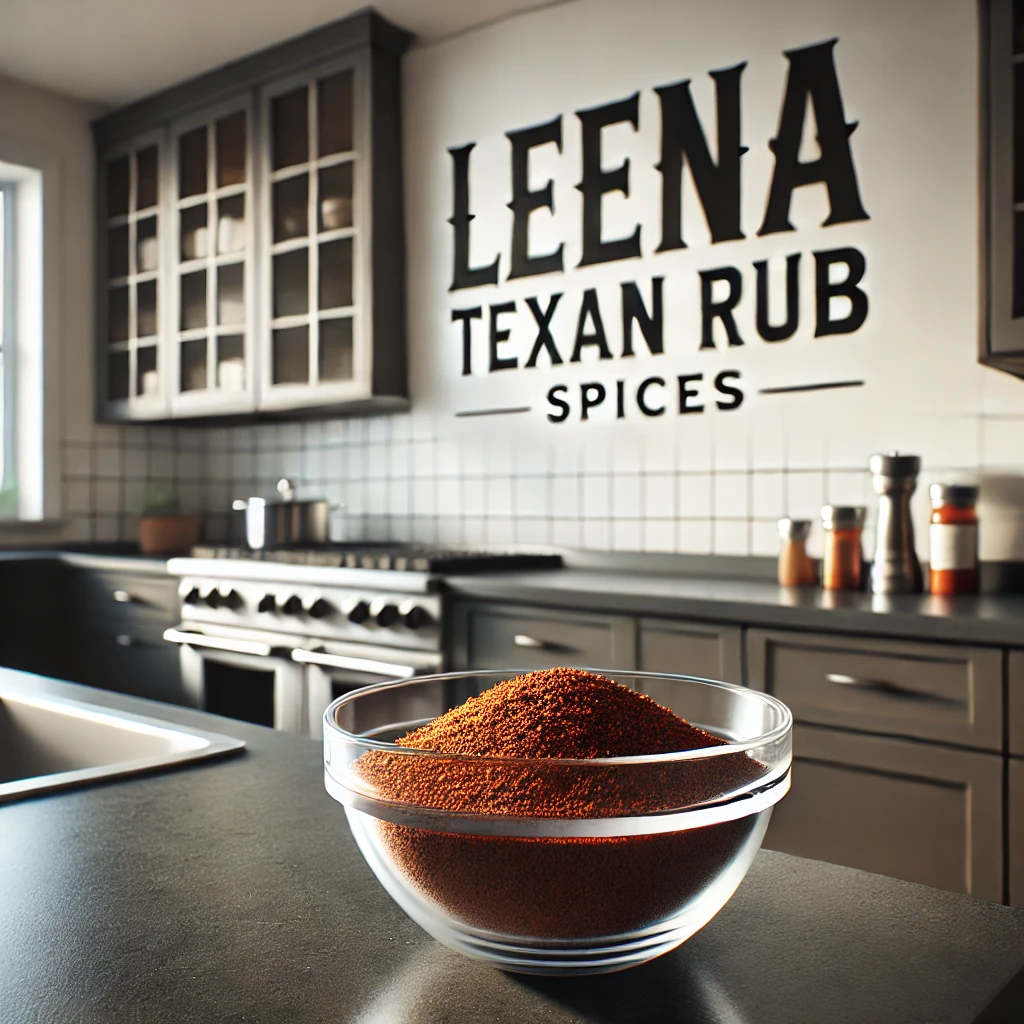
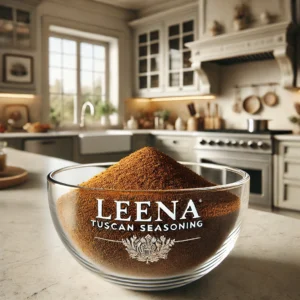
Tuscan Spice Blend: 3 Easy Step Guide For Home Cooks
Table of Contents
- Key Takeaways
- What is Tuscan Spice Blend Seasoning?
- How Does Tuscan Seasoning Differ from Italian Seasoning?
- What is Tuscan Spice Blend Made Of?
- What Spices Are in a Tuscan Herb Blend?
- Can I Make Tuscan Spice Blend at Home Without a Recipe Kit?
- What Is the Shelf Life of Homemade Tuscan Seasoning Blend?
- What Dishes Can You Use Tuscan Spice Blend On?
- Is Tuscan Spice Blend Gluten-Free, Salt-Free, or Keto-Friendly?
- Frequently Asked Questions
Key Takeaways: Tuscan Spice or Tuscan Blend
What is Tuscan seasoning spice blend?
Tuscan spice blend is a dried herb and spice mix inspired by the rustic flavors of Tuscany, Italy. It typically includes rosemary, basil, fennel, garlic, parsley, red bell pepper, and black pepper. This blend delivers bold, earthy, and aromatic flavors ideal for meats, vegetables, pasta, sauces, and bread dips.
How does Tuscan seasoning differ from Italian seasoning?
Unlike Italian seasoning, which is oregano- and basil-forward and milder, Tuscan seasoning is more robust, earthy, and complex. Key differentiators include fennel, garlic, black pepper, crushed red pepper, and sometimes smoked paprika or lemon zest. Tuscan seasoning is ideal for roasting, grilling, and hearty dishes, while Italian seasoning suits tomato sauces, pizza, and lighter pasta dishes.
How to make Tuscan spice blend at home without a kit?
Combine dried herbs and spices such as basil, rosemary, parsley, garlic powder, fennel, black pepper, and red bell pepper. Mix evenly and store in an airtight, cool, dark container for freshness. Homemade blends allow full control over flavor, salt, and dietary preferences.
What dishes work best with Tuscan spice blend?
Tuscan seasoning is versatile and enhances:
- Proteins: Chicken, beef, pork, lamb, seafood, turkey
- Vegetables: Roasted root vegetables, zucchini, bell peppers, broccoli
- Pasta & Sauces: Creamy Tuscan sauces, fettuccine, gnocchi, risotto
- Extras: Olive oil dips, herb butter, eggs, breakfast dishes, snacks
Is Tuscan spice blend gluten-free, salt-free, and keto-friendly?
Yes — when homemade. Pure herbs and spices are naturally gluten-free and keto-compatible. Salt can be omitted to suit low-sodium diets. Commercial blends may contain salt, sugar, or fillers, so always check the label for dietary compliance.
How should I store Tuscan seasoning for maximum freshness?
Store in an airtight glass or opaque container in a cool, dark, and dry place. Avoid heat, moisture, and sunlight. Properly stored, the blend retains peak flavor for 6–12 months, with best results within the first 3–6 months.
How do I know if Tuscan spice blend has lost its potency?
Signs include faint aroma, faded color, weak or flat flavor, and a musty smell (from moisture). While expired seasoning is rarely unsafe, it won’t deliver bold, authentic Tuscan flavor. Refresh your blend every 3–6 months for peak taste.
What makes Tuscan spice blend ideal for professional chefs and home cooks?
Its bold, layered flavor profile, high heat tolerance, and versatility make it perfect for:
- Grilled, roasted, or pan-seared proteins
- Slow-simmered soups, stews, and sauces
- Bread dips, compound butters, and seasoning snacks
It elevates simple dishes into restaurant-quality Mediterranean meals.
New studies show the real reason most people struggle to lose weight, especially after 35, is something called thermogenic resistance.
One of the only supplements in the world with a science-backed blend of 7 rare botanicals like Seville Orange Peel, Spanish Apple Vinegar, & Himalayan Ginger…
Scientifically shown to help optimize the body’s natural fat-burning capacity, naturally, even while you sleep.
180-DAY & 100% SATISFACTION Guarantee
What is Tuscan Spice Blend Seasoning?
Tuscan spice blend seasoning (also called Tuscan seasoning, Tuscan herb blend, or Tuscan rub) is a rustic dried herb mix inspired by the traditional cooking of Tuscany in central Italy. It is a woody tasting Mediterranean herb with an earthy, aromatic, and slightly peppery flavor.
Unlike Italian seasoning that leans heavily on oregano, an authentic Tuscan blend is more “evergreen” and Italian herbs-forward, with a garlicy warmth and a subtle anise lift from fennel. That makes it effective as an all-purpose rub for grilled meats, roasted vegetables, bean dishes, pasta sauces, and olive-oil dips.
The Flavor Profile of Tuscan spice mix
Tuscan seasoning has a pungent and “evergreen” profile. While many Italian-inspired blends lean on the floral sweetness of oregano and marjoram, an authentic Tuscan spice blend emphasizes “woodier” herbs and aromatic seeds. It inspires the Italian countryside cooking with a deep piney finish from fennel.
How Does Tuscan Seasoning Differ from Italian Seasoning?
Tuscan spice blend vs Italian seasoning difference
Feature | Tuscan Seasoning | Italian Seasoning |
Overall Flavor Profile | Bold, earthy, savory, slightly spicy | Mild, balanced, herbaceous, slightly sweet |
Dominant Herbs | Rosemary, sage, | Oregano, basil, thyme |
Signature Ingredient | Fennel seeds (adds subtle licorice-like depth) | No signature seed; herb-focused |
Garlic Presence | Prominent — often includes garlic powder | Minimal or absent |
Heat Level | Often contains red pepper flakes or cayenne | Rarely includes heat |
Aromatics | Garlic, black pepper common | Primarily dried herbs only |
Texture & Grind | Coarse, rustic; ideal for crust formation | Fine, flaky; blends easily into liquids |
Best Cooking Method | Grilling, roasting, searing (high heat) | Simmering, sauces, dressings |
Best Used On | Steak, chicken, pork, seafood, roasted vegetables, white beans | Pasta sauce, pizza, marinara, vinaigrettes |
Complexity | Multi-layered: herbs + aromatics + spice | Simple herb blend |
Regional Inspiration | Rustic countryside cooking of Tuscany (Central Italy) | Broad Italian-American cuisine |
Primary Culinary Role | Protein-focused rub and robust seasoning | All-purpose Mediterranean herb blend |
Bottom Line
- Italian seasoning is a classic, everyday herb blend designed to complement tomato-based dishes and lighter Mediterranean recipes.
- Tuscan seasoning is a stronger, garlic-forward, fennel-accented blend built for roasting meats and creating bold, savory depth.
What is Tuscan Spice Blend Made Of?
A Tuscan herb spice blend is a rustic Mediterranean seasoning inspired by the bold, countryside flavors of Tuscany in central Italy. Unlike basic Italian seasoning, Tuscan blends typically include a mix of woodsy herbs, aromatic seeds, and subtle heat. This creates a deeper, more savory profile ideal for roasted meats and vegetables.


An advisor to the American Anti-Cancer Institute and 3-Time Canadian Natural Bodybuilding Champion, Mr. Wade Lightheart is one of the world’s premier authorities on Natural Nutrition and Training Methods.
He says “Most healthy individuals typically only get 1-2 forms of magnesium at best (much of the population is deficient in all forms)
– but when you get all 7 major forms of magnesium, you can truly experience the benefits.”
What Spices Are in a Tuscan Herb Blend?
Tuscan Spice Blend Ingredients List
Basil
Sweet, slightly peppery, and aromatic, basil adds brightness and balance. It softens the stronger herbs and keeps the blend from tasting overly earthy. Basil is especially useful in tomato-based dishes and olive oil applications.
Black Pepper
Black pepper provides sharp, warming heat. It enhances the overall spice profile and helps activate the aromatic oils in the herbs during cooking. In Tuscan blends, pepper is typically more pronounced than in standard Italian seasoning.
Fennel
Fennel is one of the signature ingredients in many Tuscan-style blends. It delivers a subtle licorice-like sweetness and earthy depth. When toasted or roasted, fennel releases aromatic oils that complement pork, chicken, and white beans particularly well.
Garlic
Garlic adds savory intensity and richness. It is a defining difference between Tuscan herb blends and simpler herb-only mixes. Garlic deepens the flavor and makes the blend more suitable for proteins and hearty dishes.
Parsley
Parsley provides freshness and mild grassy notes. It lightens the blend and adds visual appeal while preventing the stronger herbs from dominating.
Red Bell Pepper
Dried red bell pepper contributes mild sweetness and color without adding heat. It enhances visual texture and rounds out the savory elements, making the blend more complex and layered.
Rosemary
Rosemary is often the backbone of a Tuscan herb blend. Its piney, woodsy aroma defines the rustic character of the seasoning. Rosemary holds up well under high heat, making it ideal for roasting and grilling.
Why This Blend Works
The strength of a Tuscan herb blend comes down to herb-to-aromatic balance. It is a structure inspired by the rustic cooking traditions of Tuscany in central Italy.
Structured for Depth
Rosemary and fennel act as the backbone. Rosemary brings piney intensity and heat tolerance, while fennel adds a subtle anise note that lifts heavy, oil-rich dishes.
Built for Boldness
Garlic and black pepper together provide savory punch and gentle heat. They amplify the herbs without overpowering them, creating a seasoning that penetrates meats and roasted vegetables beautifully.
Balanced with Freshness
Basil and parsley soften the woodier notes, keeping the blend bright and versatile rather than overly sharp or bitter.
Subtle Sweetness & Color
A touch of red bell pepper enhances natural sweetness and adds visual warmth without distracting from the savory base.
Tuscan blend is not just an herb mix. It is designed for depth, heat tolerance, and bold flavor that is perfect for grilling, roasting, and enriching olive oil–based dishes.
Can I Make Tuscan Spice Blend at Home Without a Recipe Kit?
Yes! You don’t need a pre-packaged kit to create a flavorful, balanced Tuscan blend. By using simple pantry herbs and spices, you can craft a homemade Tuscan herb blend tailored to your taste and dietary preferences.
Tuscan seasoning recipe without salt
Core Ingredients
Ingredients (Approximate for 100g Total Blend)
Ingredient | Weight |
Basil (dried) | 38 g |
Black Pepper | 5 g |
Fennel Seeds | 6 g |
Garlic Powder | 18 g |
Parsley (dried) | 11 g |
Red Bell Pepper | 11 g |
Rosemary (dried) | 11 g |
These ratios can be scaled up or down depending on the quantity you want to make.
Step-by-Step: How to Make Tuscan Seasoning
- Lightly toast fennel seeds in a dry pan for 30 seconds to release their oils.
- Grind seeds if you prefer a finer texture.
- Combine all dried herbs and spices in a bowl. Adjust ratios to taste.
- Store in an airtight jar away from light and heat.
Salt-Free Options
If you want a salt-free Tuscan seasoning spice blend recipe, simply omit any added salt. This creates a salt-free Italian seasoning style blend that lets the herbs and aromatics shine without sodium.
Tips for Best Results
- Freshness Matters: Use recently dried herbs and whole spices where possible. Freshly ground fennel or black pepper adds extra aroma.
- Customizable: Adjust fennel for sweetness, red pepper flakes for heat, or garlic for punch. For Tuscan heat spice no salt, a small pinch is usually sufficient.
- Small Batches: Make only enough for 3–4 months to ensure peak flavor.
What Is the Shelf Life of Homemade Tuscan Seasoning Blend?
A homemade Tuscan seasoning blend typically lasts 6 to 12 months when stored properly. However, its peak flavor potency is strongest within the first 3 to 6 months.
Because Tuscan seasoning is made from dried herbs and spices, it doesn’t spoil in the traditional sense. Instead, it gradually loses aroma, essential oils, and flavor strength over time.
What Affects Shelf Life?
Several factors determine how long your Tuscan herb blend stays fresh and flavorful:
1. Freshness of the Original Herbs
According to U.S. Department of Agriculture (USDA https://www.fsis.usda.gov/food-safety if your dried herbs were already old before blending, the seasoning will lose potency faster. Always start with recently purchased, high-quality dried spices.
2. Storage Conditions
How to Preserve Tuscan Seasoning for Maximum Freshness
Proper storage is the single most important factor in extending the shelf life of your homemade Tuscan seasoning blend. To maintain bold flavor and aromatic strength, follow these best practices:
- Store in an airtight glass jar. Glass prevents odor absorption and protects against humidity. Tight seals reduce oxidation, which causes flavor loss.
- Keep in a cool, dark place. A pantry or cabinet away from heat sources is ideal. Light breaks down volatile oils in herbs like rosemary and basil.
- Avoid exposure to heat, moisture, and direct sunlight. Steam from cooking and temperature fluctuations weaken spices quickly.
- Do not store above the stove or near the oven. This is one of the most common mistakes. Constant heat accelerates the breakdown of essential oils in garlic, fennel, and pepper.
For spice storage best practices, see FoodSafety.gov:
How to Tell If Your Tuscan Seasoning Is No Longer Potent
Dried herbs and spices do not usually “go bad” in a dangerous way, but they simply lose their strength. If your Tuscan seasoning isn’t delivering bold Mediterranean flavor anymore, it is likely past its peak freshness.
The Aroma Is Weak or Dusty
Fresh Tuscan seasoning should smell vibrant and layered with piney from rosemary, slightly sweet from fennel, savory from garlic, and gently peppery.
If you open the jar and barely notice a scent, or it smells dull and dusty, the essential oils have evaporated. Aroma is the first indicator of flavor quality.
The Color Has Faded
Dried herbs like basil and parsley should retain a green hue, while red bell pepper flakes should look bright and warm-toned.
If the blend looks pale, grayish, or washed out, it has likely been exposed to light or air for too long. Fading color usually means fading flavor.
The Flavor Tastes Flat or Weak
One of the clearest signs your Tuscan seasoning has lost potency is weak flavor during cooking.
If you find yourself doubling or tripling the amount just to notice any taste, the blend has likely lost its essential oils.
Pro Tip for Maximum Freshness
If you want your Tuscan seasoning to deliver bold, aromatic impact every time you cook, freshness should be preserved.
For best results:
- Make smaller batches (3–4 months’ supply).
Blending in small quantities ensures you use the seasoning while the essential oils are still vibrant. Large batches often sit too long and lose potency before they are finished. - Store in amber or opaque containers.
Light degrades the volatile oils in herbs like rosemary and basil. Dark glass or solid containers help preserve color, aroma, and flavor intensity. - Label with the blending date.
This simple habit prevents guesswork. Knowing when the seasoning was made helps you maintain a consistent quality standard in your kitchen.
What Dishes Can You Use Tuscan Spice Blend On?
The beauty of a tuscan spice blend all-purpose mix is its versatility. Because it is herbaceous rather than spicy, it enhances the natural sweetness of meat without overmasking the dish.
When blended correctly, Tuscan seasoning is more than dried herbs mixed together. This is why so many of the best tuscan seasoning recipes focus on meat and seafood as their foundation.
Chicken
This is one of the dishes where Tuscan seasoning for chicken truly works.
Whether roasted, grilled, baked, or pan-seared, chicken absorbs the herbaceous notes beautifully. The rosemary builds structure, garlic delivers savoriness, and fennel subtly lifts the entire dish.
If you want to creatae a tuscan chicken recipe with seasoning, here is a professional technique:
- Pat the chicken completely dry.
- Lightly oil the surface.
- Apply seasoning evenly and press gently to adhere.
- Let it rest 20–30 minutes before cooking.
Tuscan chicken marinade recipe is ideal for deep flavor penetration. Combine olive oil, fresh lemon juice, crushed garlic, and your seasoning blend. Marinate for at least 2 hours (overnight for best results). The acidity helps tenderize while the fat carries the herb oils into the meat.
If you’re crafting your own homemade Tuscan seasoning for chicken, lightly toast fennel seeds for 30 seconds before grinding. This activates volatile oils and dramatically improves aroma compared to pre-ground versions.
How Much Should You Use?
One of the most searched questions is how much Tuscan seasoning per pound of chicken should I us?.
Professional kitchens typically follow this ratio:
- Boneless chicken: 1.5–2 teaspoons per pound
- Bone-in or skin-on cuts: Up to 2 teaspoons per pound
- Marinades: 1 tablespoon per pound (because some washes off)
Beef & Lamb: Built for the Grill
For best spices for grilling meat, rosemary and garlic are considered to be one of the best seasonings. That is why Tuscan blends excel over open flame.
The woody rosemary stands up to char.
Garlic caramelizes beautifully.
Fennel cuts through richness.
For beef:
- Use 1 tablespoon per pound.
- Apply at least 40 minutes before grilling.
- Let meat come to room temperature before cooking.
Fennel works well on lamb. It offsets natural gaminess and creates a rounded finish without masking the character of the meat. This can be is one of the most practical Tuscan seasoning uses because high heat amplifies its aromatic oils.
Seafood: Herbaceous, Not Overwhelming
Seafood cooking should be restraint. Unlike red meat, it doesn’t need aggressive seasoning. Herbs should lift the natural sweetness of the fish, not compete with it. A carefully measured Tuscan spice rub for grilled salmon creates an earthy, aromatic contrast to the fish’s rich natural oils. For best results:
- Use 1 teaspoon per pound of salmon
- Drizzle lightly with olive oil before applying the seasoning (this helps adhesion and even browning)
- Grill over medium heat to prevent herb scorching
- Finish with fresh lemon zest after cooking to brighten the herb profile
Because salmon contains healthy fats, it tolerates slightly more seasoning than delicate white fish.
For white fish such as cod, snapper, or halibut and also for shrimp, reduce the amount slightly (about ¾ teaspoon per pound). These proteins cook quickly, and finely ground herbs are essential to prevent burning or bitterness. Avoid coarse rosemary pieces, which can char before the fish is done.
One of the most refined Tuscan herb spice blend uses and recipes applications is seafood prepared over open flame. The dry heat gently activates essential oils in the herbs, producing a clean, Mediterranean aroma without masking the seafood’s character.
Pork, Turkey & Plant-Based Proteins: Controlled Depth Without Overpowering
The strength of a well-balanced Tuscan blend is its sweet-savory equilibrium. Rosemary delivers backbone, garlic provides umami depth, and fennel contributes a mild natural sweetness that pairs exceptionally well with pork.
For pork tenderloin or loin roasts:
- Apply 5 teaspoons per pound
- Lightly oil the surface before seasoning
- Roast at moderate heat (175–190°C / 350–375°F)
Higher temperatures can cause delicate herbs to darken too quickly, so steady roasting preserves its aromatic flavor while forming a nice crust.
Turkey breast behaves similarly to chicken, particularly when dry-brined. Rubbing seasoning directly onto the surface 8–12 hours before cooking allows salt and herbs to penetrate the outer layer of the meat. This technique enhances moisture retention and produces deeper, more developed flavor.
Plant-Based Proteins
Tuscan blends aren’t limited to animal proteins. When used thoughtfully, they bring structure to vegetarian cooking without heaviness.
For tofu or tempeh:
- Press tofu thoroughly to remove excess moisture (at least 20–30 minutes).
- Toss with olive oil to encourage caramelization.
- Apply seasoning evenly and allow it to rest for 15–20 minutes.
- Roast or grill until edges are crisp and lightly golden.
The key is surface dryness. Moisture prevents browning, and browning is what activates the herb oils.
This adaptability is why many professionals describe it as a tuscan spice blend all-purpose solution. It has enough structure for red meat, enough balance for poultry, and enough subtlety for seafood and vegetarian applications.
Surface dryness plays a critical role in flavor development. When excess moisture remains on the surface of food, it creates steam during cooking, which prevents proper browning. Browning, often referred to as the Maillard reaction, is what unlocks deeper aromas and allows herbs and spices to fully express their oils and flavor compounds. Ensuring the surface is dry before seasoning helps the herbs toast gently and form a flavorful crust rather than becoming dull or soggy.
This versatility is one of the main reasons many chefs refer to it as a tuscan spice blend all-purpose seasoning. The blend has enough herbal strength to complement red meats, enough balance to enhance poultry, and enough subtlety to work beautifully with seafood and plant-based dishes.
Vegetables & Sides
Tuscan seasoning isn’t just for proteins. It transforms vegetables and side dishes into layers of aromatic, rustic flavor. Its balanced herbaceous profile adds depth without overpowering the natural sweetness of produce.
Roasted Vegetables: Perfect for zucchini, bell peppers, carrots, broccoli, eggplant, or potatoes (whether roasted, smashed, or cut into fries). Toss vegetables with olive oil and your seasoning blend before roasting to create a golden, fragrant crust. For guidance, follow a Tuscan roasted vegetables seasoning recipe that balances rosemary, garlic, and fennel for maximum impact.
Salads: Sprinkle lightly over Tuscan-style salads featuring sun-dried tomatoes, parmesan, or a simple vinaigrette. The herbs elevate freshness and add subtle aromatic layers.
Beans & Legumes: White beans (fagioli), chickpeas, and lentils absorb the seasoning beautifully when used in Tuscan-style soups or stews, giving everyday legumes a hearty, savory complexity.
Bread & Dips: Incorporate into olive oil for dipping, knead into focaccia dough, or sprinkle over garlic bread before baking. The blend crisps slightly under heat, releasing fragrant notes that complement the bread’s texture.
Tuscan seasoning enhances slow-cooked dishes, roasted sides, and quick vegetable sautés, turning simple ingredients into elevated, flavor-packed accompaniments. Its versatility makes it an essential tool for anyone looking to infuse everyday meals with authentic, Mediterranean-inspired taste.
Pasta, Grains & Sauces
Tuscan seasoning elevates pasta, grains, and sauces. Its herbaceous, balanced profile complements creamy, tomato-based, and herb-forward dishes alike, adding depth without overpowering delicate flavors.
Creamy Sauces: Blend into garlic cream sauces or bases to create rich, aromatic layers. Start with ½ to 1 teaspoon per cup of sauce.
Pasta & Chicken: For quick meals like one-pot chicken pasta or fettuccine, the seasoning brings savory depth and ties together proteins and vegetables. This is a perfect example of tuscan seasoning uses pasta chicken for flavorful weeknight dinners.
Ravioli, Gnocchi & Risotto: Use in fillings, sauces, or risotto bases. Sun-dried tomato, mushroom, or cream sauces paired with this blend turn simple pasta into a restaurant-quality dish. Try it in a tuscan spice pasta recipe with light cream, fresh herbs, and parmesan for an easy yet elegant result.
Soups & Stews: Tuscan seasoning transforms soups like lentil soup, minestrone, or chicken and vegetable stew, providing aromatic layers that mimic traditional Tuscan kitchens.
Pizza & Grains: Sprinkle over homemade pizza or stir into risotto for a subtle herbal lift. Using a tuscan herb blend for pasta pizza chicken gives each bite a sophisticated, rustic flavor without extra effort.
Tomato Sauces & Marinara: Add directly to tomato sauces to achieve a richer, “Cinghiale-style” (wild boar-inspired) depth. Its balance of rosemary, basil, and garlic provides complexity that makes even a simple marinara feel gourmet.
Infusions & Extras
Beyond proteins, vegetables, and pasta, Tuscan seasoning shines as a finishing touch and infusion for everyday dishes. Its aromatic balance makes it ideal for enhancing simple ingredients in imaginative ways.
Bread Dipping Oils: Combine the seasoning with extra virgin olive oil and a splash of balsamic vinegar for a classic Italian-style dip. This technique produces a rich, fragrant oil perfect for crusty bread. For maximum flavor, use a tuscan herb seasoning bread dipping oil or create a tuscan spice blend bread dipping olive oil by lightly warming the oil to bloom the herbs. Many chefs consider it the best bread dipping seasoning mix for both casual meals and entertaining.
Compound Butter: Whip softened butter with the seasoning to create a versatile topping for steaks, corn on the cob, roasted vegetables, or warm bread. For an easy variation, make a tuscan herb olive oil dip by blending herbs with oil until smooth. It is a simple paste that doubles as a finishing touch for grilled proteins or vegetables.
Marinades: Tuscan seasoning pairs beautifully with olive oil, fresh lemon, or white wine to create marinades for chicken, fish, or pork. A tuscan herb seasoning olive oil dip works equally well as a marinade base, providing subtle herbaceous layers without overpowering the protein.
Eggs & Breakfast: Add a pinch to scrambled eggs, frittatas, or breakfast potatoes. The herbs lift the flavor, creating a refined, Mediterranean-inspired morning dish.
Snacks: Season roasted chickpeas, homemade croutons, or popcorn for a savory, aromatic twist. For a richer option, make a tuscan spice blend paste with olive oil and toss it with your snacks before roasting or baking.
These creative applications demonstrate why Tuscan seasoning is considered among the best spice blends for cooking. Its versatility allows it to enhance virtually any meal, from breakfast to dinner and everything in between.
Signature Tuscan Dishes: Classic Flavors Made Simple
Tuscan seasoning brings authentic Italian flavor to a range of signature dishes, whether you are aiming for traditional recipes or modern cooking. Its balanced herbaceous profile enhances proteins, legumes, and baked goods alike.
Bistecca alla Fiorentina: Apply the seasoning as a dry rub on thick-cut T-bone or porterhouse steaks. The rosemary and garlic create a savory crust that complements the beef’s natural richness, perfect for high-heat grilling or broiling.
Roasted Chicken: Rub generously under the skin and over the surface of the bird. This technique infuses flavor directly into the meat while producing a golden, aromatic exterior. It is ideal for a Tuscan chicken recipe with seasoning.
Porchetta or Pork Roast: Tuscan seasoning highlights fennel, garlic, and rosemary, creating a fragrant, flavorful crust. Apply liberally to the pork surface or into the cavity for traditional porchetta-style results.
White Bean Stews: Enhance cannellini beans, kale, or other vegetables with a touch of seasoning. This elevates everyday stews into hearty, rustic Tuscan-style dishes that are rich in aroma and complexity.
Focaccia & Bread: Sprinkle over dough before baking for a fragrant, herb-forward finish. The seasoning blooms in the oven, creating an earthy, golden crust that pairs perfectly with olive oil dips or fresh cheese.
Bottom Line: Why Tuscan Seasoning Deserves a Spot in Your Kitchen
Tuscan seasoning is a versatile, all-purpose blend that needs to belong in every cook’s pantry. Its robust herbaceous, peppery, and subtly sweet notes transform everyday ingredients into dishes with depth and complexity.
From proteins like chicken, beef, lamb, and seafood, to vegetables, pasta, grains, and even breads, this blend enhances natural flavors without overpowering them. Whether you are creating a Tuscan chicken marinade recipe, seasoning a tuscan spice pasta recipe, or preparing a Tuscan herb seasoning bread dipping oil, the result is consistently aromatic, balanced, and restaurant-quality.
New studies show the real reason most people struggle to lose weight, especially after 35, is something called thermogenic resistance.
One of the only supplements in the world with a science-backed blend of 7 rare botanicals like Seville Orange Peel, Spanish Apple Vinegar, & Himalayan Ginger…
Scientifically shown to help optimize the body’s natural fat-burning capacity, naturally, even while you sleep.
180-DAY & 100% SATISFACTION Guarantee
Where to Buy Tuscan Spice Blend in the USA
If you want true Tuscan flavor without mixing multiple spices, the easiest and most reliable option is to buy online from Amazon . Availability has made this traditional all-purpose curry base accessible to home cooks and professional chefs across the United States and around the globe.
Is Tuscan Spice Blend Gluten-Free, Salt-Free, or Keto-Friendly?
Quick Reference Table
Dietary Need | Homemade | Store-Bought | Notes / Watch Out For |
Gluten-Free | ✅ Yes | ✅ Usually | Fillers, anti-caking agents, shared facilities |
Salt-Free | ✅ Yes | ⚠️ Often contains salt | Check labels for “Salt-Free” |
Keto / Low-Carb | ✅ Yes | ⚠️ Check ingredients | Sugar, maltodextrin, cornstarch |
Vegan | ✅ Yes | ✅ Usually | Confirm no hidden additives |
Low-Calorie | ✅ Yes | ✅ Yes | Negligible calories per serving |
Tuscan seasoning is naturally versatile and dietary-friendly, but its compatibility with specific diets depends on whether it’s homemade or store-bought. Using a high-quality organic Tuscan herb blend non-GMO gluten-free or crafting your own ensures control over ingredients and dietary compliance.
1. Gluten-Free ✅
- Homemade: Pure dried herbs like rosemary, basil, oregano, thyme, fennel, garlic, black pepper, and red pepper flakes are naturally gluten-free.
- Store-Bought: Usually safe, but check labels. Some commercial blends may include anti-caking agents (like wheat starch) or be processed in facilities that handle gluten. Look for a certified gluten-free designation if you have celiac disease or severe sensitivity.
Tip: Cross-contamination is minimal when using high-quality commercial blends or making your own. A tuscan spice blend non-gmo gluten-free option provides extra assurance.
2. Salt-Free ⚠️
- Homemade: You control the recipe completely and can omit salt, letting the herbs deliver robust flavor.
- Store-Bought: Many blends include salt as a primary ingredient. Seek options labeled “Salt-Free” if managing sodium is important.
Tip: Making your own ensures zero added salt while preserving authentic Tuscan flavor.
3. Keto-Friendly ✅
- Homemade: Pure dried herbs contain negligible carbs (typically <1g net carbs per teaspoon), making them fully compatible with keto, paleo, and low-carb diets. Using a Tuscan spice blend keto friendly low carb version ensures dietary compliance without compromising flavor.
- Store-Bought: Some blends may contain sugar, maltodextrin, or cornstarch to prevent clumping or enhance taste, which can add carbs and affect ketosis. Always check labels for hidden carbs.
4. Other Dietary Notes
- Vegan: No animal-derived ingredients.
- Low-Calorie: Herbs and spices contribute negligible calories per serving.
- Non-GMO: Opt for an organic Italian herb blend to ensure non-GMO sourcing and higher-quality ingredients.
Whether sprinkling over pasta, infusing olive oil for dipping, or seasoning chicken with a Tuscan herb olive oil dip, choosing a homemade or certified dietary-friendly Tuscan spice blend ensures your dishes remain flavorful and aligned with your nutritional goals.
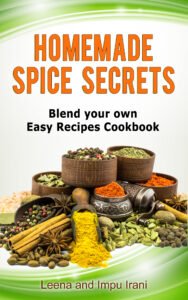
Easy, step-by-step instructions for creating your own spice blends from home.More than 200 spices from around the world
References:
- The Kitchn — tuscan seasoning recipes and uses
- Serious Eats — flavor science and spice chemistry
- Bon Appétit — Italian herb and seasoning guides
- Food52 — homemade spice blend tutorials
- America’s Test Kitchen — spice testing and ratings
- USDA FoodData Central — herb nutritional data
- Healthline — health benefits of rosemary, basil, garlic
- Medical News Today — anti-inflammatory spices
Frequently Asked Questions (FAQs)
What are common substitutions for Tuscan spice blend?
If you don’t have Tuscan seasoning on hand, you can mix herbs like rosemary, thyme, sage, oregano, and basil. Add a pinch of fennel seeds, garlic powder, and black pepper to approximate the signature earthy, aromatic profile. This works well in roasts, grilled meats, and vegetable dishes.
Can I use fresh herbs instead of dried for Tuscan seasoning?
Yes, but the flavor ratio differs. Use three times the amount of fresh herbs compared to dried. For example, 1 tablespoon dried rosemary equals 3 tablespoons fresh. Fresh herbs provide brighter, greener notes, while dried herbs give concentrated, rustic depth.
How do I adjust Tuscan seasoning for heat or mild flavor?
To increase heat, add crushed red pepper flakes or cayenne. For milder dishes, reduce or omit the red pepper and rely on fennel, garlic, and rosemary to maintain flavor. Adjust gradually. Tuscan seasoning is naturally bold, so a little goes a long way.
What cooking methods bring out the best flavor in Tuscan seasoning?
Tuscan spice blend excels in high-heat cooking (grilling, roasting, pan-searing) and slow-simmered dishes (soups, stews, sauces). Heat releases the essential oils in rosemary, fennel, and garlic, creating a robust, earthy aroma and deep flavor.
How do I create a quick Tuscan spice rub for meats?
Mix 2 tsp Tuscan seasoning per pound of protein with 1–2 tablespoons olive oil. Rub over chicken, pork, beef, or lamb and let sit for 15–30 minutes before cooking. The blend forms a savory crust when grilled, roasted, or pan-seared.
Can Tuscan seasoning enhance vegetarian or vegan dishes?
Absolutely. Use it on roasted vegetables, legumes, tofu, or tempeh. It also works in plant-based soups, sauces, and grain bowls, providing the bold herbal and peppery notes traditionally associated with meat dishes.
How long does Tuscan seasoning last once opened?
Homemade or commercial Tuscan seasoning maintains peak flavor for 6–12 months when stored in airtight containers, away from heat, light, and moisture. For the most aromatic dishes, aim to refresh your blend every 3–6 months.
Can Tuscan spice blend be used in sauces and marinades?
Yes. Add 1–2 teaspoons to tomato-based sauces, creamy pasta sauces, vinaigrettes, or herb butter. It infuses dishes with rustic Italian flavors and pairs well with olive oil, lemon, and wine-based marinades.
Is Tuscan seasoning suitable for low-sodium cooking?
Yes. Most Tuscan blends do not contain added salt, making them ideal for low-sodium diets. You can control salt levels yourself when making homemade blends or choose a commercial salt-free version.
How do I prevent Tuscan seasoning from losing flavor quickly?
- Store in dark glass or opaque jars
- Keep in a cool, dry place away from stove heat
- Avoid moisture exposure, which can cause clumping and musty odor
- Make small batches to use within 3–4 months for maximum potency