Tuscan Spice Blend: 3 Easy Step Guide For Home Cooks
Table of Contents
- Key Takeaways
- What is Tuscan Spice Blend Seasoning?
- How Does Tuscan Seasoning Differ from Italian Seasoning?
- What is Tuscan Spice Blend Made Of?
- What Spices Are in a Tuscan Herb Blend?
- Can I Make Tuscan Spice Blend at Home Without a Recipe Kit?
- What Is the Shelf Life of Homemade Tuscan Seasoning Blend?
- What Dishes Can You Use Tuscan Spice Blend On?
- Is Tuscan Spice Blend Gluten-Free, Salt-Free, or Keto-Friendly?
- Frequently Asked Questions
Key Takeaways: Tuscan Spice or Tuscan Blend
What is Tuscan seasoning spice blend?
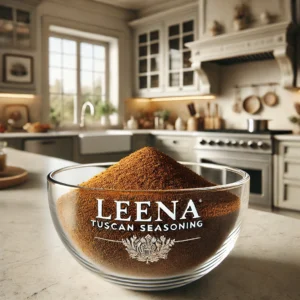
Tuscan spice blend is a dried herb and spice mix inspired by the rustic flavors of Tuscany, Italy. It typically includes rosemary, basil, fennel, garlic, parsley, red bell pepper, and black pepper. This blend delivers bold, earthy, and aromatic flavors ideal for meats, vegetables, pasta, sauces, and bread dips.
How does Tuscan seasoning differ from Italian seasoning?
Unlike Italian seasoning, which is oregano- and basil-forward and milder, Tuscan seasoning is more robust, earthy, and complex. Key differentiators include fennel, garlic, black pepper, crushed red pepper, and sometimes smoked paprika or lemon zest. Tuscan seasoning is ideal for roasting, grilling, and hearty dishes, while Italian seasoning suits tomato sauces, pizza, and lighter pasta dishes.
How to make Tuscan spice blend at home without a kit?
Combine dried herbs and spices such as basil, rosemary, parsley, garlic powder, fennel, black pepper, and red bell pepper. Mix evenly and store in an airtight, cool, dark container for freshness. Homemade blends allow full control over flavor, salt, and dietary preferences.
What dishes work best with Tuscan spice blend?
Tuscan seasoning is versatile and enhances:
- Proteins: Chicken, beef, pork, lamb, seafood, turkey
- Vegetables: Roasted root vegetables, zucchini, bell peppers, broccoli
- Pasta & Sauces: Creamy Tuscan sauces, fettuccine, gnocchi, risotto
- Extras: Olive oil dips, herb butter, eggs, breakfast dishes, snacks
Is Tuscan spice blend gluten-free, salt-free, and keto-friendly?
Yes — when homemade. Pure herbs and spices are naturally gluten-free and keto-compatible. Salt can be omitted to suit low-sodium diets. Commercial blends may contain salt, sugar, or fillers, so always check the label for dietary compliance.
How should I store Tuscan seasoning for maximum freshness?
Store in an airtight glass or opaque container in a cool, dark, and dry place. Avoid heat, moisture, and sunlight. Properly stored, the blend retains peak flavor for 6–12 months, with best results within the first 3–6 months.
How do I know if Tuscan spice blend has lost its potency?
Signs include faint aroma, faded color, weak or flat flavor, and a musty smell (from moisture). While expired seasoning is rarely unsafe, it won’t deliver bold, authentic Tuscan flavor. Refresh your blend every 3–6 months for peak taste.
What makes Tuscan spice blend ideal for professional chefs and home cooks?
Its bold, layered flavor profile, high heat tolerance, and versatility make it perfect for:
- Grilled, roasted, or pan-seared proteins
- Slow-simmered soups, stews, and sauces
- Bread dips, compound butters, and seasoning snacks
It elevates simple dishes into restaurant-quality Mediterranean meals.
What is Tuscan Spice Blend Seasoning?
Tuscan spice blend seasoning (also called Tuscan seasoning, Tuscan herb blend, or Tuscan rub) is a rustic dried herb mix inspired by the traditional cooking of Tuscany in central Italy. It is a woody tasting Mediterranean herb with an earthy, aromatic, and slightly peppery flavor.
Unlike Italian seasoning that leans heavily on oregano, an authentic Tuscan blend is more “evergreen” and Italian herbs-forward, with a garlicy warmth and a subtle anise lift from fennel. That makes it effective as an all-purpose rub for grilled meats, roasted vegetables, bean dishes, pasta sauces, and olive-oil dips.
The Flavor Profile of Tuscan spice mix
Tuscan seasoning has a pungent and “evergreen” profile. While many Italian-inspired blends lean on the floral sweetness of oregano and marjoram, an authentic Tuscan spice blend emphasizes “woodier” herbs and aromatic seeds. It inspires the Italian countryside cooking with a deep piney finish from fennel.
How Does Tuscan Seasoning Differ from Italian Seasoning?
Tuscan spice blend vs Italian seasoning difference
Feature | Tuscan Seasoning | Italian Seasoning |
Overall Flavor Profile | Bold, earthy, savory, slightly spicy | Mild, balanced, herbaceous, slightly sweet |
Dominant Herbs | Rosemary, sage, | Oregano, basil, thyme |
Signature Ingredient | Fennel seeds (adds subtle licorice-like depth) | No signature seed; herb-focused |
Garlic Presence | Prominent — often includes garlic powder | Minimal or absent |
Heat Level | Often contains red pepper flakes or cayenne | Rarely includes heat |
Aromatics | Garlic, black pepper common | Primarily dried herbs only |
Texture & Grind | Coarse, rustic; ideal for crust formation | Fine, flaky; blends easily into liquids |
Best Cooking Method | Grilling, roasting, searing (high heat) | Simmering, sauces, dressings |
Best Used On | Steak, chicken, pork, seafood, roasted vegetables, white beans | Pasta sauce, pizza, marinara, vinaigrettes |
Complexity | Multi-layered: herbs + aromatics + spice | Simple herb blend |
Regional Inspiration | Rustic countryside cooking of Tuscany (Central Italy) | Broad Italian-American cuisine |
Primary Culinary Role | Protein-focused rub and robust seasoning | All-purpose Mediterranean herb blend |
Bottom Line
- Italian seasoning is a classic, everyday herb blend designed to complement tomato-based dishes and lighter Mediterranean recipes.
- Tuscan seasoning is a stronger, garlic-forward, fennel-accented blend built for roasting meats and creating bold, savory depth.
What is Tuscan Spice Blend Made Of?
A Tuscan herb spice blend is a rustic Mediterranean seasoning inspired by the bold, countryside flavors of Tuscany in central Italy. Unlike basic Italian seasoning, Tuscan blends typically include a mix of woodsy herbs, aromatic seeds, and subtle heat. This creates a deeper, more savory profile ideal for roasted meats and vegetables.
What Spices Are in a Tuscan Herb Blend?
Tuscan Spice Blend Ingredients List
Basil
Sweet, slightly peppery, and aromatic, basil adds brightness and balance. It softens the stronger herbs and keeps the blend from tasting overly earthy. Basil is especially useful in tomato-based dishes and olive oil applications.
Black Pepper
Black pepper provides sharp, warming heat. It enhances the overall spice profile and helps activate the aromatic oils in the herbs during cooking. In Tuscan blends, pepper is typically more pronounced than in standard Italian seasoning.
Fennel
Fennel is one of the signature ingredients in many Tuscan-style blends. It delivers a subtle licorice-like sweetness and earthy depth. When toasted or roasted, fennel releases aromatic oils that complement pork, chicken, and white beans particularly well.
Garlic
Garlic adds savory intensity and richness. It is a defining difference between Tuscan herb blends and simpler herb-only mixes. Garlic deepens the flavor and makes the blend more suitable for proteins and hearty dishes.
Parsley
Parsley provides freshness and mild grassy notes. It lightens the blend and adds visual appeal while preventing the stronger herbs from dominating.
Red Bell Pepper
Dried red bell pepper contributes mild sweetness and color without adding heat. It enhances visual texture and rounds out the savory elements, making the blend more complex and layered.
Rosemary
Rosemary is often the backbone of a Tuscan herb blend. Its piney, woodsy aroma defines the rustic character of the seasoning. Rosemary holds up well under high heat, making it ideal for roasting and grilling.
Why This Blend Works
The strength of a Tuscan herb blend comes down to herb-to-aromatic balance. It is a structure inspired by the rustic cooking traditions of Tuscany in central Italy.
Structured for Depth
Rosemary and fennel act as the backbone. Rosemary brings piney intensity and heat tolerance, while fennel adds a subtle anise note that lifts heavy, oil-rich dishes.
Built for Boldness
Garlic and black pepper together provide savory punch and gentle heat. They amplify the herbs without overpowering them, creating a seasoning that penetrates meats and roasted vegetables beautifully.
Balanced with Freshness
Basil and parsley soften the woodier notes, keeping the blend bright and versatile rather than overly sharp or bitter.
Subtle Sweetness & Color
A touch of red bell pepper enhances natural sweetness and adds visual warmth without distracting from the savory base.
Tuscan blend is not just an herb mix. It is designed for depth, heat tolerance, and bold flavor that is perfect for grilling, roasting, and enriching olive oil–based dishes.
Can I Make Tuscan Spice Blend at Home Without a Recipe Kit?
Yes! You don’t need a pre-packaged kit to create a flavorful, balanced Tuscan blend. By using simple pantry herbs and spices, you can craft a homemade Tuscan herb blend tailored to your taste and dietary preferences.
Tuscan seasoning recipe without salt
Core Ingredients
Ingredients (Approximate for 100g Total Blend)
Ingredient | Weight |
Basil (dried) | 38 g |
Black Pepper | 5 g |
Fennel Seeds | 6 g |
Garlic Powder | 18 g |
Parsley (dried) | 11 g |
Red Bell Pepper | 11 g |
Rosemary (dried) | 11 g |
These ratios can be scaled up or down depending on the quantity you want to make.
Step-by-Step: How to Make Tuscan Seasoning
- Lightly toast fennel seeds in a dry pan for 30 seconds to release their oils.
- Grind seeds if you prefer a finer texture.
- Combine all dried herbs and spices in a bowl. Adjust ratios to taste.
- Store in an airtight jar away from light and heat.
Salt-Free Options
If you want a salt-free Tuscan seasoning spice blend recipe, simply omit any added salt. This creates a salt-free Italian seasoning style blend that lets the herbs and aromatics shine without sodium.
Tips for Best Results
- Freshness Matters: Use recently dried herbs and whole spices where possible. Freshly ground fennel or black pepper adds extra aroma.
- Customizable: Adjust fennel for sweetness, red pepper flakes for heat, or garlic for punch. For Tuscan heat spice no salt, a small pinch is usually sufficient.
- Small Batches: Make only enough for 3–4 months to ensure peak flavor.