Impu Irani is the cookbook author behind Leena Spices , where he shares easy homemade spice blend recipes and practical cooking tips. Read more about him at the end of this post.
Table of Contents
ToggleKey Takeaways: Yemeni Mandi Spice Powder
1. What is Mandi Spice Powder?
Mandi Spice Powder, also known as Mandi Masala, is an aromatic Yemeni spice blend used to season the traditional Mandi dish. It combines spices like cumin, coriander, cardamom, cloves, cinnamon, turmeric, saffron, and dried black lime (loomi) to create a warm, earthy, and subtly smoky flavor that complements slow-cooked meats and fragrant rice.2. How does authentic Mandi Spice taste?
Authentic Mandi Spice is mildly spiced, aromatic, and slightly sweet, with subtle smokiness from traditional slow-cooking. Unlike Indian curries, it emphasizes fragrance and warmth over heat, allowing the natural sweetness of slow-cooked lamb, chicken, or goat and basmati rice to shine.3. What are the key ingredients of Mandi Masala?
The essential ingredients include:- Cumin, coriander, cardamom, cloves, cinnamon
- Turmeric and saffron for color and aroma
- Black pepper and dried lemon (loomi) for mild heat and tang
- Optional spices like garlic and onion powder to enhance depth
4. How can I make Mandi Spice at home?
To make homemade Mandi Masala, lightly toast whole spices (cumin, cardamom, cinnamon, cloves, coriander, fennel, dried lemon), then grind them into a fine powder. Mix with ground spices like turmeric, saffron, paprika, garlic, and onion powder. Store in an airtight jar to preserve freshness and aroma.5. How do I store Mandi Spice for maximum freshness?
- Use airtight glass or ceramic jars
- Keep in a cool, dark, dry place, away from sunlight and heat
- Avoid moisture, refrigeration, or direct exposure to steam
- Label and date your jars, and use ground spice within 6–12 months
- For optimal flavor, grind whole spices fresh before use
6. How is Mandi Spice used in cooking?
Mandi Spice is primarily used to:- Marinate meat like lamb, chicken, or goat before slow-cooking or smoking
- Season basmati rice cooked with meat drippings
- Flavor broths and cooking liquids for aromatic depth It creates the signature smoky, fragrant taste of authentic Mandi dishes.
7. How does Mandi Spice differ from Kabsa or other Middle Eastern blends?
- Mandi Spice: Mild, aromatic, smoky, uses dried lime (loomi), saffron, and turmeric; cooked traditionally in a tandoor or pit.
- Kabsa Spice: Rich, earthy, tomato-forward, slightly sweet; meat and rice cooked together in one pot without smoke.
- Hawaij: Stronger, pungent, often spicier, versatile for soups, stews, and coffee. Mandi Spice focuses on subtlety, aroma, and slow-cooked flavor, setting it apart from other blends.
8. Why should home cooks use Mandi Spice?
Using authentic Mandi Masala allows home cooks in Asia Pacific and beyond to recreate fragrant, slow-cooked Yemeni dishes at home. It enhances meat tenderness, rice aroma, and overall dish complexity, offering a unique culinary experience compared to generic spice mixes.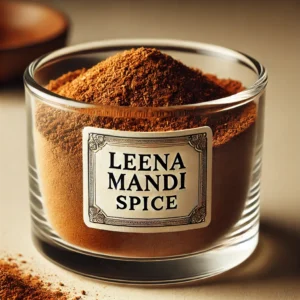
What Is Authentic Mandi Spice (Mandi Masala)?
Mandi Spice, also known as Mandi Masala, is a deeply aromatic and earthy Middle Eastern spice blend that defines the flavour of Mandi, a traditional Yemeni rice and meat dish. Originating from the Hadhramaut region of Yemen, this spice mix is the heart of a dish that has become a culinary symbol across the Arabian Peninsula, South Asia, and the Asia–Pacific region.
The term Mandi comes from the Arabic word “nada”, meaning dew which is a poetic reference to the dish’s signature quality: tender, moist meat that falls apart effortlessly after slow cooking. Traditionally, Mandi is prepared in a tandoor-style underground pit or clay oven, where the meat is gently smoked and infused with the natural aromas of the spices and wood fire.
What sets Mandi apart from other rice dishes like Biryani or Kabsa is this distinctive blend of spices combined with its unique cooking method. The Mandi spice mix typically includes a balance of warm, smoky, and subtly sweet notes, often featuring ingredients such as cardamom, cloves, cumin, coriander, cinnamon, black pepper, turmeric, and dried lime. The result is a rich, aromatic flavour that captures the essence of traditional Arabian cooking—deeply spiced yet balanced and fragrant.
Beyond Mandi, this versatile blend is also used to season grilled meats, roasted vegetables, soups, and rice dishes, adding depth and complexity to any meal. Its smoky, earthy character and bold warmth have made Mandi Masala increasingly popular among food lovers, chefs, and home cooks across the Gulf, Levant, and South Asian regions, and it continues to gain global appreciation.
What Does Mandi Spice Taste Like?
Mandi Spice offers a warm, aromatic, and gently spiced flavour that perfectly balances depth and subtlety. Unlike the bold heat of Indian curry blends, Mandi Masala is milder and more nuanced, highlighting the natural flavours of the meat and rice rather than overpowering them.
The blend carries a savory base lifted by earthy and citrusy undertones.
What are the key Mandi Spice Ingredients in authentic Mandi spice mix?
The core ingredients include…
- Black Pepper: Adds gentle heat and depth without overwhelming the palate.
- Green Cardamom: Contributes a sweet, floral aroma that enhances the fragrance of the rice and meat.
- Cinnamon: Brings warmth and subtle sweetness, balancing the earthy and smoky notes.
- Clove: Adds intensity and a hint of bitterness that deepens the spice profile.
- Coriander: Provides citrusy freshness and light nuttiness, giving the blend balance.
- Cumin: Adds an earthy, slightly smoky flavour that anchors the mix.
- Fennel: Offers mild sweetness and a refreshing finish.
- Garlic Powder: Delivers savoury depth and umami.
- Ginger Powder: Adds warmth and a touch of spice that complements slow-cooked meats.
- Dried Lemon (Black Lime or Loomi): Infuses tangy, citrusy brightness and a hint of smokiness—a hallmark of authentic Mandi flavour.
- Nutmeg: Contributes subtle sweetness and complexity.
- Onion Powder: Adds gentle savoury balance to the spice blend.
- Paprika: Provides mild heat and a natural reddish hue.
- Saffron: Offers a delicate floral aroma and golden colour, elevating the overall richness.
- Turmeric: Adds warmth, mild bitterness, and the signature golden-yellow tint to Mandi rice.
How to Make Mandi Spice Blend at Home?
Ingredients
- Black Pepper – 4 g Adds gentle heat and depth.
- Green Cardamom – 3 g Contributes a sweet, floral fragrance.
- Cinnamon – 8 g Brings warmth and a hint of sweetness.
- Clove – 8 g Adds intensity and enhances aroma.
- Coriander – 8 g Balances the blend with light citrus notes.
- Cumin – 18 g Gives a deep, earthy base and mild smokiness.
- Fennel – 2 g Provides a soft, sweet undertone.
- Garlic Powder – 4 g Enhances savoury depth.
- Ginger Powder – 2 g Adds warmth and light spice.
- Dried Lemon (Black Lime or Loomi) – 8 g Delivers tangy, citrusy brightness.
- Nutmeg – 8 g Lends sweet and nutty complexity.
- Onion Powder – 4 g Adds subtle savoury balance.
- Paprika – 18 g Offers mild heat and rich colour.
- Saffron – 1 g Infuses delicate aroma and golden hue.
- Turmeric – 4 g Provides warmth and the signature yellow tint.
Method
- Lightly toast the whole spices—black pepper, cardamom, cinnamon, clove, coriander, cumin, fennel, and dried lemon—over low heat for 1–2 minutes until aromatic. Be careful not to burn them.
- Allow the spices to cool completely, then grind them into a fine powder using a spice grinder or mortar and pestle.
- Add the ground spices (garlic powder, ginger powder, onion powder, paprika, nutmeg, saffron, and turmeric). Mix thoroughly until evenly blended.
How Is Mandi Spice Used in Cooking?
Mandi Spice (Mandi Masala) is the defining ingredient that gives the traditional Yemeni Mandi its signature flavour, aroma, and golden colour. This versatile spice blend is used at multiple stages of cooking to infuse both the meat and rice with deep, smoky, and aromatic notes.
Traditionally, Mandi spice is used to:
- Season the rice: Long-grain basmati rice is cooked in the meat drippings or broth, allowing it to absorb the rich, spiced flavours of the Mandi Masala.
- Marinate the meat: Chicken, lamb, or goat is generously coated with Mandi spice, sometimes mixed with oil, yoghurt, or lemon juice, before being slow-roasted or smoked to tender perfection.
- Flavour the broth: A spoonful of the spice blend is added to the cooking liquid or stock, giving the dish a deep, aromatic base.
- Create the authentic Mandi aroma: When cooked in a tandoor or underground clay oven, the meat releases juices that steam the rice above it, infusing every grain with a smoky, earthy fragrance that’s unique to traditional Yemeni Mandi.
In modern kitchens, Mandi spice can also be used to elevate grilled meats, roasted vegetables, soups, and rice pilafs, bringing a taste of the Arabian Peninsula to everyday meals.
What’s the Difference Between Mandi Spice and Kabsa Spice?
Mandi Spice and Kabsa Spice are two of the most beloved Middle Eastern spice blends, each central to its own iconic rice and meat dish. Though both share regional roots and aromatic profiles, they differ significantly in origin, ingredients, cooking style, and flavour character. Understanding these differences helps cooks recreate the authentic taste of each dish with precision.
Origin and Cultural Background
Mandi Spice originates from Hadhramaut, Yemen, where Mandi is traditionally prepared in an underground clay oven (tandoor). The meat is smoked slowly, and the rice cooks above it, absorbing its aromatic drippings and smoke.
In contrast, Kabsa Spice hails from Saudi Arabia, particularly the Najd and Gulf regions, and is now enjoyed across the Arabian Peninsula. Kabsa is a one-pot dish, where the rice and meat cook together in a richly spiced, often tomato-based broth, resulting in a completely different flavour and texture.
Key Differences Between Mandi Spice and Kabsa Spice
Feature | Mandi Spice (Mandi Masala) | Kabsa Spice (Kabsa Masala) |
Origin | Yemen (Hadhramaut region) | Saudi Arabia (Najd / Gulf region) |
Signature Dish | Mandi – pit-smoked or oven-smoked meat with rice | Kabsa – one-pot rice and meat casserole |
Flavor Goal | Subtle, aromatic, smoky, and balanced | Rich, robust, and slightly tangy or sweet |
Key Ingredients | Cumin, coriander, cardamom, cloves, cinnamon, dried black lime (loomi), turmeric | Cumin, coriander, cinnamon, cardamom, cloves, bay leaves, black pepper, paprika, and sometimes chili or tomato paste |
Hero Ingredient | Dried black lime (loomi) – adds tangy, musky depth | Bay leaves and tomato – build a rich, savoury base |
Cooking Method | Meat smoked separately and placed over rice to infuse with flavour | Meat and rice cooked together in spiced tomato broth |
Flavor Profile | Earthy, warm, mildly tangy, and subtly smoky | Savory, full-bodied, slightly sweet, with no smoke |
Color of Rice | Golden-yellow (from saffron and turmeric) | Orange-red or brown (from tomato and paprika) |
Heat Level | Mild to medium (black pepper, gentle warmth) | Medium to hot (often includes chili and black pepper) |
Sweet Notes | Minimal – focus on aroma and depth | Moderate – cinnamon and cloves add warmth and sweetness |
Best For | Slow-cooked lamb, air-fried chicken, or fragrant rice | Quick stovetop pots, casseroles, or grilled meats |
Flavour and Aroma Comparison
Mandi Spice is aromatic yet restrained, built to complement the natural juices and smoky notes of the meat. Its warmth comes from cumin, coriander, and turmeric, balanced by the citrusy tang of loomi (dried black lime).
Kabsa Spice, on the other hand, is bolder and more layered, combining tomato richness, bay leaf aroma, and gentle sweetness from cinnamon and cloves. It has a deeper, stew-like flavour suited to its one-pot preparation method.
Pro Tip for Cooks
If you’re new to Middle Eastern or Arabian cuisine, start with Mandi Spice. Its gentler, aromatic profile makes it easier to appreciate the balance of flavours without overwhelming heat. Once you’re familiar, experiment with Kabsa Spice for a heartier, tomato-forward dish that reflects the bold spirit of Saudi cooking.
Related Posts You May Want to Read
Learn How to Make Baharat Spice Blend at Home: Simple Recipe and Cooking Tips
What Is Hawaij Spice and How Does It Differ from Other Middle Eastern Spice Blends?
What Is Lebanese Spice Blend? How to Make, Use & Store This Middle Eastern Seasoning at Home
Power of Za’atar Spice Blend: 5 Tips for Authentic Middle Eastern Home Flavor
What Is Dukkah? Egyptian Spice Blend Explained | Ingredients, Uses & How to Make It at Home
How Does Mandi Spice Differ from Other Middle Eastern or Yemeni Spice Blends?
While many Middle Eastern and Yemeni spice blends share overlapping ingredients, Mandi Spice (Mandi Masala) stands apart in both purpose and flavour. It is uniquely crafted to complement the slow-cooked, smoky preparation of the traditional Yemeni Mandi dish, offering warmth and aroma rather than heat or intensity.
1. Distinctive Flavor Profile
Mandi Spice has a warm, aromatic, and subtly sweet profile with faint smoky undertones that come from the traditional cooking method. Unlike spicier or more pungent blends, Mandi Masala focuses on fragrance, balance, and depth, enhancing rather than overpowering the meat and rice. Its flavour is delicate, yet layered, designed to bring out the natural sweetness of tender meat and the aroma of basmati rice.
2. Core Ingredients
The blend typically includes cumin, coriander, cardamom, cinnamon, cloves, black pepper, turmeric, and saffron, sometimes complemented by dried lemon (loomi) for a gentle citrus note. These spices create a complex yet harmonious aroma that’s unmistakably Yemeni.
The addition of saffron and dried lemon distinguishes Mandi Spice from other Middle Eastern blends, lending it a golden hue and a slightly tangy finish that reflects its authentic roots in the Hadhramaut region of Yemen.
3. Comparison with Other Regional Spice Blends
Aspect | Mandi Spice (Mandi Masala) | Hawaij Spice | Baharat Spice |
Origin | Yemen (Hadhramaut region) | Yemen, used widely across Arabia | Levant and Gulf regions |
Flavor Profile | Warm, aromatic, mildly smoky, slightly sweet | Spicy, pungent, bold | Warm, sweetish, versatile |
Key Ingredients | Cumin, coriander, cardamom, cinnamon, cloves, saffron, turmeric, sometimes dried lemon | Cumin, coriander, cloves, cardamom, black pepper, cinnamon | Black pepper, cumin, coriander, cinnamon, cloves, nutmeg, paprika |
Culinary Use | Traditional Mandi rice and meat dishes | Yemeni soups, stews, and coffee | General-purpose seasoning for meats, rice, and stews |
Spice Intensity | Mild to moderate | Moderate to strong | Mild to moderate |
Signature Note | Subtle saffron aroma and smoky undertone | Stronger heat and occasional citrusy sharpness | Sweet and slightly smoky |
Where can I buy Gluten- Free Mandi Spice Seasoning?
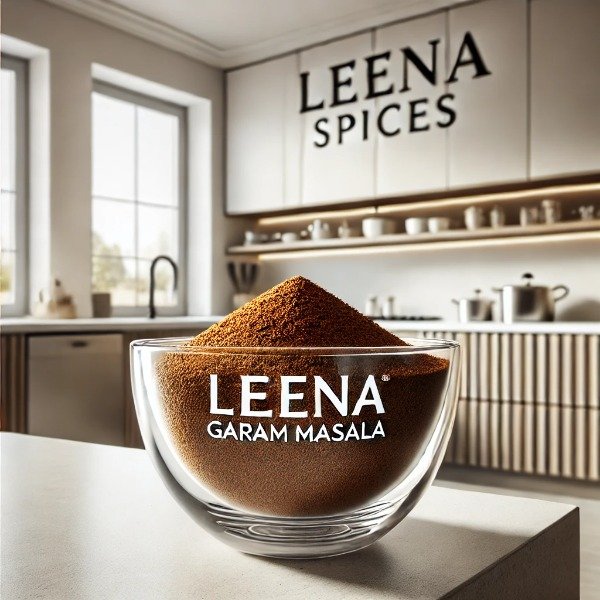
You can buy Pure and Gluten-Free Mandi Spice Seasoning From Amazon
You’ll find several reputable brands offering pre-made blends in both small jars and bulk packs.
Tips for Storing and Preserving Mandi Spice Powder
Proper storage of Mandi spice powder is essential to maintain its rich aroma and authentic Yemeni flavor. Because Mandi relies heavily on the delicate balance of warm, aromatic spices, even slight deterioration can alter the dish’s traditional taste. Follow these expert tips to keep your blend fresh and flavorful for months:
1. Grind in Small Batches
For the freshest flavor, grind only the amount of Mandi spice you expect to use within 6 to 12 months. Whole spices retain their natural oils and potency for up to four years, while ground spices lose strength much faster. Preparing smaller batches ensures your blend stays aromatic and vibrant.
2. Store in Airtight Containers
Use airtight glass or ceramic jars with tight-fitting lids to prevent air exposure, which can cause oxidation and dull the spice’s flavor. Avoid plastic containers, as they can absorb aromas over time.
3. Keep in a Cool, Dark Place
Store your spice in a cool, dark cupboard or pantry, away from sunlight, moisture, and heat sources like ovens or stoves. Light and heat can degrade volatile oils—the compounds that give Mandi spice its distinct aroma.
4. Avoid Moisture
Moisture is a spice’s worst enemy. It encourages clumping and may even lead to mold. Never shake Mandi spice powder directly over steaming food; instead, use a dry spoon to scoop out the needed amount. Always ensure lids are tightly sealed after each use.
5. Label and Date Each Jar
Always label containers with the date of grinding or purchase. Spices don’t spoil in a way that makes them unsafe to eat, but their potency fades. If your Mandi spice powder has lost its fragrance when rubbed between your fingers, it’s time to refresh the batch.
6. Store Whole Spices Separately
If you make your own Mandi blend, store whole ingredients like cumin seeds, cloves, and cardamom pods separately, and grind them fresh when needed. This preserves essential oils and delivers a more authentic, robust aroma.
7. Avoid Refrigeration or Freezing
Unless you live in an extremely hot, humid climate, do not refrigerate or freeze your spice. Condensation can form when the container warms up, leading to clumping and reduced quality.
8. Prepare Small Quantities Regularly
To ensure top flavor, prepare or purchase Mandi spice in smaller amounts for frequent use. This guarantees the spice remains fresh, fragrant, and true to its Yemeni origins.
Pro Tip: Perform a quick sniff test before cooking—if the aroma feels flat or faint, your Mandi spice has likely lost its potency. Freshness is key to achieving that signature smoky, aromatic depth that defines authentic Mandi rice and meat dishes.
Frequently Asked Questions (FAQs) About Mandi Spice
What are the core ingredients in Mandi spice blend?
The essential spices in authentic Mandi Masala include cumin, coriander, cardamom, cloves, cinnamon, black pepper, turmeric, saffron, and dried lemon (loomi). Optional additions like garlic powder, onion powder, paprika, or fennel enhance aroma and depth. These ingredients together create the warm, earthy, and subtly smoky flavor that defines traditional Yemeni Mandi.
What’s the best way to marinate chicken with Mandi spice?
For tender, flavorful chicken, mix Mandi spice with yogurt, lemon juice, and a splash of oil to make a paste. Coat the chicken evenly and refrigerate for 2–4 hours (or overnight for deeper flavor). Then slow-cook, roast, or grill the chicken. This method ensures the spice penetrates the meat while keeping it moist.
Can I use ground spices instead of whole spices for Mandi?
Yes, you can use pre-ground spices, but the flavor may be less vibrant than freshly ground whole spices. Whole spices retain essential oils longer and release more aroma when toasted. For maximum authenticity and freshness, grind whole spices just before preparing the Mandi spice blend.
Is saffron essential for authentic Mandi rice?
While not mandatory, saffron is a hallmark of authentic Mandi rice, adding golden color, delicate aroma, and a subtle earthy sweetness. If saffron is unavailable, some cooks use turmeric for color, but the signature aroma and luxurious flavor will be slightly diminished.
How long does Mandi spice powder stay fresh?
When stored properly in an airtight container in a cool, dark, dry place, Mandi spice powder retains its peak flavor for 6–12 months. Whole spices used in the blend can last up to 4 years. Avoid exposure to heat, light, and moisture to prevent flavor loss.
Can Mandi spice be used for dishes other than Mandi rice?
Absolutely. Mandi spice is versatile and can enhance roasted meats, grilled vegetables, soups, stews, and even marinades. Its aromatic, mild flavor works well in any dish where warm, earthy Middle Eastern spices are desired.
What makes Mandi spice different from Kabsa or Baharat spice?
Mandi Spice emphasizes aroma, subtle smokiness, and warmth, designed for slow-cooked or smoked meat with rice. Kabsa Spice is richer, often tomato-based, and cooked in one pot with rice and meat. Baharat is more general-purpose, sweeter, and slightly smoky. Mandi spice is milder and more fragrance-driven, ideal for authentic Yemeni dishes.
How should I grind and store Mandi spices at home?
Lightly toast whole spices before grinding to release their essential oils and aroma. Store the powder in airtight glass or ceramic jars away from sunlight and moisture. Label with the date and use the spice within 6–12 months for optimal flavor.
Can I make a quick Mandi spice blend without saffron or dried lemon?
Yes. While saffron and dried lemon add authentic color and aroma, you can still create a flavorful blend using cumin, coriander, cardamom, cloves, cinnamon, turmeric, black pepper, and paprika. This simplified version works well for home cooks seeking accessible ingredients without compromising taste entirely.
How do I achieve the signature smoky aroma of authentic Mandi at home?
Traditionally, Mandi meat is cooked in an underground tandoor or clay oven, producing its smoky aroma. At home, you can smoke meat using a stovetop method with a small piece of charcoal, or use a slow-cooker with a few drops of smoked paprika or smoked spices to mimic the authentic flavor.
Medical Disclaimer:
The information provided in this article is for educational and informational purposes only and is not intended as medical advice. Always consult a qualified healthcare provider before starting any new dietary supplement, herbal remedy, or wellness routine, especially if you have underlying health conditions, are pregnant or breastfeeding, or are taking prescription medications.
Impu Irani is a cookbook author behind Leena Spices, where he shares practical, easy-to-follow guides on homemade spice blends, herbs, and natural cooking. His work helps home cooks create fresh, flavorful meals using simple ingredients and traditional methods. Download his free Spice Blending eBook and start your journey to cleaner cooking today!
Disclosure Note
We are committed to creating high-quality, helpful content for our readers. We do not accept payment in exchange for writing our articles, and we personally cover the costs of running this website, including hosting, tools, and maintenance.
To support the site, we display ads and may earn a small commission from affiliate links if you choose to make a purchase—at no extra cost to you.
Your support helps us continue sharing valuable content with the community.
If you’d like to support us, here are a few simple and free ways:
- Share our content with your friends and family
- Engage with us on social media
- Follow us on Facebook
You can also learn more by visiting our disclaimer page:
https://leenaspices.co.nz/disclaimer/
As a thank you, feel free to download our Free Spice Recipe eBook.
Download a Free Leena Spices Recipes Cookbook