
Impu Irani | Cookbook author and Culinary Educator specializing in spices and global flavors. With over 20 years of experience testing spice blends and recipes, Impu helps home cooks create authentic dishes using simple techniques and easy-to-follow recipes.
When I first learned to make Egyptian Dukkah in a small Cairo kitchen, the lesson wasn’t in a recipe book but it was found in the rhythm. The steady, heavy thud of a wooden mortar crushing roasted hazelnuts, sesame seeds, coriander, cumin, and wild thyme released an aroma so deeply warm and earthy that it instantly filled the room. Dukkah is not a recipe to measure. It is a sensory experience. After years of testing and refining global spice blends for our cookbooks, I have learned that capturing its authentic character comes down to one simple rule: you are creating a coarse, uneven crunch, never a fine powder.
Table of Contents
ToggleKey Takeaways: Dukkah Spice Blend
What is Dukkah?
Dukkah is a traditional Egyptian spice blend made from toasted nuts, seeds, and mild spices, crushed to a coarse, crunchy texture. It is commonly used as a dip, seasoning, or coating for various dishes.
How do you pronounce Dukkah?
The most widely accepted pronunciation is DOO-kah, with the emphasis on the first syllable. Some regional variations exist, but “doo-kah” is standard in English and culinary usage.
Is Dukkah spicy or hot?
Traditional Dukkah is not spicy or hot. Its flavor profile is nutty, aromatic, and earthy, with mild warmth from spices like cumin, coriander, and black pepper. Some modern variations may add chili for subtle heat.
What are the main ingredients in Dukkah?
The core ingredients include toasted hazelnuts or almonds, sesame seeds, coriander, cumin, fennel seeds, black pepper, and optional herbs like thyme, mint, or marjoram. Each contributes to its unique aroma and crunchy texture.
Can I make Dukkah at home?
Yes! Simply toast the nuts and seeds separately, then coarsely crush them with spices. Pulse in a food processor or use a mortar and pestle. Avoid over-grinding — the signature crunch is key.
How should I use Dukkah in cooking?
The classic use is as a bread dip with olive oil. It’s also excellent sprinkled on eggs, avocado toast, salads, roasted vegetables, or used as a crust for fish, chicken, or lamb. Dukkah adds texture, flavor, and aroma to countless dishes.
How do I store Dukkah to keep it fresh?
Store Dukkah in an airtight container in a cool, dark place for 2–3 weeks. For longer storage, refrigerate up to 3 months or freeze up to 6 months. Always ensure it is completely cooled before sealing to preserve flavor and crunch.
How can I tell if Dukkah has gone bad?
Signs include: rancid or sour smell, bitter or dull taste, clumping, or mold. If any of these appear, discard it to maintain the quality and safety of your dishes.
Why is Dukkah popular in modern kitchens?
Dukkah’s versatility, nutty crunch, and aromatic flavor make it a favorite for home cooks and chefs alike. It elevates simple meals, works across cuisines, and brings a touch of Middle Eastern heritage to contemporary dishes.
What is Dukkah Spice?
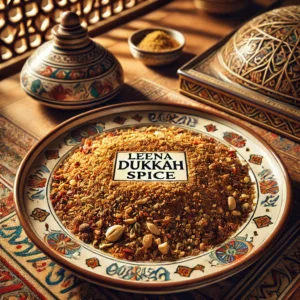
Dukkah (also spelled duqqa or du’ah) is a traditional Egyptian spice blend made from a fragrant mix of toasted nuts and seeds combined with warm, earthy spices. Originating in Egypt and now popular across the Middle East, dukkah is both a seasoning and a condiment, prized for its coarse, crunchy texture and deeply aromatic flavor.
The word dukkah comes from the Arabic term meaning “to crush” or “to pound,” which perfectly describes how it’s prepared. The ingredients are gently toasted to release their natural oils, then coarsely ground — never powdered — to create a rustic blend that’s rich in texture and taste.
Historically, dukkah dates back to ancient Egypt, where it was a common snack enjoyed by all social classes. Over time, each region developed its own variation, adjusting the nuts, seeds, and spices to personal taste. Today, it remains a symbol of Egyptian hospitality and simplicity.
A Closer Look at Dukkah’s Composition
While there’s no single dukkah recipe, most versions feature a combination of:
- Toasted nuts – such as hazelnuts, almonds, or pistachios
- Seeds – usually sesame, coriander, and cumin
- Seasonings – like salt and black pepper to balance the flavors
The result is a fragrant, nutty mix that captures the essence of Egyptian home cooking — simple, wholesome, and full of depth.
How Dukkah Is Used
Traditionally, dukkah is enjoyed as a Middle Eastern condiment served alongside fresh bread and olive oil. You dip the bread in the oil first, then into the dukkah for a crunchy, flavorful coating.
Beyond this classic pairing, dukkah’s versatility makes it a favorite among chefs and home cooks alike. It can be sprinkled over salads, roasted vegetables, grilled meats, or even used as a crust for fish or chicken. Its nutty crunch adds a unique finishing touch to both savory and sweet dishes.
A Taste of Egyptian Tradition
In short: Dukkah is more than just a spice mix; it’s a centuries-old Egyptian culinary tradition that brings together the perfect balance of toasted nuts, seeds, and spices into one beautifully crunchy, aromatic condiment.
How Do You Pronounce Dukkah?
Is Dukkah Spicy or Hot?
No, traditional Dukkah is not spicy or hot. It’s a savory, nutty, and aromatic blend that highlights warm, earthy flavors rather than heat.
A typical Dukkah flavor profile comes from ingredients to create a rich, balanced taste with a gentle warmth but no chili burn.
The beauty of Dukkah lies in its subtle complexity, not in fiery heat. Each ingredient contributes to its distinct character:
- Warm and Earthy: Cumin and coriander seeds add gentle warmth and depth without spiciness.
- Nutty and Aromatic: Toasted hazelnuts, almonds, or sesame seeds give the blend its signature crunch and rich aroma.
- Mildly Pungent: A touch of black pepper adds a soft bite, enhancing flavor without overpowering it.
This combination results in a coarse, crunchy texture and a layered, aromatic flavor that complements both savory and slightly sweet dishes.
Variations: Spicy Dukkah
While traditional Dukkah is mild, some modern variations incorporate mild chillies, like Aleppo pepper, chili flakes, or cayenne. These versions are often labeled as “Spicy Dukkah” or “Hot Dukkah.”
If you’re buying a ready-made blend, it’s always best to check the ingredient list to see whether chilies or hot spices have been added.
The Bottom Line
Classic Egyptian Dukkah is celebrated for its savory aroma, earthy depth, and crunchy texture, not for being hot. Its mild spices and toasted nuts and seeds make it an approachable and versatile Middle Eastern condiment that appeals to nearly every palate.
What Are the Main Ingredients in Dukkah?
- Hazelnuts (ground): Provide a rich, buttery base and satisfying crunch. Some recipes may use almonds or pistachios as alternatives.
- Sesame Seeds: Add a toasted, nutty aroma and help balance the texture.
- Coriander (crushed): Brings a citrusy brightness that lifts the flavor.
- Cumin: Adds warmth and depth, one of Dukkah’s defining spices.
- Fennel Seeds: Offer gentle sweetness and a hint of licorice.
- Black Pepper: Contributes mild pungency without overpowering heat.
- Thyme and Marjoram: Infuse the blend with subtle herbal notes.
- Mint: Introduces a light freshness that complements the warm spices.
- Paprika: Enhances color and provides a smoky, slightly sweet undertone.
Balancing Flavor and Texture
What makes traditional Dukkah unique is not just the ingredients, but the way they’re toasted and coarsely ground. Each component is roasted separately to bring out its natural oils and aroma, then gently crushed, but never powdered. This is to create a coarse, crunchy texture that defines this Egyptian spice blend.Custom Variations
While this is a traditional mix, Dukkah is highly adaptable. Some cooks add chili flakes for a hint of heat, or swap hazelnuts for almonds or pistachios to create new flavor dimensions. This flexibility allows you to tailor Dukkah to your own cooking style and taste preferences.Can I Make Dukkah at Home?
You can make Dukkah at home quickly and easily. This traditional Egyptian spice blend requires just a few pantry staples and a simple toasting and grinding process. The key to great homemade Dukkah lies in toasting each ingredient separately to bring out its natural oils and aroma, then crushing them coarsely to achieve that signature crunchy, textured finish.
How to Make Dukkah Step by Step
- Toast the Nuts and Seeds
Start by toasting your chosen nuts — typically hazelnuts, almonds, or pistachios — in a dry pan or oven until golden and fragrant. Toast the seeds (such as sesame, coriander, and cumin) separately, since they brown more quickly. This step deepens the flavor and adds a warm, nutty aroma. - Cool and Crush
Once toasted, let everything cool. Traditionally, the ingredients are pounded with a mortar and pestle, which is how Dukkah got its name — from the Arabic word meaning “to crush.” For convenience, you can also use a food processor or spice grinder, but be sure to pulse, not blend. The texture should remain coarse and crunchy, not a fine powder. - Mix in the Spices and Herbs
Combine the crushed nuts and seeds with your ground spices and herbs. A balanced homemade blend might include:
- Hazelnut (ground) – 40 g
- Sesame seeds – 33 g
- Coriander (crushed) – 10 g
- Cumin – 10 g
- Paprika – 2 g
- Fennel seeds – 1 g
- Black pepper – 1 g
- Thyme – 1 g
- Marjoram – 1 g
- Mint – 1 g
- Store Properly
Once cooled, transfer your Dukkah to an airtight jar and store it in a cool, dark place. It will stay fresh for several weeks, ready to sprinkle over salads, roasted vegetables, or dip with bread and olive oil.

What Is the Best Way to Use Dukkah?
One of the reasons Dukkah has become so beloved around the world is its incredible versatility. This Egyptian spice blend can instantly elevate simple foods, adding a nutty crunch, warm aroma, and earthy depth to both traditional and modern dishes.
Whether you’re serving it the authentic Egyptian way or experimenting with creative twists, Dukkah is an easy way to transform everyday meals into something memorable.
The Traditional Egyptian Method: Bread and Olive Oil
The most authentic and classic way to enjoy Dukkah is as a dip with bread and olive oil. This method highlights its crunchy texture and nutty, aromatic flavor.
How to do it:
- Pour some extra virgin olive oil into a shallow bowl.
- In another small bowl, place a few spoonfuls of Dukkah.
- Dip a piece of crusty bread, such as pita, sourdough, or baguette, into the olive oil.
- Then, dip the oil-soaked bread into the Dukkah to coat it generously.
- Enjoy the delicious contrast of textures — soft bread, silky oil, and crunchy, spiced nuts and seeds.
This simple combination has been enjoyed across Egypt and the Middle East for centuries. It’s the perfect appetizer or snack to share with family and friends.
Everyday Enhancements: Sprinkle It on Everything
Think of Dukkah as culinary “magic dust.” Just a sprinkle adds crunch, warmth, and richness to countless dishes.
Here are some easy, everyday ways to use it:
- Eggs: Sprinkle over scrambled, poached, or fried eggs, or mix into egg salad.
- Avocado Toast: Replace salt and pepper with Dukkah for a nutty, aromatic kick.
- Dips & Spreads: Top hummus, labneh, or Greek yogurt with a dusting of Dukkah for added texture.
- Roasted Vegetables: Toss warm roasted vegetables like cauliflower, eggplant, or carrots with Dukkah and olive oil after cooking.
- Salads: Use it instead of croutons or nuts for extra crunch in green salads, grain bowls, or fattoush.
- Soups & Grains: Sprinkle on creamy vegetable soups, rice, or quinoa bowls just before serving.
- Sandwiches & Wraps: Add a pinch inside sandwiches for flavor and texture contrast.
Creative Culinary Applications
Beyond sprinkling, Dukkah shines in more inventive cooking applications, thanks to its coarse, crunchy texture.
Use Category | How to Apply | Examples |
Crust for Proteins | Press Dukkah onto fish, chicken, or lamb before grilling or baking for a nutty crust. | Dukkah-Crusted Salmon, Chicken, or Goat Cheese |
Roasted Vegetables | Toss cooked vegetables with olive oil and Dukkah for a fragrant finish. | Dukkah Roasted Cauliflower or Carrots |
Salads & Sides | Use as a garnish or mix-in to replace nuts or seeds. | Sprinkle over Fattoush or grain salads |
Coating Mix | Blend Dukkah with breadcrumbs or panko for a crunchy coating. | Perfect for fried chicken, croquettes, or baked fish |
Related Posts You May Want to Read
⚱️ What is Advieh? Persian Spice Blend and How to Make It at Home
10 Expert Tips for Buying, Storing, and Using Sumac Like a Pro
Learn How to Make Baharat Spice Blend at Home: Simple Recipe and Cooking Tips
9 Surprising Differences Between Greek and Mexican Oregano That Make Your Dishes Explode with Flavor
Power of Za’atar Spice Blend: 5 Tips for Authentic Middle Eastern Home Flavor
How Should I Store Dukkah to Keep It Fresh?
Proper storage is essential to preserve the freshness, aroma, and crunch of Dukkah. Because it contains toasted nuts and seeds, it’s naturally rich in oils that can turn rancid if exposed to light, heat, air, or moisture. The goal is to protect these delicate oils to keep your blend tasting vibrant and nutty for as long as possible.
1. Short-Term Storage (Best for Fresh Flavor)
Storage Method | Container & Location | Shelf Life |
Room Temperature | Airtight glass jar or container stored in a cool, dark place (like the back of a pantry). | 2 to 3 weeks |
Why:
This method keeps Dukkah easily accessible and at its most aromatic. It’s ideal for small batches you plan to use regularly. Avoid placing the jar near a stove or window, as heat will shorten its shelf life.
2. Medium-Term Storage (For Extended Freshness)
Storage Method | Container & Location | Shelf Life |
Refrigeration | Airtight container or jar with a tight-fitting lid. | Up to 3 months |
Why:
Refrigeration slows oxidation, the process that causes nut oils to spoil. This method helps maintain Dukkah’s flavor and aroma for longer, especially useful if you’ve made a slightly larger batch.
3. Long-Term Storage (Maximum Preservation)
Storage Method | Container & Location | Shelf Life |
Freezing | Freezer-safe airtight bag (with air pressed out) or a sealed container. | Up to 6 months |
Why:
Freezing stops rancidity entirely and preserves the Dukkah’s flavor and crunch for months. It thaws almost instantly, so you can scoop out what you need without defrosting the whole batch.
💡 Essential Dukkah Storage Tips
- Cool Completely: Always let Dukkah cool fully after toasting and grinding before sealing it. Trapping warm air inside the jar can create moisture, leading to clumping or mold.
- Keep It Airtight: Air and humidity are Dukkah’s biggest enemies. Use jars with tight lids and avoid frequent opening.
- Avoid Contamination: Never scoop Dukkah with a wet or damp spoon — moisture causes spoilage.
- Store Smart: If making a large batch, keep a small jar in your pantry for daily use and freeze the rest to maintain long-term freshness.
How to Tell if Your Dukkah Has Gone Rancid or Bad
Even when stored carefully, Dukkah can lose its freshness over time. Because it’s made with toasted nuts and seeds, the natural oils inside are delicate and prone to oxidation.
👃 The Smell Test: Detecting Rancidity
The first and most reliable indicator of spoilage is the aroma.
- Fresh Dukkah: Should smell nutty, earthy, and warm, with hints of toasted sesame, cumin, and coriander. Its fragrance should be rich and inviting.
- Rancid Dukkah: Develops an unpleasant sour, stale, or metallic Some describe it as smelling like old paint, cardboard, or rancid oil. If the once-vibrant spice aroma has faded and an off smell lingers, the oils have likely oxidized.
👅 The Taste Test: Bitterness and Dullness
If you’re unsure after the smell test, take a small taste.
- Fresh Dukkah: Has a bright, savory, and crunchy flavor profile, nutty with balanced warmth from the spices.
- Rancid Dukkah: Tastes flat, stale, or bitter. The rich spice flavors disappear, leaving only a harsh, oily aftertaste. When Dukkah loses its signature crunch and nutty aroma, it’s no longer suitable for use.
🔬 Visual Cues: Mold and Texture Changes
While less common, visual signs can also confirm spoilage especially if moisture has entered the container.
- Mold or Discoloration: Any appearance of white, green, or dark spots indicates spoilage. This can occur if the blend was sealed before cooling completely or if a wet spoon was used.
- Clumping: Fresh Dukkah should remain loose and crumbly. If it appears sticky, damp, or clumped together, it has likely absorbed moisture and should be discarded.
FAQs About Dukkah Spice
What is Dukkah spice made of?
Dukkah is made from a blend of toasted nuts, seeds, and mild spices. Common ingredients include hazelnuts, almonds, sesame seeds, coriander, cumin, fennel, black pepper, and optional herbs like thyme, mint, or marjoram. This combination is coarsely ground to create a crunchy, aromatic seasoning.
What does Dukkah spice taste like?
Dukkah has a nutty, earthy, and aromatic flavor profile. It is savory with a mild warmth from spices like cumin and coriander, a toasted crunch from the nuts and seeds, and subtle aromatic notes from optional herbs. Traditional Dukkah is not spicy or hot, though some modern variations may include chili for a mild kick.
Can you make Dukkah spice at home?
Yes! Homemade Dukkah is easy to prepare. Simply toast your nuts and seeds separately, then coarsely crush or pulse them with spices. Avoid over-processing; the coarse texture and crunch are key. You can adjust ingredients to your taste, including adding herbs like thyme or mint.
How do you store Dukkah spice to keep it fresh?
Store Dukkah in an airtight container in a cool, dark place for up to 2–3 weeks. For longer freshness, refrigerate up to 3 months or freeze for up to 6 months. Always allow Dukkah to cool completely after toasting and grinding before sealing to prevent moisture, clumping, or rancidity.
Can Dukkah be used in modern recipes?
Absolutely. While traditionally eaten as a bread dip with olive oil, Dukkah is now used as a sprinkle on eggs, avocado toast, salads, roasted vegetables, or as a crust for proteins like chicken, fish, or lamb. Its nutty crunch and aromatic flavor make it highly versatile across cuisines.
Is Dukkah suitable for all diets?
Dukkah is naturally gluten-free and vegetarian. However, it contains nuts, so it is not suitable for people with nut allergies. You can adjust recipes for dietary preferences, but always check individual ingredient safety.
How can you tell if Dukkah has gone bad?
Signs of spoilage include: a rancid or sour smell, bitter taste, clumping, or visible mold. If the once-nutty, fragrant aroma is gone or the flavor tastes off, it’s best to discard the Dukkah to maintain food safety and quality.
Can Dukkah be used in desserts or sweet dishes?
While traditionally savory, Dukkah can be adapted for desserts. Sprinkle it over yogurt, fruit bowls, or honey-glazed pastries to add texture, crunch, and nutty flavor. Adjust the spice and sweetness for a balanced taste profile.
Where did Dukkah originate?
Dukkah originated in Egypt and has been a staple in Middle Eastern cuisine for centuries. Its name comes from the Arabic word meaning “to crush or pound,” referencing the traditional preparation method of grinding nuts and seeds.
Medical Disclaimer:
The information provided in this article is for educational and informational purposes only and is not intended as medical advice. Always consult a qualified healthcare provider before starting any new dietary supplement, herbal remedy, or wellness routine, especially if you have underlying health conditions, are pregnant or breastfeeding, or are taking prescription medications.

Impu Irani is a cookbook author behind Leena Spices, where he shares practical, easy-to-follow guides on homemade spice blends, herbs, and natural cooking. His work helps home cooks create fresh, flavorful meals using simple ingredients and traditional methods. Download his free Spice Blending eBook and start your journey to cleaner cooking today!
Disclosure Note
We are committed to creating high-quality, helpful content for our readers. We do not accept payment in exchange for writing our articles, and we personally cover the costs of running this website, including hosting, tools, and maintenance.
To support the site, we display ads and may earn a small commission from affiliate links if you choose to make a purchase—at no extra cost to you.
Your support helps us continue sharing valuable content with the community.
If you’d like to support us, here are a few simple and free ways:
- Share our content with your friends and family
- Engage with us on social media
- Follow us on Facebook
You can also learn more by visiting our disclaimer page:
https://leenaspices.co.nz/disclaimer/
As a thank you, feel free to download our Free Spice Recipe eBook.
Download a Free Leena Spices Recipes Cookbook
Pro Tip from the Leena Spices Kitchen:
📚
Unlock 200+ Global Spice Secrets
Don’t stop here. Learn how to master the flavor profiles, roasting techniques, and perfect pairings for over 200 global spices in our comprehensive eBook.

Impu Irani is a cookbook author behind Leena Spices, where he shares practical, easy-to-follow guides on homemade spice blends, herbs, and natural cooking. His work helps home cooks create fresh, flavorful meals using simple ingredients and traditional methods. Download his free Spice Blending eBook and start your journey to cleaner cooking today!
Disclosure Note
We are committed to creating high-quality, helpful content for our readers. We do not accept payment in exchange for writing our articles, and we personally cover the costs of running this website, including hosting, tools, and maintenance.
To support the site, we display ads and may earn a small commission from affiliate links if you choose to make a purchase—at no extra cost to you.
Your support helps us continue sharing valuable content with the community.
If you’d like to support us, here are a few simple and free ways:
- Share our content with your friends and family
- Engage with us on social media
- Follow us on Facebook
You can also learn more by visiting our disclaimer page:
https://leenaspices.co.nz/disclaimer/
As a thank you, feel free to download our Free Spice Recipe eBook.
Download a Free Leena Spices Recipes Cookbook