Table of Contents
ToggleKey Takeaways
What is gomasio Japanese seasoning?
Gomasio is a traditional Japanese sesame salt made from toasted sesame seeds and a small amount of sea salt. It delivers nutty, umami-rich flavour and a light crunch, making it a healthier alternative to table salt.
Where did gomasio originate?
Gomasio originated in Japan and later became a key component of macrobiotic cooking in the early 20th century, valued for its simplicity, mineral content, and balanced energy.
How is gomasio different from furikake?
Gomasio is a simple two-ingredient blend with sesame seeds and sea salt, while furikake includes additional ingredients such as seaweed, bonito flakes, dried fish, sugar, and MSG, making it richer and more complex in flavour.
Why is gomasio important in macrobiotic diets across Asia?
It supports macrobiotic principles by offering low-sodium seasoning, providing mineral-rich nutrition, and delivering a balanced yin–yang profile that complements grain- and vegetable-based meals.
What ingredients can be used in odern gomasio blends?
Contemporary gomasio blends may include white and black sesame seeds, seaweed, paprika, and black pepper for added flavour complexity and nutritional density.
How do you make gomasio at home?
Toast white and black sesame seeds, lightly warm seaweed, then grind coarsely and mix with spices like paprika and black pepper. Store the blend in an airtight jar for 2–3 weeks.
What dishes pair well with gomasio?
Gomasio enhances rice, tofu, noodles, vegetables, salads, soups, and Asian fusion dishes. Its umami-rich flavour makes it ideal for vegan, keto, and low-sodium recipes.
How is gomasio used in vegan and keto cooking?
It adds flavour without carbs or processed ingredients, making it perfect for vegan tofu dishes, keto noodles, cauliflower rice, poke bowls, fat bombs, chia puddings, and Asian-style stir-fries.
Is gomasio a healthy seasoning?
Yes. It is lower in sodium than regular salt and provides minerals, fibre, antioxidants, and healthy fats from unhulled sesame seeds, supporting balanced, nutrient-dense meals.
Can gomasio help reduce salt intake?
Absolutely. Traditional ratios of 5:1 to 20:1 sesame seeds to salt can reduce sodium consumption by 70–90% while still delivering satisfying flavour.


Impu Irani is the cookbook author behind Leena Spices , where he shares easy homemade spice blend recipes and practical cooking tips. Read more about him at the end of this post.
What is gomasio Japanese spice seasoning?
Gomasio is a traditional Japanese seasoning made by toasting whole, unhulled sesame seeds and grinding them with a small amount of sea salt. This simple blend creates a nutrient-rich, low-sodium condiment known for its nutty aroma, gentle umami depth, and lightly crunchy texture. Commonly used as an everyday table seasoning in Japanese cooking, gomasio adds flavour without overpowering dishes, making it popular among home cooks, chefs, and anyone seeking healthier ways to season food.
What does gomasio taste like?
Gomasio has a nutty, toasty flavor from the sesame seeds, combined with a subtle umami depth from the lightly added sea salt. It delivers a mildly crunchy texture that enhances the mouthfeel of dishes without overpowering them. Compared to regular salt, gomasio is less salty and more complex, providing a delicate balance of savory, earthy, and slightly roasted notes that complements rice, vegetables, tofu, noodles, and both vegan and keto recipes.
Where did gomasio originate?
Gomasio comes from Japan, where it has long been used as a simple, natural seasoning. Its modern popularity grew through the Macrobiotic Diet movement in the early 20th century, which embraced gomasio for its minimal processing, balanced flavour, and lower sodium content. Today, it remains a staple in Japanese cooking and is widely appreciated in health-focused and plant-based cuisines around the world.
How does gomasio differ from furikake in Japanese cooking?
Why is Gomasio a staple in macrobiotic diets across Asia?
Gomasio plays an essential role in macrobiotic cooking because it aligns closely with the foundational principles of balance, simplicity, and natural nourishment that guide the diet. One of its key benefits is its low-sodium profile. By blending a large ratio of toasted sesame seeds to sea salt gomasio allows followers to season food while reducing salt intake by as much as 70–90% compared to regular table salt.
Its nutritional value also contributes to its importance. Unhulled sesame seeds deliver calcium, iron, magnesium, healthy fats, and fibre, making gomasio a natural companion to core macrobiotic foods such as brown rice, whole grains, and vegetables. These nutrients help enhance mineral density in meals that are otherwise simple and plant-focused.
From a traditional macrobiotic perspective, gomasio also supports yin–yang balance. Toasted sesame seeds are considered warming and yang in nature, while sea salt carries a milder yin quality. When combined, they create a harmonising seasoning that brings grounding, strengthening energy to grain-heavy dishes.
Together, these qualities explain why gomasio remains a trusted staple in macrobiotic diets across Japan and the broader Asia-Pacific region.
What are the main ingredients in a gomasio spice blend?
A traditional gomasio blend is made from just toasted sesame seeds and sea salt, but modern variations especially those designed for home cooks often include additional spices to enhance flavour and versatility. A contemporary gomasio spice blend may feature:
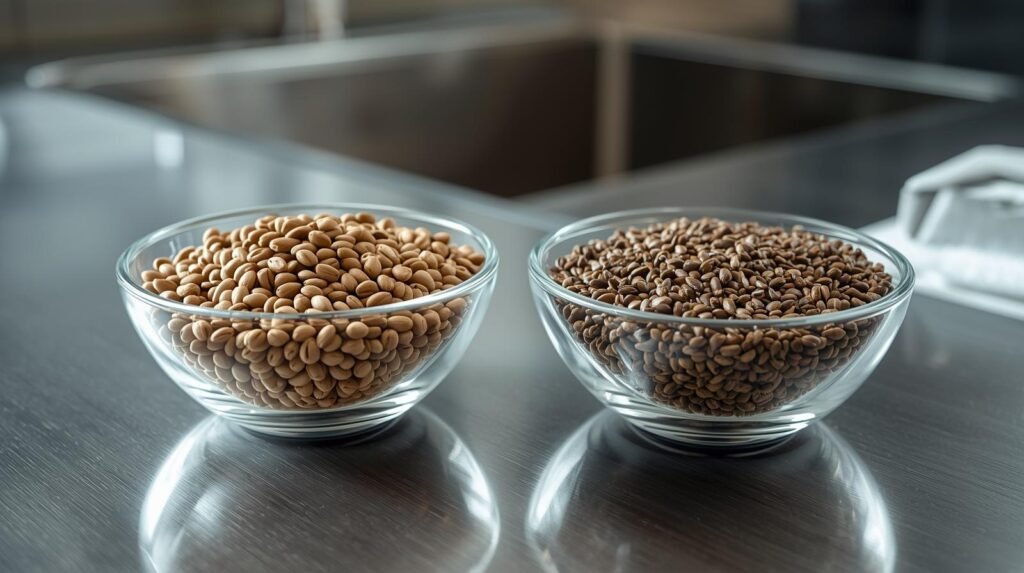
- White sesame seeds – Provide the classic nutty, toasty base.
- Black sesame seeds – Add deeper flavour, colour contrast, and antioxidants.
- Seaweed (such as nori or wakame) – Introduces natural umami and mineral richness.
- Paprika – Adds gentle warmth and a subtle smoky-sweet note.
- Black pepper – Contributes mild heat and aromatic depth.
How to Make Gomasio at Home?
Making gomasio at home is simple and allows you to control the flavour, texture, and freshness of the seasoning. The recipe below follows a modern, flavour-forward version that blends sesame seeds with seaweed, paprika, and black pepper for extra depth.
Ingredients:
- White sesame seeds – 50 g
- Black sesame seeds – 25 g
- Seaweed (nori or wakame flakes) – 6 g
- Paprika – 13 g
- Black pepper – 6 g
Method:
- Toast the sesame seeds:
Heat a dry skillet over medium-low heat. Add the white and black sesame seeds and toast gently, stirring often, until they become fragrant and lightly golden. Take care not to burn them. - Toast the seaweed (if using flakes):
Add the seaweed to the pan for the last 30–60 seconds to warm it through and intensify its flavour. Remove everything from the heat and let it cool completely. - Grind lightly:
Transfer the cooled sesame seeds and seaweed to a mortar and pestle or spice grinder. Pulse briefly—just enough to crack some of the seeds. Gomasio should remain coarse, not powdery. - Add spices:
Stir in the paprika and black pepper until evenly combined. - Store properly:
Keep your homemade gomasio in an airtight jar away from heat and sunlight. It stays fresh for 2–3 weeks at room temperature or longer if refrigerated.
Creative Gomasio Uses in Vegan and Keto Asian Fusion Recipes
Gomasio is a versatile seasoning that fits naturally into both vegan and keto cooking, especially within Asian-inspired meals. Its nutty sesame flavour, light crunch, and mineral-rich profile make it an easy way to enhance texture and umami without relying on soy sauce, sugar, or high-carb ingredients. Below are innovative, flavour-forward ideas that showcase how gomasio can elevate everyday dishes.
- Gomasio-Crusted Tofu Steak (Keto/Vegan)
Press tofu until firm, then coat each piece with 2 tablespoons of gomasio and a touch of sesame oil. Pan-sear for 3 minutes per side and serve with sautéed bok choy and a light tamari drizzle. - Avocado Gomasio Smash on Konjac Toast (Keto)
Mash ripe avocado with 1 teaspoon of gomasio and spread over toasted konjac or almond-flour bread. Finish with radish sprouts for freshness. - Cauliflower Rice Sushi Rolls (Vegan/Keto)
Mix cauliflower rice with a splash of rice vinegar and 1 tablespoon of gomasio. Roll with avocado, cucumber, and nori sheets, then slice and sprinkle more gomasio on top. - Keto Ramen Egg Drop Soup
Simmer shirataki noodles in a light dashi broth. Swirl in a beaten egg, add 1 teaspoon gomasio, and garnish with spring onions for a comforting low-carb bowl. - Gomasio Zucchini Noodles with Miso Pesto (Vegan)
Toss spiralized zucchini with a miso–tahini pesto and 1½ tablespoons of gomasio. Add edamame or tofu cubes for plant-based protein. - Coconut Gomasio Fat Bombs (Keto)
Warm coconut oil and mix in 2 tablespoons of gomasio. Freeze in silicone moulds for a savoury, sesame-rich fat bomb with only 1 g net carbs. - Vegan Poke Bowl with Jackfruit “Tuna”
Marinate shredded jackfruit in tamari and sesame oil. Build your bowl with cucumber, seaweed, macadamia nuts, and a generous sprinkle of gomasio for flavour and crunch. - Keto Eggplant “Bacon” Strips
Brush thin eggplant slices with liquid aminos and gomasio. Bake at 200°C for 15 minutes or until crisp for a smoky, low-carb snack or topping. - Gomasio Almond Butter Satay Dip (Vegan/Keto)
Blend almond butter with lime juice and 1 teaspoon gomasio for a savoury-salty dip. Serve with celery sticks or konjac skewers. - Matcha Gomasio Chia Pudding (Vegan/Keto)
Combine chia seeds with almond milk, matcha, and 1 tablespoon gomasio. Chill for two hours and top with extra sesame crunch. - Keto Avocado Toast Alternative
Sprinkle gomasio over sliced avocado on almond-flour or seed bread for a simple low-carb breakfast with texture and depth. - Vegan Tofu Scramble Upgrade
Stir gomasio into a turmeric tofu scramble just before serving to add crunch and umami without extra salt. - Keto Noodle Finisher
Toss shirataki or zucchini noodles with sesame oil and season with gomasio for an easy, flavour-packed side. - Roasted Edamame Snack (Vegan/Keto)
Coat air-fried or steamed edamame pods in a small amount of oil and gomasio for a high-protein, sesame-forward snack. - Gomasio Sushi Roll Garnish
Use gomasio instead of plain sesame seeds to finish vegetable-based or low-carb sushi rolls, enhancing both flavour and minerals. - Keto Seaweed Salad Boost
Sprinkle gomasio over cucumber–wakame salad dressed with vinegar and sesame oil to deepen umami and add crunchy contrast. - Asian-Spiced Cauliflower Rice
Mix gomasio into warm cauliflower rice along with ginger and garlic for a quick, aromatic, low-carb fried rice alternative. - Vegan Cold Tofu (Hiyayakko)
Top chilled silken tofu with gomasio, spring onions, and a light drizzle of tamari for a refreshing, protein-rich dish. - Keto Green Bean Stir-Fry
Finish spicy or sesame-oil green beans with a spoonful of gomasio for a clean burst of flavour. - Nutty Veggie Bowl Booster
Sprinkle gomasio over vegan or keto bowls featuring kimchi, sauerkraut, tofu, or roasted vegetables to add umami and toasted sesame depth.
You can buy Pure and Gluten-Free Gomasio From Amazon
You’ll find several reputable brands offering pre-made blends in both small jars and bulk packs.
CLICK HERE
Frequently Asked Questions (FAQs)
Can gomasio be used as a complete salt substitute in cooking?
Yes, gomasio can replace regular table salt in most dishes. Its sesame base provides flavour and crunch, allowing for lower sodium intake while maintaining taste in rice, vegetables, soups, and stir-fries.
What makes black sesame seeds different from white sesame seeds in gomasio?
Black sesame seeds offer a deeper, nuttier flavour, richer antioxidants, and a striking visual contrast. Combining black and white sesame seeds enhances both taste and nutritional content in homemade blends.
How long does homemade gomasio stay fresh?
When stored in an airtight container away from heat and sunlight, homemade gomasio typically stays fresh for 2–3 weeks at room temperature. Refrigeration can extend its shelf life further.
Is gomasio suitable for people following low-sodium or heart-healthy diets?
Absolutely. Because sesame seeds make up the majority of the blend, gomasio contains far less sodium than regular salt, making it ideal for heart-conscious diets and reducing overall salt intake.
Can gomasio enhance the flavour of vegan or plant-based meals?
Yes. Its nutty umami taste adds depth to plant-based proteins like tofu, tempeh, and legumes, as well as roasted vegetables, salads, and grain bowls, without relying on soy sauce or MSG.
How does gomasio complement keto and low-carb diets?
Gomasio is naturally low in carbohydrates and high in healthy fats from sesame seeds, making it perfect for keto-friendly recipes like zucchini noodles, cauliflower rice, or keto snacks.
Are there variations of gomasio used in Asian fusion cuisine?
Yes. Modern gomasio blends may include seaweed, paprika, black pepper, or other spices. These variations add umami, smokiness, and subtle heat, allowing it to elevate Asian fusion dishes creatively.
Can gomasio be sprinkled on desserts?
While traditionally used on savory dishes, gomasio’s nutty crunch can also complement sweet recipes like sesame chia puddings, almond-based fat bombs, or baked goods for added texture and flavor complexity.
What are the nutritional benefits of gomasio?
Gomasio is rich in minerals like calcium, magnesium, and iron. It also contains dietary fiber, healthy fats, and antioxidants, making it a nutrient-dense seasoning for everyday cooking.
How do I incorporate gomasio into daily meals without changing traditional recipes?
Simply sprinkle gomasio over cooked rice, steamed vegetables, salads, tofu, or soups as a finishing touch. Its mild, nutty flavor enhances dishes naturally without requiring recipe adjustments.
Related Posts You May Want to Read
1 Secret of Asian Spice Blend That Will Transform Your Cooking
Discover 9 Irresistible Ways Togarashi Can Transform Your Japanese Dishes
How to Make the Perfect Rendang Spice Blend: A Step-by-Step Guide for Home Cooks
Bami Goreng Homemade Spice Blend: Bring Indonesian Street-Style Fried Noodles to Your Kitchen
Medical Disclaimer:
The information provided in this article is for educational and informational purposes only and is not intended as medical advice. Always consult a qualified healthcare provider before starting any new dietary supplement, herbal remedy, or wellness routine, especially if you have underlying health conditions, are pregnant or breastfeeding, or are taking prescription medications.
Impu Irani is a cookbook author behind Leena Spices, where he shares practical, easy-to-follow guides on homemade spice blends, herbs, and natural cooking. His work helps home cooks create fresh, flavorful meals using simple ingredients and traditional methods. Download his free Spice Blending eBook and start your journey to cleaner cooking today!
Disclosure Note
We are committed to creating high-quality, helpful content for our readers. We do not accept payment in exchange for writing our articles, and we personally cover the costs of running this website, including hosting, tools, and maintenance.
To support the site, we display ads and may earn a small commission from affiliate links if you choose to make a purchase—at no extra cost to you.
Your support helps us continue sharing valuable content with the community.
If you’d like to support us, here are a few simple and free ways:
- Share our content with your friends and family
- Engage with us on social media
- Follow us on Facebook
You can also learn more by visiting our disclaimer page:
https://leenaspices.co.nz/disclaimer/
As a thank you, feel free to download our Free Spice Recipe eBook.
Download a Free Leena Spices Recipes Cookbook