Table of Contents
ToggleKey Takeaways
What is a Bangladeshi spice blend?
A Bangladeshi spice blend is a traditional mix of whole or ground spices used in Bengali cooking. Key ingredients include fennel seeds, cumin seeds, nigella seeds, fenugreek seeds, and black mustard seeds. Some variations include radhuni (wild celery seeds). These blends create a balanced flavor profile essential for dals, curries, stir-fries, and pickles.
Are Bangladeshi spice blends gluten-free and vegan?
Yes. Authentic Bangladeshi spice blends are naturally gluten-free and 100% plant-based, containing only seeds, dried herbs, and spices. They do not include animal products or grains. Organic status depends on sourcing and certification, so always check labels for organic seals.
How can I make Bangladeshi spice blends at home?
To make your own blend, combine whole spices like fennel, cumin, mustard, fenugreek, nigella, and optional radhuni with powdered spices such as coriander, turmeric, paprika, garlic, and ginger. Lightly toast whole seeds, grind if needed, mix thoroughly, and store in an airtight jar. Use 1–2 teaspoons per dish or adjust to taste.
How do I store Bangladeshi spice blends for maximum freshness?
Store your blend in an airtight glass or stainless-steel jar in a cool, dry, and dark place, away from heat and sunlight. Whole spices last 2–3 years, while ground blends stay fresh 6–12 months. For humid climates, refrigeration or freezing in small portions can extend shelf life. Always use dry spoons and label jars with dates.
What dishes can I make with Bangladeshi spice blends?
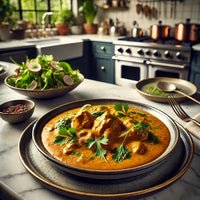
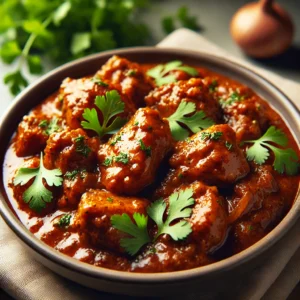
These blends are versatile and can be used in lentils (dal), chicken or beef curries, fish dishes, vegetable stir-fries, rice dishes, pickles, and marinades. Classic recipes include Bangladeshi Chicken Bhuna.
Why is Bangladeshi spice blend different from Indian spice blends?
While both cuisines share common spices, Bangladeshi blends are generally more aromatic, with stronger mustard or radhuni flavors, and often emphasize whole-seed tempering (phoron). Garam masala and panch phoron variations in Bangladesh have a distinct regional taste compared to Indian versions.
Can I use Bangladeshi spice blends in modern cooking?
Absolutely. These blends add depth to soups, stews, stir-fries, marinades, and even roasted vegetables. They work well in fusion cooking while preserving the bold, traditional Bengali flavor.

Impu Irani is the cookbook author behind Leena Spices , where he shares easy homemade spice blend recipes and practical cooking tips. Read more about him at the end of this post.
Bangladeshi Spice Blend: What It Is and Why It’s Essential in Bengali Cooking
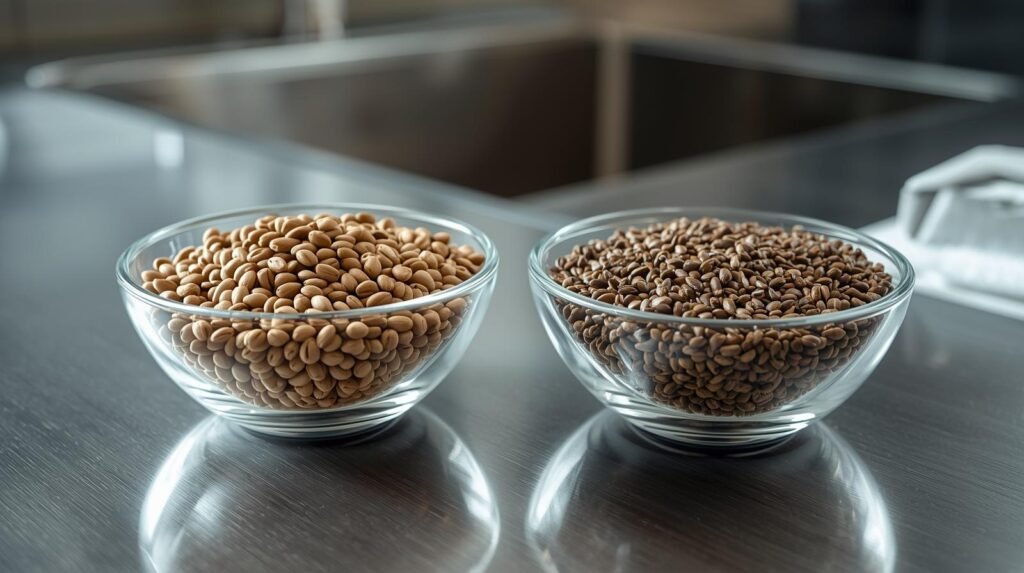
The Bangladeshi spice blend is a traditional mix of whole seeds that forms the backbone of many Bengali dishes. This blend typically includes fennel seeds, cumin seeds, nigella seeds, fenugreek seeds, and black mustard seeds. In some regional versions, radhuni (wild celery seeds) replaces mustard seeds to create a slightly sharper, more herbaceous aroma.
What makes this blend unique is the way it is used. Instead of being ground, the whole seeds are tempered in hot oil a technique known as tadka or phoron. This quick, high-heat tempering releases deep aromas and activates each seed’s natural oils, creating a flavor base that is instantly recognizable in Bangladeshi cuisine.
When tempered, the spice blend delivers a beautifully balanced profile.
When making an authentic Panch Phoron blend, getting the ratios right is essential. One ingredient that often confuses people is the small, dark, angular seed, nigella.
To understand how this powerful spice releases its flavor into hot oil during tempering, take a look at our complete guide on how to cook with nigella seeds
What Are the Key Spices Used in Bangladeshi Spice Blends?
Bangladeshi cuisine offers a wide range of aromatic spices to build depth, warmth, and balance in everyday cooking. While the exact blend varies by region and recipe, the following spices are among the most commonly used in traditional Bangladeshi spice mixes and pantry staples:
Bay Leaf – Adds a subtle, woody aroma to rice dishes, curries, and biryanis.
Black Pepper – Offers heat and sharpness, often used to enhance meat and fish dishes.
Carom (Ajwain) – Provides a strong, thyme-like flavor that supports digestive health and boosts the aroma of fried snacks.
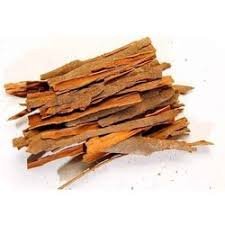
Cassia (Cinnamon Bark) – Contributes a sweet warmth to curries, pulao, and masala bases.
Cilantro (Dhania) Seeds – Adds a citrusy, earthy flavor that brightens curries and lentils.
Coriander Powder – Used for body, fragrance, and mild sweetness in spice mixes.
Cumin Seeds – A foundational spice in Bangladeshi cooking, adding earthy, nutty depth.
Fenugreek Leaves (Kasuri Methi) – Introduces a mellow bitterness and aroma, often used in finishing dishes.
Garam Masala – A fragrant mix of warming spices; Bangladeshi versions tend to be milder and more aromatic than Indian variants.
Garlic Powder – Convenient for seasoning, lending savoriness and depth.
Ginger Powder – Offers warmth and mild heat in dry rubs, curries, and pickles.
Mint – Adds cooling herbal notes that pair well with fish and yogurt dishes.
Black Mustard Seeds – Essential for Bengali-style tempering (phoron), creating bold, nutty aroma when fried in oil.
Onion Powder – Used in modern blends for sweetness and savory richness.
Panch Phoron – The iconic five-seed Bengali blend made from fennel, cumin, mustard, fenugreek, and nigella; central to tempering dals and vegetables.
Paprika – Provides color and mild sweetness, especially in meat and vegetable dishes.
Turmeric – A universal staple for color, earthiness, and anti-inflammatory benefits.
How can I make Bangladeshi spice blends at home?
Homemade Bangladeshi Spice Blend (Full Recipe)
Ingredients
- Bay leaf – 3g
- Black pepper – 2g
- Carom seeds (Ajwain) – 3g
- Cassia (Cinnamon bark) – 5g
- Cilantro seeds – 3g
- Coriander powder – 11g
- Cumin seeds – 5g
- Fenugreek leaves (Kasuri methi) – 3g
- Garam masala – 11g
- Garlic powder – 7g
- Ginger powder – 7g
- Dried mint – 3g
- Black mustard seeds – 5g
- Onion powder – 5g
- Panch phoron – 5g
- Paprika – 11g
- Turmeric powder – 11g
Instructions
- Toast the whole spices for deeper flavor.
Lightly dry-roast the bay leaf, cassia, cumin, cilantro seeds, black mustard seeds, carom seeds, and the panch phoron over low heat. This step releases essential oils and enhances the aroma. - Cool completely.
Let the toasted spices cool before grinding. This prevents moisture buildup and keeps the blend fresh. - Grind the toasted spices.
Use a spice grinder or mortar and pestle. Grind them into a fine or slightly coarse texture depending on your preference. - Combine with the powdered spices.
In a clean bowl, mix the ground spices with the coriander, garam masala, garlic powder, ginger powder, paprika, turmeric, onion powder, dried mint, and fenugreek leaves. - Store properly.
Transfer the blend to an airtight glass jar. Keep it away from heat, moisture, and direct sunlight. When stored well, the blend stays fragrant for up to 6 months.
You can buy Pure and Authentic Bangladeshi Spices From Amazon
You’ll find several reputable brands offering pre-made blends in both small jars and bulk packs.
CLICK HERE

Bangladeshi Chicken Bhuna Recipe (Authentic & Easy)
Ingredients
- 500g chicken pieces
- 1½ teaspoons Bangladeshi spice blend
- Salt to taste
- Red chilli powder to taste
- 4 tablespoons cooking oil
- 3 medium onions, chopped
- 1 medium tomato, finely chopped
- 1 teaspoon roasted cumin seeds
- Juice of half a lemon
- Fresh coriander for garnish
Method
- Fry the onions until golden. Heat oil in a saucepan over medium heat. Add the chopped onions and cook until they turn golden-brown and fragrant.
- Add the chicken. Mix in the chicken pieces and cook for 2–3 minutes until lightly browned.
- Add spices. Season with salt, red chilli powder, and the Bangladeshi spice blend. Fry for 3–4 minutes, allowing the spices to coat the chicken. Add a splash of water if the masala becomes too dry.
- Add tomatoes. Stir in the chopped tomato and cook for about 5 minutes, or until the tomato softens and the oil begins to separate from the masala.
- Cook until tender. Reduce the heat, cover the pan, and let the chicken cook slowly until tender and well-coated with the thick bhuna masala. Add a few tablespoons of water if needed to prevent burning.
- Finish with lemon and cumin. Once the chicken is cooked, stir in the lemon juice and roasted cumin seeds for a fresh, aromatic finish.
- Garnish and serve. Top with chopped coriander and serve hot with rice, roti, naan, or pita.
Tips
- Adding potatoes gives the dish a traditional Bengali touch.
- Mushrooms make a great addition for a richer, earthier flavour.
- For deeper color, add a pinch of paprika or Kashmiri red chilli while frying the spices.
Related Posts You May Want to Read
7 Best Ways to Use Mumbai Spice
How to Make Tandoori Masala at Home With 1 Easy Chicken Recipe
The Ultimate Guide to Garam Masala: How to Use, Make, and Benefit from This Indian Spice Blend
5 Unforgettable Ways to Enjoy Gol Gappa at Home Like a Street Food Pro
what is postpartum spice? Traditional Herbs and Healing Practices After Childbirth
Are Bangladeshi Spice Blends Gluten-Free, Vegan, and Organic?
Bangladeshi spice blends are naturally simple and clean, which makes them suitable for most dietary needs. However, the exact status for gluten-free, vegan, or organic depends on how the spices are processed and where they are sourced.
Gluten-Free
Yes, traditional Bangladeshi spice blends are naturally gluten-free.
They contain only whole seeds and spices such as cumin, fennel, mustard seeds, fenugreek, and nigella. None of these ingredients include wheat, barley, rye, or gluten-containing grains.
However, there are important cautions:
- Commercially pre-ground blends may include anti-caking agents or fillers such as wheat starch.
- Budget spice brands may produce blends in shared facilities, increasing the risk of cross-contamination.
- Homemade blends or certified gluten-free brands are the safest options.
If you have celiac disease or strict gluten sensitivity, always check the label for a gluten-free certification.
Vegan
Yes, pure Bangladeshi spice blends are 100% vegan.
They consist entirely of plant-based ingredients, seeds, dried herbs, and ground spices. Authentic blends contain no animal products, dairy, fat, or preservatives.
Organic
Not automatically.
Spices are not inherently “organic” but their organic status depends entirely on how they were grown, harvested, and processed.
To ensure a Bangladeshi spice blend is organic, look for:
- Certified organic labels
- Reputable suppliers who use verified organic farming practices
- Clear sourcing information from brands
How do I store Bangladeshi spice blends for maximum freshness?
Proper storage is essential for keeping Bangladeshi spice blends. Spices lose their strength quickly when exposed to heat, moisture, and light, so following the right storage practices ensures your blends stay vibrant for months.
Best Storage Method
- Use airtight containers.
Choose airtight glass or stainless-steel jars. These materials protect aroma better than plastic and prevent moisture from seeping in. - Keep spices in a cool, dark, dry place.
Store your blend in a pantry or cupboard away from the stove, oven, and any heat-producing appliances. Direct sunlight or humidity accelerates flavor loss. - Avoid grinding or roasting ahead of time.
Whole seeds retain their aroma far longer than ground spices. Toast or grind only when needed for the freshest flavor. - For hot or humid climates (Bangladesh, Singapore, Malaysia, Fiji, etc.)
You can store whole spice blends in the refrigerator to prevent spoilage. Always use airtight jars to avoid moisture absorption.
Shelf Life of Bangladeshi Spice Blends
- Whole spices: 2–3 years (or 12–18 months in very humid climates)
- Ground blends: 6–12 months at room temperature
- Frozen ground blends: Up to 12+ months
If you grind spices in large batches, freeze them in small airtight portions to extend their life without repeatedly exposing them to air.
Freshness Tips for Maximum Flavor
- Do not store spices above the stove or near windows.
- Never use a wet spoon inside the jar.
- Buy whole spices and grind small amounts as needed.
- Label jars with the purchase or preparation date.
- Buy in small quantities instead of large bulk bags.
- For freshly ground blends, add 1–2 dried bay leaves or a food-safe silica gel pack inside the jar to control moisture.
Signs Your Spice Blend Is No Longer Fresh
- A weak aroma when you open the jar
- Faded or dull color
- Flat or muted flavor when cooked
- The blend smells papery instead of fragrant
If the aroma is barely noticeable, it’s time to replace the blend.
Frequently Asked Questions (FAQs)
Can I use Bangladeshi spice blends for vegetarian cooking?
Yes. Bangladeshi spice blends are entirely plant-based, making them perfect for vegetarian or vegan dishes such as vegetable curries, lentil soups, stir-fried greens, and pickles. The aromatic seeds provide depth and complexity without any animal products.
How do I adjust the heat when using Bangladeshi spice blends?
Adjust heat by controlling the amount of red chili powder in the mix or by lightly toasting the seeds instead of frying them in hot oil. For a milder flavor, reduce chili powder or skip the pungent mustard seeds.
Can I grind Bangladeshi spice blends in advance?
Grounding in advance is possible, but whole seeds preserve flavor longer. To maintain potency, grind only the portion you need for immediate cooking, or store ground spice in airtight jars away from heat and light.
Are Bangladeshi spice blends suitable for modern fusion dishes?
Absolutely. These aromatic blends can enhance soups, roasted vegetables, marinades, pasta sauces, stir-fries, and even grilled meats. They add a rich, traditional flavor that pairs well with both Asian and Western ingredients.
How do I make Bangladeshi spice blends more aromatic when cooking?
For maximum aroma, temper whole seeds in hot oil before adding other ingredients. This technique, called phoron or tadka, releases essential oils, creating a rich, authentic fragrance that defines Bangladeshi cuisine.
How long do Bangladeshi spice blends stay fresh?
Whole blends last 2–3 years, while ground mixes remain potent for 6–12 months at room temperature. Storing in airtight jars in a cool, dark, and dry place is essential. In hot and humid climates, refrigeration can extend shelf life.
Can I substitute Bangladeshi spice blends in Indian recipes?
Yes, they can often replace Indian spice blends, but expect a slightly different flavor profile. Bangladeshi blends are more aromatic, often stronger in mustard or radhuni flavors, and focus on whole-seed tempering.
Can I use Bangladeshi spice blends in baked or roasted dishes?
Yes, they work well in oven-roasted vegetables, baked chicken, roasted nuts, or snack mixes, providing a rich, aromatic, and uniquely Bangladeshi flavor that elevates ordinary recipes.
Medical Disclaimer:
The information provided in this article is for educational and informational purposes only and is not intended as medical advice. Always consult a qualified healthcare provider before starting any new dietary supplement, herbal remedy, or wellness routine, especially if you have underlying health conditions, are pregnant or breastfeeding, or are taking prescription medications.
Impu Irani is a cookbook author behind Leena Spices, where he shares practical, easy-to-follow guides on homemade spice blends, herbs, and natural cooking. His work helps home cooks create fresh, flavorful meals using simple ingredients and traditional methods. Download his free Spice Blending eBook and start your journey to cleaner cooking today!
Disclosure Note
We are committed to creating high-quality, helpful content for our readers. We do not accept payment in exchange for writing our articles, and we personally cover the costs of running this website, including hosting, tools, and maintenance.
To support the site, we display ads and may earn a small commission from affiliate links if you choose to make a purchase—at no extra cost to you.
Your support helps us continue sharing valuable content with the community.
If you’d like to support us, here are a few simple and free ways:
- Share our content with your friends and family
- Engage with us on social media
- Follow us on Facebook
You can also learn more by visiting our disclaimer page:
https://leenaspices.co.nz/disclaimer/
As a thank you, feel free to download our Free Spice Recipe eBook.
Download a Free Leena Spices Recipes Cookbook