Table of Contents
ToggleKey Takeaways
1. What makes Penang Curry Powder “authentic”?
Authentic Penang Curry Powder uses a precise balance of dried red chilies, coriander, cumin, lemongrass, galangal, kaffir lime, garlic, and shallot. The signature flavour comes from the fragrant citrus notes and deep roasted spice aroma that define true Penang-style curry.
2. Can I make Penang Curry Powder at home?
Yes. With the right spices and proper roasting and grinding techniques, you can easily make restaurant-quality Penang Curry Powder at home. Homemade versions are fresher, more aromatic, and free from additives.
3. What are the 7 essential tips for the best homemade Penang Curry Powder?
The top tips include choosing high-quality whole spices, lightly dry-roasting for aroma, grinding while warm, using lemongrass and galangal for authenticity, balancing heat with citrus notes, storing correctly, and adjusting spice ratios to suit your taste.
4. Is homemade Penang Curry Powder better than store-bought?
Absolutely. Homemade blends are more vibrant and potent because the spices are freshly roasted and ground. Store-bought powders lose flavour over time and often contain fillers or anti-caking agents.
5. How spicy is Penang Curry Powder?
Penang Curry Powder is moderately spicy. You can adjust heat levels at home by increasing or reducing dried red chilies. This flexibility is one of the biggest advantages of making your own blend.
6. How do I store homemade Penang Curry Powder for maximum freshness?
Store it in an airtight glass jar, keep it in a cool, dark cupboard, and always use a dry spoon. With proper storage, the blend stays fresh and aromatic for 6–12 months.
7. Can I use homemade Penang Curry Powder in vegan or vegetarian dishes?
Yes, homemade versions are naturally vegan as long as you do not add shrimp powder or belacan. They are perfect for plant-based curries, tofu dishes, stir-fries, soups, and noodles.
8. What dishes can I make with Penang Curry Powder?
You can create Penang curry, coconut-based gravies, stir-fries, marinades, noodle dishes, soups, and roasted vegetables. It’s incredibly versatile across Asia Pacific cooking styles.
9. What is the biggest mistake people make when making Penang Curry Powder?
Over-roasting the spices. This creates a bitter, burnt flavour. Light roasting is enough to activate the essential oils without compromising the aroma.

Impu Irani is the cookbook author behind Leena Spices , where he shares easy homemade spice blend recipes and practical cooking tips. Read more about him at the end of this post.
What Is Penang Curry Powder and How Is It Used?
Penang Curry Powder is a Thai-inspired spice blend created to replicate the rich, creamy, and aromatic profile of Penang (Phanaeng) curry. Unlike standard Thai red curry blends, Penang Curry Powder includes warm spices such as cumin, coriander, cinnamon, and sometimes nutmeg, giving it a sweet-savory depth, medium heat, and a subtle nutty character. It provides the foundational flavour of Penang curry in a convenient dry form, making it ideal for home cooks and busy kitchens across the Asia-Pacific region.
Key Characteristics
Penang Curry Powder is known for:
- A creamy, mildly spicy, slightly sweet flavour profile
- Aromatic notes from lemongrass, kaffir lime, galangal, and warm spices
- A thicker, richer taste than regular red curry
- A milder and more rounded finish than most Indian curry powders
Because it is a dry blend rather than a paste, it delivers a cleaner, more controlled flavour and works especially well when sautéed and bloomed in oil.
How Penang Curry Powder Is Used
Penang Curry Powder is extremely versatile. While it is best known for making Penang curry, it also works beautifully in marinades, stir-fries, soups, noodle dishes, and roast seasonings.
1. Making Penang Curry (Primary Use)
To create a classic Penang curry, the powder is used as the base seasoning:
- Bloom the spice
Sauté 2–4 tablespoons of powder in hot oil for 30–60 seconds until fragrant. - Add aromatics
Stir in shallots, garlic, ginger, or galangal. - Create the curry base
Pour in coconut milk or cream (about 400 ml for 4 servings), or a mix of coconut milk and stock. - Add protein or vegetables
Works well with chicken, beef, lamb, pork, prawns, tofu, or mixed vegetables. - Simmer until thick and creamy
Penang curry is meant to be rich, slightly sweet, and spoon-coating. - Finish with herbs
Garnish with kaffir lime leaves, Thai basil, and sliced red chillies for classic aroma.
Additional Uses in Everyday Cooking
Penang Curry Powder is valued for its flexibility beyond curry dishes:
Dry Rubs and Marinades
- Rub directly onto chicken, pork, or beef before grilling or roasting
- Mix with oil, yogurt, or coconut milk to create a simple marinade
Stir-Fries
- Sprinkle into vegetable or meat stir-fries for quick Thai-style flavour
Soup and Broth Seasoning
- Add to soups, coconut broths, or noodle bowls for a warm, aromatic base
Noodles and Rice Dishes
- Use as a seasoning for fried rice, stir-fried noodles, curry noodles, and rice bowls
Quick Meal Enhancer
- Ideal for flavouring roasted vegetables, tofu, steamed seafood, or slow-cooked dishes
Popular Dishes Made With Penang Curry Powder
This spice blend is the backbone of several well-known dishes, especially across Malaysia, Thailand, and Singapore:
- Penang curry mee (yellow noodles in a rich coconut broth)
- Penang white curry
- Nyonya chicken or prawn curry
- Creamy Panang chicken, beef, or seafood curry
- Quick curry marinades and weeknight stir-fries
It is always used as a dry spice foundation, never as a paste. When fresh ingredients such as lemongrass, ginger, kaffir lime leaves, and coconut milk are added, the flavour becomes layered, aromatic, and authentic.
What Makes Penang Curry Powder Different from Other Thai Curry Powders?
1. Heat Level: Mildest of the Thai Curries
- Penang: Mild to medium heat, with fewer dried chilies
- Red curry: Medium-hot, chili-forward
- Green curry: Hottest, fresh green chilies dominate Penang’s lower heat allows its sweet, warm spices and nutty elements to shine without overwhelming the palate.
2. Texture: Thick, Rich, and Creamy
Penang curry is known for its thick, spoon-coating consistency, achieved by using less liquid and more coconut cream.- Penang curry: Dense, creamy, clings to the meat
- Other Thai curries: Thinner, soupier, more broth-like This richer texture comes partly from peanuts or roasted nuts—an iconic feature not found in most Thai curries.
3. Flavour Profile: Nutty, Aromatic, and Slightly Sweet
Penang Curry Powder has a distinct flavour built on warm spices:- Cumin
- Coriander seed
- Cinnamon
- Star anise
- Cloves These ingredients add depth and sweetness uncommon in Thai red or green curries. The addition of peanuts or a nutty component creates a creamy, rounded flavour with less emphasis on sharp chili heat.
- Red curry: Balanced spicy-savory, more chili-driven
- Green curry: Fresh, herbaceous, bright and fiery
- Yellow curry: Mild, turmeric-led, earthy
4. Key Ingredients: A Fusion of Thai and Malay Traditions
Penang Curry Powder typically highlights:- Dried red chilies (in moderate amounts)
- Lemongrass and galangal
- Roasted peanuts or nutty elements
- Shrimp paste powder (belacan), reflecting Malaysian influence
- Warm spices like cinnamon and cloves Other Thai curry powders rely more heavily on chilies, herbs, and galangal without the nutty or warm-spice emphasis.
5. Coconut Milk vs Coconut Cream
Penang curry traditionally uses coconut cream, giving it a full-bodied richness. Other Thai curries often use:- Regular coconut milk
- More stock or water This difference contributes to Penang curry’s signature thickness and mellow sweetness.
6. Colour and Appearance
- Penang curry: Deep red-orange, sometimes deeper from roasted spices
- Red curry: Bright red
- Green curry: Vibrant green
- Yellow curry: Golden-yellow from turmeric
7. Cultural Influence and Origin
Penang curry reflects a blend of Southern Thai and Malay/Peranakan cooking. This fusion explains:- The nutty profile
- Use of belacan (Malaysian shrimp paste powder)
- A slightly sweeter, richer finish Traditional Thai red and green curries come from Central Thailand, while yellow curry is heavily influenced by Indian spices.
Comparison Table: Penang Curry Powder vs Other Thai Curry Powders
Feature | Penang Curry Powder (Panang) | Thai Red Curry Powder | Thai Green Curry Powder | Thai Yellow Curry Powder |
Heat Level | Mild to medium; fewer chilies | Medium-hot | Hottest; fresh green chilies | Mild to medium |
Texture of Final Dish | Thickest and creamiest; sauce clings to meat | Thinner, saucy | Medium consistency | Thick but less creamy than Penang |
Primary Flavour Profile | Sweet, nutty, warm-spiced, aromatic | Spicy, savory, chili-forward | Fresh, herbaceous, sharp | Mild, earthy, turmeric-forward |
Key Ingredients | Dried chilies, roasted peanuts/nutty elements, belacan powder, coriander, cumin, cinnamon, cloves, lemongrass, galangal | Dried red chilies, lemongrass, galangal, garlic, shallot | Fresh green chilies, basil, coriander root, lemongrass, galangal | Turmeric, cumin, coriander, mild chilies |
Coconut Use | Primarily coconut cream for a dense, rich curry | Regular coconut milk | Coconut milk + herbs | Coconut milk with turmeric |
Aromatic Notes | Nutty, sweet, warm spices; citrus from kaffir lime leaves | Bright chili heat with classic Thai aromatics | Fresh herbs, green chilies, Thai basil | Earthy, mellow, spice-led |
Colour | Deep red-orange | Bright red | Vibrant green | Golden yellow |
Consistency of Base | Dry powder (to be bloomed in oil) | Mostly paste in Thai cuisine | Paste-based | Powder or paste |
Cultural Influence | Malaysian–Peranakan influence (Penang & Southern Thai fusion) | Central Thai | Central Thai | Indian-influenced |
Typical Uses | Penang curry, Nyonya curries, thick meat curries | Red curry, stir-fries, soups | Green curry, stir-fries, noodle broths | Mild curries, chicken curry, kid-friendly dishes |
Defining Characteristic | Thick, creamy, sweet-nutty, coriander-heavy | Fiery, chili-driven | Fresh, bright, herbaceous | Mild, turmeric-rich |
Is Penang Curry Powder Gluten-Free, Vegan, or Organic?
Category | Is Penang Curry Powder Suitable? | What to Check | Notes for Home Cooks & Shoppers |
Gluten-Free | Generally Yes | Check for wheat starch, soy sauce powder, flavour enhancers, or cross-contamination warnings. | Core spices (chili, coriander, cumin, galangal, lemongrass, kaffir lime, cinnamon, mace) are naturally gluten-free. Certified gluten-free labels offer extra assurance. |
Vegan | Often Yes, but depends on brand | Avoid shrimp paste powder, fish powder, anchovy extract, or non-vegan flavour enhancers. | Dry Penang Curry Powders are more likely to be vegan. Traditional Thai Penang pastes usually contain shrimp paste, so powders are the safer option for vegans. |
Organic | Available | Look for official organic certification (e.g., USDA, BioGro, NASAA, Australian Certified Organic). | Many premium spice brands sell organic Penang Curry Powder made from pesticide-free, additive-free herbs and spices. Great for customers seeking clean-label products. |
Where can I buy authentic Penang Curry Powder online?
You can buy Pure and Authentic Penang Curry Powder From Amazon
You’ll find several reputable brands offering pre-made blends in both small jars and bulk packs.
CLICK HERE
What Are the Ingredients in Penang Curry Powder?
Although recipes vary by brand or region, most high-quality Penang blends include a balanced mix of herbs, warm spices, citrus notes, and mild heat.
Typical Ingredients in Penang Curry Powder
- Basil – Adds sweet, herbal notes that brighten the blend.
- Black Pepper – Provides mild heat and earthy sharpness.
- Cilantro (Coriander Leaf/Seed) – Adds citrusy warmth and depth.
- Cinnamon – Gives a sweet, warm spice characteristic of Penang curry’s richness.
- Cloves – Introduces a warm, aromatic sweetness.
- Coriander Seed – A core spice that contributes citrusy and slightly nutty flavour.
- Cumin – Adds earthiness and warmth, rounding out the spice base.
- Galangal (Ground) – Delivers a sharp, peppery, citrus aroma typical of Thai curries.
- Garlic Powder – Adds savoury depth and enhances the overall flavour.
- Kaffir Lime Leaves – Provides bright citrus notes that define Thai-style curries.
- Lemongrass – Contributes fresh, lemony aroma and a signature Southeast Asian flavour.
- Nutmeg – Adds subtle sweetness and warmth, strengthening the blend’s complexity.
- Onion Powder – Enhances body and savouriness.
- Paprika – Adds colour and mild sweetness without overpowering heat.
- Shallots (Dried) – Bring sweet, aromatic depth commonly found in Thai curry bases.
- Turmeric – Adds warm earthiness and golden colour.
How Do You Make Penang Curry Powder From Scratch?
Making Penang Curry Powder at home allows you to control freshness, flavour, and balance. The blend below captures the warm, aromatic, mildly sweet, and slightly citrus profile that defines authentic Penang (Panang) curry. These measurements create a well-rounded spice mix suitable for chicken, beef, seafood, tofu, or vegetable Penang curry.
Ingredients (Exact Measurements)
- Basil – 3 g
- Black Pepper – 1 g
- Cilantro (Coriander Leaf) – 13 g
- Cinnamon – 1 g
- Cloves – 1 g
- Coriander Seed – 8 g
- Cumin Seed – 8 g
- Galangal (Ground) – 9 g
- Garlic Powder – 9 g
- Kaffir Lime Leaves (Dried) – 5 g
- Lemongrass (Dried) – 13 g
- Nutmeg – 1 g
- Onion Powder – 4 g
- Paprika – 8 g
- Shallots (Dried) – 8 g
- Turmeric – 8 g
Step-by-Step Method
1. Toast the Whole Spices (Optional but Recommended)
For deeper aroma and a smoother curry flavour:
- Toast the coriander seeds, cumin seeds, black pepper, cinnamon, and cloves in a dry pan over low heat for 1–2 minutes.
- Remove from heat when fragrant and allow to cool.
2. Grind the Spices
If using whole spices:
- Grind the toasted spices to a fine powder in a spice grinder.
- Combine them with the pre-ground ingredients.
3. Blend Everything Together
In a bowl, mix:
- All ground aromatics (galangal, lemongrass, garlic, shallots, turmeric)
- Warm spices (nutmeg, cinnamon, cloves)
- Colour and flavour enhancers (paprika, coriander, basil, kaffir lime leaves)
Stir until the mixture is completely uniform.
4. Store Properly
- Transfer to an airtight glass jar.
- Keep away from sunlight.
- Use within 6–8 months for peak freshness.
How to Use This Homemade Penang Curry Powder
To cook Penang curry using your blend:
- Bloom the powder: Fry 2–4 tablespoons of the curry powder in 1–2 tablespoons oil.
- Add aromatics (optional): Add fresh garlic, shallots, or ginger if desired.
- Add coconut milk or coconut cream: Stir in 400 ml for a rich, creamy base.
- Add protein or vegetables: Chicken, beef, prawns, tofu, pumpkin, or mixed vegetables.
- Simmer: Cook until thick and fragrant.
- Finish with herbs: Garnish with Thai basil and finely sliced kaffir lime leaves.
This homemade powder produces a creamy, mildly spicy, aromatic Penang curry with balanced warmth, natural sweetness, and signature citrus notes.
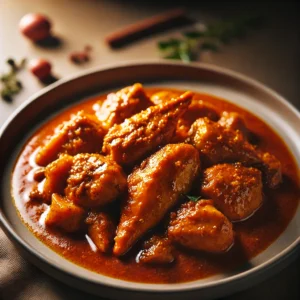
PENANG CHICKEN CURRY RECIPE
Ingredients
500 g boneless chicken breast, cubed
1 ½ tsp Penang curry blend
3 Tbsp cooking oil
400 mL coconut milk
1 tsp palm sugar (optional)
4 Tbsp fish sauce or soy sauce
Salt to taste
Red peppers and fresh basil for garnish
Method
- Mix the Penang curry blend with fish sauce or soy sauce to form a smooth paste.
- Heat the oil in a wok over medium heat.
- Add the curry paste and cook for 5 to 10 minutes until aromatic.
- Pour in the coconut milk and bring the mixture to a boil.
- Add the chicken and cook until tender.
- Add palm sugar and salt. Simmer for another 5 minutes.
- Garnish with red peppers and basil. Serve hot with steamed rice.
Related Posts You May Want to Read
Homemade Thai Seven Spice Mix: Easy Authentic Recipe to Try at Home
How to Make an Authentic Malaysian Spice Blend at Home: From Whole Ingredients to Curry Paste
What is Thai Red Curry Spice Blend?
Homemade vs Store-Bought Thai Yellow Curry Paste: Which RecipeTastes More Authentic?
What Is Curry Powder? 1 Easy Way to Make Authentic Curry Powder at Home
Can Penang Curry Powder be used in vegetarian and vegan Thai recipes?
Yes Penang Curry Powder can be used in vegetarian and vegan Thai recipes, but only if the blend is fully plant-based.
Many commercial Penang curry powders contain belacan (shrimp paste) or other seafood-derived ingredients, which makes them not suitable for vegans or vegetarians. Always read the label carefully.
When Penang Curry Powder Is Vegan
A Penang curry powder is vegan if it contains only dried spices such as:
- Dried red chillies
- Coriander seed
- Cumin
- Lemongrass
- Galangal
- Garlic
- Onion/shallot
- Kaffir lime
When It’s Not Vegan
If the blend includes:
- Shrimp powder
- Fish powder
- Belacan
How to Use Vegan Penang Curry Powder in Thai Recipes
Penang curry powder can replace Thai curry pastes if you adjust the amounts.
Swap Ratio
1 tbsp Thai curry paste ≈ 1½–2 tbsp vegan Penang curry powder
Add ½ tsp lemongrass powder or a little fresh lemongrass/galangal for a more authentic Thai fragrance.
Vegan Umami Replacements (for Fish Sauce/Shrimp Paste)
Use one or a mix of:
- Soy sauce or tamari
- Vegan fish sauce
- Miso (white or dark)
- Dried shiitake powder
- Seaweed (nori, kombu)
- Mushroom seasoning
Best Vegan Proteins & Veggies for Penang Curry
Penang curry’s rich, creamy, nutty flavour pairs well with:
Proteins
- Firm or fried tofu
- Tempeh
- Seitan
- Chickpeas
- Mushrooms (shiitake, oyster, button)
- Young jackfruit
Vegetables
- Eggplant
- Cauliflower
- Sweet potato
- Bell peppers
- Broccoli
- Carrots
- Bamboo shoots
- Green beans
Great Vegan/Vegetarian Dishes Using Penang Curry Powder
- Vegan Penang tofu curry
- Vegetable Penang curry
- Penang tempeh stir-fry
- Penang noodles
- Penang coconut soup
- Roasted cauliflower with Penang seasoning

How Do You Store Penang Curry Powder for Maximum Freshness?
Storing Penang Curry Powder correctly helps preserve its aroma, colour, and flavour-rich essential oils. Like all spice blends, it must be protected from four main enemies: heat, light, air, and moisture.
1. Use the Right Container
- Store the powder in an airtight glass jar or a tight-sealing metal tin.
- Avoid long-term storage in plastic containers, which absorb oils and allow slow air penetration.
- If purchased in bulk, divide into small, airtight portions or vacuum-seal.
Optional: Add a food-safe desiccant packet or 1–2 dried bay leaves to discourage moisture and insects especially in humid climates.
2. Store in a Cool, Dark, Dry Location
- Keep the jar in a pantry or cupboard, away from:
- Sunlight
- The stove
- The oven
- The dishwasher
- Any heat-producing appliance
- Ideal storage temperature: 15–21°C (60–70°F).
Avoid refrigeration (causes condensation) and do not freeze unless storing long-term, as freezing dulls the aroma over time.
3. Prevent Moisture Contamination
- Always use a dry, clean spoon.
- Never shake or sprinkle the spice directly over a steaming pot, as rising steam introduces moisture and leads to clumping or mould.
4. Label and Track Freshness
Write the purchase or opening date on the jar.
This helps you monitor how long the spice has been stored.
5. Shelf Life Guide
- Unopened & stored properly: 2–3 years (but flavour is strong in the first year).
- Opened, in airtight jar: 6–12 months best flavour.
- Left in the original open packet: only 3–4 months before aroma fades.
Remember: Penang Curry Powder won’t “spoil” like fresh food, but it loses potency as the oils degrade.
6. Signs of Fresh vs. Expired Powder
Fresh Penang Curry Powder:
- Strong, unmistakable fragrance
- Vibrant reddish-brown colour
- Free-flowing texture
Expired or Unsafe:
- Weak or dull aroma
- Faded colour
- Moist clumps
- Musty smell
- Visible mould → discard immediately
Smell test: If the aroma is noticeably weak, it’s time to replace it.
FAQs: Authentic Penang Curry Powder
What ingredients are traditionally used in Penang Curry Powder?
Traditional Penang Curry Powder includes dried red chilies, coriander seeds, cumin, fennel, lemongrass, galangal, kaffir lime peel, garlic, and shallots. Some commercial versions add shrimp powder, so always check labels.
Do I need special equipment to make Penang Curry Powder at home?
You only need a dry skillet for roasting and a spice grinder or high-powered blender. A fine sieve is helpful for removing coarse bits and ensuring a smooth, consistent powder.
Can Penang Curry Powder be used as a substitute for curry paste?
Yes, with slight adjustments. Add a splash of oil, coconut milk, or water to turn the powder into a paste-like consistency. For stronger aroma, include fresh lemongrass or kaffir lime leaves.
Why does my Penang Curry Powder taste bitter?
Bitterness usually comes from over-roasting spices or burning chilies. Roast spices gently on low heat until fragrant.
Is Penang Curry Powder gluten-free?
Yes. Pure spice blends are naturally gluten-free. However, some packaged brands may include fillers or anti-caking agents, so check the ingredient list if you have gluten sensitivities.
My Penang Curry Powder lost its aroma. Can I revive it?
If the powder is not stale, gently dry-roast it for 30 seconds on low heat before cooking. This can bring back some aroma, but very old spices cannot be fully restored.
What’s the best ratio of Penang Curry Powder to coconut milk?
Depending on your taste, most dishes are balanced with 1–2 tablespoons of Penang Curry Powder per 400ml of coconut milk.
Medical Disclaimer:
The information provided in this article is for educational and informational purposes only and is not intended as medical advice. Always consult a qualified healthcare provider before starting any new dietary supplement, herbal remedy, or wellness routine, especially if you have underlying health conditions, are pregnant or breastfeeding, or are taking prescription medications.
Impu Irani is a cookbook author behind Leena Spices, where he shares practical, easy-to-follow guides on homemade spice blends, herbs, and natural cooking. His work helps home cooks create fresh, flavorful meals using simple ingredients and traditional methods. Download his free Spice Blending eBook and start your journey to cleaner cooking today!
Disclosure Note
We are committed to creating high-quality, helpful content for our readers. We do not accept payment in exchange for writing our articles, and we personally cover the costs of running this website, including hosting, tools, and maintenance.
To support the site, we display ads and may earn a small commission from affiliate links if you choose to make a purchase—at no extra cost to you.
Your support helps us continue sharing valuable content with the community.
If you’d like to support us, here are a few simple and free ways:
- Share our content with your friends and family
- Engage with us on social media
- Follow us on Facebook
You can also learn more by visiting our disclaimer page:
https://leenaspices.co.nz/disclaimer/
As a thank you, feel free to download our Free Spice Recipe eBook.
Download a Free Leena Spices Recipes Cookbook