Table of Contents
ToggleKey Takeaways
What is Sichuan (Szechuan) pepper?
Sichuan pepper, also called Chinese prickly ash, comes from the dried husks of Zanthoxylum plants native to China. It is not a true pepper, but a spice known for its citrusy aroma, earthy depth, and unique numbing “má” sensation caused by hydroxy-alpha-sanshool.
How does Sichuan pepper taste?
It delivers bright citrusy notes (lemon, lime, orange peel), floral/pine hints, and a tingling, electric numbing sensation on the tongue and lips. Unlike chili, it is not hot and its “spice” comes from sensation, not capsaicin.
Is Sichuan pepper safe for daily use?
Yes, it is safe in typical culinary amounts (0.5–3 g per meal).Effects are temporary, and it has been used in Sichuan diets and traditional medicine for centuries. Excessive intake may cause mild digestive irritation.
What are the main varieties of Sichuan pepper?
- Red Sichuan Pepper (Hóng Huājiāo): Dark red, woody, floral, stronger, lingering numbing; used in stir-fries, braises, hot pots.
- Green Sichuan Pepper (Qīng Huājiāo): Bright green, citrusy, sharper numbing; ideal for seafood, salads, and light dishes.
Can black pepper replace Sichuan pepper?
No. Black pepper provides heat only (piperine) and lacks the citrusy flavor and numbing sensation. Better alternatives include green Sichuan pepper, Japanese sansho, or Tasmanian pepper, but none fully replicate authentic málà flavor.
Does Sichuan pepper have health or digestive benefits?
Yes. It can stimulate saliva and gastric juices, promote digestive enzymes, reduce bloating and gas, and support beneficial gut bacteria, according to preliminary studies and traditional Chinese medicine.
How do you use Sichuan pepper in cooking?
- Toast before use to release aroma
- Remove black seeds for smooth flavor
- Grind fresh before cooking
- Use small amounts (¼–½ teaspoon per dish)
- Pair with red or green pepper depending on the dish
- Infuse in oil for stir-fries, hot pots, noodles, and dumplings
Why is Sichuan pepper essential in Sichuan cuisine?
It is the foundation of the málà flavor profile, balancing chili heat with its tingling, aromatic, and citrusy characteristics, and is used in classic dishes like mapo tofu, kung pao chicken, hot pots, and chili oils.
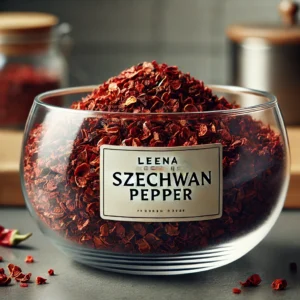

Impu Irani is the cookbook author behind Leena Spices , where he shares easy homemade spice blend recipes and practical cooking tips. Read more about him at the end of this post.
What Is Szechuan (Sichuan) Pepper?
Szechuan pepper also known as Sichuan pepper or Chinese prickly ash comes from the dried outer husks of plants in the Zanthoxylum genus, which are native to China. Despite the name, it is not a true peppercorn and is not related to black or white pepper.
What makes Szechuan pepper truly unique is its three-part sensory profile:
- A bright citrus aroma
- A warm, earthy depth
- And a distinctive tingling, numbing sensation on the tongue and lips
This numbing effect is caused by a natural compound called hydroxy-alpha-sanshool, which stimulates touch receptors in the mouth and creates the famous buzzing “má” sensation. Unlike chili heat, this feeling is not a burn. It is a vibrating, electric tingle that heightens flavor perception.
Why Szechuan Pepper Is Essential in Sichuan Cooking
Szechuan pepper is a cornerstone of authentic Sichuan cuisine and the defining element of the iconic málà flavor profile, the famous interplay of numbing (má) and chili heat (là). This contrast between electric tingling and fiery spice is what gives Sichuan food its bold, addictive character.
How It’s Commonly Used in Cooking
- Stir-fries: Adds zesty fragrance and numbing lift to classics like mapo tofu and kung pao-style dishes
- Hot pot: Infuses the broth with deep citrus aroma and long-lasting tingling warmth
- Noodles and rice dishes: Sprinkled directly or stirred into sauces for layered flavor
- Szechuan pepper oil: The spice is infused into hot oil and drizzled over dumplings, noodles, vegetables, and stir-fries for a powerful aromatic finish
Is Sichuan pepper the same as Szechuan pepper?
Yes Sichuan pepper and Szechuan pepper are the exact same spice. The difference is purely in spelling, not in the ingredient itself.
Why Are There Two Spellings?
The two names come from different systems of romanizing Chinese:
- Sichuan is the modern, official Pinyin spelling used internationally today.
- Szechuan comes from the older Wade–Giles system, which is still seen in older cookbooks, restaurant menus, and Western food packaging.
Both spellings refer to the same Chinese province 四川, where the spice originates.
What Does Sichuan Pepper Taste Like?
Sichuan pepper has a bright, citrus-forward flavor with floral and pine-like undertones, often compared to lemon peel, orange zest, and fresh forest aromas. What truly sets it apart, however, is not the heat but its signature numbing, tingling sensation known as “má” in Chinese cuisine.
This unique mouthfeel is caused by a natural compound called hydroxy-alpha-sanshool, which triggers a buzzing, vibrating, almost electric sensation on the tongue and lips.
What Causes the Tingling and Numbing Sensation in Sichuan Pepper?
The unmistakable tingling, buzzing, and numbing effect of Sichuan pepper is known as “má” in Chinese cuisine and is caused by a natural bioactive compound called hydroxy-α-sanshool. This compound is found in the outer husk of the pepper, not the seed.
How It Works Inside the Mouth
Unlike chili heat, which activates pain receptors through capsaicin, hydroxy-α-sanshool works on the body’s touch-sensing system:
- It activates mechanoreceptors in the lips, tongue, and oral lining
- These receptors normally detect touch and vibration, not heat
- It also stimulates the trigeminal nerve, which controls facial sensation
- The result is a rapid vibrating signal (about 10–80 Hz) interpreted by the brain as:
- Tingling
- Buzzing
- Light numbness
- A mild “electric” sensation
This is why Sichuan pepper feels like carbonation or a soft electrical hum, rather than a burning spice. The effect is purely neurological and temporary, usually lasting only a few minutes.
Is Sichuan Pepper Safe for Daily Use?
Possible Side Effects (Only with Excessive Intake)
Extremely large quantities especially when eaten raw may cause:- Temporary mouth over-numbness
- Mild stomach irritation
- Digestive discomfort in sensitive individuals
- Rare allergic reactions
Special Precautions
People who should consult a healthcare provider before frequent use include:- Pregnant women
- Individuals on blood-thinning medications
- Those with known spice hypersensitivity
What's the difference between red and green Sichuan pepper, and which is best for beginners?
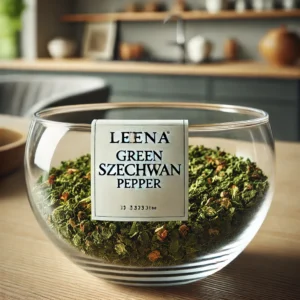
Red vs Green Sichuan Pepper: Key Differences You Should Know
Red and green Sichuan peppercorns come from different species within the Zanthoxylum genus, and while both produce the famous má (numbing) sensation, their flavor, aroma, and culinary roles are very different. Understanding this distinction helps you choose the right one for each dish.Red Sichuan Pepper (Hóng Huājiāo – Zanthoxylum bungeanum)
Flavor & Aroma
Red Sichuan pepper delivers a warm, deep, and layered profile with:- Subtle citrus
- Floral notes (rose-like)
- Light woodiness
- Hints of orange peel and dried spice
Numbing Sensation (Má)
- Stronger and slower-building
- Lingering buzz that lasts longer on the tongue
- Feels round, full-bodied, and warming
Appearance
- Dark red–brown husks
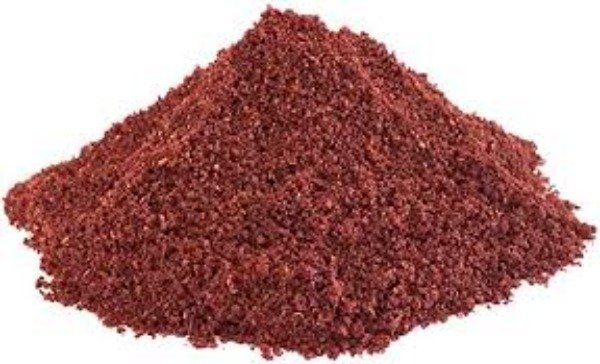
- Powder turns reddish-brown
Best Culinary Uses
Red Sichuan pepper is the classic, traditional choice used in:- Mapo tofu
- Kung pao chicken
- Dandan noodles
- Sichuan hot pot
- Chili oil
- Braised and slow-cooked dishes
- Rich, dark sauces
Role in Cooking
This is the foundation of traditional málà cooking ideal when you want depth, warmth, and long-lasting numbing power.Green Sichuan Pepper (Qīng Huājiāo – Zanthoxylum armatum)
Flavor & Aroma
Green Sichuan pepper is bright, fresh, and sharply aromatic, with:- Intense lemon and lime zest notes
- Grassiness
- Floral freshness
- Pine-like brightness
Numbing Sensation (Má)
- Quicker, sharper onset
- Feels sparkling, electric, and clean
- Fades faster than red
Appearance
- Vibrant green husks
- Powder stays bright green
Best Culinary Uses
Green Sichuan pepper shines in lighter, fresher dishes, including:- Seafood
- Cold salads
- Clear soups
- Stir-fries with vegetables
- Dipping oils
- Fish and shellfish dishes
Role in Cooking
It adds lift, freshness, and quick electric buzz, without the heaviness of red pepper.Harvest Difference
- Red Sichuan pepper is harvested fully ripened
- Green Sichuan pepper is harvested young and unripe
- Aroma intensity
- Citrus sharpness
- Numbing character
- Color and freshness perception
Which Is Best for Beginners?
There are two practical approaches, depending on your goal:✅ Choose Red Sichuan Pepper if you want:
- The classic Sichuan flavor experience
- Better compatibility with most traditional recipes
- A mellow, balanced málà profile
- Greater versatility in sauces and cooked dishes
✅ Choose Green Sichuan Pepper if you want:
- Brighter citrus flavor
- A cleaner, lighter numbing effect
- Better performance in seafood and fresh dishes
- Easier control in small amounts
Red vs Green Sichuan Pepper: Clear Side-by-Side Comparison
Feature | Red Sichuan Pepper (Hóng Huājiāo) | Green Sichuan Pepper (Qīng Huājiāo) |
Botanical Type | Zanthoxylum bungeanum | Zanthoxylum armatum |
Harvest Stage | Fully ripened | Young and unripe |
Colour (Whole) | Dark red to red-brown | Bright fresh green |
Colour (Ground) | Reddish-brown powder | Bright green powder |
Aroma | Warm, floral, woody, slightly smoky | Fresh, lemony, piney, grassy |
Flavor Profile | Deep, rounded, citrus with orange-peel notes | Sharp, bright, lime-like citrus |
Numbing Strength (Má) | Strong, slow-building, long-lasting | Fast, sharp, sparkling, fades quicker |
Sensory Effect | Warm, full-bodied mouth buzz | Clean, electric, crisp tingling |
Common Culinary Uses | Mapo tofu, kung pao chicken, dandan noodles, hot pot, chili oil, braised dishes | Seafood, fish, cold salads, clear soups, light stir-fries, dipping oils |
Role in Cooking | Builds depth, warmth, and classic málà flavor | Adds freshness, lift, and citrus brightness |
Intensity Level | Deeper and more robust | Lighter, sharper, more aromatic |
Best For Beginners | ✅ Best for learning traditional Sichuan flavor | ✅ Best for fresh, light cooking styles |
Overall Cooking Style | Hearty, rich, spicy-numbing dishes | Clean, fresh, citrus-forward dishes |
Where to buy pure Sichuan Pepper online?
You can buy Pure and Authentic Sichuan Pepper From Amazon
You’ll find several reputable brands offering pre-made blends in both small jars and bulk packs.
CLICK HERE
Can You Substitute Sichuan Pepper with Black Pepper?
No, black pepper cannot truly substitute Sichuan pepper. While both are called “pepper,” they are chemically, sensorially, and culinarily different spices. Swapping one for the other will fundamentally change the flavor and experience of the dish.
Why Black Pepper Is Not a Real Substitute
The key difference lies in what creates the sensation:
- Black pepper gets its sharp heat from piperine
→ Produces burning pungency only - Sichuan pepper creates sensation through hydroxy-alpha-sanshool
→ Produces citrusy aroma + tingling, buzzing numbness (má)
There is no overlap in mouthfeel:
- Black pepper = heat only
- Sichuan pepper = citrus + numbing + vibration
- Black pepper contains zero numbing compounds
Flavor Comparison at a Glance
- Black pepper: earthy, bold, woody, sharp heat
- Sichuan pepper: citrusy, floral, piney, aromatic, electrically numbing
Using black pepper alone removes the entire málà identity from a Sichuan dish.
If Sichuan Pepper Is Unavailable: Best Partial Alternatives
While no true substitute exists, you can approximate parts of the flavor (but never the tingling) using these options:
Best Flavor Compromise (No Numbness)
- Black pepper + ground coriander + lemon zest
→ Use a 3:1 ratio of black pepper to coriander, plus a pinch of zest
→ This mimics heat + citrus, but not the numbing effect
Closer Sensory Substitutes (With Numbing)
These are far better than black pepper alone:
- Japanese sansho powder – closest match, nearly identical numbness
- Green Sichuan pepper – if red is unavailable
- Tasmanian pepper – berry heat + mild numbing
- Pink peppercorn + lemon zest + tiny chili pinch – flavor mimic only
Related Posts You May Want to Read
What is Red Capsicum? Nutrition Cooking Tips and Difference From Bell Peppers
6 Ways Black Pepper Can Transform Your Cooking Instantly
7 Best Ways Aleppo Pepper Can Transform Your Cooking
🔹 How to Make Homemade Lemon Pepper Seasoning from Scratch Fresh, Zesty, and Easy to Make
Is Sichuan pepper good for digestion?
Does Sichuan Pepper Support Digestion?
Yes, Sichuan pepper can support healthy digestion when used in normal culinary amounts. Its digestive benefits come from a combination of nerve stimulation, enzyme activation, gut motility support, and traditional medicinal use backed by emerging research.This spice has been used for centuries in Traditional Chinese Medicine (TCM) specifically to aid sluggish digestion, relieve bloating, and warm the digestive system.How Sichuan Pepper Aids Digestion
1. Stimulates Saliva and Gastric Juices
Sichuan pepper naturally stimulates saliva and stomach acid production, which helps:- Break down food more efficiently
- Improve nutrient absorption
- Reduce feelings of heaviness after meals
2. Promotes Digestive Enzyme Activity
The active compounds in Sichuan pepper encourage the release of digestive enzymes, supporting:- Faster digestion
- Reduced food stagnation
- Less post-meal discomfort
3. Reduces Gas, Bloating, and Spasms
Sichuan pepper has carminative properties, meaning it helps:- Relieve trapped gas
- Reduce bloating
- Ease mild intestinal spasms
4. Supports Gut Motility
Sanshool compounds in Sichuan pepper have been shown in studies to:- Increase gentle gut movement
- Help prevent sluggish digestion
- Support regular bowel function
5. May Support a Healthy Gut Microbiome (Animal Studies)
Preliminary animal research suggests that Sichuan pepper may:- Increase beneficial gut bacteria such as Bifidobacterium and Lactobacillus
- Reduce harmful strains linked to inflammation and poor digestion
- Lower inflammatory activity in the digestive tract
6. Natural Antimicrobial and Anti-Inflammatory Action
Sichuan pepper contains compounds with:- Mild antibacterial effects against common food pathogens
- Antioxidant activity that may reduce digestive inflammation
- Potential suppression of bacteria associated with gastritis and foodborne illness
Traditional Chinese Medicine Perspective
In TCM, Sichuan pepper (Hua Jiao / Chuan Jiao) is classified as a “warming” digestive herb that is traditionally used to:- Warm the “middle jiao” (digestive center)
- Dispel internal cold
- Relieve abdominal pain
- Reduce bloating and sluggish digestion
- Ease nausea, vomiting, and cold-related diarrhea
How Much Is Effective?
For digestive support through food:- Ground Sichuan pepper: ¼ to ½ teaspoon per dish
- Whole peppercorns: Used lightly in oils, stir-fries, and broths
- Typical safe daily range in cooking: 1–3 grams per dish
Safety Notes
Sichuan pepper is safe for regular culinary use, but excessive intake may cause:- Temporary stomach irritation
- Strong mouth numbness
- Digestive discomfort in sensitive individuals
- Pregnant women
- Those on blood-thinning medication
- Individuals with known spice sensitivities
How to Use Sichuan Pepper in Cooking (The Right Way)
1. Always Toast Before Using
Raw Sichuan pepper tastes flat and can feel harsh. Light toasting activates its citrus aroma and softens bitterness.How to toast:- Heat a dry pan on low–medium
- Add whole Sichuan peppercorns
- Shake the pan continuously for 30–60 seconds
- Stop when they become fragrant (do not let them darken)
- Releases essential oils
- Enhances lemon–floral notes
- Produces smoother, cleaner numbing
- Prevents bitterness
2. Remove the Bitter Black Seeds
Only the outer husk contains flavor and numbing compounds. The small black seed inside is gritty and bitter.After toasting:- Crush lightly
- Sift or pick out the black seeds This step alone dramatically improves taste quality.
3. Grind Fresh for Maximum Potency
Sichuan pepper loses aroma quickly once ground.Best practice:- Toast → cool → grind right before cooking
- Use a spice grinder or mortar and pestle
- Store whole, not ground
- Stronger citrus aroma
- Cleaner electric tingling
- Better control of intensity
4. How Much to Use
This spice is powerful. Start small.General guideline:- ¼ teaspoon ground for 2–3 servings
- ½ teaspoon for bold málà dishes
5. When to Add It During Cooking
Add at the start:- Deeper infusion
- Long-lasting numbing
- Best for braises, stews, chili oil, hot pot
- Bright, fresh citrus aroma
- Quick electric buzz
- Best for stir-fries, seafood, cold dishes, salads
6. Best Cooking Applications
Sichuan pepper works best in these styles of cooking:Classic Sichuan dishes:- Mapo tofu
- Kung pao chicken
- Dandan noodles
- Dry-fried green beans
- Chongqing hot pot
- Chili oil and infused oils
- Roasted vegetables
- Fried chicken coatings
- Seafood stir-fries
- Noodles and dumpling sauces
- Chocolate desserts (micro-dose)
- Citrus marinades
- Tomato-based sauces
7. Using It as Infused Oil (One of the Best Methods)
Sichuan pepper oil gives you controlled flavor without direct grit.Quick method:- Heat neutral oil (not smoking)
- Add toasted Sichuan pepper
- Infuse 3–5 minutes
- Strain and store
- Drizzling
- Stir-fries
- Dumpling sauces
- Noodle bowls
8. What Not to Do
Common mistakes that ruin results:- Using old pre-ground powder
- Skipping toasting
- Leaving bitter black seeds in
- Using too much at once
- Treating it like black pepper
Frequently Asked Questions About Sichuan Pepper
What is the difference between red and green Sichuan pepper?
Red Sichuan pepper (Hóng Huājiāo) is darker, woodsy, floral, and has a stronger, lingering numbing effect which is perfect for braises, stir-fries, and hot pots. Green Sichuan pepper (Qīng Huājiāo) is bright, citrusy, and has a sharper, quicker tingling effect, ideal for seafood, cold dishes, and light sauces.
How do you store Sichuan pepper to retain its aroma?
Store whole peppercorns in an airtight container in a cool, dark place. Avoid pre-ground powder for long-term storage, as the flavor and numbing effect fade quickly. Toast and grind fresh when needed.
Can I use Sichuan pepper in Western dishes?
Absolutely! Its citrusy aroma and numbing sensation complement roasted vegetables, grilled meats, noodles, marinades, and even desserts. Start with small amounts to balance the flavor and sensory effect.
How much Sichuan pepper should I use in a recipe?
Typically, use ¼ to ½ teaspoon of ground pepper per 2–3 servings, or ½–1 teaspoon of whole peppercorns for infusing oil. Adjust gradually to taste, as the numbing effect intensifies quickly.
What is the best way to make Sichuan pepper oil?
Heat a neutral oil (like vegetable or canola), add toasted Sichuan peppercorns, and infuse for 3–5 minutes on low heat. Strain the oil to remove husks. Use it for stir-fries, dumplings, noodles, and sauces to add aromatic flavor and mild tingling sensation.
Does Sichuan pepper pair well with chili peppers?
Yes! Pairing it with chili creates the signature málà flavor of Sichuan cuisine, combining numbing tingling (má) with spicy heat (là). This pairing is classic in mapo tofu, hot pots, and chili oils.
Can children eat dishes with Sichuan pepper?
In small amounts, yes. The numbing sensation is mild and temporary, but it can be intense for young children. Start with very small doses if introducing it for the first time.
Are there substitutes for Sichuan pepper if I can’t find it?
True substitutes don’t exist, but partial alternatives include: Japanese sansho powder (closest match), green Sichuan pepper, Tasmanian pepper, or a mix of black pepper with lemon zest and coriander. These replicate some flavor or aroma but cannot reproduce the numbing sensation fully.
What are the health benefits of Sichuan pepper?
It may aid digestion, stimulate saliva and gastric juices, reduce bloating, and support beneficial gut bacteria, according to traditional Chinese medicine and preliminary research. It also contains antimicrobial compounds and antioxidants that may support overall gut health.
Is Sichuan pepper safe to use daily?
Yes, in normal culinary amounts (1–3 grams per dish). It has been consumed for centuries in Sichuan diets. Excessive intake may cause temporary mouth numbness or mild digestive discomfort, and sensitive individuals or pregnant women should consult a healthcare provider if concerned.
Medical Disclaimer:
The information provided in this article is for educational and informational purposes only and is not intended as medical advice. Always consult a qualified healthcare provider before starting any new dietary supplement, herbal remedy, or wellness routine, especially if you have underlying health conditions, are pregnant or breastfeeding, or are taking prescription medications.
Impu Irani is a cookbook author behind Leena Spices, where he shares practical, easy-to-follow guides on homemade spice blends, herbs, and natural cooking. His work helps home cooks create fresh, flavorful meals using simple ingredients and traditional methods. Download his free Spice Blending eBook and start your journey to cleaner cooking today!
Disclosure Note
We are committed to creating high-quality, helpful content for our readers. We do not accept payment in exchange for writing our articles, and we personally cover the costs of running this website, including hosting, tools, and maintenance.
To support the site, we display ads and may earn a small commission from affiliate links if you choose to make a purchase—at no extra cost to you.
Your support helps us continue sharing valuable content with the community.
If you’d like to support us, here are a few simple and free ways:
- Share our content with your friends and family
- Engage with us on social media
- Follow us on Facebook
You can also learn more by visiting our disclaimer page:
https://leenaspices.co.nz/disclaimer/
As a thank you, feel free to download our Free Spice Recipe eBook.
Download a Free Leena Spices Recipes Cookbook