Table of Contents
ToggleHow to Make Rose Harissa Seasoning: Authentic Method with Exact Ingredient Ratios
If you have ever tried a dish made with premium Rose Harissa, you will know it stands apart from typical chili blends. It is not just about heat but about depth and balance. Smoky North African chilies provide warmth and richness, while dried rose petals bring a subtle floral note that softens and elevates the entire blend.
The real craft of a great spice mix lies not only in the ingredients, but in how they’re balanced. Even small shifts in proportion can change everything. Too much cumin can overwhelm the delicate floral tones, while too much chili can drown out the gentle sweetness that makes rose harissa so distinctive.
In this guide, we are sharing a carefully refined artisanal formula to help you create your own dry Rose Harissa at home. Tried and tested with Leena Spices, it delivers a harmonious blend of smoky, spicy, earthy, and floral flavors in every spoonful.

Impu Irani is a cookbook author behind Leena Spices, where he shares practical, easy-to-follow guides on homemade spice blends, herbs, and natural cooking. His work helps home cooks create fresh, flavorful meals using simple ingredients and traditional methods. Download his free Spice Blending eBook and start your journey to cleaner cooking today!
Disclosure Note
We are committed to creating high-quality, helpful content for our readers. We do not accept payment in exchange for writing our articles, and we personally cover the costs of running this website, including hosting, tools, and maintenance.
Your support helps us continue sharing valuable content with the community.
If you would like to support us, here are a few simple and free ways:
- Share our content with your friends and family
- Engage with us on social media
- Follow us on Facebook
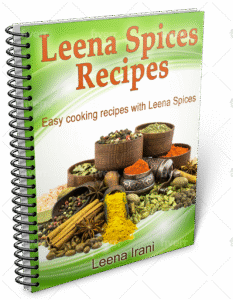
As a thank you, we would love for you to enjoy our FREE Homemade Spice Recipe eBook. Download your complimentary copy and start creating fresh, flavorful spice blends in your own kitchen!
Key Takeaways: Rose Harissa Seasoning
Key Takeaways: Rose Harissa at a Glance
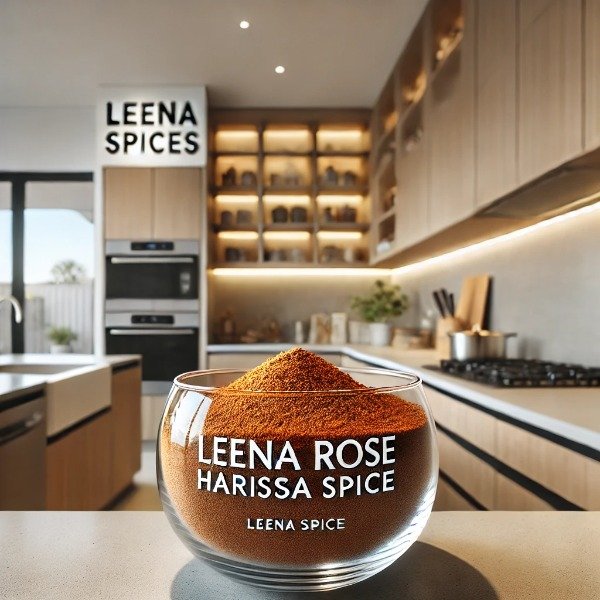
The Master Rose Harissa Formulation (Measured by Weight)
Why Measuring by Weight Matters
When it comes to creating a perfectly balanced spice blend, precision makes all the difference. Whole spices such as cumin and caraway can vary greatly in volume depending on their size, shape, and how finely they are ground. A tablespoon of one batch may not contain the same amount of spice as another.
By measuring each ingredient by weight in grams, you can recreate the same authentic Rose Harissa flavor every time. This ensures that the smoky chilies, floral rose petals, earthy spices, and aromatic herbs remain in perfect harmony.
Our Balanced Rose Harissa Spice Formula
Ingredient | Weight | Purpose |
Smoked Paprika | 20g | Adds rich smokiness and the signature red color |
Dried Rose Petals | 20g | Provides the delicate floral aroma and balances heat |
Onion Powder | 15g | Adds sweetness and savory depth |
Cumin Seeds | 14g | Creates earthy warmth and a strong spice foundation |
Caraway Seeds | 10g | Brings a traditional North African anise-like note |
Garlic Powder | 10g | Adds bold savory richness |
Red Bell Pepper Powder | 5g | Enhances color with mild fruity sweetness |
Coriander Seeds | 5g | Adds bright citrusy freshness |
Dried Lemon Powder | 1g | Gives a final touch of acidity and brightness |
Total Blend Weight: 101g
This carefully balanced formula creates a Rose Harissa blend with layers of perfect flavor of smoky, floral, earthy, savory, and gently tangy. Each ingredient has a purpose, working together to create a spice blend that is far more complex and memorable than a simple chili mixture.
Discover more inspiration in our authentic homemade recipes collection.
Leena Spices Master Batch Ratios
Whether you are making a small test jar or doubling your kitchen supply, use these precise weight formulations to keep the perfect balance of heat and floral notes.
| Spice Component | Half Batch (50.5g) | Standard Batch (101g) | Double Batch (202g) |
|---|---|---|---|
| Smoked Paprika | 10.0 g / 0.35 oz | 20.0 g / 0.71 oz | 40.0 g / 1.41 oz |
| Dried Rose Petals | 10.0 g / 0.35 oz | 20.0 g / 0.71 oz | 40.0 g / 1.41 oz |
| Onion Powder | 7.5 g / 0.26 oz | 15.0 g / 0.53 oz | 30.0 g / 1.06 oz |
| Cumin Seeds | 7.0 g / 0.25 oz | 14.0 g / 0.49 oz | 28.0 g / 0.99 oz |
| Caraway Seeds | 5.0 g / 0.18 oz | 10.0 g / 0.35 oz | 20.0 g / 0.71 oz |
| Garlic Powder | 5.0 g / 0.18 oz | 10.0 g / 0.35 oz | 20.0 g / 0.71 oz |
| Red Bell Pepper Powder | 2.5 g / 0.09 oz | 5.0 g / 0.18 oz | 10.0 g / 0.35 oz |
| Coriander Seeds | 2.5 g / 0.09 oz | 5.0 g / 0.18 oz | 10.0 g / 0.35 oz |
| Dried Lemon Powder | 0.5 g / 0.02 oz | 1.0 g / 0.04 oz | 2.0 g / 0.07 oz |
How to Blend Your Rose Harissa Seasoning
Follow this precise culinary process to release the maximum aroma from your whole spices while protecting the delicate fragrance of the rose petals.
Toast the Base Spices ⏱ 2-3 mins | Low Heat
Add your whole Cumin Seeds (14g), Caraway Seeds (10g), and Coriander Seeds (5g) to a completely dry skillet over low heat. Shake the pan continuously. Stop the exact moment you smell a rich, warm aroma—over-toasting these specific seeds will introduce a bitter note that ruins the entire batch.
Cool and Fine-Grind ⏱ Spice Grinder or Mortar
Immediately remove the toasted seeds from the hot pan and let them cool completely on a small plate. Once cool, transfer them to a clean spice grinder. Grind at high speed until they transform into a uniform, fine powder foundation.
Incorporate Powders & Aromatics ⏱ Blending Phase
In a ceramic mixing bowl, combine your freshly ground seed base with the remaining dry ingredients: Smoked Paprika (20g), Onion Powder (15g), Garlic Powder (10g), Red Bell Pepper Powder (5g), and Dried Lemon Powder (1g). Whisk thoroughly until the color is deep red and completely uniform.
The Final Floral Touch ⏱ Artisan Finish
Gently crush your Dried Rose Petals (20g) between your palms so they form small flakes, then fold them delicately into the spice mix. Sift the final blend if you prefer an ultra-fine texture, or leave the delicate rose flakes visible for a premium, artisanal look. Store immediately in an airtight Leena Spices jar away from direct sunlight.
3 Quick Ways to Use Your Fresh Rose Harissa Tonight
Don’t let your fresh blend sit forgotten in the pantry. This versatile mix strikes an incredible balance between warmth and floral sweetness that works beautifully across everyday home cooking:
The 10-Minute Yogurt Marinade
Whisk 1 tbsp of your dry Rose Harissa with 3 tbsp of thick Greek yogurt, a squeeze of fresh lemon juice, and a pinch of salt. It makes a spectacular, tenderizing marinade for chicken skewers, lamb chops, or grilled tofu.
Vibrant Roasted Vegetables
Toss cubed sweet potatoes, carrots, and parsnips generously in olive oil and 2 tsp of Rose Harissa. Roast at 200°C (390°F) until caramelized. The subtle sugars in the rose petals and onion powder create an incredible aromatic crust.
Instant Table Condiment (Paste)
Mix 2 tbsp of the blend with 1 tbsp of warm water to wake up the dry aromatics. Let it bloom for 2 minutes, then swirl in high-quality extra virgin olive oil until smooth. Use it as a premium spread for flatbreads or a flavor base for rich stews.
Love blending your own seasonings? Master the art completely.
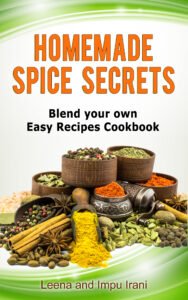
If you enjoyed crafting this Rose Harissa, you will love diving deeper. In our comprehensive cookbook, “Homemade Spice Secrets” by Impu Leena Irani, we pull back the curtain on legendary regional blends. Discover perfect ratios, flavor-pairing science, and secret techniques to transform ordinary dinners into extraordinary culinary experiences.
What is the Difference Between Rose Harissa and Regular Harissa?
Rose Harissa vs. Regular Harissa: What is the Difference?
While both blends share traditional North African roots, they deliver completely different flavor experiences in the kitchen. Here is how they stack up side-by-side:
| Feature | Regular Harissa | Rose Harissa |
|---|---|---|
| Defining Ingredient | Chilies, garlic, cumin, caraway, olive oil. | Traditional base plus dried rose petals or rosewater. |
| Flavor Profile | Fiery, intensely smoky, earthy, and pungent. | Aromatic, complex, subtly sweet, and floral. |
| Heat Level | Hot, direct, and aggressive burn. | Mellow, balanced, slow-building warmth. |
| Best Cooking Use | Bold stews, heavy soups, and fiery marinades. | Modern Middle Eastern cooking, vegetable roasts, and delicate fusion sauces. |
Is Rose Harissa Gluten-Free and Vegan?
In most cases, yes, rose harissa is generally both gluten-free and vegan. However, as with any packaged spice blend or paste, it is important to check the label for specific ingredients and manufacturing practices.
Gluten-Free Status
Traditional rose harissa is naturally gluten-free. Its core ingredients like chili peppers, garlic, spices such as cumin and coriander, oil, and dried rose petals or rosewater contain no gluten.
The main concerns come from:
• Added thickeners or fillers in some commercial pastes
• Cross-contamination in facilities that also process wheat products
Reputable brands often state “gluten-free” on the packaging, but certification is the safest indicator for those with coeliac disease or severe gluten sensitivity.
Vegan Status
Rose harissa is typically vegan. It is made from plant-based ingredients: chilies, spices, salt, oil, and rose components.
The only exceptions occur when:
• A brand adds honey for sweetness
• A blend includes flavour enhancers or processed ingredients that may not be vegan
• The product is made in a facility that handles non-vegan ingredients
If you love getting the most flavor and value from premium ingredients like vanilla, cinnamon, and exotic cardamoms, we’ve gathered our best kitchen secrets into our collection of eBooks. From foolproof weeknight curries to artisan baking foundations, explore our digital shelf and discover recipes, techniques, and tips designed to help you cook with confidence.
Explore Our eBooks Collection →Frequently Asked Questions (FAQs) About Rose Harissa Seasoning
Can I substitute rose harissa for regular harissa in recipes?
Yes, but you will notice a profile shift. Regular harissa delivers a sharp, direct heat. Rose harissa introduces a complex, subtle sweetness and an aromatic floral finish. If substituting regular harissa for rose harissa, you can add a tiny drop of pure rosewater and a pinch of sugar to mimic the profile.
How do I store rose harissa seasoning to preserve its aroma and freshness?
Store rose harissa in an airtight container in a cool, dark place away from heat, sunlight, and moisture. Dry spice blends typically last 6–12 months, while oil-based pastes should be refrigerated and used within 2–3 months for optimal flavour.
Can I turn this dry spice blend into a wet harissa paste?
Absolutely. To make a rich paste, mix 2 tablespoons of your dry Leena seasoning mix with 1 tablespoon of warm water. Let it rest for 2 minutes to allow the dry aromatics and crushed rose flakes to hydrate, then stir in high-quality extra virgin olive oil until it reaches a smooth, thick paste consistency.
Where can I find culinary dried rose petals?
Ensure you buy 100% organic, food-grade culinary rose petals (often found in tea shops or Middle Eastern grocers). Never use ornamental rose petals from florist shops, as they are typically treated with chemical
Which dishes pair best with rose harissa?
Rose harissa pairs well with grilled meats, roasted vegetables, couscous, rice, soups, stews, and marinades. Its floral-spicy flavour also complements fusion and modern Asian-inspired recipes, adding depth without overwhelming heat.
What makes rose harissa different in flavour from other North African spice blends?
The addition of rose petals or rosewater gives rose harissa a subtle floral aroma and mild sweetness that balances the chilli heat. This distinguishes it from regular harissa, ras el hanout, or berbere, which are more intense, earthy, or smoky.
How do I adjust the heat level of rose harissa in recipes?
To reduce heat, use less chili or mix the spice with yogurt, oil, or coconut milk. For more heat, add extra smoked paprika, chili flakes, or fresh chili when preparing a paste or seasoning blend.
Impu Irani is a cookbook author behind Leena Spices, where he shares practical, easy-to-follow guides on homemade spice blends, herbs, and natural cooking. His work helps home cooks create fresh, flavorful meals using simple ingredients and traditional methods. Download his free Spice Blending eBook and start your journey to cleaner cooking today!
Disclosure Note
We are committed to creating high-quality, helpful content for our readers. We do not accept payment in exchange for writing our articles, and we personally cover the costs of running this website, including hosting, tools, and maintenance.
To support the site, we display ads and may earn a small commission from affiliate links if you choose to make a purchase—at no extra cost to you.
Your support helps us continue sharing valuable content with the community.
If you’d like to support us, here are a few simple and free ways:
- Share our content with your friends and family
- Engage with us on social media
- Follow us on Facebook
You can also learn more by visiting our disclaimer page:
https://leenaspices.co.nz/disclaimer/
As a thank you, feel free to download our Free Spice Recipe eBook.
Download a Free Leena Spices Recipes Cookbook