How to Make Ras el Hanout at Home: Authentic Measurements, Full Ingredients & Tips
Table of Contents
- Introduction
- Key Takeaways: Ras el Hanout
- What Is Ras el Hanout Spice Blend?
- What Does Ras el Hanout Taste Like?
- Is Ras el Hanout Spicy or Hot?
- Where Can I buy Authentic Ras el Hanout?
- What Are the Ingredients in Ras el Hanout?
- How Do You Make Ras el Hanout at Home?
- What Dishes Can I Make With Ras el Hanout?
- How Long Does Ras el Hanout Last?
- Frequently Asked Questions (FAQs)
Introduction
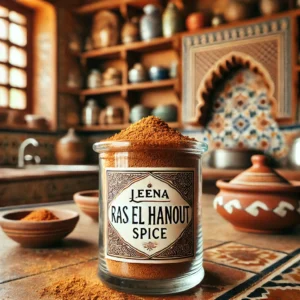
Ras el Hanout, is a Moroccan spice blend also known as the “head of the shop.” It is a wonderful seasoning to spice up your cooking. Bursting with warm, aromatic, and slightly floral flavors, this versatile blend transforms everyday dishes into rich, flavorful experiences. From traditional tagines and couscous to roasted vegetables, grilled meats, and even desserts, Ras el Hanout adds depth, complexity, and a touch of North African magic to your kitchen.
Key Takeaways: Ras el Hanout
What is Ras el Hanout?
Ras el Hanout is a complex Moroccan spice blend, translating to “head of the shop,” meaning the finest spices a merchant has to offer. It combines warm, earthy, sweet, and floral notes for tagines, meats, vegetables, and rice dishes. Each blend is unique, with 10 to 30+ spices.
What does Ras el Hanout taste like?
It has a warm, aromatic, and slightly sweet flavor with earthy cumin and coriander, floral hints from rose or lavender, and mild peppery heat. The profile is complex but not fiery, making it versatile for savory and even some sweet dishes.
Is Ras el Hanout spicy or hot?
Ras el Hanout is generally mild. It provides gentle warmth from black pepper or a touch of cayenne, but the blend emphasizes fragrance, warmth, and complexity rather than strong heat.
What are the main ingredients in Ras el Hanout?
Typical ingredients include allspice, black and white pepper, green cardamom, cinnamon, cloves, coriander, cumin, fennel, ginger, mace, nutmeg, paprika, and turmeric. Some blends may also include rose petals, lavender, or grains of paradise.
How do you make Ras el Hanout at home?
Toast any whole spices lightly, grind them finely, then mix with powdered spices in exact measurements. Store in an airtight jar away from heat and sunlight.
What dishes can I make with Ras el Hanout?
Moroccan tagines (lamb, chicken, or vegetable), couscous, rice pilafs, roasted meats, seafood, lentil soups, roasted vegetables, chickpea dishes, hummus, spiced nuts, yogurt marinades, flatbreads, and even desserts like spiced fruit compotes or cookies.
How long does Ras el Hanout last?
Store-bought blends last 6–12 months after opening; homemade blends peak in flavour for 3–6 months and remain usable up to 12 months. Whole spices last 2–3 years. Signs of staleness include faded color, weak aroma, or a dusty smell.
How should I store Ras el Hanout for maximum freshness?
Keep in an airtight jar in a cool, dark, and dry place, away from sunlight, heat, or moisture. Avoid storing near the stove or above boiling pots to preserve essential oils, aroma, and flavor intensity.
Can Ras el Hanout be used in fusion or non-traditional dishes?
Absolutely. Beyond Moroccan cuisine, it enhances rice bowls, stir-fries, roasted vegetables, grilled meats, hummus, yogurt dips, and even spiced desserts like chocolate truffles or fruit compotes.
Why should I make Ras el Hanout at home instead of buying it?
Homemade Ras el Hanout ensures freshness, authentic aroma, full control over spice ratios, and no fillers or additives. It also allows you to customize sweetness, floral notes, and heat to your taste.
What Is Ras el Hanout Spice Blend?
Ras el Hanout is a signature Moroccan spice blend known for its deep aroma, warm complexity, and richly layered flavor profile. The name translates from Arabic to “head of the shop” or “top shelf,” meaning it traditionally represents the best spices a merchant could offer.
What makes Ras el Hanout unique is that no two recipes are ever the same. Each spice merchant, family, or region creates its own custom blend, often combining anywhere from 10 to over 30 different spices. This makes it one of the most diverse and versatile blends in North African cooking.
At its core, Ras el Hanout delivers:
- Warmth from cinnamon, ginger, and nutmeg
- Earthiness from cumin, coriander, and turmeric
- Aromatics and sweetness from cardamom, allspice, or mace
- Floral or exotic notes like rose petals, lavender, or grains of paradise
- A mild, soothing heat from pepper or chili (in some versions)
This blend is commonly used in tagines, grilled meats, couscous, rice dishes, roasted vegetables, marinades, and hearty stews. Its rich aroma transforms everyday ingredients into deeply flavorful Moroccan-style dishes.
Whether you buy it or make your own, Ras el Hanout stands as one of the world’s most iconic Middle Eastern–North African spice blends, prized for its depth, balance, and unmistakable fragrance.
Watch the Video
⚡️The Ultimate Keto Meal Plan⚡️
What Does Ras el Hanout Taste Like?
Ras el Hanout has a warm, aromatic, and deeply layered flavor that makes it one of the most distinctive spice blends in Moroccan and North African cooking. Its taste is complex rather than spicy, offering a harmonious balance of sweet, earthy, floral, and lightly peppery notes.
Here is what you can expect from its flavor profile:
• Warm and aromatic foundation
Spices like cinnamon, cardamom, nutmeg, ginger, and turmeric give the blend its signature warmth and cozy depth. These sweet-warming spices often stand out first on the palate.
• Earthy, savory backbone
Cumin and coriander provide grounding, earthy undertones that balance the sweetness and make Ras el Hanout perfect for hearty dishes like tagines, roasted vegetables, and braised meats.
• Subtle floral sweetness
Many premium blends include rose petals, lavender, or mace. These add a gentle floral lift and a touch of natural sweetness that set Ras el Hanout apart from blends like garam masala or curry powder.
• Mild peppery heat
While it’s not a “hot” spice mix, you may notice a soft warmth from black pepper, long pepper, or a tiny hint of cayenne. The heat is subtle designed to enhance the aroma, not overpower it.
• Overall taste experience
Ras el Hanout is fragrant, rounded, and sophisticated, with a flavor profile that is sweet-savory, slightly floral, lightly woody, and never overwhelmingly spicy. Its complexity comes from the harmony of dozens of spices, making each version distinct but always aromatic and balanced.
Is Ras el Hanout Spicy or Hot?
No, Ras el Hanout is not typically spicy or hot. It is known for its warm, aromatic complexity, not for fiery heat. While some blends include a touch of black pepper, white pepper, or a pinch of cayenne, the heat level stays very mild.
Where Can I buy Authentic Ras el Hanout?
You can buy Pure and Best Ras el Hanout Spice Blend From Amazon
You’ll find several reputable brands offering pre-made blends in both small jars and bulk packs.
CLICK HERE
What Are the Ingredients in Ras el Hanout?
Ras el Hanout is known for its complexity, and while every Moroccan family or spice merchant has their own signature blend, most versions include a mix of warm, earthy, sweet, floral, and mildly peppery spices. Your ingredient list already contains the essentials found in many high-quality blends.
Here are the common ingredients in Ras el Hanout and what each one contributes:
• Allspice
Adds gentle sweetness with notes of clove, cinnamon, and nutmeg in a single spice.
• Black Pepper
Provides mild heat and a peppery brightness that lifts the entire blend.
• Green Cardamom
Brings a sweet, floral, slightly citrusy aroma—key for authentic Moroccan depth.
• Cinnamon
One of the signature warming spices; adds sweetness, warmth, and complexity.
• Cloves
Potent and aromatic, contributing a warm, spicy sweetness.
• Coriander
Adds earthy citrus notes and helps balance stronger spices.
• Cumin
Provides an earthy, savory backbone essential to North African cooking.
• Fennel
Adds soft sweetness and a subtle licorice note that enhances aroma.
• Ginger Powder
Gives gentle heat and warmth without making the blend spicy.
• Mace
A sweet-spicy floral note similar to nutmeg, but lighter and more aromatic.
• Nutmeg
Adds warm sweetness and depth, boosting the blend’s complexity.
• Paprika
Provides mild sweetness, a touch of warmth, and vibrant color.
• Turmeric
Adds earthiness and a golden hue—important for visual appeal.
• White Pepper
Offers a sharper, cleaner heat compared to black pepper; enhances warmth without overpowering.
Optional additions found in some blends
Many traditional Ras el Hanout recipes may also include rose petals, lavender, grains of paradise, star anise, long pepper, or dried ginger root. These variations are what make each blend unique.
How Do You Make Ras el Hanout at Home?
How to Make Authentic Ras el Hanout at Home with 14 Ingredients
Making Ras el Hanout at home is the best way to enjoy its authentic, aromatic complexity. This ingredient list already creates a beautifully balanced Moroccan-style blend with warmth, earthiness, floral notes, and gentle peppery heat.
Ingredients (Exact Measurements)
Use the following spices in their ground form unless noted otherwise:
- Allspice – 7 g
- Black Pepper – 1 g
- Green Cardamom – 12 g
- Cinnamon – 7 g
- Cloves – 3 g
- Coriander – 7 g
- Cumin – 7 g
- Fennel – 4 g
- Ginger Powder – 12 g
- Mace – 10 g
- Nutmeg – 11 g
- Paprika – 11 g
- Turmeric – 7 g
- White Pepper – 1 g
Step-by-Step Instructions
- Toast the whole spices (optional but highly recommended)
If any of your spices are whole such as cardamom pods, cloves, cinnamon pieces, allspice berries, cumin seeds, coriander seeds, or fennel seeds, toast them lightly in a dry pan for 1 to 2 minutes until fragrant.
This step intensifies aroma and adds natural depth. - Grind into a fine powder
Allow the spices to cool completely, then grind them using a spice grinder, mortar and pestle, or a high-powered blender.
The finer the powder, the smoother and more balanced your Ras el Hanout will taste. - Combine all spices
Transfer the ground spices into a bowl. Add the remaining powdered spices like ginger, mace, nutmeg, paprika, and turmeric. - Mix thoroughly
Stir until the blend is completely uniform in color and texture.
Ras el Hanout relies on harmony, so even mixing is important. - Store for maximum freshness
Place the spice blend in an airtight glass jar and keep it away from heat, sunlight, and moisture.
Homemade blends stay fresh for up to 6 months, though the aroma is strongest in the first 8–10 weeks.
Tips for the Best Homemade Ras el Hanout
- Use fresh spices — older spices make the blend flat rather than aromatic.
- Adjust sweetness or heat — add more nutmeg or cinnamon for sweetness, extra black/white pepper for heat.
- Make it floral (optional) — add a pinch of dried rose petals or lavender for a classic Moroccan “perfumed” note.
- Double the batch — this blend stores well and is versatile for meats, vegetables, couscous, and soups.
What Dishes Can I Make With Ras el Hanout?
Best Ways to Use Ras el Hanout at Home
Ras el Hanout is one of the most versatile spice blends in your pantry, bringing warmth, aroma, and depth to a wide range of dishes. Here are some of the best ways to use it:1. Traditional Moroccan Dishes
- Tagines Ras el Hanout is perfect for lamb, chicken, beef, or vegetable tagines. It shines in slow-cooked dishes with sweet accents like apricots, prunes, dates, sultanas, or preserved lemon, creating layers of rich, aromatic flavor.
- Couscous Transform simple couscous into a fragrant North African classic by seasoning it with Ras el Hanout. Works well with vegetable, lamb, or seven-vegetable couscous dishes.
- Kefta (Moroccan Meatballs) Mix Ras el Hanout into minced lamb or beef to make aromatic, flavorful Moroccan meatballs that stand out in stews or grilled preparations.
- Bastilla / Pastilla This spiced pie often made with pigeon or chicken and almonds gets its signature depth and complexity from a generous sprinkle of Ras el Hanout.
- Mrouzia (Sweet Moroccan Lamb) A honey-based lamb dish where the warm, sweet spices of Ras el Hanout perfectly complement the richness of slow-cooked meat, creating an unforgettable flavor experience.
2. Using Ras el Hanout with Proteins
Ras el Hanout isn’t just for Moroccan tagines but also a versatile spice blend that elevates any protein with its warm, aromatic, and slightly floral flavor. Here’s how to use it:- Roast Chicken or Spatchcock Chicken Rub the chicken with olive oil, lemon, and Ras el Hanout to create a deeply aromatic, flavorful crust that permeates the meat during roasting.
- Lamb Chops, Leg, or Shoulder Use Ras el Hanout as a dry rub or add it to slow-cooked stews for rich, savory depth and a subtle, warming spice note.
- Beef, Turkey, or Duck Perfect for slow roasting, braising, or kebabs, Ras el Hanout adds a complex flavor layer without overwhelming the natural taste of the meat.
- Fish and Seafood Enhance grilled fish, prawns, or chermoula-style seafood marinades with Ras el Hanout for a fragrant, exotic twist.
- Tofu and Plant-Based Proteins Bring depth and warmth to pan-fried, baked, or stir-fried tofu, tempeh, or plant-based protein dishes, making them more savory and aromatic.
3. Using Ras el Hanout with Vegetables and Plant-Based Dishes
Ras el Hanout is perfect for adding warmth and depth to vegetables, legumes, and plant-based meals. Its aromatic profile transforms simple ingredients into bold, flavorful dishes.- Roasted Vegetables Sprinkle Ras el Hanout over carrots, sweet potatoes, pumpkin, cauliflower, potatoes, parsnips, zucchini, or bell peppers before roasting. The spices create a rich, fragrant crust that enhances natural sweetness and adds a subtle exotic twist.
- Chickpea Dishes Use Ras el Hanout in chickpea stews, tagines, or roasted chickpeas for a savory, aromatic flavor that complements legumes beautifully.
- Lentil Soups or Stews Add Ras el Hanout to red, brown, or green lentil soups to give them layered warmth, earthy depth, and subtle sweetness, elevating everyday soups into Moroccan-inspired comfort meals.
- Salads Boost the flavor of carrot salads, roasted vegetable salads, or couscous salads by tossing them with Ras el Hanout and a drizzle of olive oil. It adds a fragrant, lightly spiced note without overpowering fresh ingredients.
4. Using Ras el Hanout with Grains
Ras el Hanout is perfect for turning simple grains into fragrant, flavorful dishes that pair beautifully with vegetables, proteins, or legumes.- Rice Pilafs Add Ras el Hanout to plain rice to create a warm, aromatic pilaf. The blend infuses each grain with subtle sweetness, earthy notes, and a hint of floral fragrance.
- Quinoa Bowls Season quinoa with Ras el Hanout and mix with roasted vegetables, nuts, or legumes. It transforms everyday bowls into nutritious, Moroccan-inspired meals bursting with flavor.
- Bulgur or Pearl Couscous Sprinkle Ras el Hanout over bulgur or pearl couscous for lunches, bowls, or meal prep, giving each bite a fragrant, savory-spiced note that complements a wide range of toppings.
5. Using Ras el Hanout in Dips, Snacks, and Small Bites
Ras el Hanout isn’t just for main dishes. It can elevate dips, snacks, and quick bites with its warm, aromatic, and slightly sweet flavor.- Hummus or Baba Ganoush Stir Ras el Hanout directly into your dip or sprinkle on top before serving to add a subtle, fragrant Moroccan twist.
- Spiced Nuts Toss almonds, cashews, or mixed nuts with olive oil and Ras el Hanout, then roast for crispy, aromatic, and irresistible snacks.
- Popcorn Sprinkle the spice blend over freshly popped popcorn for a warm, sweet-savory coating that turns movie night into a gourmet experience.
- Roasted Chickpea Snacks Coat chickpeas in Ras el Hanout and roast until crispy. These protein-packed, aromatic snacks are perfect for snacking or topping salads.
- Spiced Yogurt Dips or Marinades Mix Ras el Hanout into yogurt for creamy dips or use it in marinades for grilled meats, vegetables, or kebabs. The spice adds depth, warmth, and exotic flair to simple dishes.
Fusion & Modern Uses of Ras el Hanout
- Shakshuka Give the classic tomato-and-egg dish a Moroccan twist by adding Ras el Hanout. It enhances the sauce with complex, fragrant spices.
- Flatbreads or Pizzas Sprinkle Ras el Hanout on dough, sauces, or roasted vegetables for aromatic, exotic flavor in flatbreads, naan, or homemade pizzas.
- Stir-Fries Incorporate Ras el Hanout into vegetable stir-fries, fried rice, or tofu bowls. It elevates simple weeknight meals with warm, fragrant layers of flavor.
- Fries & Wedges Toss sweet potato fries, pumpkin fries, or potato wedges with Ras el Hanout before roasting for aromatic, golden, and lightly spiced snacks.
7. Using Ras el Hanout in Desserts and Beverages
Ras el Hanout’s warm, aromatic, and slightly sweet profile isn’t just for savory dishes. It can enhance desserts and drinks with a subtle Moroccan flair.- Spiced Coffee or Tea A small pinch of Ras el Hanout adds depth, warmth, and fragrant spice to your morning coffee or afternoon tea.
- Moroccan Cookies (Ghoriba) In almond-based Moroccan cookies, the spice blend creates a delicate, aromatic flavor that elevates traditional baked treats.
- Fruit Desserts Use Ras el Hanout in poached pears, baked apples, or spiced fruit compotes for warm, exotic notes that complement natural sweetness.
- Chocolate Truffles Mix into dark chocolate truffles to add a mysterious warmth and depth, turning classic confections into gourmet delights.
- Rice Pudding Stir Ras el Hanout into rice pudding for a comforting, aromatic twist that transforms this simple dessert into a Moroccan-inspired treat.
How Long Does Ras el Hanout Last?
Ras el Hanout doesn’t “expire” in a way that makes it unsafe, but like all ground spices, it gradually loses its aroma, colour, and flavour potency as the essential oils break down. How long it lasts depends on whether it is homemade or commercially packaged.
Homemade Ras el Hanout
- Peak Flavor: 3–6 months after grinding, when the spices are most aromatic and vibrant.
- Best Quality: Up to 12 months if stored properly, though the intensity gradually fades over time.
- Tip: Freshly ground spices lose potency faster than pre-ground commercial blends, so homemade Ras el Hanout is best enjoyed within a year.
Storage Recommendations:
Keep in an airtight container in a cool, dark, and dry place, away from heat and sunlight, to preserve its essential oils and fragrance.
Store-Bought / Commercial Ras el Hanout
Commercial Ras el Hanout blends generally last longer than homemade versions, thanks to pre-ground processing and sealed packaging.
- Unopened Jar: 18–24 months, depending on the manufacturer’s “best before” date.
- After Opening: 6–12 months, retaining full aroma, color, and flavor if stored correctly.
Storage Tip:
Always store Ras el Hanout in a cool, dark, and dry place, away from heat, sunlight, and moisture. Keep the lid tightly sealed to preserve its aromatic oils and maintain peak freshness and flavor.
Whole spices (before grinding)
Whole spices used to make Ras el Hanout have a longer shelf life than ground blends:
- Longevity: 2 to 3 years when stored properly in airtight containers, away from heat, sunlight, and moisture.
- Tip: Grinding whole spices exposes the essential oils to air, which significantly shortens their shelf life. For maximum freshness, grind spices just before use.
How to Tell If Ras el Hanout Has Gone Stale
- Weak or No Aroma: The spices should smell vibrant and fragrant when the jar is opened.
- Faded or Dull Color: Bright orange or reddish tones turning brownish indicate loss of potency.
- Stale, Dusty, or Musty Smell: A flat scent means the essential oils have diminished.
- Clumps: Moisture entering the container can cause clumping, reducing freshness.
Using stale Ras el Hanout won’t make dishes unsafe, but the flavor will be flat, weak, and lacking the signature warmth and aroma.
Related Posts You May Want to Read
How to Make Moroccan Spice Blends at Home: Recipes, Tips & Uses
How to Make Rose Harissa Seasoning: Authentic Method with Exact Ingredient Ratios
How to Make Mild Mitmita at Home: Authentic Ethiopian Spice Blend
Discover Marrakesh Spice Blend: The Authentic Moroccan Flavor Every Home Cook Needs

Frequently Asked Questions (FAQs)
Can Ras el Hanout be used as a substitute for curry powder or garam masala?
Yes. While Ras el Hanout is more aromatic and floral than curry powder and sweeter and less fiery than garam masala, it can substitute in tagines, stews, roasted vegetables, and meat rubs. Adjust heat or sweetness according to taste.
Is Ras el Hanout gluten-free and vegan-friendly?
Absolutely. Pure Ras el Hanout contains only spices, making it naturally gluten-free, vegan, and vegetarian-friendly. Check commercial blends for fillers, anti-caking agents, or cross-contamination if you have allergies.
Can I make Ras el Hanout with only powdered spices?
Yes. While toasting whole spices enhances aroma, you can use all powdered spices for convenience. The flavour will still be rich, though slightly less complex than a blend made with freshly toasted whole spices.
How much Ras el Hanout should I use in cooking?
Generally, 1–2 teaspoons per 500 g (1 lb) of meat or vegetables works well. Adjust according to your taste and the dish. It is aromatic and flavorful, so start small and add more if needed.
Can Ras el Hanout be frozen to extend shelf life?
Freezing is not recommended for long-term storage. Exposure to condensation during freezing and thawing can degrade the spice oils. Store in airtight containers in a cool, dark place instead for best results.
Does Ras el Hanout work in desserts or sweet dishes?
Yes. Its warm, sweet, and slightly floral notes pair beautifully with poached fruits, spiced cookies, rice pudding, and even chocolate truffles. Use sparingly to enhance rather than overpower sweetness.
How do I know if Ras el Hanout is fresh?
Fresh Ras el Hanout has vibrant color, strong aroma, and distinct spice layers. A faded color, weak scent, or musty smell indicates it has lost potency, even if it is still safe to consume.
Can I customize the heat level in Ras el Hanout?
Yes. Adjust black pepper, white pepper, or cayenne to taste. Traditional blends are mild, but a small tweak can create medium or hot versions without losing the blend’s aromatic balance.
Are there regional variations of Ras el Hanout?
Yes. Moroccan Ras el Hanout varies by city, family, and spice merchant. Some include rose petals, lavender, or grains of paradise, while others focus on earthy and warm spices like cumin, cinnamon, and turmeric.
What dishes are best for beginners using Ras el Hanout?
Start with Moroccan chicken or lamb tagines, roasted vegetables, couscous, rice pilafs, or lentil soups. These dishes highlight the spice’s aroma without requiring complex techniques.