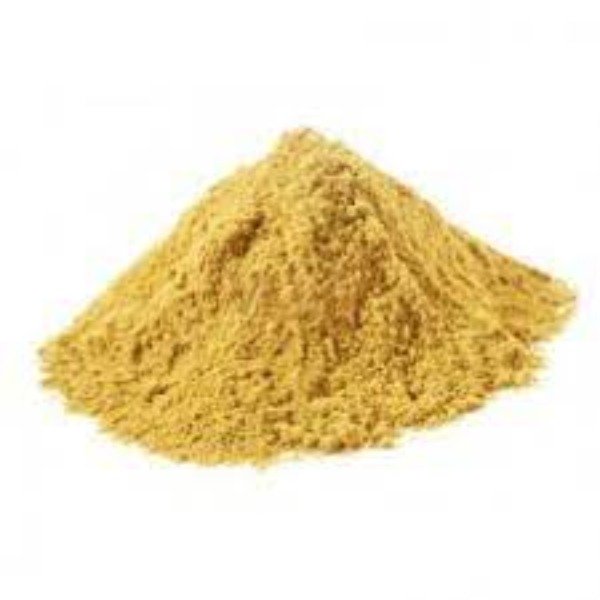
What Is Tagine Spice and How to Make Your Own Budget-Friendly Blend at Home
Table of Contents
- Key Takeaways
- What spices are typically included in Tagine seasoning mix?
- How to make homemade Tagine spice blend from scratch?
- Is Tagine spice seasoning blend vegan, gluten-free, or organic?
- Where to buy authentic Tagine spice blends online?
- What Is the Authentic Recipe for Tagine Spice Seasoning Blend?
- How to Use Tagine Spice Blend Beyond Traditional Tagines
- Quick Reference Chart for Everyday Cooking
- Can Tagine Spice Blend Be Used for Meats, Vegetables, and Rice Dishes?
- How long does Tagine spice blend stay fresh and how to store it properly?
- Frequently Asked Questions (FAQs)
Key Takeaways: Tagine Spice Blend
What is Tagine spice blend?
Tagine spice blend is a warm, aromatic North African seasoning made from spices like coriander, cumin, paprika, cinnamon, ginger, turmeric, cardamom, and cloves. It adds depth and flavor to slow-cooked tagines, grilled meats, roasted vegetables, and rice dishes.
Is Tagine spice blend vegan, gluten-free, and organic?
Yes, traditional Tagine spice is naturally vegan and gluten-free. Organic versions are available, or you can make your own with 100% organic spices to ensure purity and avoid additives or preservatives.
How do I make Tagine spice blend at home?
Combine toasted whole spices like coriander, cumin, cloves, cardamom, and cinnamon with ground spices such as paprika, turmeric, ginger, garlic powder, and parsley. Store in an airtight container for peak flavor.
Can Tagine spice blend be used beyond traditional tagines?
Absolutely. Use it as a dry rub or marinade for chicken, lamb, beef, or fish; toss with roasted vegetables; stir into rice, couscous, or quinoa; mix into dips; or add to soups, stews, and sauces.
How do I store Tagine spice blend to keep it fresh?
Keep it in a dry, airtight jar in a cool, dark place. Ground blends stay fresh for 6–12 months, while homemade blends are best within 3–6 months. Avoid heat, light, and humidity to maintain aroma and potency.
How long does Tagine spice blend last?
Whole spices last 2–3 years. Ground Tagine spice retains peak flavor for 6–12 months, but it remains safe to use for up to 2 years, though potency declines over time.
What dishes can I make with Tagine spice blend?
Tagine spice is versatile: ideal for slow-cooked lamb or chicken tagines, roasted vegetables, couscous, rice pilafs, soups, stews, meatballs, dips, and even eggs. It brings Moroccan-inspired flavor to everyday dishes.

What spices are typically included in Tagine seasoning mix?
Tagine seasoning is a fragrant North African spice blend used to build the deep, slow-cooked flavours found in Moroccan tagines. While recipes vary by region and household, most authentic tagine mixes rely on a balanced combination of warm spices, earthy herbs, and gentle heat. A traditional tagine seasoning blend typically includes the following ingredients:
Allspice
Provides warm, sweet notes that round out the base of the blend.
Black pepper
Adds mild heat and enhances the overall aroma of the dish.
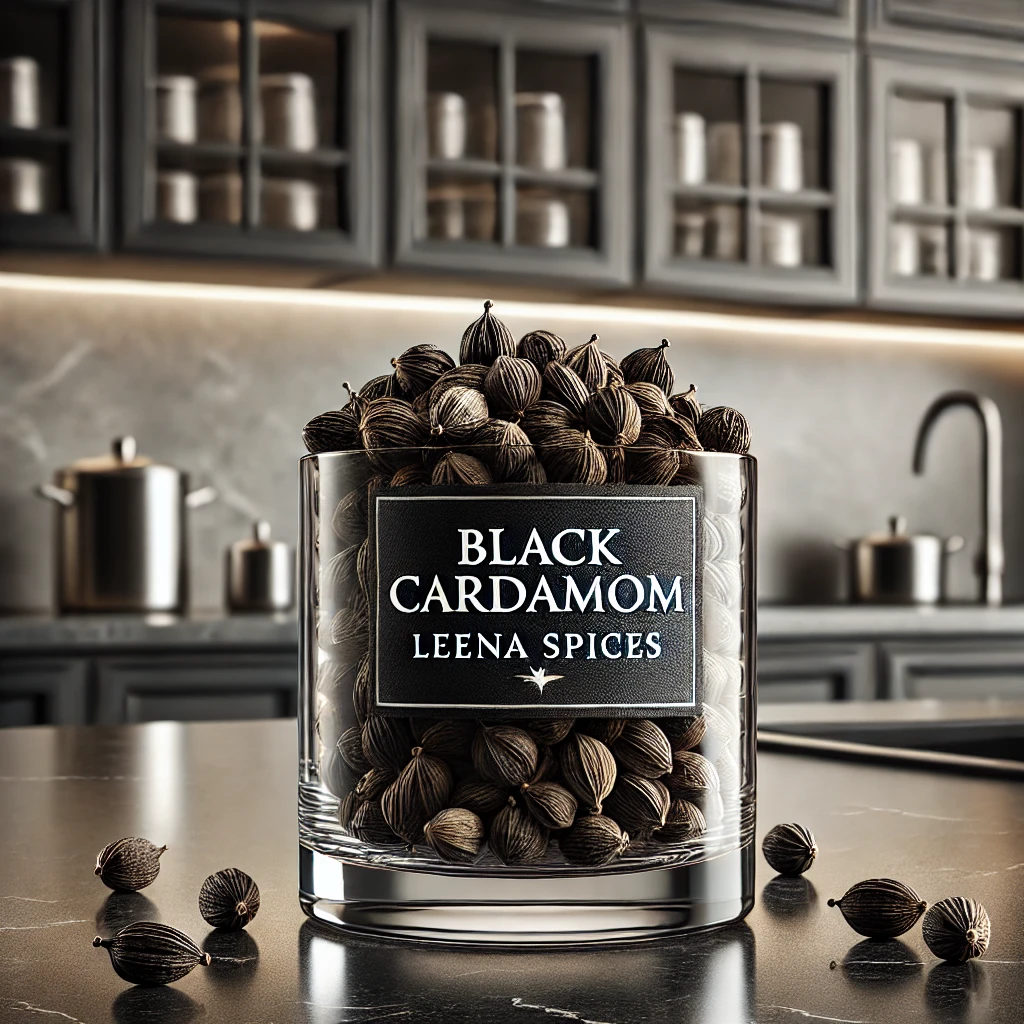
Green cardamom
Contributes a bright, slightly floral flavour that lifts heavier spices.
Cilantro
Used in dried form for a fresh, herbal layer.
Cinnamon
A signature tagine flavour, offering sweetness and warmth.
Cloves
Delivers a deep, aromatic intensity that defines many Moroccan dishes.
Coriander
Earthy and citrusy, helping balance heat and sweetness.
Cumin
Essential in North African cooking, adding warmth and depth.
Garlic powder
Gives a savoury backbone that complements meat and vegetable tagines.
Ginger powder
Adds gentle heat and a subtle citrusy sharpness.
Paprika
Provides colour, mild sweetness, and body to the blend.
Parsley
Fresh, herbal notes that soften richer spices.
Turmeric
Adds colour, earthiness, and a mellow warmth.
How to make homemade Tagine spice blend from scratch?
A homemade Tagine spice blend captures the warm, aromatic flavours at the heart of Moroccan cooking. Preparing it from scratch gives you control over freshness, balance, and intensity ideal for slow-cooked tagines, roasted vegetables, stews, and Middle Eastern-inspired marinades.
Ingredients (by weight)
Allspice – 6 g
Black pepper – 1 g
Green cardamom – 5 g
Dried cilantro – 1 g
Cinnamon quill – 13 g
Cloves – 5 g
Coriander – 40 g
Cumin – 2 g
Garlic powder – 2 g
Ginger powder – 2 g
Paprika – 20 g
Dried parsley – 1 g
Turmeric – 2 g
Method
- Toast the whole spices
Place allspice, black peppercorns, green cardamom, cinnamon quill, cloves, coriander seeds, and cumin seeds in a dry pan over low heat. Gently toast for 2–3 minutes until aromatic. This step releases essential oils and deepens the spice profile. - Cool and grind
Allow the spices to cool completely. Grind them into a fine powder using a spice grinder or mortar and pestle. - Combine the ground spices
Add garlic powder, ginger powder, paprika, dried parsley, dried cilantro, and turmeric. Mix until evenly blended. - Store properly
Transfer the blend to an airtight glass jar. Keep it in a cool, dry place away from direct light. For best flavour, use within 6 months.


Is Tagine spice seasoning blend vegan, gluten-free, or organic?
Tagine spice seasoning is a versatile North African blend made entirely from dried herbs and ground spices. In its pure form, it is naturally vegan, gluten-free, and can be organic depending on the ingredients used. However, store-bought varieties depends on how the blend is processed and labeled.
Is Tagine Spice Vegan?
Yes. Traditional tagine spices are 100% plant-based and contain ingredients such as coriander, cumin, cinnamon, paprika, ginger, turmeric, cloves, cardamom, garlic powder, and parsley. These spices do not involve animal products.
For commercial blends, always check the ingredient list to ensure no additives, flavour enhancers, or anti-caking agents contain animal-derived components.
Is Tagine Spice Gluten-Free?
Pure tagine spice mixes are naturally gluten-free because they contain only ground spices. The concern arises with manufacturing and packaging. Some brands produce spices in facilities that also handle wheat, which can introduce cross-contamination.
If you need guaranteed gluten-free seasoning, choose a blend that is explicitly labeled “Certified Gluten-Free.”
Is Tagine Spice Organic?
Tagine spice itself is not automatically organic. The classification depends entirely on the spices used in the blend. To ensure an organic product, look for spices that carry certified organic labels or prepare the blend at home using organic ingredients. Many premium spice companies, including artisan and small-batch producers offer organic versions that contain no fillers, salt, sugar, or preservatives.
Summary
• Vegan: Yes, when made from pure herbs and spices.
• Gluten-free: Yes, although certified GF options are recommended for strict dietary needs.
• Organic: Only when specifically labeled or made with certified organic spices.
For complete control over dietary requirements, a homemade tagine spice blend is the most reliable option.
Watch the Video
⚡️The Ultimate Keto Meal Plan⚡️
Where to buy authentic Tagine spice blends online?
You can buy Pure and Authentic Tagine Spice Blend From Amazon
You’ll find several reputable brands offering pre-made blends in both small jars and bulk packs.
CLICK HERE
What Is the Authentic Recipe for Tagine Spice Seasoning Blend?
Authentic Tagine Lamb Recipe
This slow-cooked Moroccan-style lamb tagine showcases the spice blend rich, aromatic, and naturally sweetened with dried fruits.
Ingredients
500 g lamb pieces
2 tbsp olive oil
1½ tsp tagine spice blend
1 large onion, grated
100 g can chopped tomatoes
¼ cup tomato juice
5 dried apricots, chopped
5 dates, halved
10 raisins or sultanas
20 g flaked almonds
1 tsp honey
100 ml lamb stock
Salt to taste
Optional: Add chickpeas or vegetables for a heartier dish.
Method
1. Marinate the lamb
Combine the lamb pieces with ½ teaspoon of tagine spice. Mix well, cover, and let the lamb marinate for 30 minutes. This helps the spices penetrate the meat before cooking.
2. Brown the lamb
Heat 1 tablespoon of olive oil in a frying pan. Add the marinated lamb and brown it on both sides. Remove the lamb and set aside.
3. Prepare the flavour base
Using the same pan, add the grated onion to the remaining oil. Cook until light golden. Stir in the remaining tagine spice blend to release its aroma.
4. Assemble the tagine
Preheat the oven to 150°C.
Transfer the onions, browned lamb, chopped tomatoes, tomato juice, dried fruits, almonds, honey, lamb stock, and salt into a casserole dish. Stir gently to combine.
5. Slow-cook until tender
Cover the dish and cook in the oven for about 2½ hours, or until the lamb becomes soft and tender, and the sauce thickens naturally.
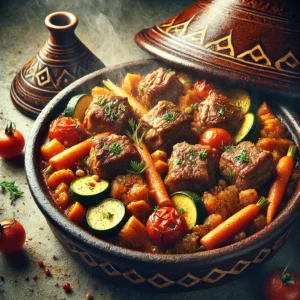
How to Use Tagine Spice Blend Beyond Traditional Tagines
1. Dry Rubs for Meat, Seafood, or Plant Proteins
Rub tagine spice directly onto chicken, lamb, beef, fish, tofu, or paneer before grilling, roasting, or pan-searing. Recommended amount: 1–2 tablespoons per 500 g protein.2. Marinades
Create flavourful North African marinades by mixing the spice blend with olive oil, lemon juice, yogurt, or garlic. Great for: chicken kebabs, lamb chops, prawns, salmon, tofu, or vegetables.3. Roasted Vegetables
Tagine spice pairs beautifully with root vegetables and winter produce. Toss with oil and roast for a fragrant, caramelised finish. Best vegetables: carrots, sweet potatoes, pumpkin, cauliflower, eggplant, zucchini, chickpeas. Use: 1–2 tablespoons per 1 kg vegetables.4. Soups, Stews, and Braises
Stir tagine spice into lentil soup, chickpea stew, tomato-based broths, or slow cooker meals to add warmth and complexity. Use: 1½–2 tablespoons per pot.5. Rice, Couscous, and Grain Dishes
Add a teaspoon to couscous, quinoa, bulgur, or rice during cooking to create lightly spiced, aromatic side dishes.6. Hummus, Dips, and Spreads
Fold a small amount into hummus, yogurt dip, tahini, labneh, or salad dressings. It adds gentle heat and depth without overpowering. Use: ½–1 teaspoon per cup of dip.7. Roasted Nuts, Snacks, and Popcorn
Coat warm almonds, cashews, chickpeas, or popcorn with tagine spice for a savoury-sweet snack. Use: ½–1 teaspoon per batch.8. Egg Dishes
Sprinkle over scrambled eggs, omelettes, frittatas, shakshuka, or menemen to introduce warm Moroccan character. Use: 1 teaspoon per pan.9. Meatballs, Burgers, and Kofta
Mix the spice blend into ground meat or plant-based mince to add flavour throughout the mixture. Use: 2 tablespoons per 500 g mince.10. Quick Fusion Dishes
Add tagine spice to fried rice, noodle stir-fries, tomato sauces, or curry bases to create cross-cuisine flavour layers. Use: 1 teaspoon at the start (bloom in oil) + 1 teaspoon at the end for freshness.11. Salad Dressings
Whisk a pinch into vinaigrettes made with olive oil, vinegar, lemon, or honey for a warm, spiced dressing. Use: ½ teaspoon per cup of dressing.
Quick Reference Chart for Everyday Cooking
Dish or Use Case | Amount | Method |
Roasted vegetables | 1–2 tbsp | Toss with oil; roast at 200°C for 25–35 min |
Chicken skewers | 1½ tbsp + yogurt | Marinate 30 min–2 hrs, grill |
Salmon or prawns | 1 tbsp + oil + lemon zest | Bake 180°C for 12–15 min |
Fried rice or stir-fry | 1 tsp + 1 tsp | Bloom at start, season at end |
Lentil or chickpea stew | 1½–2 tbsp | Add with onions, simmer |
Kofta or meatballs | 2 tbsp | Mix into mince |
Popcorn or nuts | ½–1 tsp | Toss while hot |
Hummus | ¾ tsp | Stir in at the end |
Tofu or paneer marinade | 1 tbsp + oil + lime | Marinate 20 min, cook |
Sweet potato wedges | 1 tbsp | Roast at 200°C for 25 min |
Shakshuka | 1–1½ tsp | Add with tomatoes |
Curry base | 1 tbsp | Use with your usual curry powder |
Yogurt dip or raita | ½ tsp | Blend with yogurt |
Roast lamb or chicken | 2 tbsp + oil | Coat before roasting |
Can Tagine Spice Blend Be Used for Meats, Vegetables, and Rice Dishes?
Using Tagine Spice Blend for Meats
Tagine spice is excellent for chicken, lamb, beef, pork, goat, fish, tofu, and plant-based proteins.
How to use it:
• As a dry rub before grilling, roasting, pan-searing, or slow-cooking
• Mixed with olive oil, lemon juice, or yogurt to create a marinade
Recommended amount: 1–2 tablespoons per 500 g of protein.
The spice blend enhances natural meat flavours with gentle heat, sweetness, and earthiness.
Using Tagine Spice Blend for Vegetables
Tagine spice pairs exceptionally well with roasted or grilled vegetables.
Best vegetables: carrots, sweet potato, pumpkin, eggplant, zucchini, cauliflower, potatoes, chickpeas, and lentils.
How to use it:
• Toss with oil and roast
• Add to vegetable stews or soups
Recommended amount: 1–2 tablespoons per 1 kg vegetables.
It adds warmth, depth, and a Moroccan-inspired aroma to simple vegetable dishes.
Using Tagine Spice Blend for Rice and Grain Dishes
The blend also works beautifully with grains such as rice, couscous, quinoa, and bulgur.
How to use it:
• Add 1 teaspoon per cup of uncooked rice
• Stir into couscous or quinoa during cooking
• Bloom in oil before adding grains for a richer flavour
It transforms plain grains into fragrant, spiced side dishes that complement meat and vegetable mains.
How long does Tagine spice blend stay fresh and how to store it properly?
Frequently Asked Questions (FAQs)
Can I substitute Tagine spice blend if I don’t have it at home?
Yes. You can create a quick substitute using a mix of ground cumin, coriander, paprika, cinnamon, turmeric, ginger, and cloves. Adjust quantities based on taste, and consider adding a pinch of cardamom or allspice for authenticity.
How spicy is Tagine spice blend?
Tagine spice blend is generally mild to medium in heat. Its warmth comes from black pepper and paprika rather than chili, making it suitable for family-friendly dishes and versatile for vegetables, meats, and grains.
Can Tagine spice blend be used in vegetarian or vegan recipes?
Absolutely. Tagine spice enhances lentil soups, chickpea stews, roasted vegetables, grain bowls, and plant-based meat alternatives, delivering rich Moroccan flavors without animal products.
Is Tagine spice blend suitable for slow cookers or instant pots?
Yes. Add Tagine spice at the beginning or mid-way through cooking for soups, stews, and slow-cooked meats. Its aromatic profile develops beautifully during long, low-heat cooking.
How do I make Tagine spice blend more aromatic before cooking?
Bloom the spices in a small amount of oil for 30–60 seconds before adding other ingredients. This releases essential oils and enhances the depth of flavor in meats, vegetables, or grains.
Can Tagine spice blend be used in rice or couscous dishes?
Yes. Stir 1 teaspoon per cup of rice or couscous while cooking or bloom it in oil first. This infuses the grains with warm, aromatic flavors that complement meats and vegetables.
Are store-bought Tagine spice blends safe to consume long-term?
Generally yes, but always check for additives, fillers, or anti-caking agents. Properly stored, commercial blends retain flavor for 6–12 months. Homemade blends are best within 3–6 months for peak aroma.
Can I mix Tagine spice blend with other cuisines?
Definitely. It pairs well with Mediterranean, Middle Eastern, Indian, and fusion recipes, adding depth to grilled meats, roasted vegetables, soups, curries, and even dips or spreads.
How can I make a budget-friendly Tagine spice blend at home?
Use simple, readily available ground spices like cumin, coriander, paprika, cinnamon, turmeric, and ginger. Toasting whole spices and grinding them at home maximizes flavor while keeping costs low.
What dishes are best enhanced with Tagine spice blend besides classic tagines?
It works in roasted vegetables, soups, stews, couscous, rice pilafs, meatballs, eggs, hummus, yogurt dips, grilled meats, and even snacks like roasted nuts or chickpeas.